What makes a tattoo art nouveau
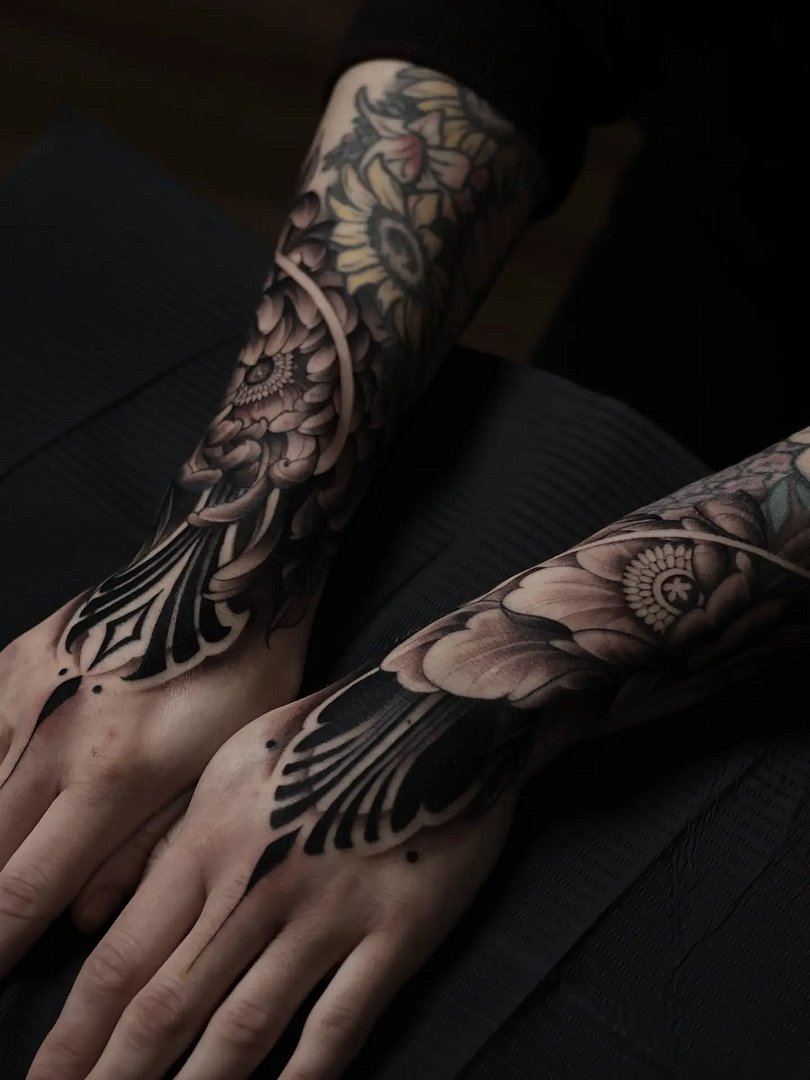
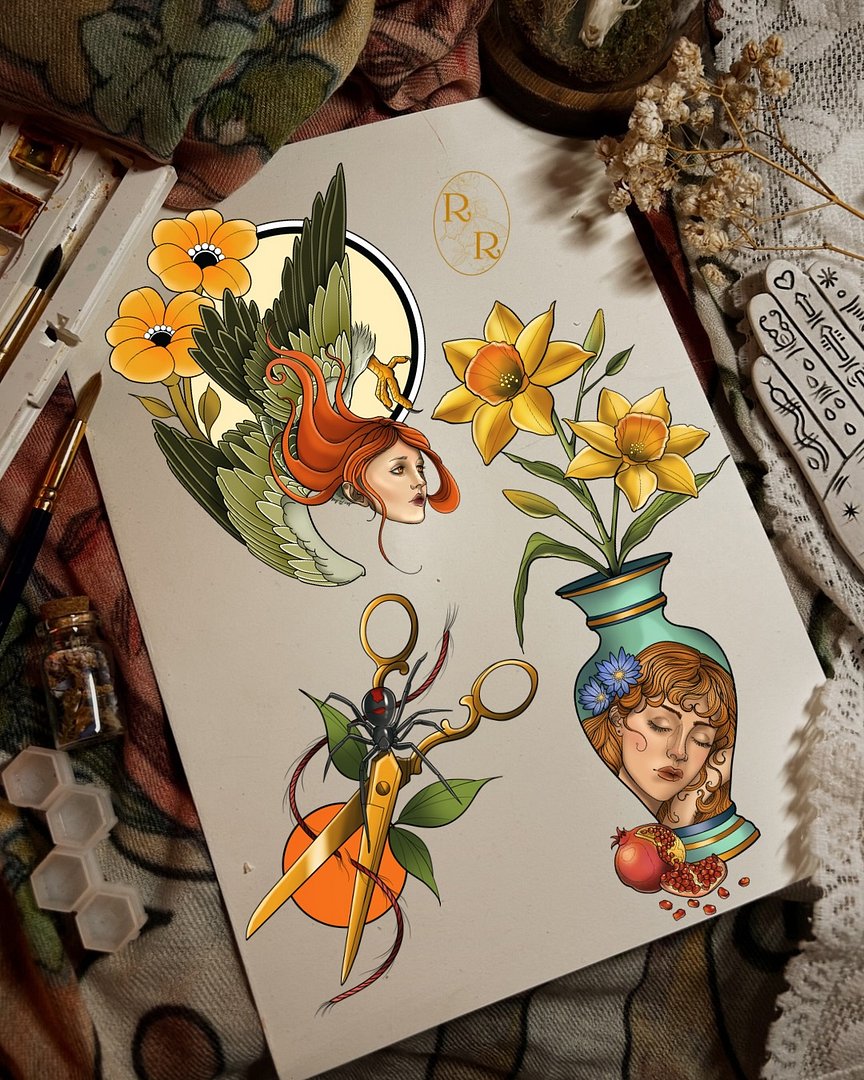
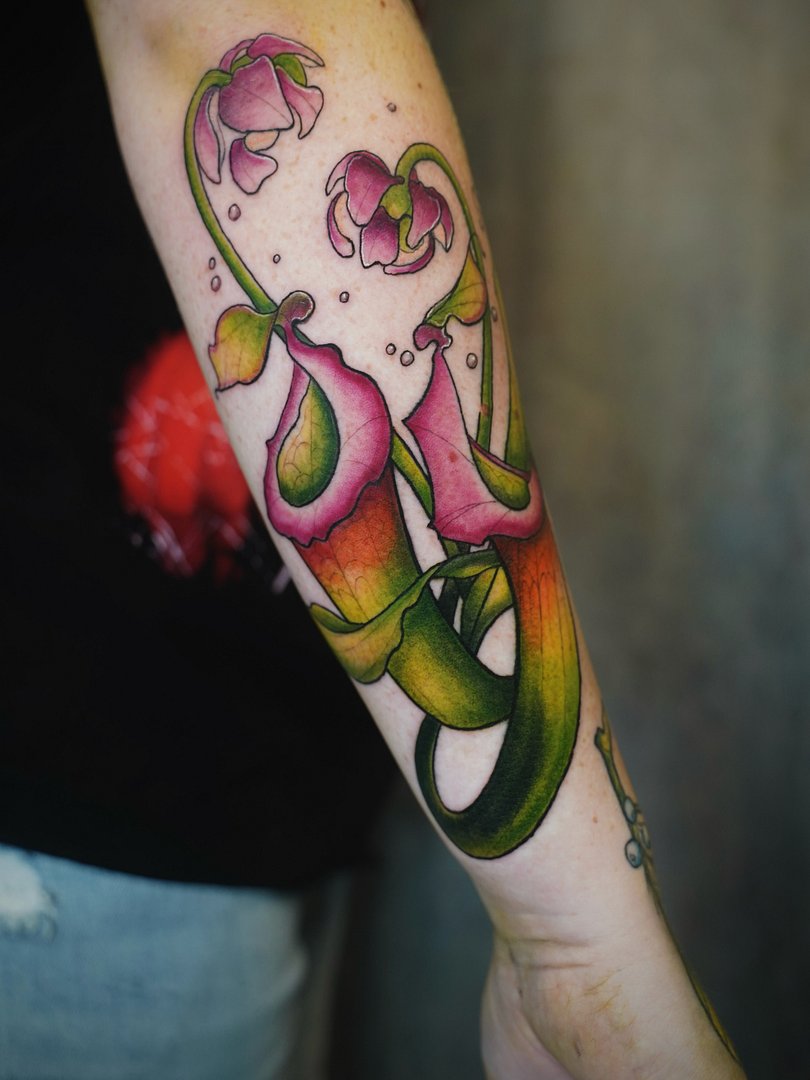
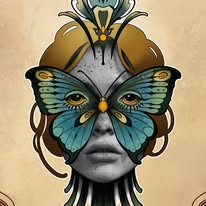
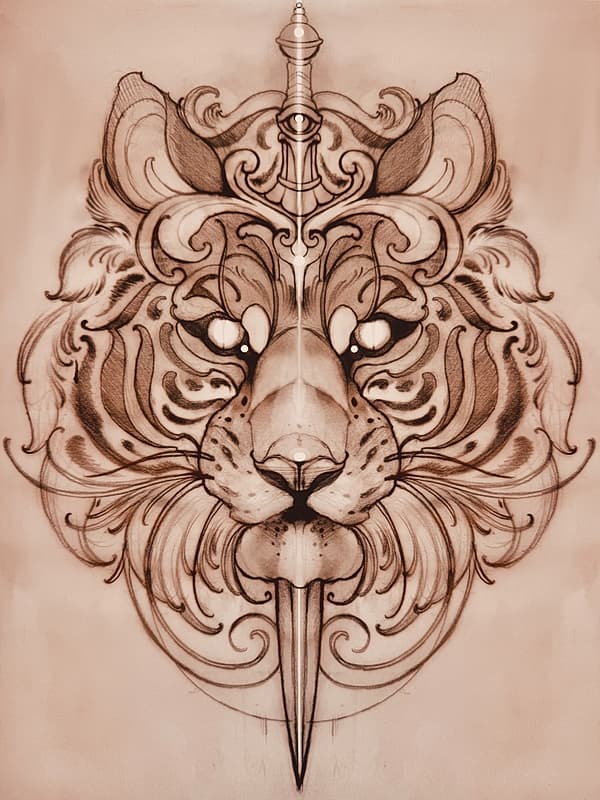
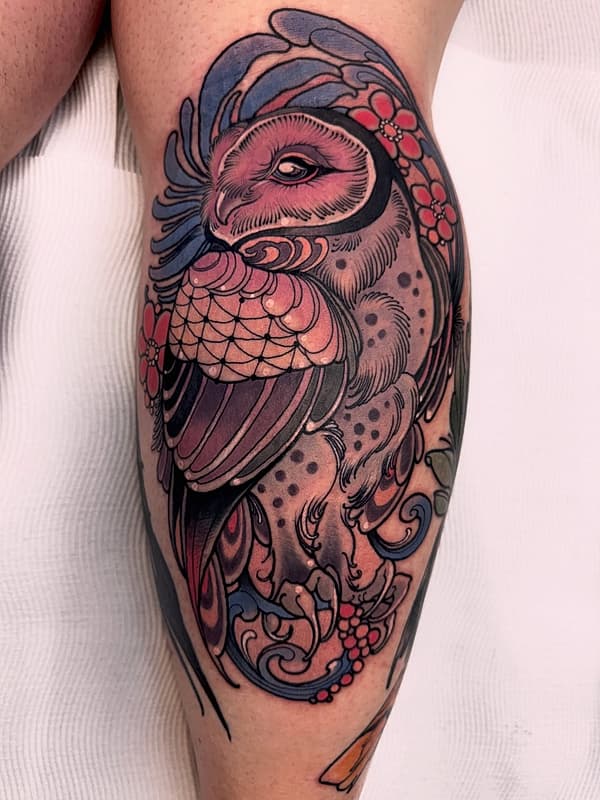
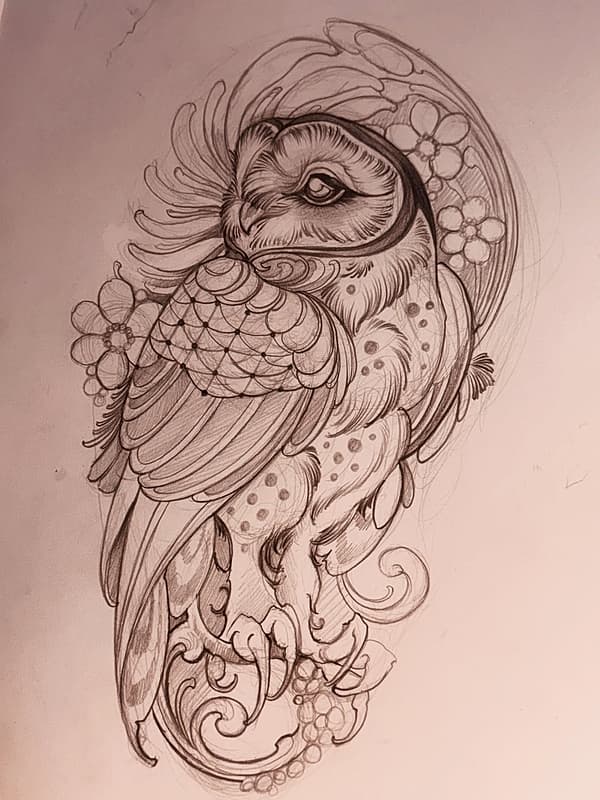
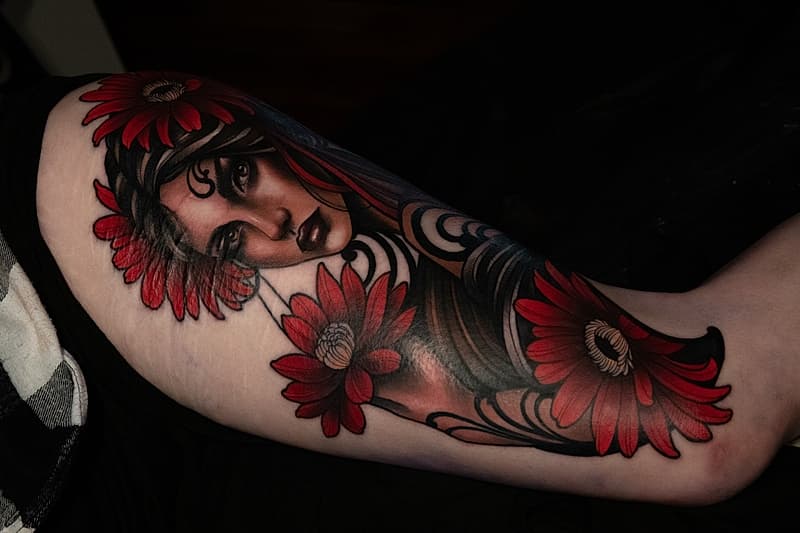
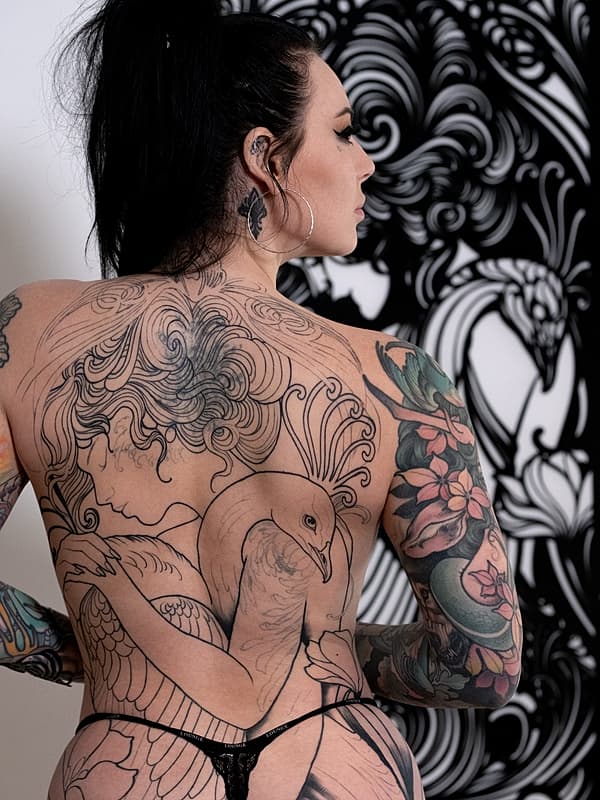
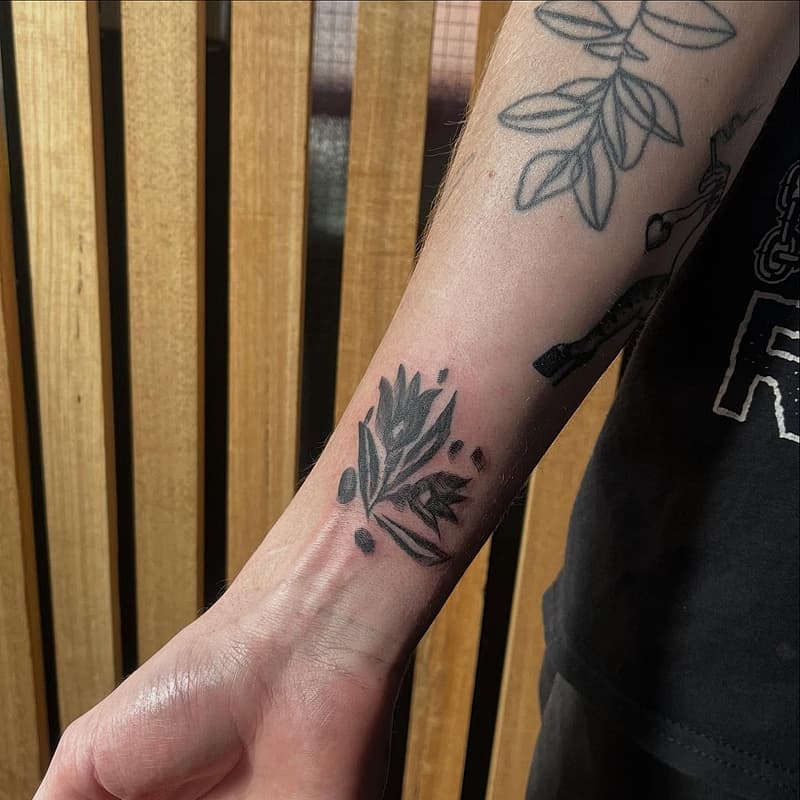
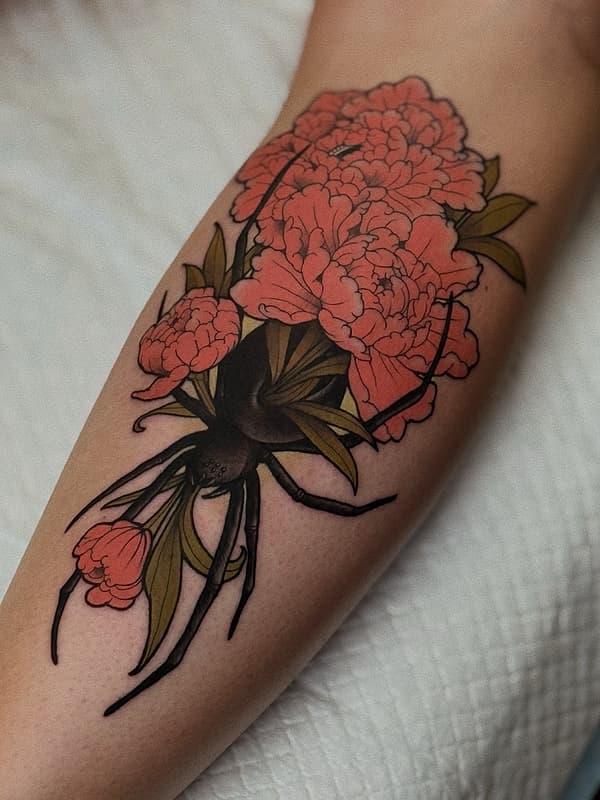
Art nouveau is the 1890s design movement that decided straight lines were boring: whiplash curves, vines and stems, ornamental frames and arches, stylised women with impossibly flowing hair, and soft, muted palettes. On skin, that translates to pieces built from long sinuous linework, decorative borders, botanical detail and a romantic, vintage feel. The reference points you'll hear constantly are Mucha for the framed ladies, Klimt for gold and pattern, and Beardsley for stark black linework.
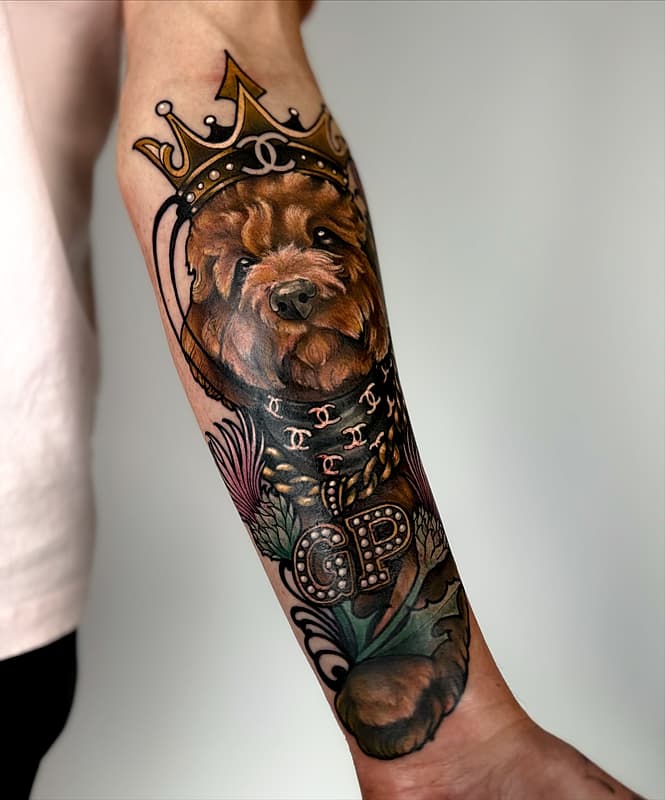
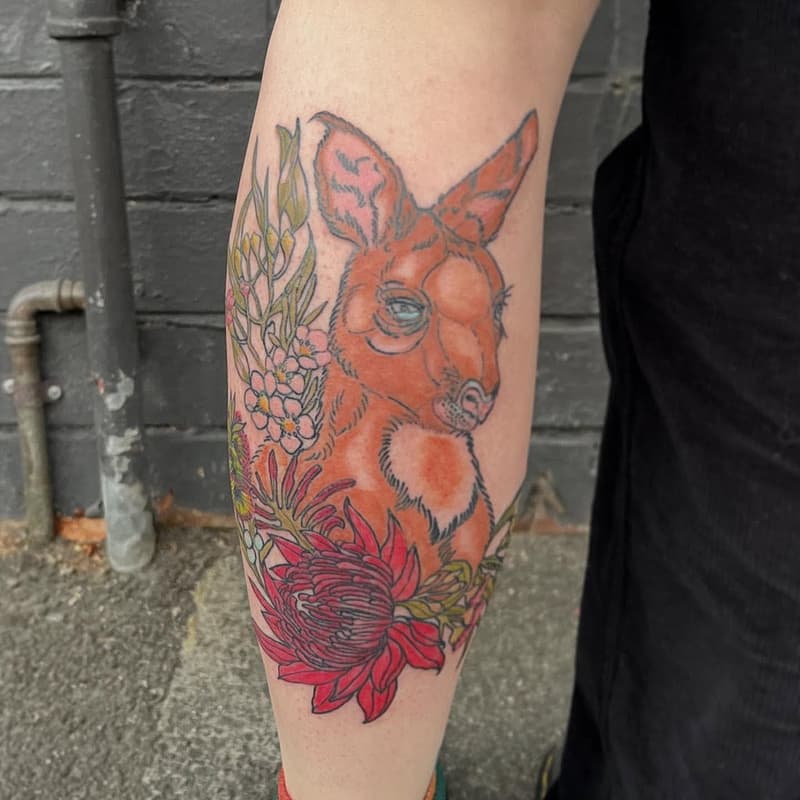
It's not just a style for reproducing old posters, though. Art nouveau is a design language, and good artists compose original pieces in it: your flower, your animal, your figure, framed and flowing the way the movement would have drawn it. If you're asked whether you want a copy of a Mucha or something in the spirit of one, the second option almost always makes the better tattoo.
Nouveau or deco: know which one you're asking for
The single most common mix-up in this corner of tattooing: art nouveau and art deco are different movements with opposite personalities. Nouveau, the earlier one, is curved, organic, botanical and romantic; asymmetry and nature everywhere. Deco, from the 1920s and 30s, is geometric and sleek: sunbursts, chevrons, fans, sharp symmetry, machine-age glamour. If your references are curvy and floral you want nouveau; if they're Gatsby-poster sharp, you want deco.