Blackwork Tattoos: Aging, Blast-Overs, Cost and What to Know | REAP
  1. Home
  2. /Guides
  3. /Blackwork Tattoos: What to Know Before You Book

Blackwork Tattoos: What to Know Before You Book

What blackwork actually is, why it ages better than almost anything, blast-overs vs cover-ups, and what heavy black work costs in Australia.

Updated 2026-07-18

What counts as blackwork

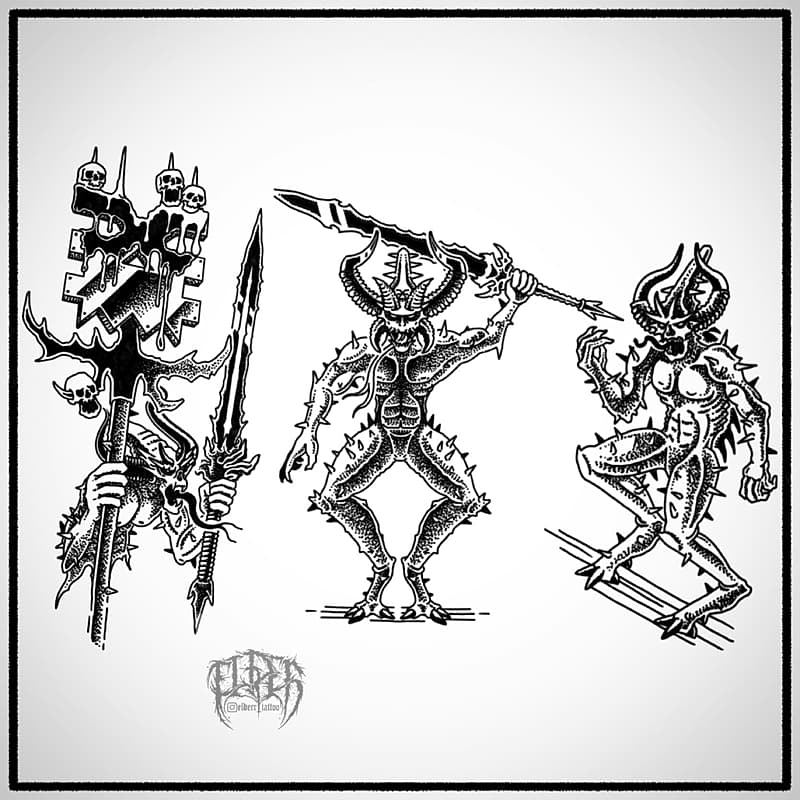
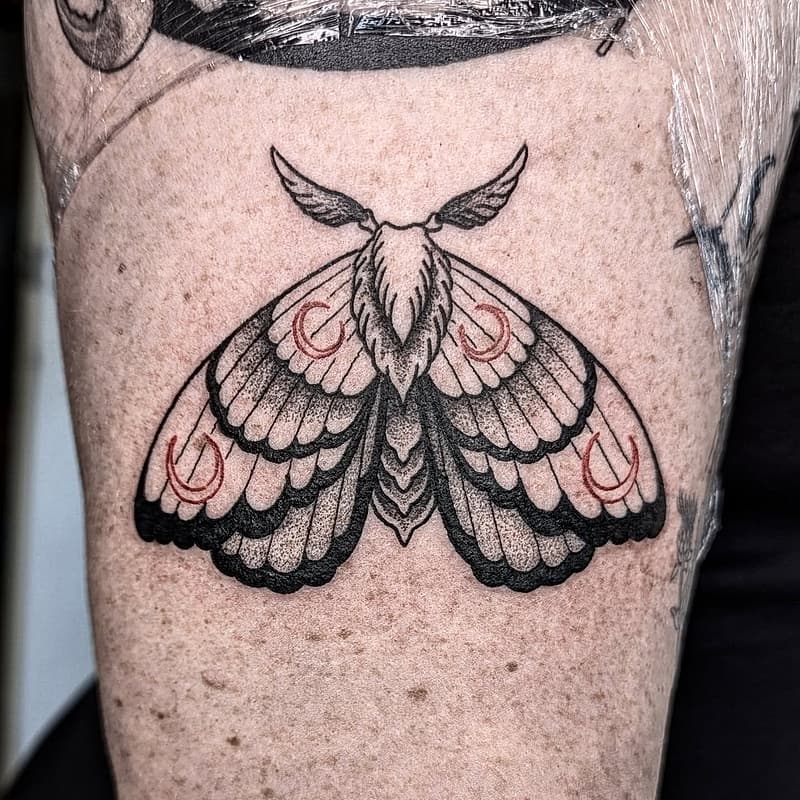
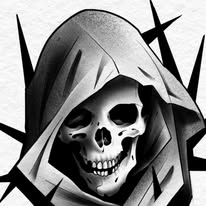
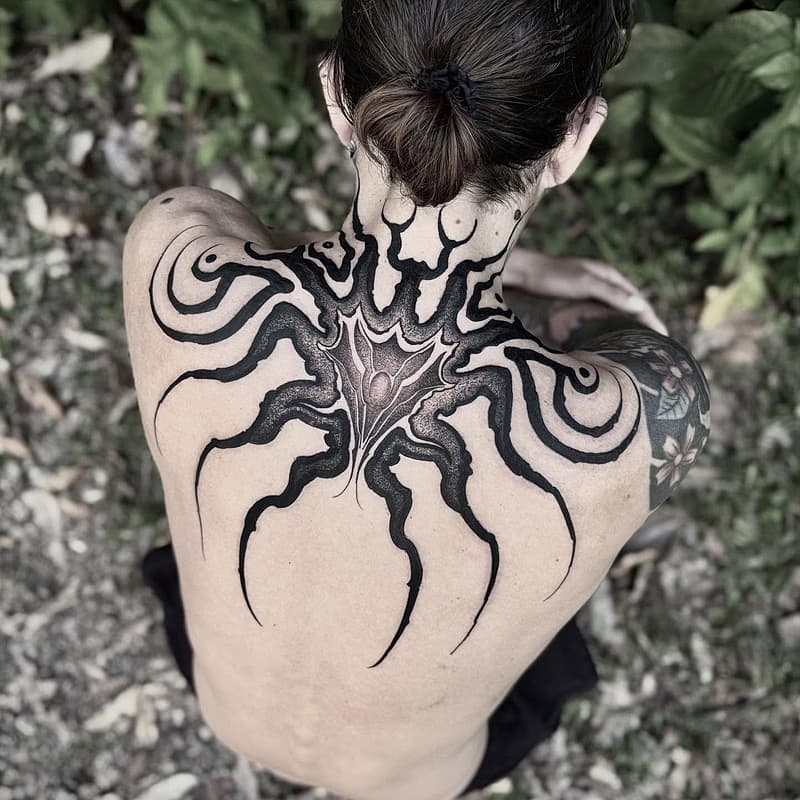
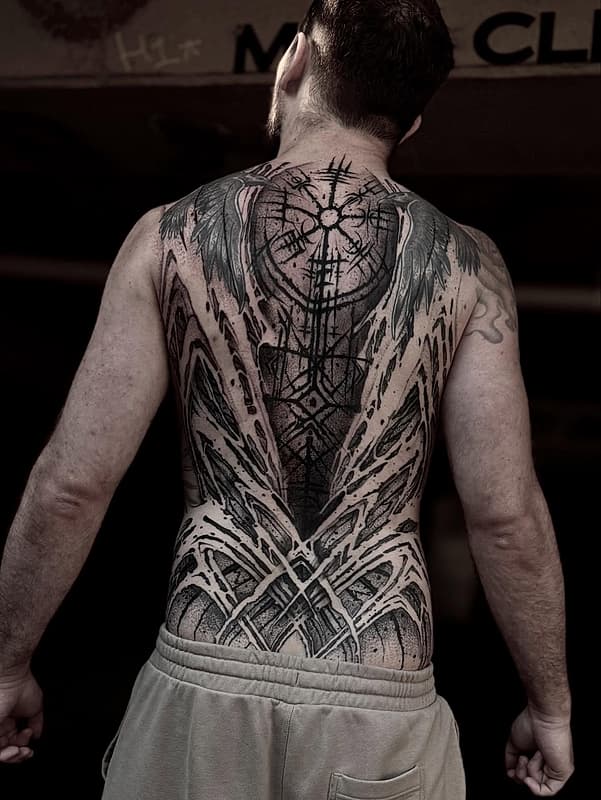
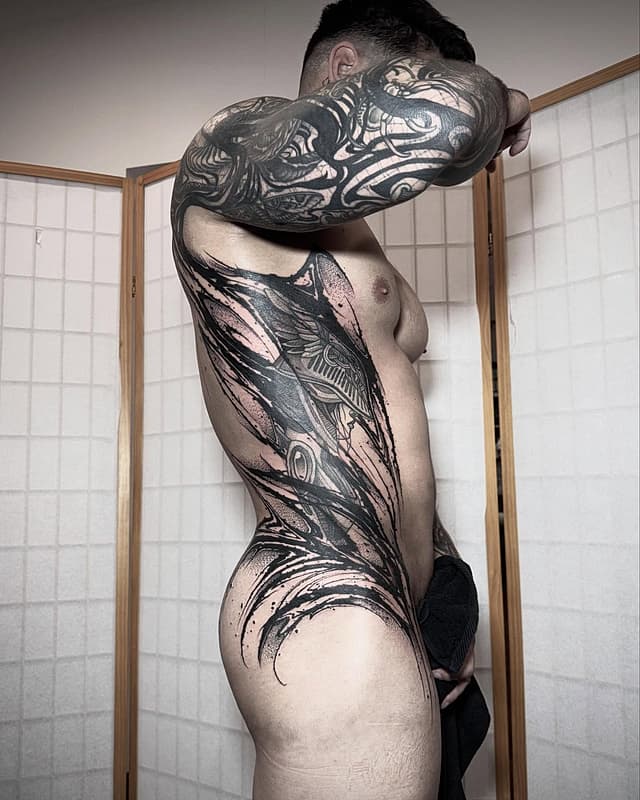
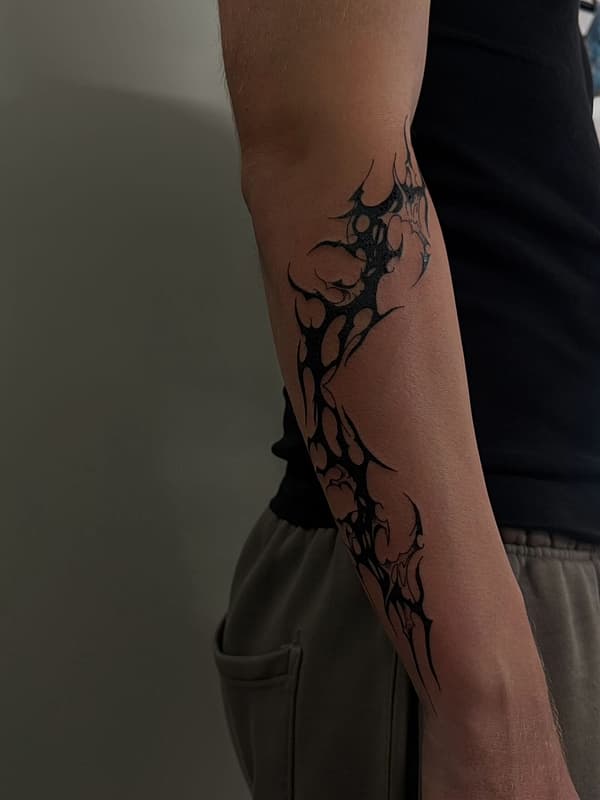
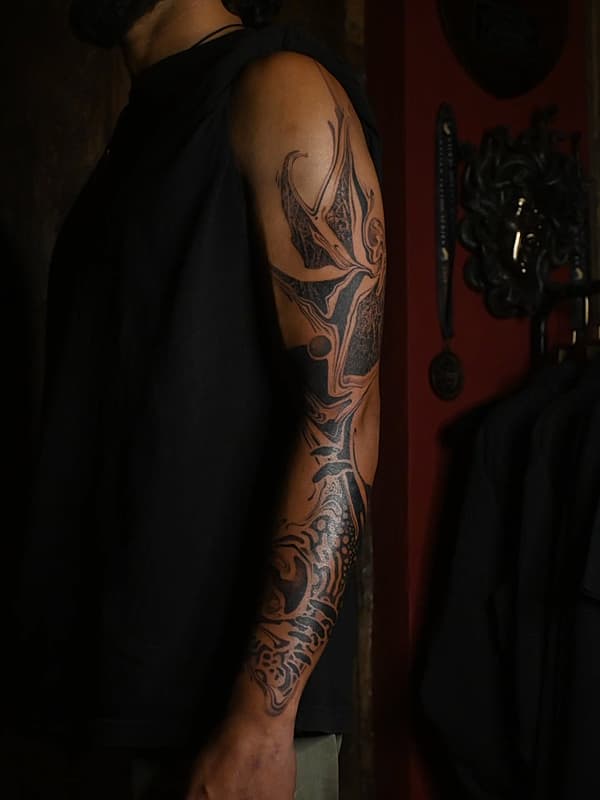
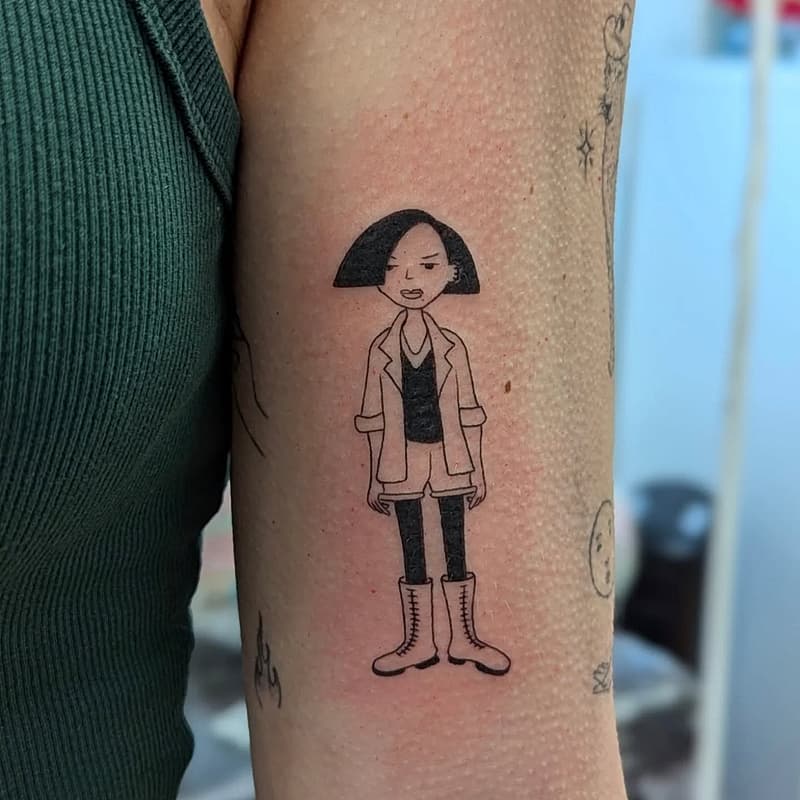
Blackwork is any tattooing built entirely from solid black ink: bold graphic shapes, heavy ornamental patterns, tribal-influenced work, and full blackout pieces where whole sections of a limb are saturated black. The signature move of the style is negative space, using untouched skin as part of the design rather than filling everything in.

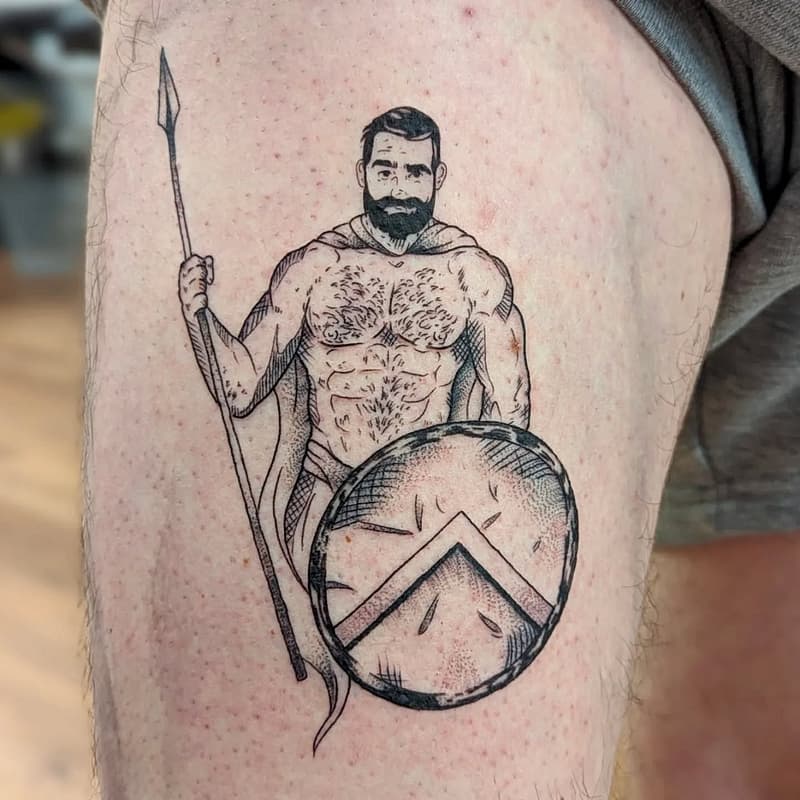
It's not the same thing as black and grey. Black and grey dilutes black ink into grey washes to build shading and depth, like a pencil drawing. Blackwork uses black at full strength, and the contrast comes from where the ink isn't.

The best-aging style there is

If longevity is your priority, blackwork is hard to beat. Carbon-based black is the most fade-resistant tattoo pigment, and big solid shapes have plenty of margin: as ink spreads slightly under the skin over the years, a bold black form absorbs it without losing character. This is why those 'tattoo styles after 10 years' comparisons keep landing on the same answer.

The style's one technical trap is saturation. Patchy black, where the fill heals uneven or streaky, is the thing that separates a specialist from a generalist, and it's exactly what to look for in healed portfolio photos. Edges also soften with sun exposure over the years, and in Australia the sun does most of the damage, so sunscreen on healed work matters even for the toughest style.
Blast-over, cover-up, or blackout

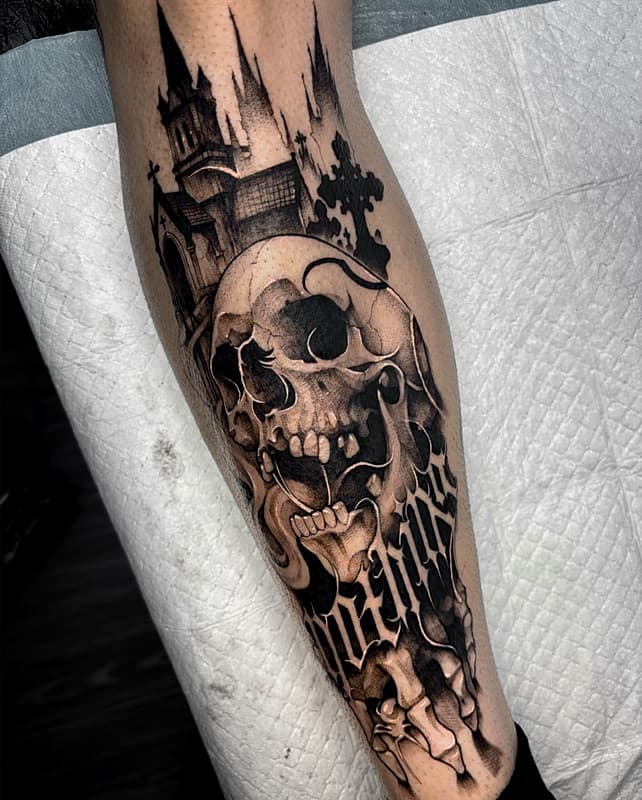
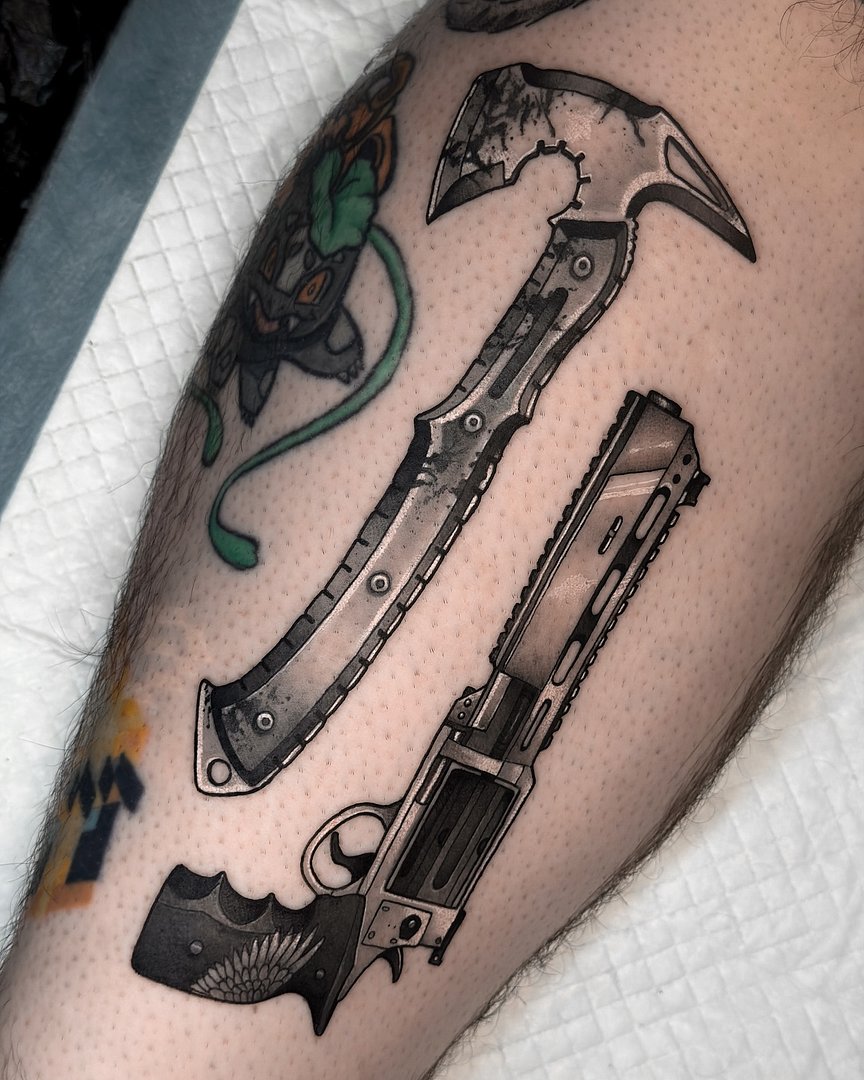
Blackwork is where a lot of people end up when dealing with an old tattoo they no longer love, and there are three distinct routes that get mixed up constantly. A cover-up conceals the old piece inside a new design so it effectively disappears. A blast-over tattoos a bold blackwork design straight over the top with the old tattoo deliberately still visible underneath, layered like a poster pasted over an old wall. A blackout obliterates the area entirely under solid black.

Each has trade-offs. Cover-ups constrain the new design to whatever can swallow the old one. Blast-overs are the most design-free option but you have to be comfortable with the old piece staying partly visible. Blackouts are the nuclear option: multiple long, painful sessions to saturate the skin, and close to one-way, since removing dense black later takes around a dozen laser sessions and costs several times the original tattoo. Decide accordingly.

Pain, sessions and cost

Line-and-pattern blackwork hurts about the same as any bold tattooing. Heavy fill is a different story: saturating skin with solid black takes repeated passes over the same area, and blackout sessions are widely reported as among the more punishing things you can sit for, with swelling that can last most of a week. A blacked-out forearm is typically a four to six hour sitting; a full blackout sleeve runs across multiple sessions.

In Australia, expect roughly $150 to $250 an hour depending on the artist and city, with shop minimums around $100 to $150. Standalone blackwork pieces commonly land between $250 and $1,500, half sleeves from around $1,200 to $2,000, and large-scale heavy black projects run into several thousands, often billed as day rates of roughly $1,400 to $2,500. Solid black looks simple; the hours are real.

Two honest footnotes

First, health. Claims circulate about blackout tattoos blocking vitamin D or causing cancer, and the evidence doesn't support the scary versions. Two things are real, though: some ink particles do end up in nearby lymph nodes (documented and not shown to be harmful, but real), and large areas of solid black genuinely make it harder to monitor moles. If you're blacking out a large area, get a skin check first and tell your GP or dermatologist what's under the ink.

Second, cultural patterns. A lot of blackwork borrows from Polynesian, Maori and Filipino traditions, where specific patterns carry lineage and meaning. The sensible line most people land on: avoid sacred, culturally specific designs like ta moko unless they're yours, and if you love the visual language, work with an artist from that culture or ask for work created for outsiders, like Maori kirituhi. Specialists in these traditions will guide you properly; that's part of what you're paying for.

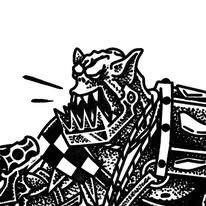
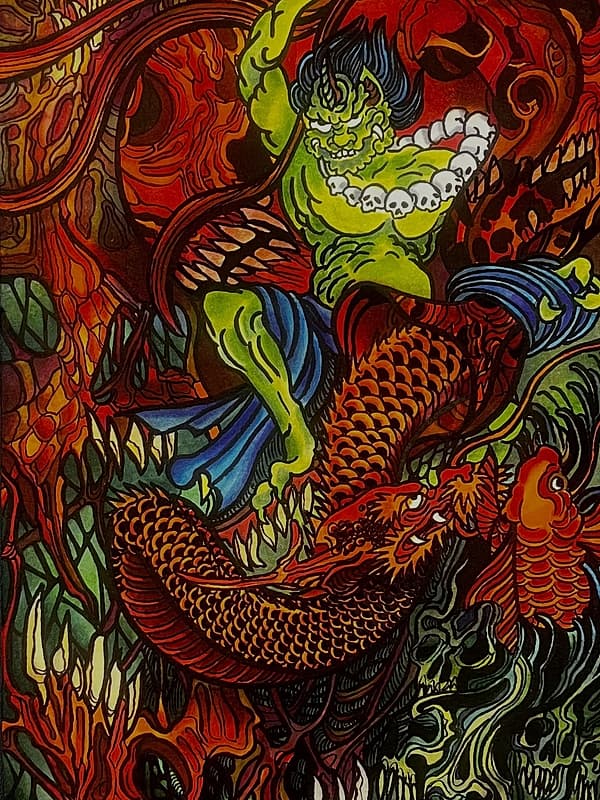
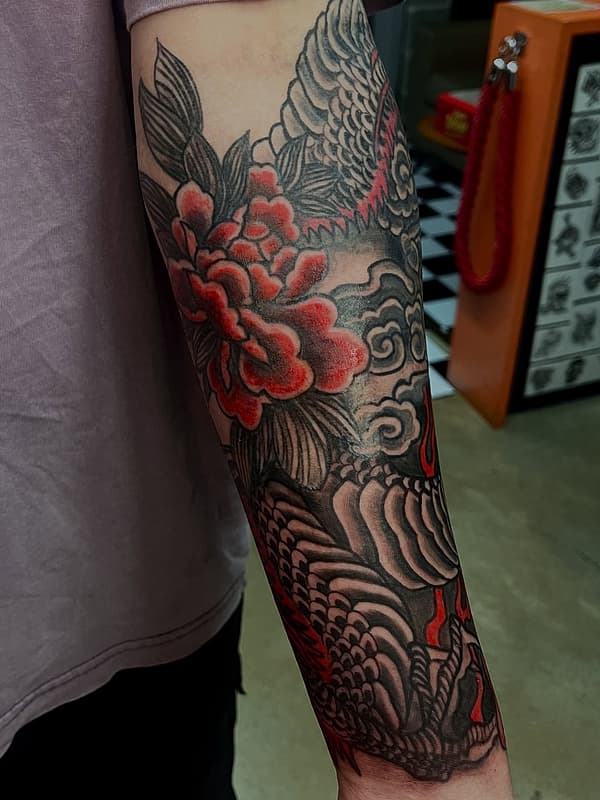
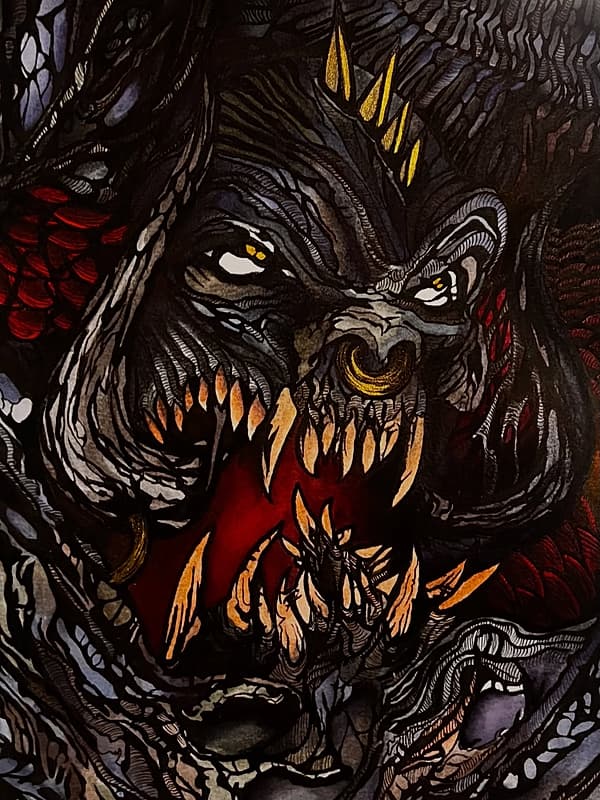
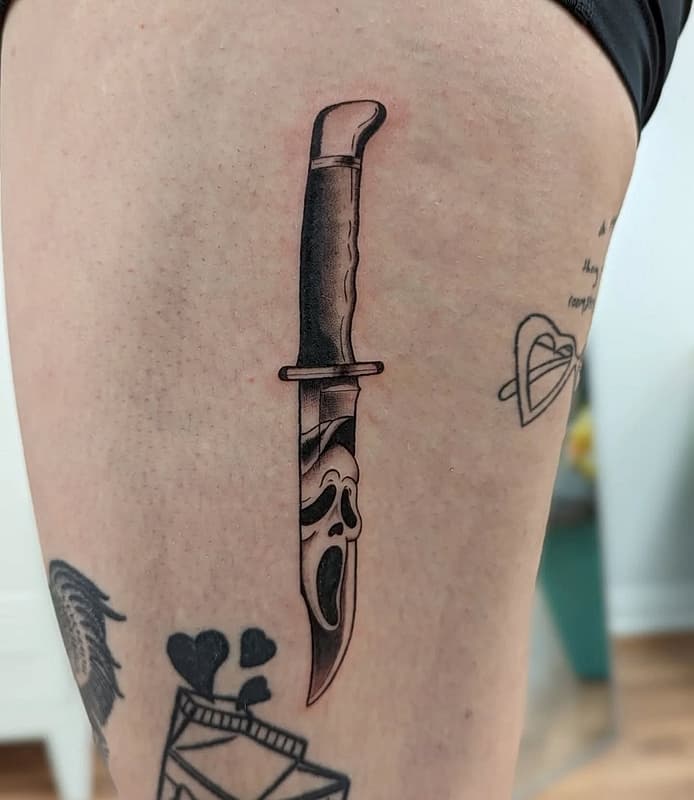
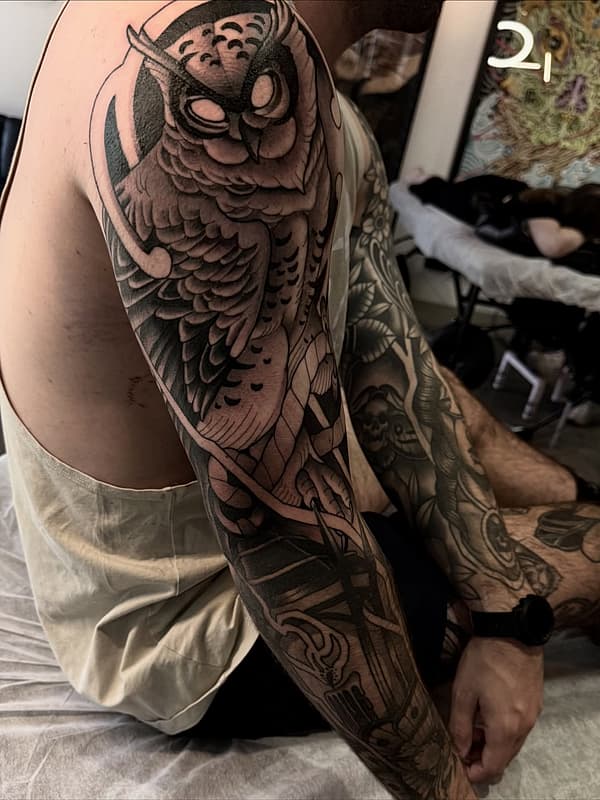
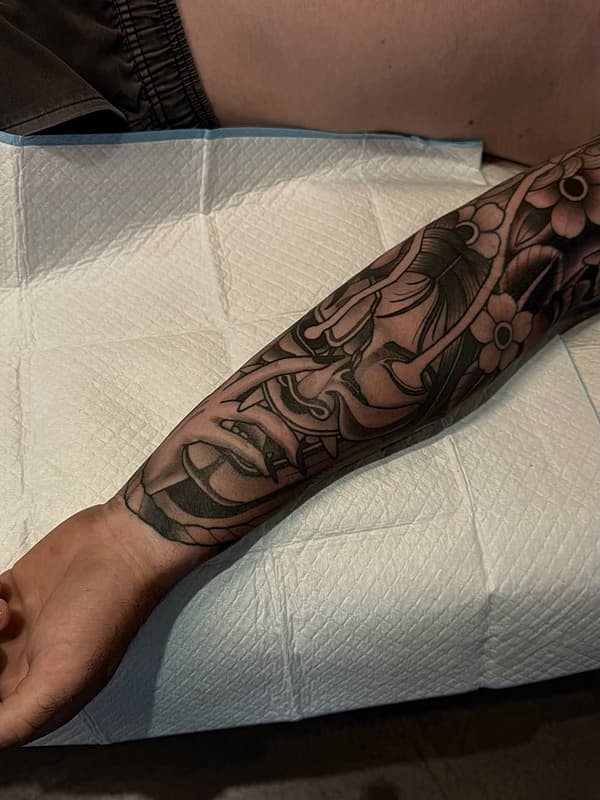
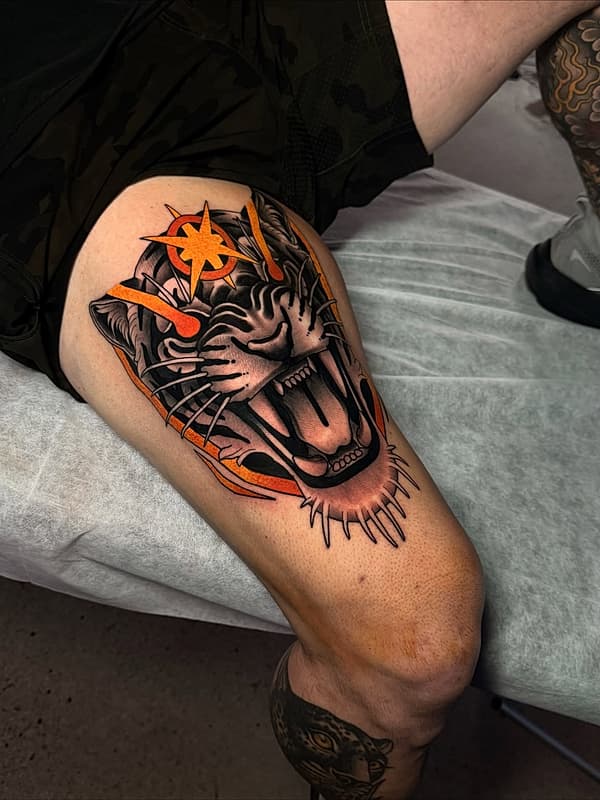
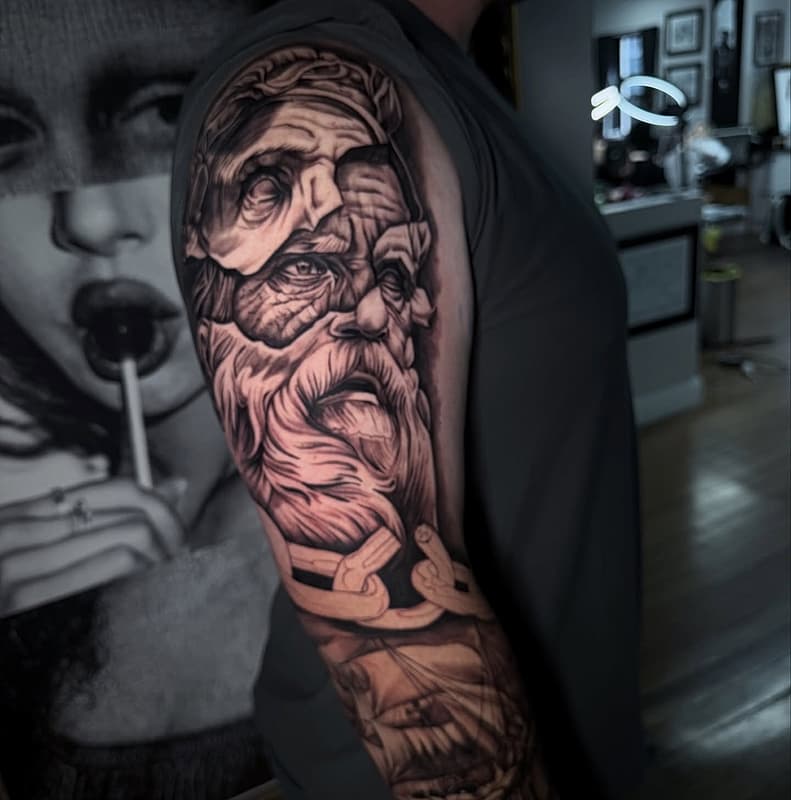
Blackwork artists on REAP

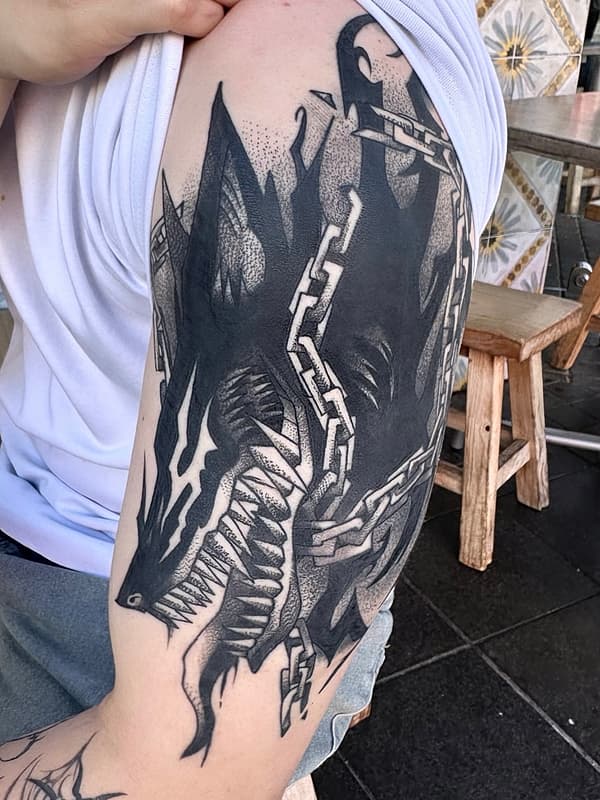
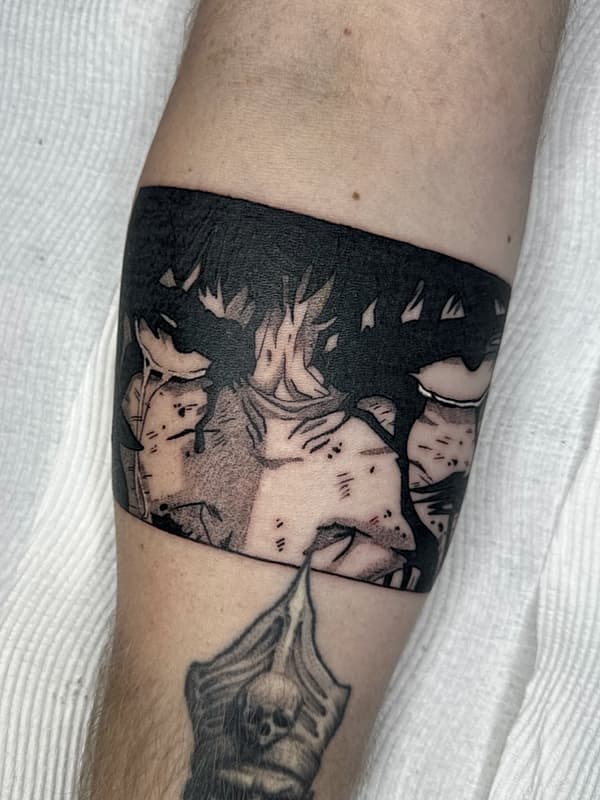
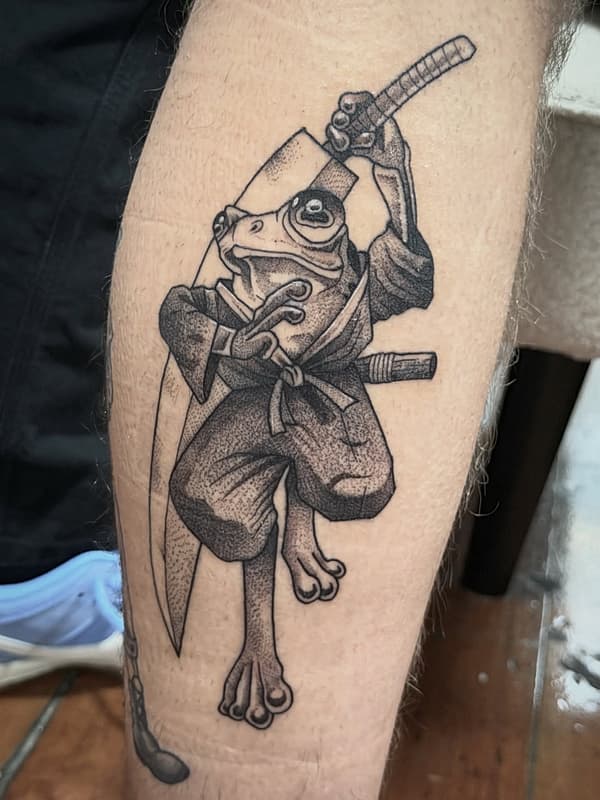
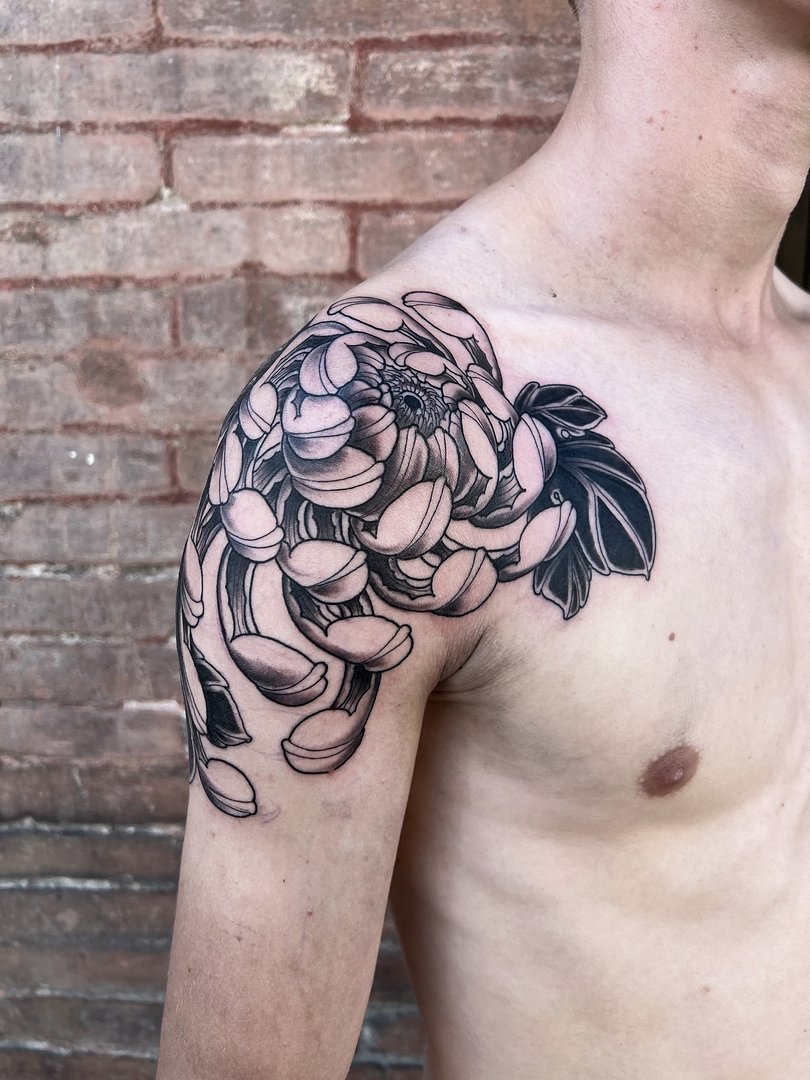
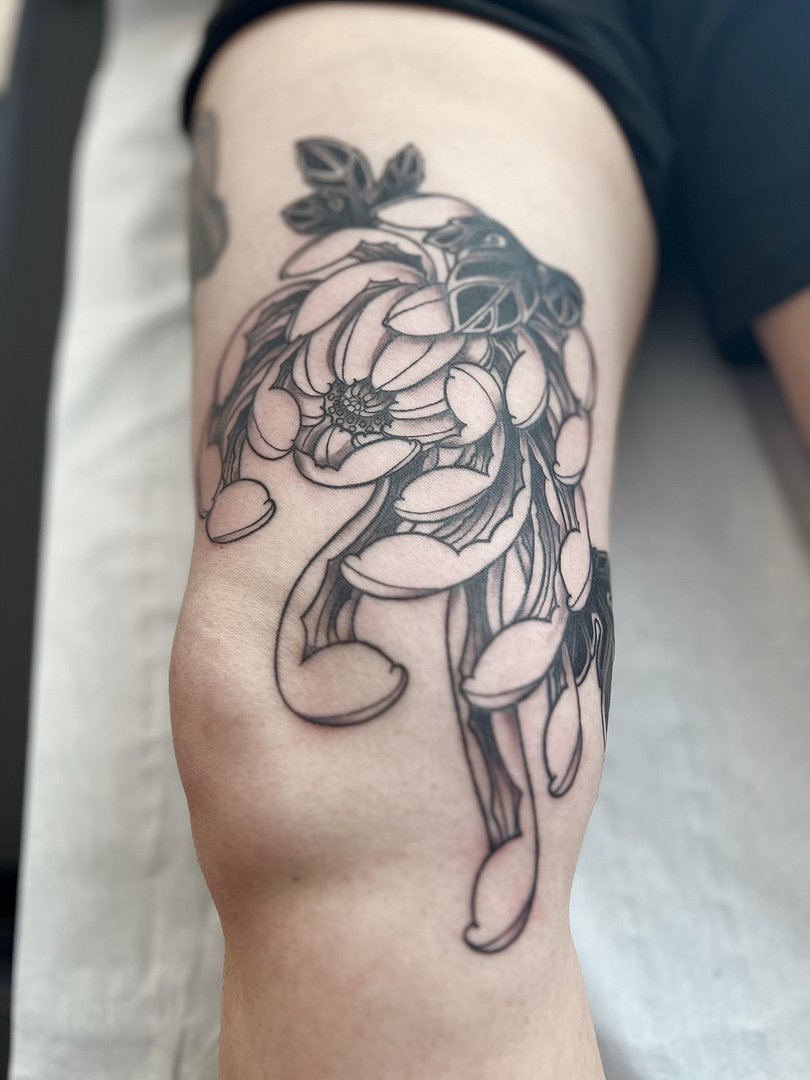
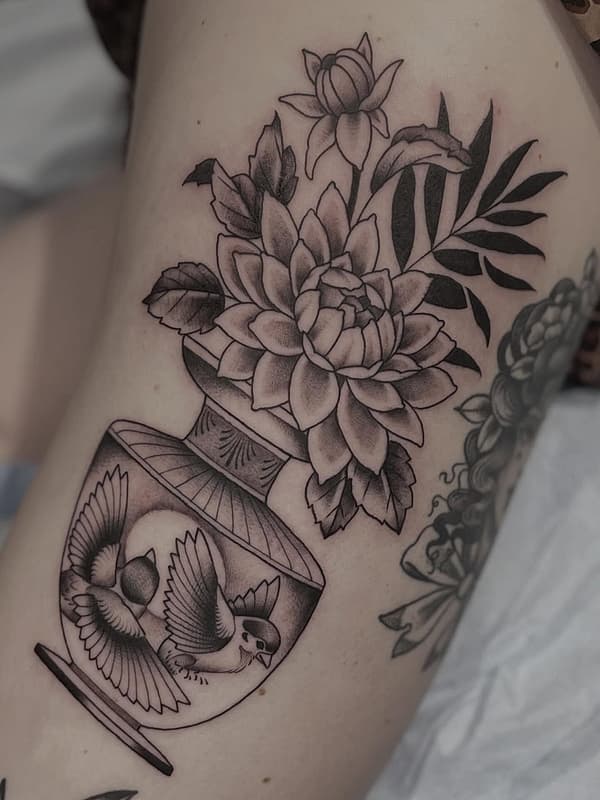
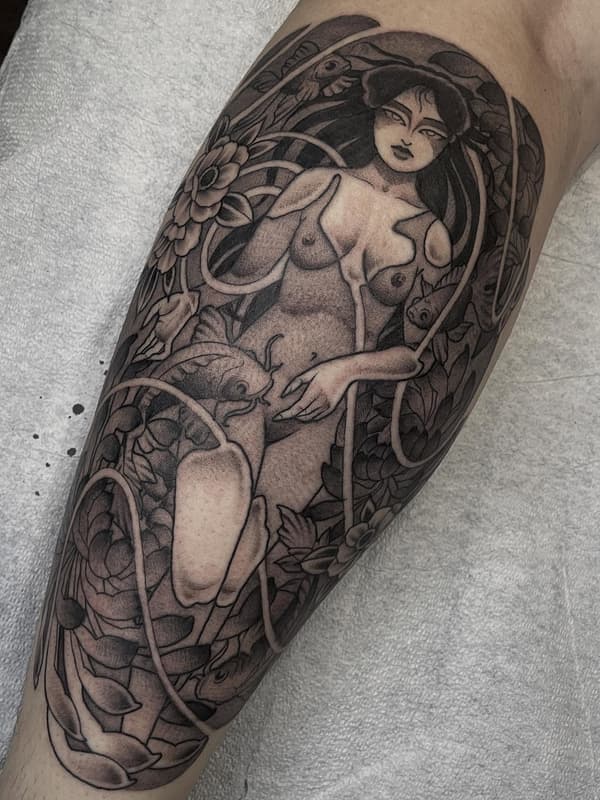
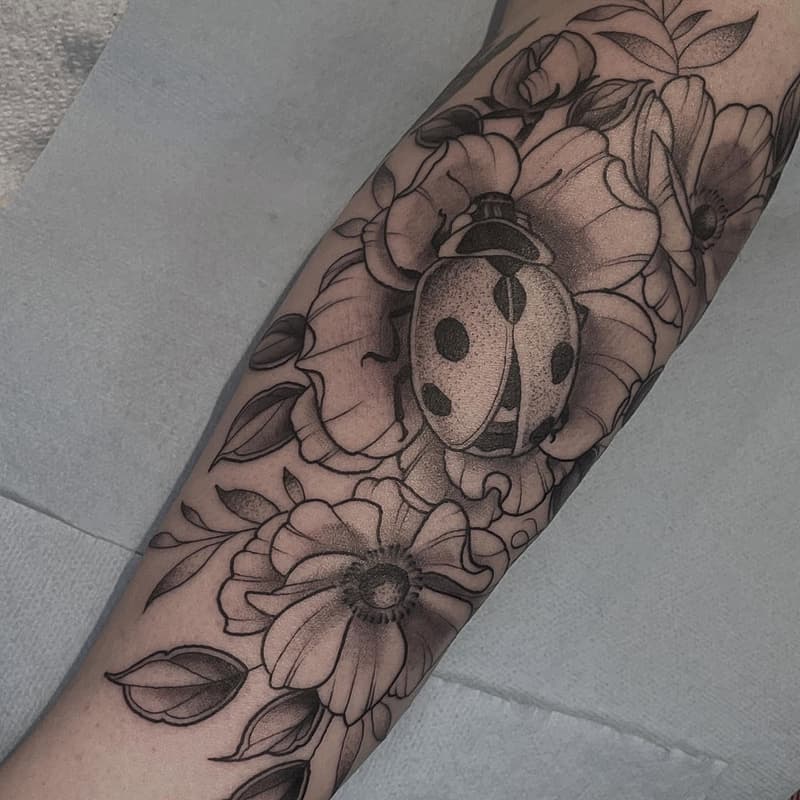
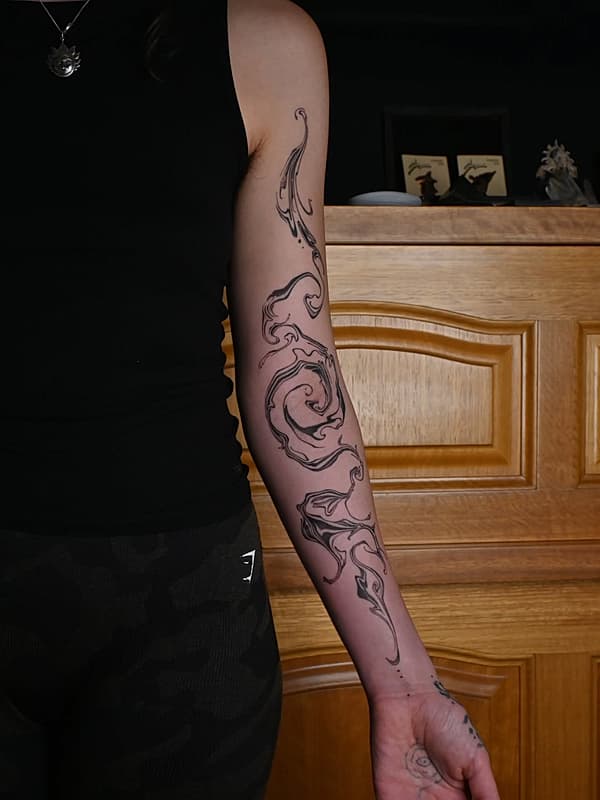
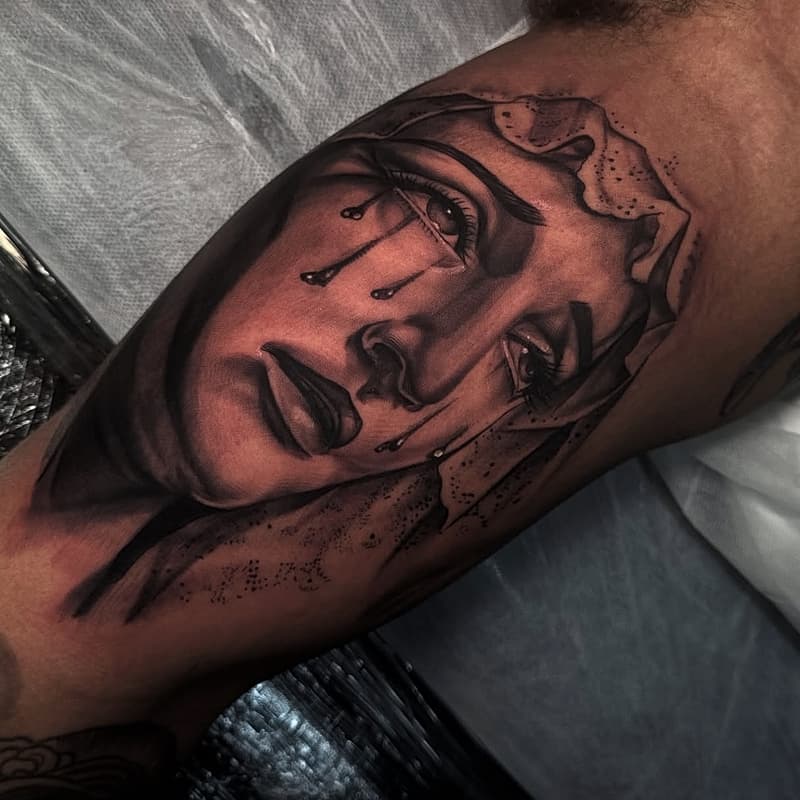
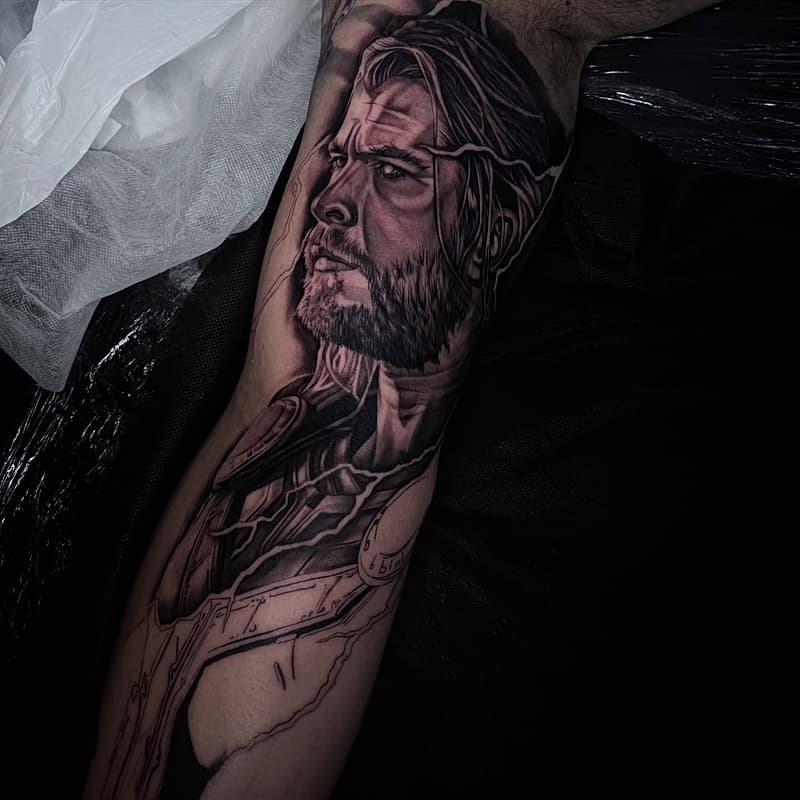
Real blackwork work from artists you can book right now.

Got a tattoo in mind?

Post a tattoo request and let artists come to you. Describe what you want, and artists who suit it will reach out.

Frequently Asked Questions

Do blackwork tattoos fade or turn blue?+

Blackwork ages better than almost any other style. Solid black softens slightly toward grey-blue over decades and edges blur a little with sun exposure, but well-saturated black work stays legible longer than fine detail or colour. Sunscreen on healed work slows the process dramatically.
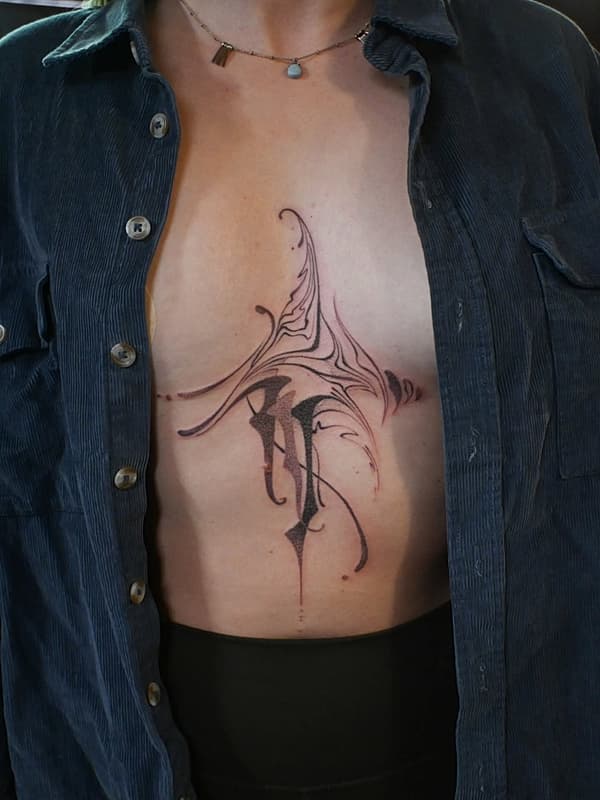
What's the difference between blackwork and black and grey?+

Blackwork uses black ink at full strength and builds designs from solid shapes and negative space. Black and grey dilutes black into grey washes for soft shading and realistic depth. Different techniques, different specialists.
What's a blast-over?+

A bold blackwork design tattooed directly over an old tattoo, with the old piece deliberately left partly visible underneath. It's not a cover-up, which hides the old tattoo, or a blackout, which buries it under solid black. Blast-overs give the new design the most freedom of the three.

Are blackout tattoos safe?+

There's no strong evidence they cause cancer or block vitamin D meaningfully. Two real considerations: some pigment ends up in nearby lymph nodes, and solid black makes mole monitoring harder. Get a skin check before blacking out a large area and flag it with your doctor afterwards.

Can you tattoo white ink over a blackout tattoo?+

Yes, once the black is fully healed, and it can look striking. Go in knowing white is the fastest-fading pigment there is: it usually needs multiple passes to build up and will soften noticeably over time.

How much does a blackwork sleeve cost in Australia?+

Large-scale heavy black work is typically quoted in sessions or day rates rather than per piece. Expect half sleeves from roughly $1,200 to $2,000 and full sleeves up to $6,000 depending on the artist, with day sittings around $1,400 to $2,500. Get a quote from the specific artist; rates vary widely.

Find Artists Near You

SydneyNSWMelbourneVICBrisbaneQLDPerthWAAdelaideSAGold CoastQLDNewcastleNSWCanberraACTHobartTASDarwinNT

Find Blackwork Artists Near You

Blackwork in SydneyBlackwork in MelbourneBlackwork in BrisbaneBlackwork in PerthBlackwork in AdelaideBlackwork in Gold CoastBlackwork in NewcastleBlackwork in CanberraBlackwork in HobartBlackwork in Darwin
Browse artists on the map β†’