Botanical and Flower Tattoos: Styles, Meanings, Natives and Aging | REAP
  1. Home
  2. /Guides
  3. /Botanical Tattoos: Flowers, Natives and What Lasts

Botanical Tattoos: Flowers, Natives and What Lasts

Flower and botanical tattoos from fine line to blackwork: what popular flowers mean, Australian natives worth considering, how fine line ages, placement and cost.

Updated 2026-07-19

One subject, half a dozen styles

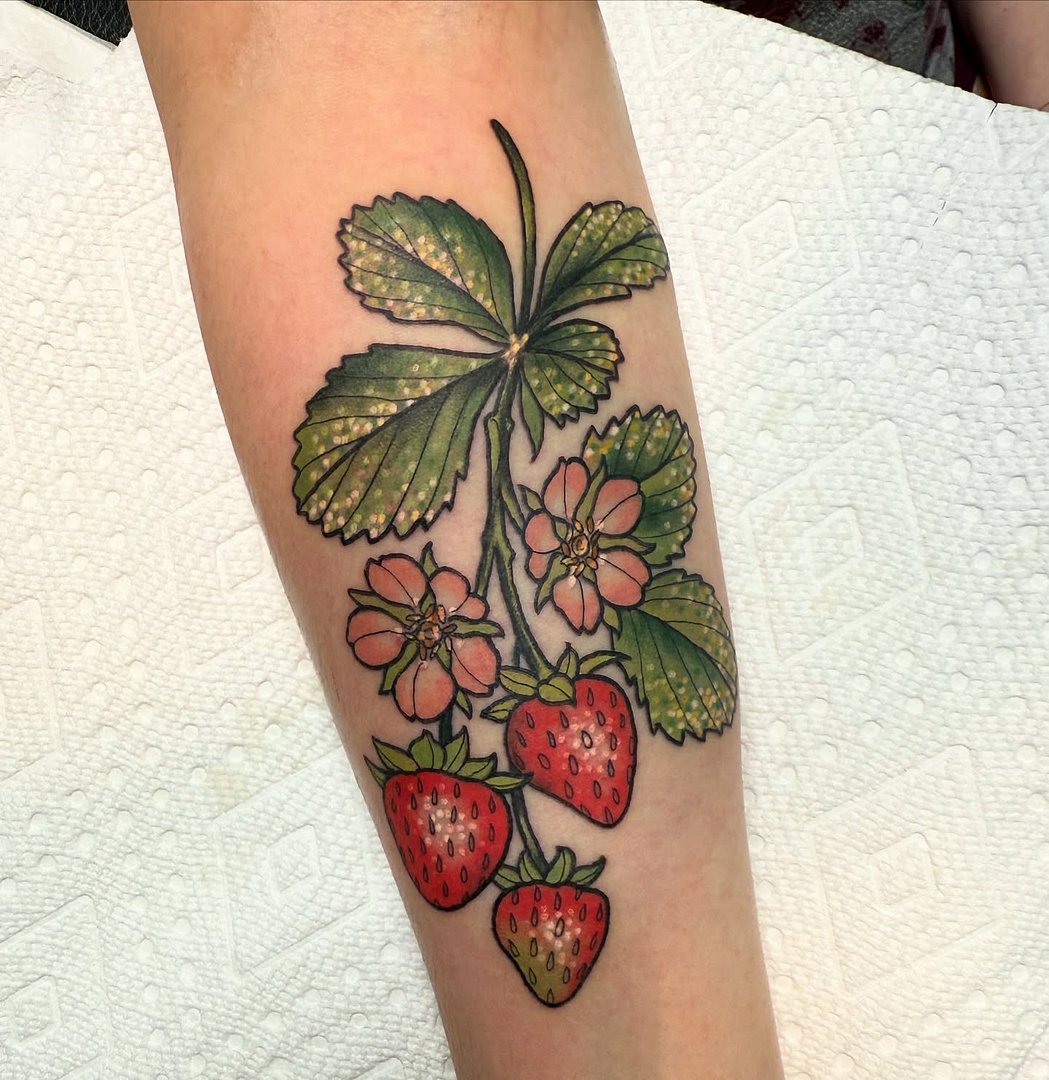
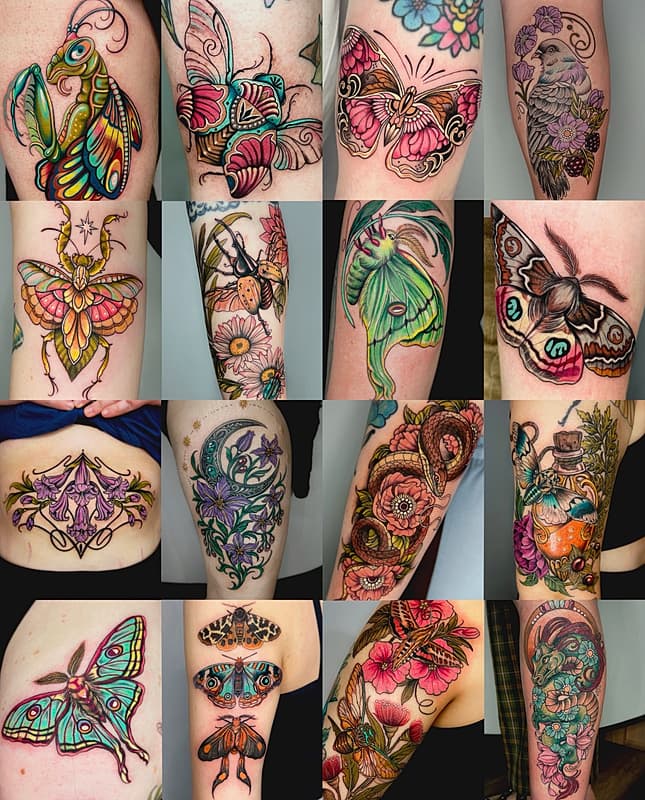
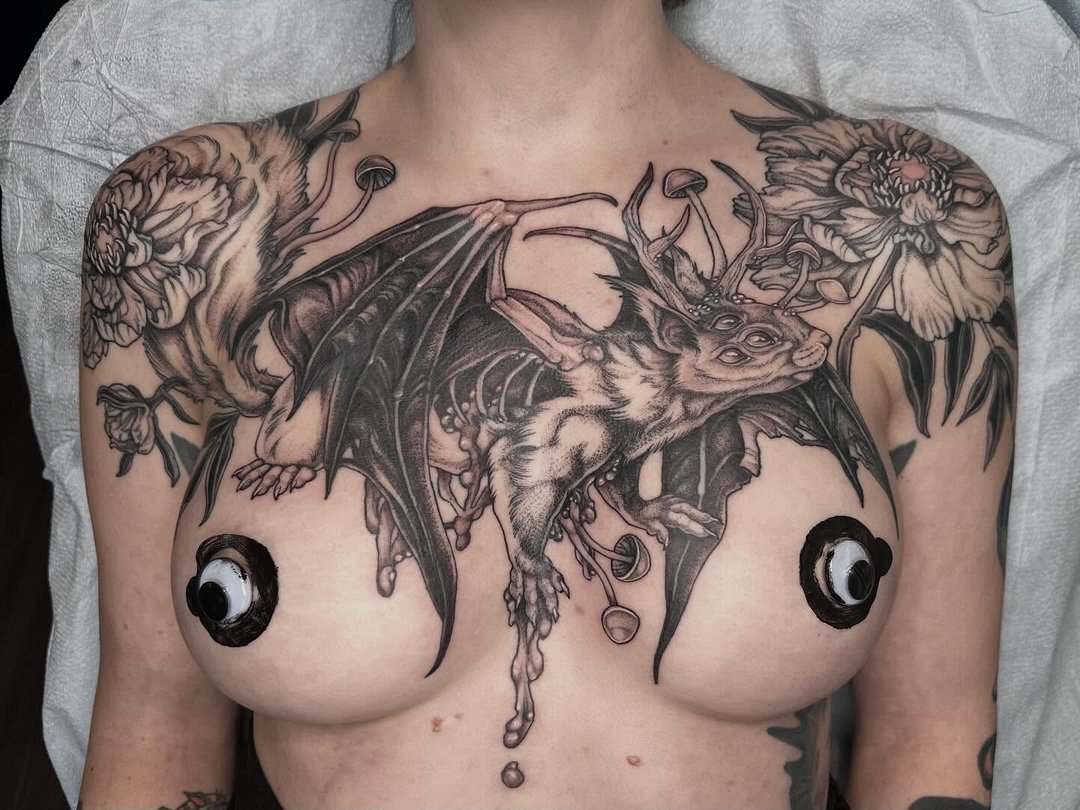
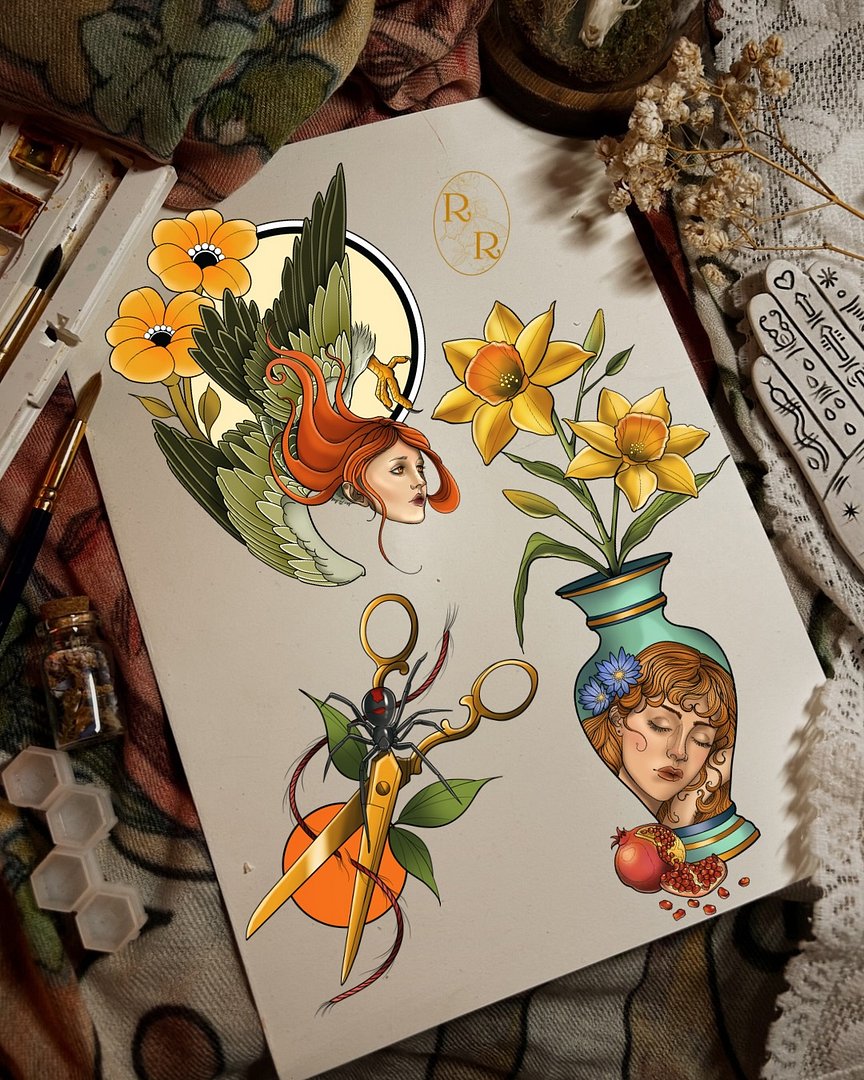
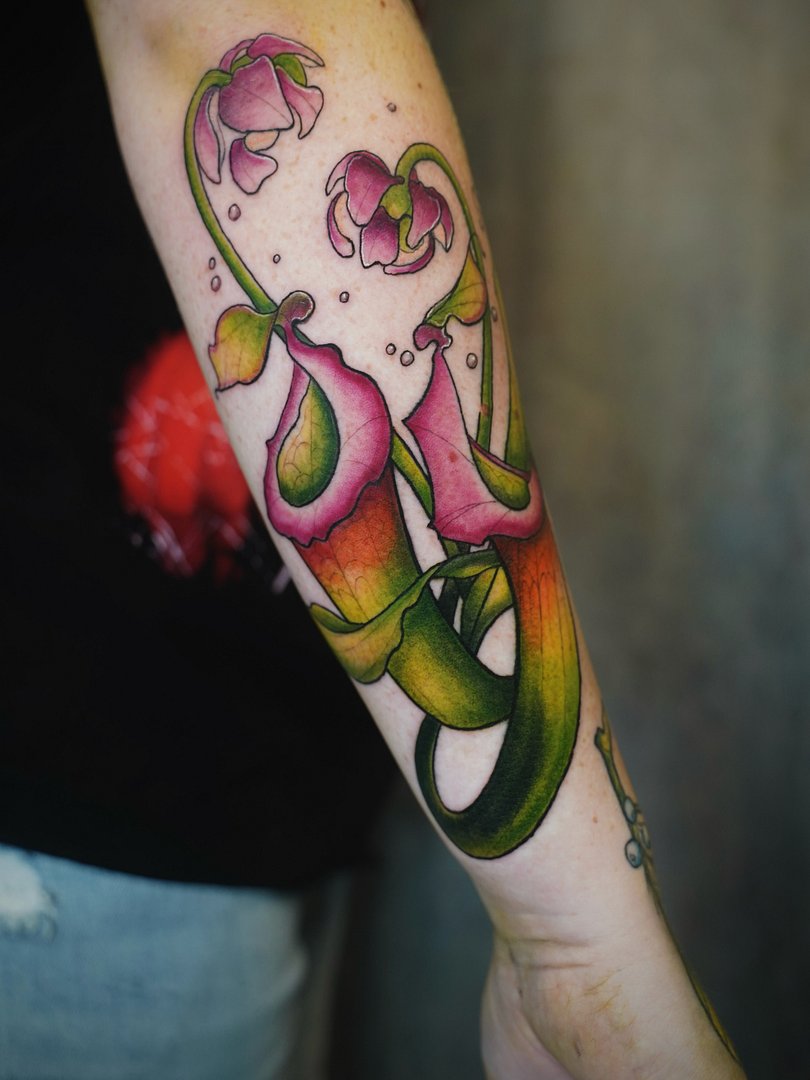
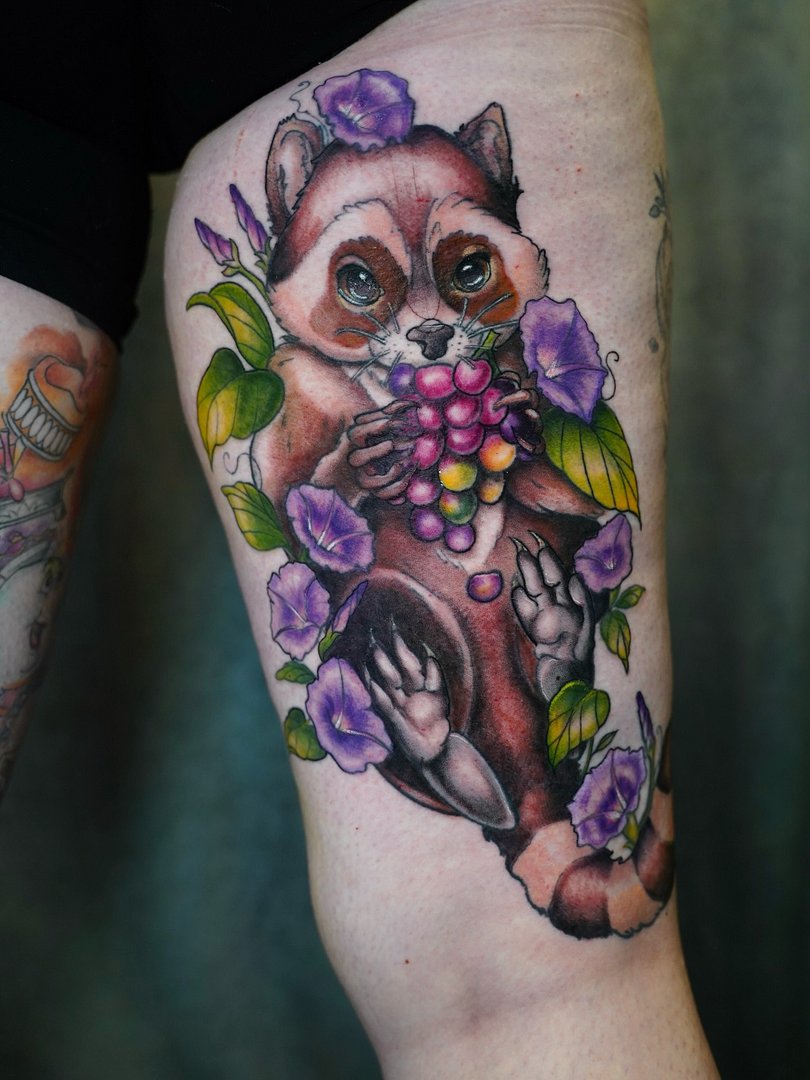
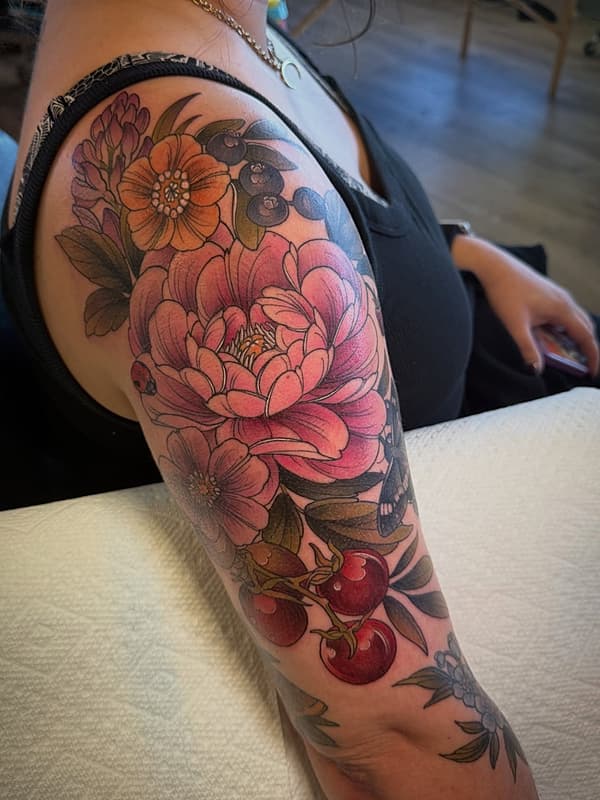
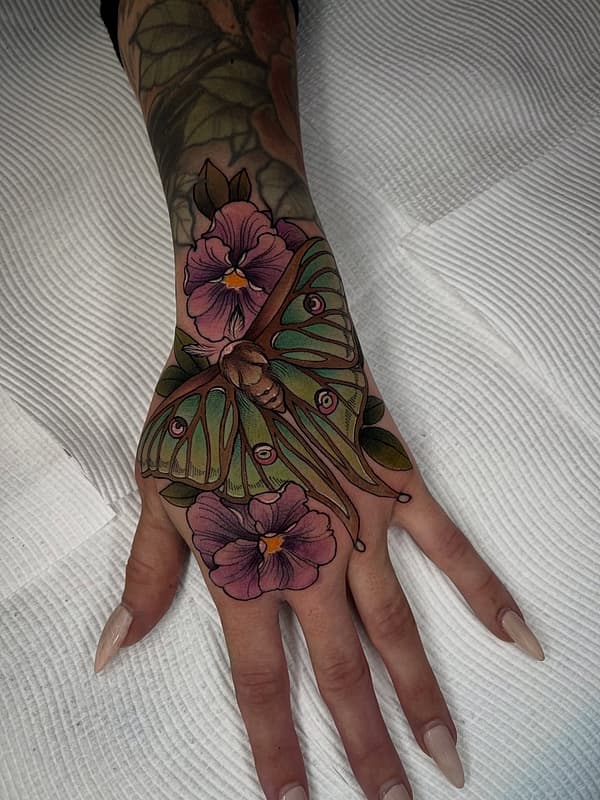
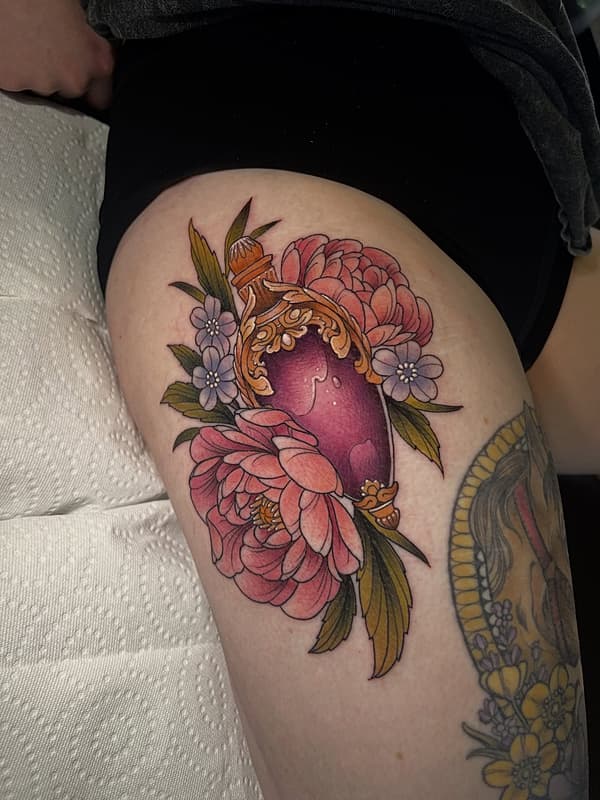
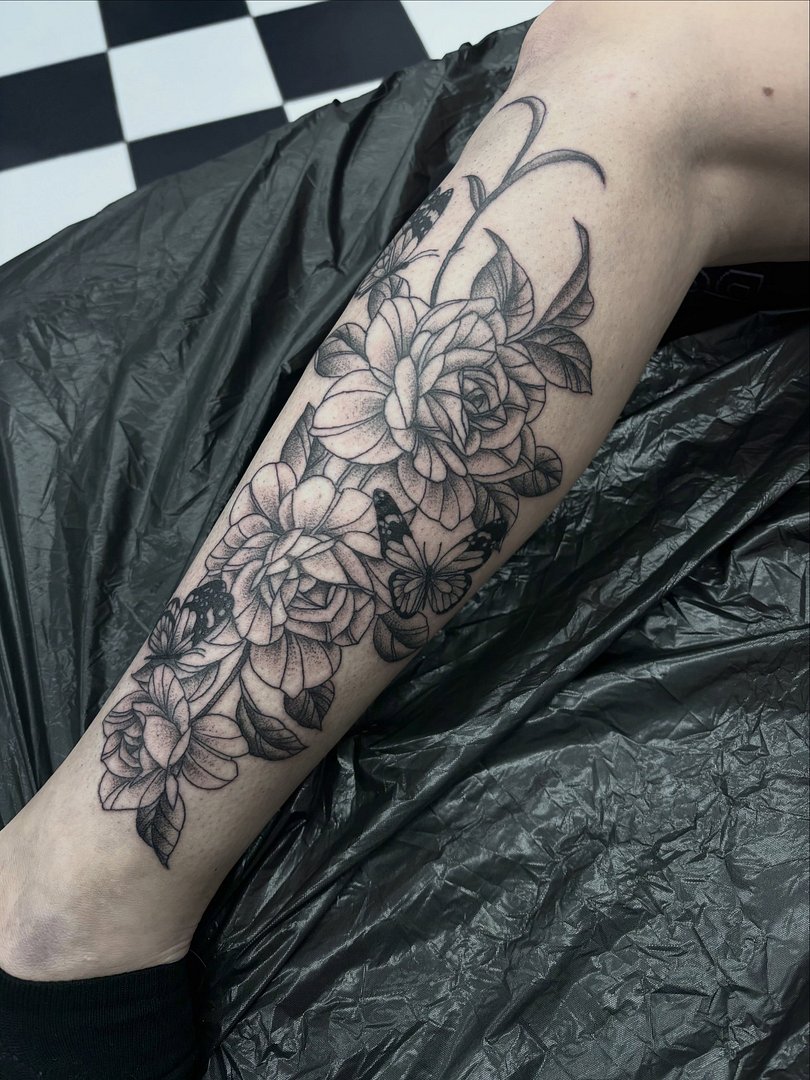
Flowers are the most tattooed subject on earth, which means 'I want a flower tattoo' tells an artist almost nothing yet. The same peony can be a delicate fine line sprig, a bold traditional rose with thick outlines, a woodcut-style blackwork bloom, a scientific-illustration piece straight out of a botany textbook, a saturated neo-traditional showpiece, or a soft watercolour wash. Same flower, six completely different tattoos.

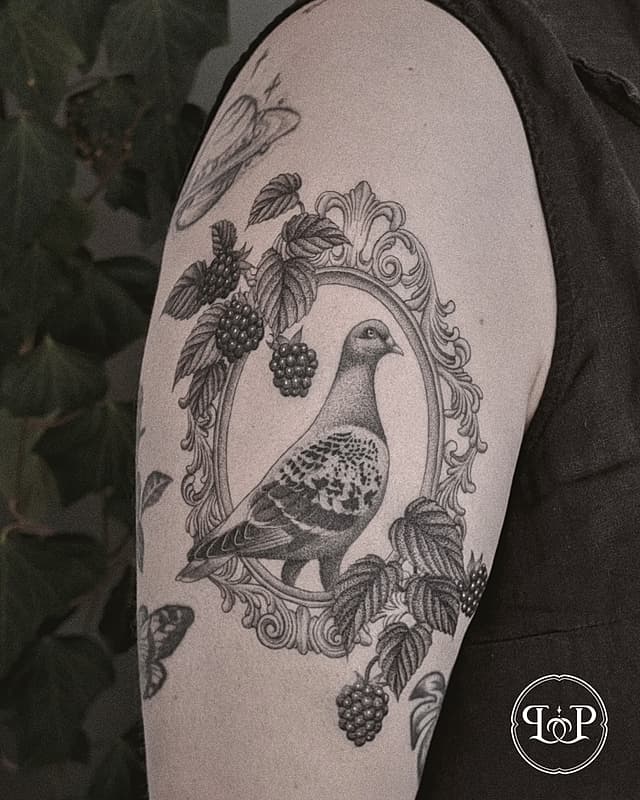
So start by working out which version you're actually drawn to. Save references, notice what they have in common, and then find an artist who specialises in that specific flavour, because a fine line florist and a bold colour florist are different specialists. Browse botanical artists by style and city on REAP's discover pages; twenty portfolios side by side will teach you the difference faster than any glossary.

Meanings, if you want them

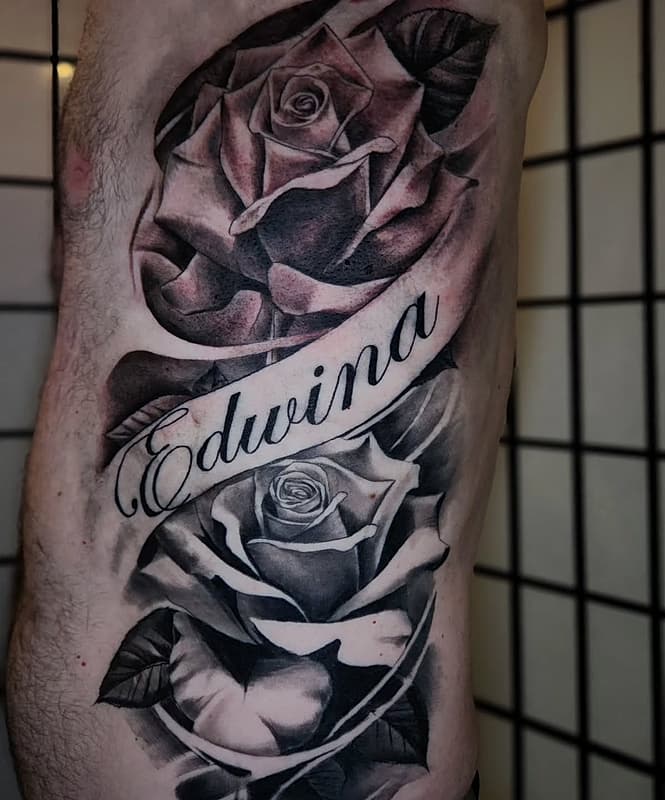
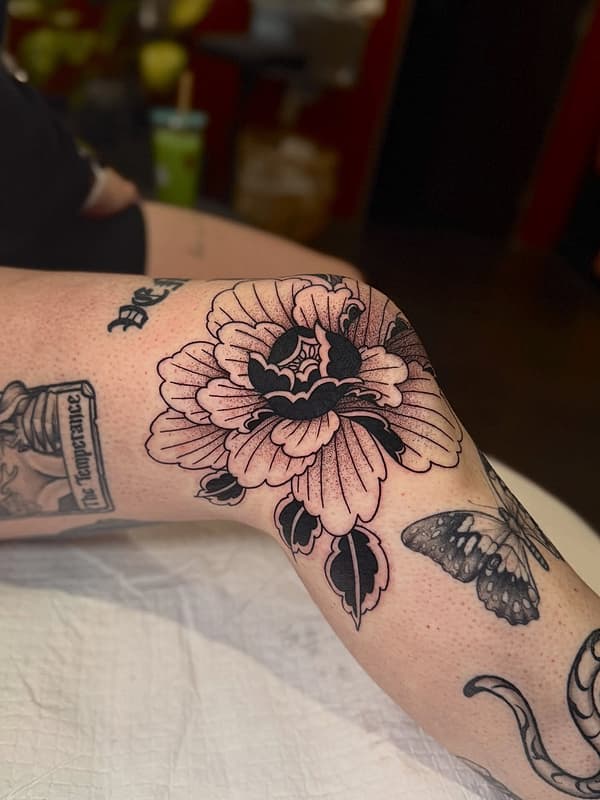
The traditional associations, for those who like them: roses carry love and beauty, with the colour shifting the meaning; peonies carry wealth, honour and romance, and are a staple of Japanese tattooing; chrysanthemums carry longevity and joy; lilies carry purity and remembrance. Lotus, poppy, sunflower and orchid all have their own folklore. Worth knowing: these meanings are traditions, not rules, and they shift between cultures. The chrysanthemum is imperial in Japan and funerary in parts of Europe.
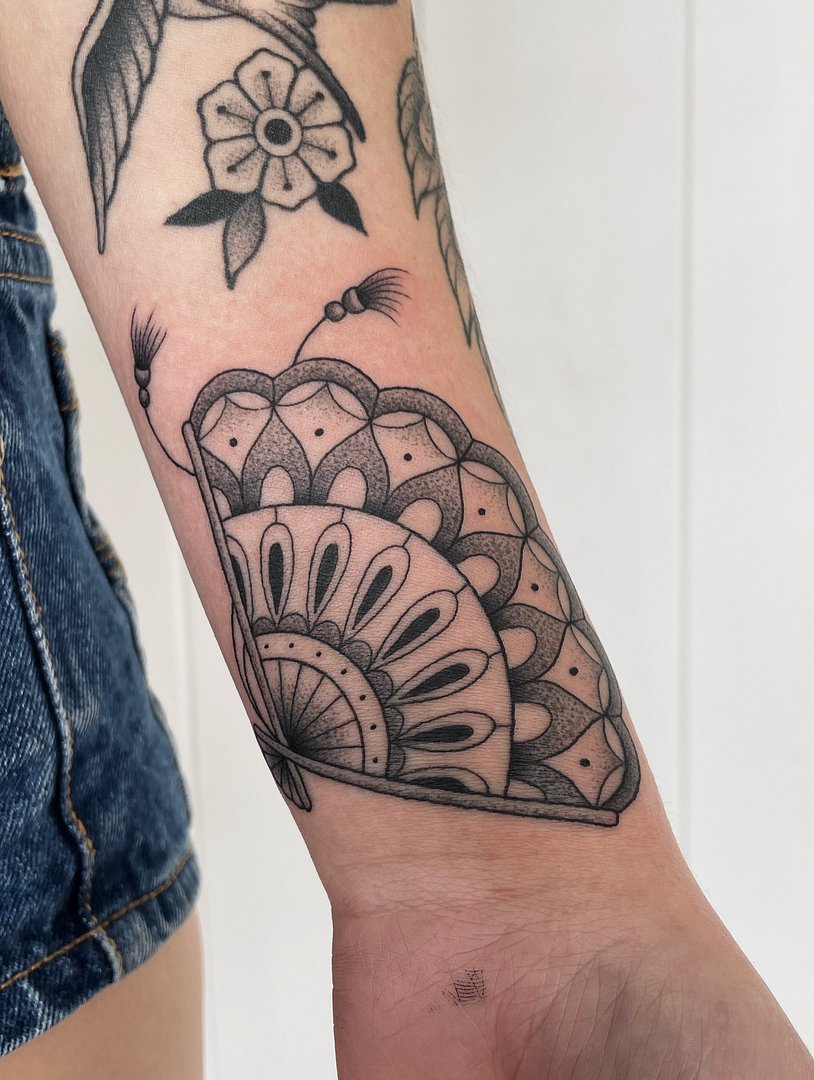
Also worth saying plainly: your flower tattoo does not need to mean anything. 'It's beautiful and I want it on me' is a complete reason, and purely aesthetic botanicals are mainstream. Pick the flower you love looking at; the meaning, if you need one, can be that you loved it.

Australian natives: the underrated move

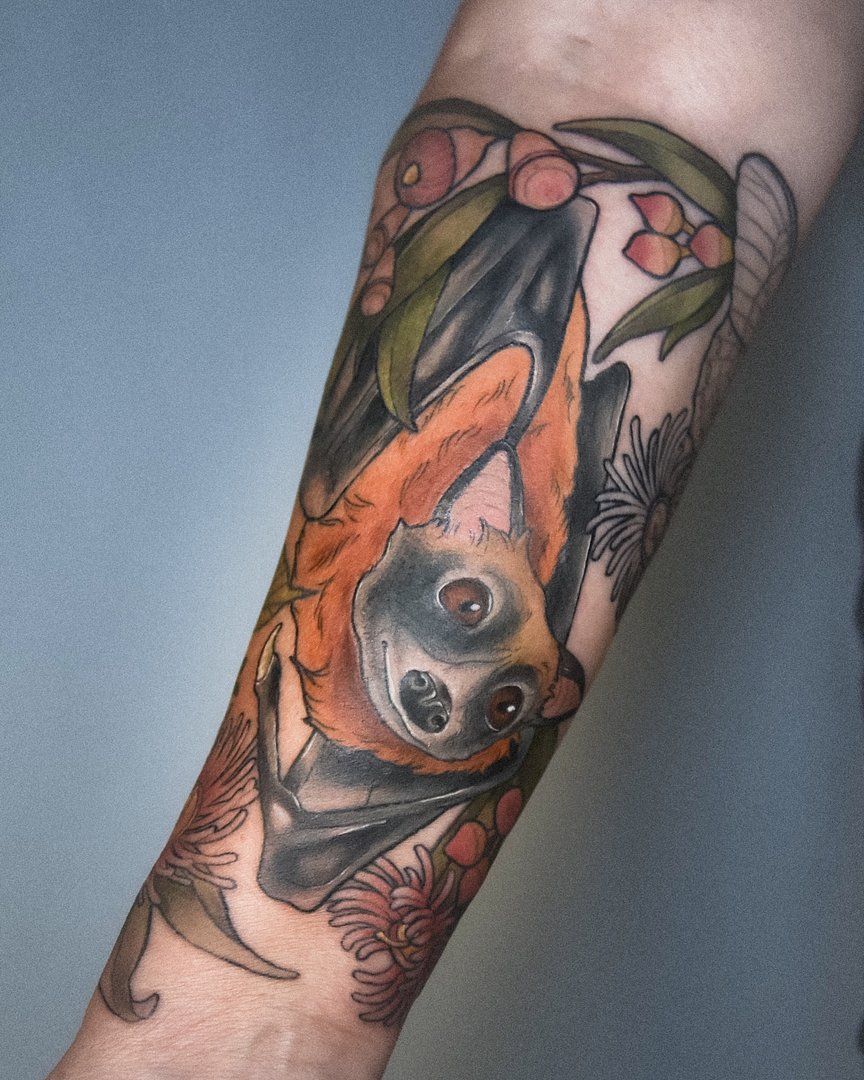
If you want a botanical piece that isn't the ten-thousandth peony, Australian natives are a genuinely distinctive niche with a growing artist scene behind it. Banksias, with those sculptural seed pods, suit detailed illustrative and blackwork treatment. The waratah's bold red form is made for colour work. Golden wattle's pom-pom blooms suit fine linework, gum leaves and eucalyptus flow beautifully along limbs as sleeve filler, and bottlebrush, kangaroo paw and flannel flower each bring a shape nothing in the European flower canon has.

There's an easy personal hook here too: national emblem, state flowers, the tree in your grandparents' backyard. Home-grown symbolism without a single word of script. Some artists specialise specifically in native flora, so it's worth searching portfolios for it rather than asking a generic florist to improvise a banksia.

Aging, placement and cost: the honest bit

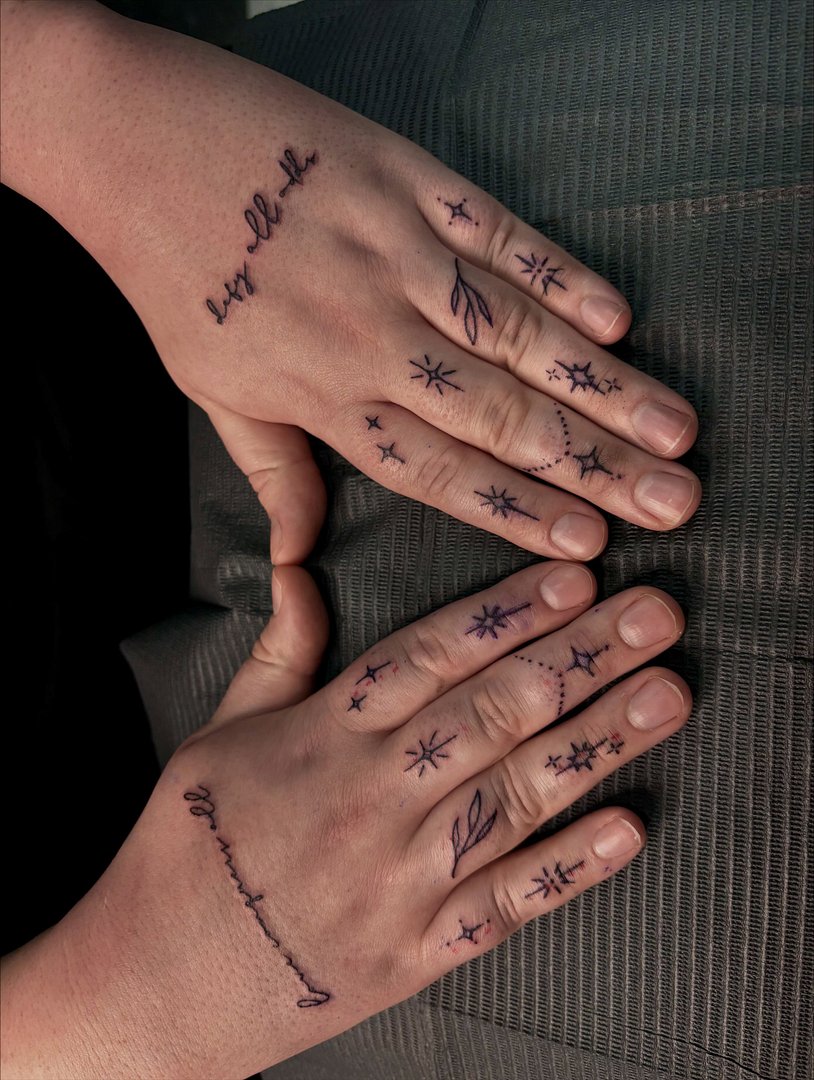
The question behind most floral tattoo anxiety is whether fine line work disappears. It doesn't disappear, but it does soften: fine line uses less ink placed more delicately, so lines lighten and spread faster than bold work. Done well and placed sensibly, a fine line floral looks good for years, with an optional refresh somewhere around year five to eight. What genuinely wrecks florals is cramming detail too tight, high-friction placements like fingers and feet, and sun. Australian UV is the biggest fading factor there is; SPF on healed work is non-negotiable if you care about longevity.

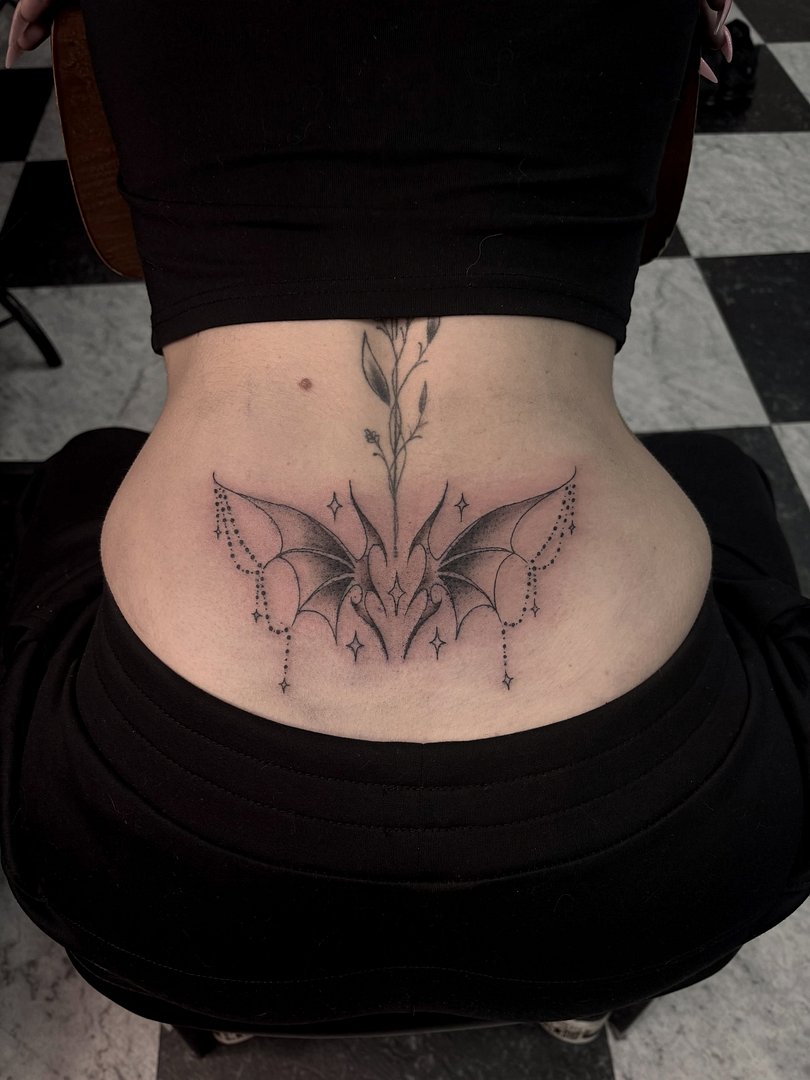
Placement trends toward spine, sternum and rib pieces because stems suit long symmetrical lines; know that all three are high-pain spots, though ribs at least age well out of the sun. Forearm, shoulder and thigh are the easier-wearing options. Cost follows the usual physics of size, detail and colour, from a shop minimum for a small sprig up to multi-session money for a full floral sleeve; our tattoo cost guide has real numbers. Whatever you choose, your artist's advice on sizing and placement outranks any general rule here, and a good one will tell you when a design needs more room to survive the decades. If they say bigger, believe them.

Botanical artists on REAP

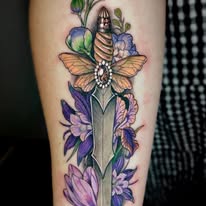
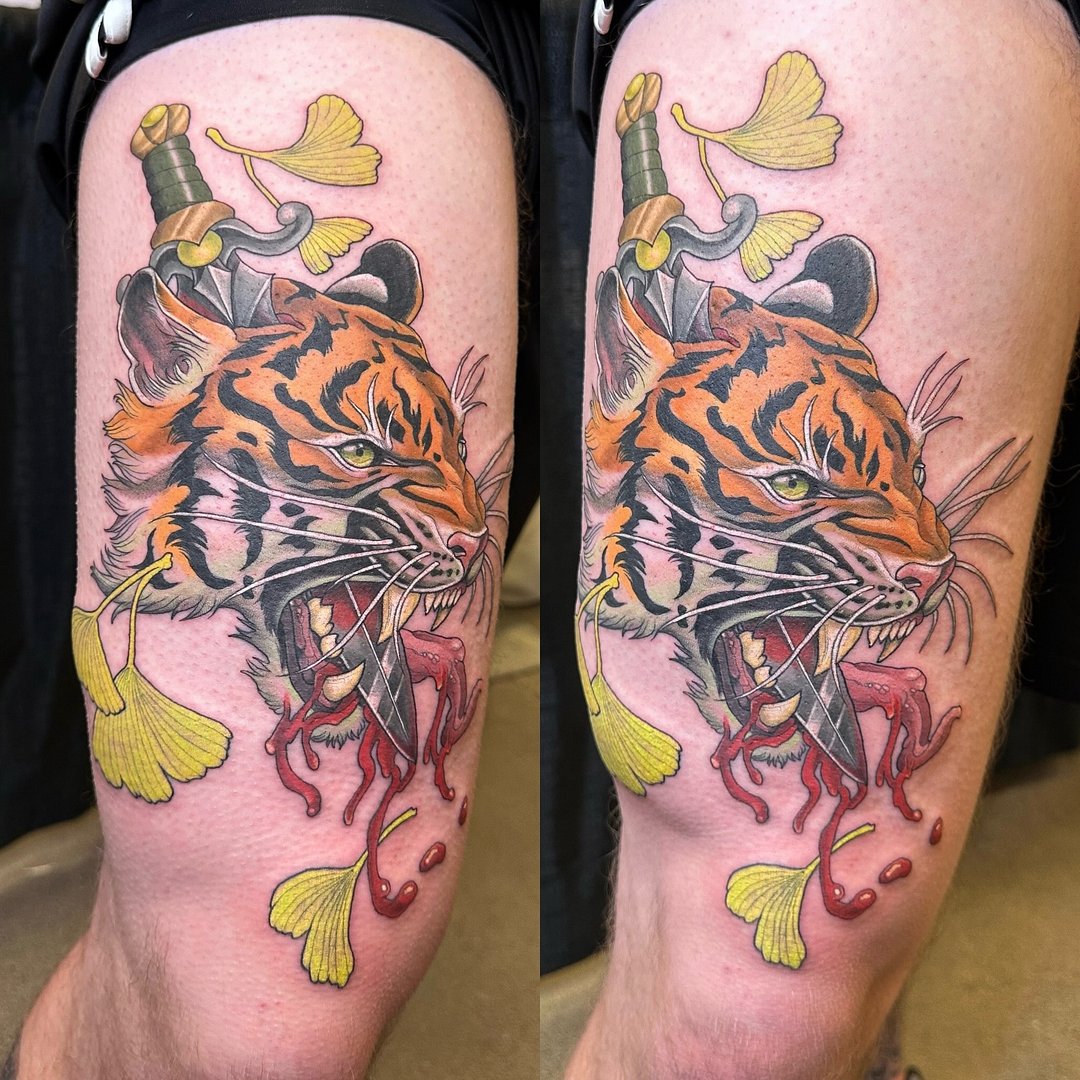
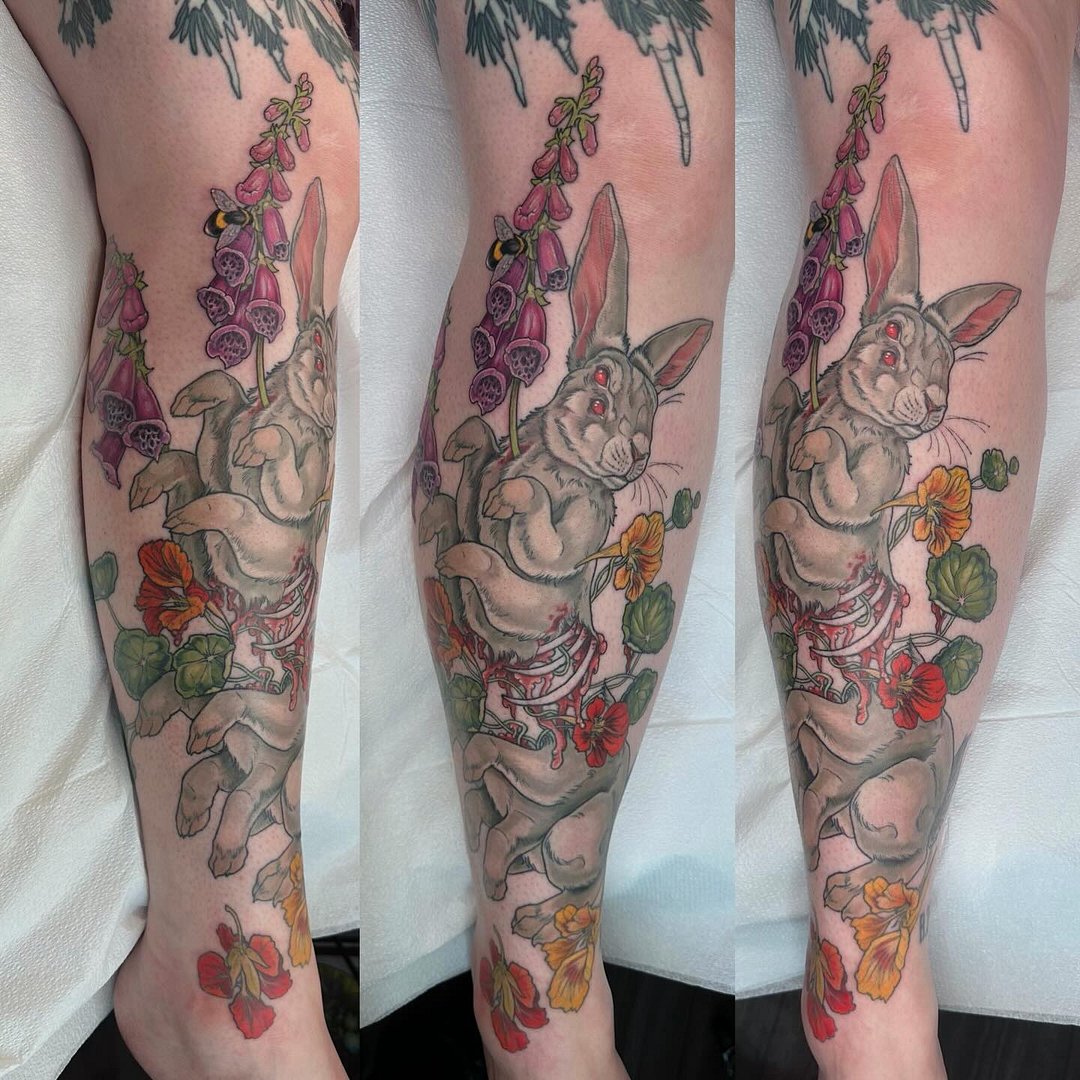
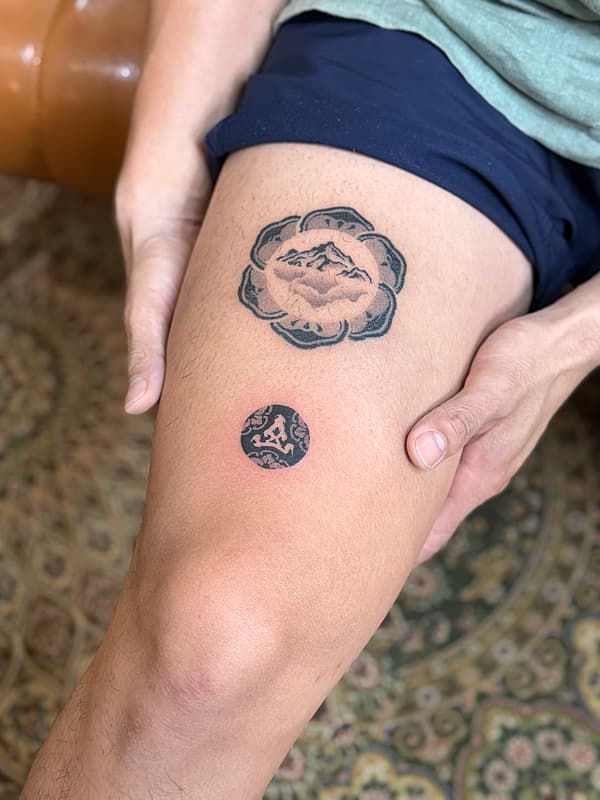
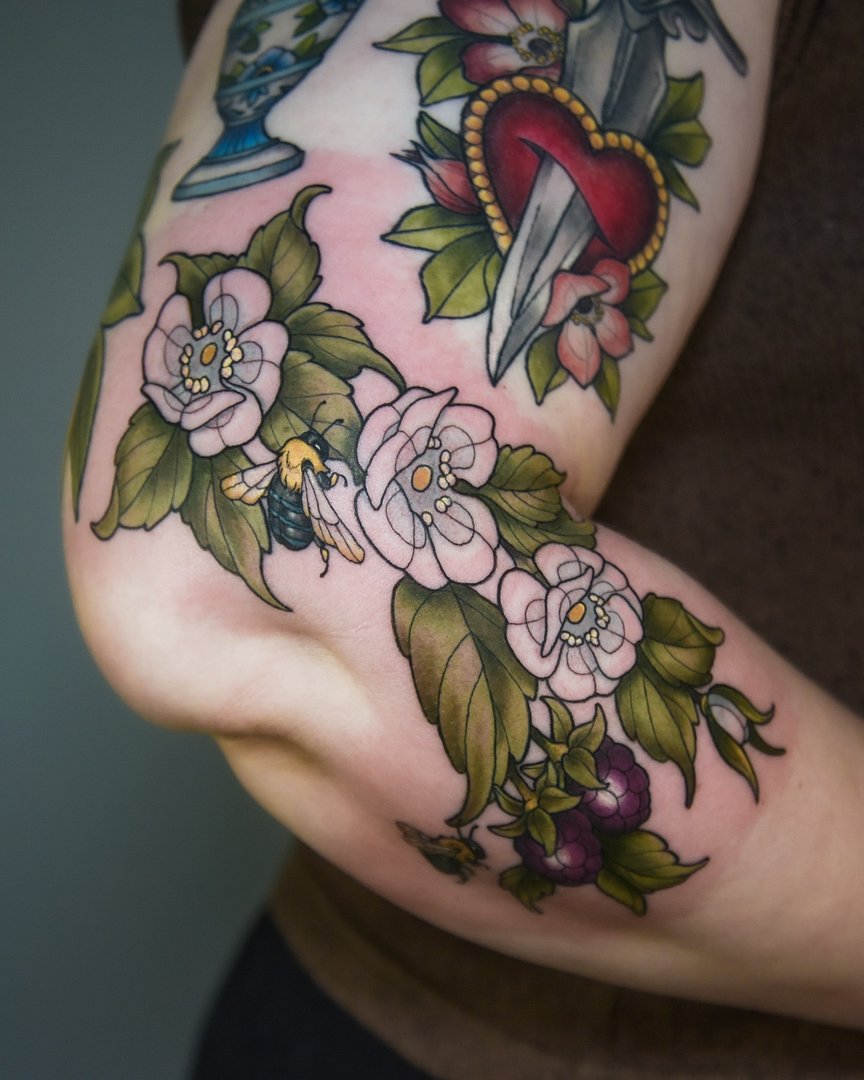
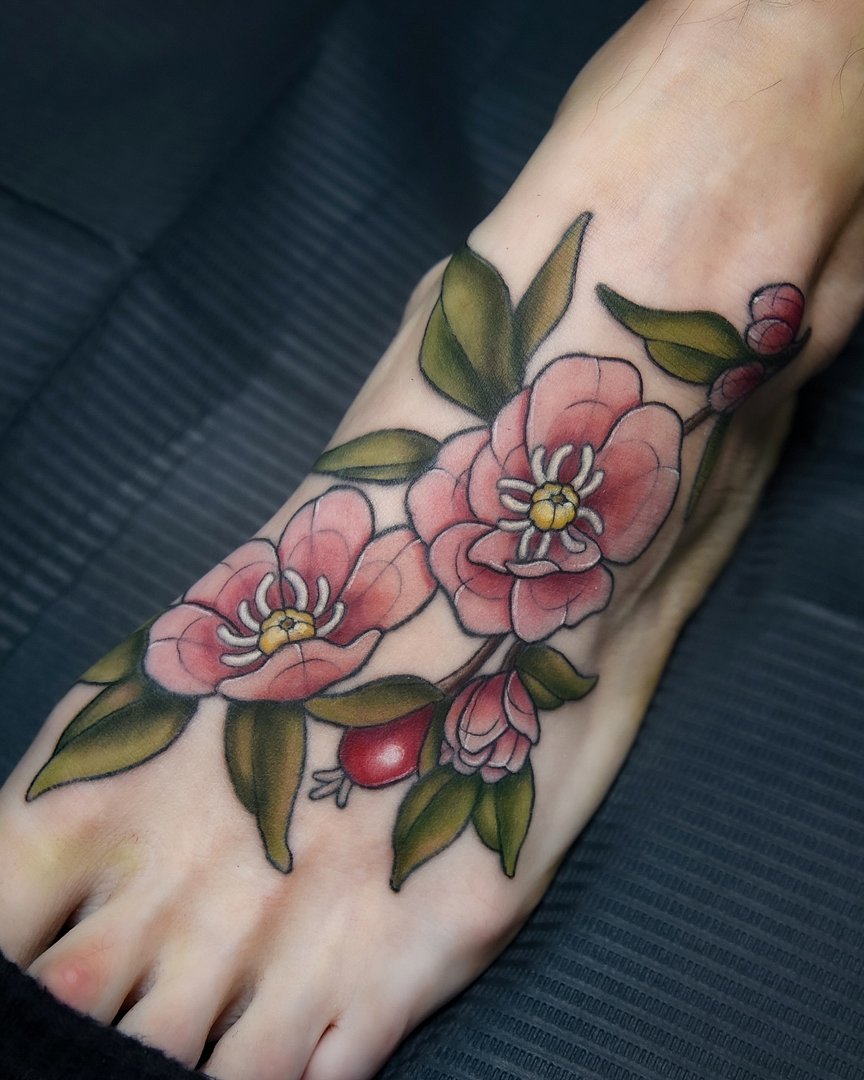
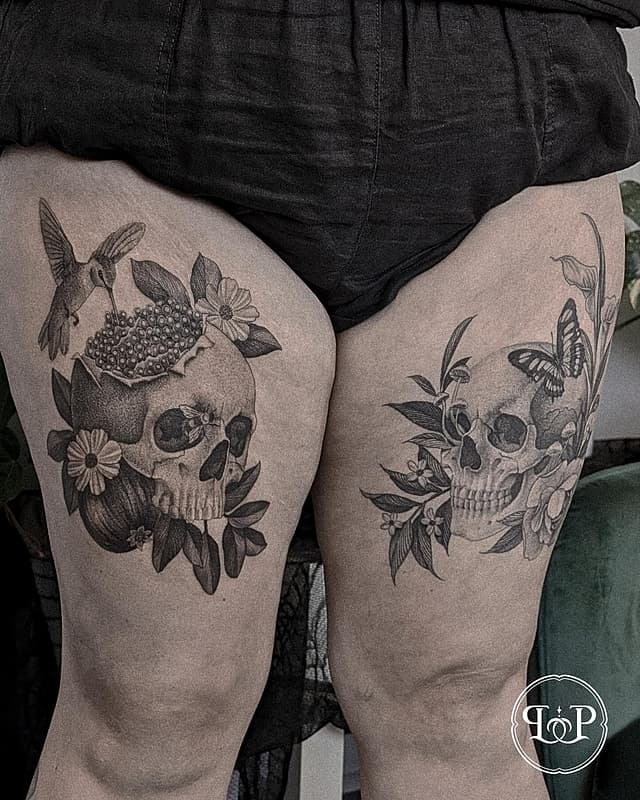
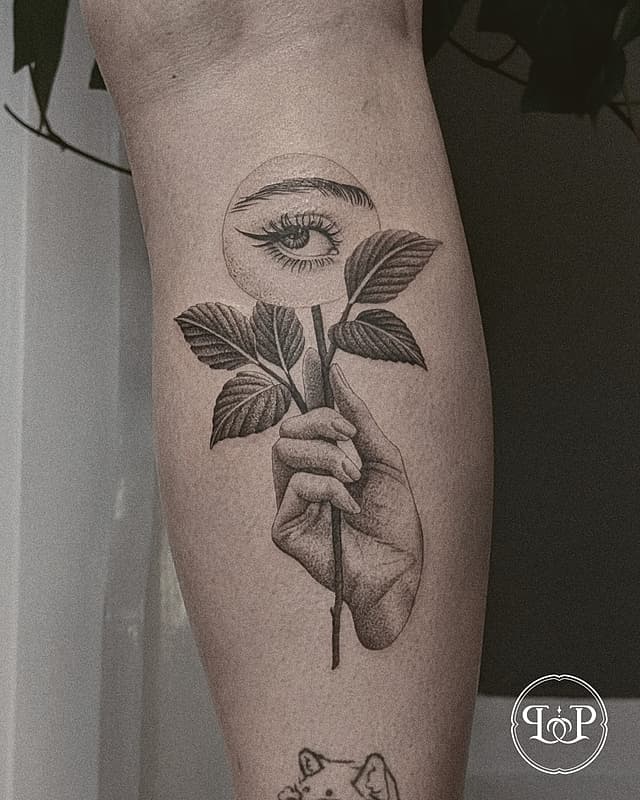
Real botanical work from artists you can book right now.

Got a tattoo in mind?

Post a tattoo request and let artists come to you. Describe what you want, and artists who suit it will reach out.

Frequently Asked Questions

Do fine line flower tattoos age well?+

They soften rather than vanish. Lines lighten and spread over five to ten years, faster on high-friction or sun-exposed spots, and an optional touch-up around year five to eight is normal. Give the design breathing room and wear sunscreen and they hold up fine.
What do popular tattoo flowers mean?+

By tradition: roses for love and beauty with colour shifting the meaning, peonies for wealth and honour, chrysanthemums for longevity, lilies for purity and remembrance. These are folklore rather than rules, they vary between cultures, and a flower chosen purely for its looks needs no justification.
What Australian native flowers work as tattoos?+

Banksia flowers and seed pods, waratah, golden wattle, gum leaves, bottlebrush, kangaroo paw, Sturt's desert pea and flannel flower all translate beautifully. Fine line suits wattle and gum leaves; bold colour styles suit waratah and kangaroo paw. Some artists specialise in native flora specifically.

How much does a flower tattoo cost in Australia?+

A small piece runs at the shop minimum, a medium floral is typically several hundred to $1,500 depending on hours, and a full floral sleeve is a multi-session project running into the thousands. Detail, colour and placement difficulty drive the price more than the flower does.

Where should I put a floral tattoo?+

Spine and sternum suit stems and symmetry but hurt a lot; ribs hurt too but age well away from the sun. Forearm, shoulder and thigh are easier sits with good longevity. Skip fingers and feet if you want the piece to last; they blur and fade fastest.

Colour or black and grey for a botanical tattoo?+

Black ink is the most stable long term, and bold-lined styles stay legible longest. Quality colour work also lasts well with sun protection, though light pigments fade first. Pick the version you love in your artist's healed work, not in fresh photos.

Find Artists Near You

SydneyNSWMelbourneVICBrisbaneQLDPerthWAAdelaideSAGold CoastQLDNewcastleNSWCanberraACTHobartTASDarwinNT

Find Botanical Artists Near You

Botanical in SydneyBotanical in MelbourneBotanical in BrisbaneBotanical in PerthBotanical in AdelaideBotanical in Gold CoastBotanical in NewcastleBotanical in CanberraBotanical in HobartBotanical in Darwin
Browse artists on the map β†’