What a collab tattoo actually is
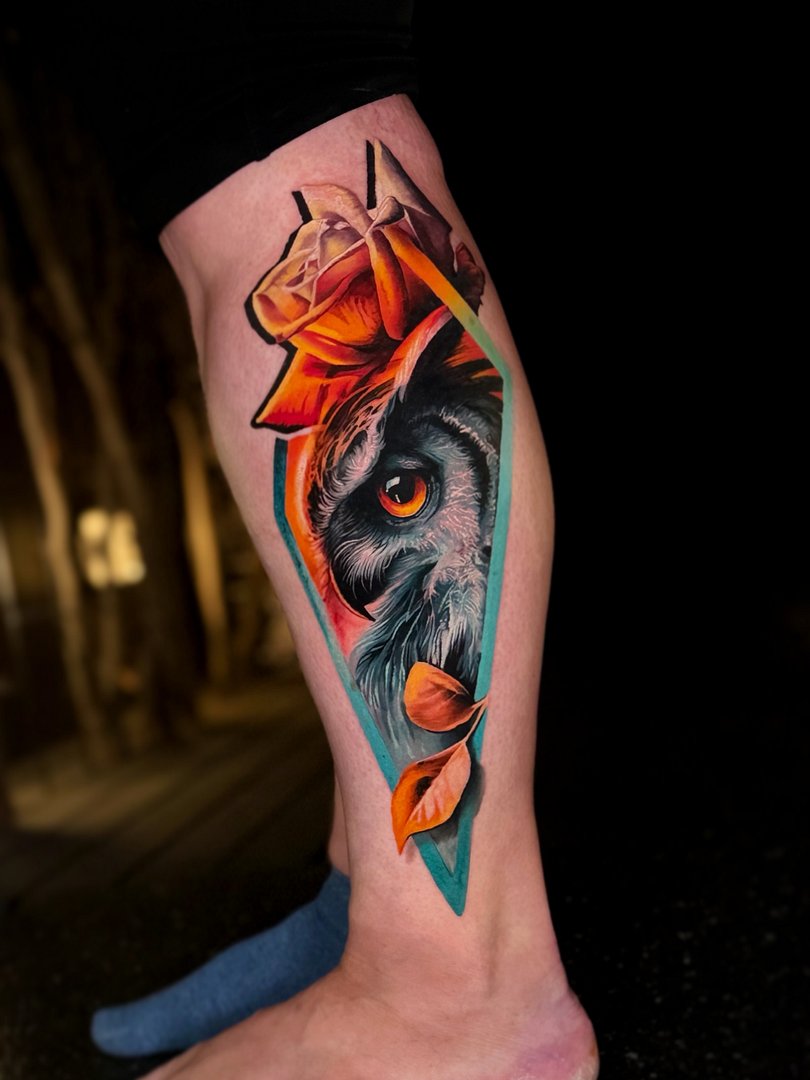
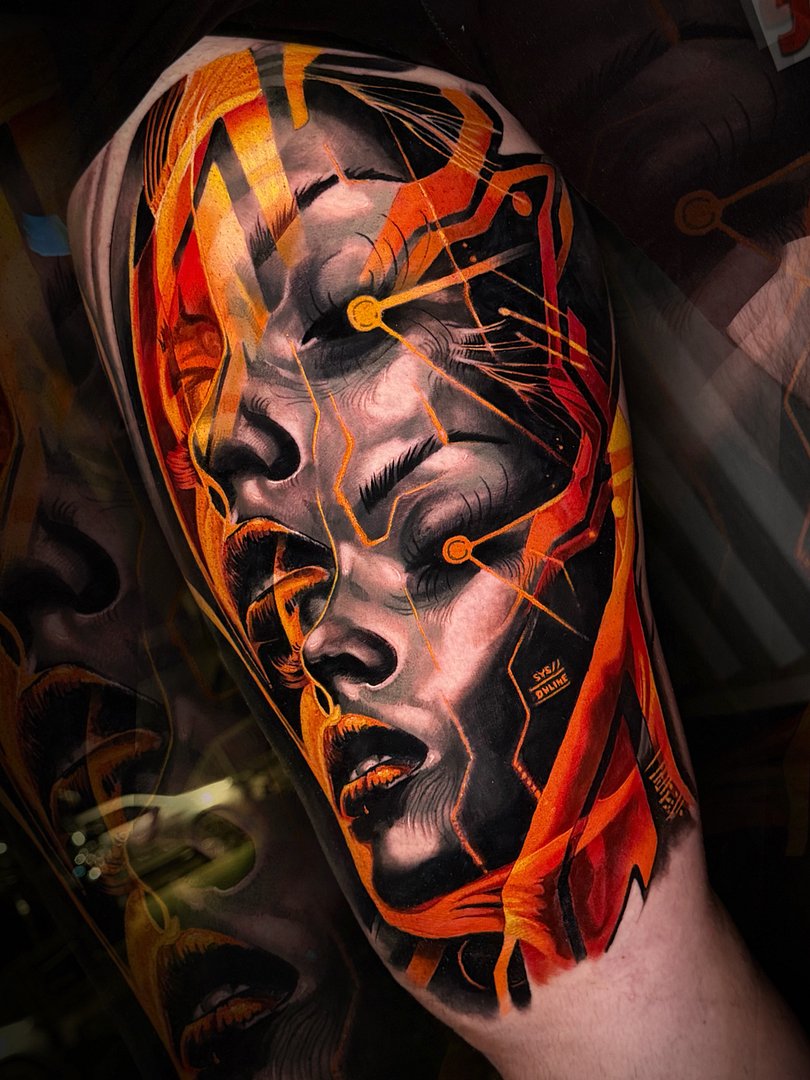
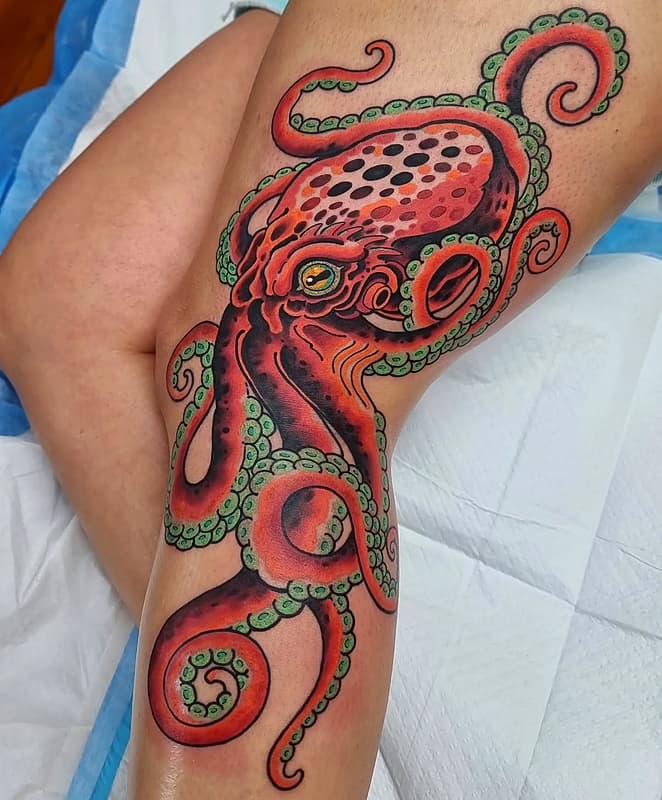
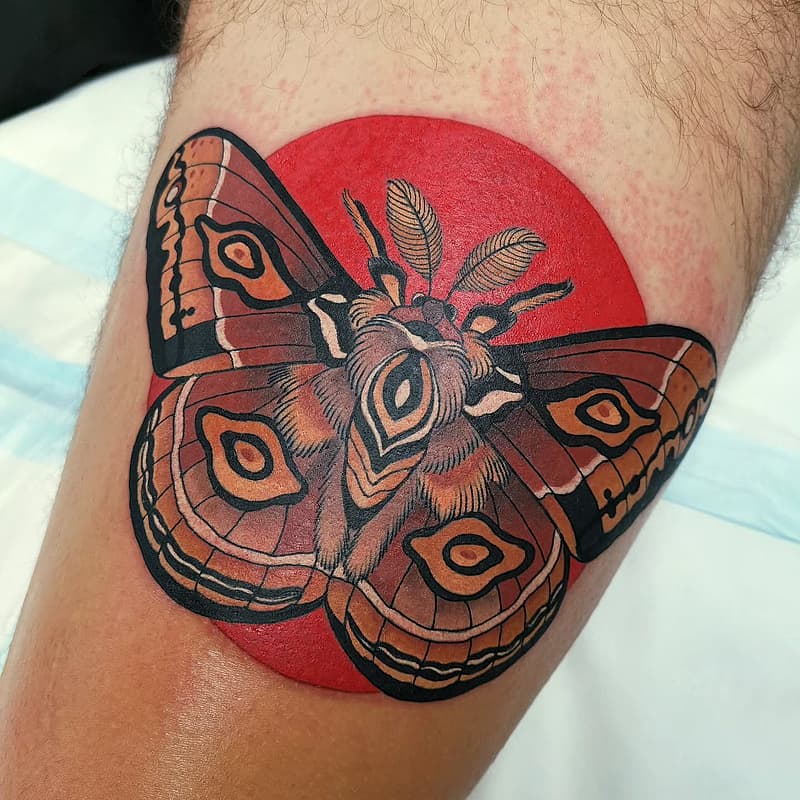
A collaboration tattoo is one piece created by two (or more) artists working together, either tattooing simultaneously or in planned turns. The interesting versions are genuine style merges: a realism specialist and a geometric artist designing a single composition where both languages coexist. The more workmanlike version splits duties, one artist lining, another doing colour or shading, which is closer to how large studio pieces have always sometimes worked.
Not to be confused with matching or connecting couple tattoos, which is what plenty of people mean when they say 'collab tattoo'. Those are two separate tattoos designed as a pair, one artist required, no special logistics; any artist you both like can do them, ideally in one booking. This guide is about the two-artists-one-piece kind.
How to arrange one, and what it costs
Collabs mostly happen between artists who already know and rate each other, so the practical route is to start from one artist whose work you love and ask whether they'd collaborate and with whom, rather than trying to matchmake two strangers. Guest spots and conventions are where artists from different cities end up in the same room, which makes them the natural windows; if your dream pairing lives in different states, watch their guest-spot announcements.
On money, clear your assumptions: each artist charges their normal rate, so two artists on one piece means paying both. When they work simultaneously the wall-clock time roughly halves, so the total often nets out similar to slightly higher than a solo piece, for something rarer. Expect the deposit arrangements to vary; sometimes one studio coordinates, sometimes each artist takes their own. Ask up front how they want to handle it, and don't expect a discount for the novelty; you're buying a harder-to-schedule, more design-intensive piece.
One etiquette landmine worth naming: asking two artists at the same studio to each sketch your idea so you can pick is not a collab, it's a design competition they didn't agree to, and it's poor form. Commission one artist, or propose an actual collaboration openly.
Multiple artists on one sleeve
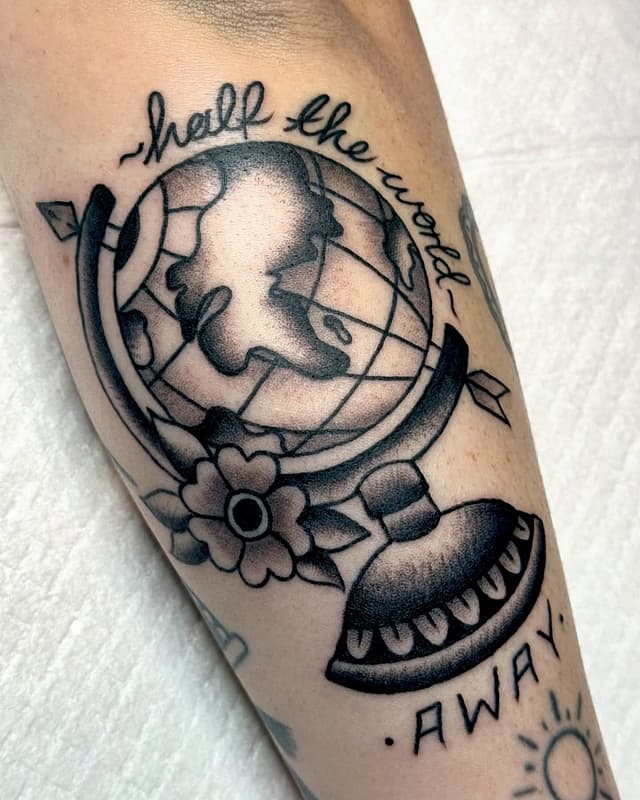
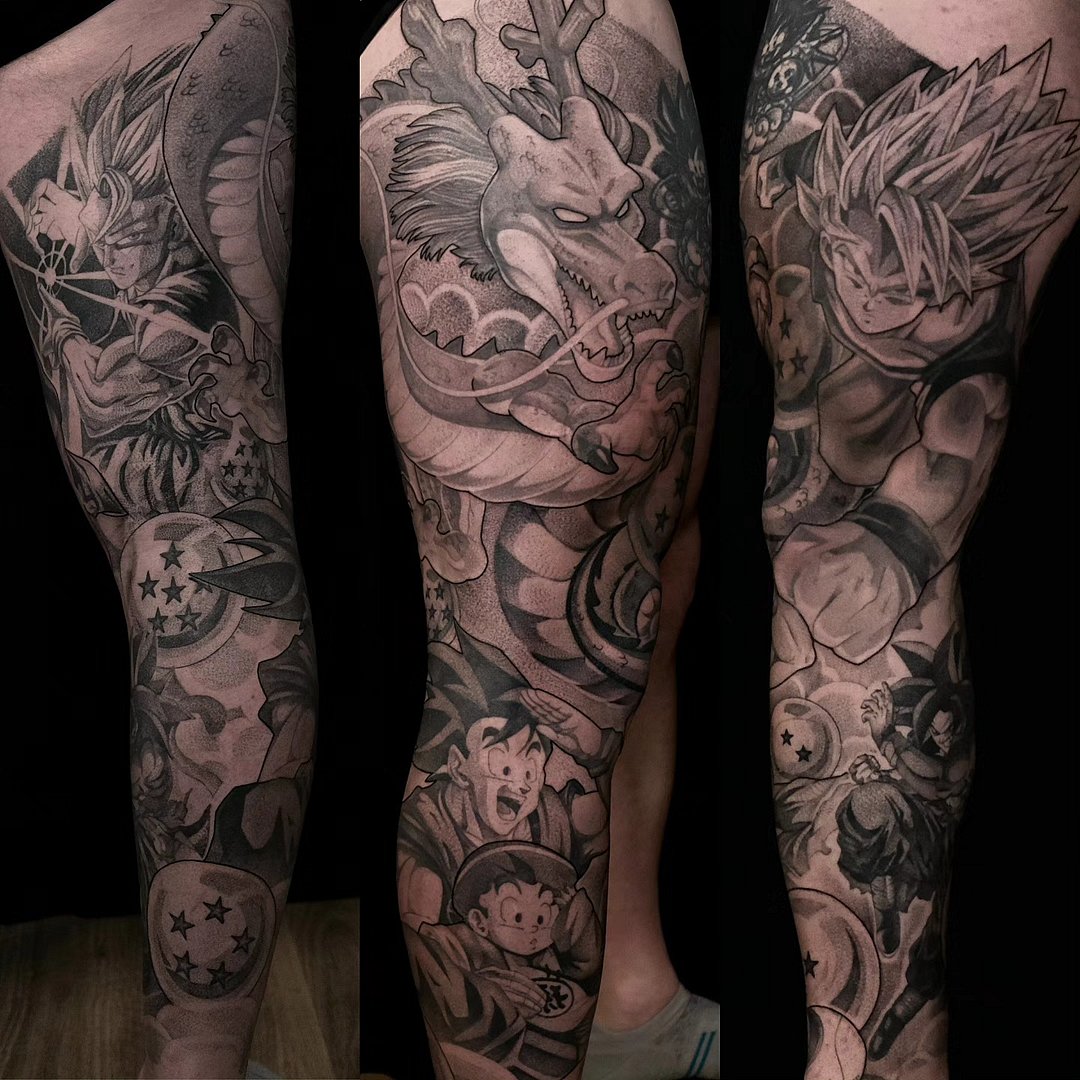
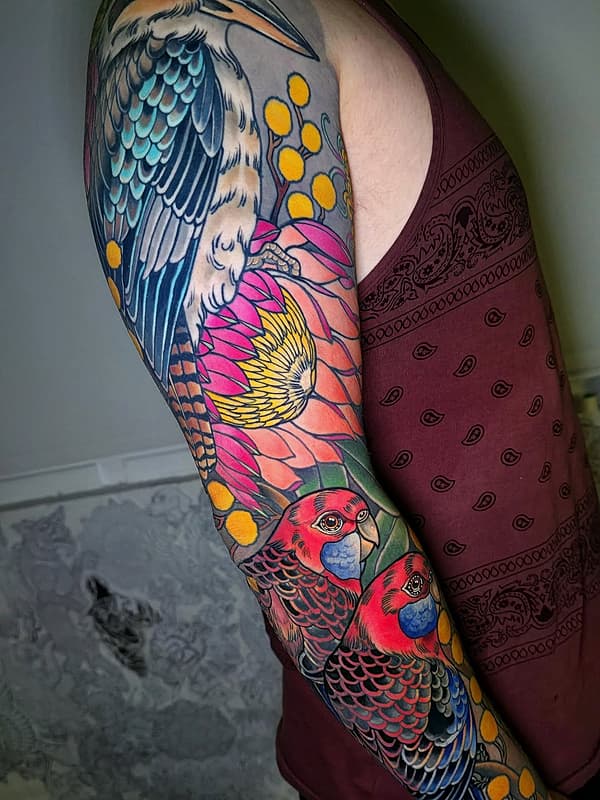
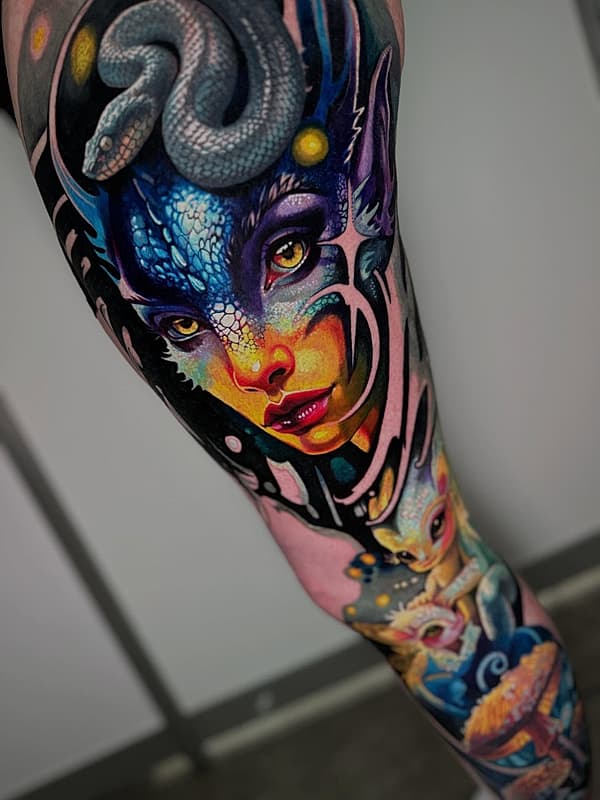
The adjacent question people actually face: can different artists work on the same sleeve or leg over time? Yes, and it isn't rude, but the results depend on planning. Line weights, shading density and even ink behaviour differ between artists, and a limb assembled ad hoc reads as a patchwork, which is fine if that's the aesthetic you want and disappointing if you expected cohesion.