Fine Line Tattoos: Aging, Cost, Pain and How to Choose an Artist | REAP
  1. Home
  2. /Guides
  3. /Fine Line Tattoos: What to Know Before You Book

Fine Line Tattoos: What to Know Before You Book

Do fine line tattoos age well? What do they cost in Australia? A straight answer to the big fine line questions, plus how to vet a specialist.

Updated 2026-07-18

What fine line actually means

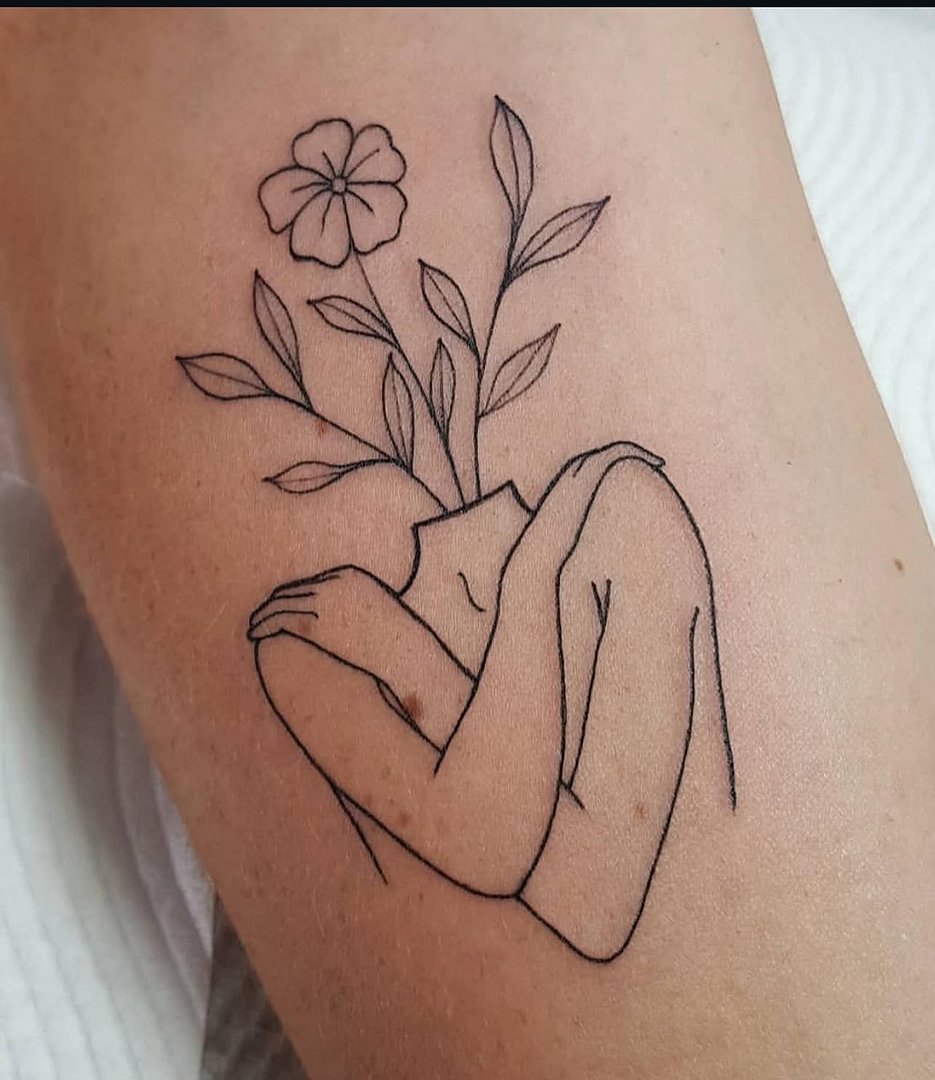
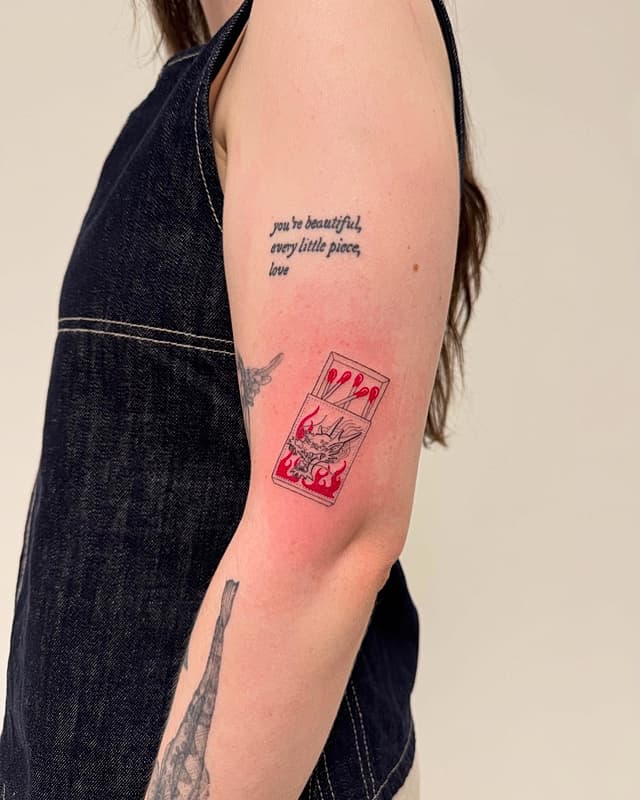
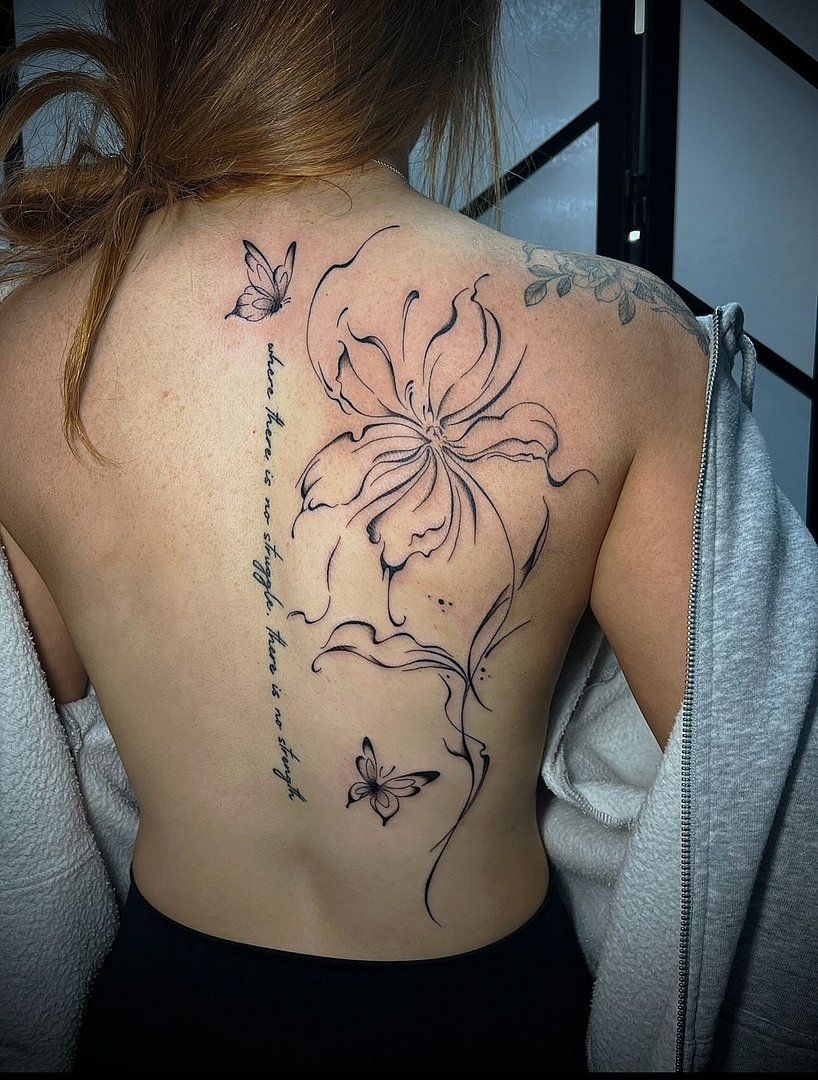
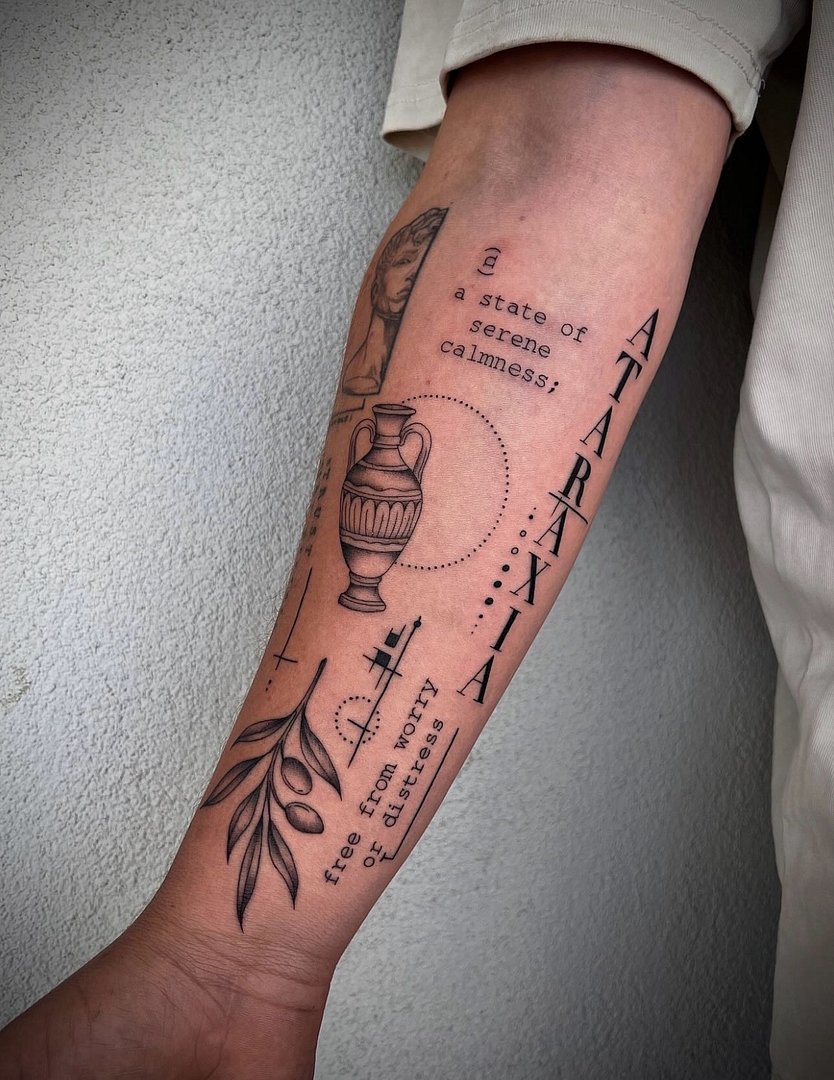
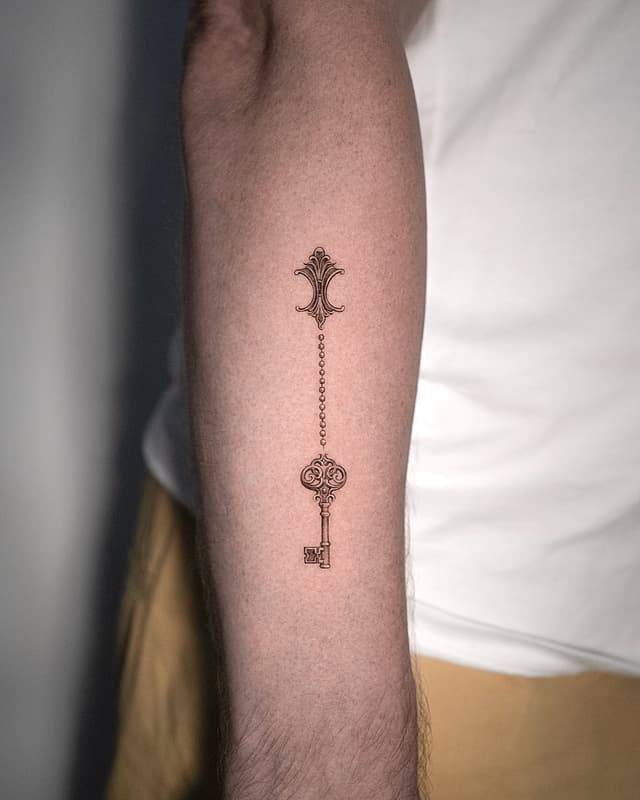
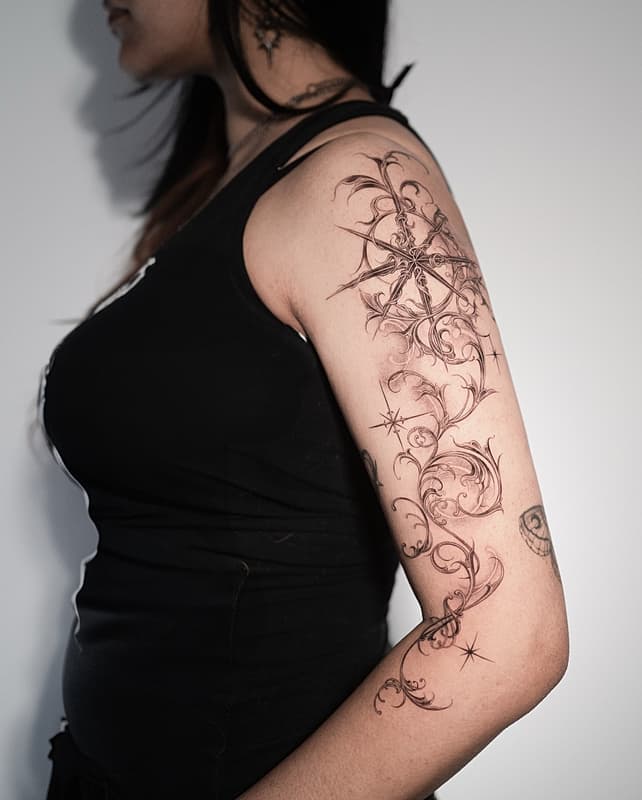
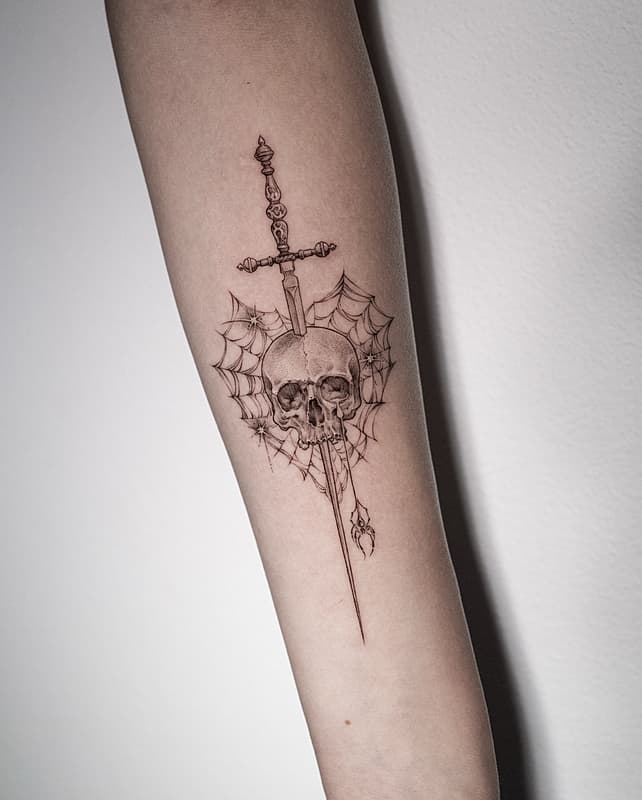
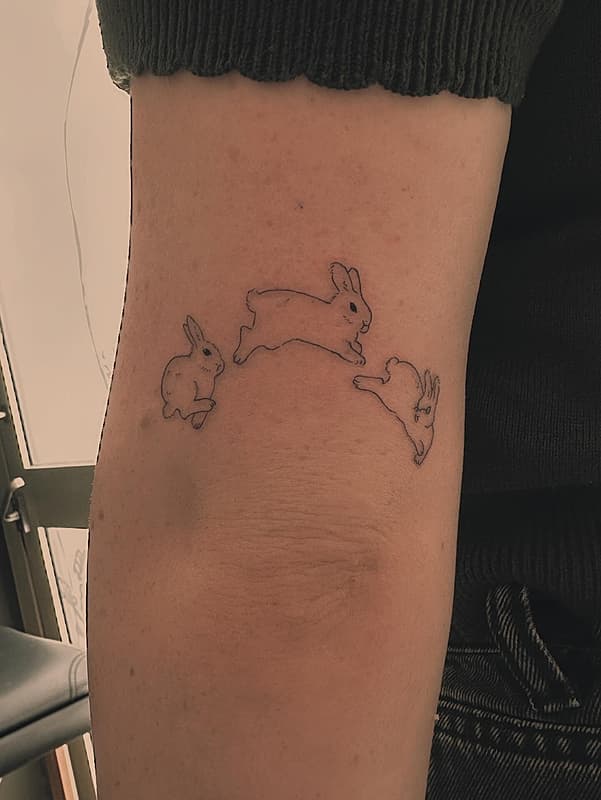
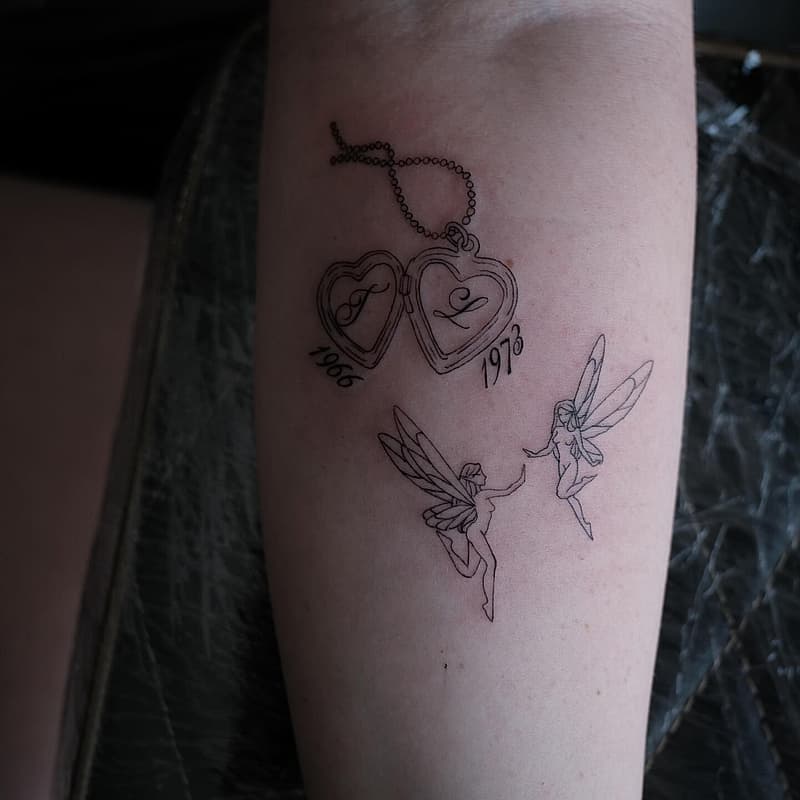
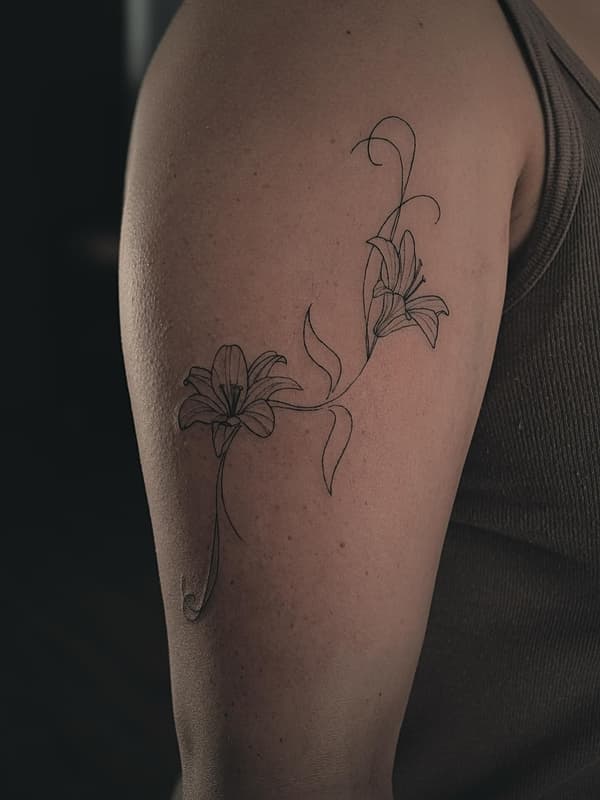
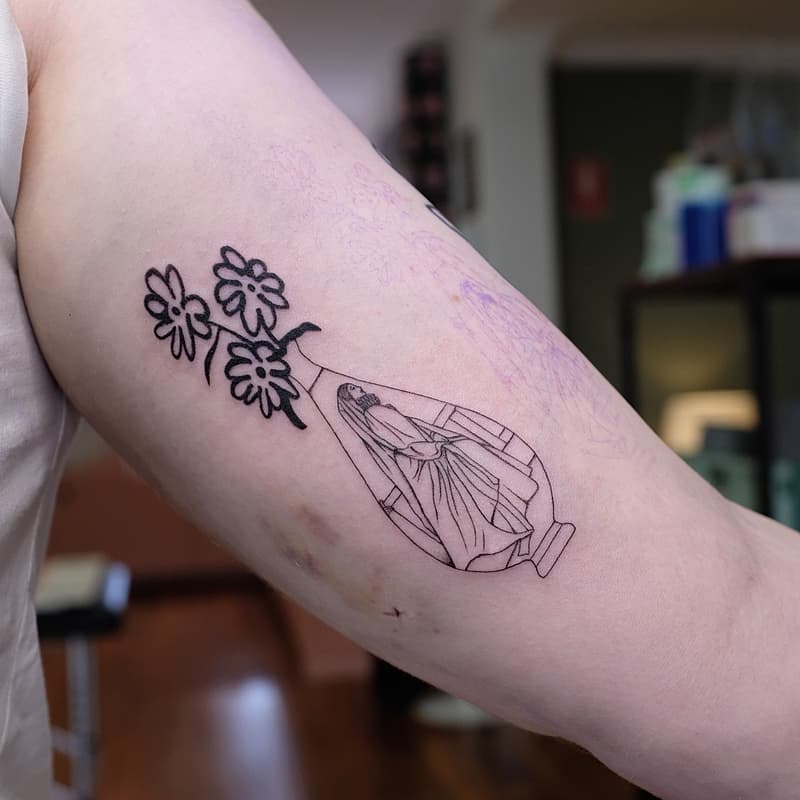
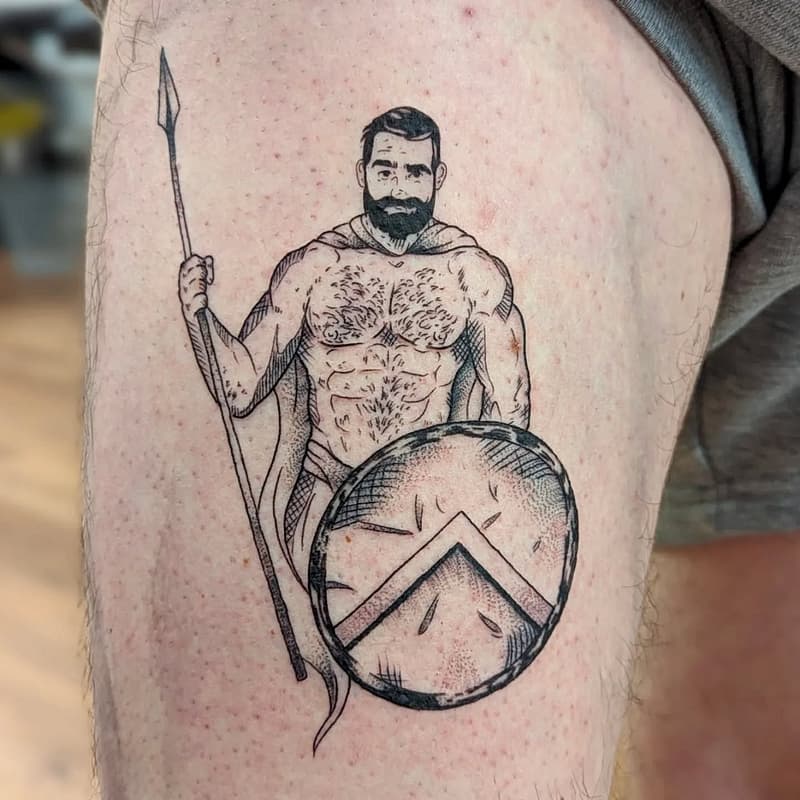
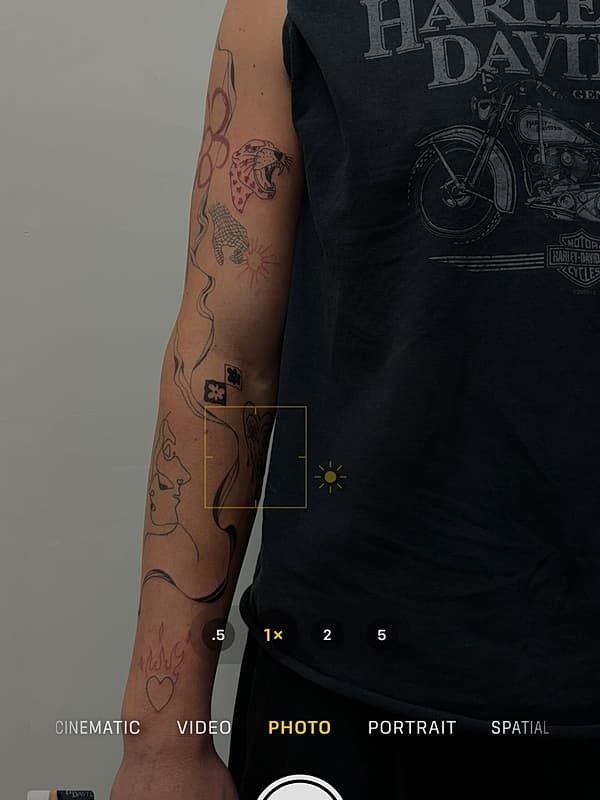
Fine line is tattooing done with very small needle groupings, usually a single needle (1RL) or a tight three-needle group (3RL), producing thin, delicate lines with little or no bold outline. It covers a lot of what you see on Instagram: small florals, script, celestial pieces, minimalist symbols, and detailed micro work.

You'll also hear 'single needle' used as if it's a separate style. It isn't. Single needle is fine line done with one needle instead of a small group. The result is even finer and softer, and it demands even more precision from the artist, but it's a subset of the same approach, not a competing style.

The aging question, answered honestly

This is the question everyone asks, so here's the straight version: fine line tattoos do not automatically age badly, but they have less margin for error than bolder styles. A thin line carries less ink. As ink spreads slightly under the skin over the years (all tattoos do this), a thick traditional line absorbs that spread without changing character. A hairline-thin line has less to give, so fading and softening show sooner.

The three things that actually decide how your fine line piece looks in ten years are artist skill, placement, and sun. Skill matters most: lines set at the wrong depth either fall out (too shallow) or blow out into blur (too deep), and single-pass precision is a specialist skill, not something every artist has. Placement is second: low-friction, low-flex areas like the upper arm, forearm, thigh, and back hold detail well; fingers, hands, feet, and the inner wrist fade fast no matter who did the work, which is why reputable artists often refuse those spots. Sun is third, and in Australia it does more damage than most people expect. Sunscreen on healed tattoos is the cheapest touch-up you'll ever buy.

One more thing worth knowing upfront: solid black fine line typically softens toward grey over the years. That's normal aging, not a defect, and a light touch-up brings it back.

Pain and healing

Fine line generally hurts less than heavier styles. The needle groupings are smaller, the passes are lighter, and there's less trauma to the skin overall, which also usually means faster healing. It's not painless, and single-needle work can feel surprisingly sharp and scratchy, but if pain is holding you back from a first tattoo, fine line is one of the gentler entry points.
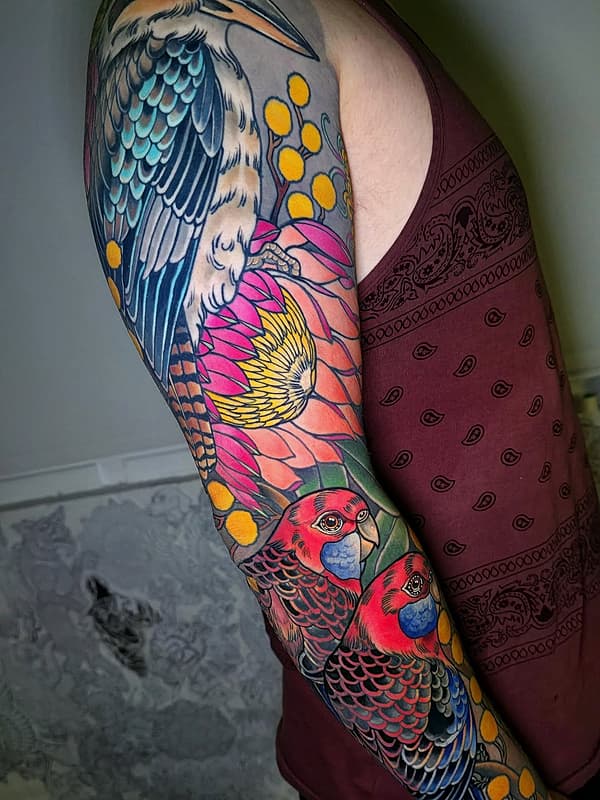
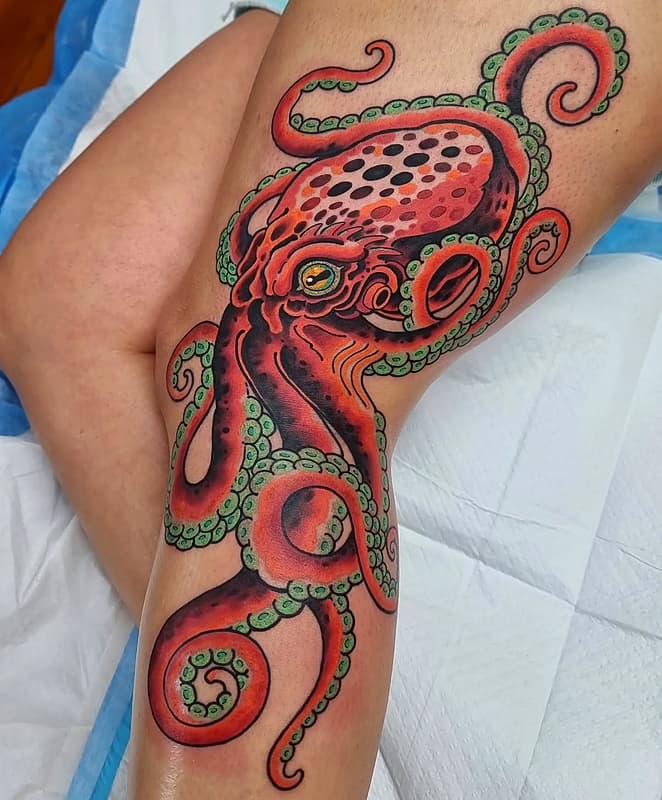
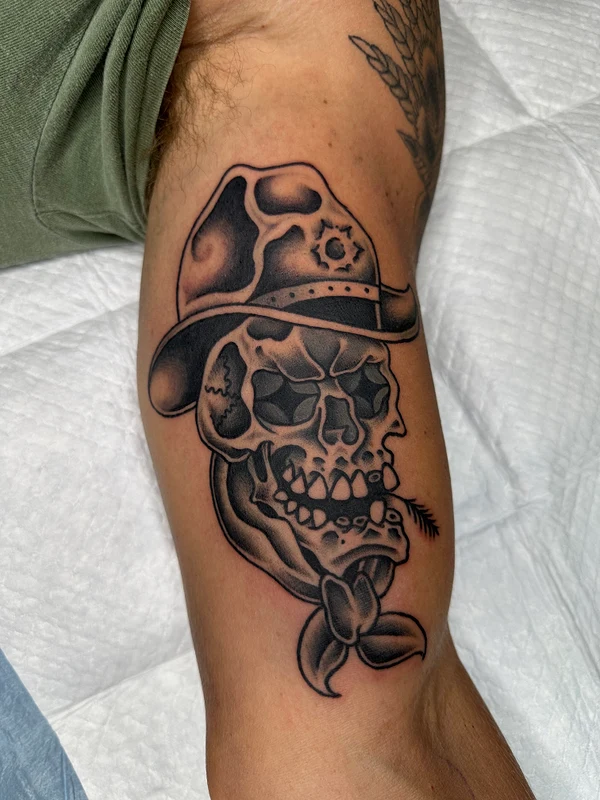
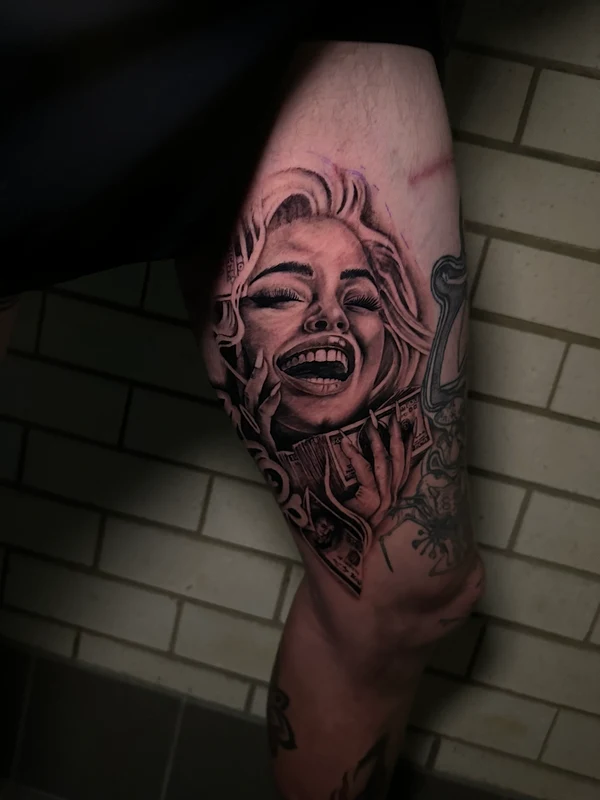
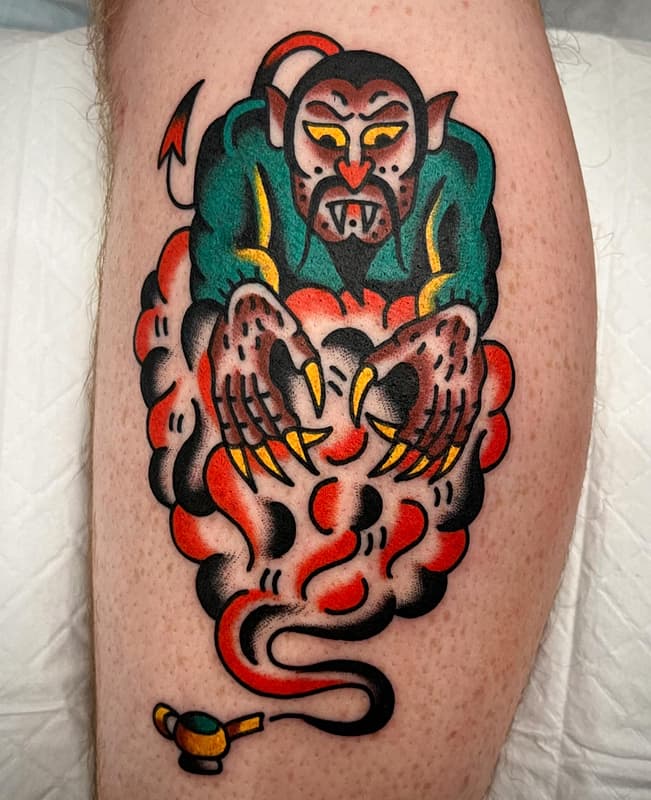
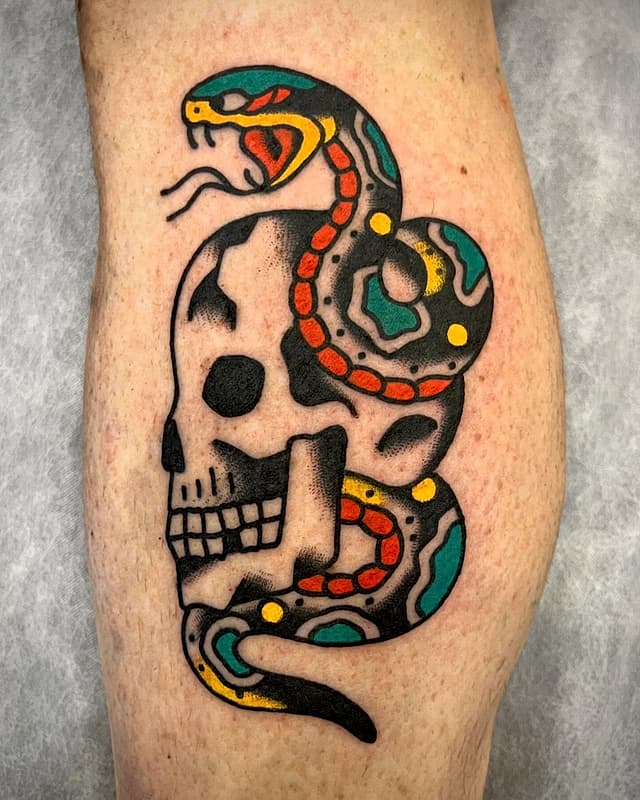
Fineline artists on REAP

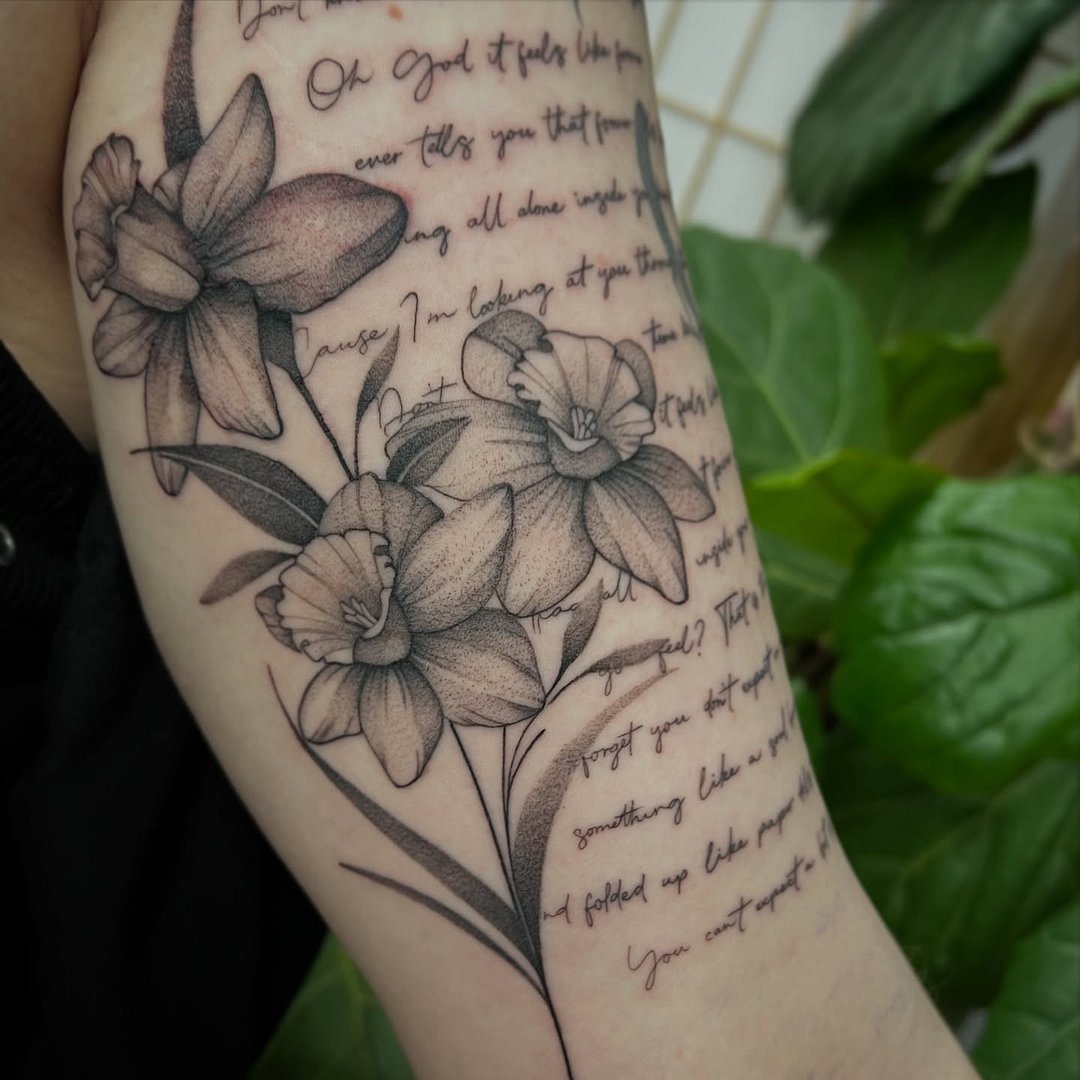
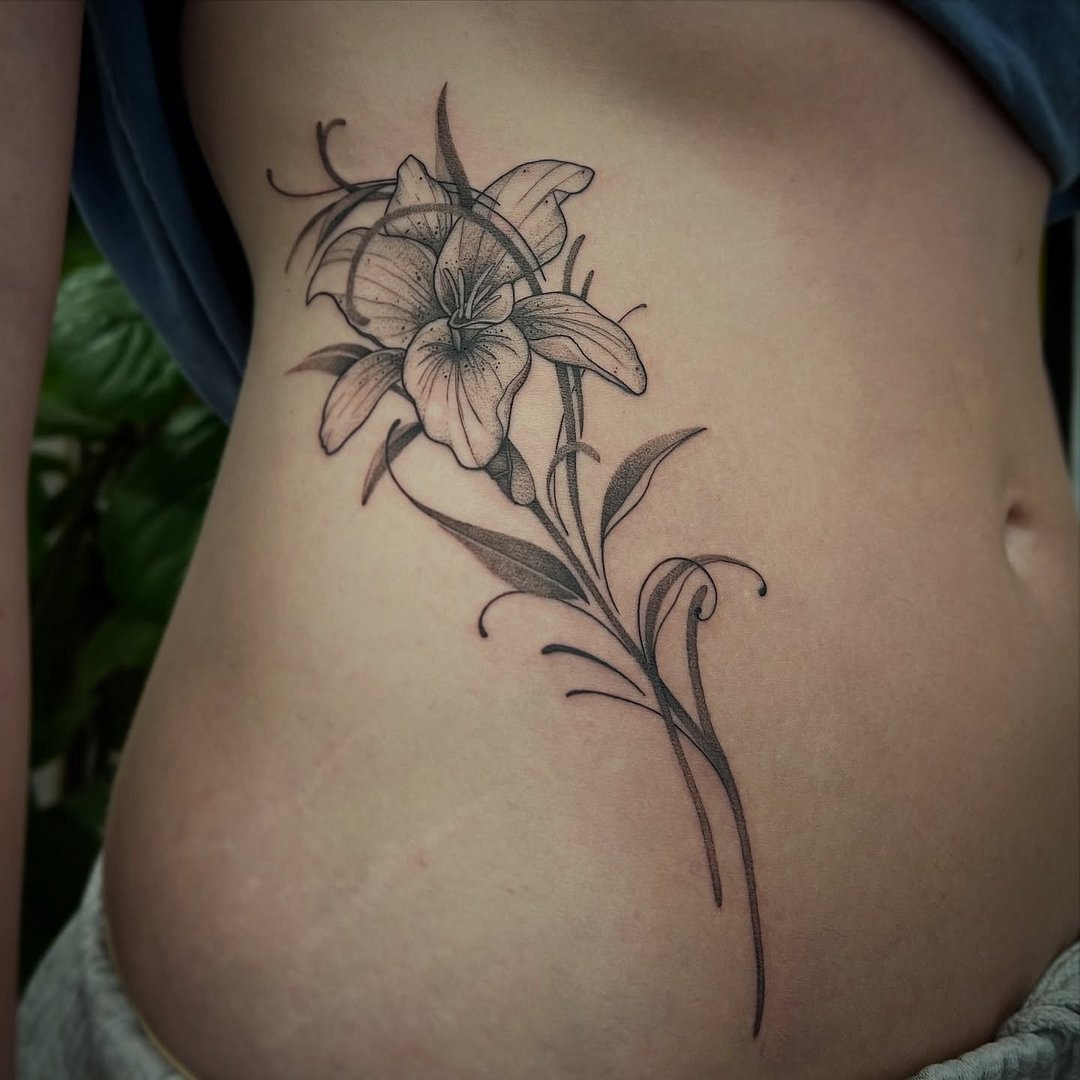
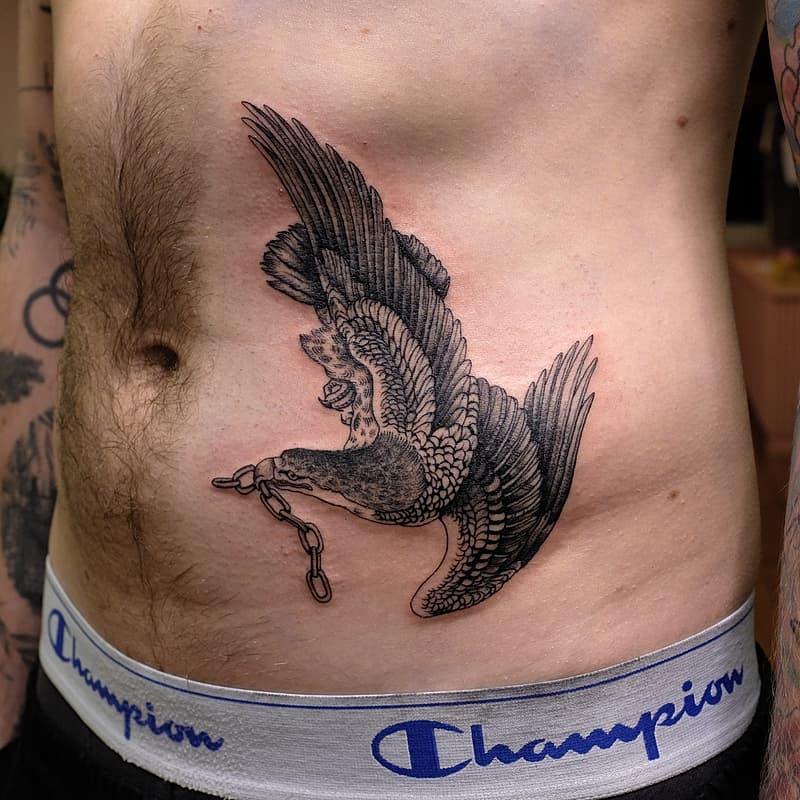
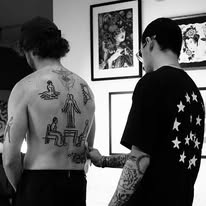
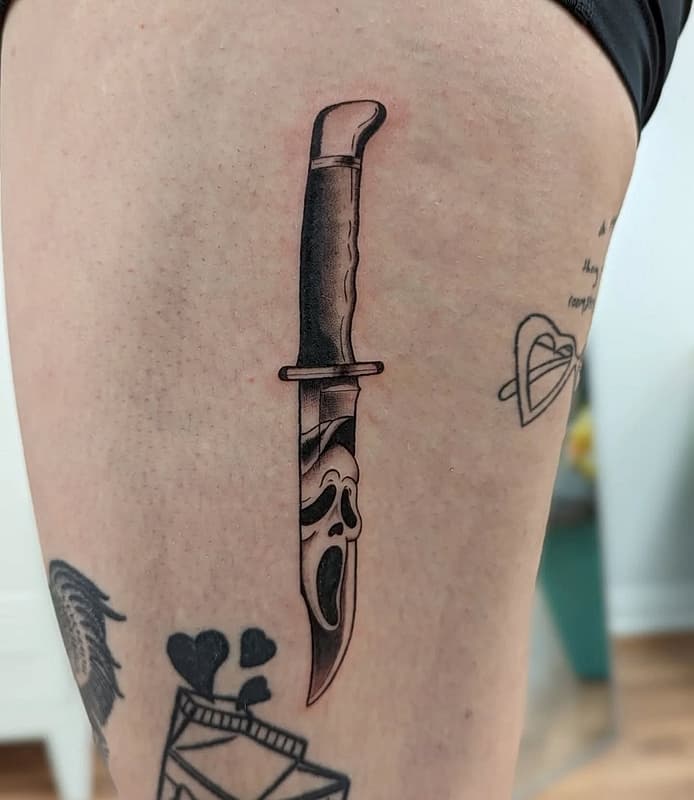
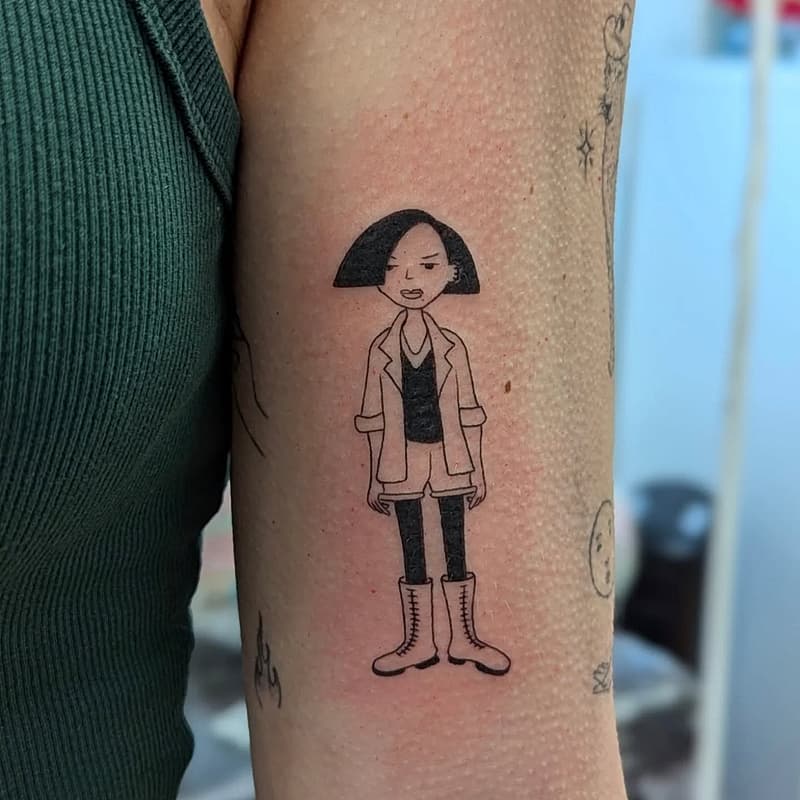
Real fineline work from artists you can book right now.

Got a tattoo in mind?

Post a tattoo request and let artists come to you. Describe what you want, and artists who suit it will reach out.

Frequently Asked Questions

Do fine line tattoos age well?+

Well-executed fine line on a sensible placement still reads clearly at ten years, though it softens and fades more noticeably than bold styles because the lines carry less ink. Artist skill, placement, and sun protection matter more than the style itself.

How often do fine line tattoos need touch-ups?+

Many never need one. Expect the piece to soften over five to ten years, sooner on high-friction placements or with heavy sun exposure. A single touch-up session restores most pieces, and some artists include one free touch-up within the first few months.
Do fine line tattoos hurt less?+

Usually, yes. Smaller needle groupings and lighter passes mean less trauma than bold or heavily shaded work. Single-needle work can feel sharp and scratchy, but overall fine line is one of the more tolerable styles.
What's the difference between fine line and single needle?+

Single needle is fine line done with one needle (1RL) rather than a small grouping like a 3RL. It produces even thinner, softer lines and demands more precision, but it's a subset of fine line, not a separate style.

Where should I not get a fine line tattoo?+

Fingers, hands, feet, and the inner wrist. These spots shed and regenerate skin fast, so thin lines there fade or fall out regardless of aftercare. Many reputable fine line artists will warn you off or decline these placements outright.

Find Artists Near You

SydneyNSWMelbourneVICBrisbaneQLDPerthWAAdelaideSAGold CoastQLDNewcastleNSWCanberraACTHobartTASDarwinNT

Find Fineline Artists Near You

Fineline in SydneyFineline in MelbourneFineline in BrisbaneFineline in PerthFineline in AdelaideFineline in Gold CoastFineline in NewcastleFineline in CanberraFineline in HobartFineline in Darwin
Browse artists on the map →

Healing has one quirk worth knowing about. During the peeling stage, fine lines often look patchy or lighter than they did fresh, and people panic. Most of the time the line settles back in once the skin fully regenerates. Judge the result at six to eight weeks, not day ten. If a section genuinely dropped out, a good artist will touch it up.

What fine line costs in Australia

Small doesn't mean cheap, and it's worth understanding why. Fine line is slow, single-pass precision work, and studios charge for time and skill, not square centimetres. Most studios also have a shop minimum, typically somewhere between $100 and $250, which covers setup, sterile supplies, and the artist's time regardless of how tiny the piece is.

As a rough guide across Australian cities: hourly rates for established fine line artists sit around $180 to $250, with in-demand Sydney artists reaching $280 or more. A small single piece usually lands between $150 and $500 depending on detail and the artist's rate. Deposits of $50 to $100 are standard, come off the final price, and are generally non-refundable if you cancel late. Ask each artist for their specific numbers rather than assuming; rates vary more by artist than by city.

How to vet a fine line specialist

Because fine line punishes technical mistakes more than any other popular style, choosing the artist matters more than choosing the design. Anyone can claim fine line on a profile. The test is healed work: ask to see pieces at six months or a year, not just fresh photos taken minutes after the machine stopped. Fresh fine line almost always looks crisp. Healed fine line tells you whether the artist sets lines at the right depth.

Look for consistency across the portfolio, even line weight with no wobble or patchiness, and depth in the style rather than two good pieces among unrelated work. Browse fine line specialists by city on REAP's discover pages and compare portfolios side by side; twenty portfolios in, you'll know exactly what good looks like.

Why is my healed fine line tattoo lighter than when it was fresh?+

Some settling is normal: the crisp, dark look of a fresh tattoo softens as skin heals over the ink, and solid black tends toward grey over the years. Judge the healed result at six to eight weeks. If a line genuinely dropped out in patches, ask your artist about a touch-up.