Two styles that share a toolbox
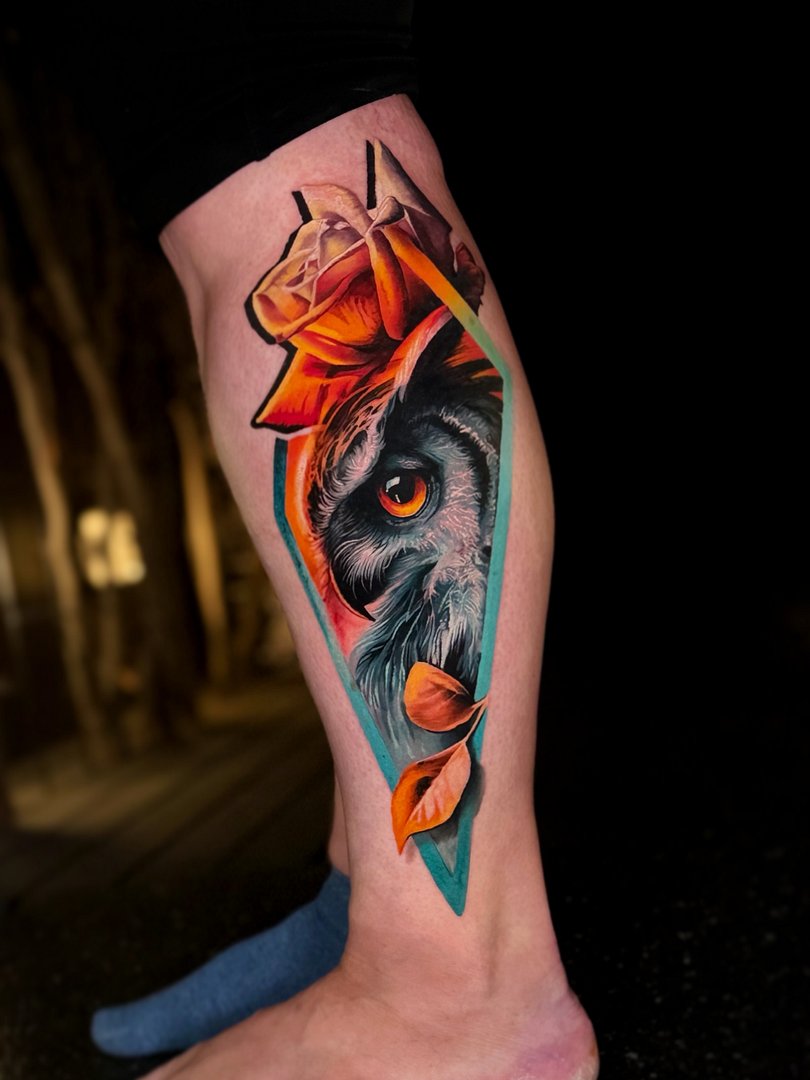
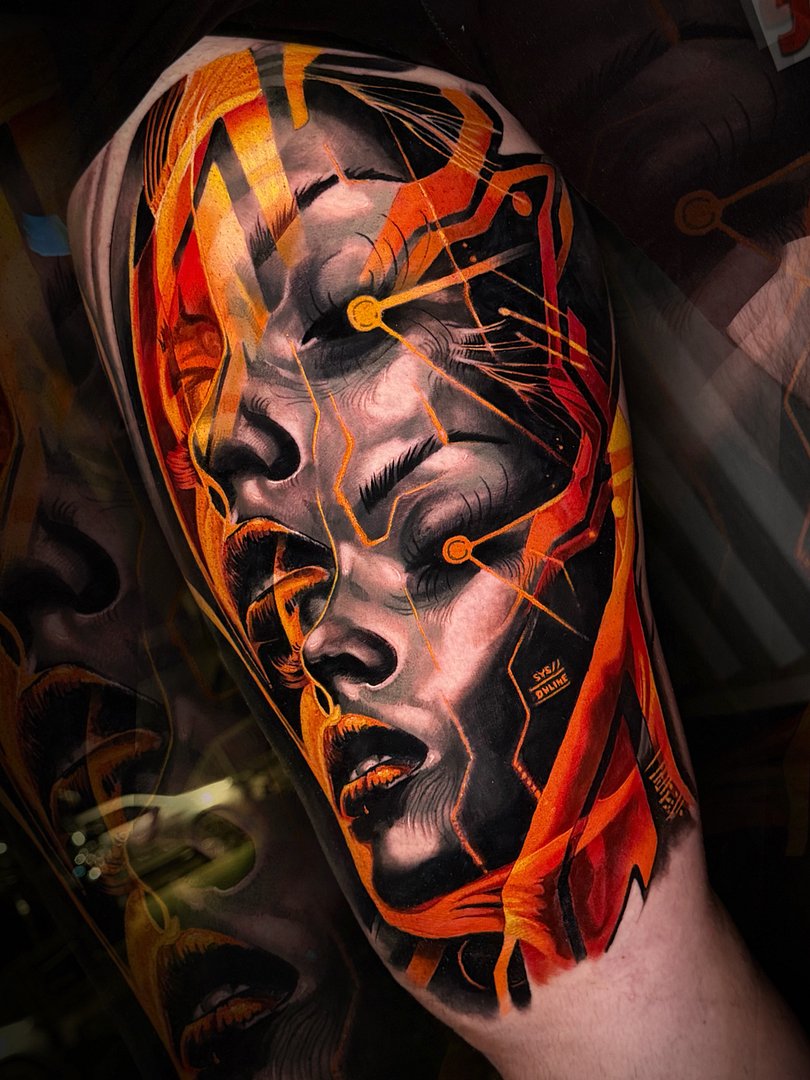
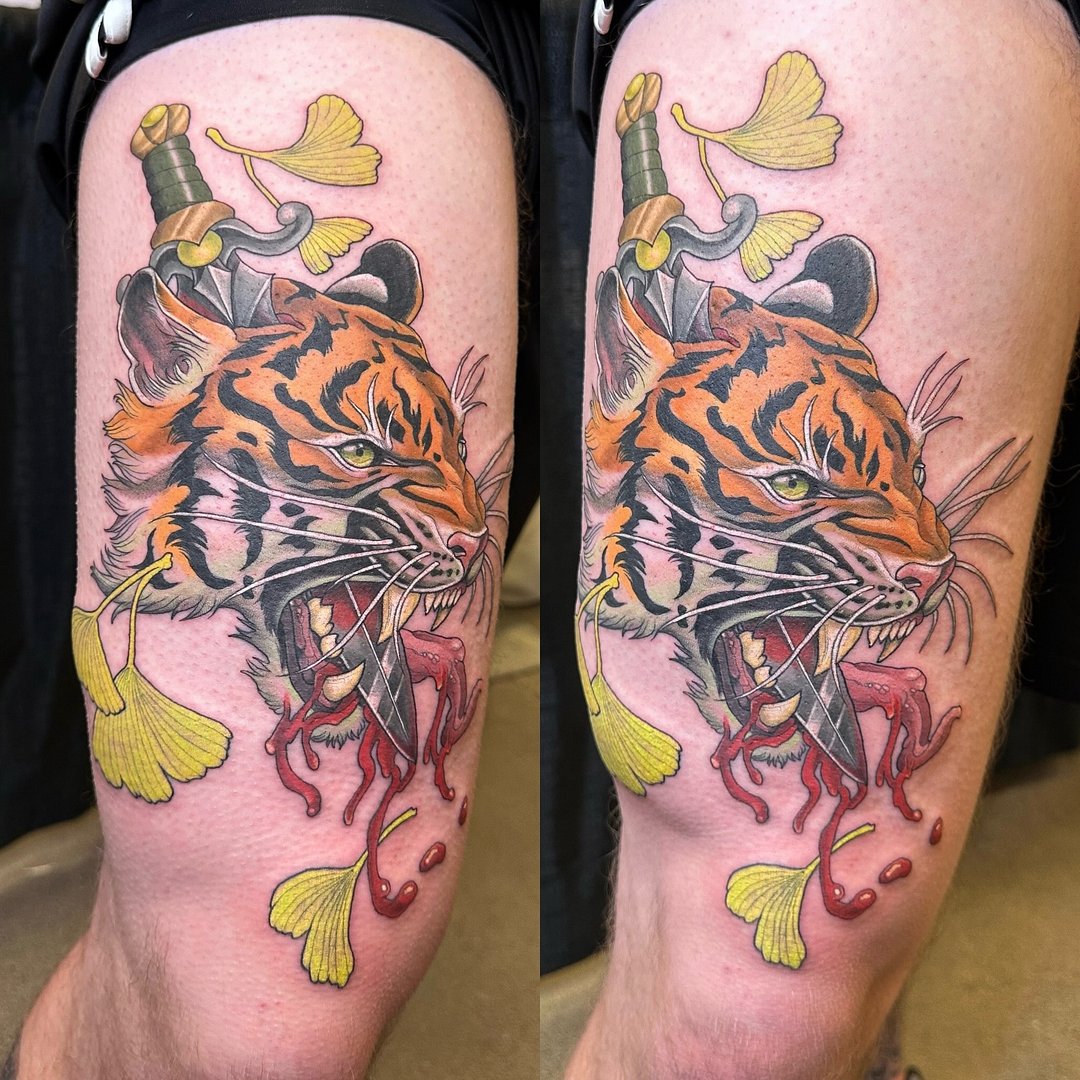
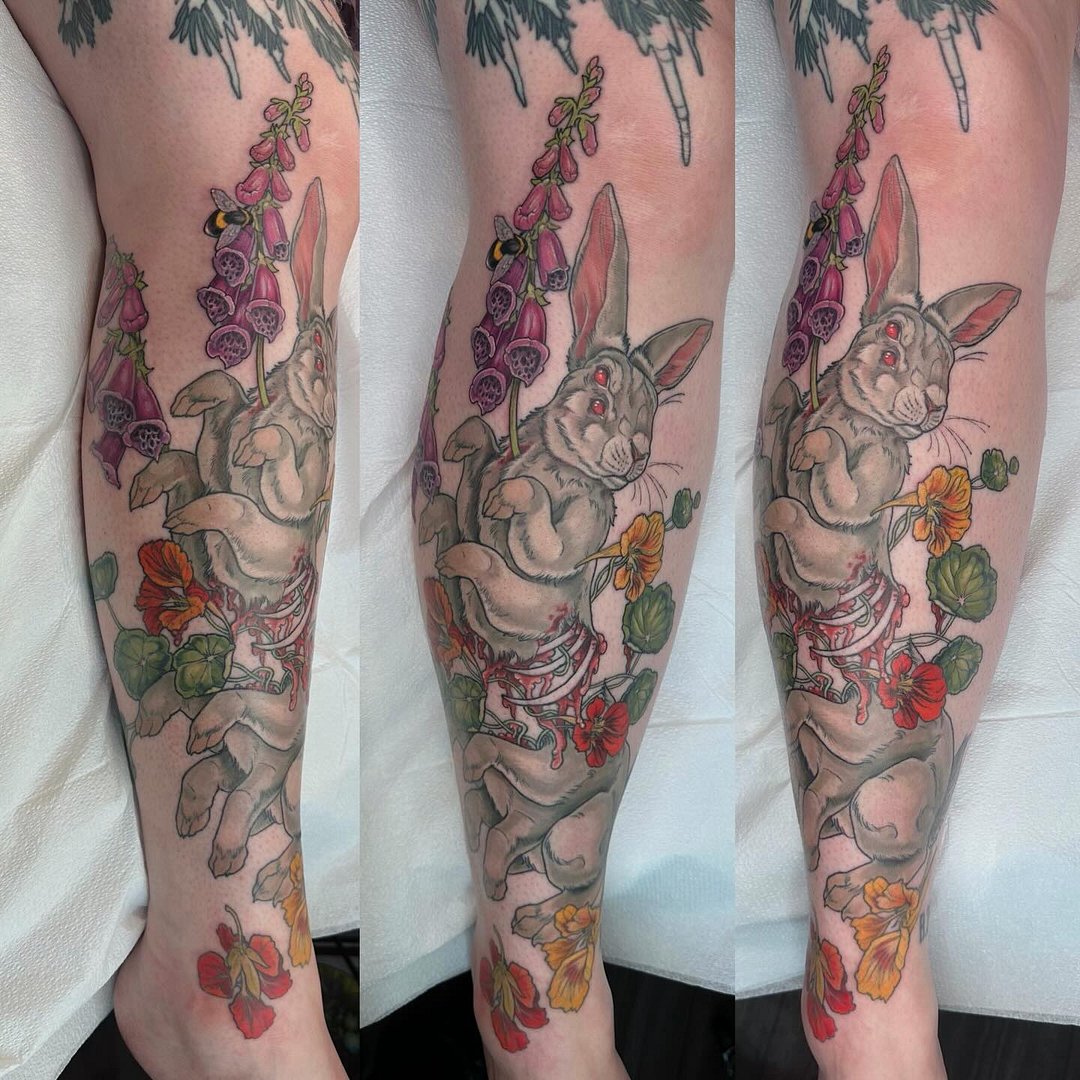
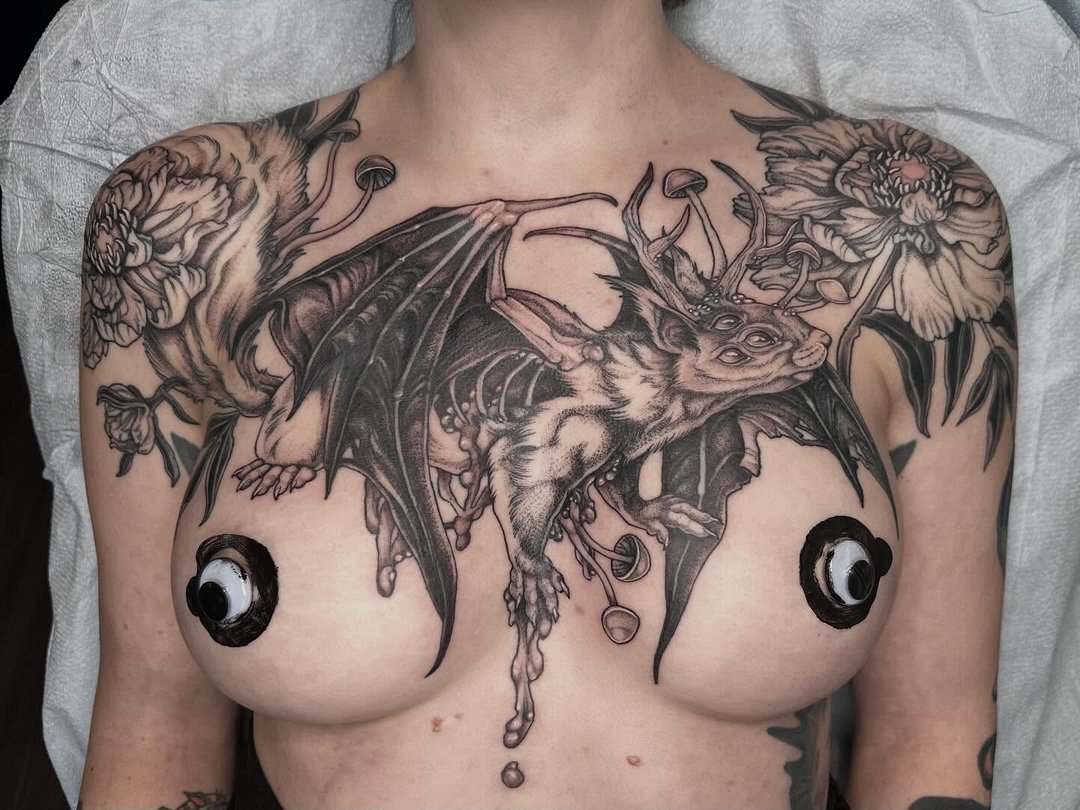
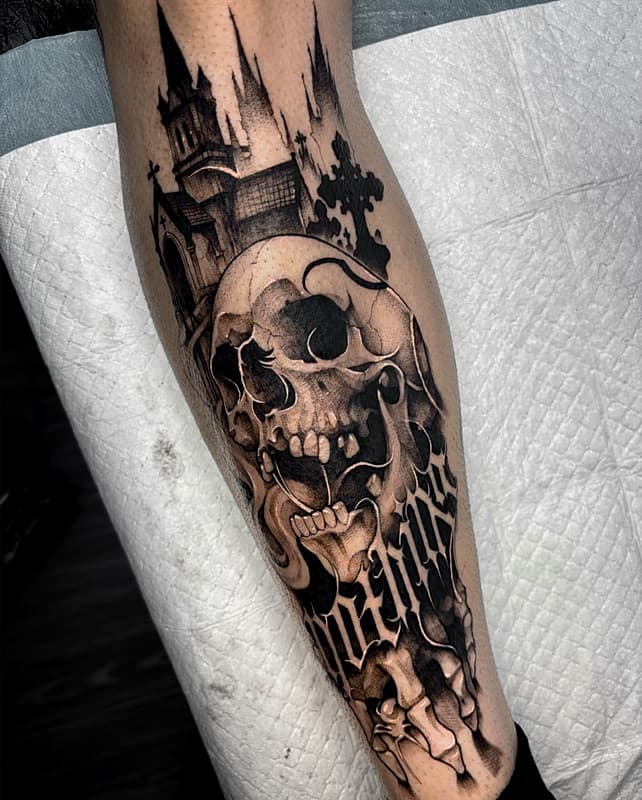
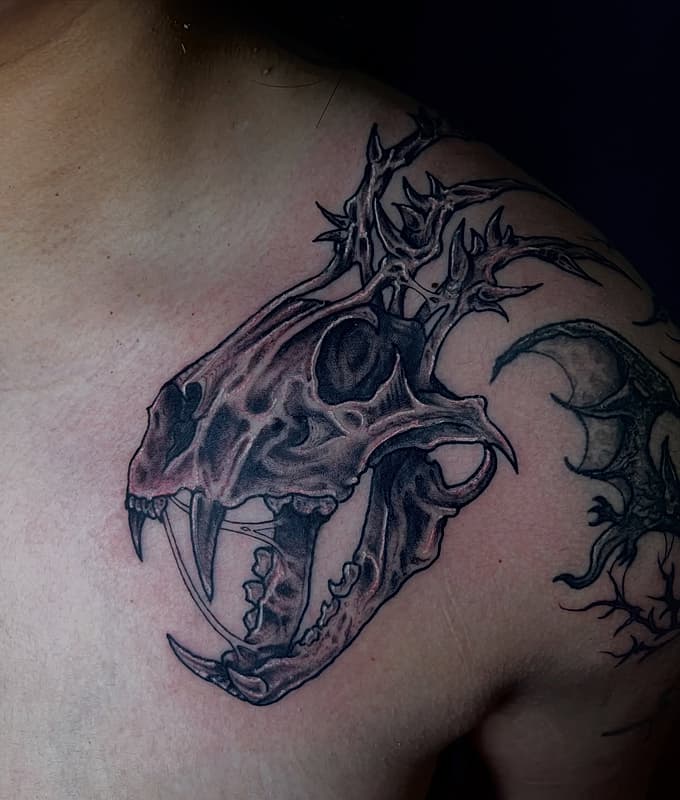
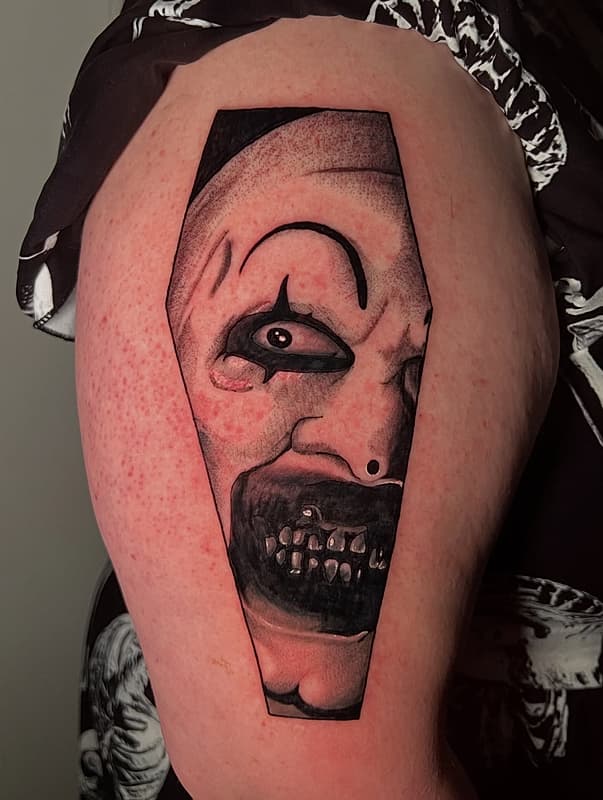
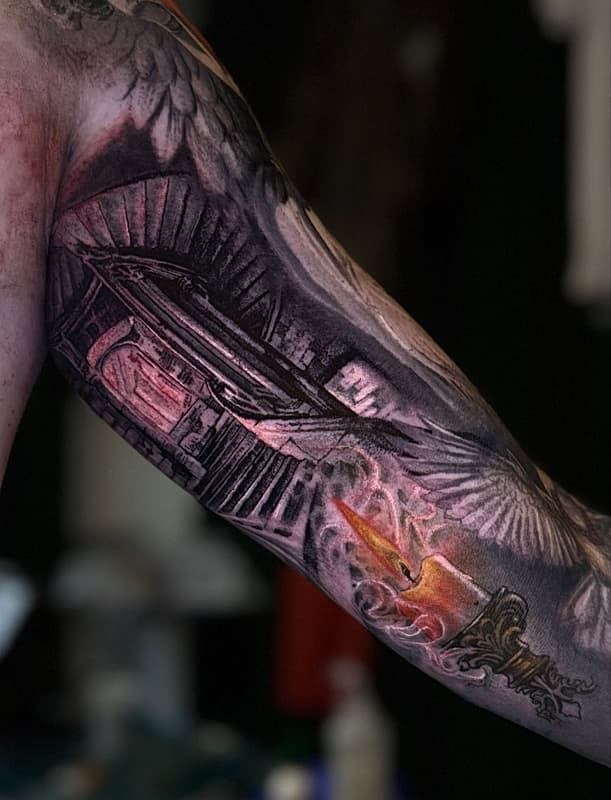
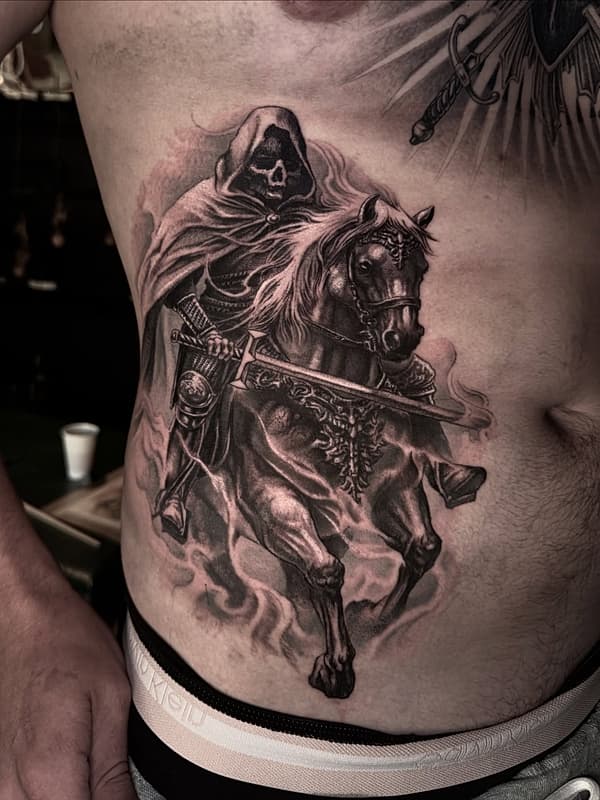
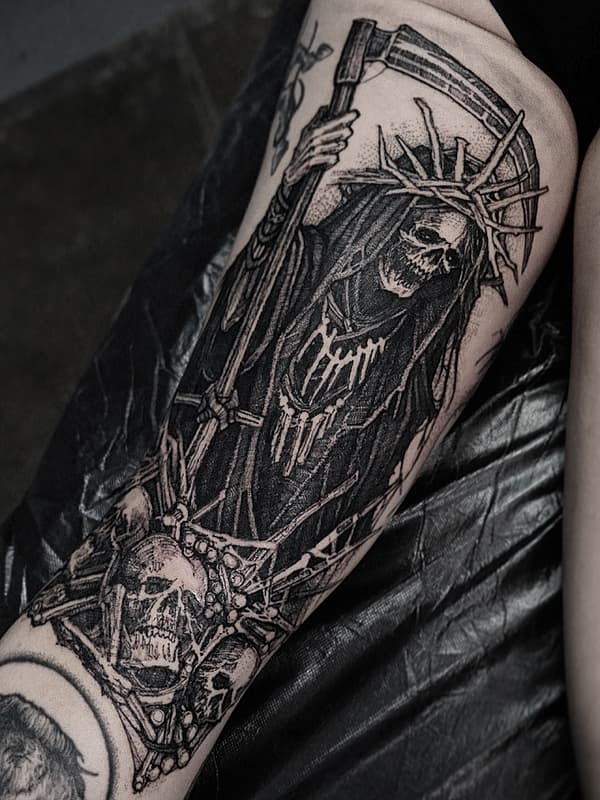
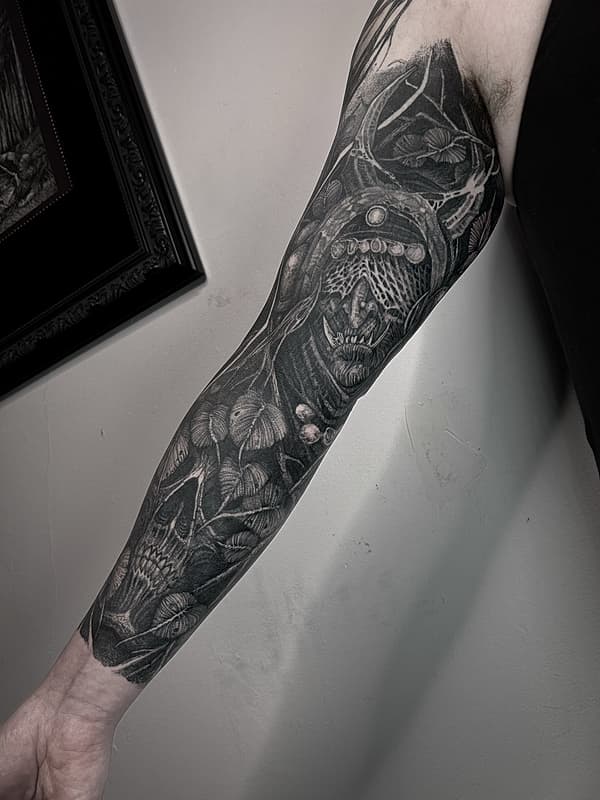
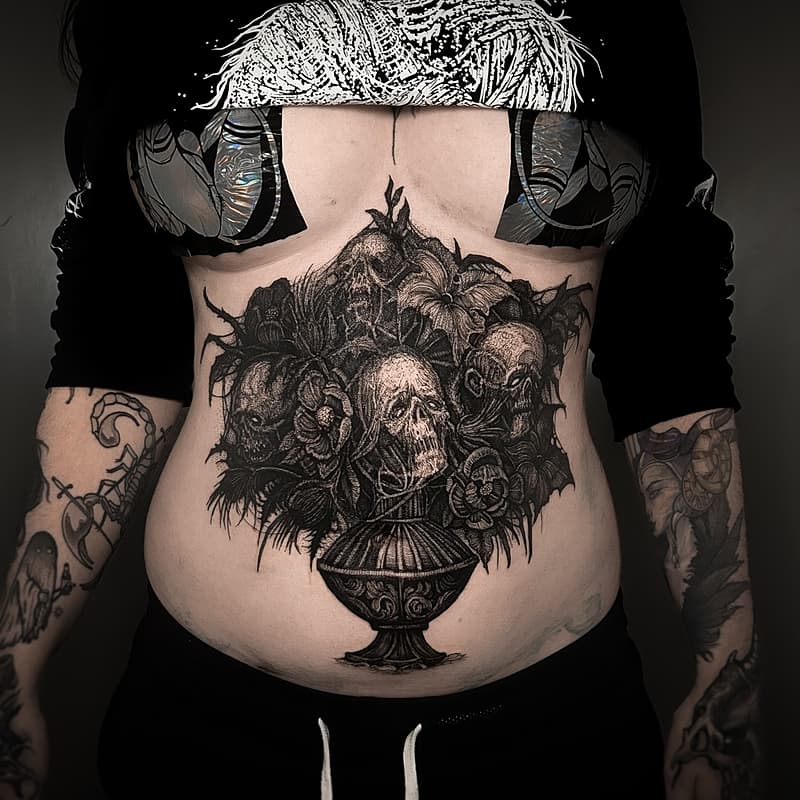
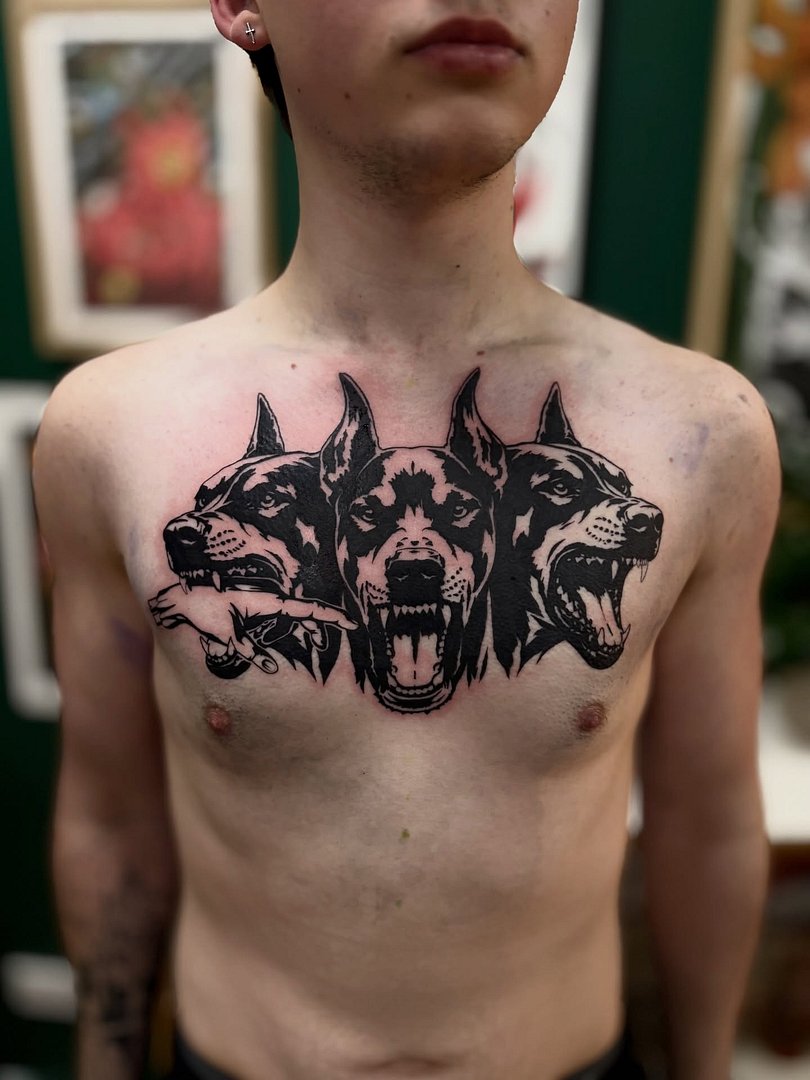
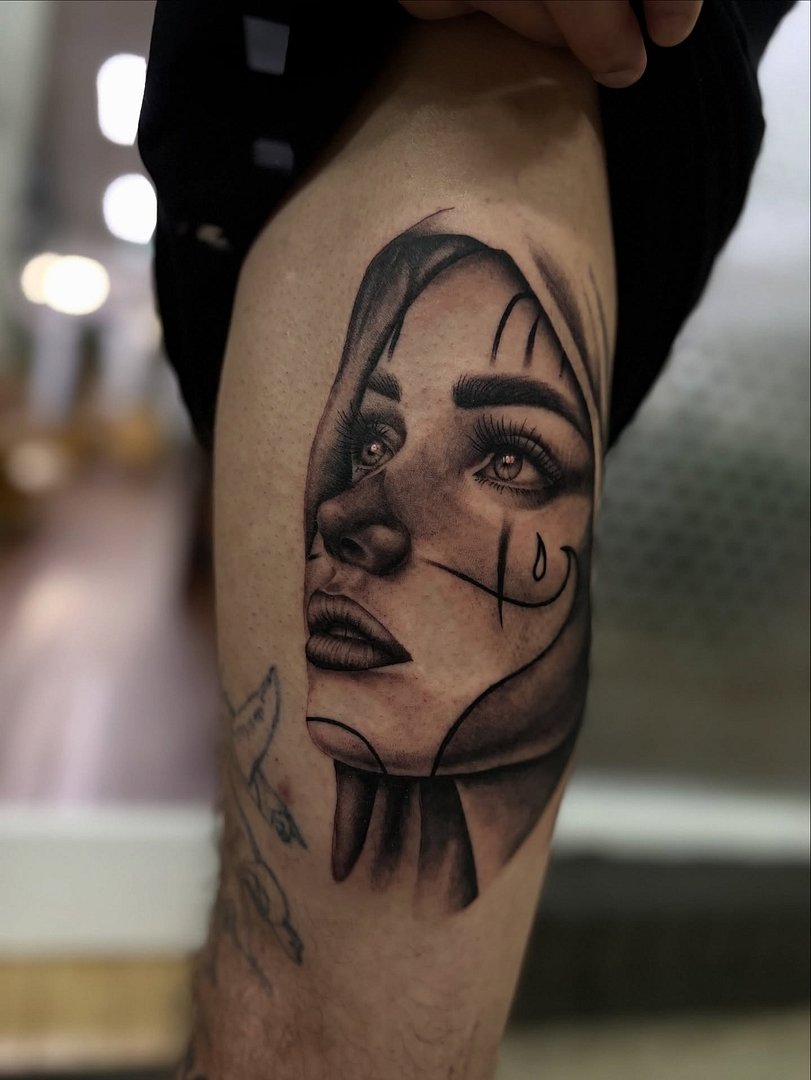
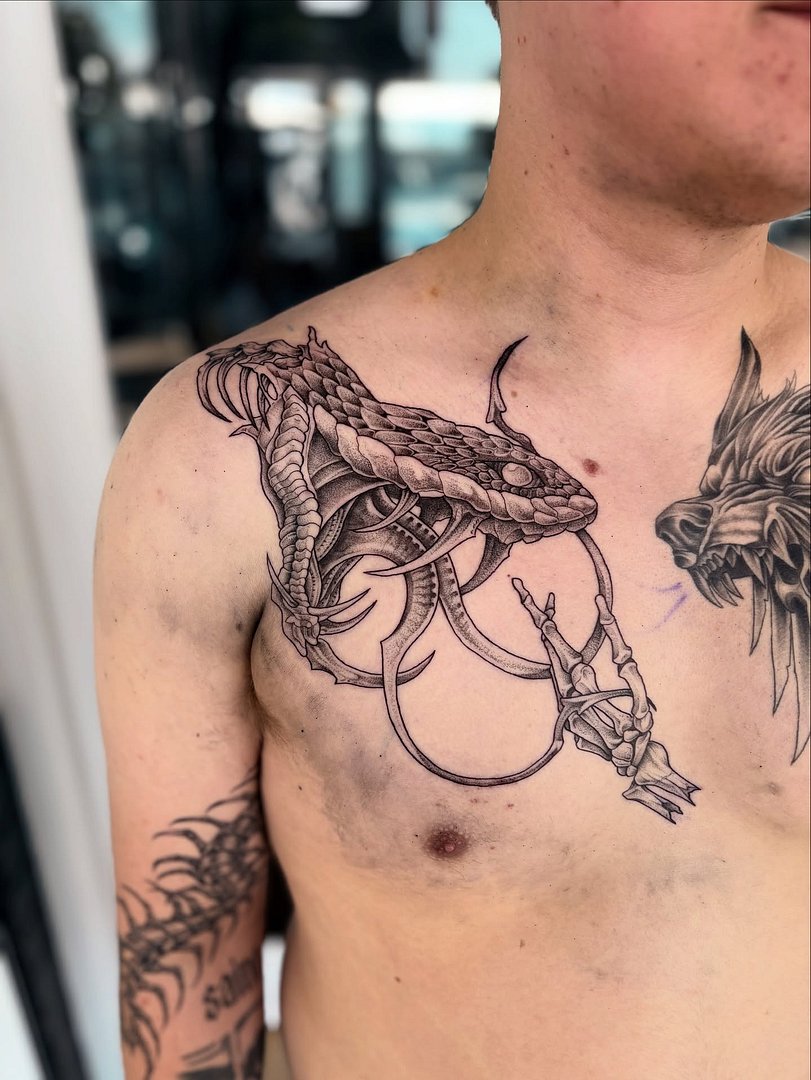
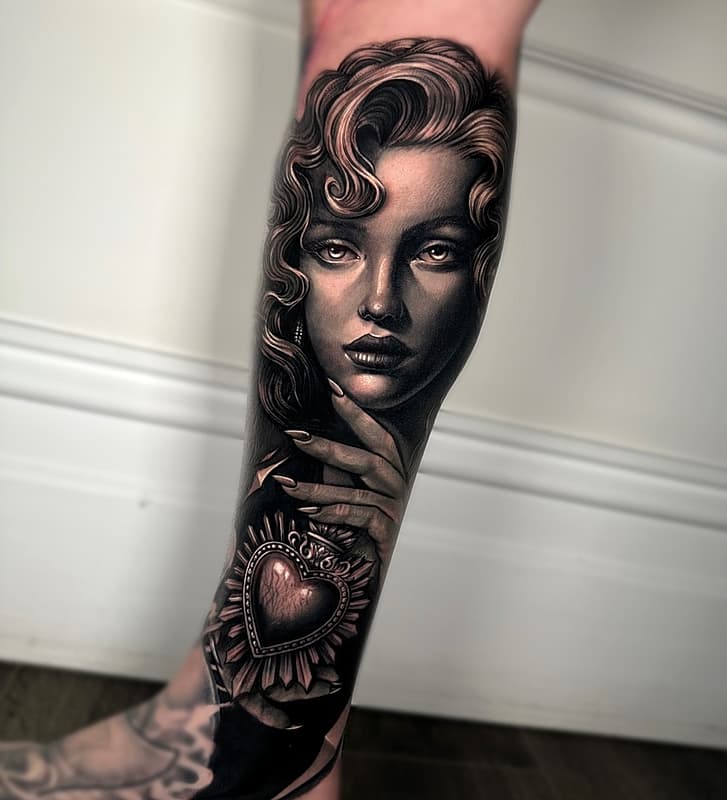
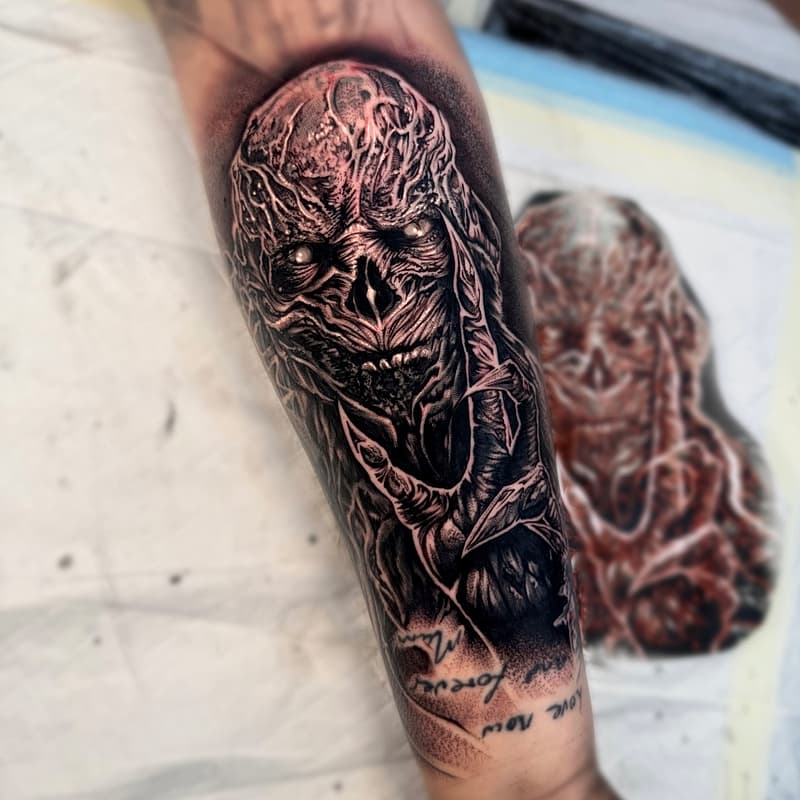
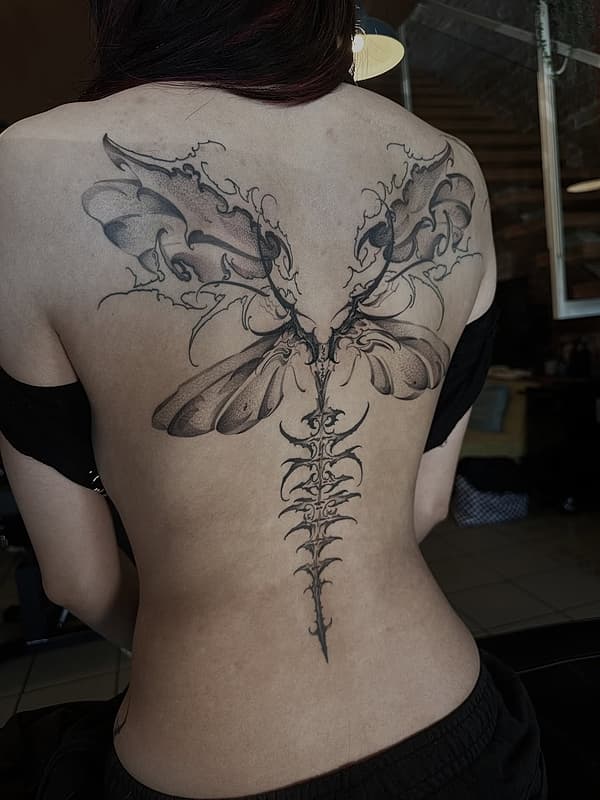
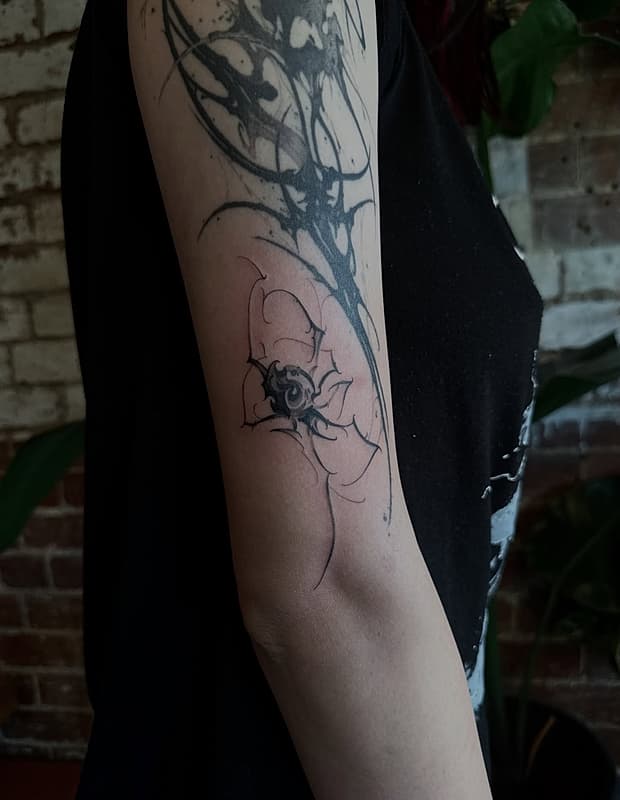
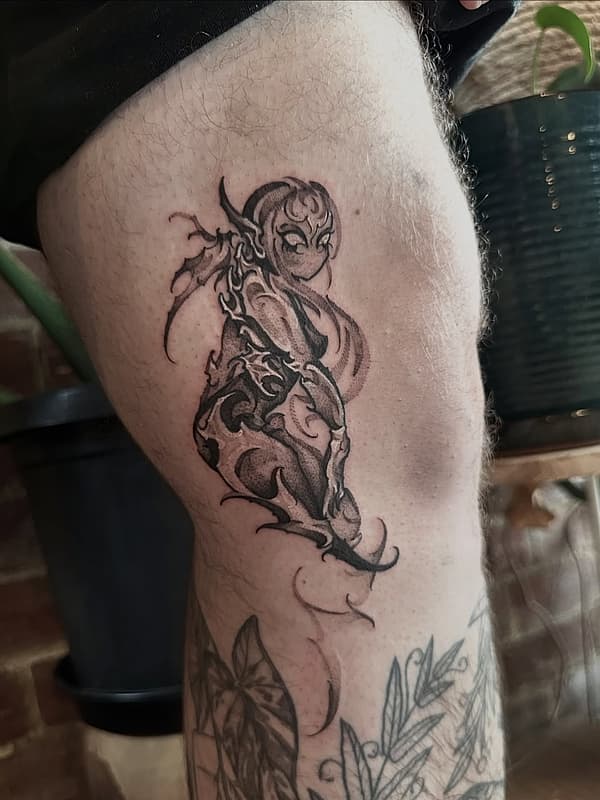
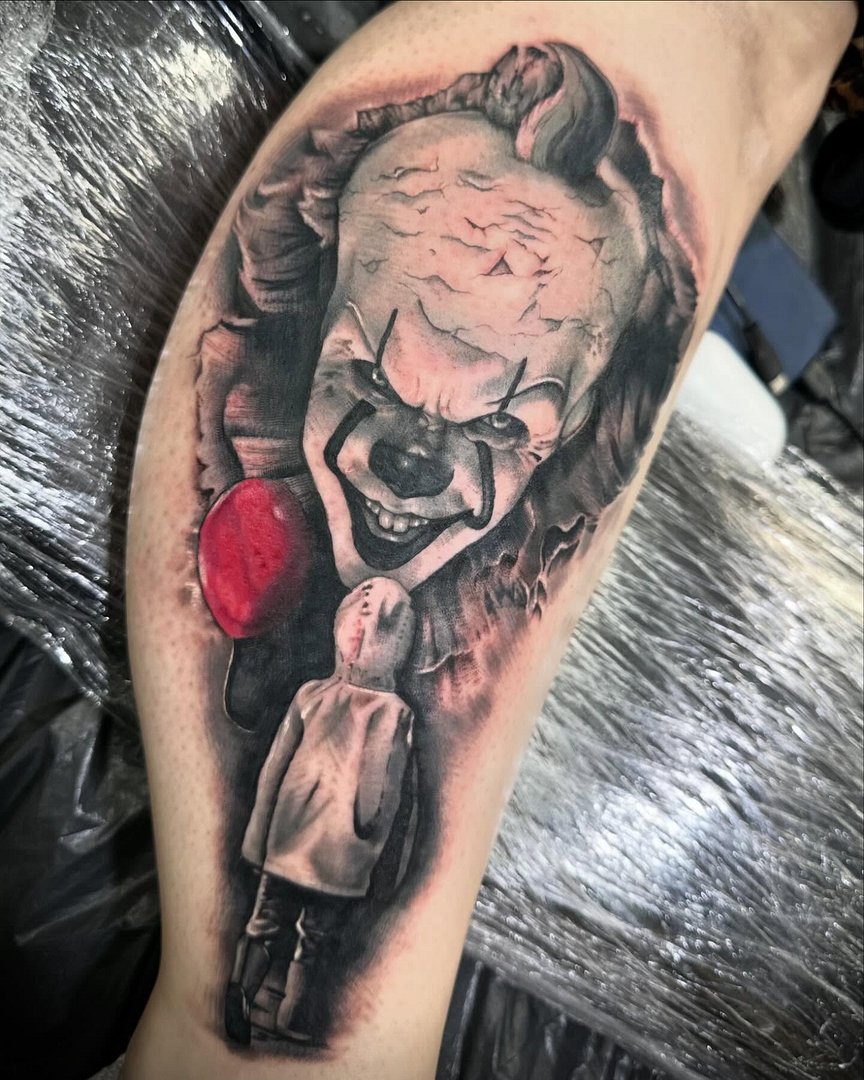
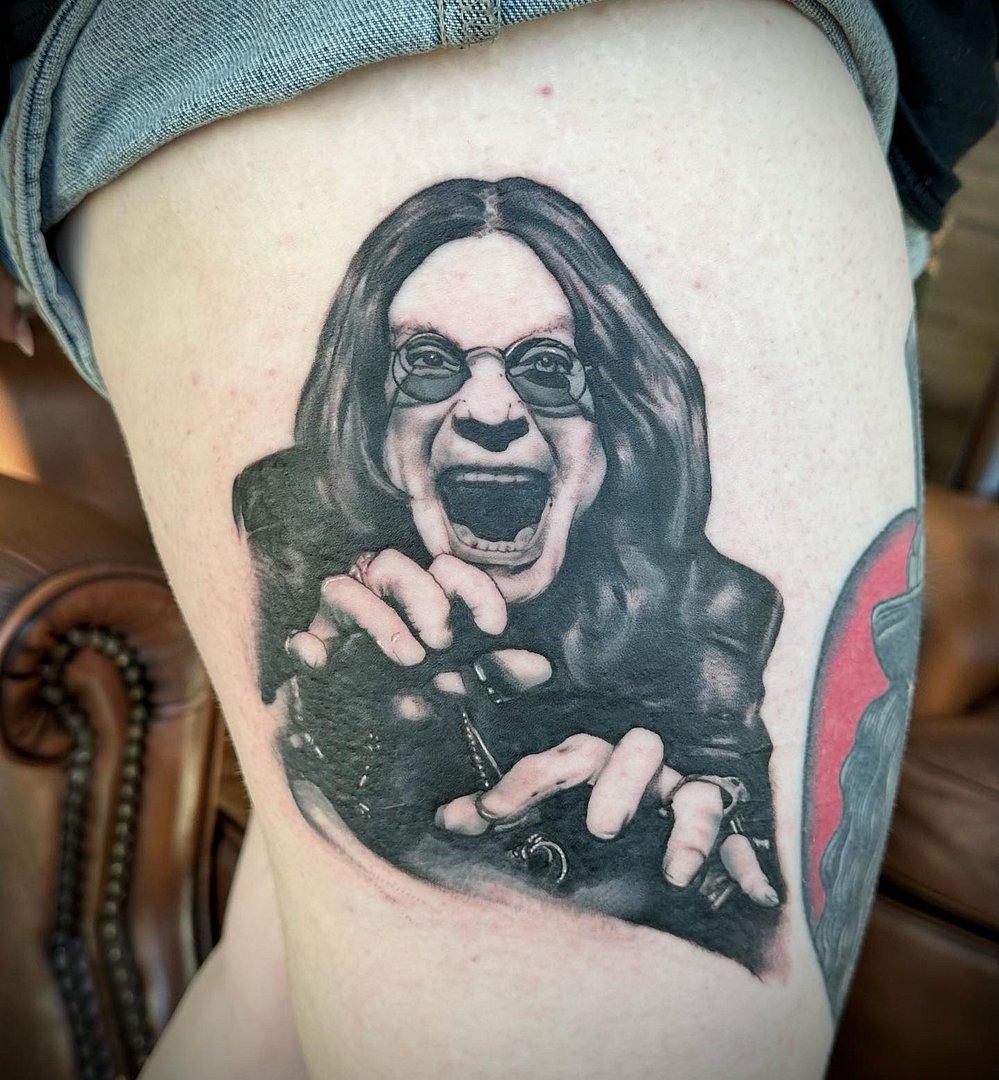
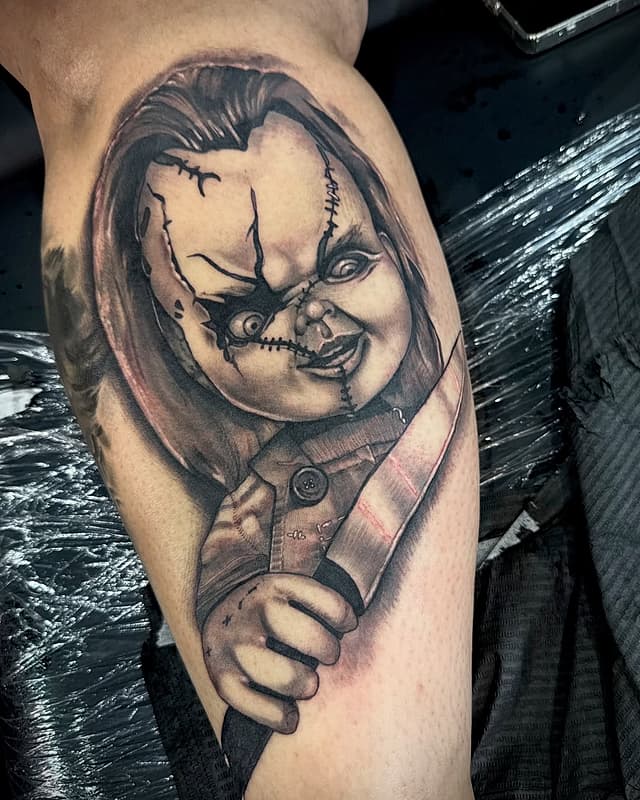
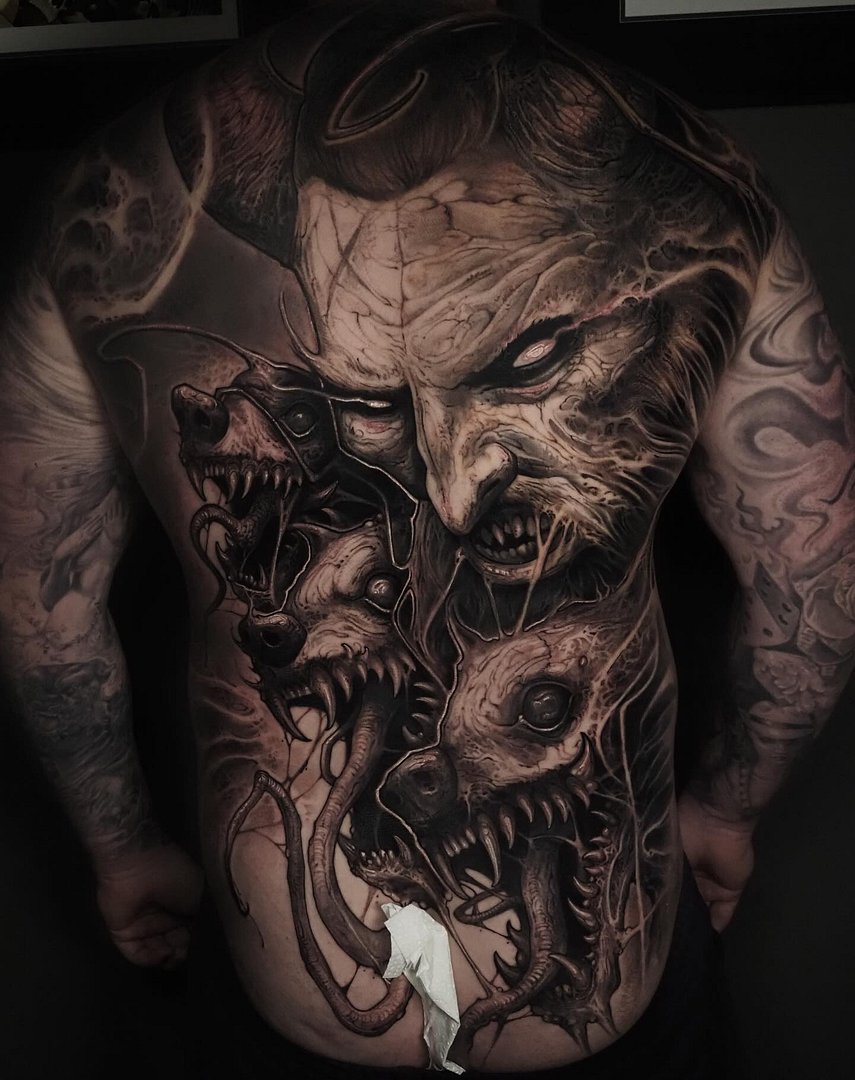
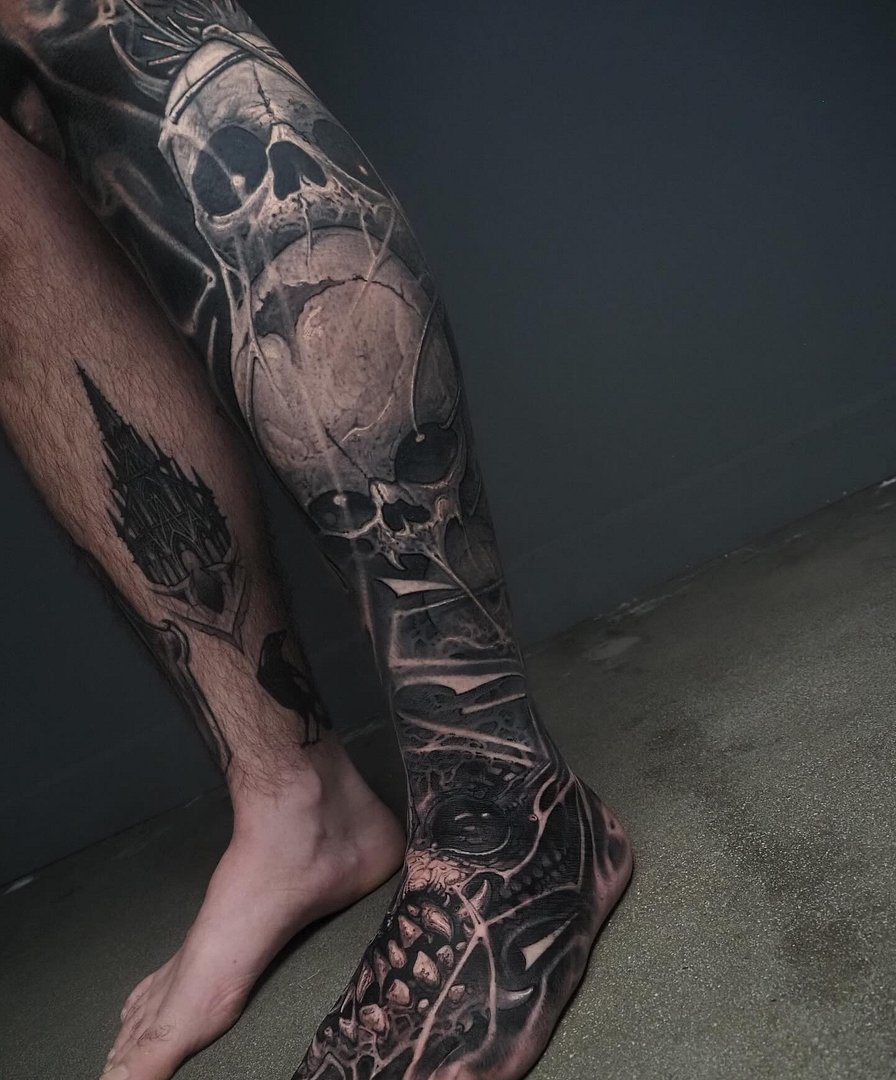
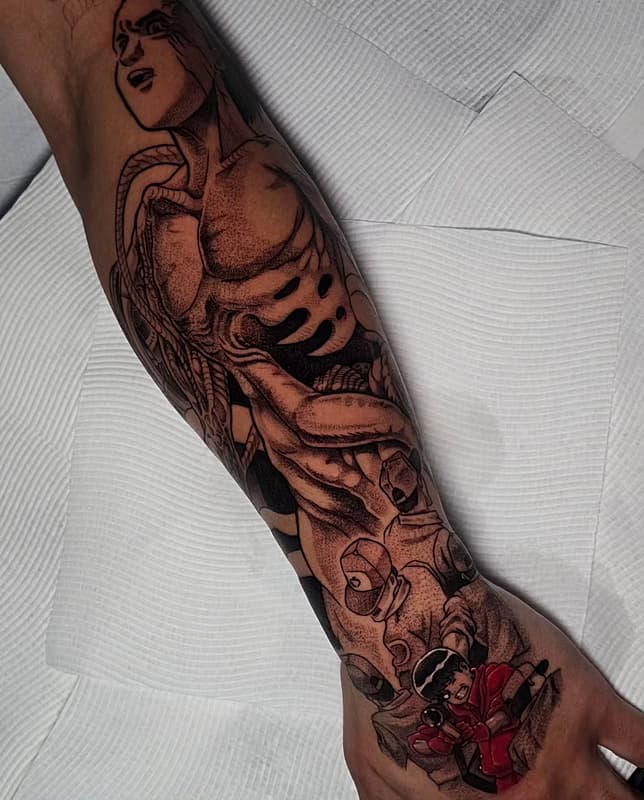
Horror tattooing is black and grey realism turned up: deep blacks, heavy contrast, gritty texture, portrait-grade rendering pointed at film icons, demons, skulls and gothic imagery. Surrealism uses much of the same realist toolbox but aims somewhere else entirely: dreamlike, impossible compositions, morphing figures, eyes where eyes shouldn't be, imagery that intrigues rather than frightens. The overlap is real, and 'dark surrealism' is its own recognised lane: nightmare imagery with dream logic.
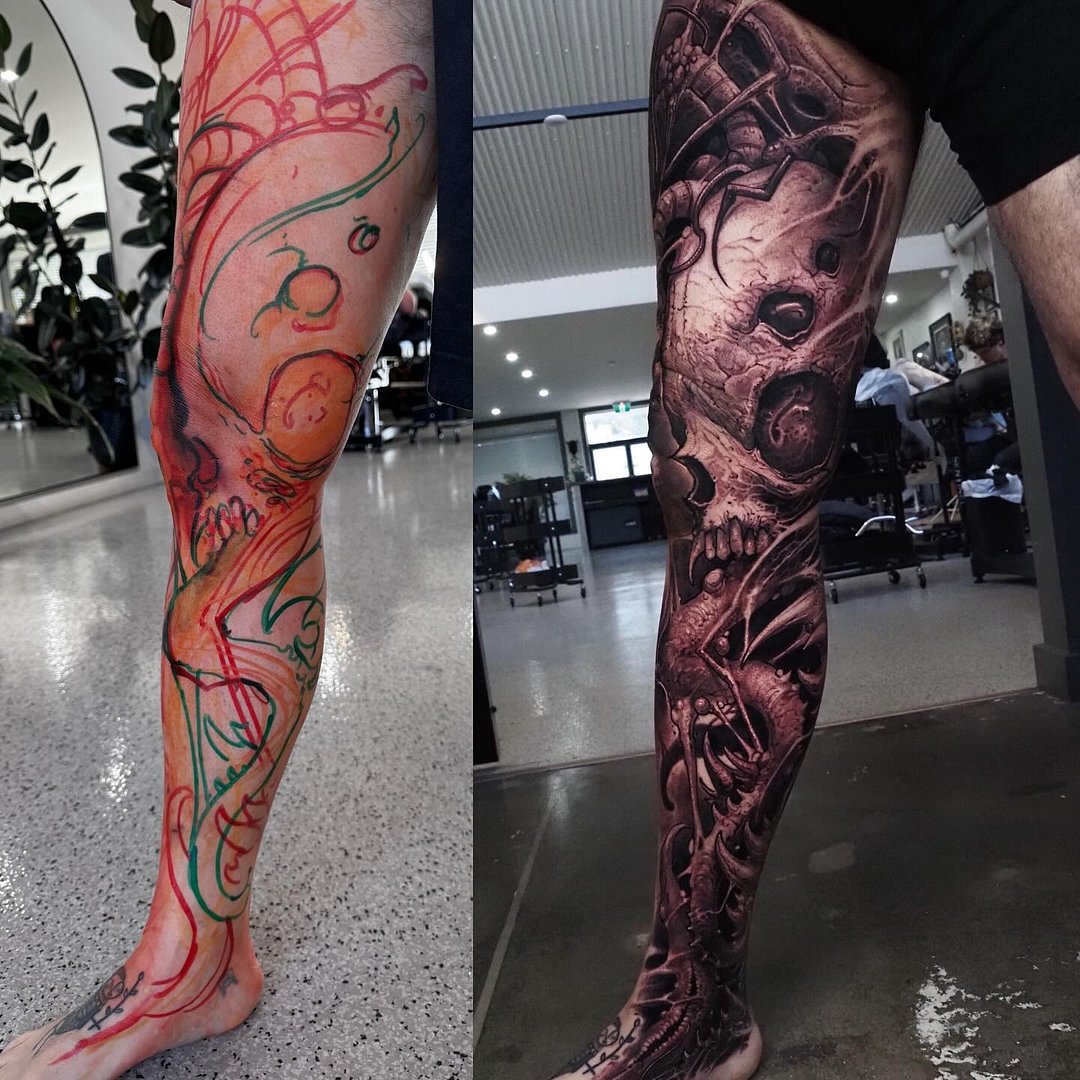
The practical difference when booking: horror lives or dies on likeness and texture, so it wants an artist with portrait-calibre realism skills. Surrealism lives or dies on composition, so it wants an artist who designs strange, coherent images, not one who just renders well. Both are specialist lanes; a portfolio full of the exact flavour you want is the only credential that counts. One misconception worth killing early: good surrealism is not 'random weird stuff'. The best pieces are tightly composed and usually deeply personal.