What actually happens to ink over ten years
Two slow processes age every tattoo. First, ink particles migrate slightly under the skin, so lines soften and fine details drift toward each other. Second, your skin turns over and takes tiny amounts of pigment with it, so contrast gradually drops. Add sun, friction and the skin's own aging, and you get the familiar look of an old tattoo: softer edges, lower contrast, black drifting toward blue-grey.
None of this means tattoos inevitably look bad later. A professionally applied, sensibly placed, sun-protected tattoo can look genuinely good for decades. The 'tattoos after 10 years' horror galleries are mostly showing you the same few mistakes on repeat: too small, too detailed, bad placement, no sunscreen, or an artist who put the ink at the wrong depth.
Which styles hold up best
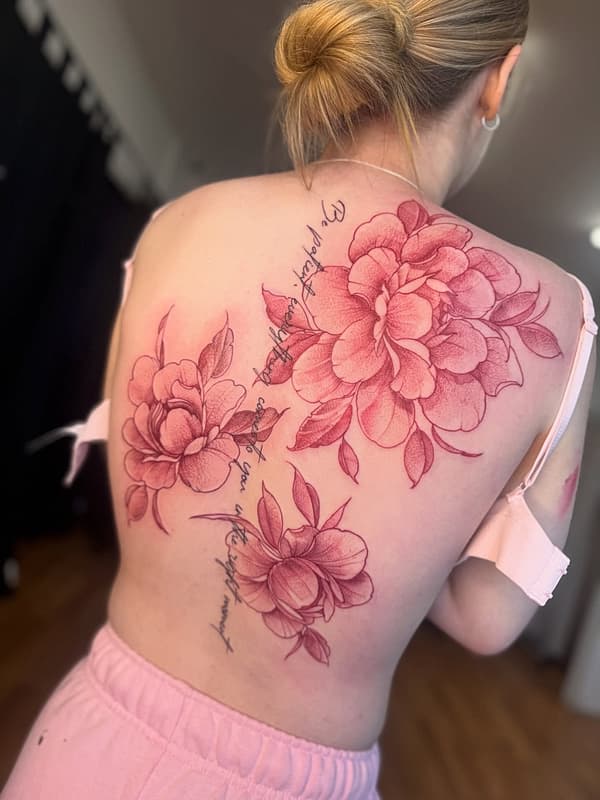
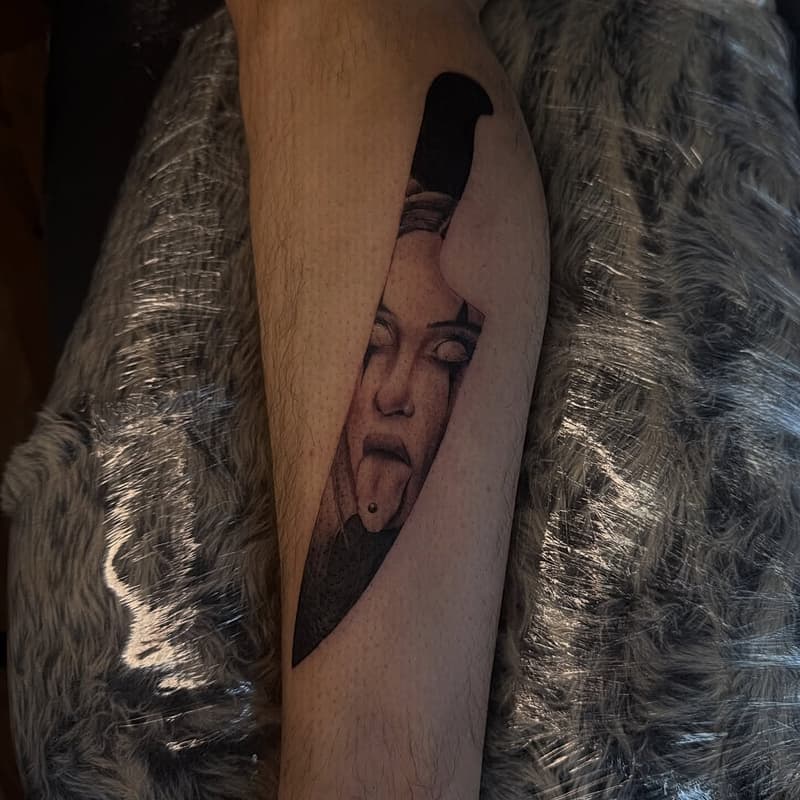
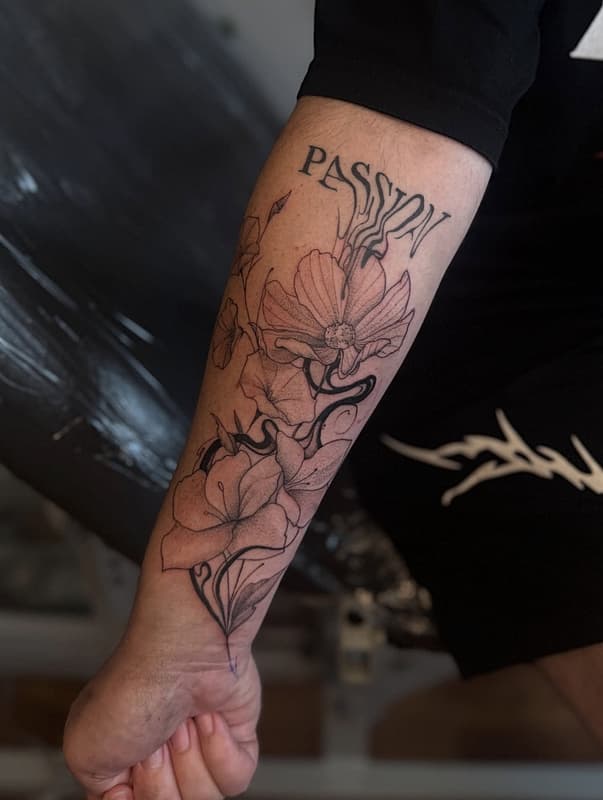
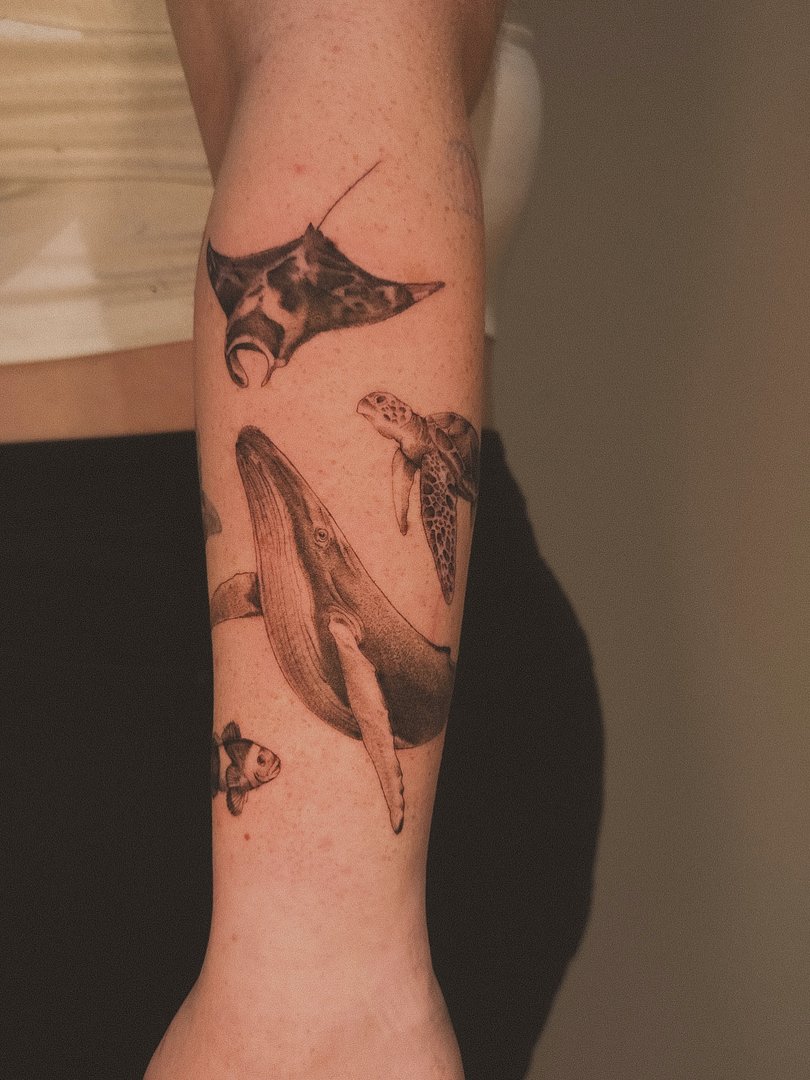
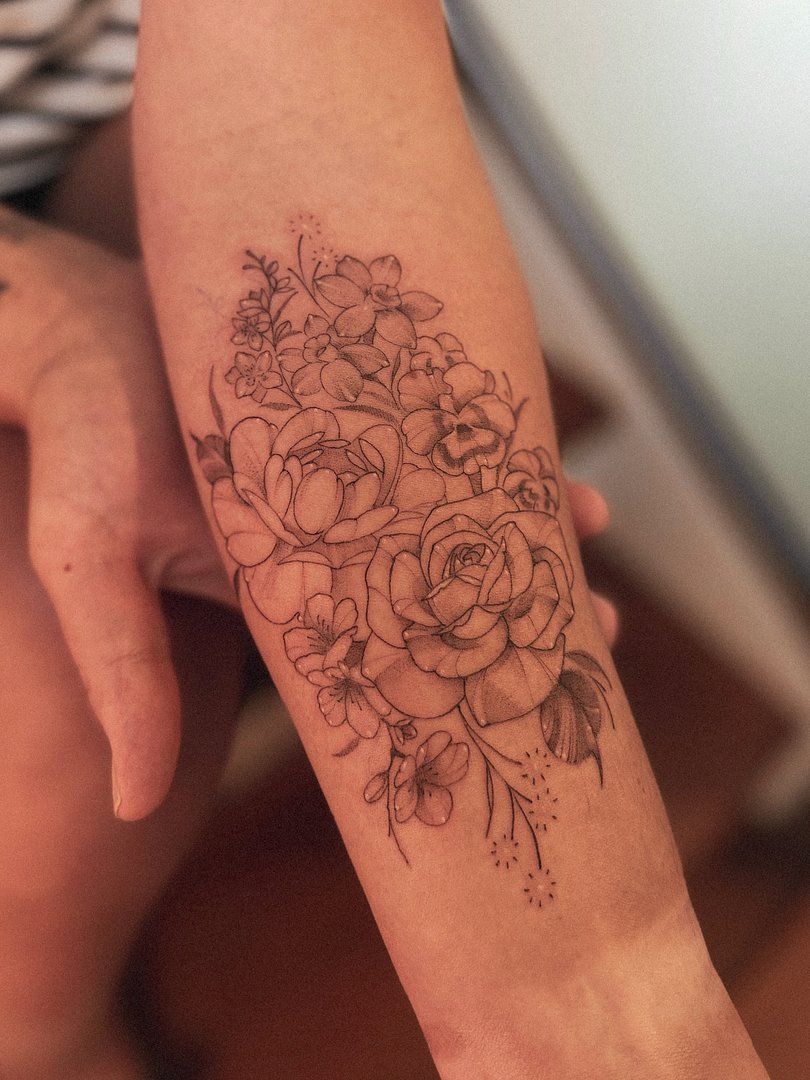
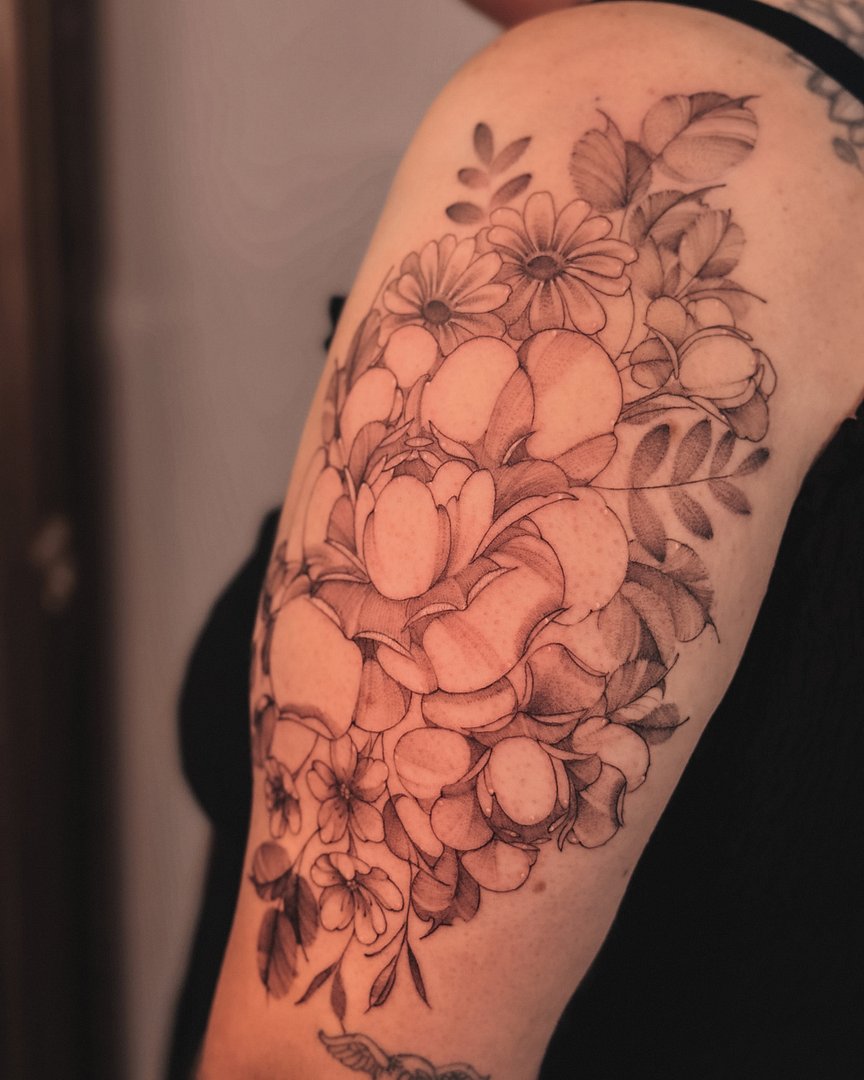
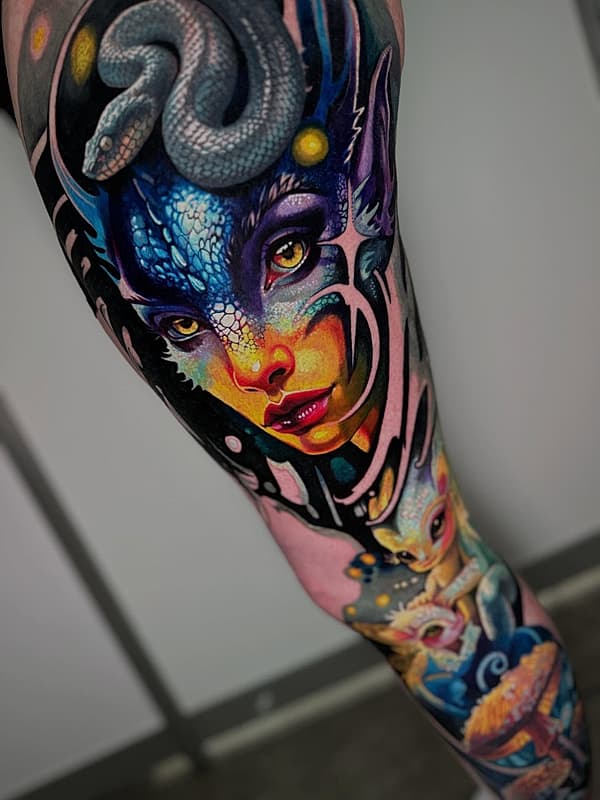
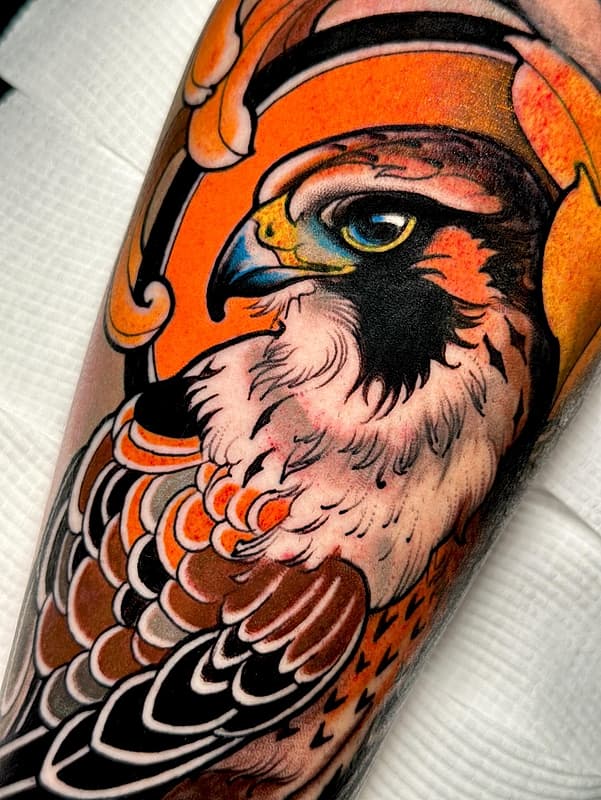
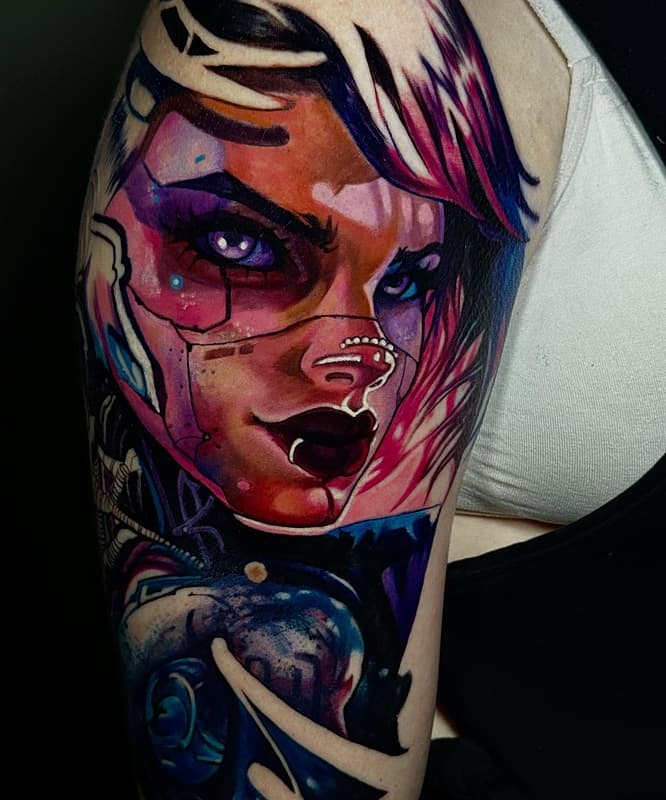
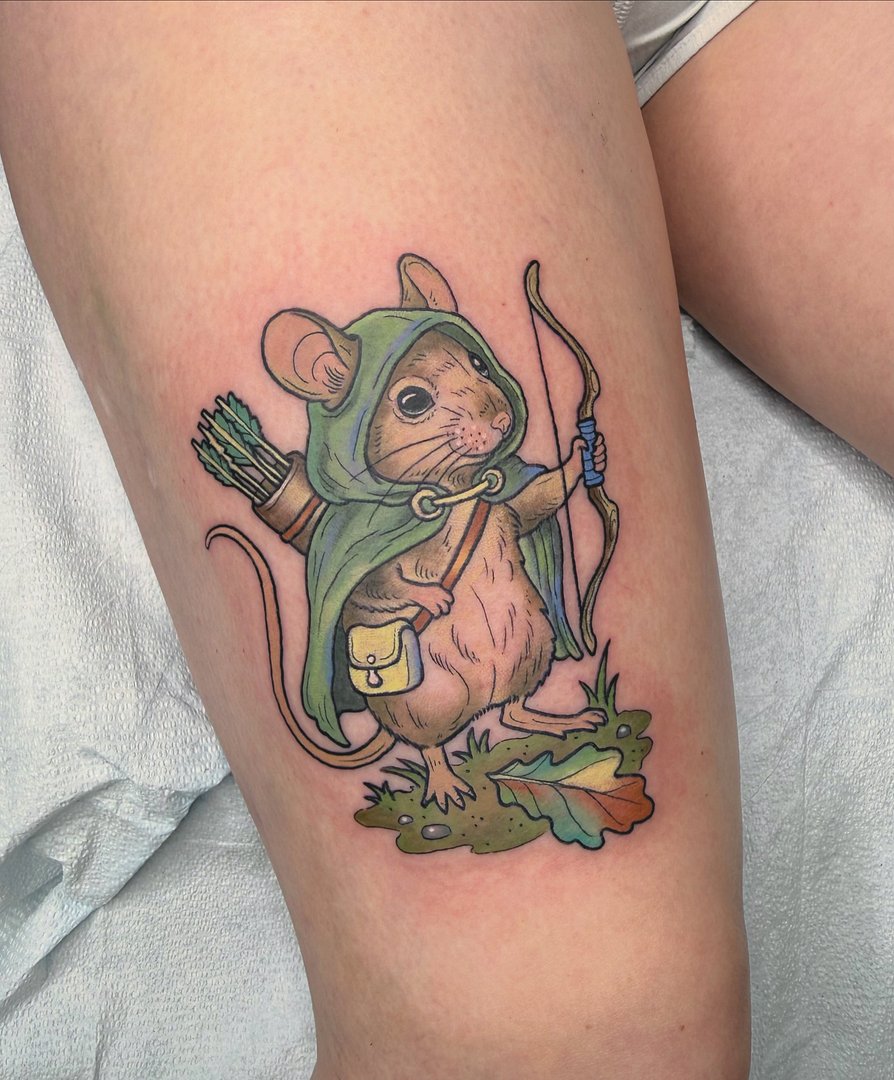
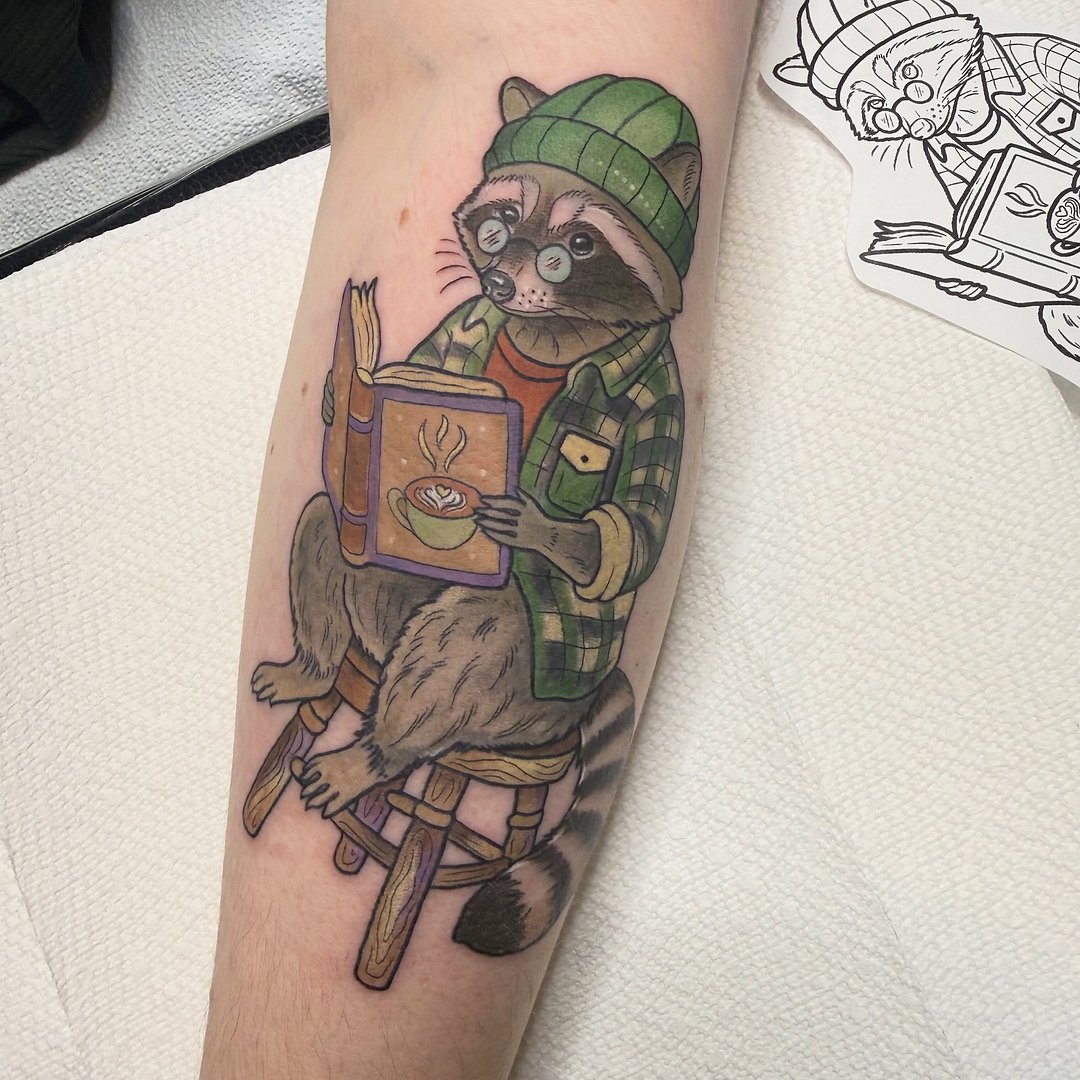
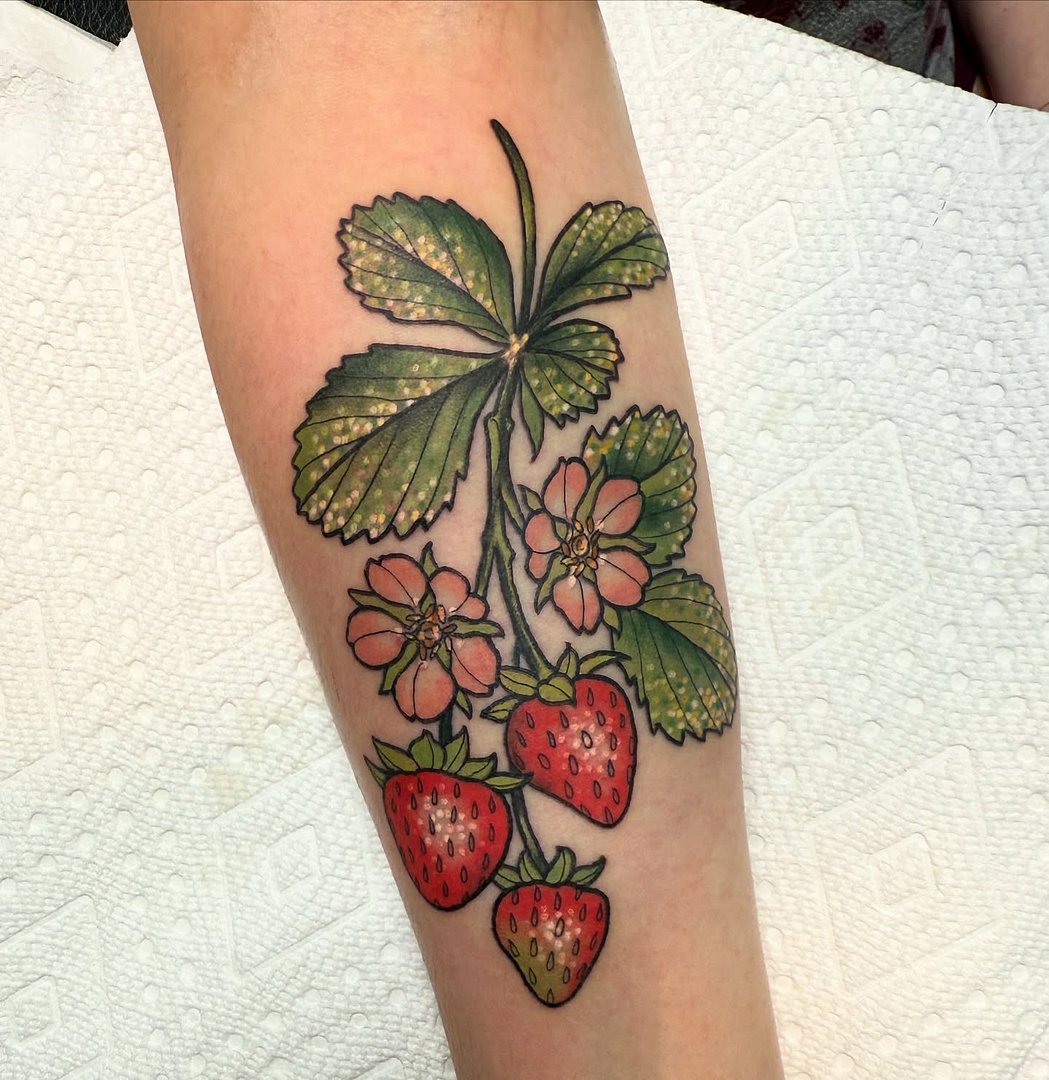
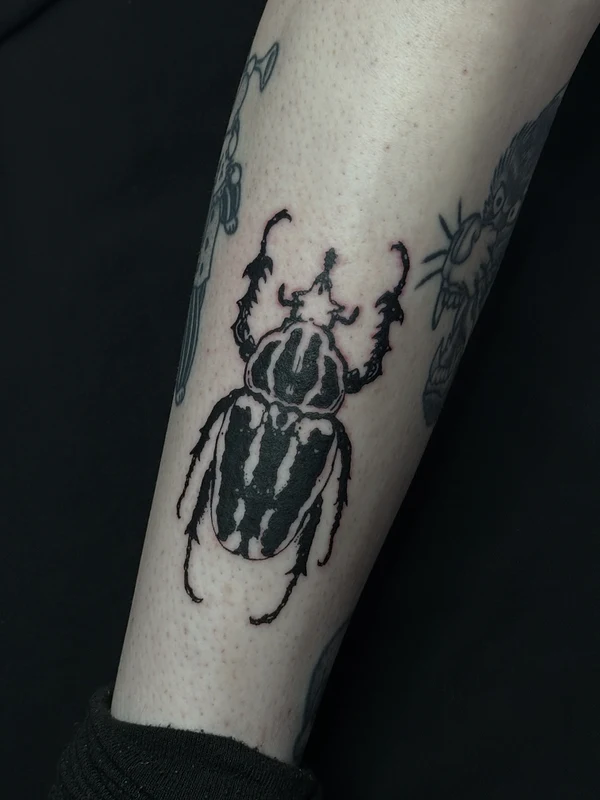
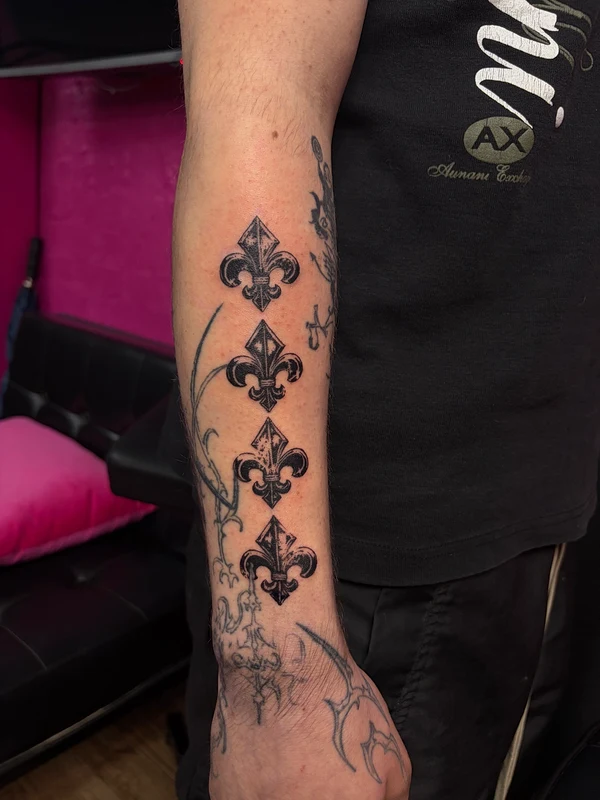
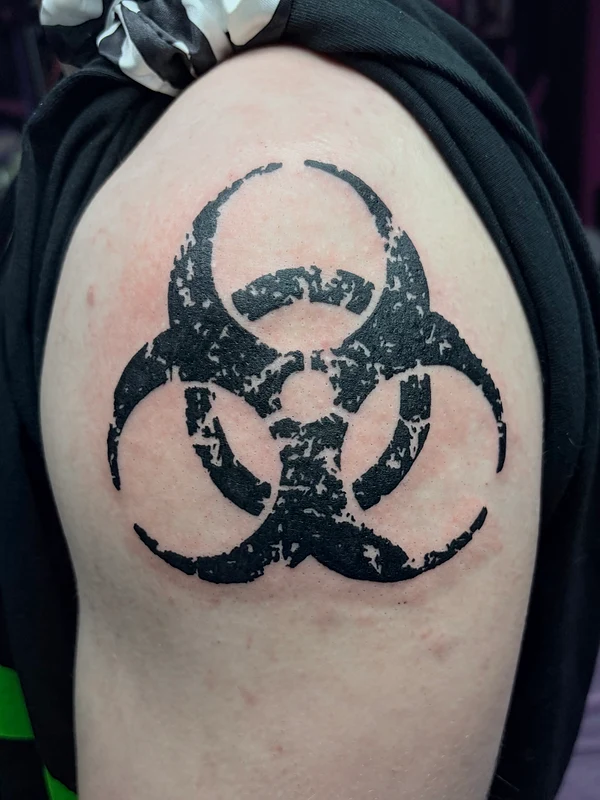
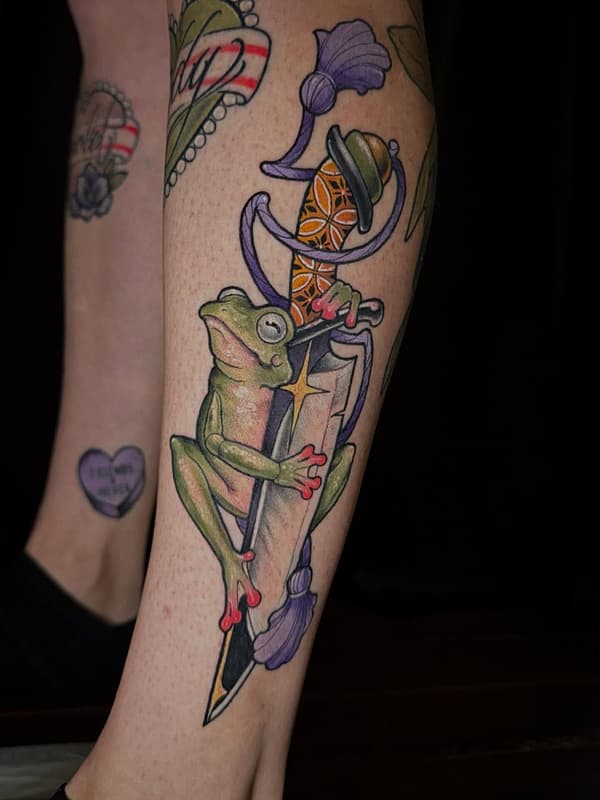
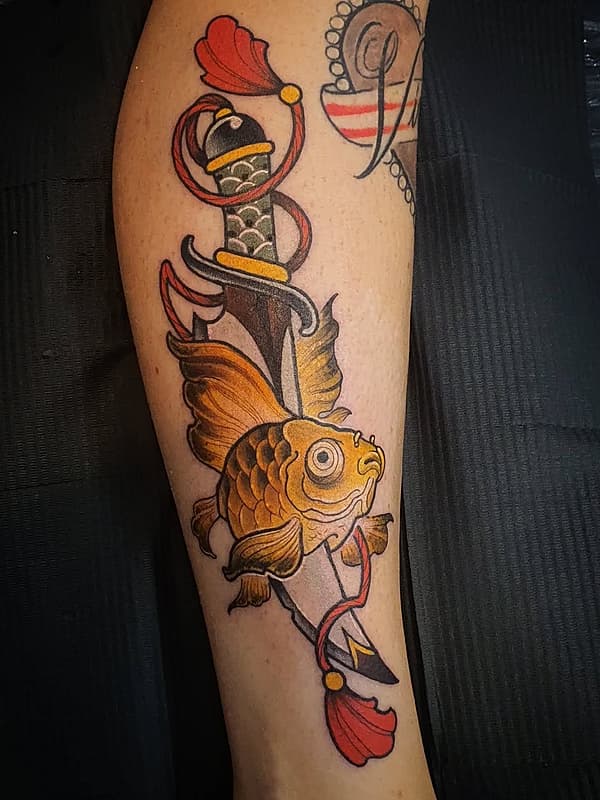
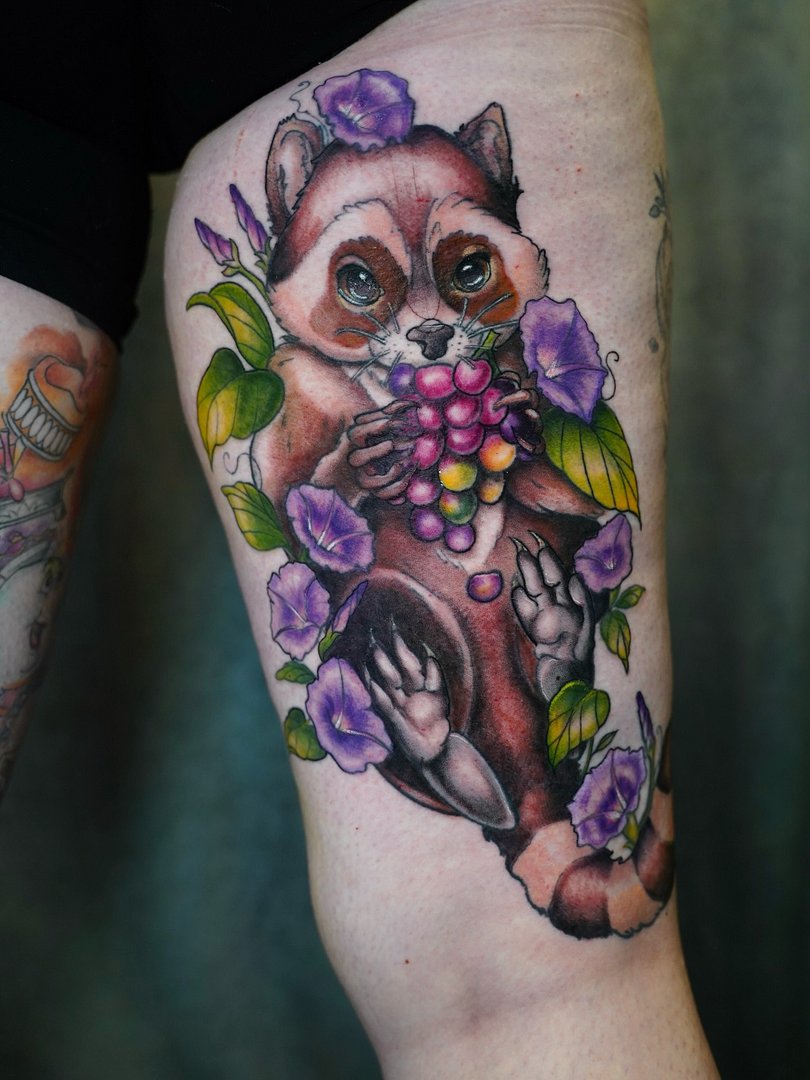
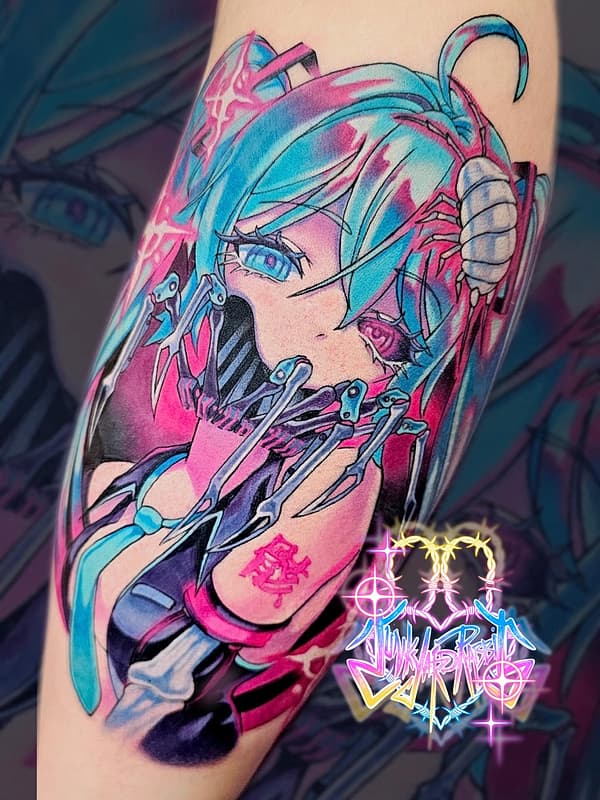
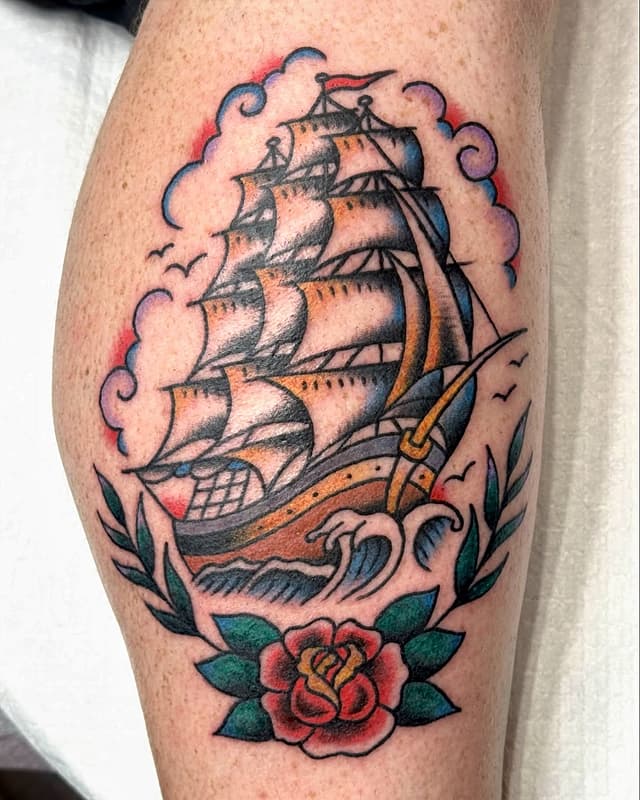
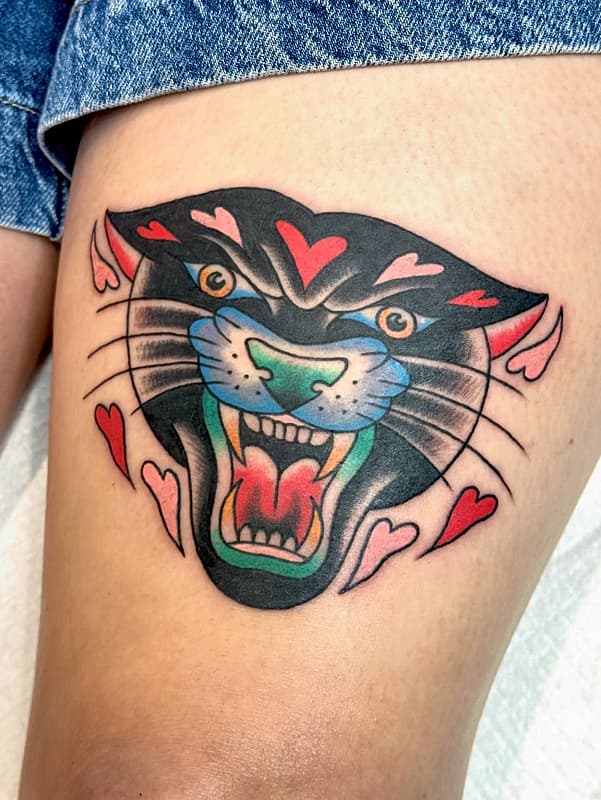
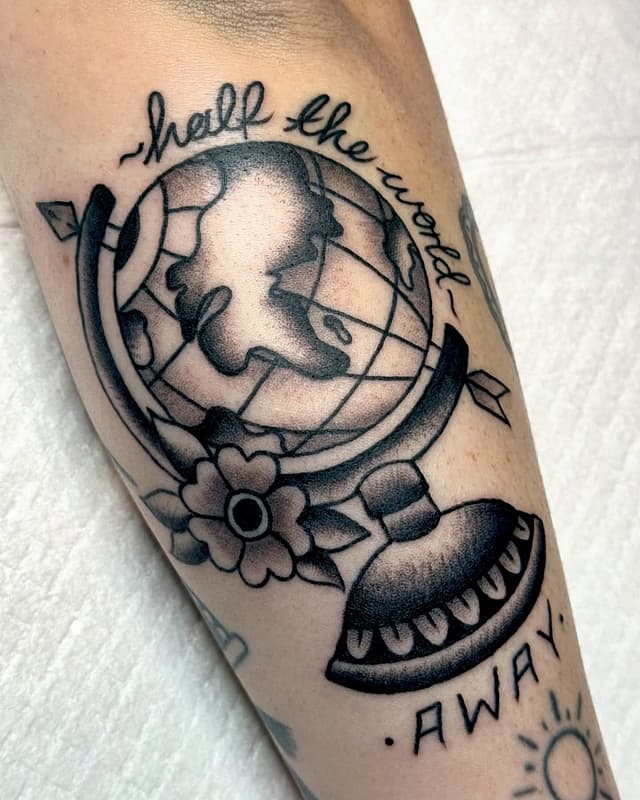
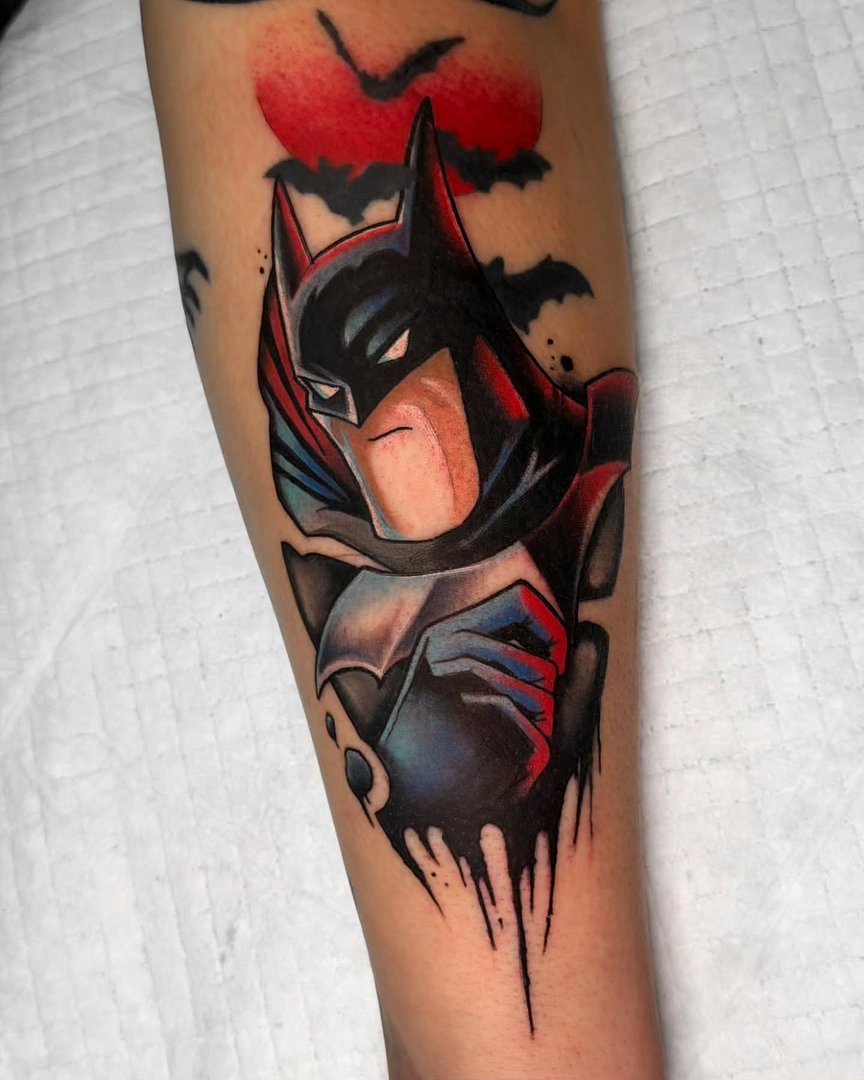
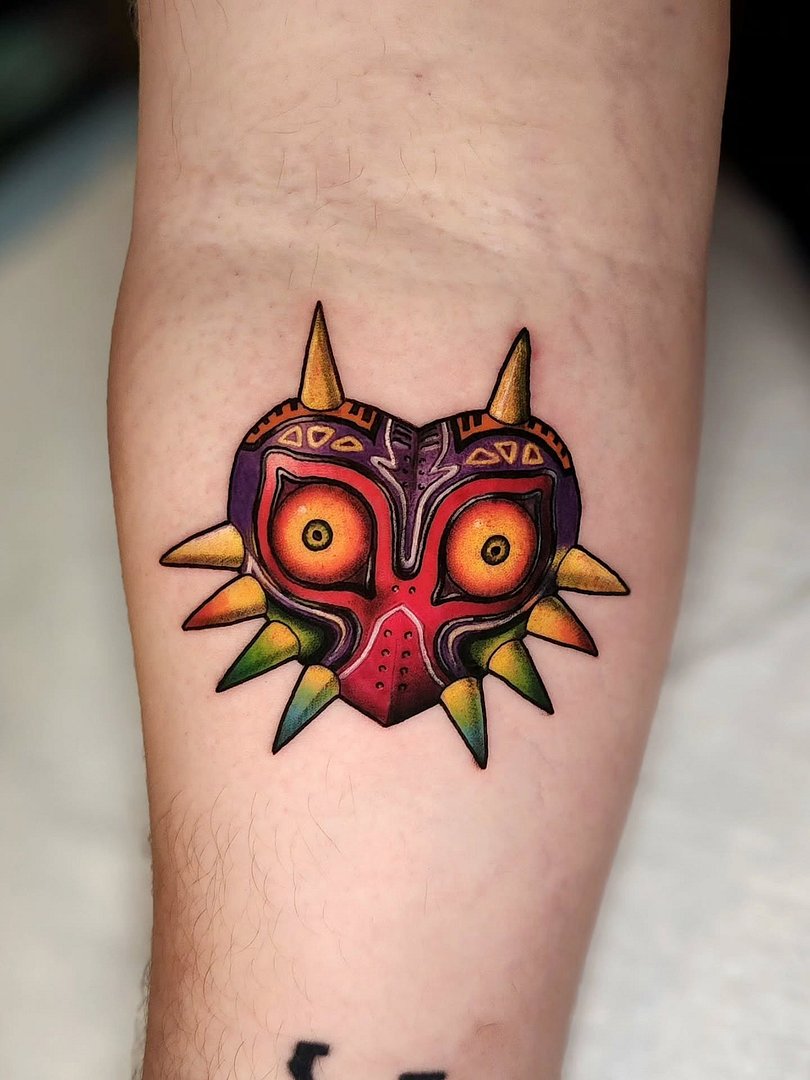
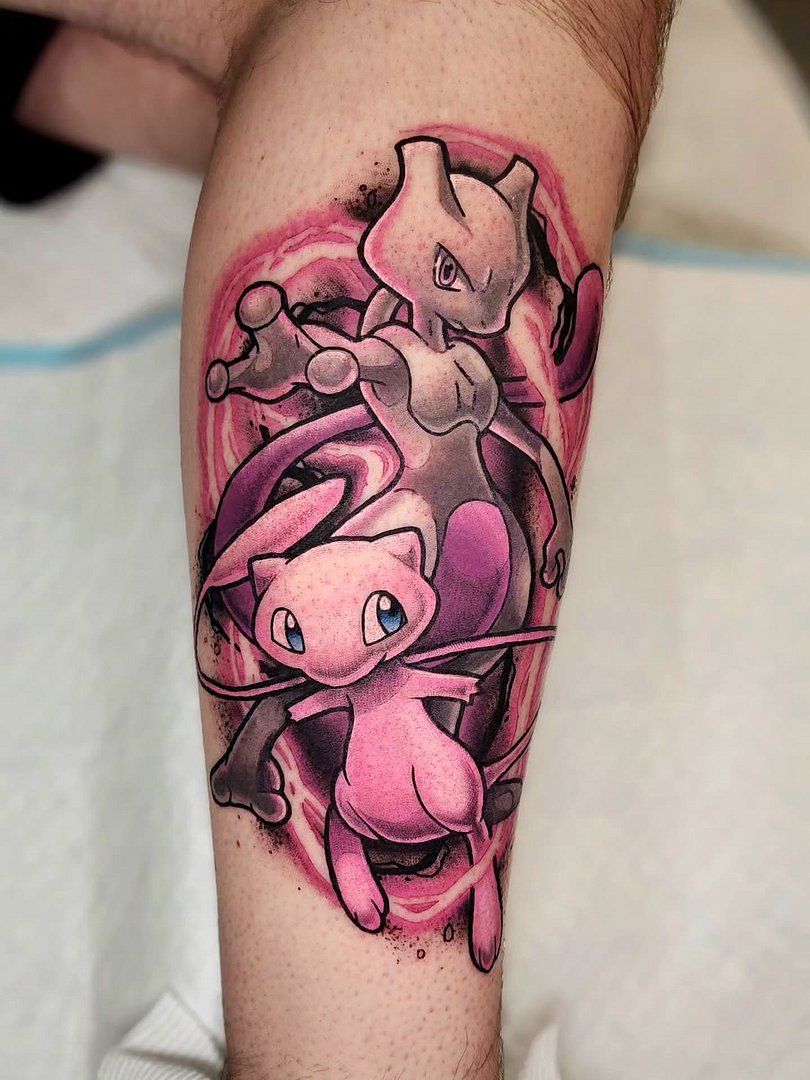
The durability ranking is boring and consistent. Bold styles with outlines age best: American Traditional was engineered for exactly this, and heavy blackwork is close behind, because thick lines and solid black have margin to absorb ink spread. Black and grey ages more gracefully than colour, since black pigment is the most stable there is. Then come the styles that trade margin for delicacy: fine line, micro realism, watercolour and white ink, which fade and soften soonest. White ink is the extreme case, often barely legible within five to seven years.