Start with the style, not the artist
Most people start this backwards. They pick an artist because a friend used them, then try to fit their idea into that artist's work. Do it the other way. Work out what style you actually want first, then find the artists who specialise in it.
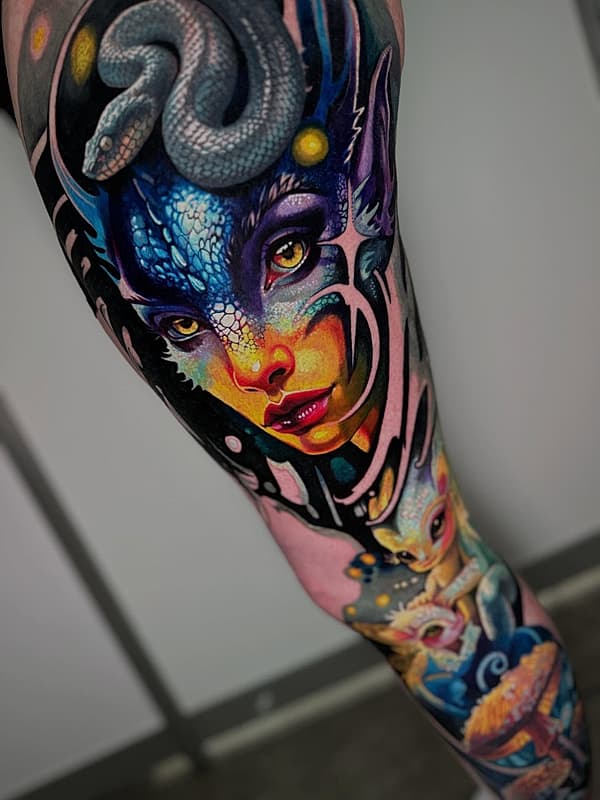
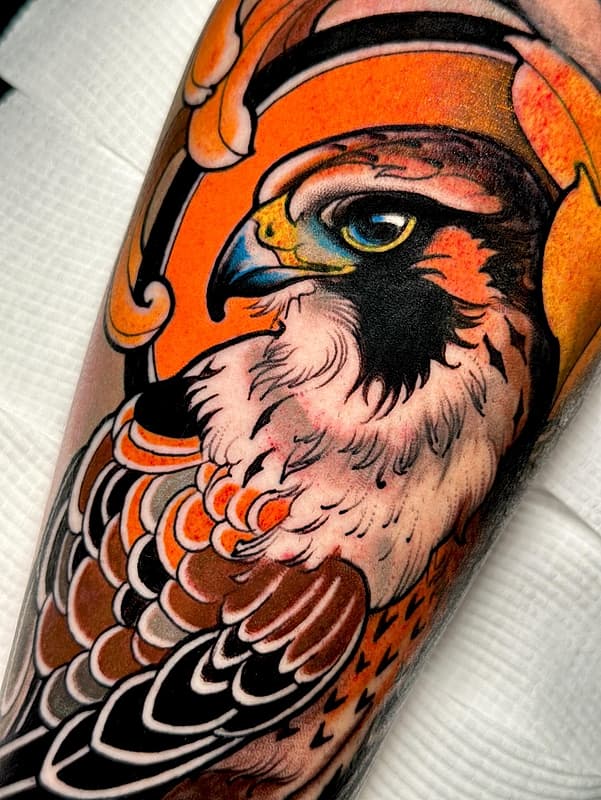
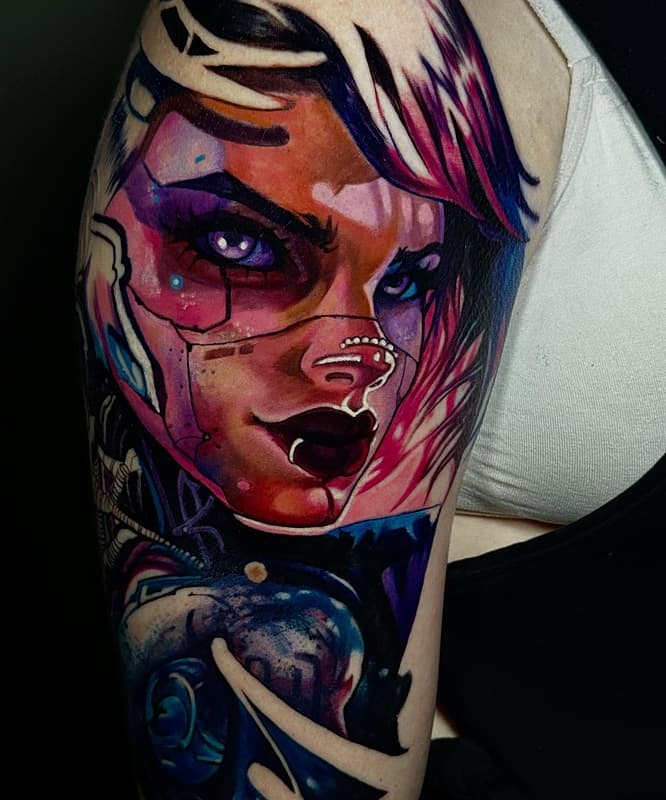
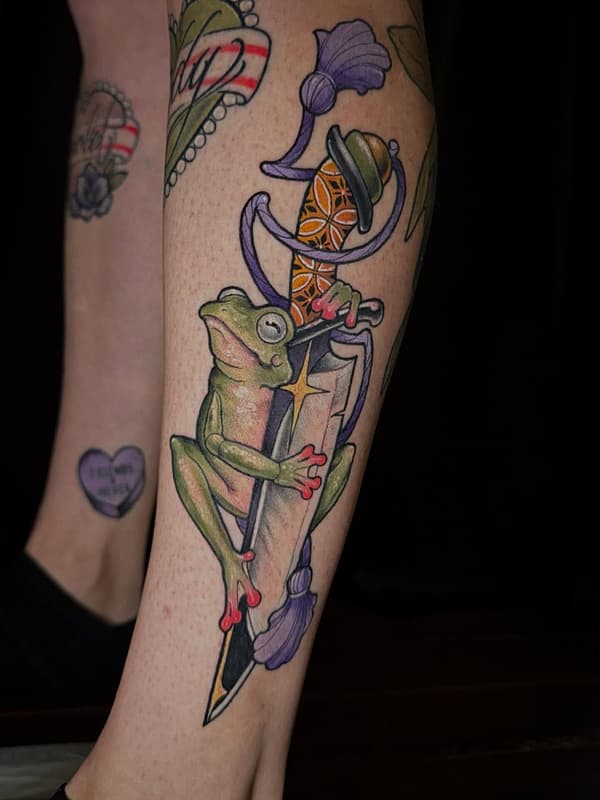
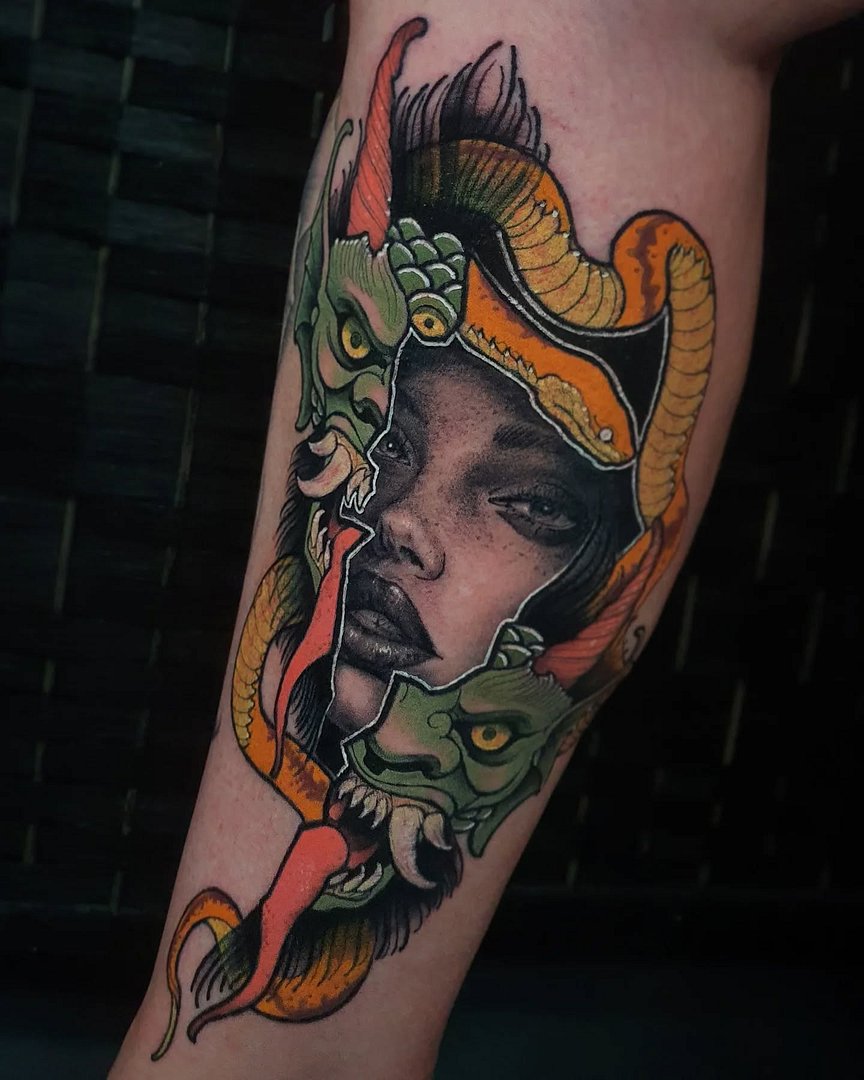
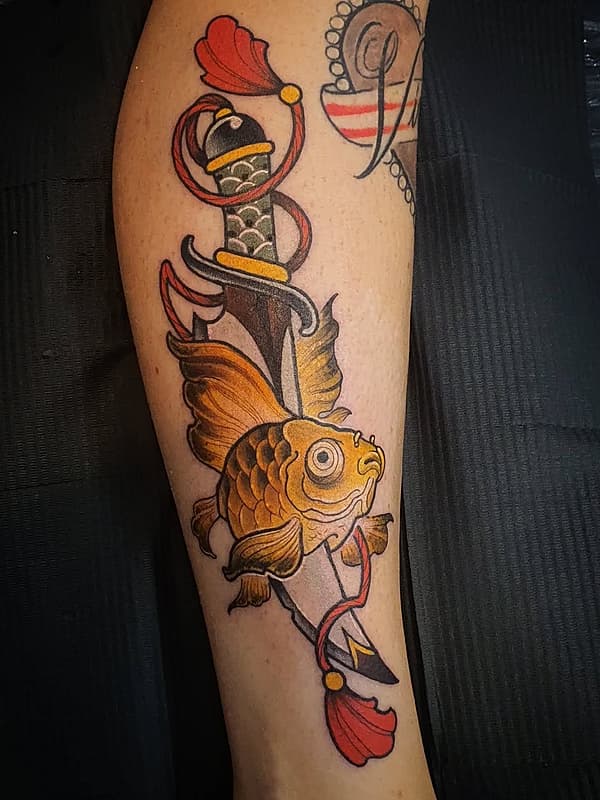
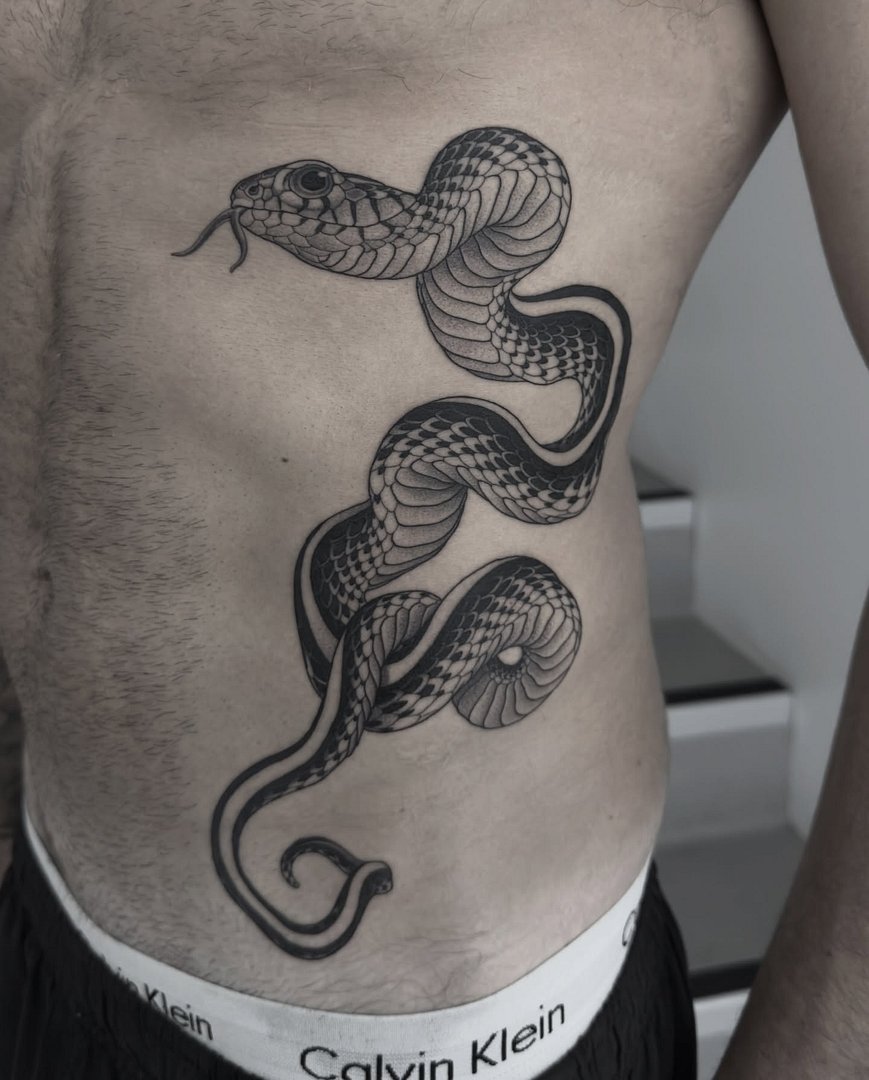
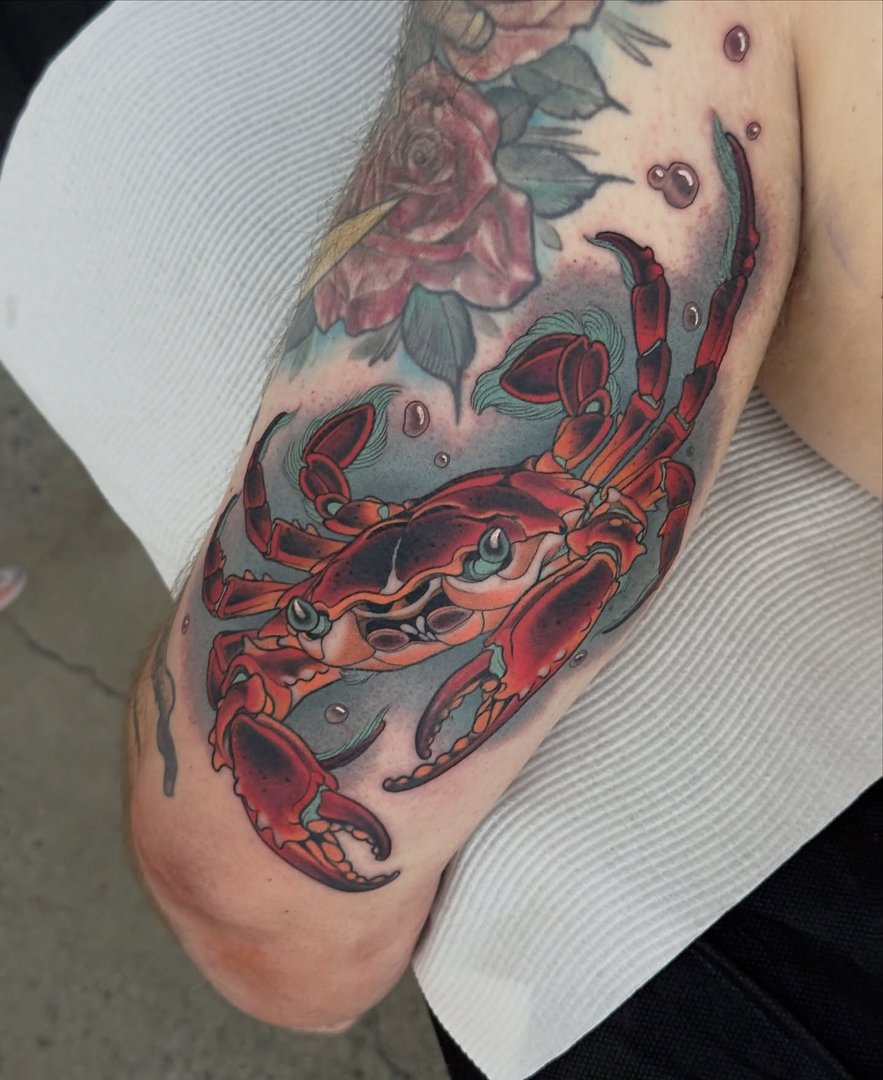
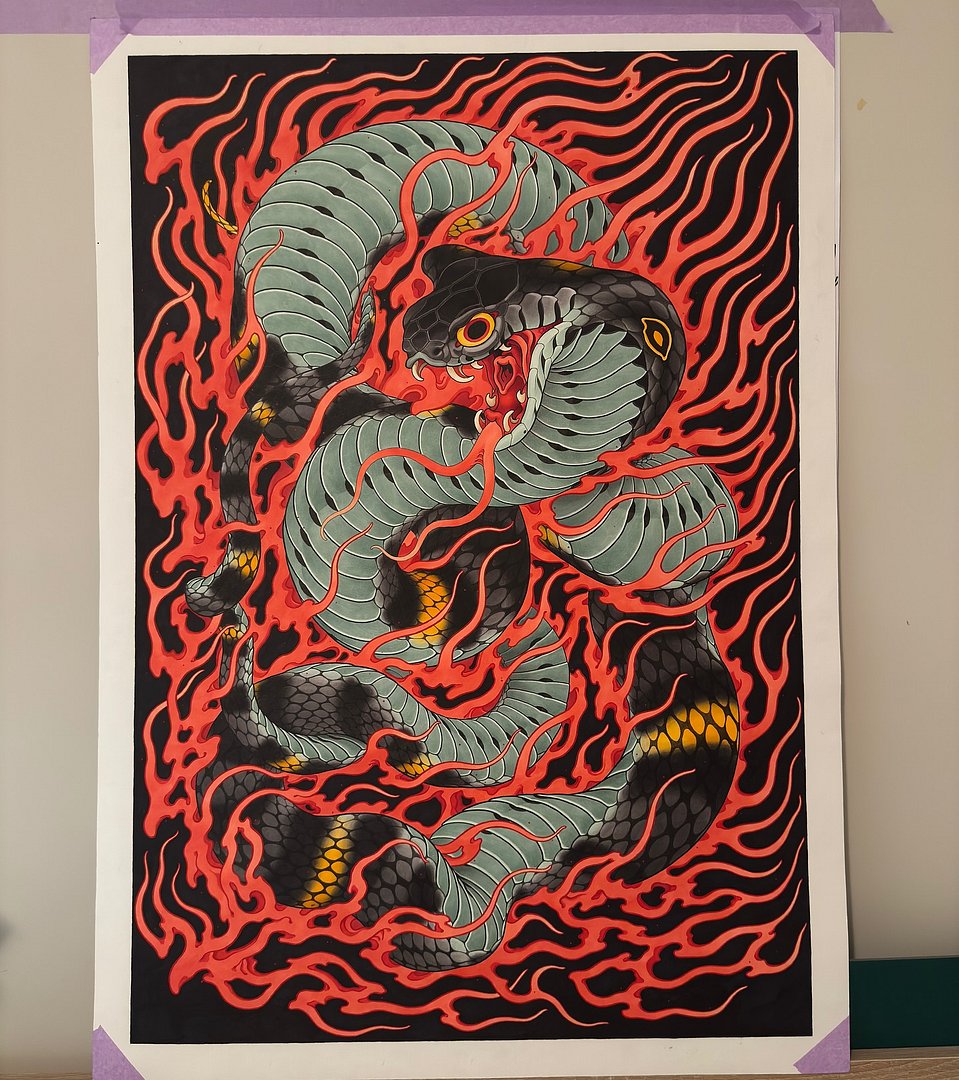
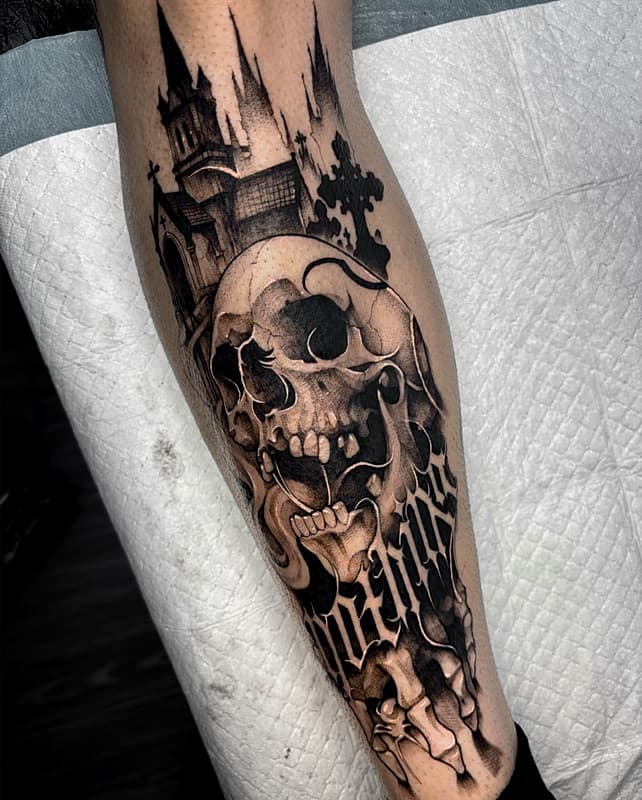
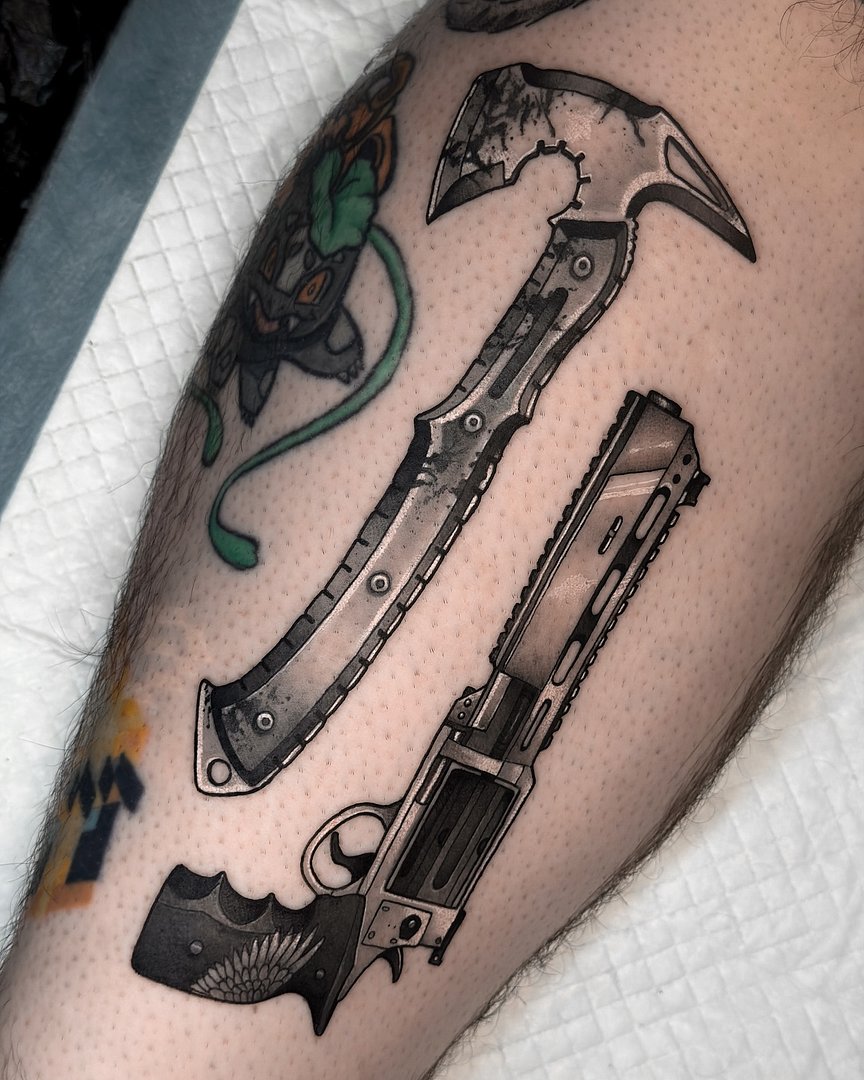
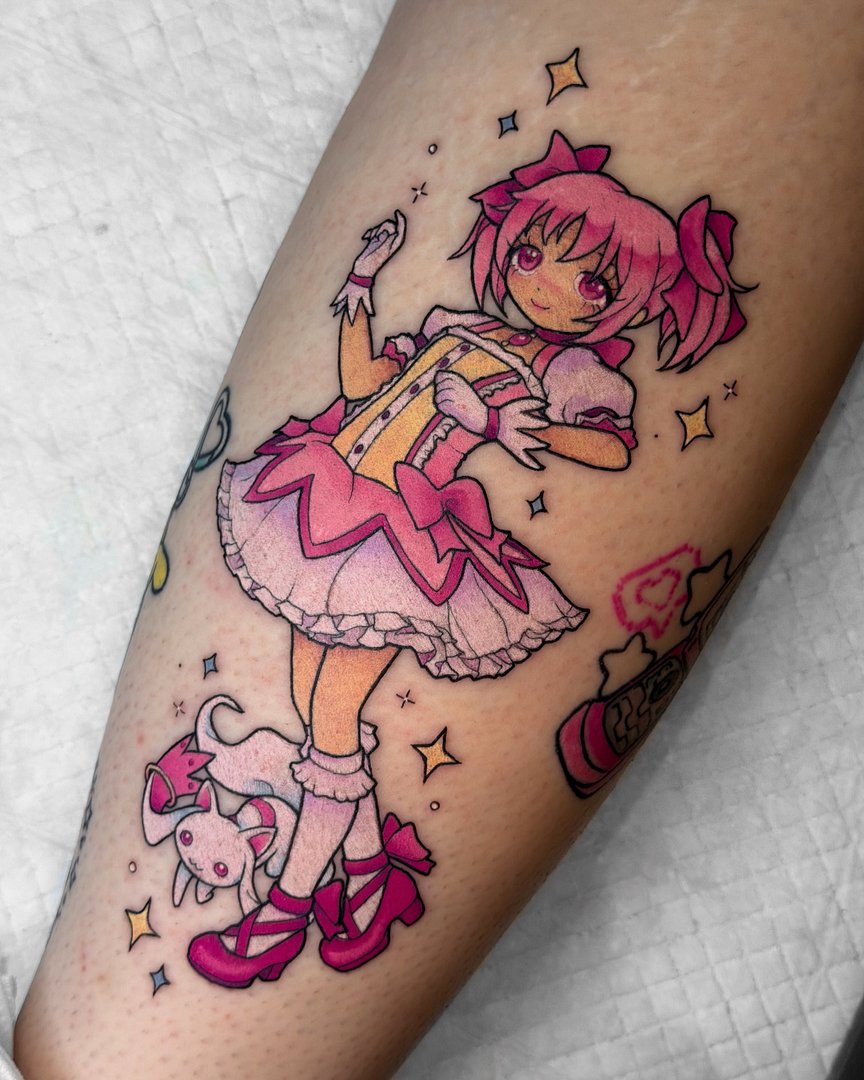
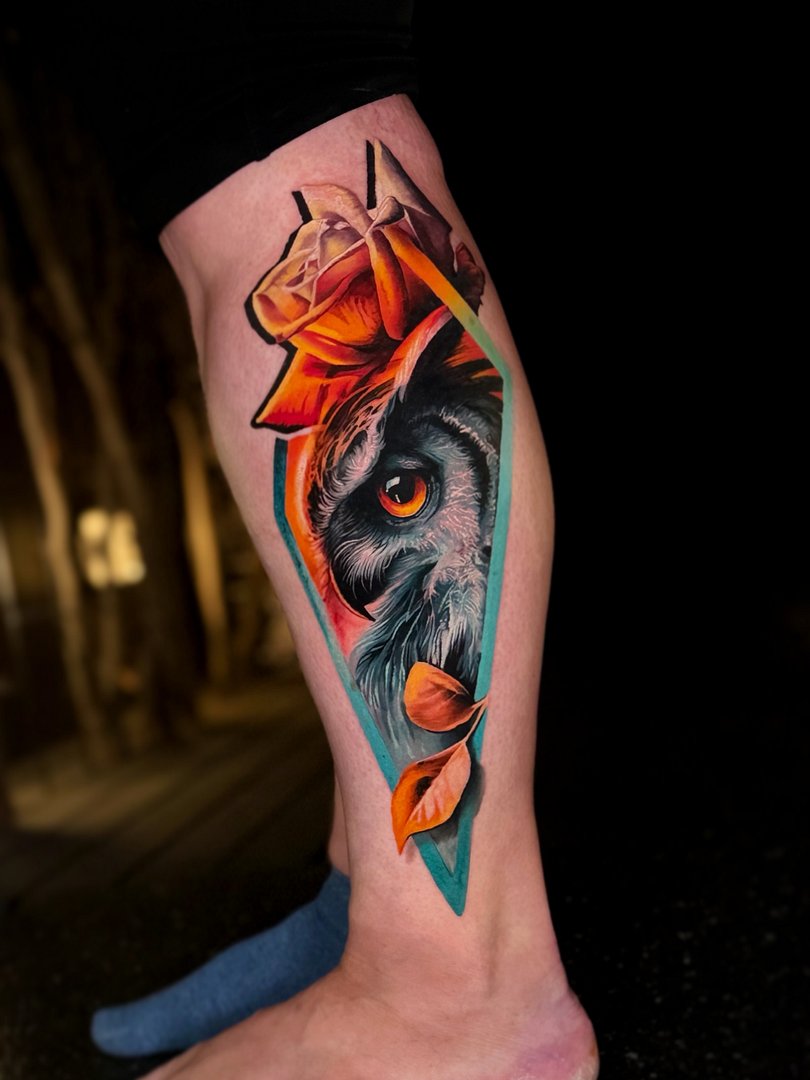
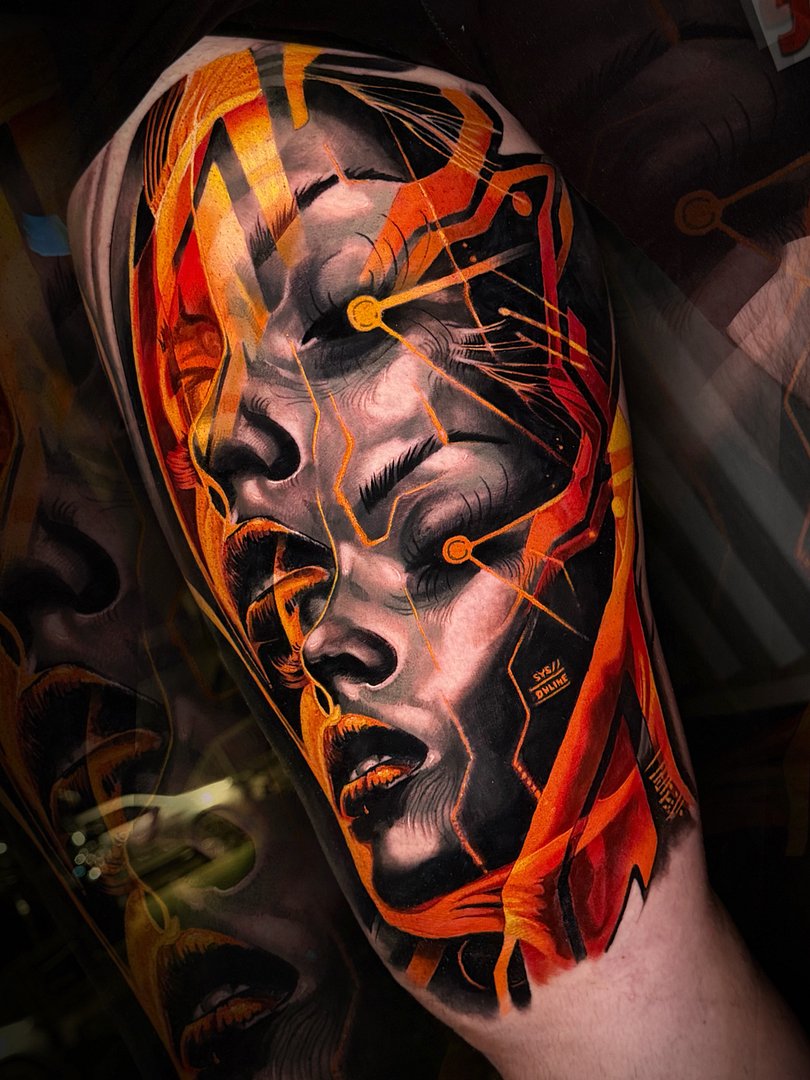
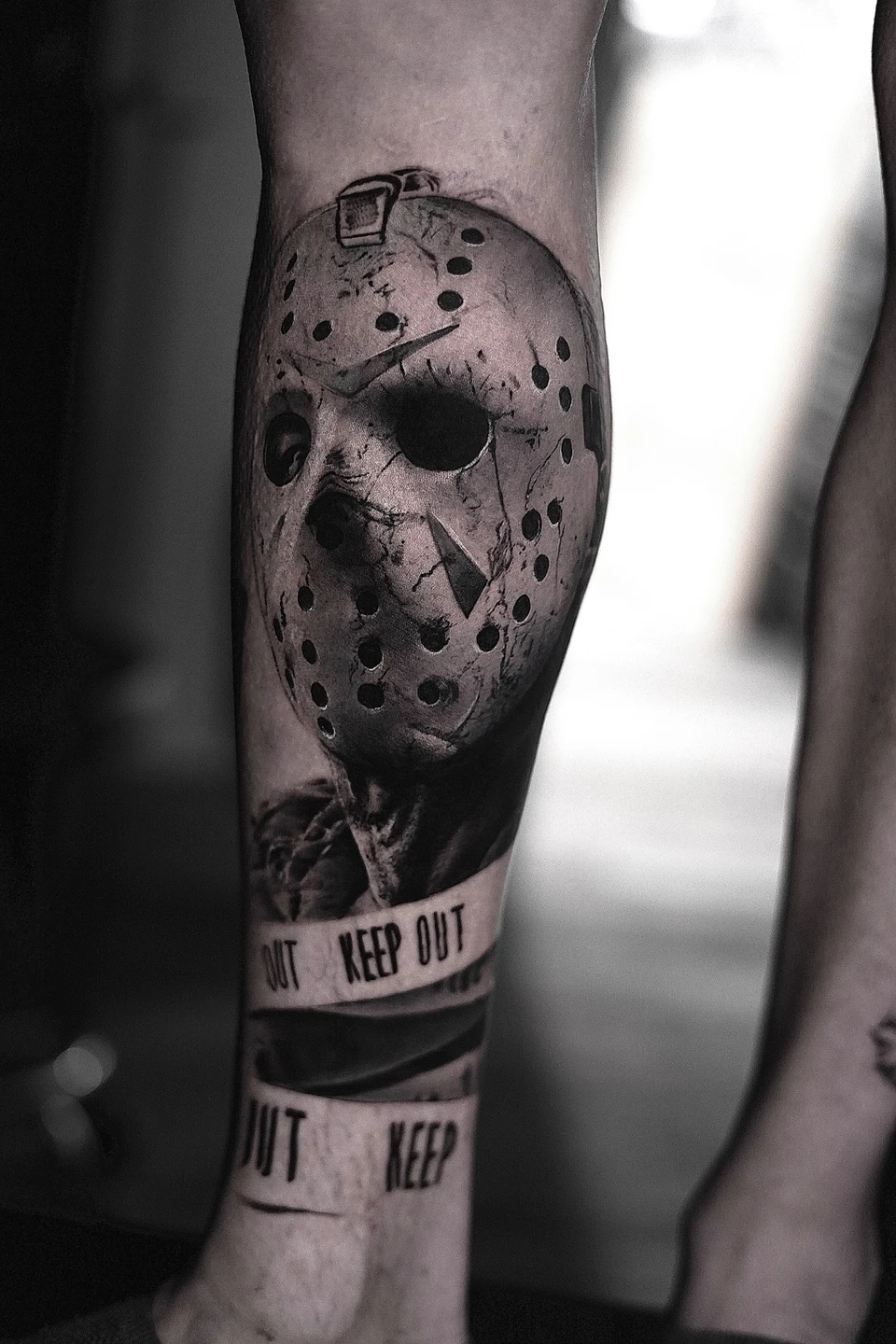
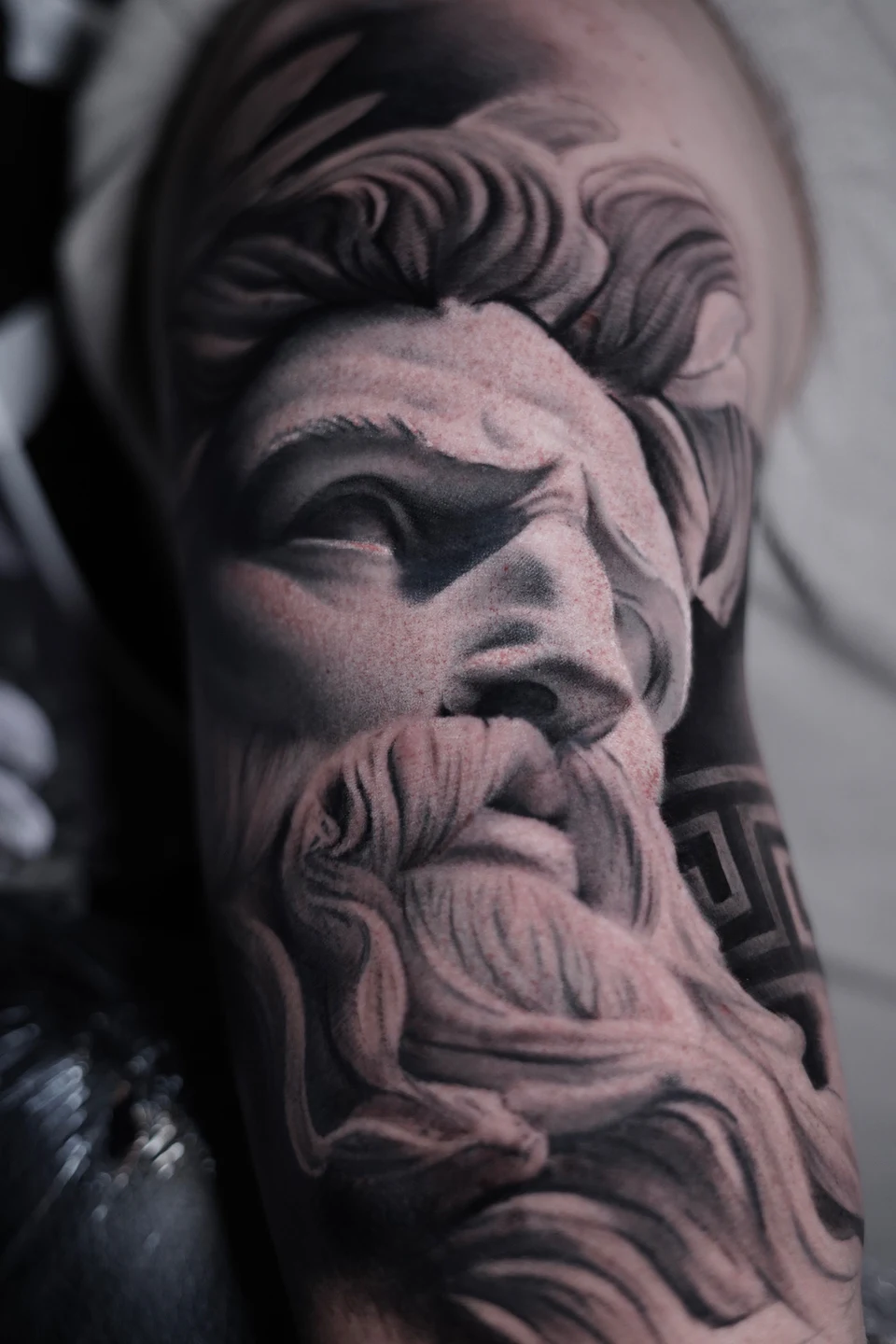
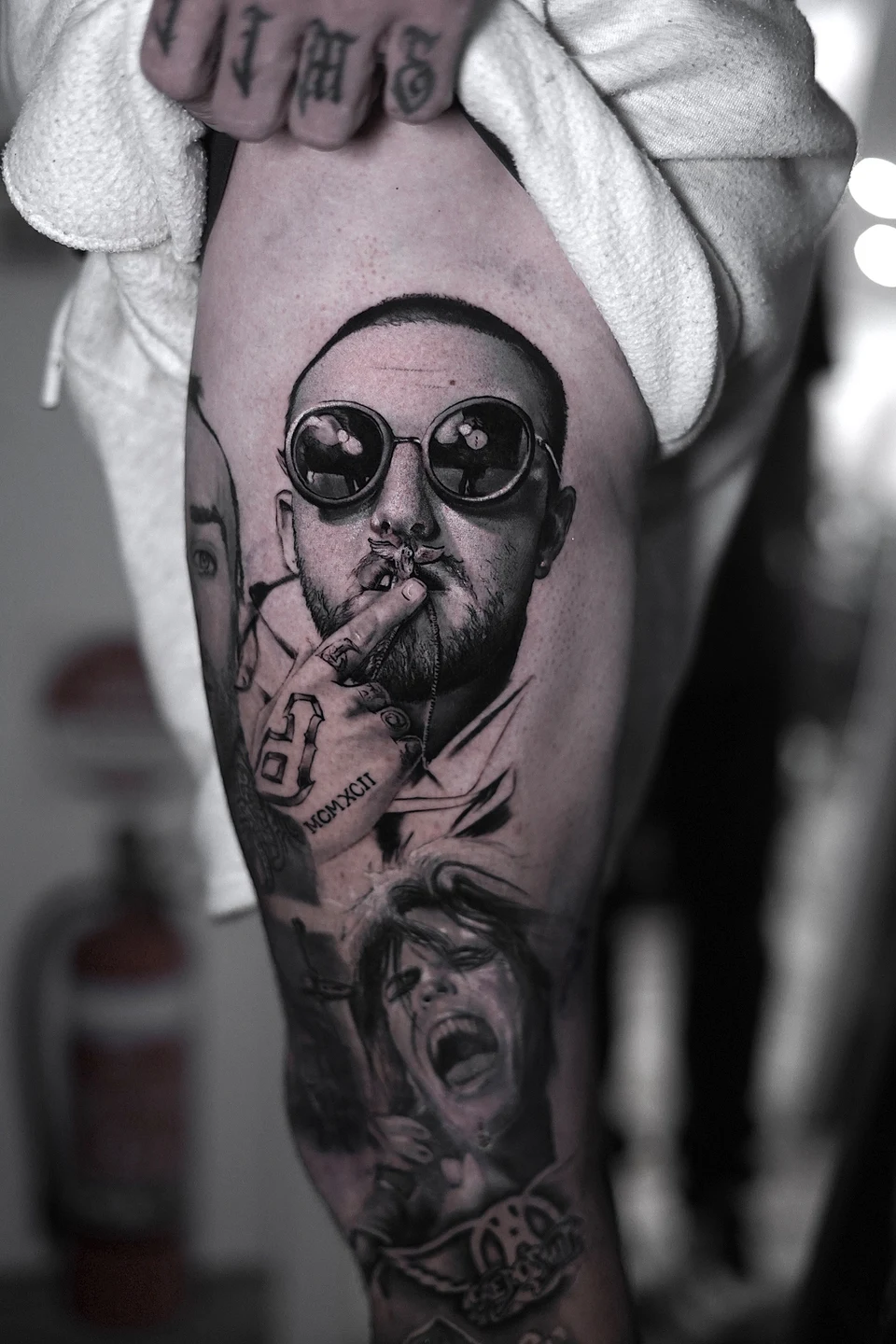
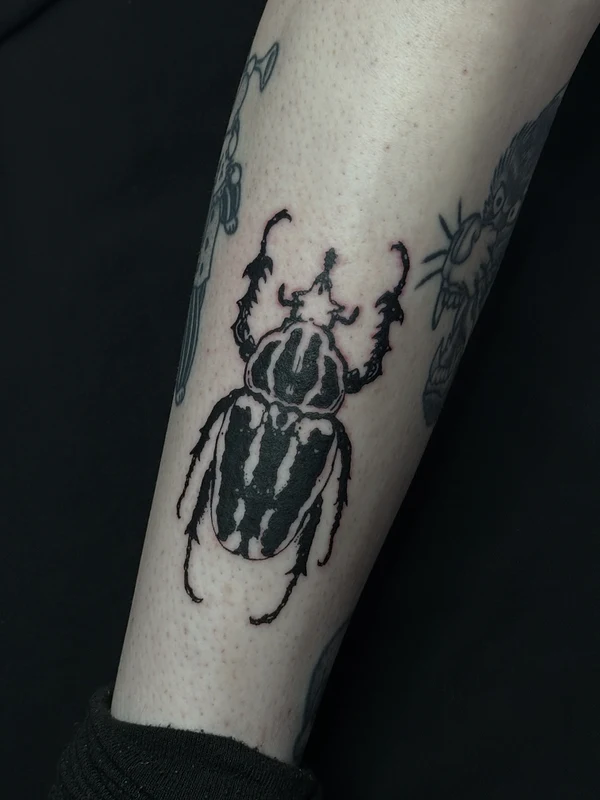
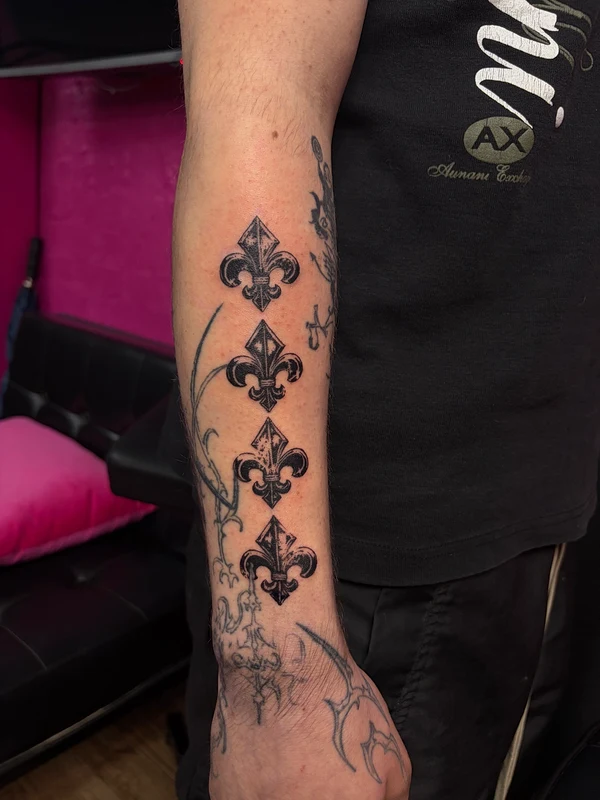
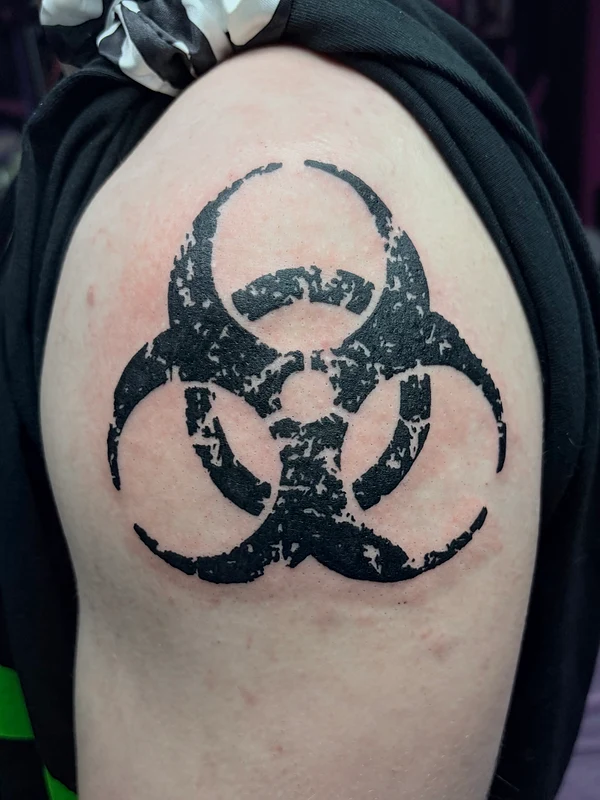
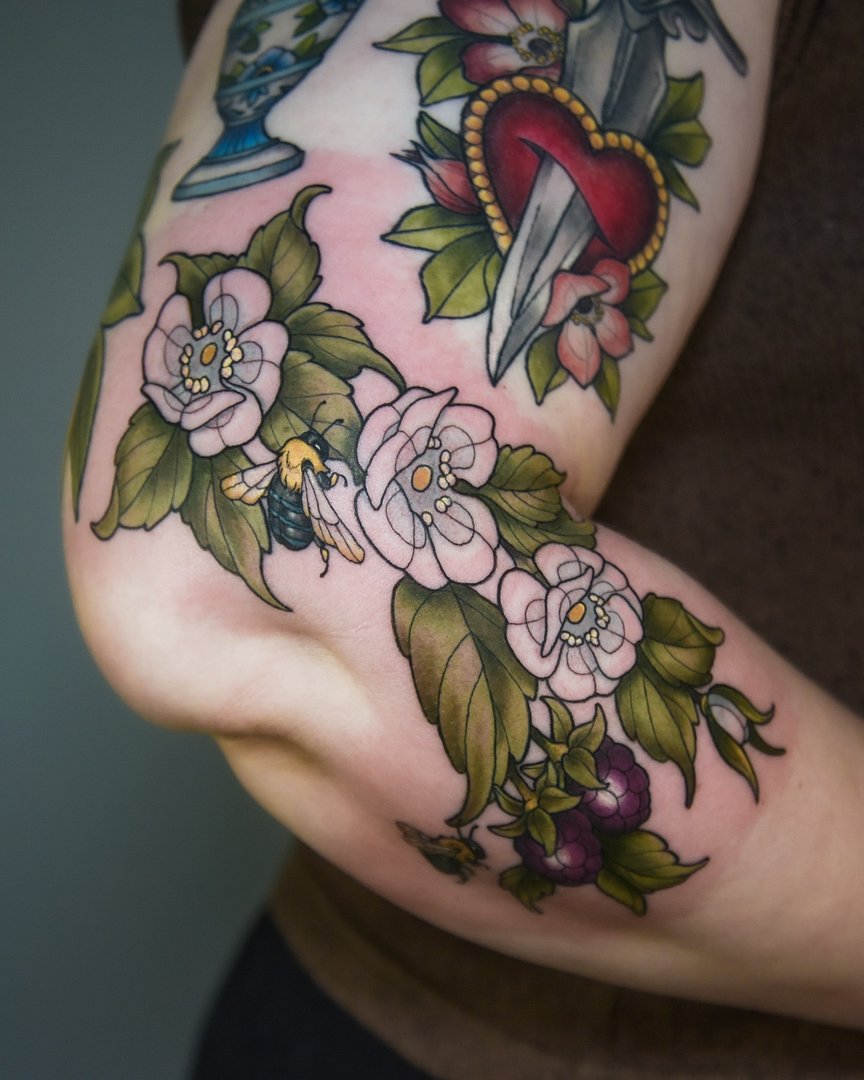
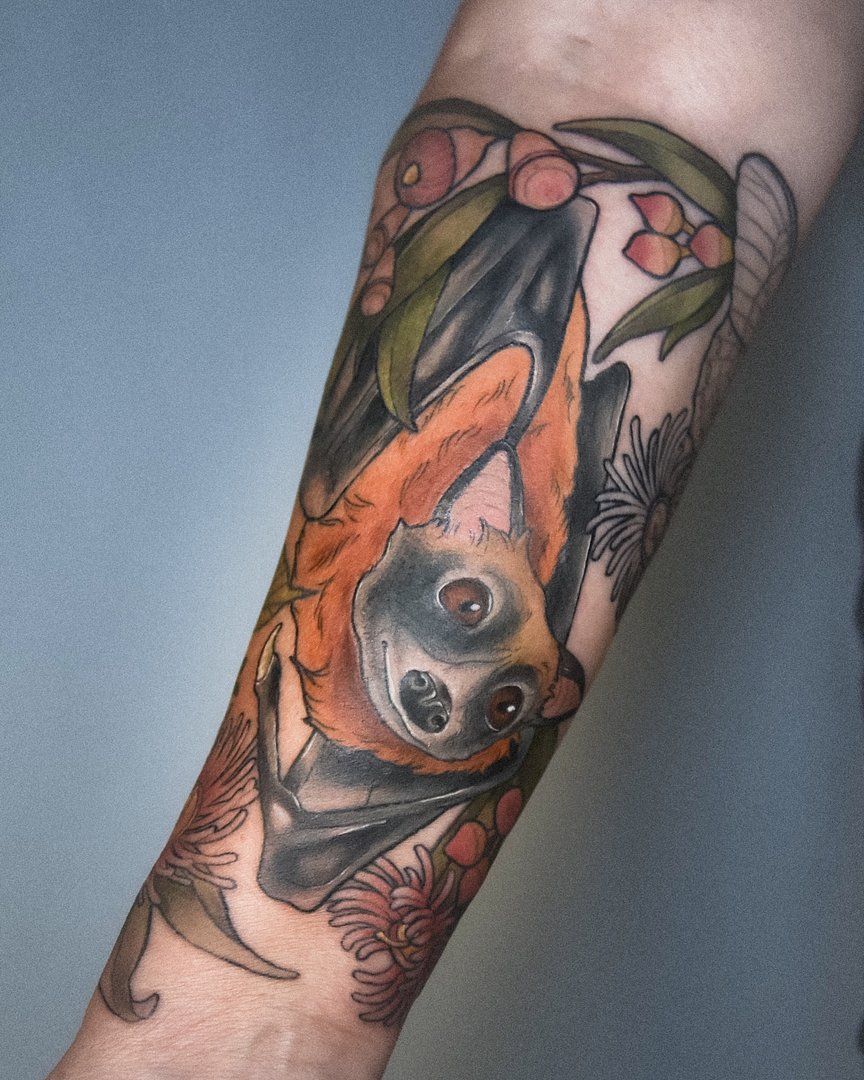
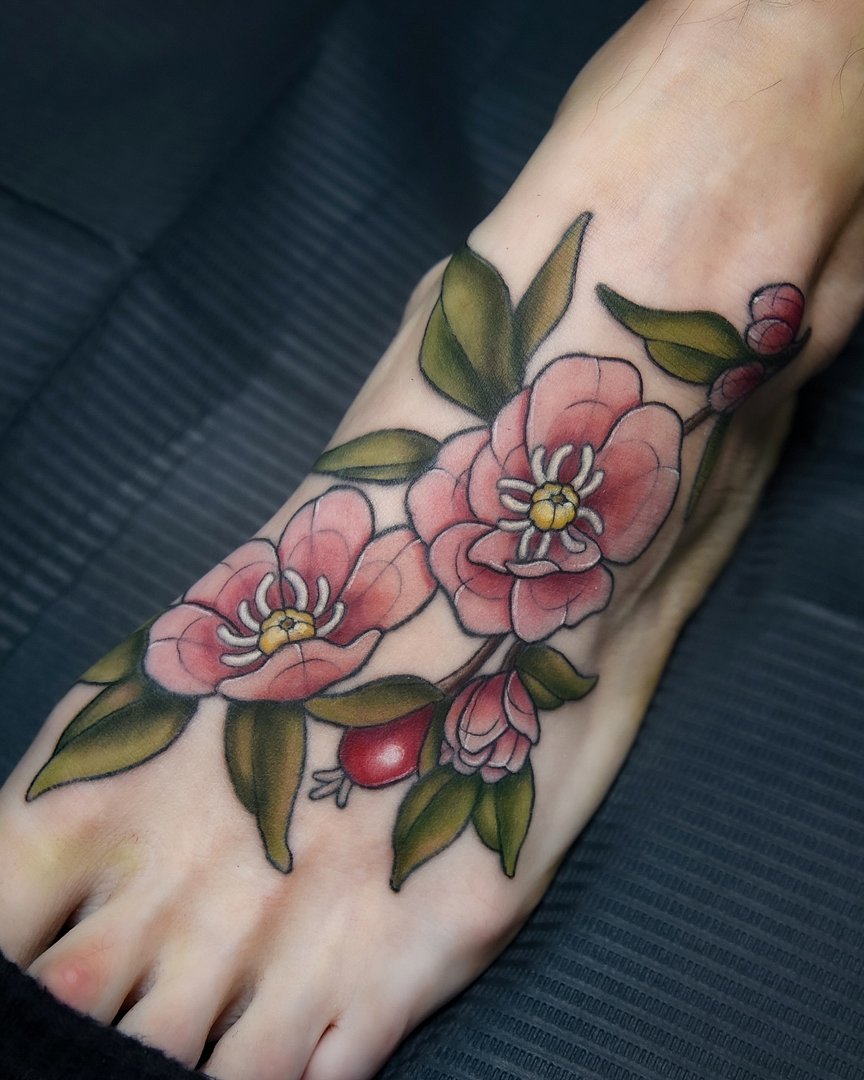
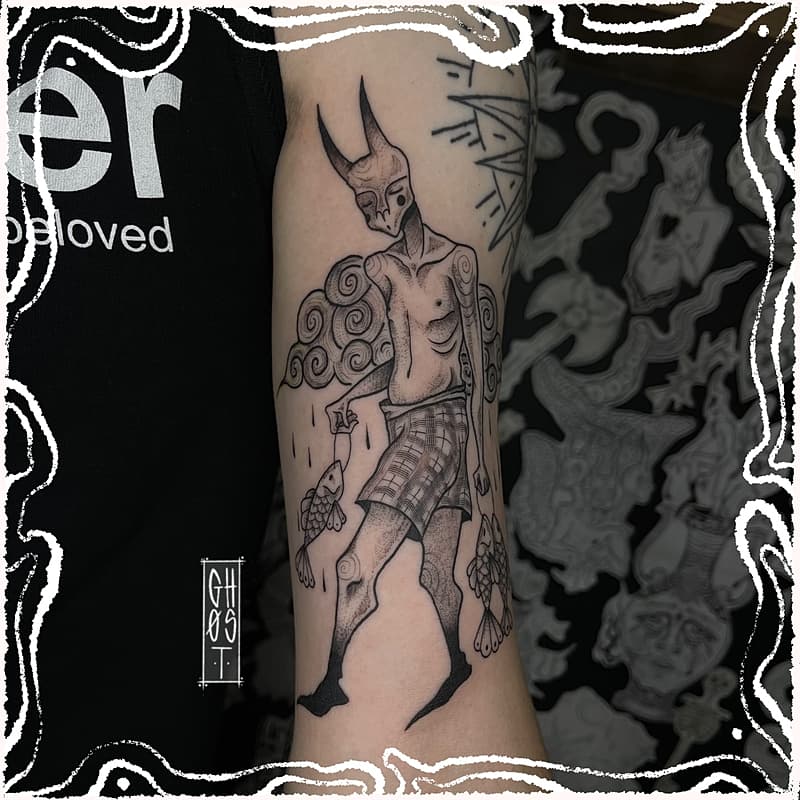
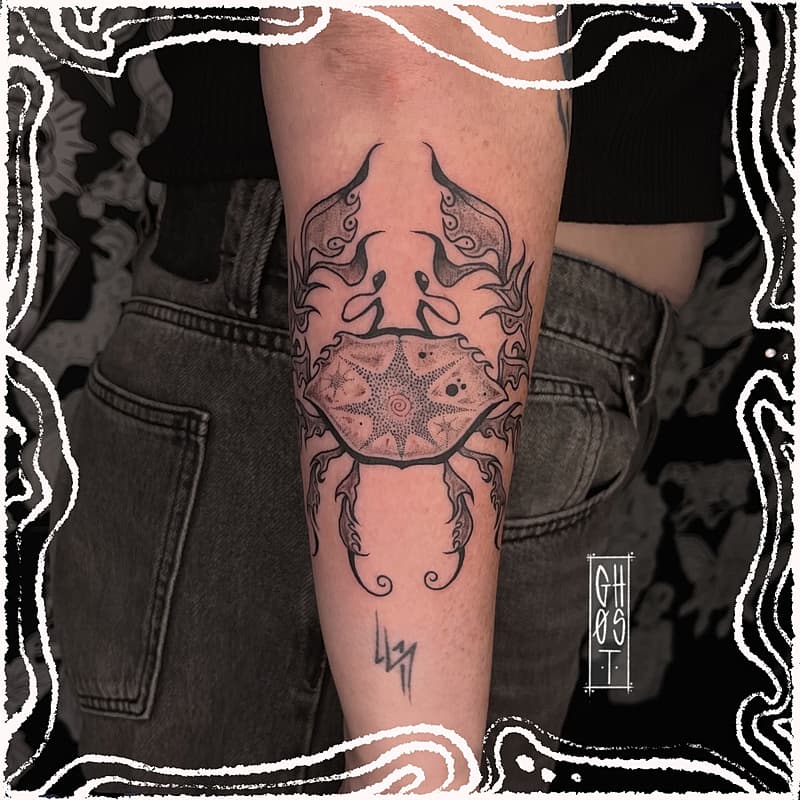
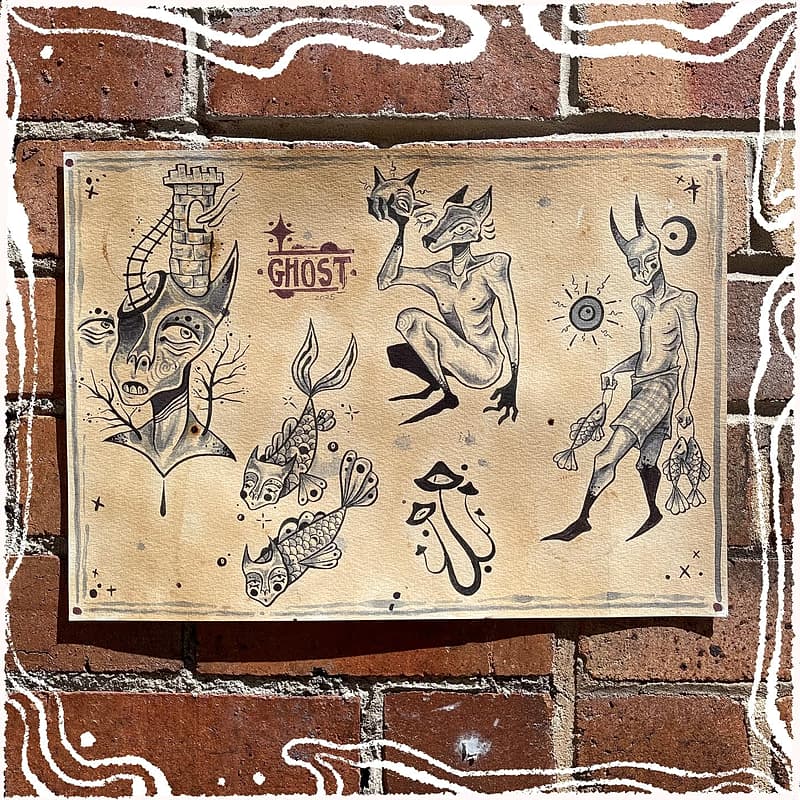
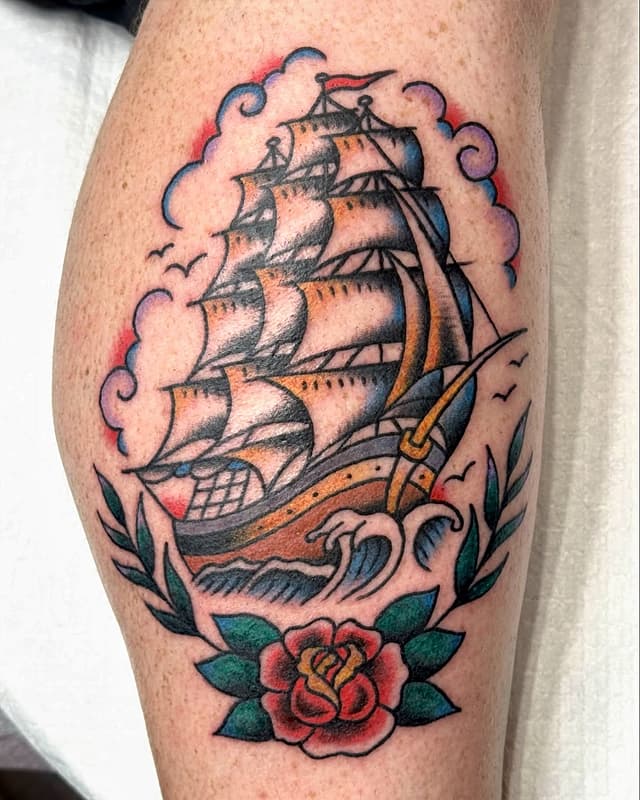
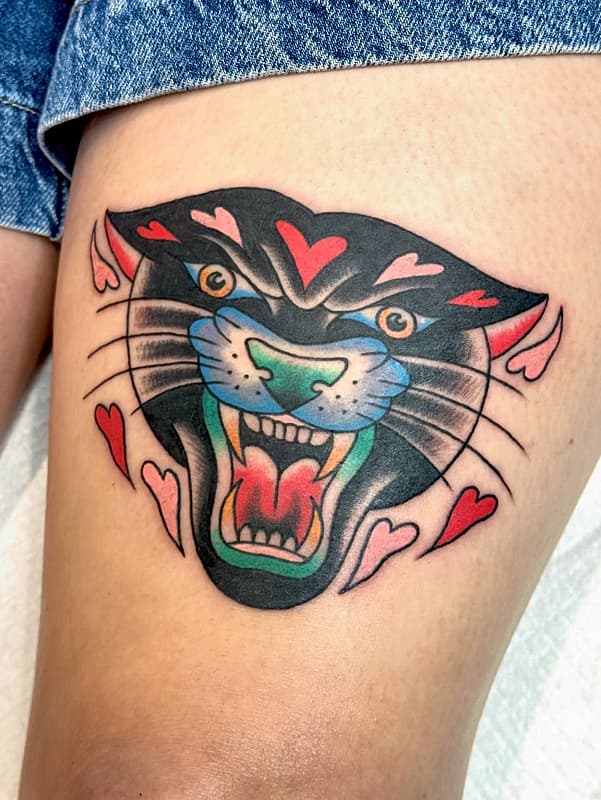
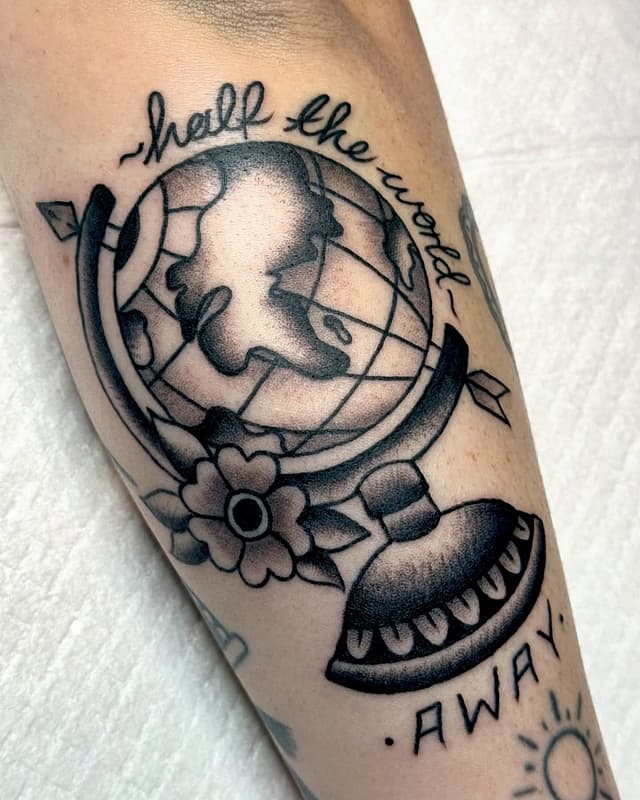
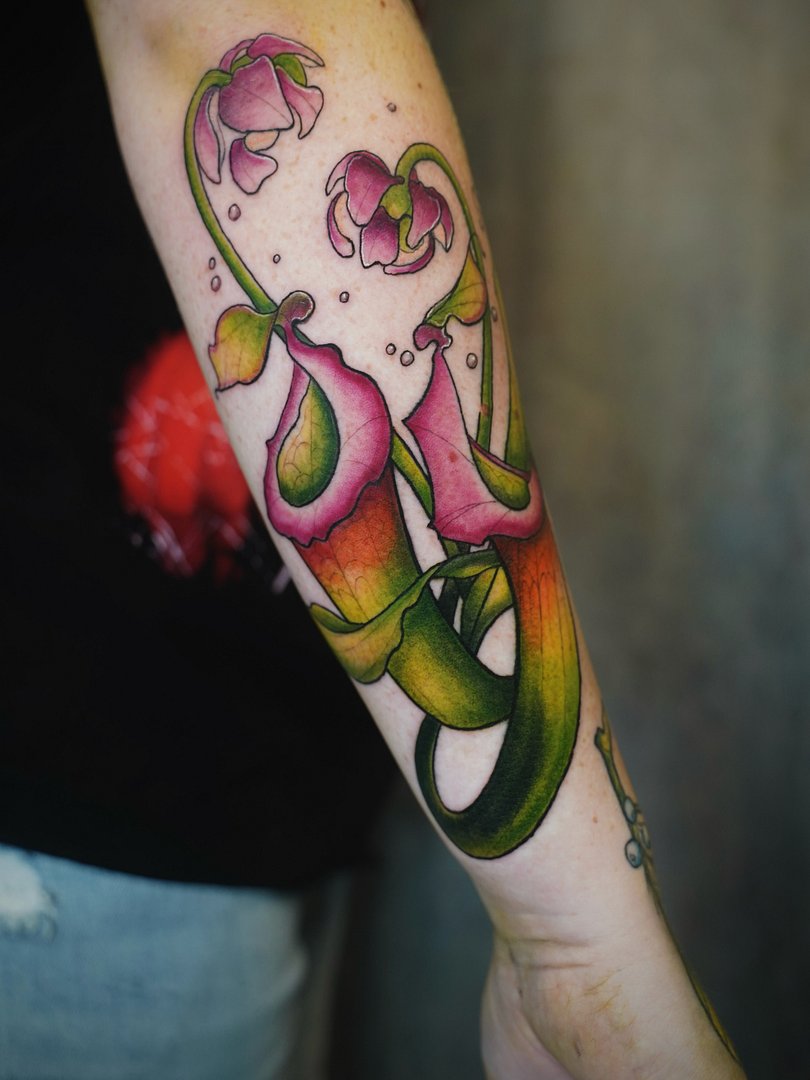
Tattoo styles aren't interchangeable skill sets. A brilliant black and grey realism artist is not automatically good at traditional. A fine line specialist may never have picked up a traditional machine set-up. Look at reference images you like, figure out what they have in common, and put a name to it: traditional, Japanese, blackwork, fine line, realism, whatever it is. Once you know the style, the search gets a lot narrower and a lot more useful.
If you're not sure what to call it, browse artists by style on REAP's discover pages for your city. Seeing twenty portfolios in the same style, side by side, teaches you the vocabulary fast.
Search by city, then narrow down
Location matters more than people expect. You'll likely see this artist three or four times across a design, sizing, and healing, plus touch-ups. Someone four hours away sounds fine until you're booking flights for a fifteen-minute consult.
Search your city first. If you're in a capital, you probably have real choice across every major style. If you're regional, you may need to travel or wait for a guest spot. Both are normal, just plan for it. Once you've got a shortlist of artists in range, go through each portfolio properly before contacting anyone.
Vet the portfolio properly
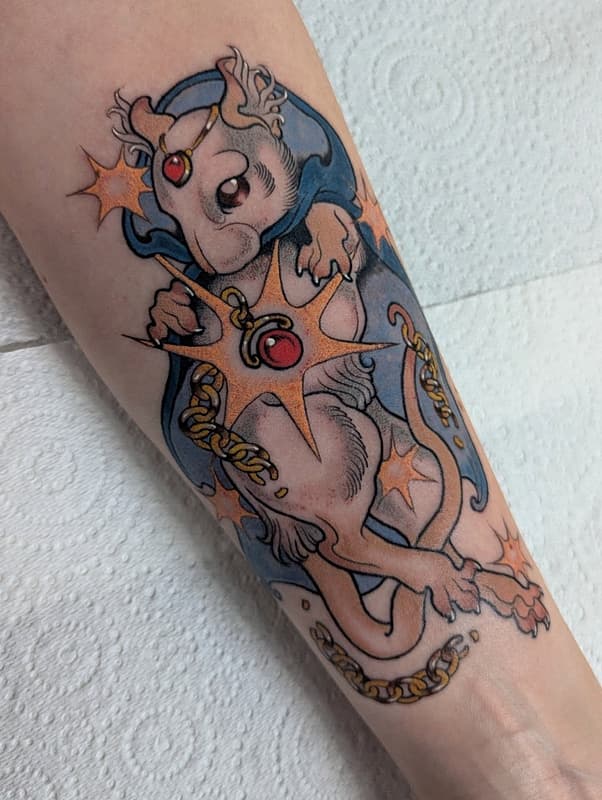
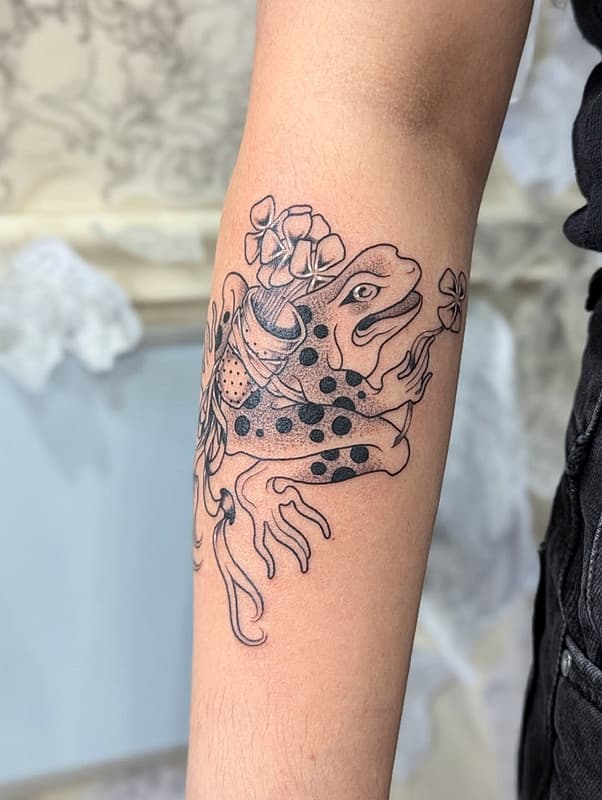
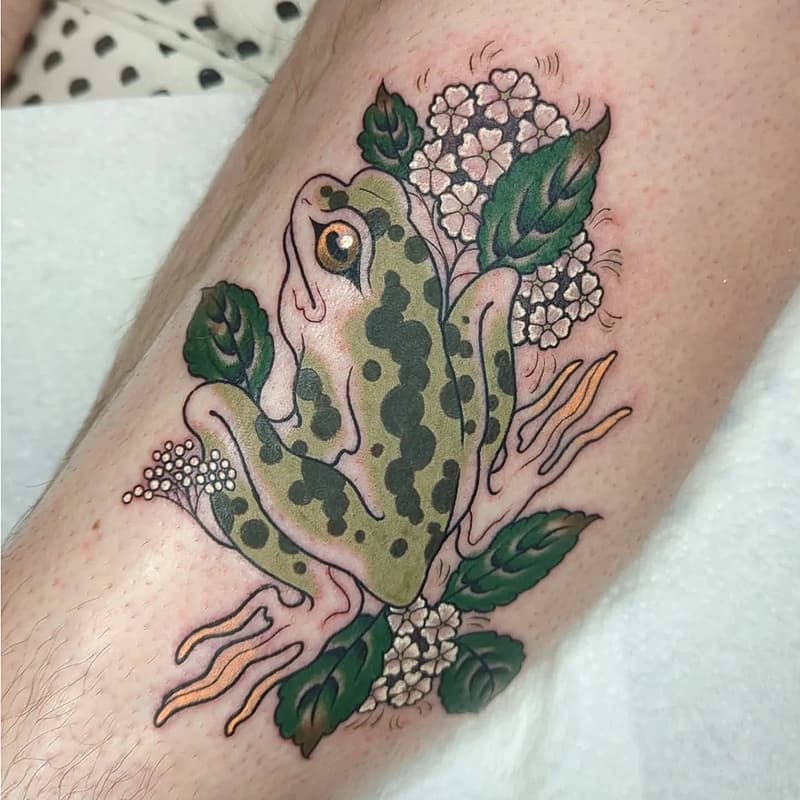
A portfolio tells you almost everything you need to know, if you look at the right things. First: consistency. One great tattoo means nothing. Twenty consistently strong tattoos in the same style means the artist has actually got the fundamentals down.
Second: healed work, not just fresh photos. Fresh tattoos look good on almost anyone with steady hands: swelling and Vaseline sheen hide a lot. Healed photos show you what the tattoo actually looks like in six months. If an artist never posts healed work, ask for some before booking.
Third: line weight and saturation. Zoom in. Lines should be even, not wobbly or patchy. Black should be solid, not streaky. This is the technical stuff that separates a good tattoo from a tattoo that will blow out and blur in five years.