Illustrative Tattoos: The Style That Looks Hand-Drawn
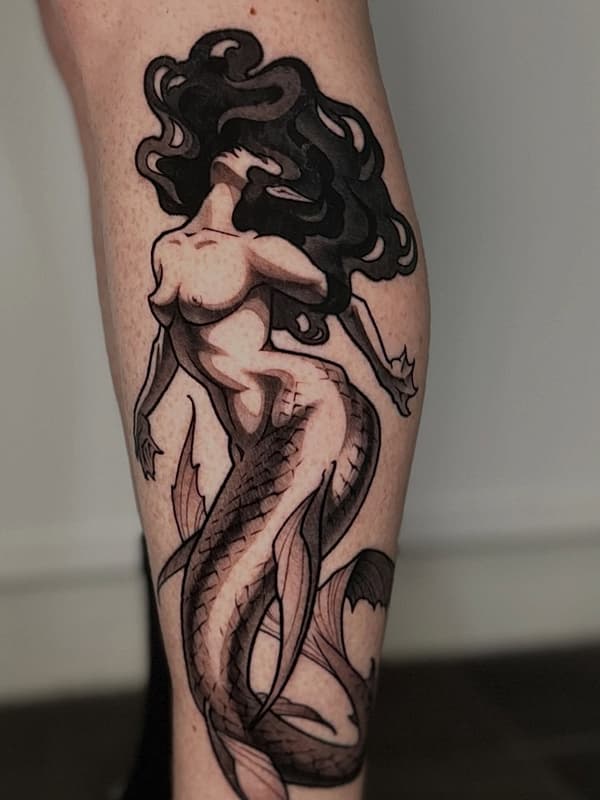
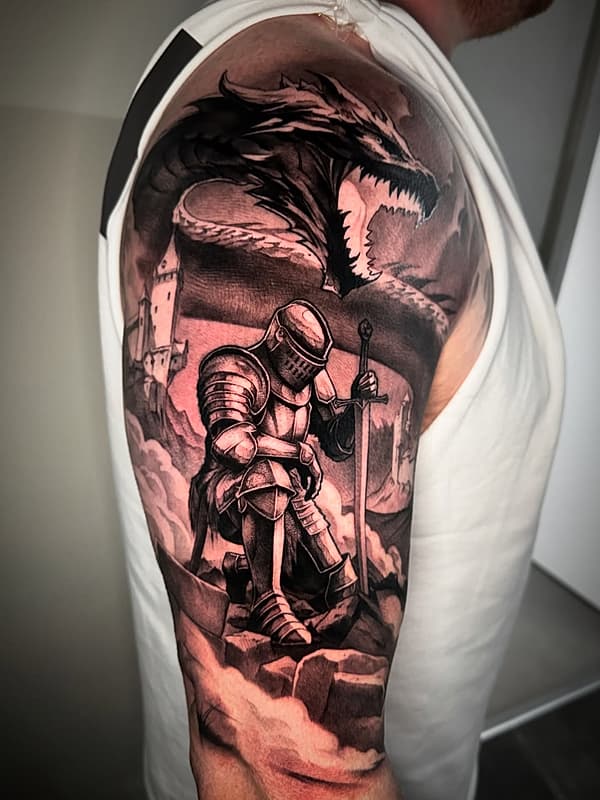
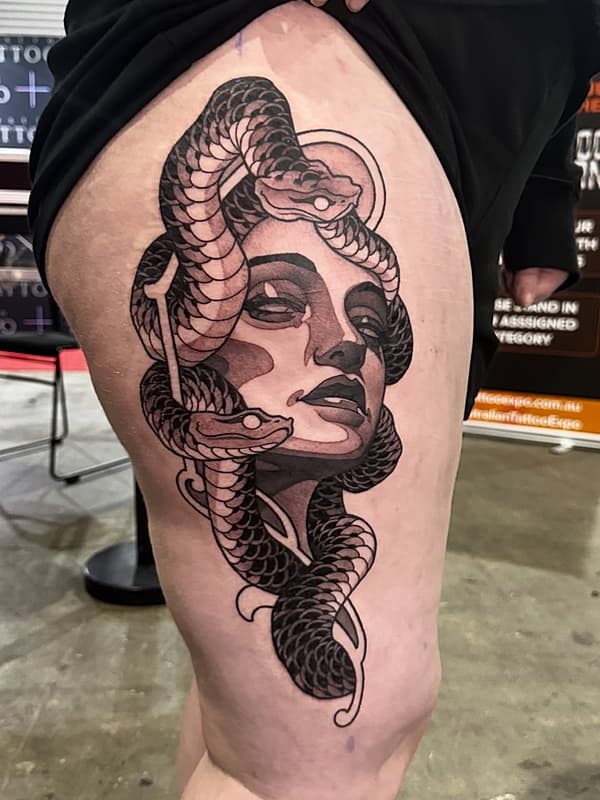
Illustrative tattoos look like drawings on skin: visible linework and expressive shading rather than photographic realism. It's a broad umbrella covering everything from sketchy black ink to full-colour storybook pieces. Because the style leans on strong lines, it ages well. Pick an artist whose specific flavour of illustration matches your references.
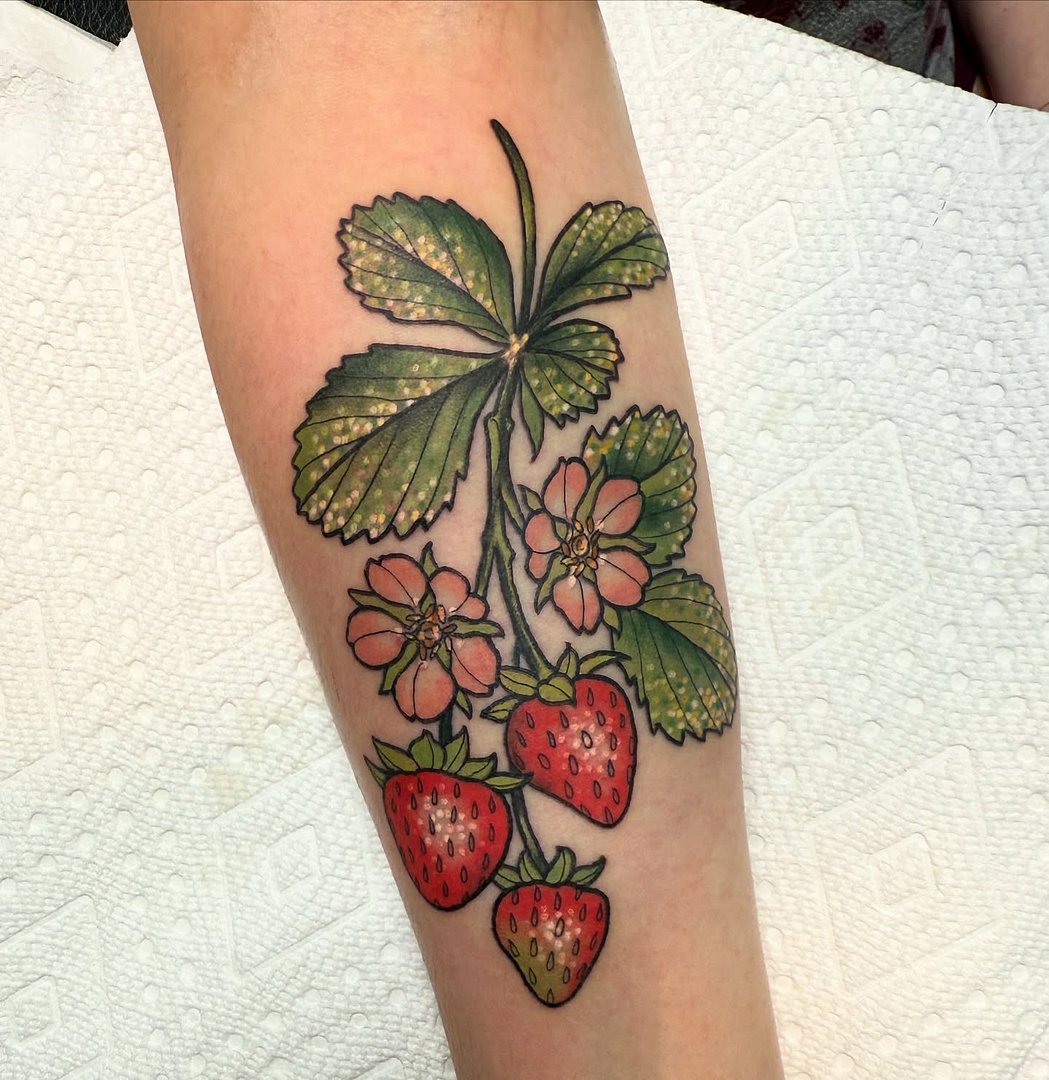
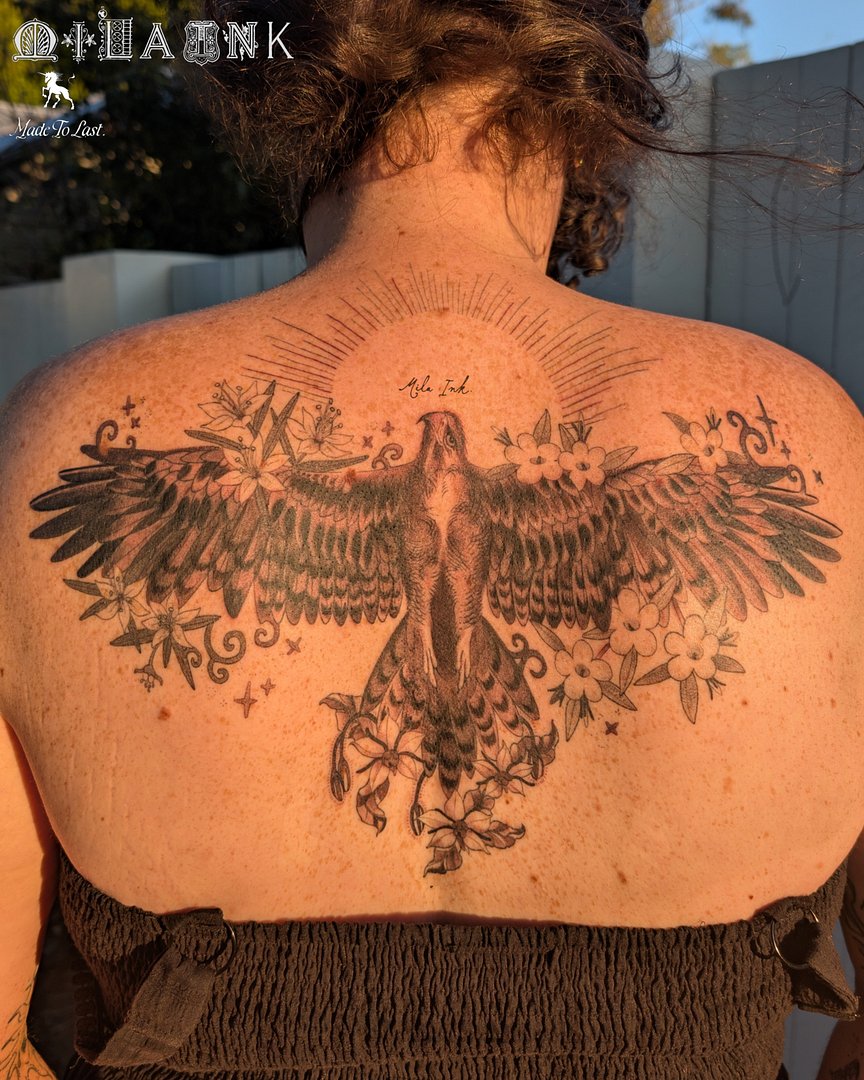
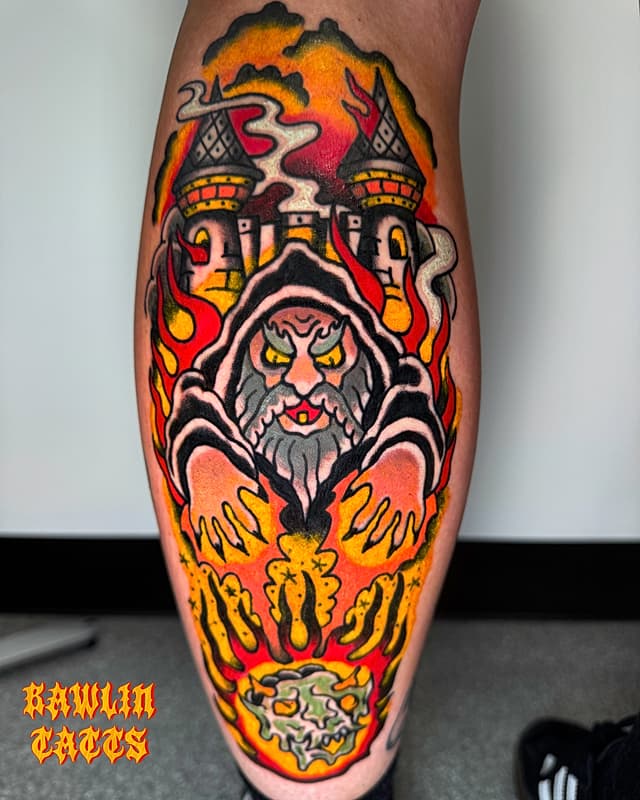
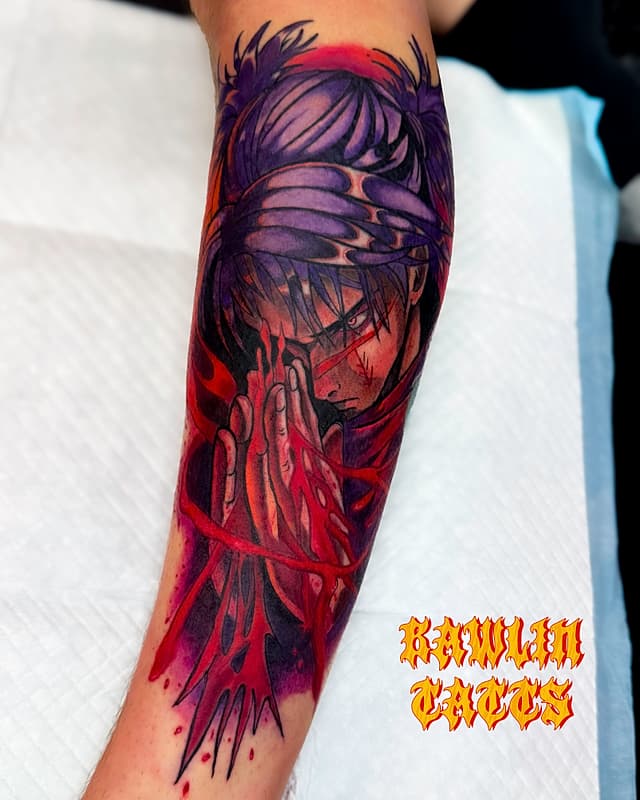
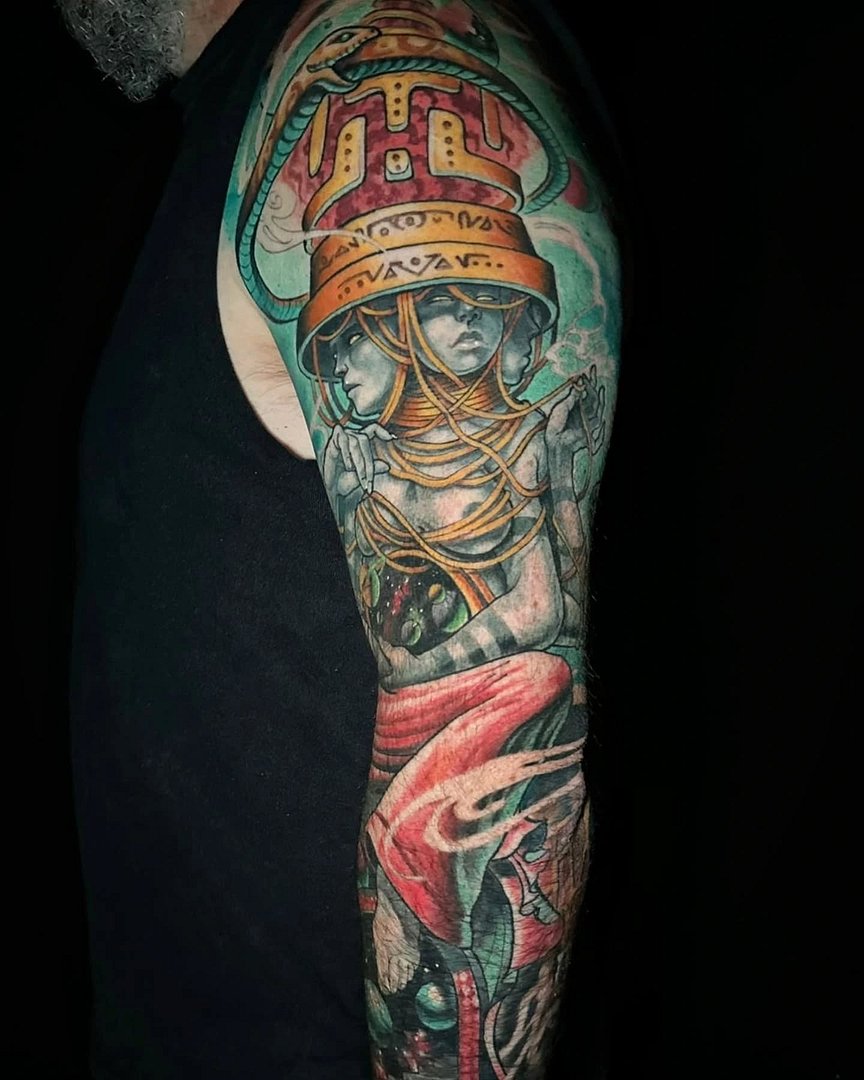
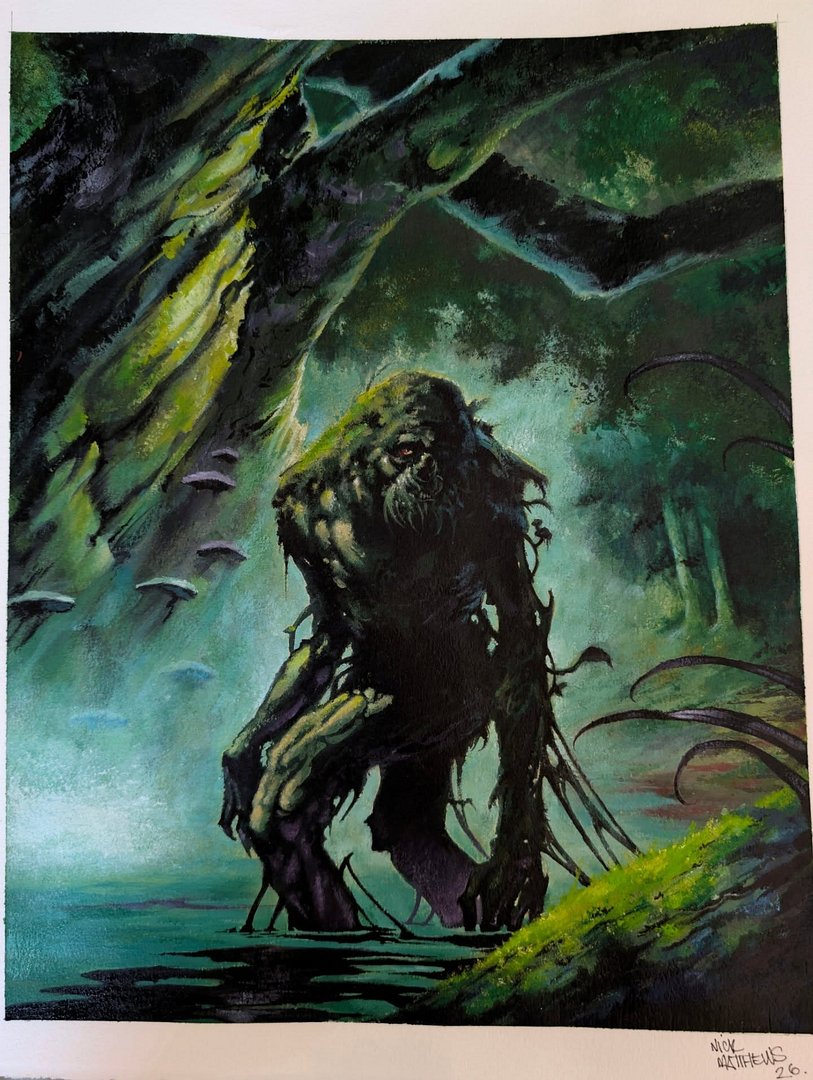
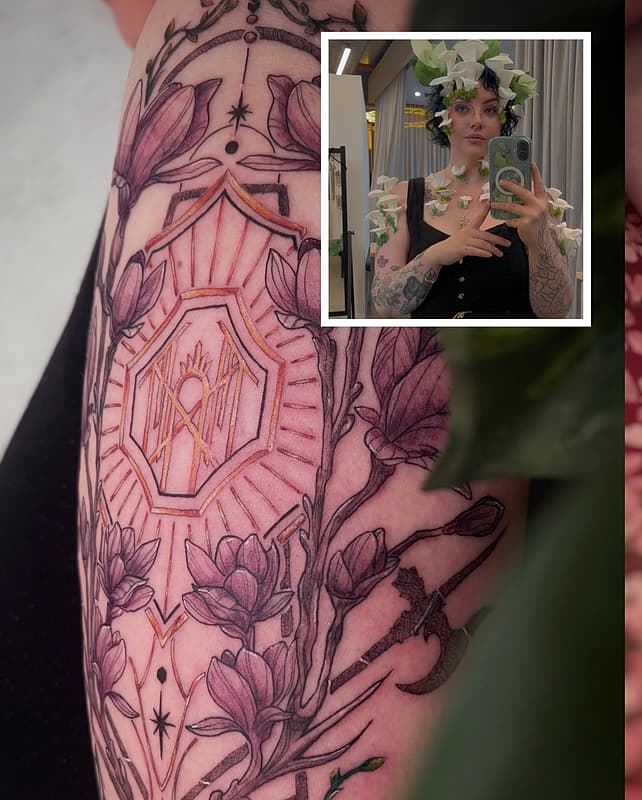
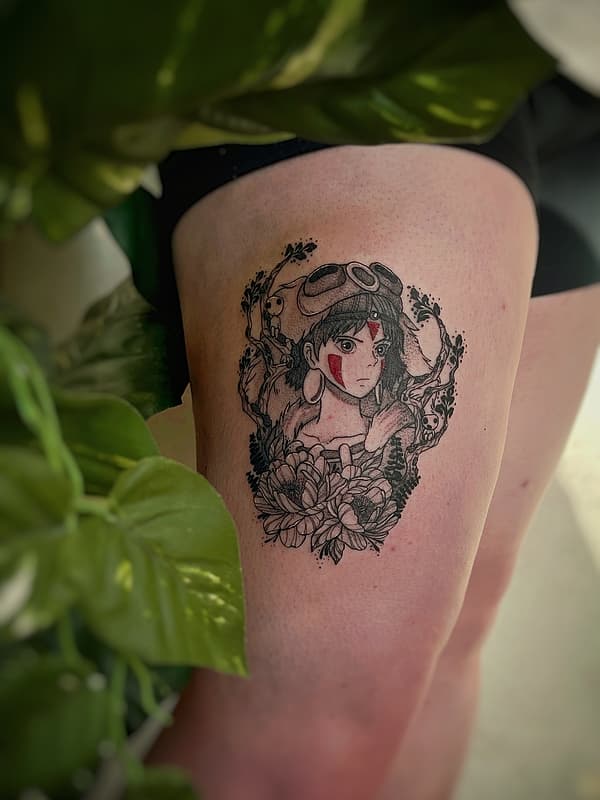
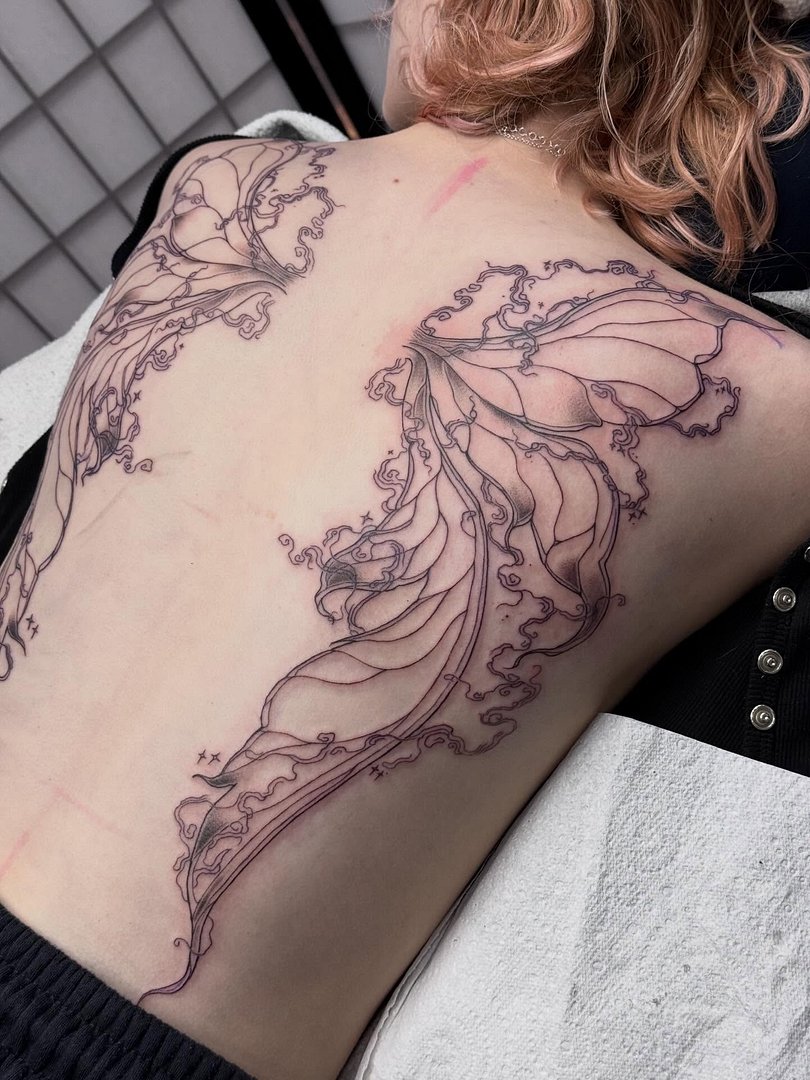
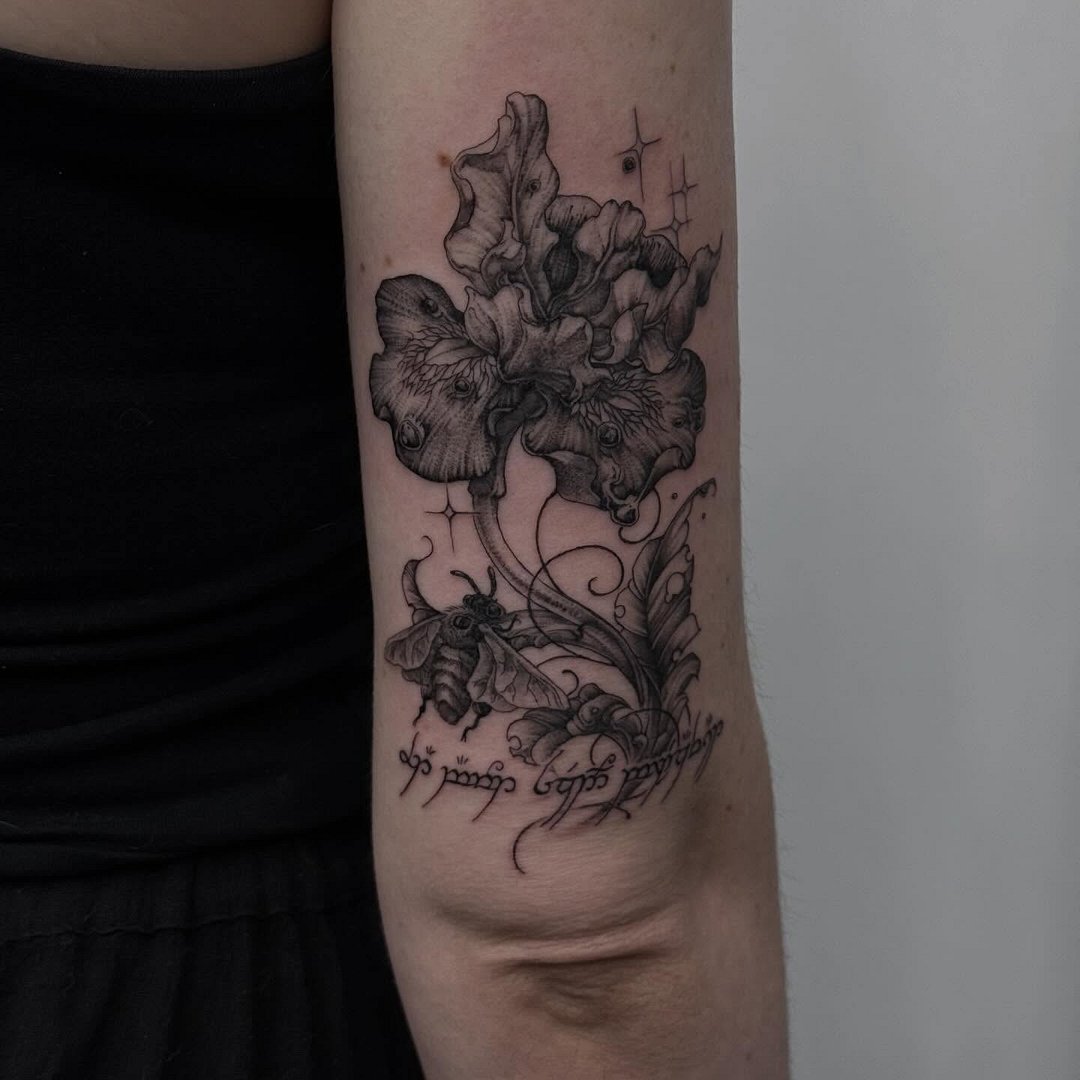
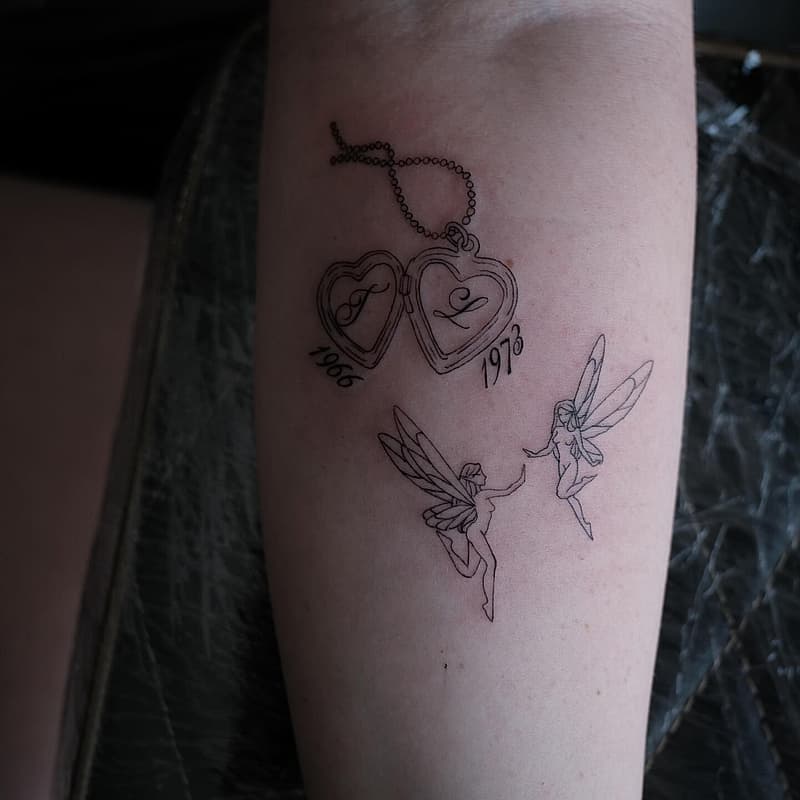
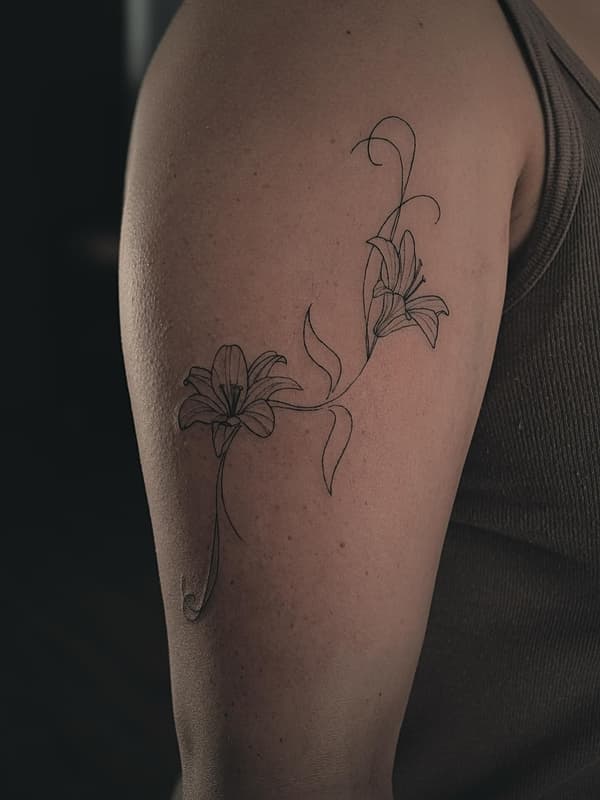
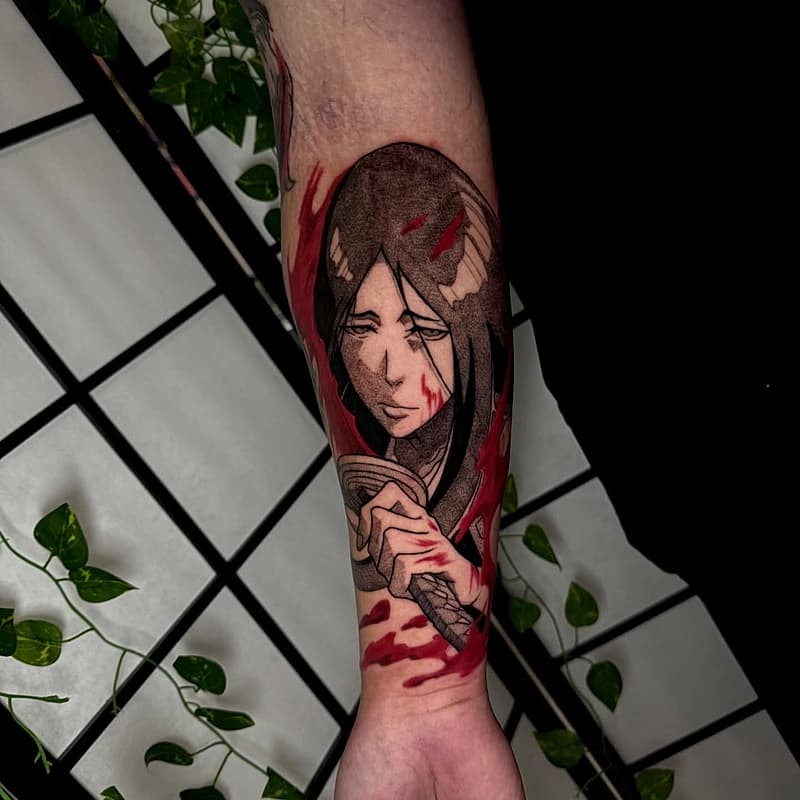
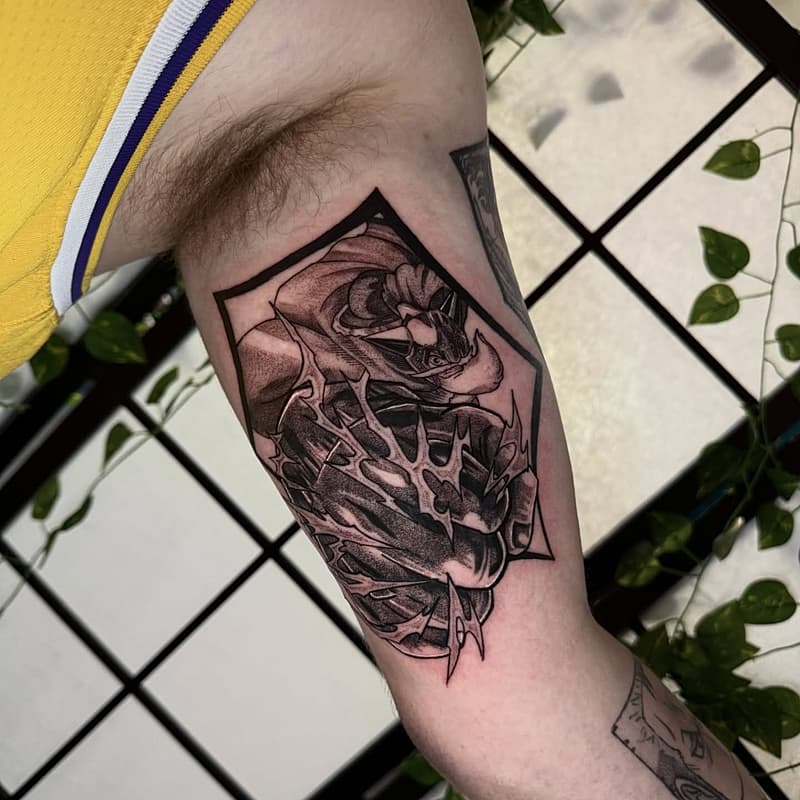
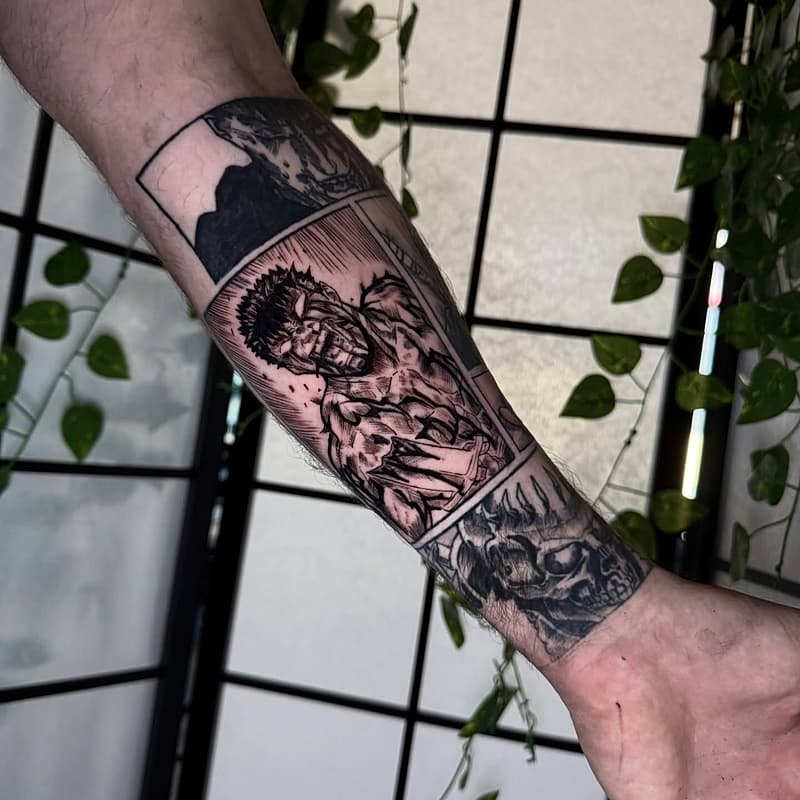
Illustrative is the style that looks like it was drawn, because in the best sense it was. Think book illustrations, gallery prints, sketchbook pages: visible linework, deliberate stylisation, an artist's hand you can see in the finished piece. Where realism tries to make you forget it's a tattoo, illustrative leans into being artwork on skin.
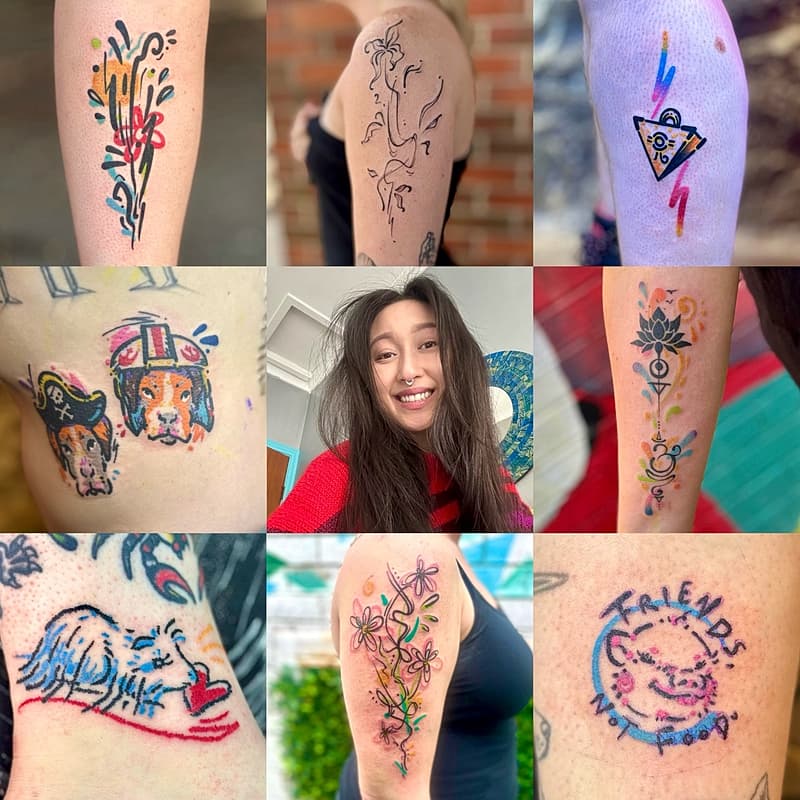
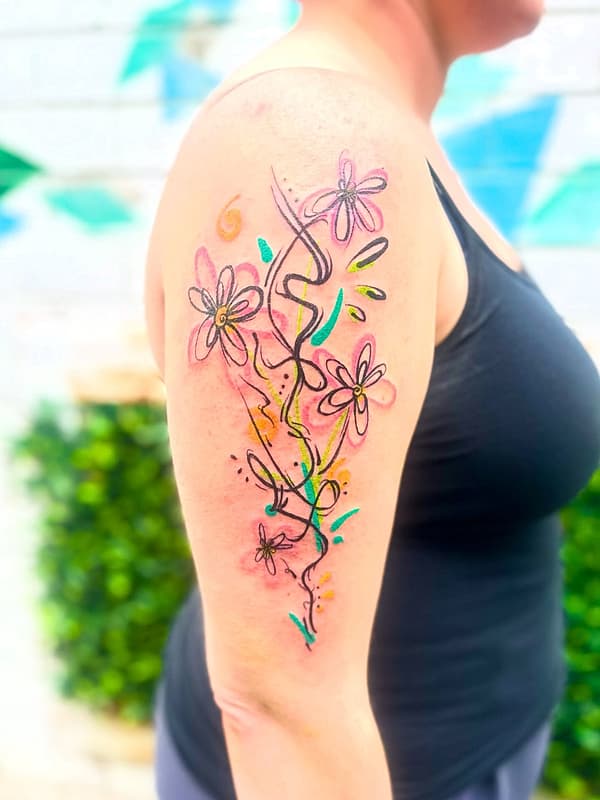
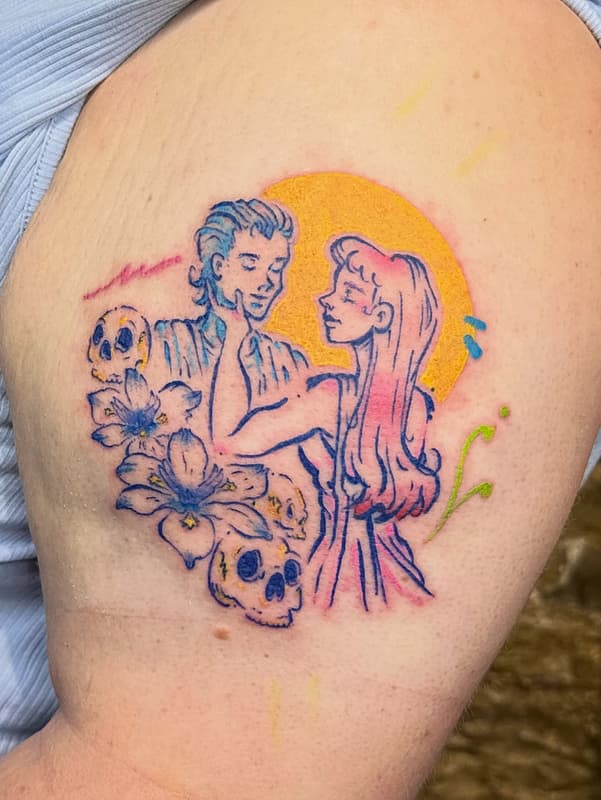
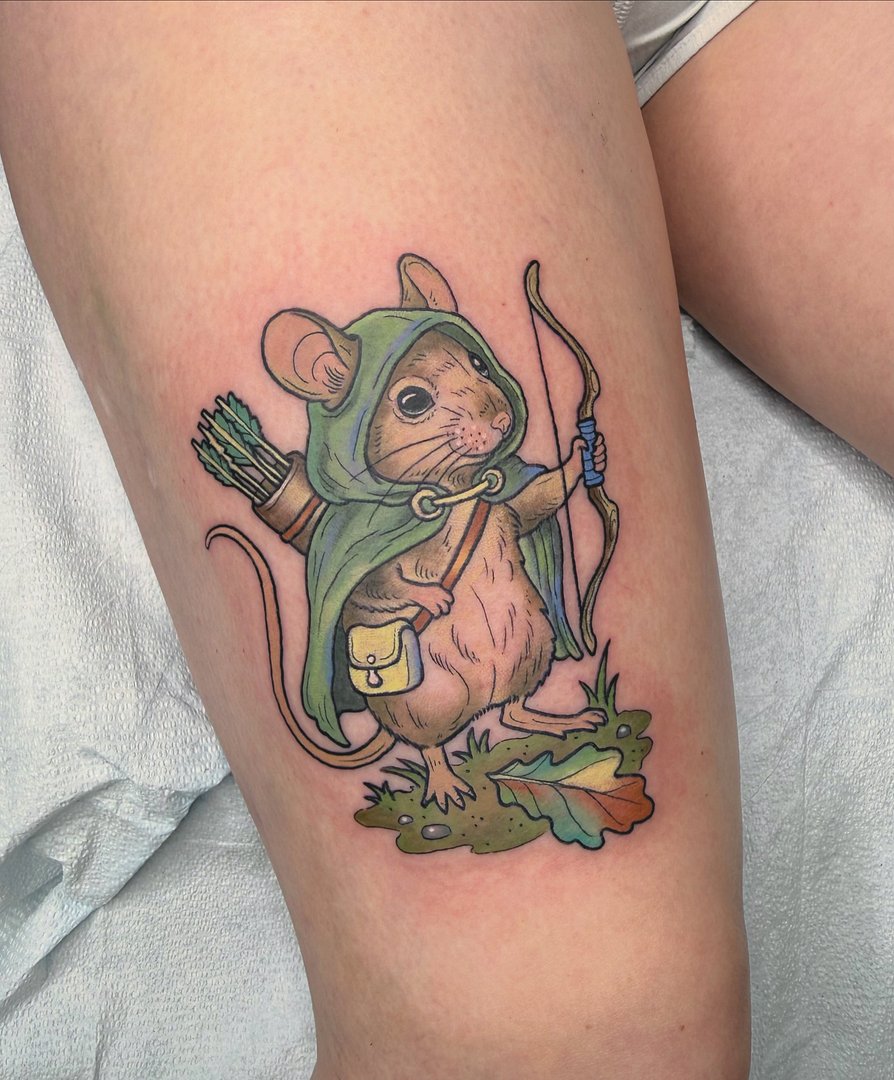
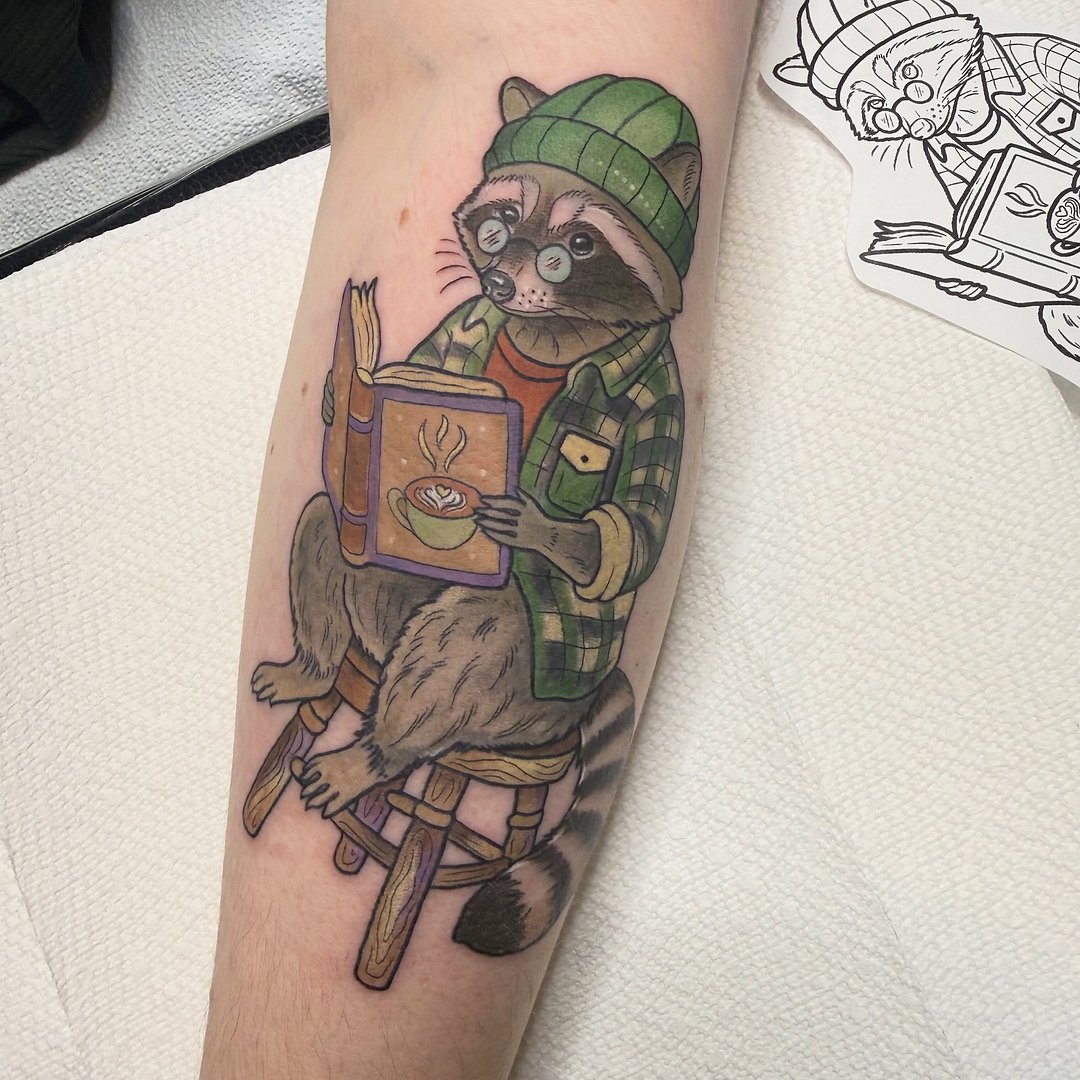
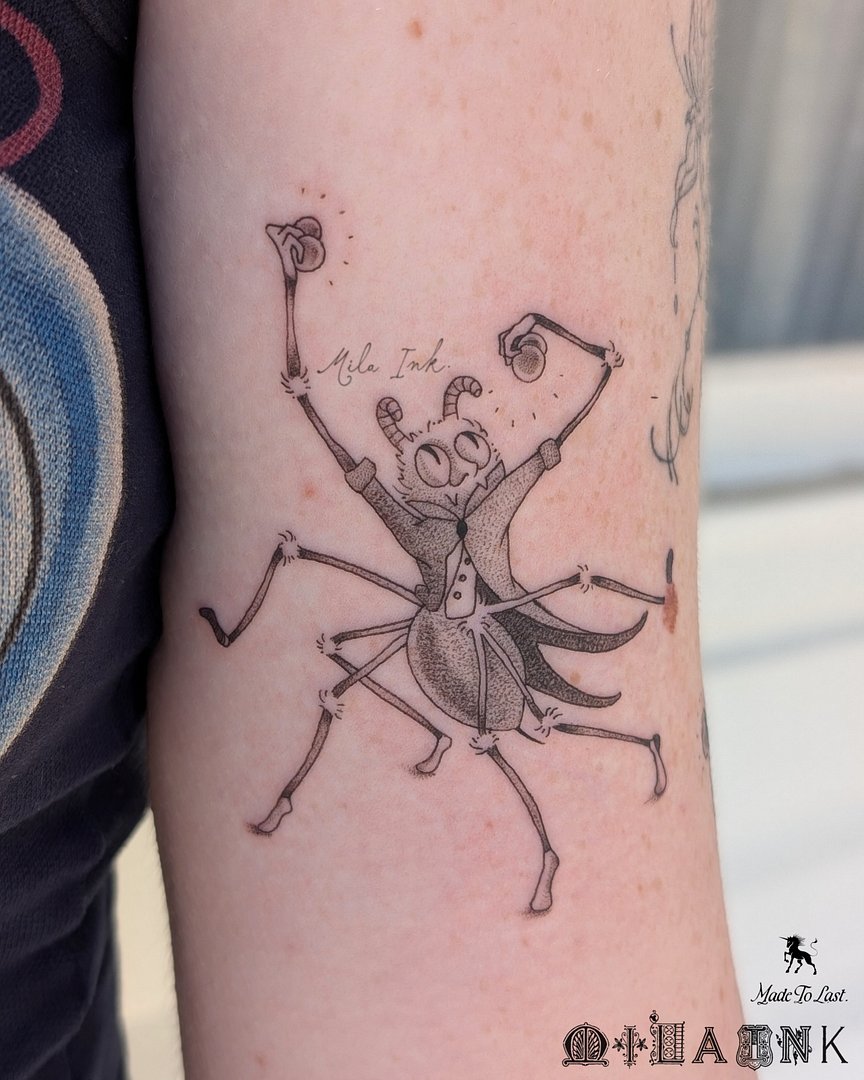
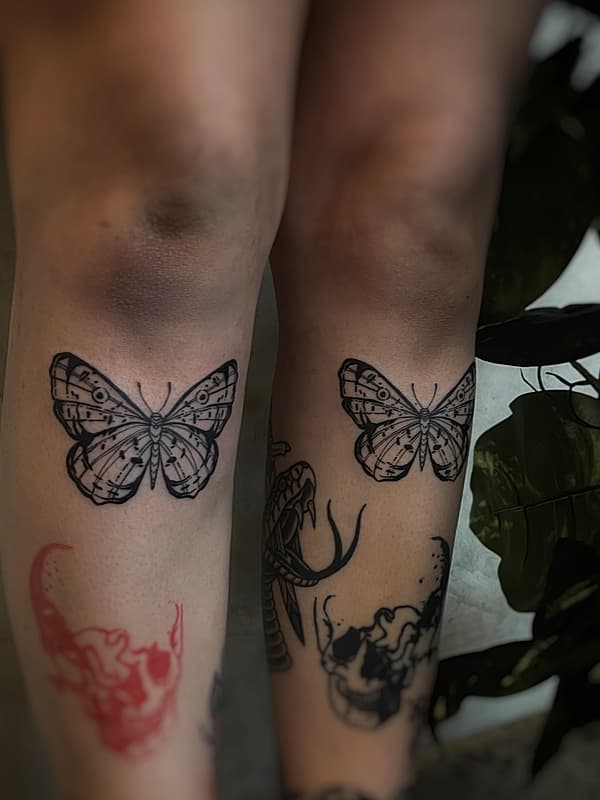
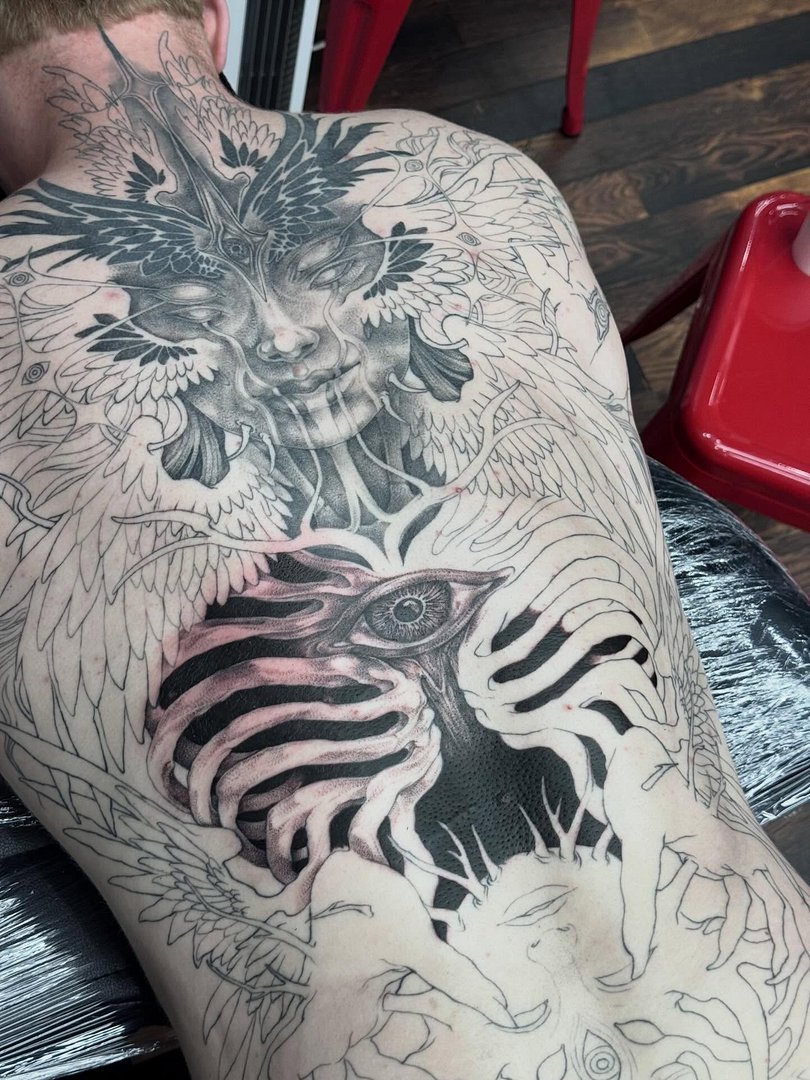
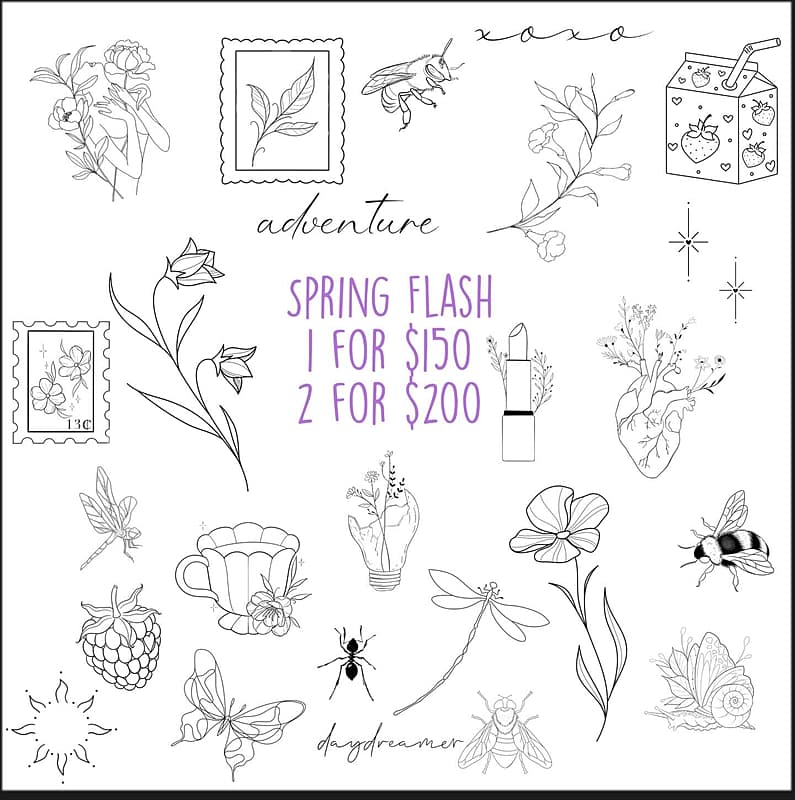
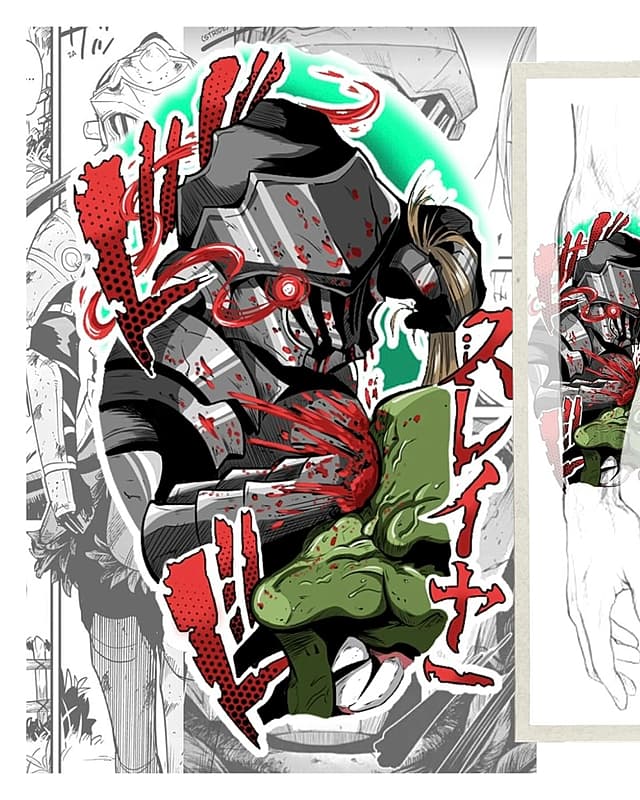
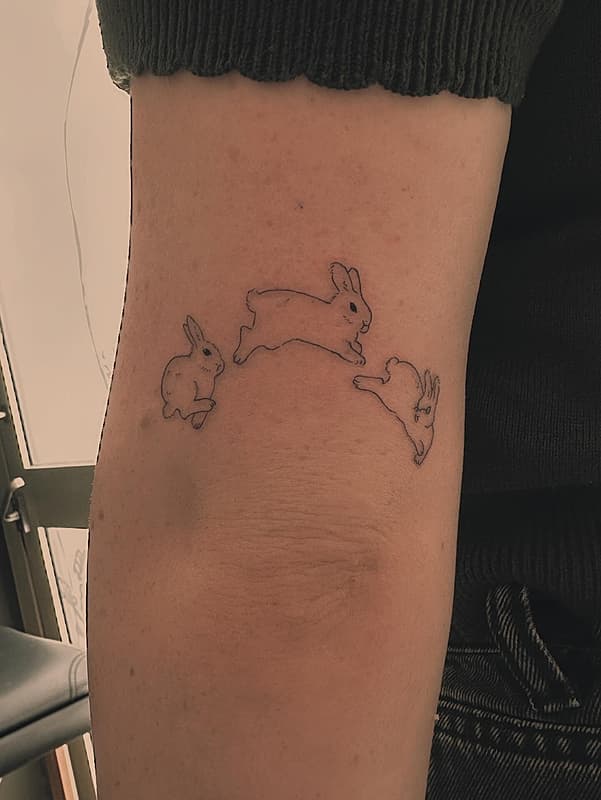
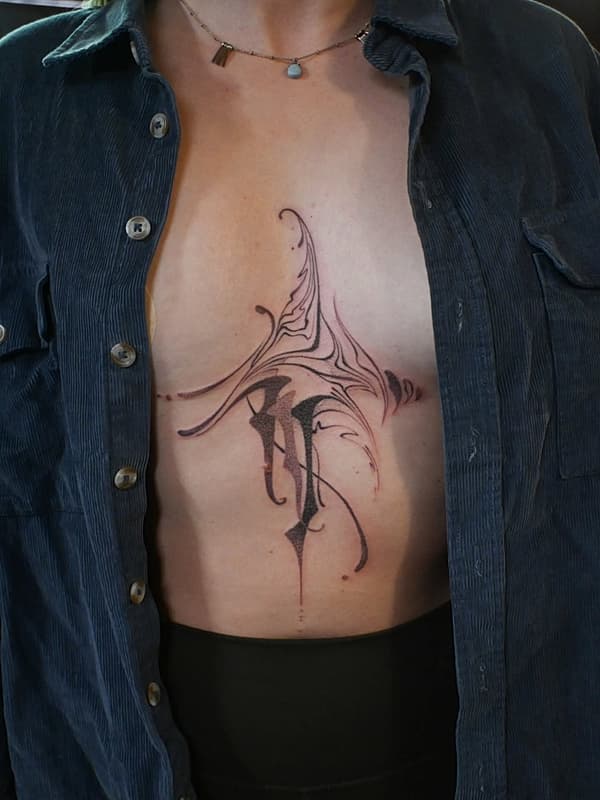
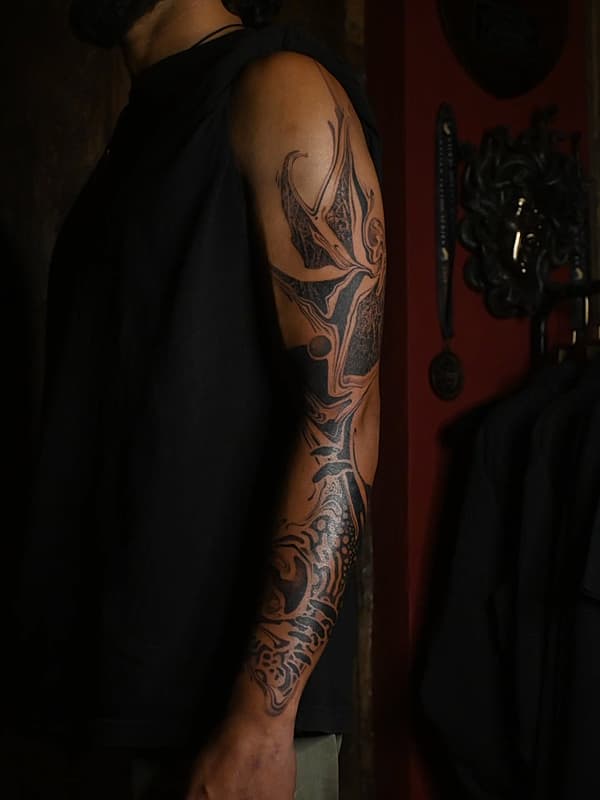
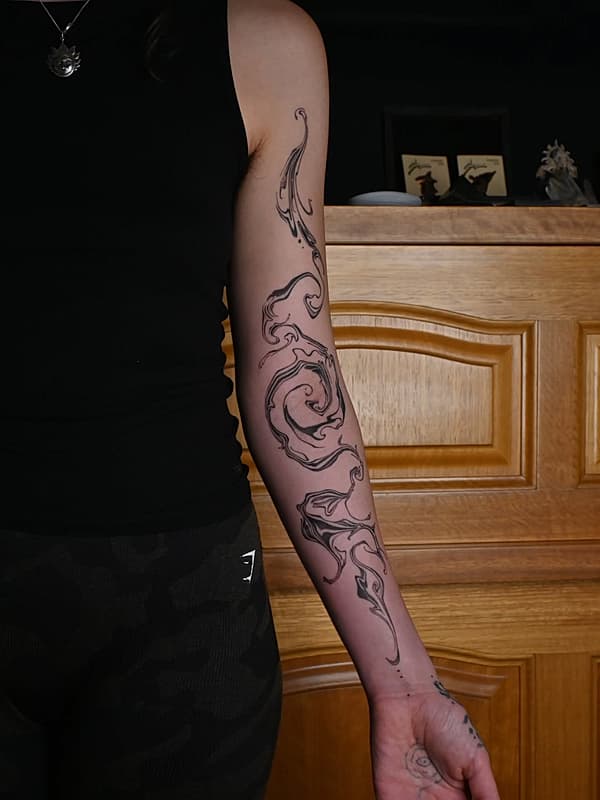
It's also an umbrella, not a single look. Sketchy pieces with loose pencil-style lines and cross-hatching, whimsical storybook animals, dark gothic blackwork-leaning imagery, vintage etching and woodcut looks, watercolour washes over line drawings: all illustrative. That breadth is why it's the most-used style tag on REAP, and why 'I want something illustrative' is only the start of the conversation with an artist, not the end of it.
Illustrative vs realism, neo-traditional and fine line
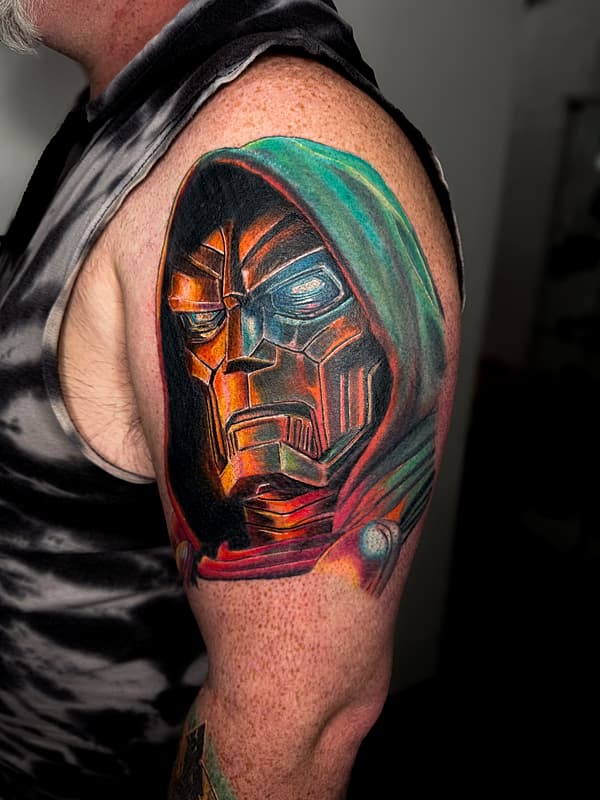
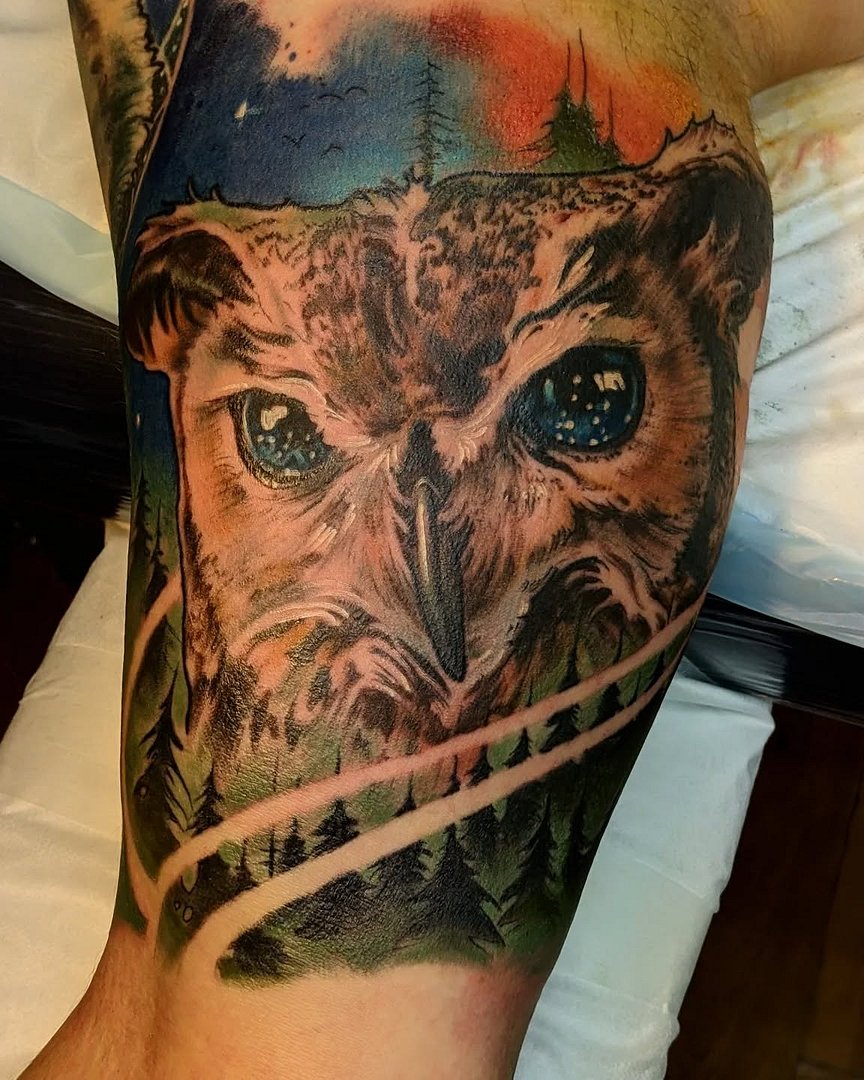
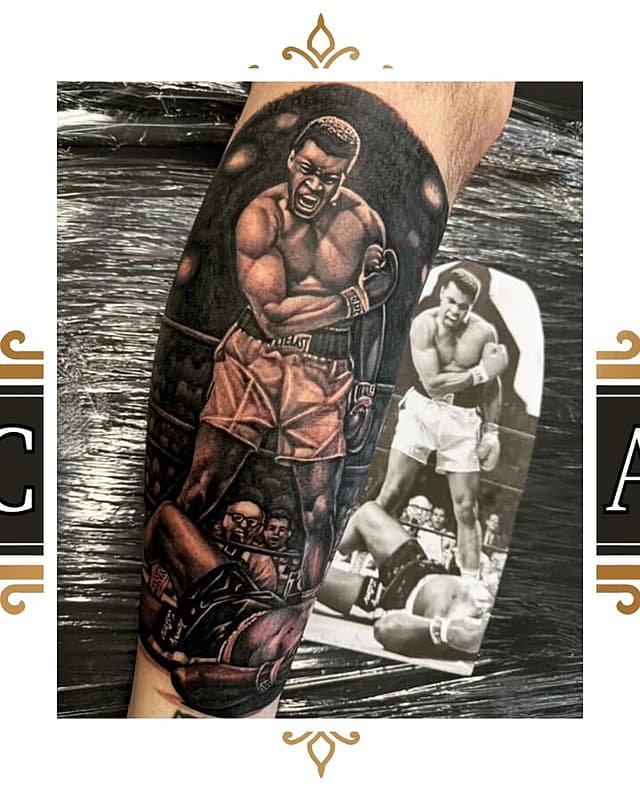
The quickest way to tell the styles apart: realism removes outlines and mimics a photograph; illustrative keeps the lines and interprets. If you can see drawn structure in the piece, you're looking at illustrative. Some artists blend the two into what gets called illustrative realism, which is exactly what it sounds like: realistic rendering sitting inside visible line structure.
Neo-traditional is a close cousin. It takes traditional tattooing's bold outlines and adds illustrative qualities: richer palettes, more detail, more modern subject matter. If a piece follows traditional's rules with an illustrator's polish, that's neo-trad; if it ignores the rulebook entirely, it's illustrative. And fine line isn't a competing style at all: it's a technique. Plenty of illustrative work is done with fine needles, plenty isn't. Style is the look, fine line is one of the tools.
None of this vocabulary is a test you need to pass. Save images you love, and a good artist will name the style for you in about four seconds. If you want to build the eye yourself, browse artists by style on REAP's discover pages and the patterns show up fast.
How illustrative tattoos age
Illustrative ages on the strength of its structure. Bold, clean linework holds its shape for decades; that's the skeleton the piece hangs on. What blurs is dense fine detail crammed into small areas, which is a sizing problem, not a style problem. If your design is detailed, the fix is simple and non-negotiable: scale the piece up, don't shrink the detail down.
Illustrative artists on REAP
Real illustrative work from artists you can book right now.
A tattoo that looks hand-drawn, like a book illustration or sketch, with visible linework and deliberate stylisation rather than photo-realism. It's an umbrella term covering sketchy, whimsical, dark, etching-style and watercolour-line work.
What's the difference between illustrative and realism tattoos?+
Realism mimics a photograph and hides its outlines; illustrative keeps drawn lines and interprets the subject in an artistic style. Some artists blend both into illustrative realism, with realistic shading inside visible line structure.
Is illustrative the same as neo-traditional?+
No, but they're related. Neo-traditional follows traditional tattooing's bold-outline rulebook with richer palettes and detail; illustrative is broader and doesn't follow a rulebook at all. A lot of neo-trad reads as illustrative, but not the reverse.
Do illustrative tattoos age well?+
Yes, when they're built on solid linework and sized properly. Fine detail packed into small areas blurs over time, so detailed designs should be scaled up. Sun protection matters more than anything else, especially under Australian UV.
The 'sketchy looks unfinished, will it age badly' worry comes up constantly and mostly has it backwards. The loose look is deliberate and technically demanding, and a well-built sketchy piece ages the same way any well-built linework does. What actually kills tattoos in Australia is the sun. Ink and UV are enemies; sunscreen on healed tattoos is the single highest-return habit for keeping any style sharp, and it matters more here than almost anywhere else on earth.
Placement plays into longevity too. Detailed illustrative work wants real estate that holds ink well: thighs, forearms, upper arms, calves, back. Fingers, feet and other high-wear zones fade fast and suit simple designs, not intricate ones. Your artist will steer you here; let them.
Cost, and what you're actually paying for
Illustrative is almost always custom work, so you're paying for drawing time as well as tattooing time. Price moves with size, detail density, colour versus black and grey, and the artist's experience; most Australian artists charge hourly or by day rate, with a shop minimum even for small pieces, and large pieces run across multiple sessions. For real numbers, see our tattoo cost guide, but the short version: a quote is a function of the design, so ask for one with your actual references in hand.
One thing that keeps costs sane: bring references and a brief, not a finished drawing you want copied. Illustrative artists design in their own hand; that's the entire reason you picked them. Give them your concept, your must-haves and your placement, then let them draw. You'll get a better tattoo and a smoother process than trying to art-direct line by line.
Choosing the artist matters more here than anywhere
Because illustrative is so broad, two artists with the same style tag can produce wildly different work. This is a portfolio-match style: don't look for 'an illustrative artist', look for the artist whose sub-flavour matches the picture in your head. Whimsical storybook and dark gothic etching are both illustrative, and the artist who's brilliant at one may not touch the other.
Vet the usual way: scroll deep into their portfolio, look for healed work, and check the consistency of their linework. Then trust them. Find someone whose work genuinely stops you, bring your idea, and let them do what they're good at. The one rule that overrides the trust: never put anything on your skin you don't actually want. Ask for revisions at the drawing stage; a good artist would always rather redraw than tattoo hesitation. You can browse illustrative artists near you on REAP's discover pages and send a request straight from their profile.
Absolutely. Black and grey, blackwork, watercolour washes and full colour all live under the illustrative umbrella. Palette is part of each artist's signature, so pick an artist whose colour choices you already love.
How do I choose an illustrative tattoo artist?+
Match portfolios to the exact sub-flavour you want, not just the 'illustrative' tag, and look for healed photos. Bring references and a rough brief rather than a finished design; illustrative artists draw custom, and the piece will be better for it.