A style built on tradition
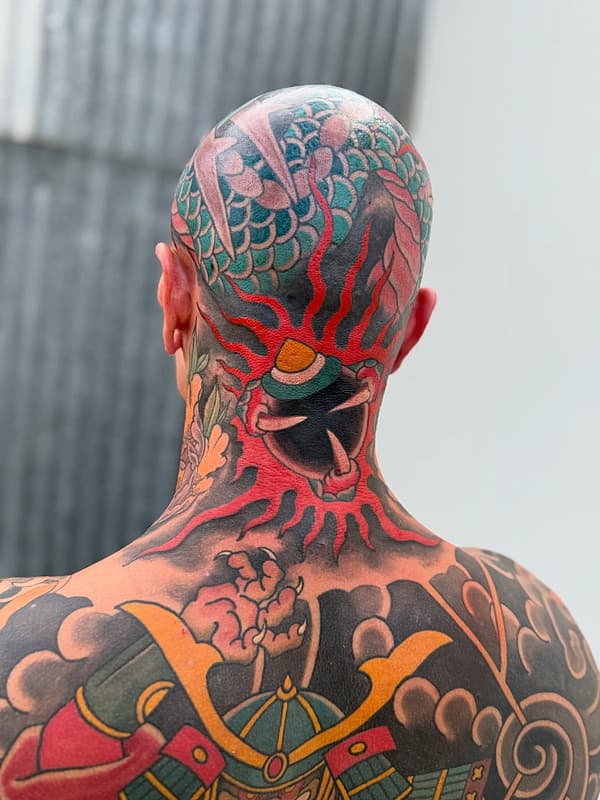
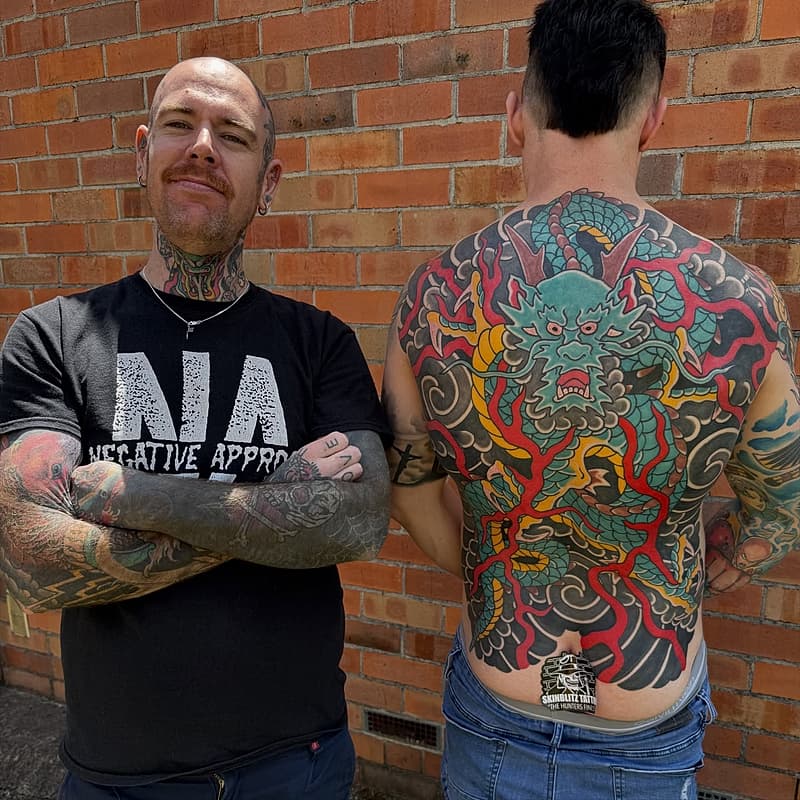
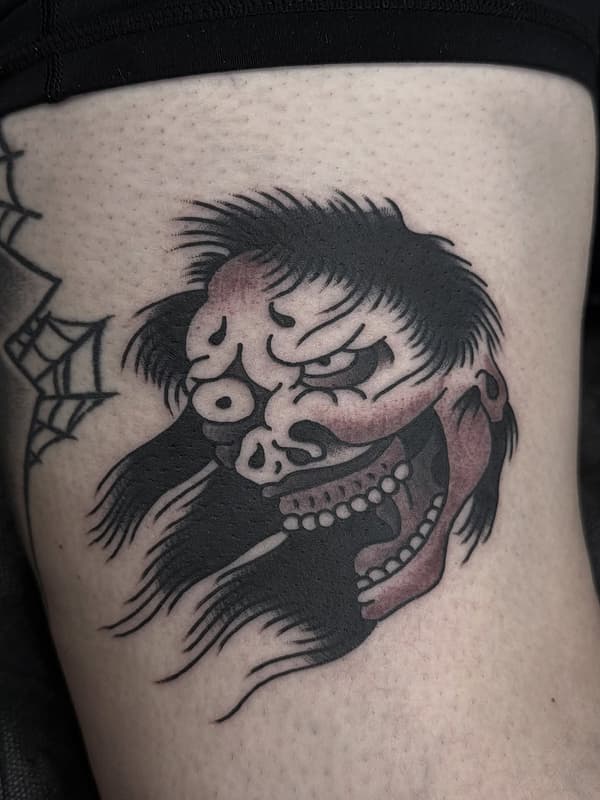
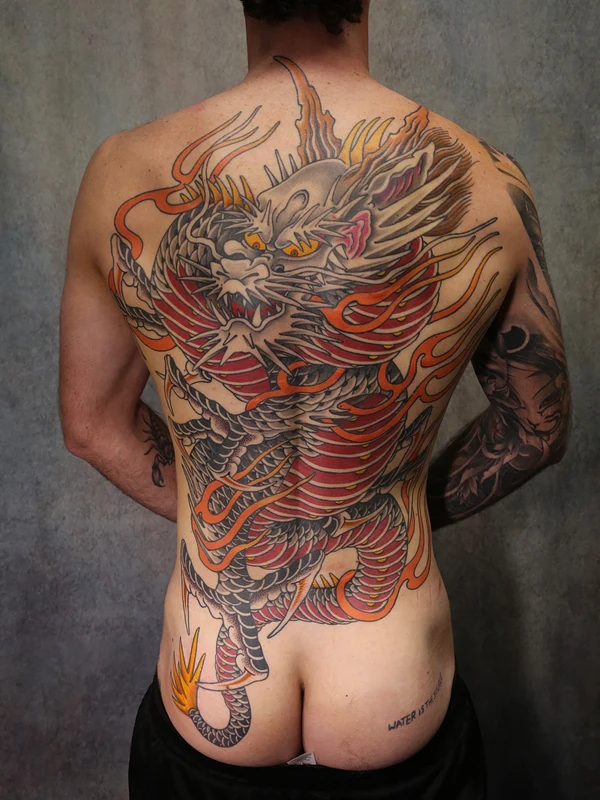
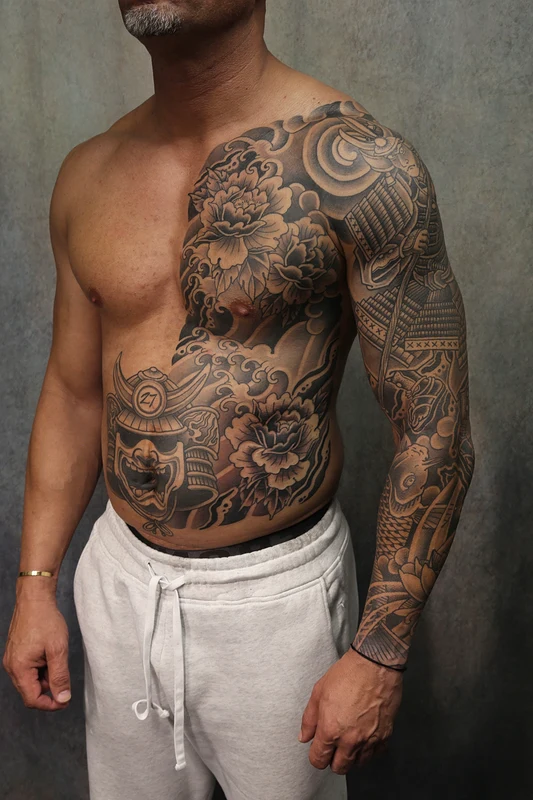
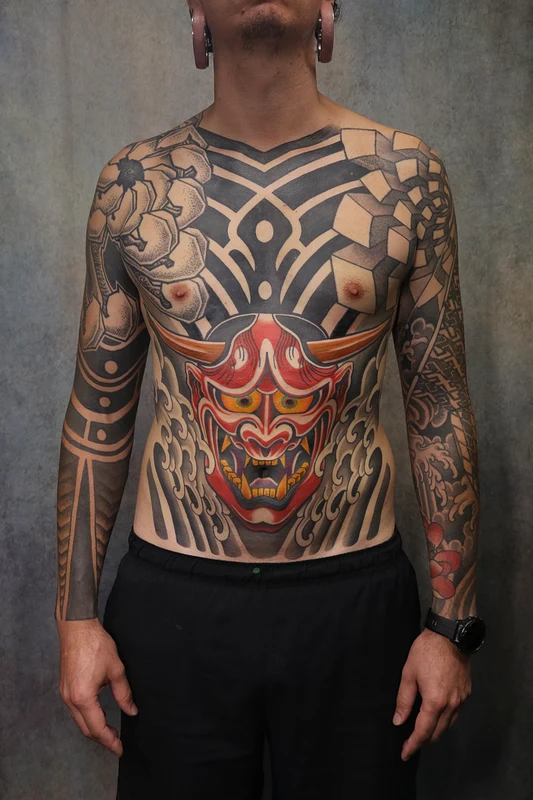
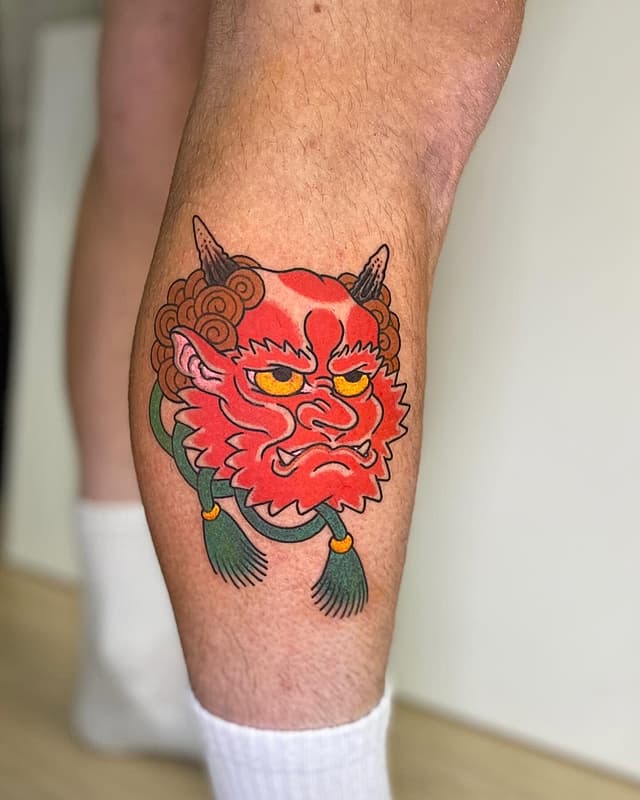
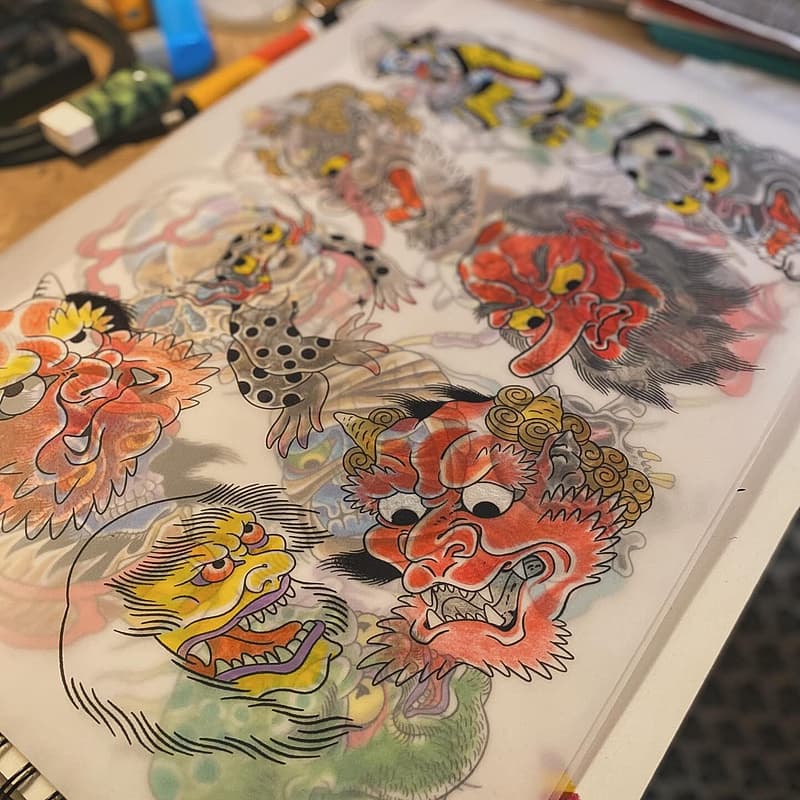
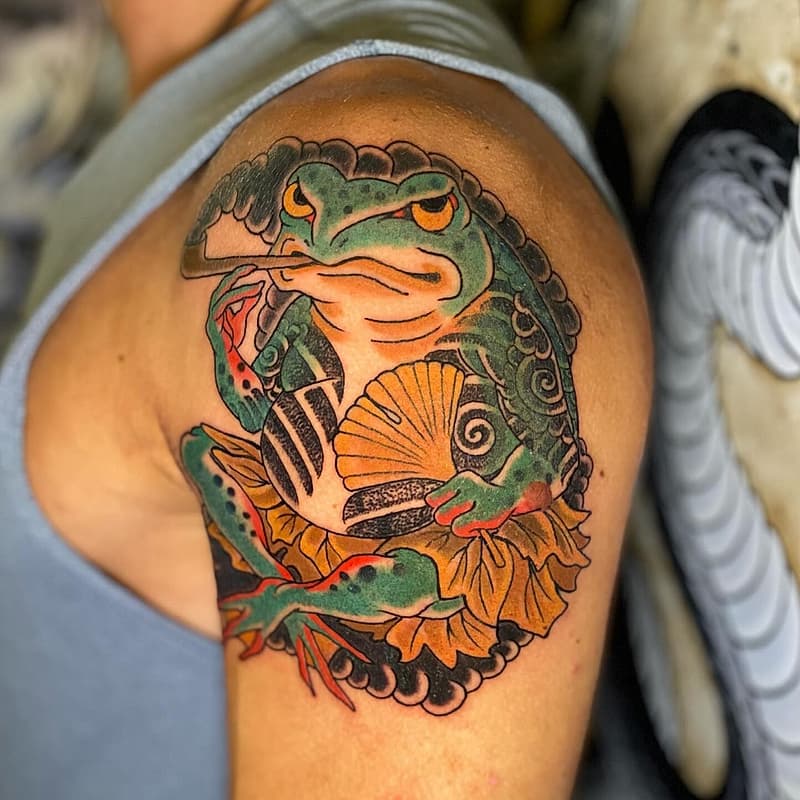
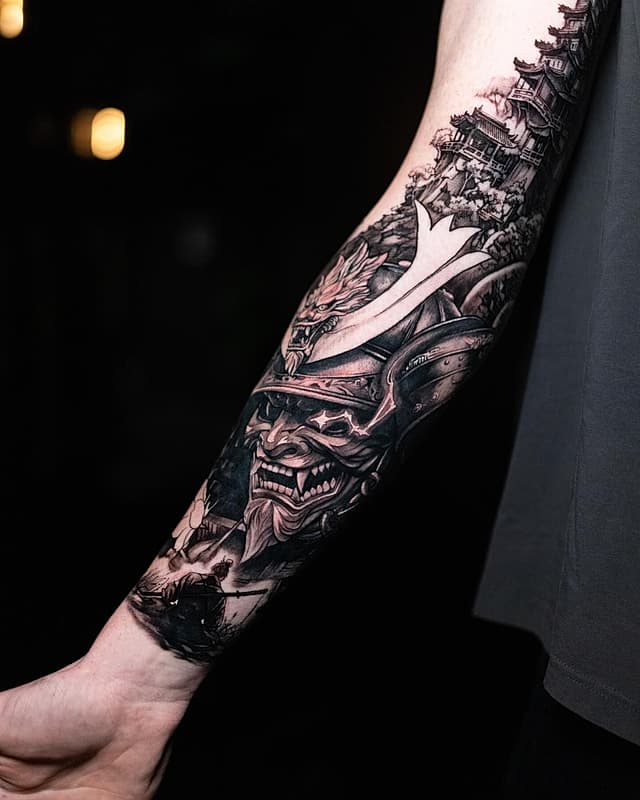
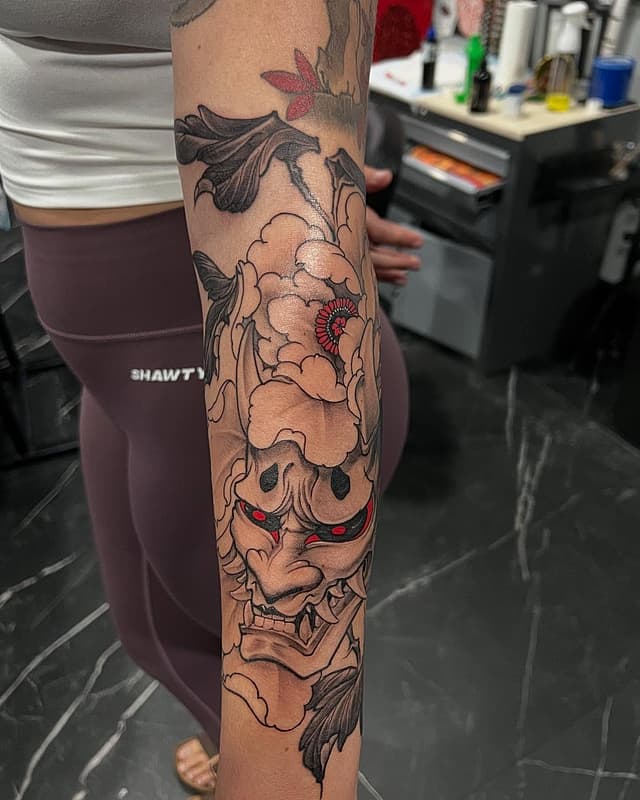
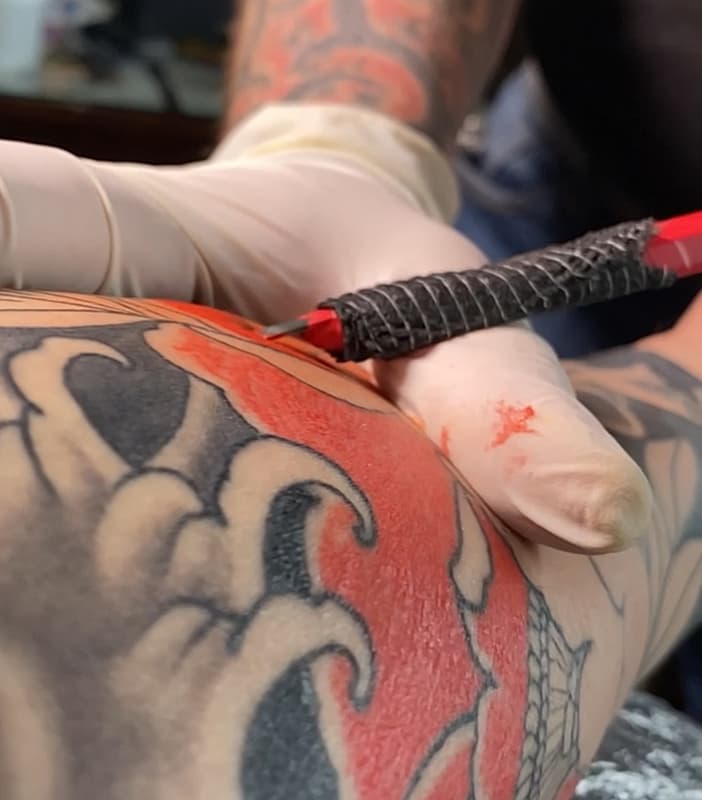
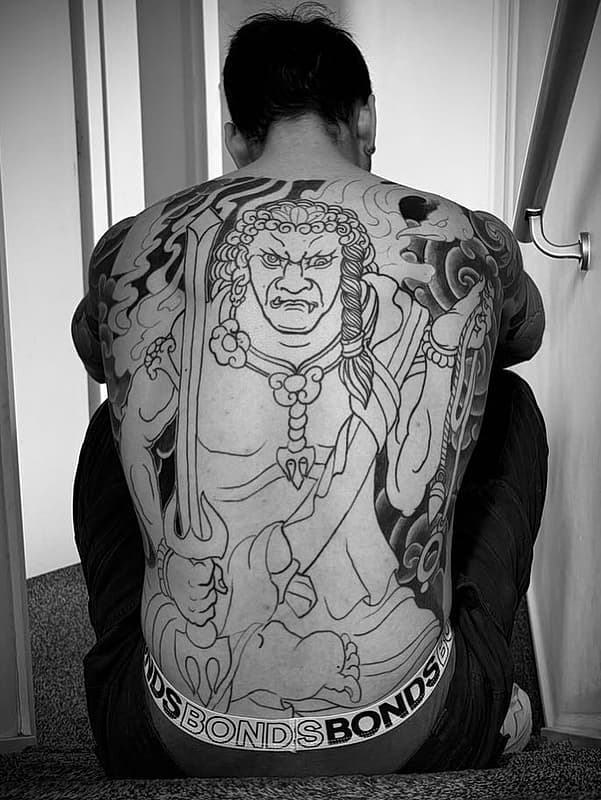
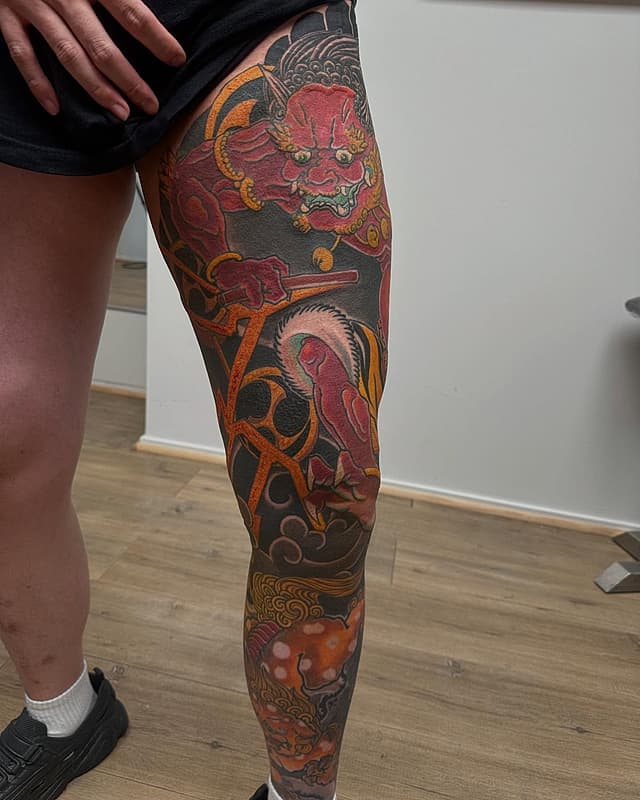
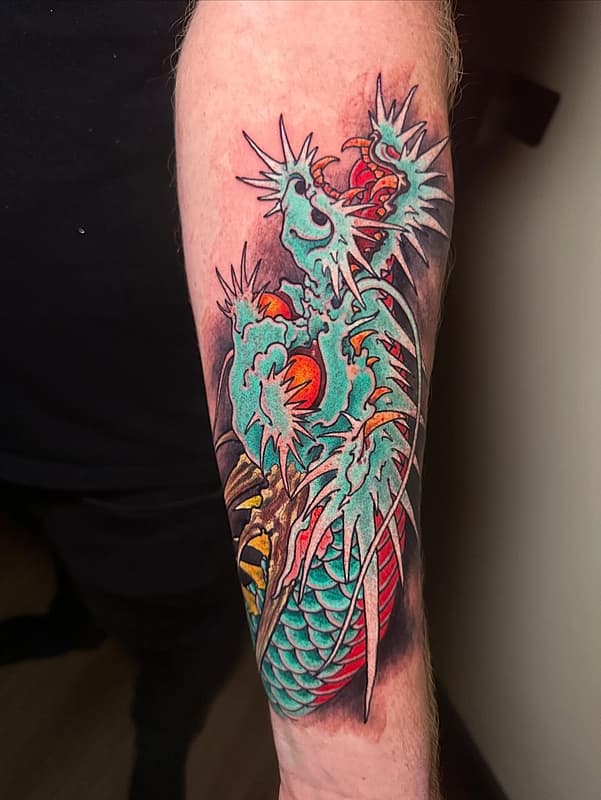
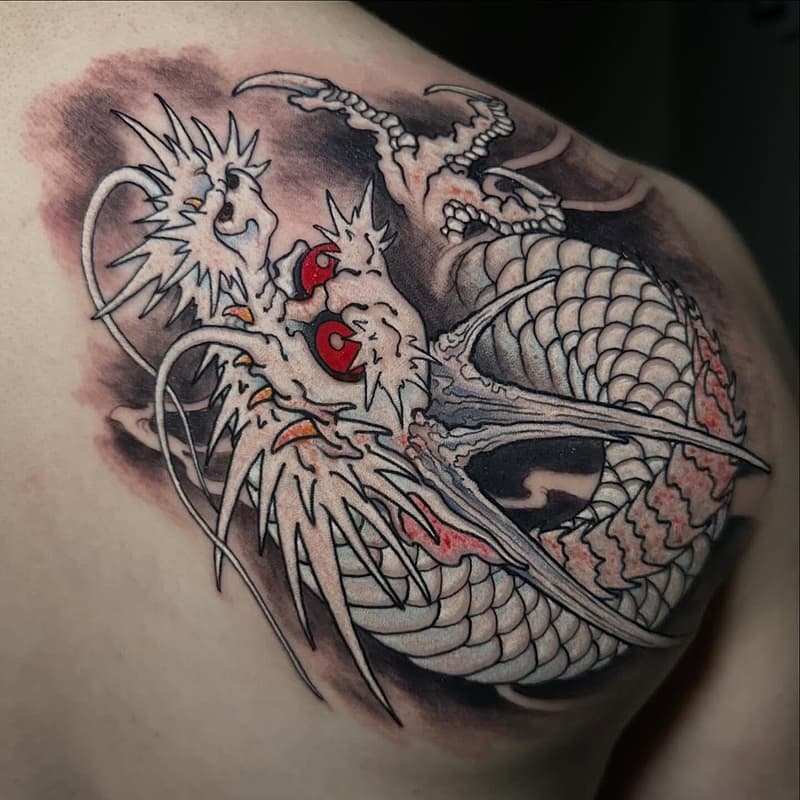
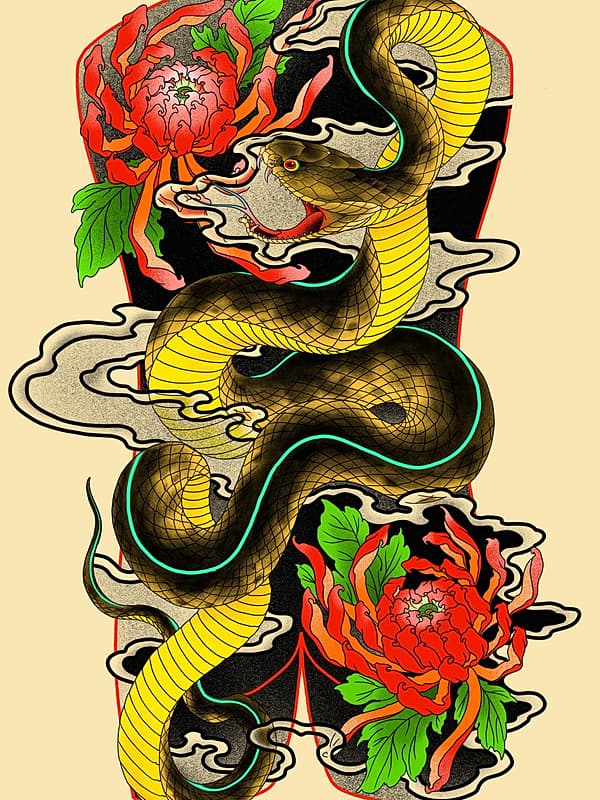
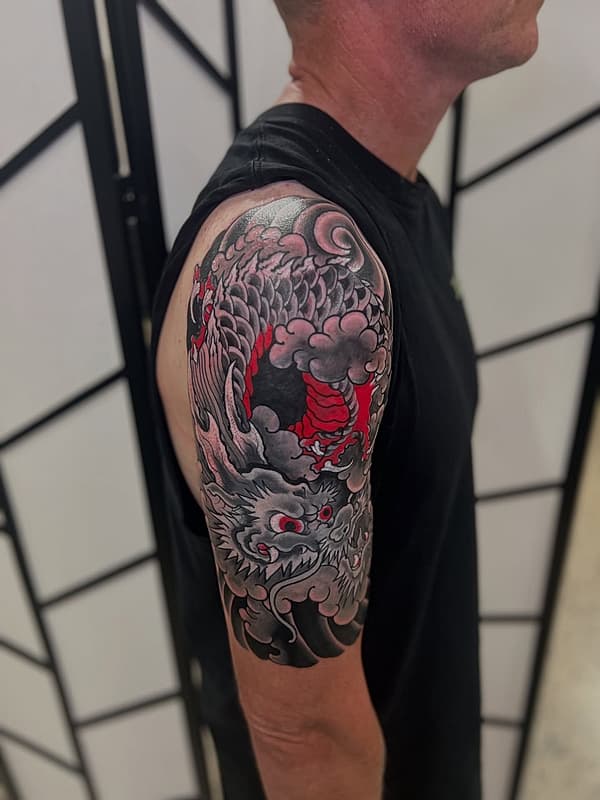
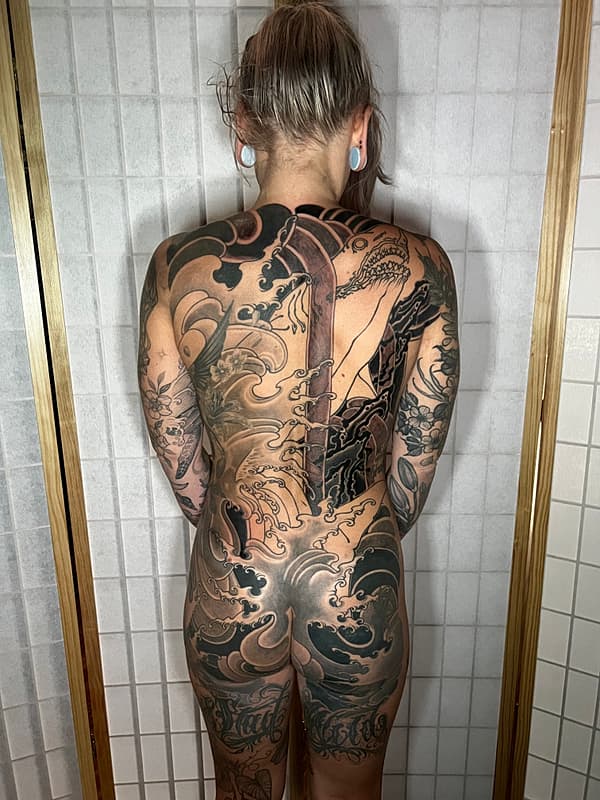
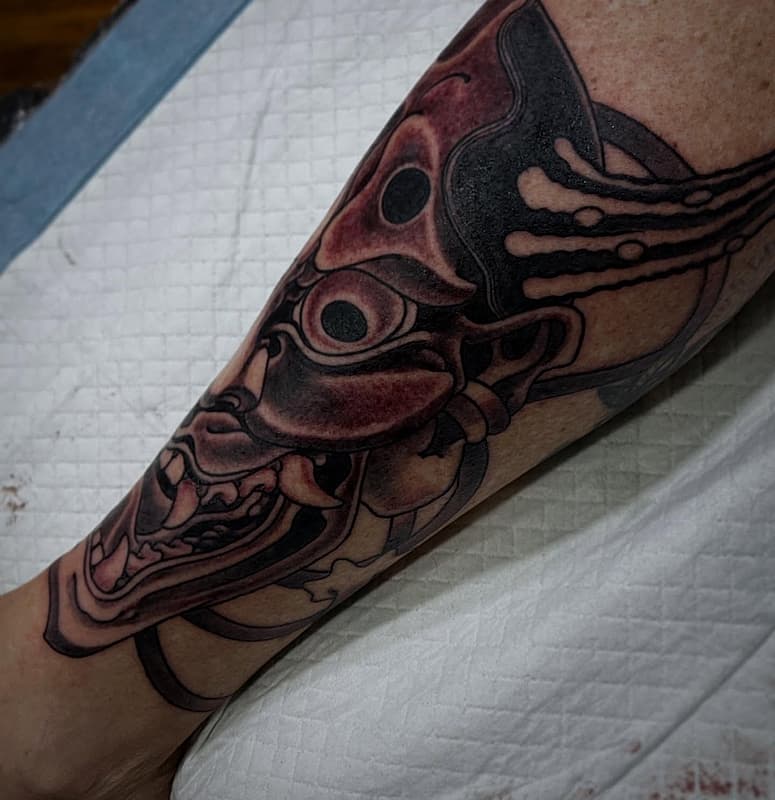
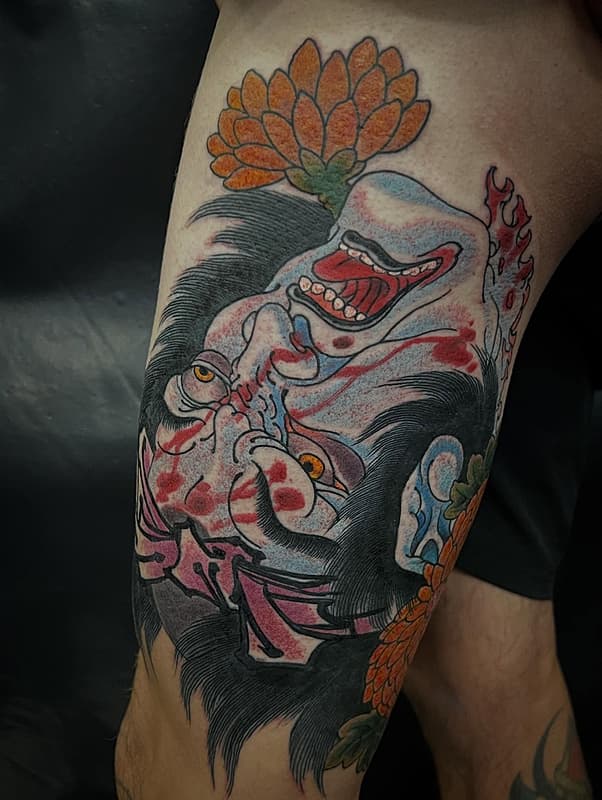
Japanese tattooing, often called Irezumi, is one of the oldest continuous tattoo traditions still practised today. It has its own visual grammar: bold outlines, flowing composition that follows the body's shape, and a defined set of recurring subjects: dragons, koi, tigers, snakes, cherry blossoms, waves, and clouds among them. These motifs aren't decorative filler. Each one carries general associations that have developed over a long history, and understanding them helps you choose imagery that actually means something to you, rather than just looking striking.
It's worth being upfront about scope here: Irezumi has deep cultural roots in Japan, including periods of stigma and association with specific subcultures, and specific historical claims vary by source. This guide keeps to the general, widely agreed meanings of common motifs rather than asserting precise historical origins. If a particular motif or story matters to you, it's worth researching further before committing.
Common motifs and their general meanings
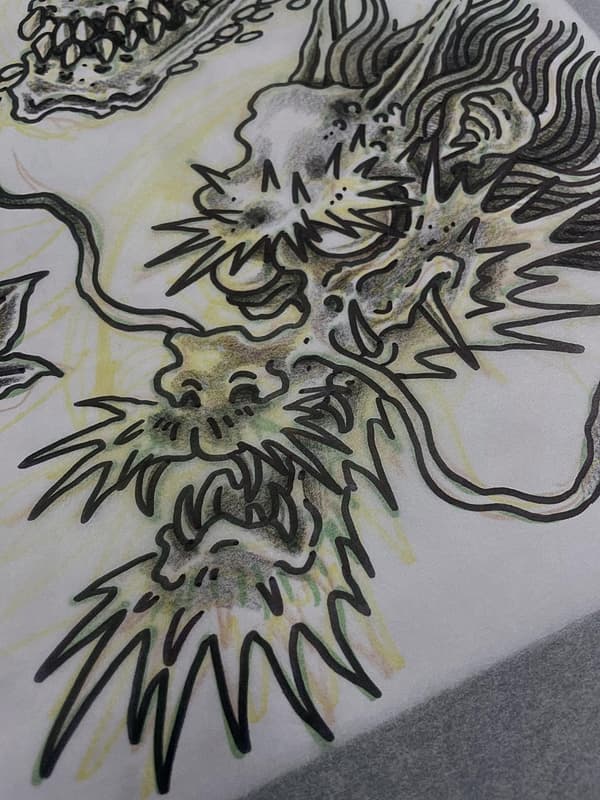
Dragons are broadly associated with wisdom, strength, and benevolent power. In this tradition they tend to read as protective rather than purely fearsome. Koi fish are strongly linked to perseverance and determination, tied to a well-known story of a koi swimming upstream against hardship. A koi swimming upward often represents striving toward a goal; swimming downward is sometimes read as having achieved it.
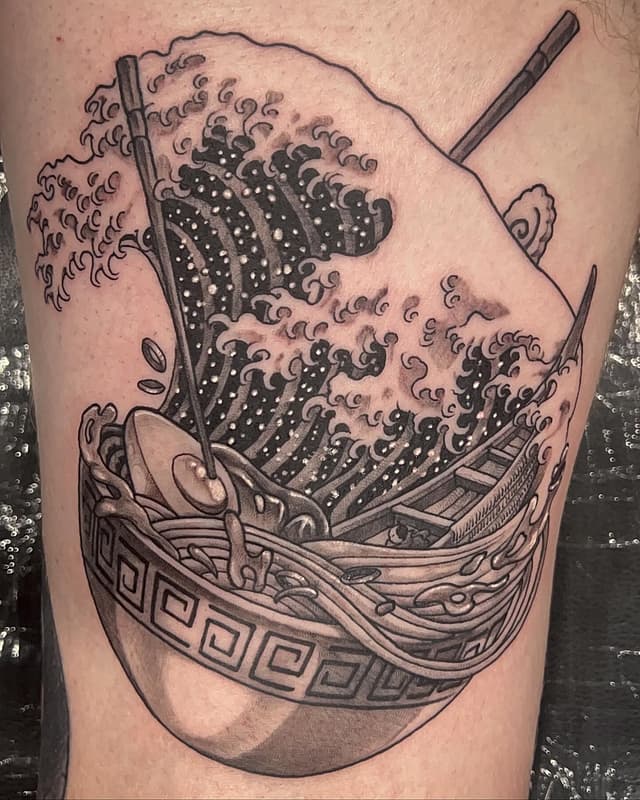
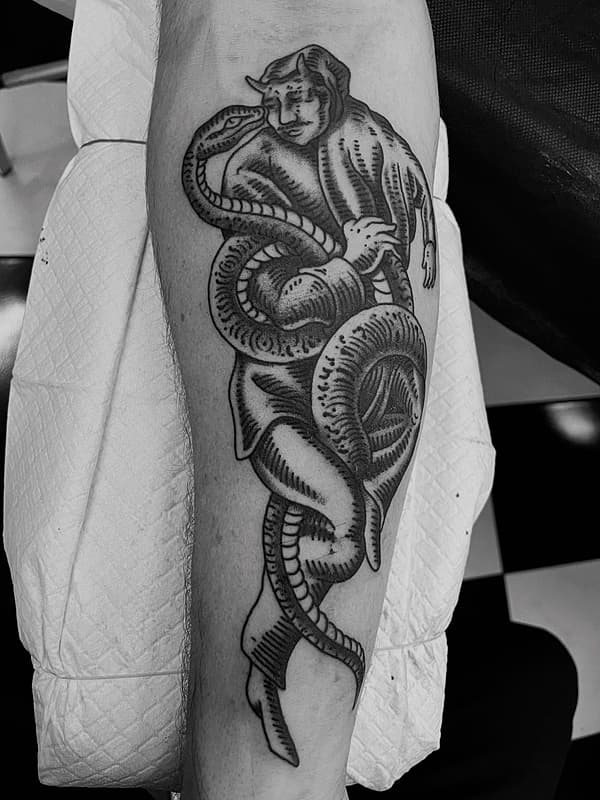
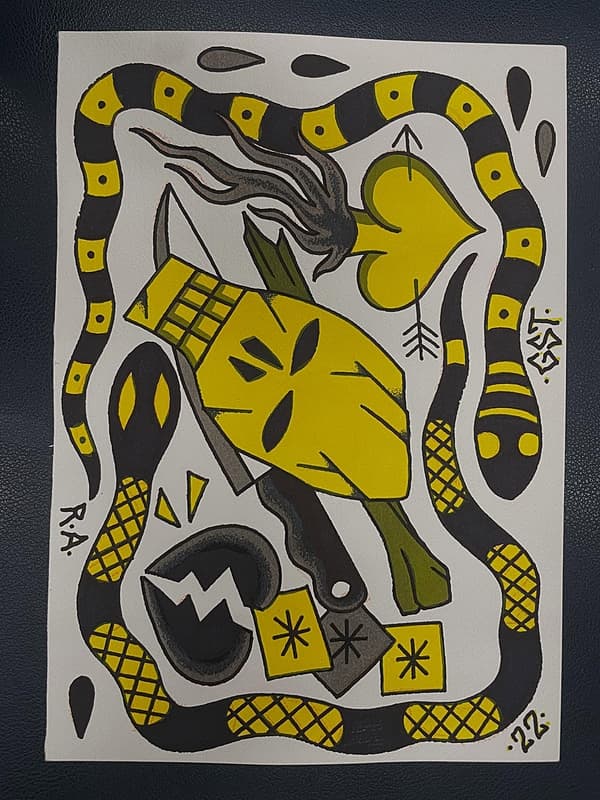
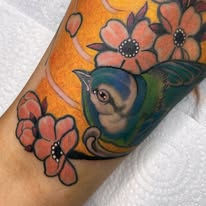
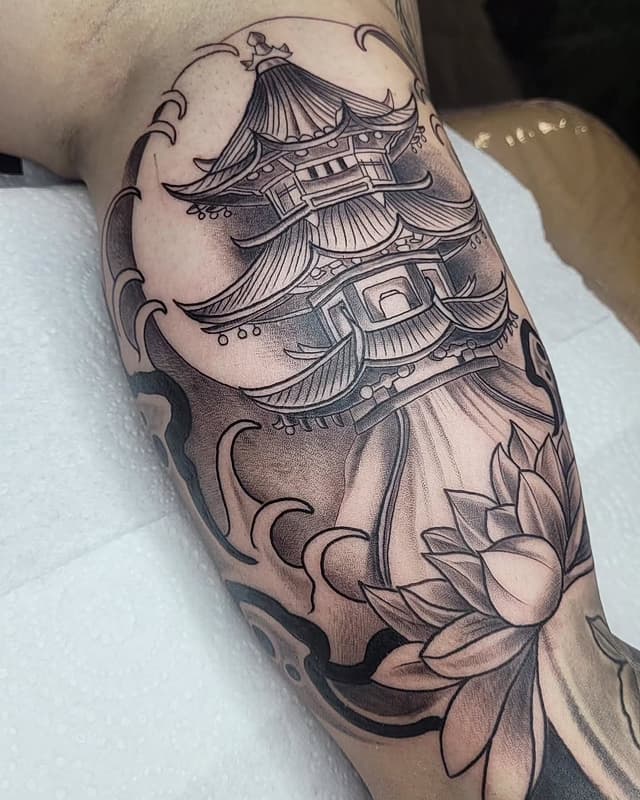
Tigers generally represent courage and strength, and are traditionally paired against other imagery like dragons to depict a balance of forces. Snakes are associated with protection, healing, and transformation, tied to shedding skin. Cherry blossoms (sakura) represent the beauty and impermanence of life. They bloom briefly and fall, which is the whole point. Waves, especially in the style associated with Hokusai's woodblock prints, generally suggest the power and unpredictability of nature, and are frequently used as a background element tying a full piece together.
These are general associations, not fixed rules. Meaning in a tattoo is also personal. Plenty of people choose a motif because it resonates with their own story, separate from the traditional symbolism.