A photograph shrunk to the size of a coin
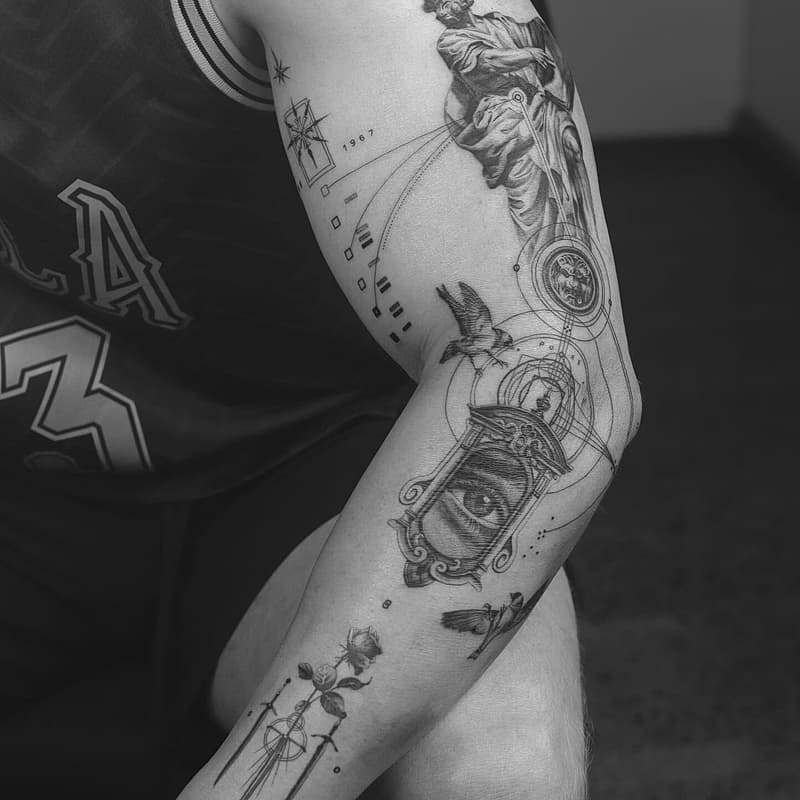
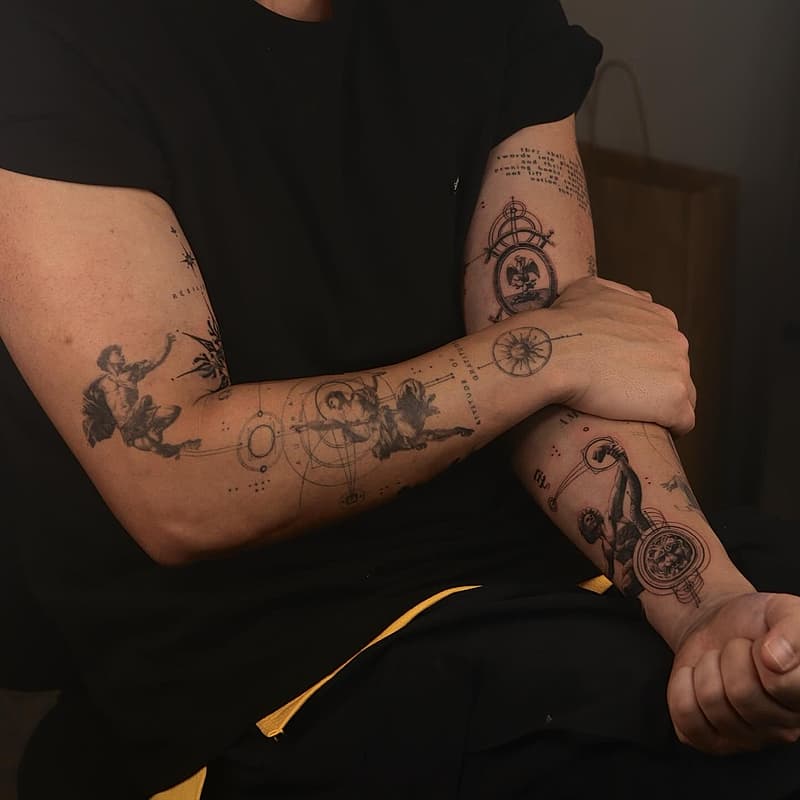
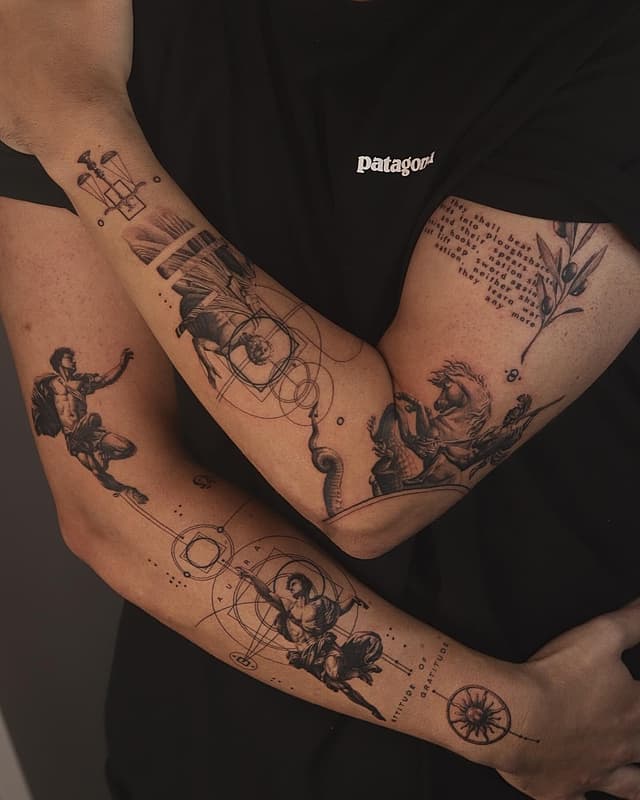
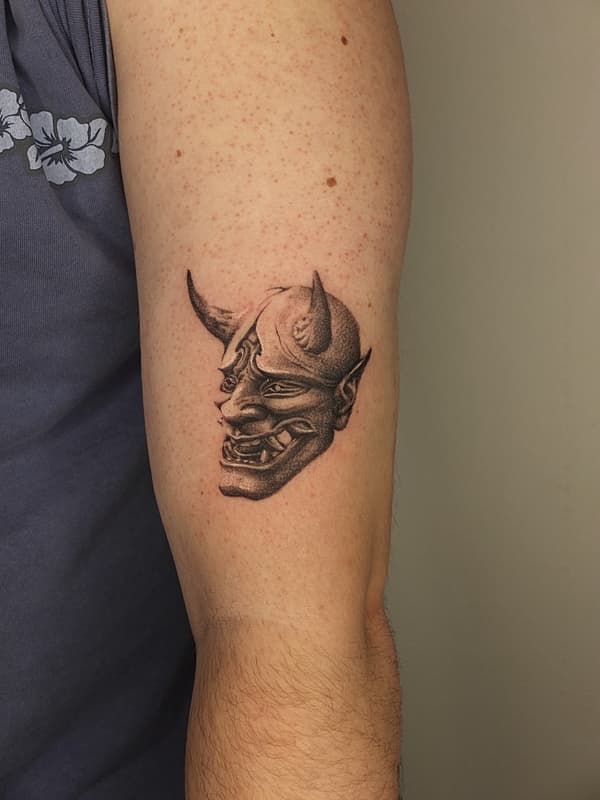
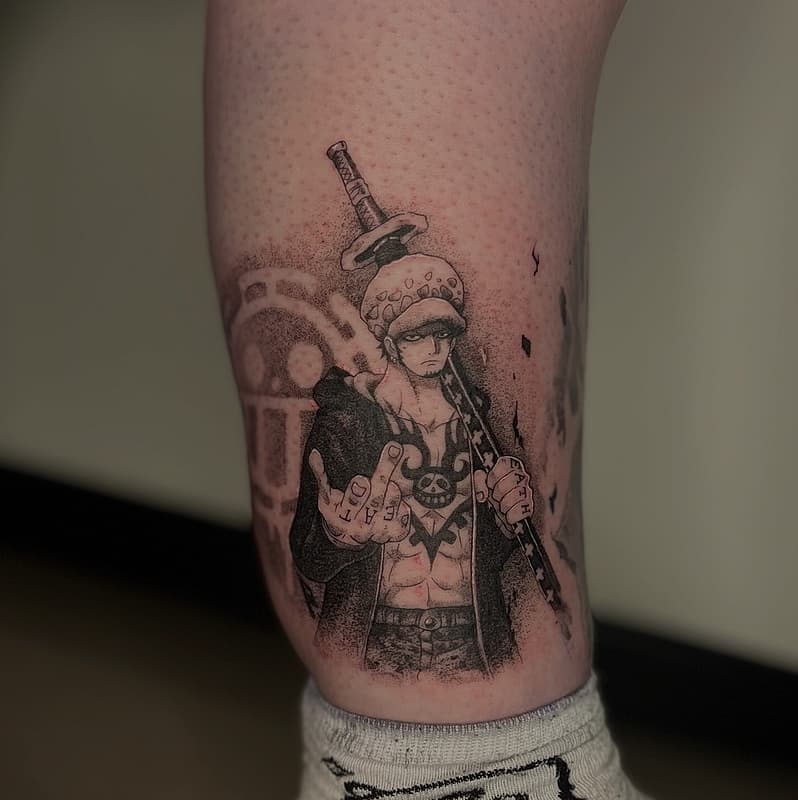
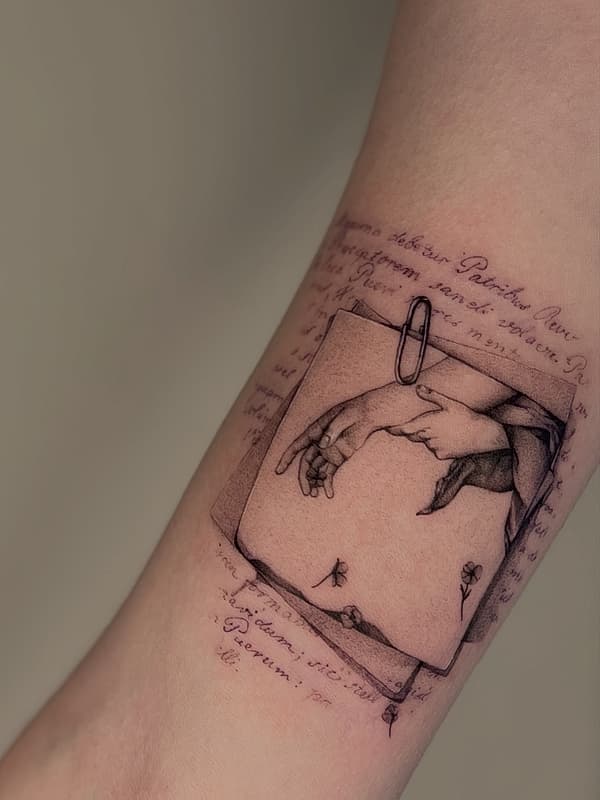
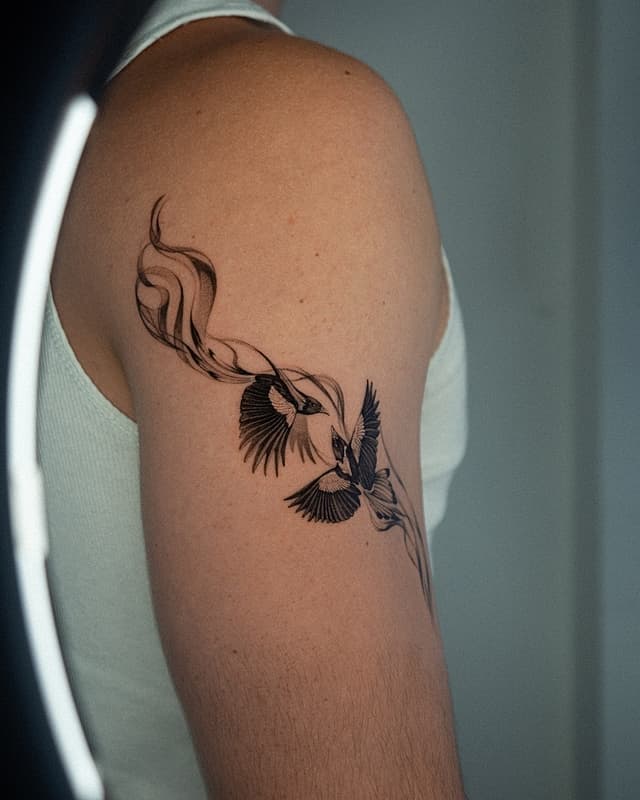
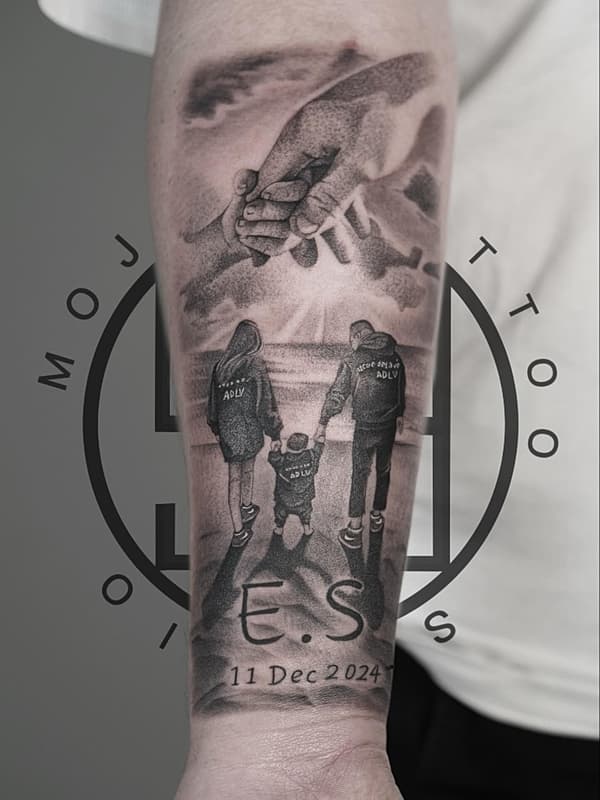
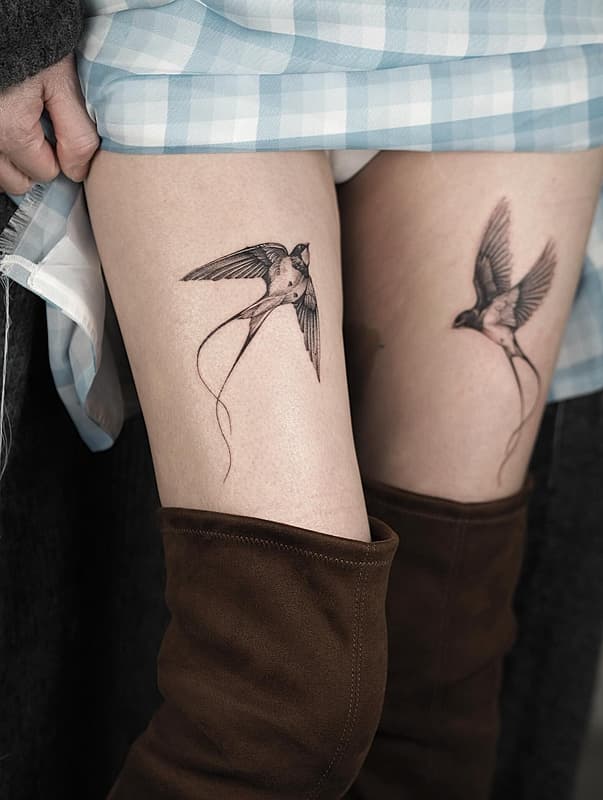
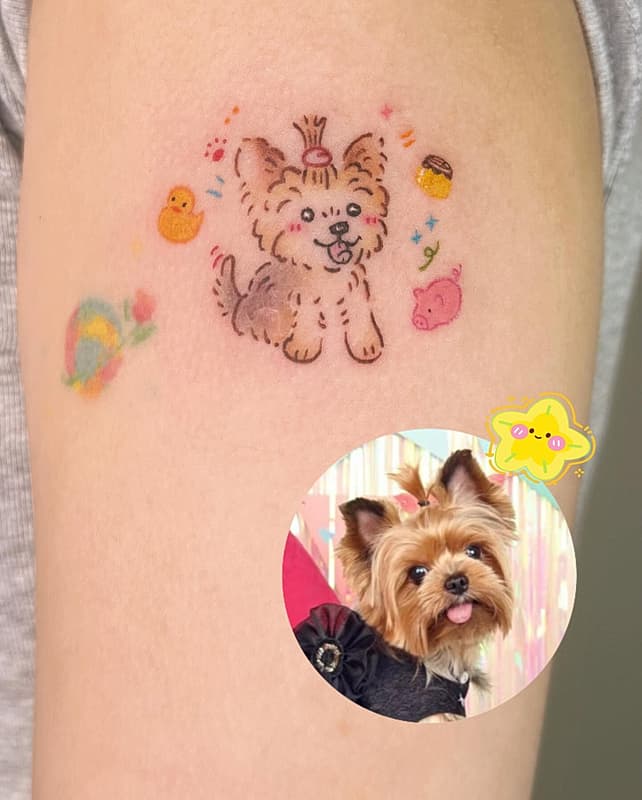
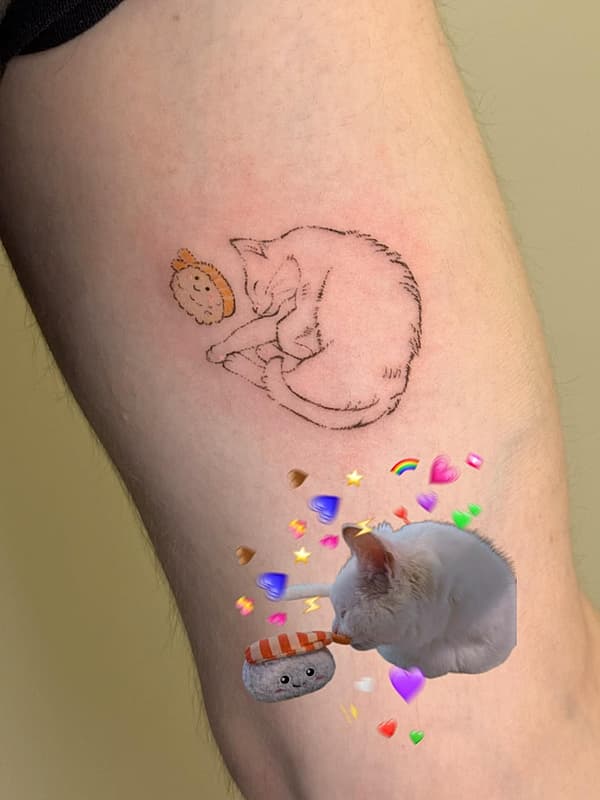
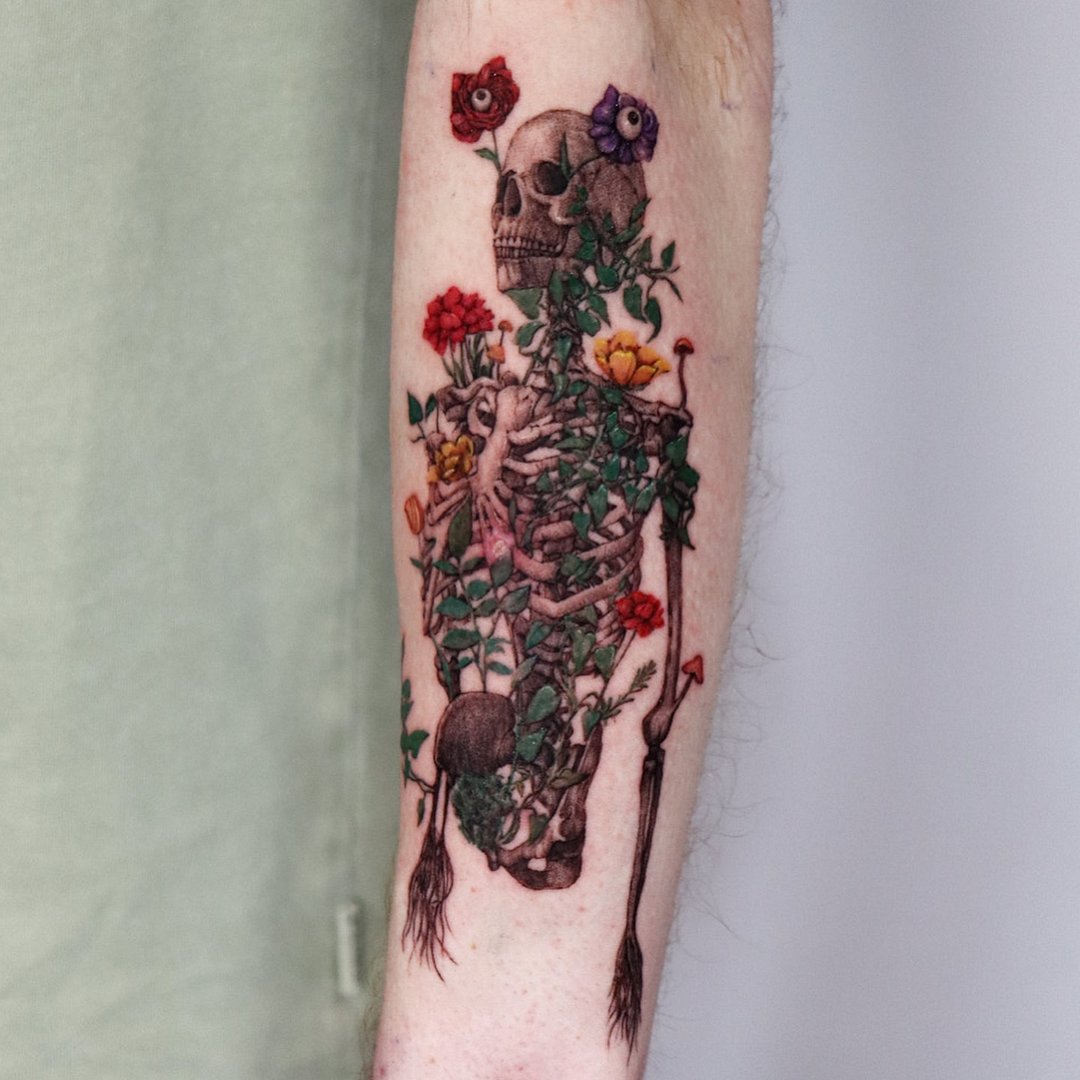
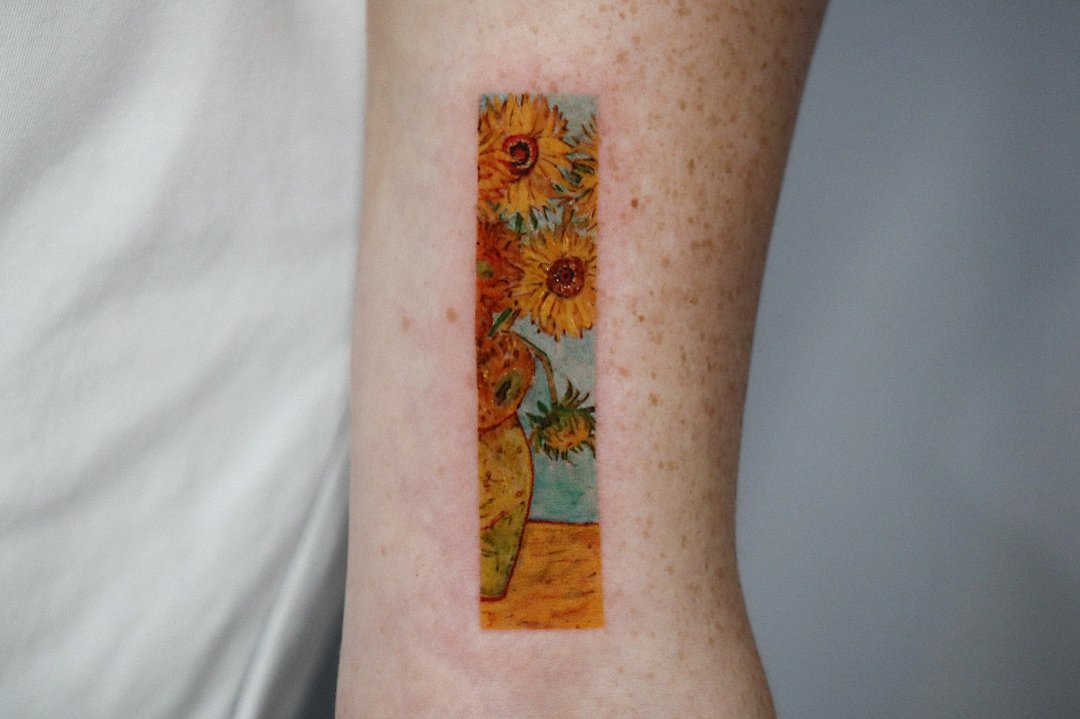
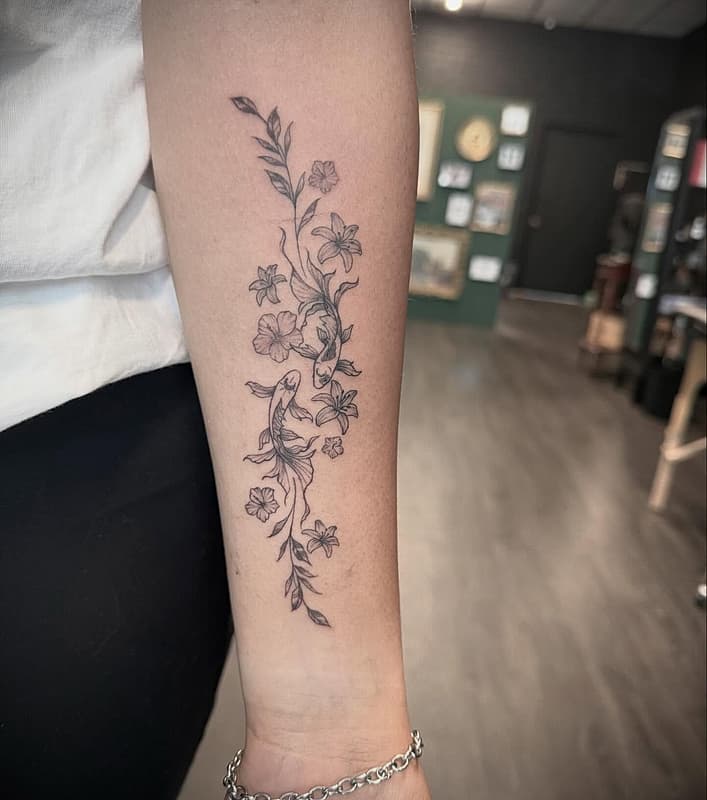
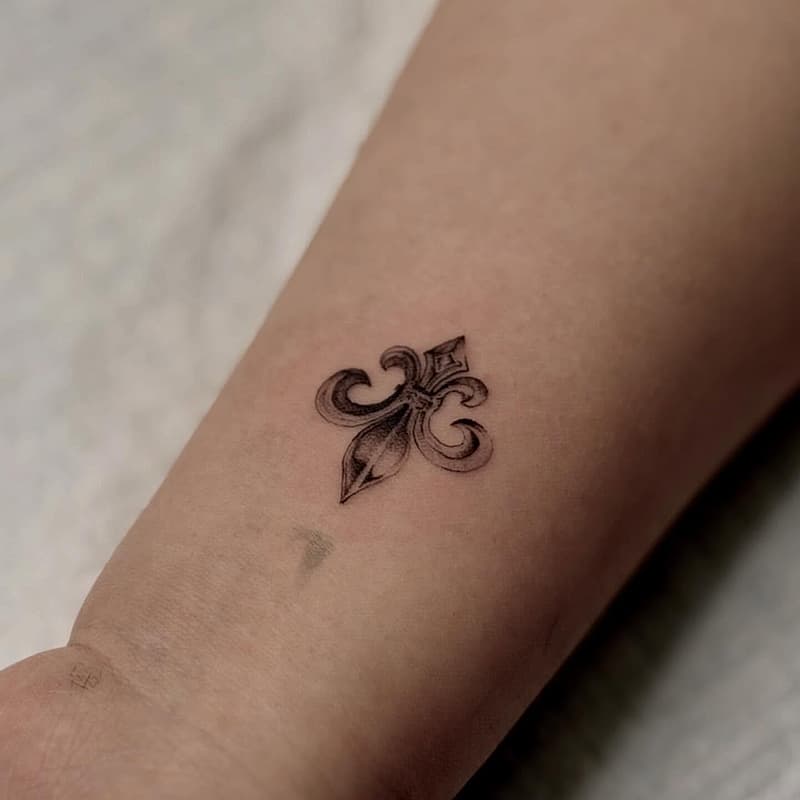
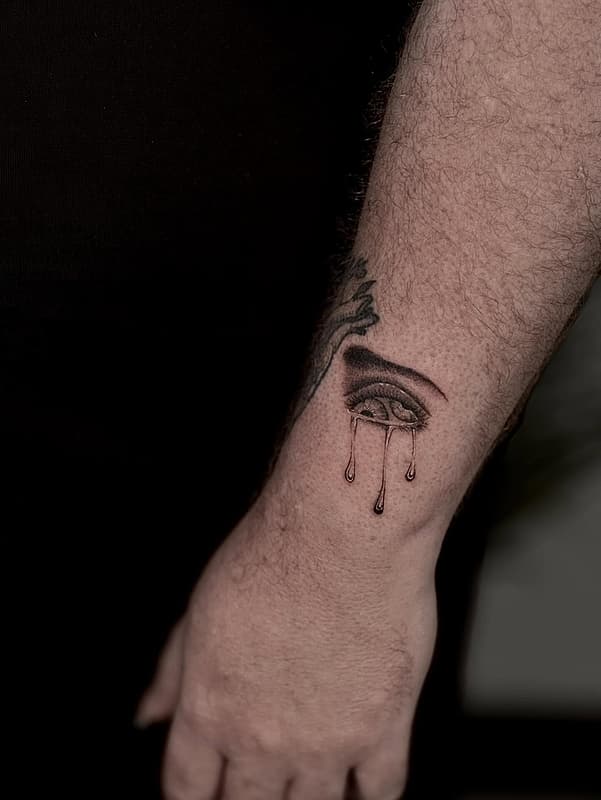
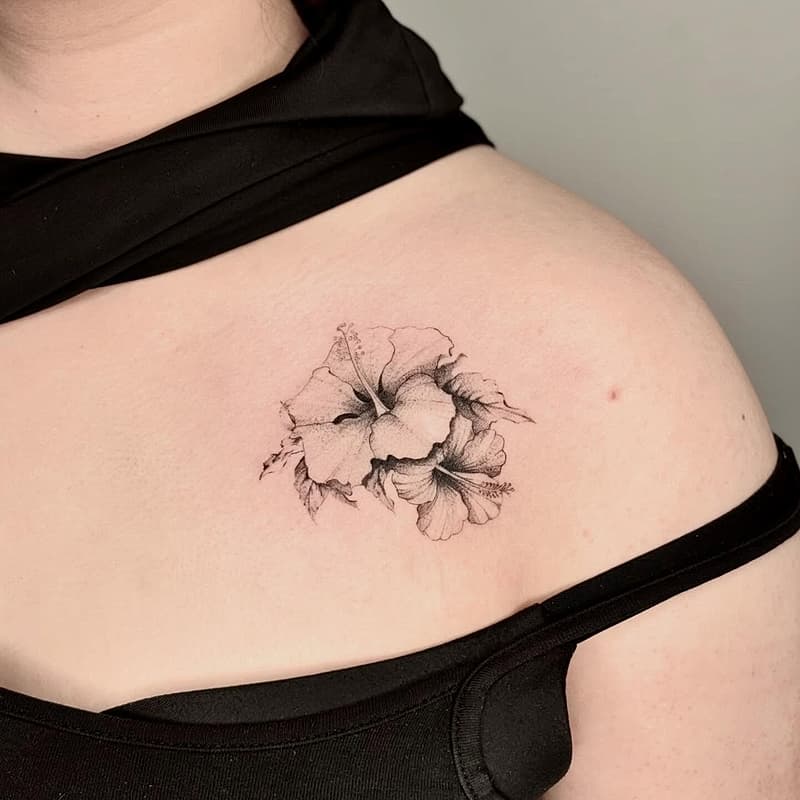
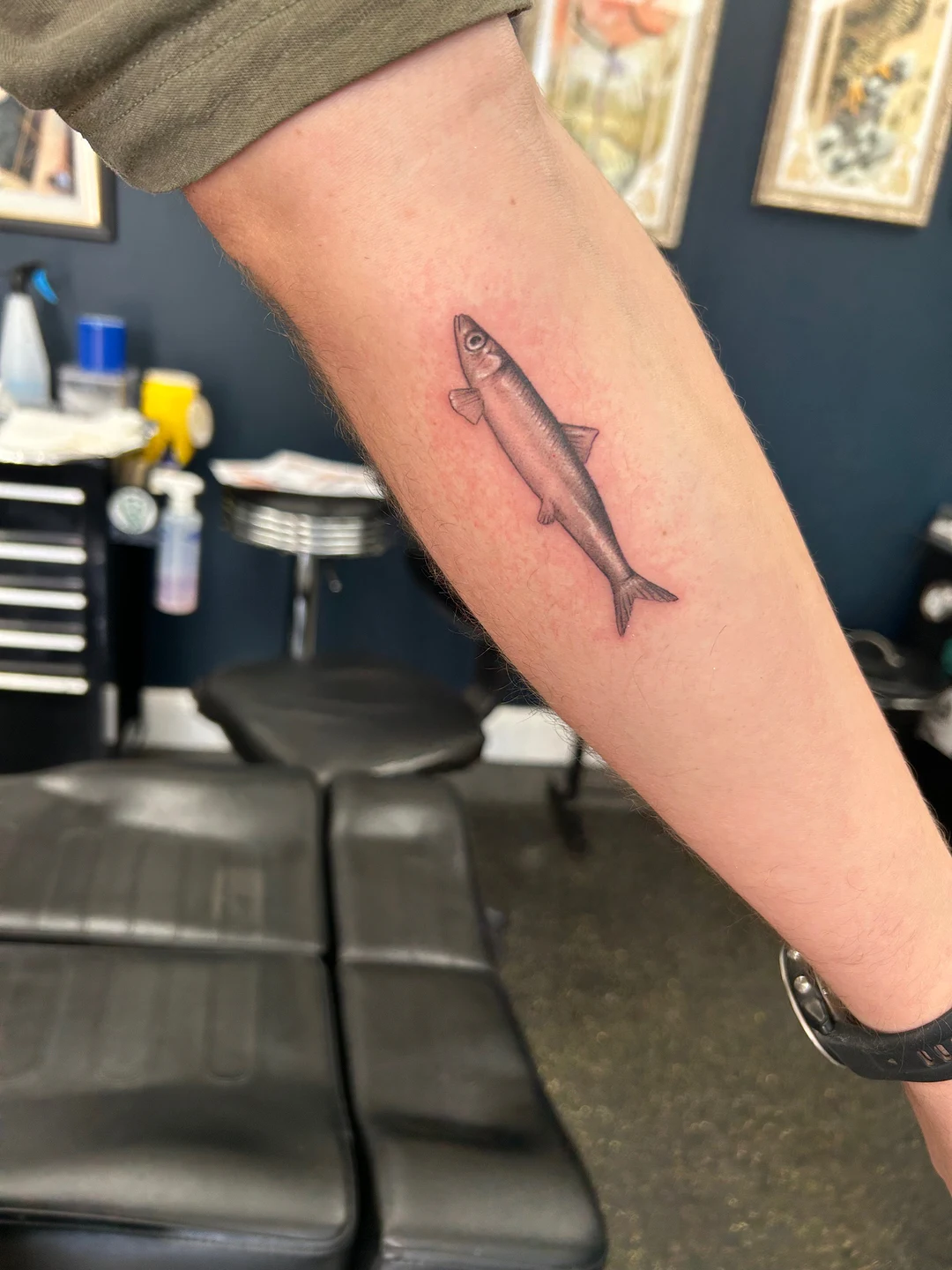
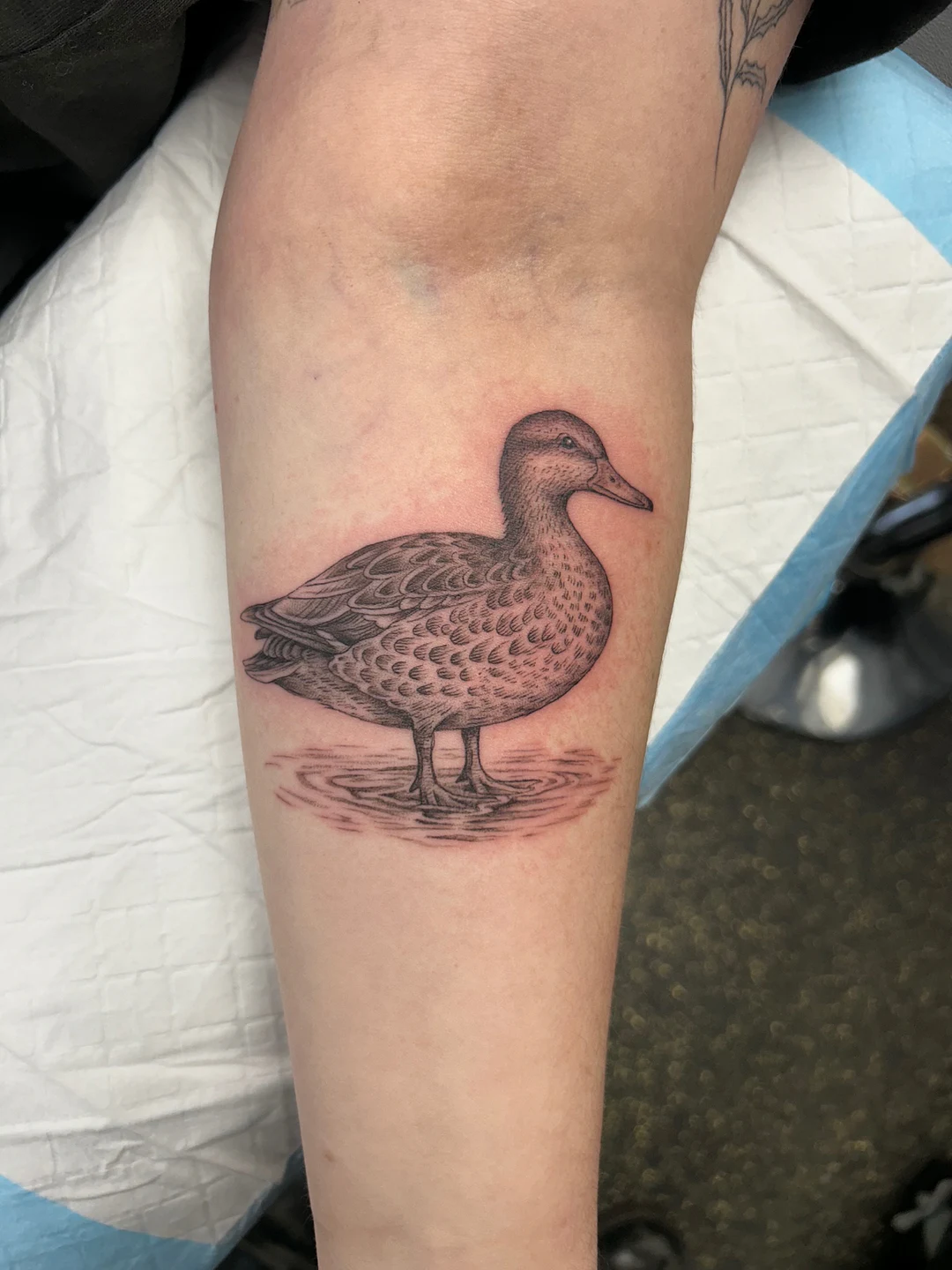
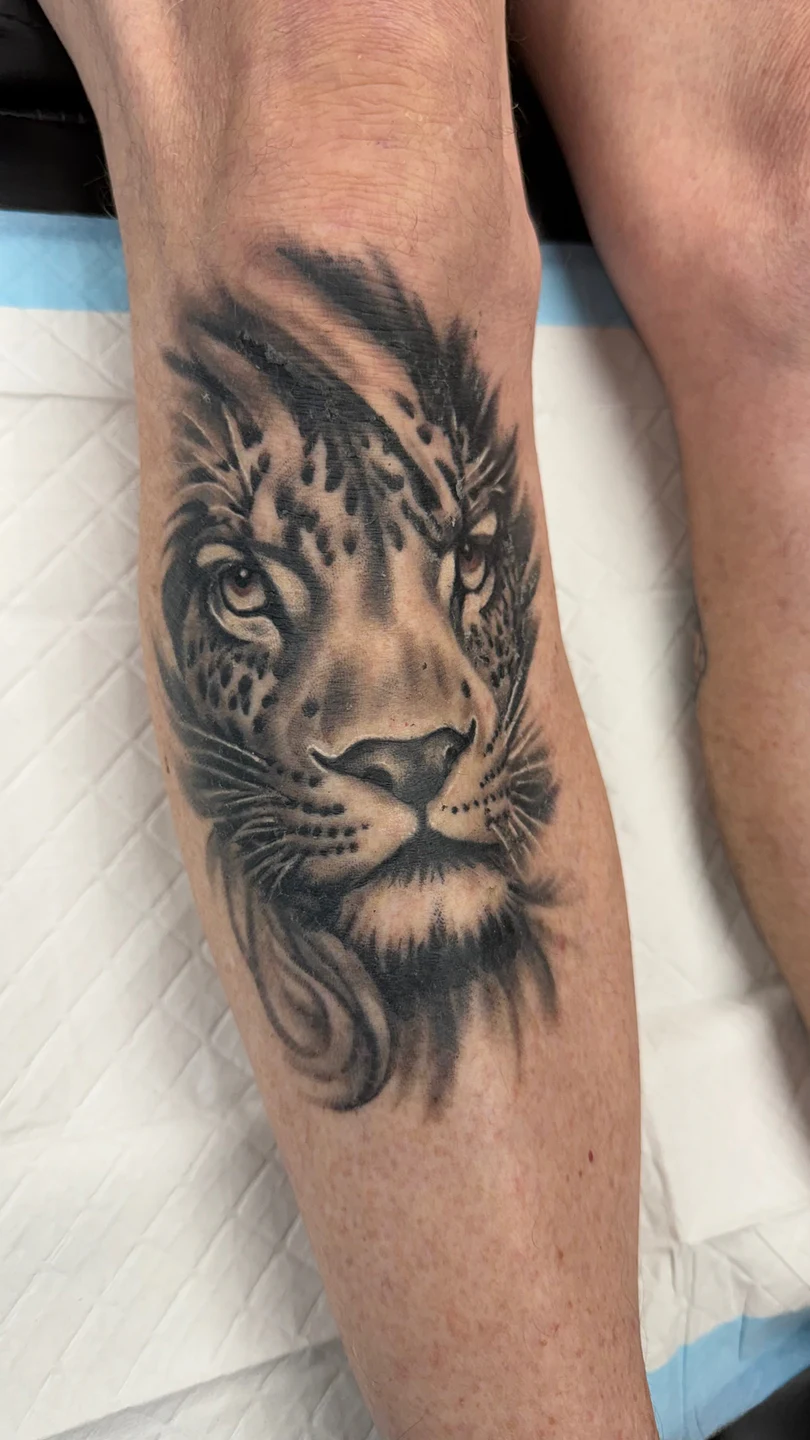
Micro realism is realistic tattooing at very small scale: pet portraits, faces, tiny landscapes and objects rendered with full gradients and shading in a piece a few centimetres across. It's the fastest-growing style on Instagram and TikTok right now, and pet portraits with floral detail are its signature piece.
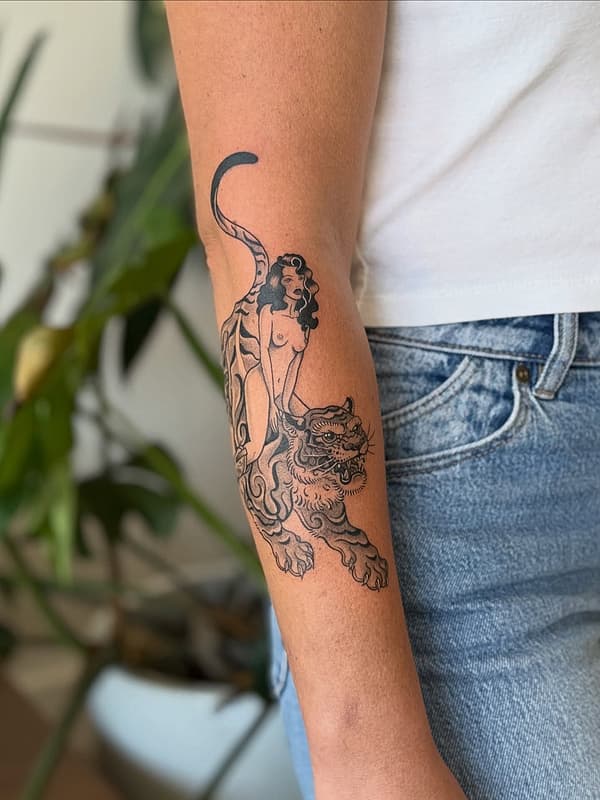
It gets confused with fine line, but they're different disciplines. Fine line is precise drawing: thin outlines, minimal shading. Micro realism is a compressed photograph: soft gradients, shadow mapping, almost no visible linework. An artist can be excellent at one and mediocre at the other.
The blur debate, honestly
You'll find artists online insisting micro realism turns into a smudge within a few years, and specialists posting clean ten-year heals to prove them wrong. Both are telling part of the truth. All tattoo ink spreads slightly under the skin over time. In a large piece that spread is invisible. In a piece the size of a coin, packed with detail, there's nowhere for it to go, so badly executed micro realism genuinely does blur into mush.