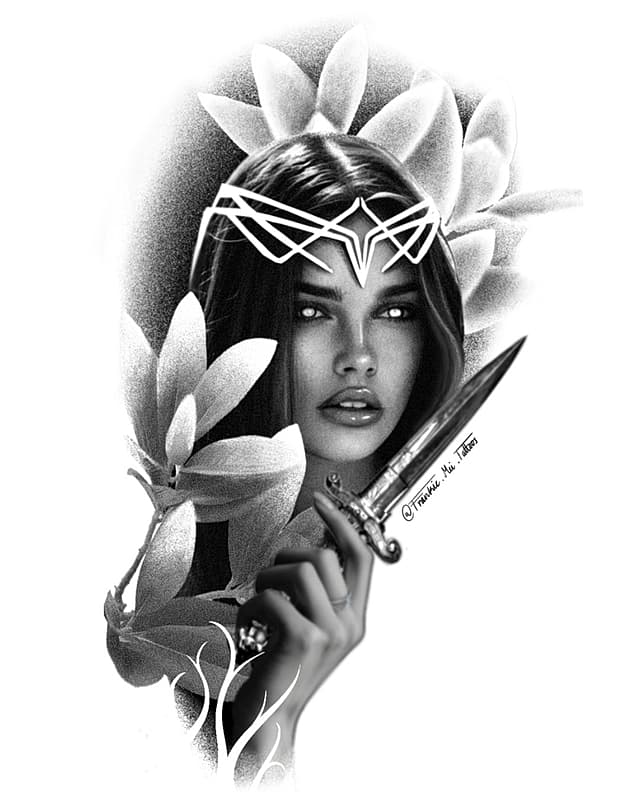
What realism demands
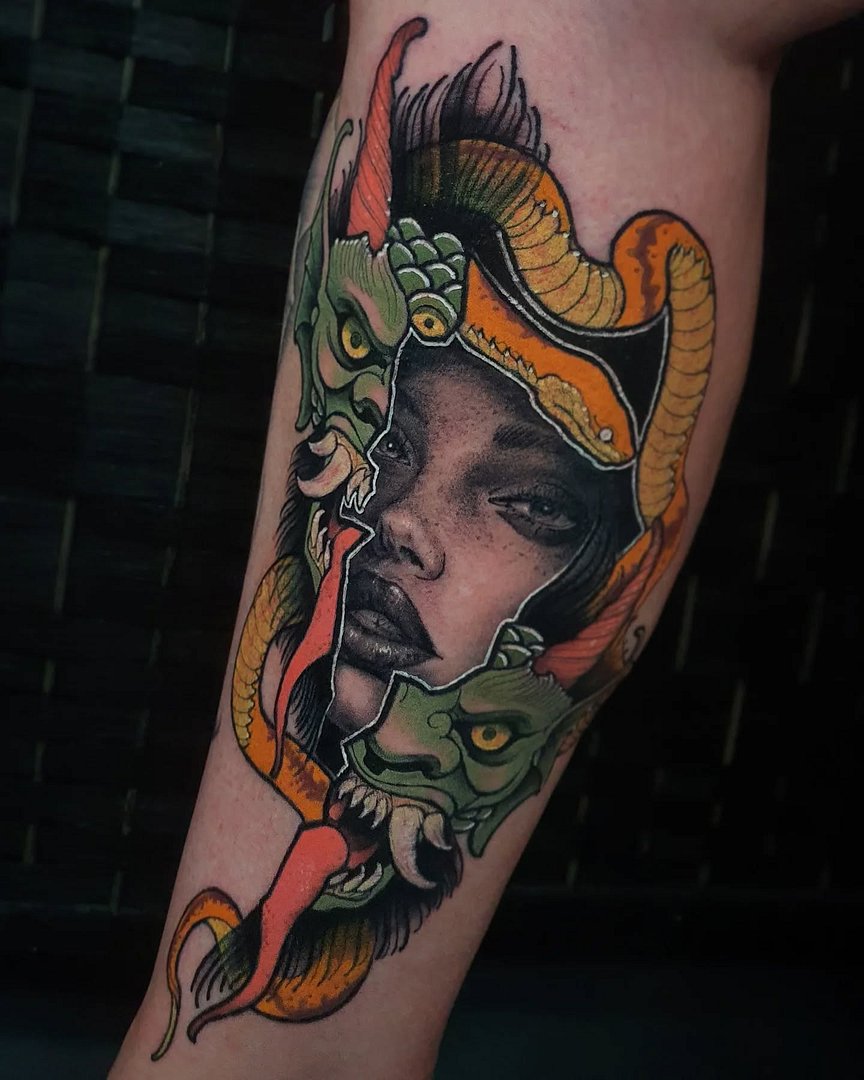
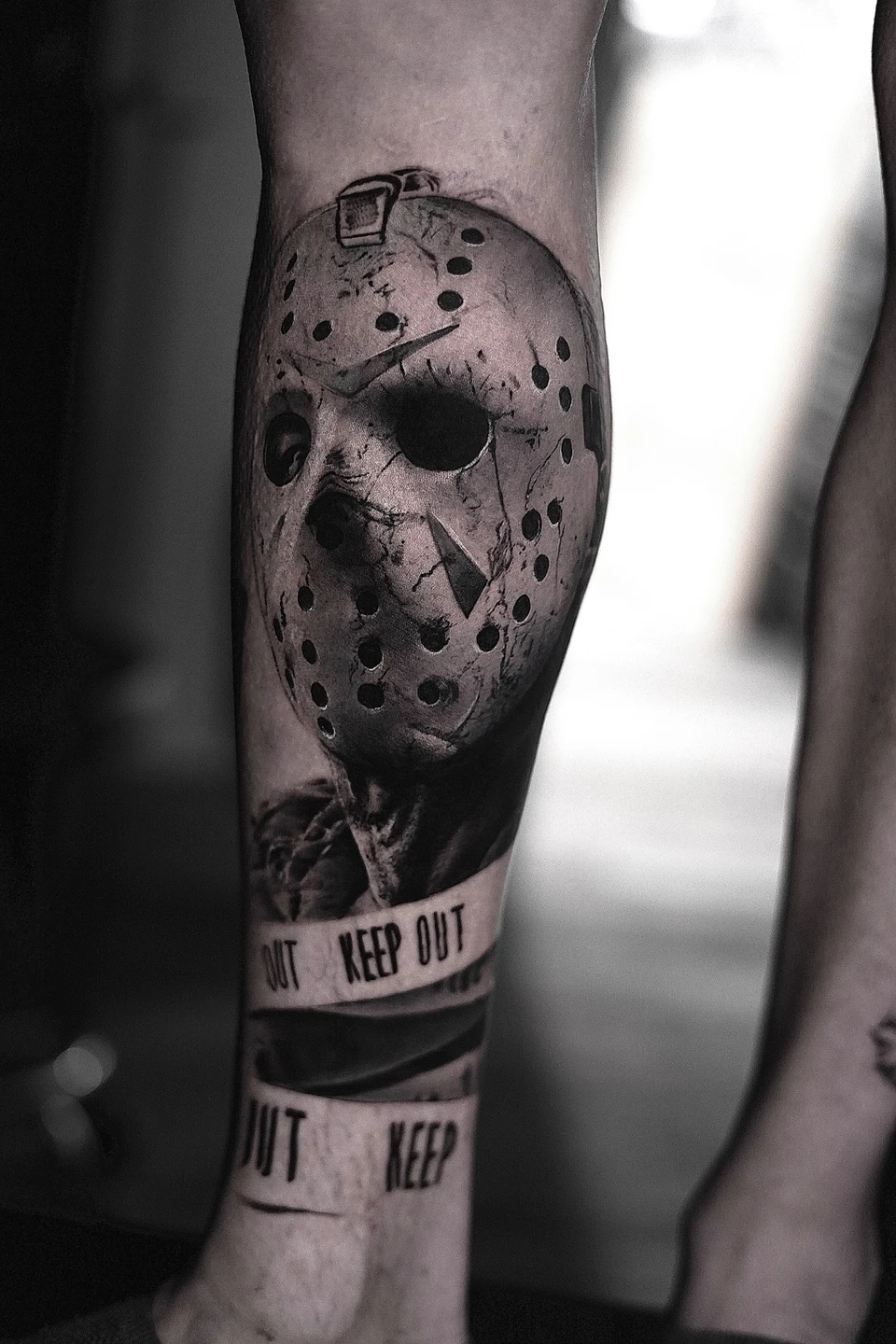
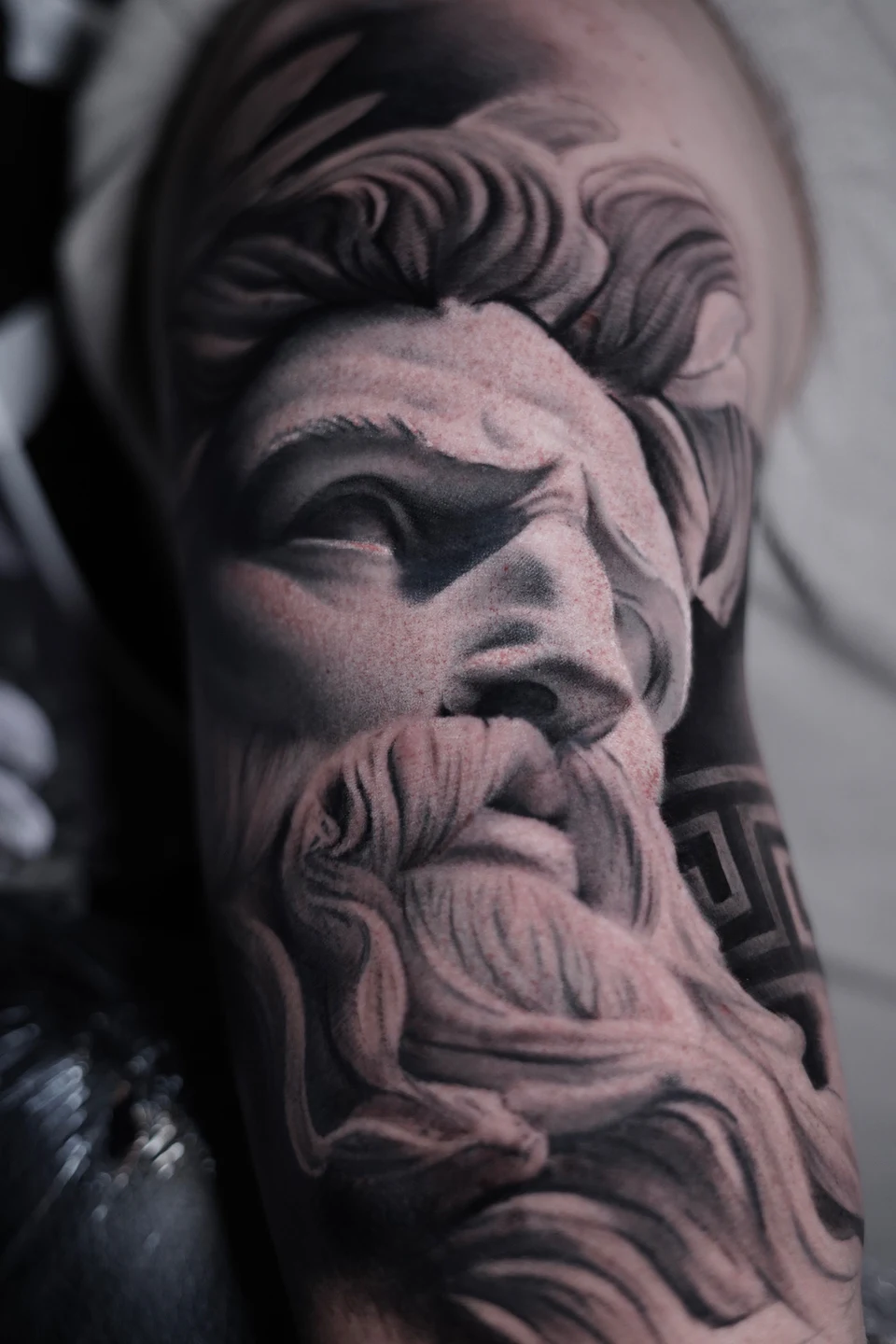
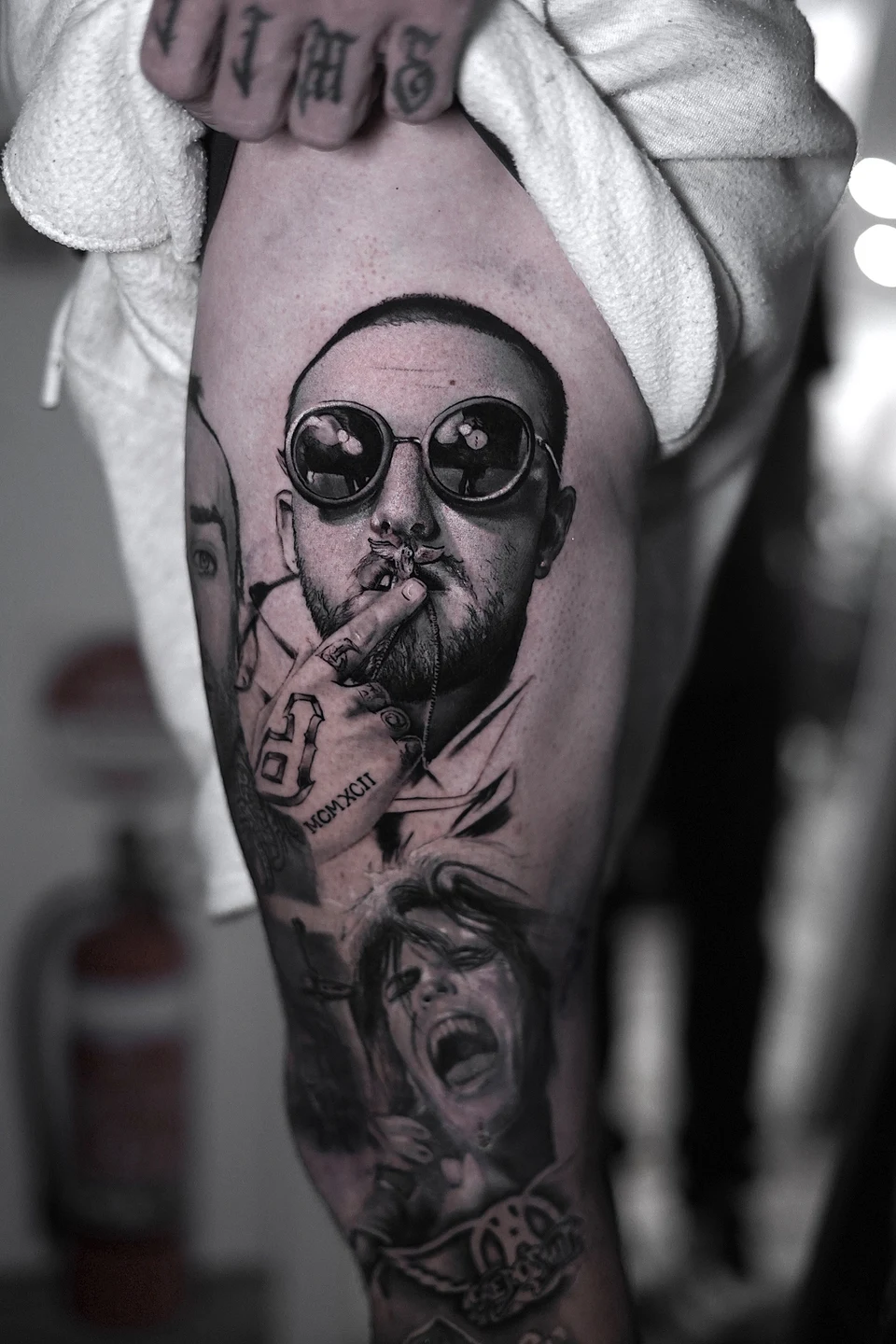
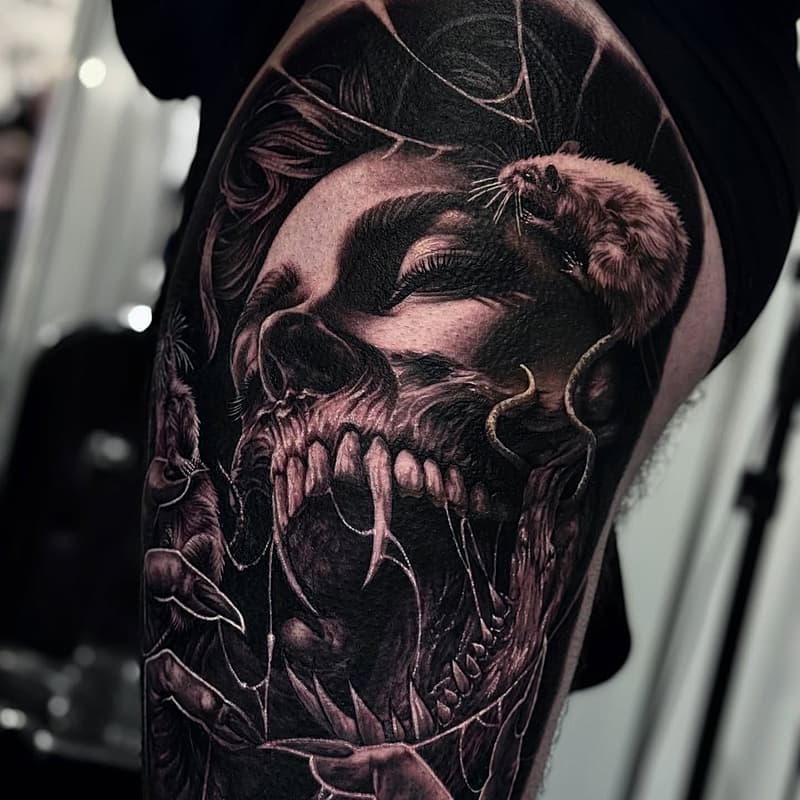
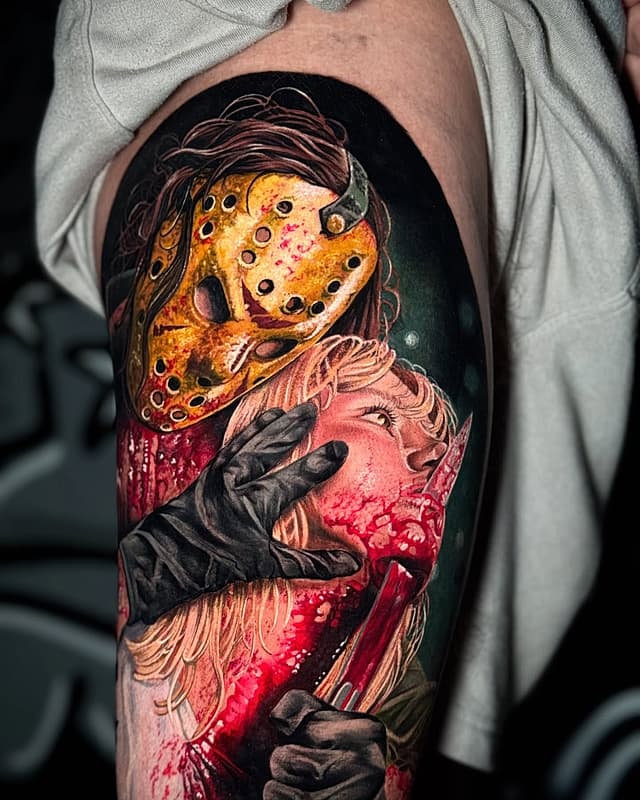
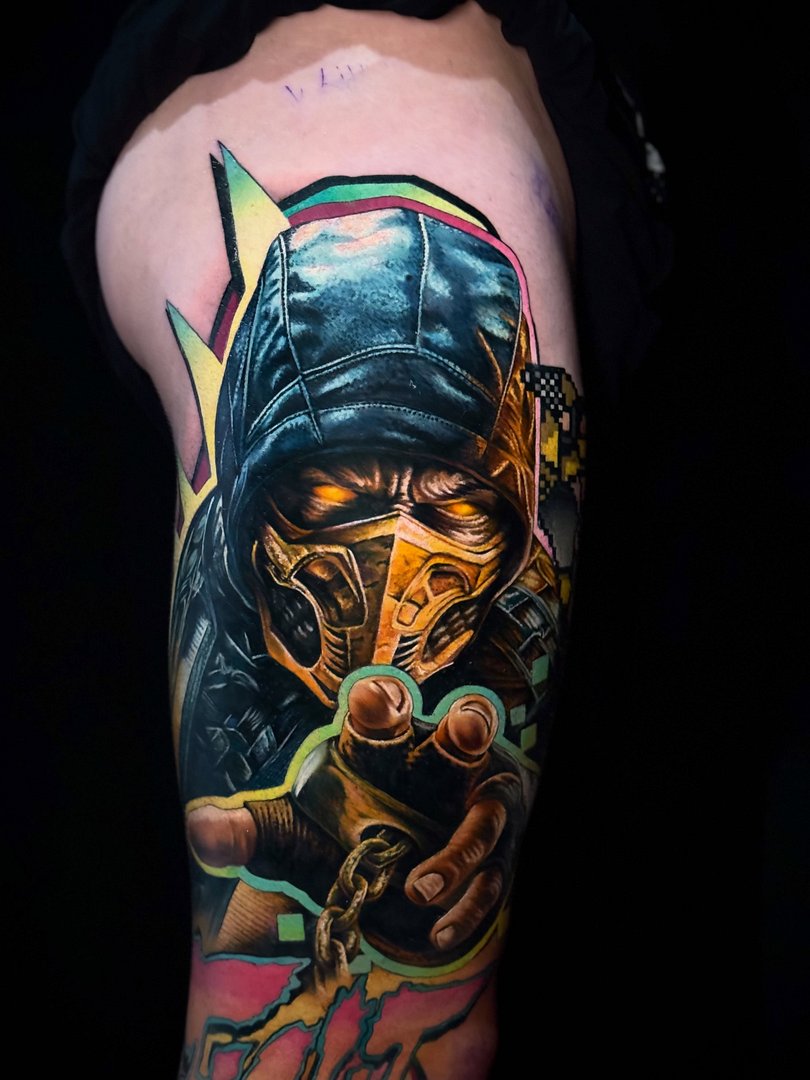
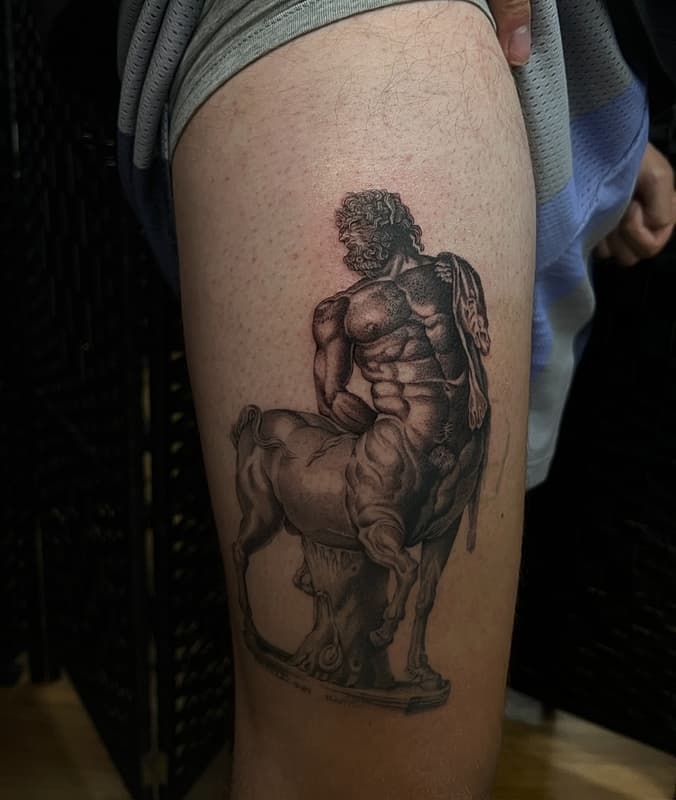
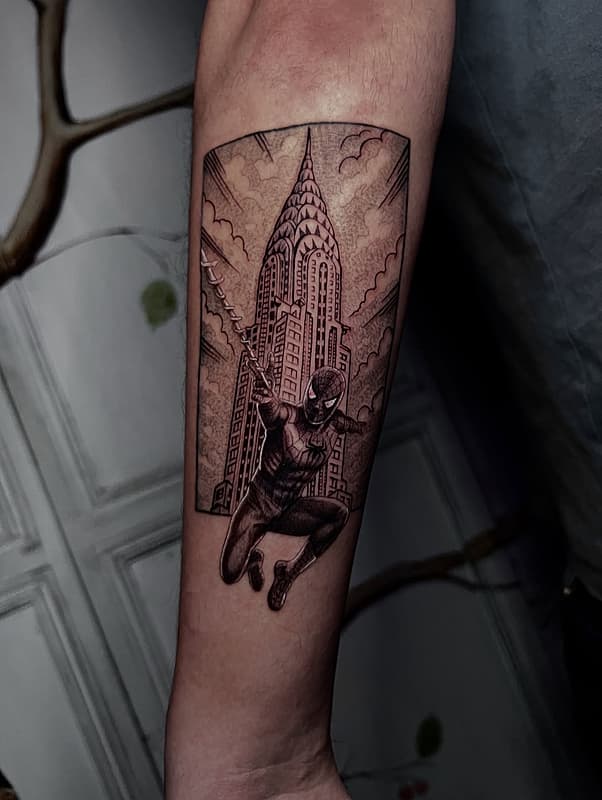
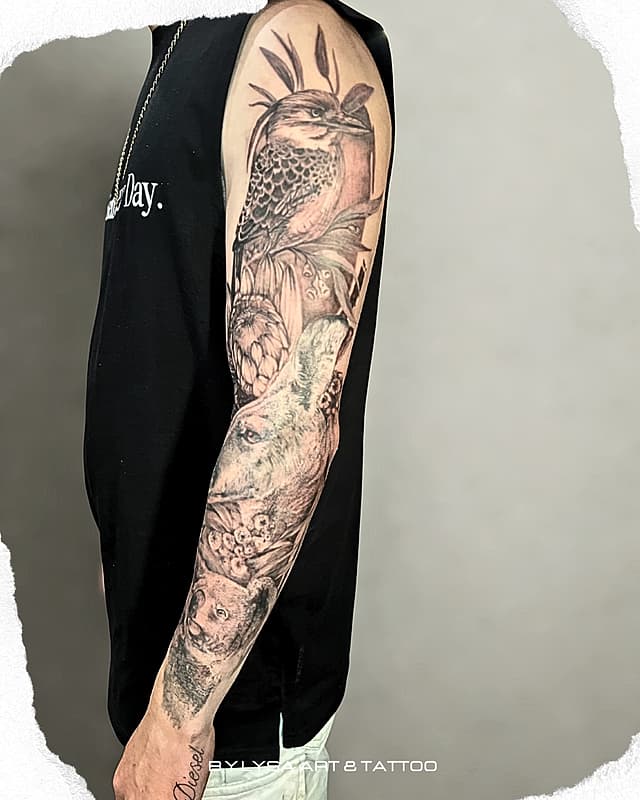
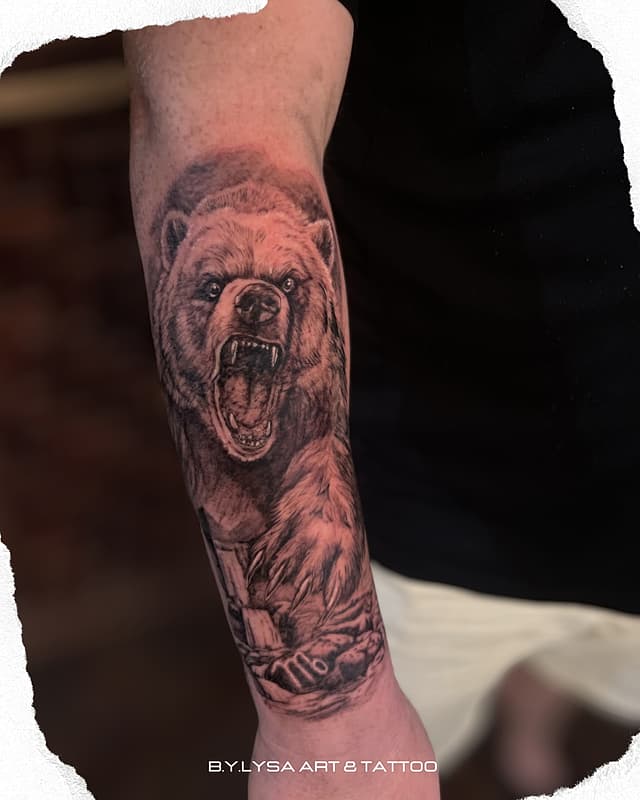
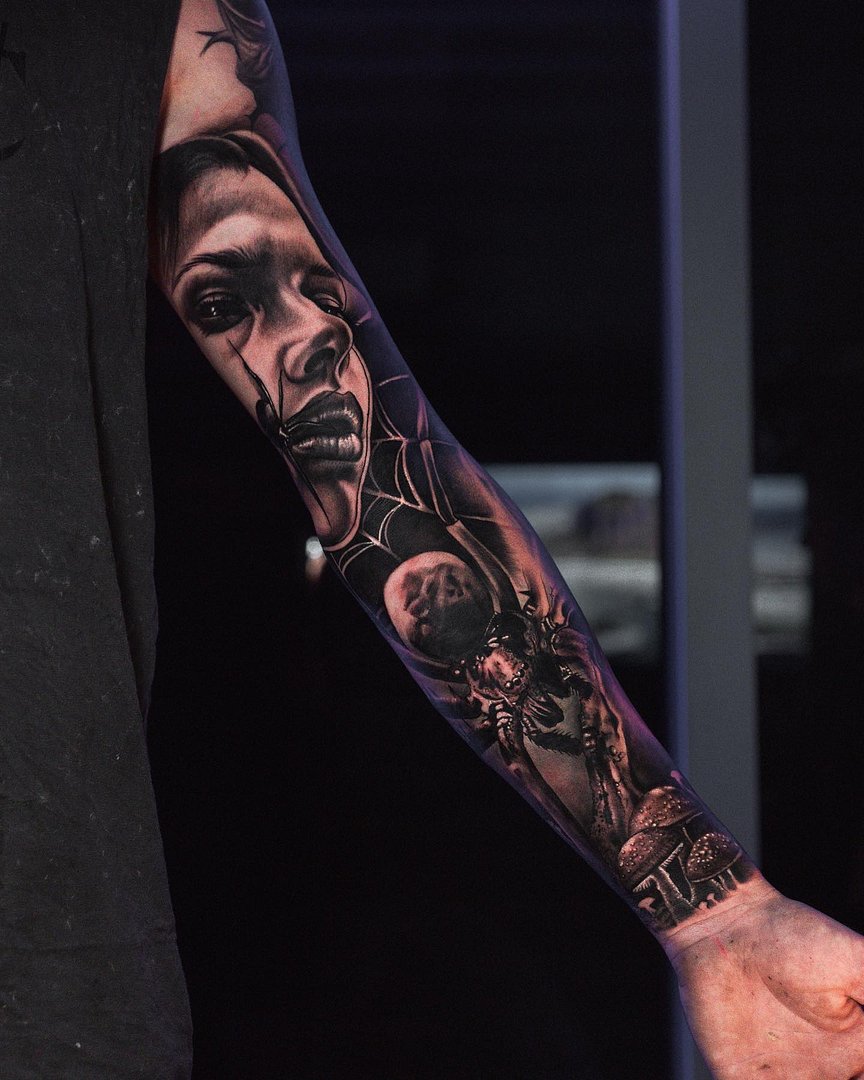
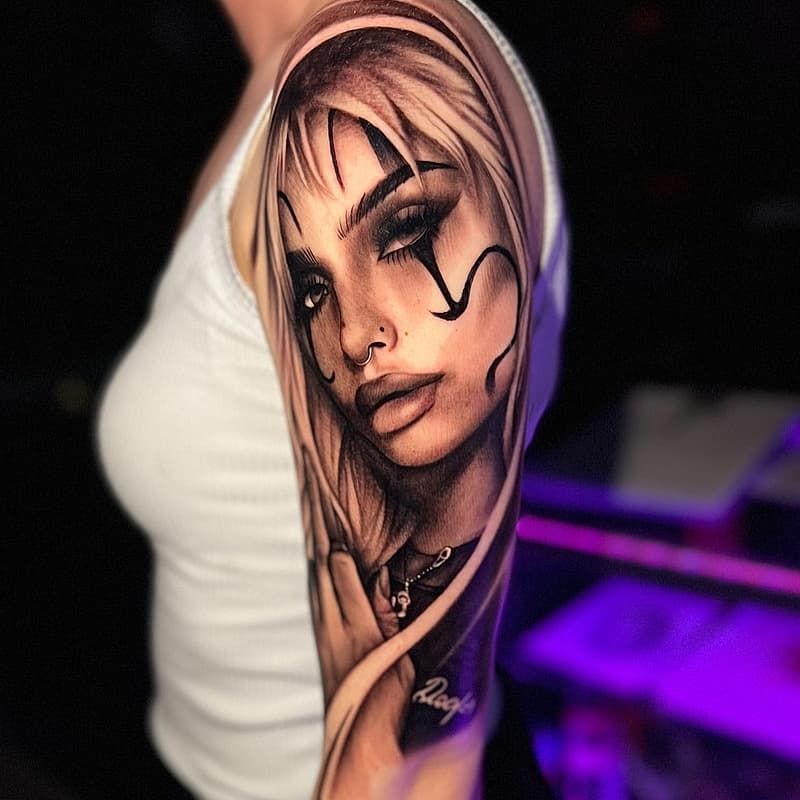
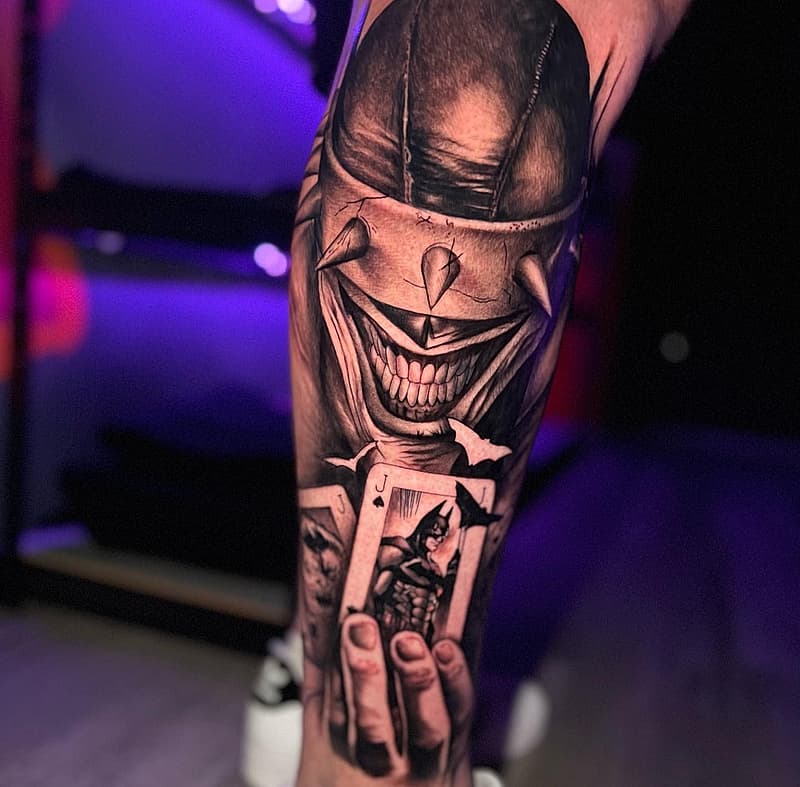
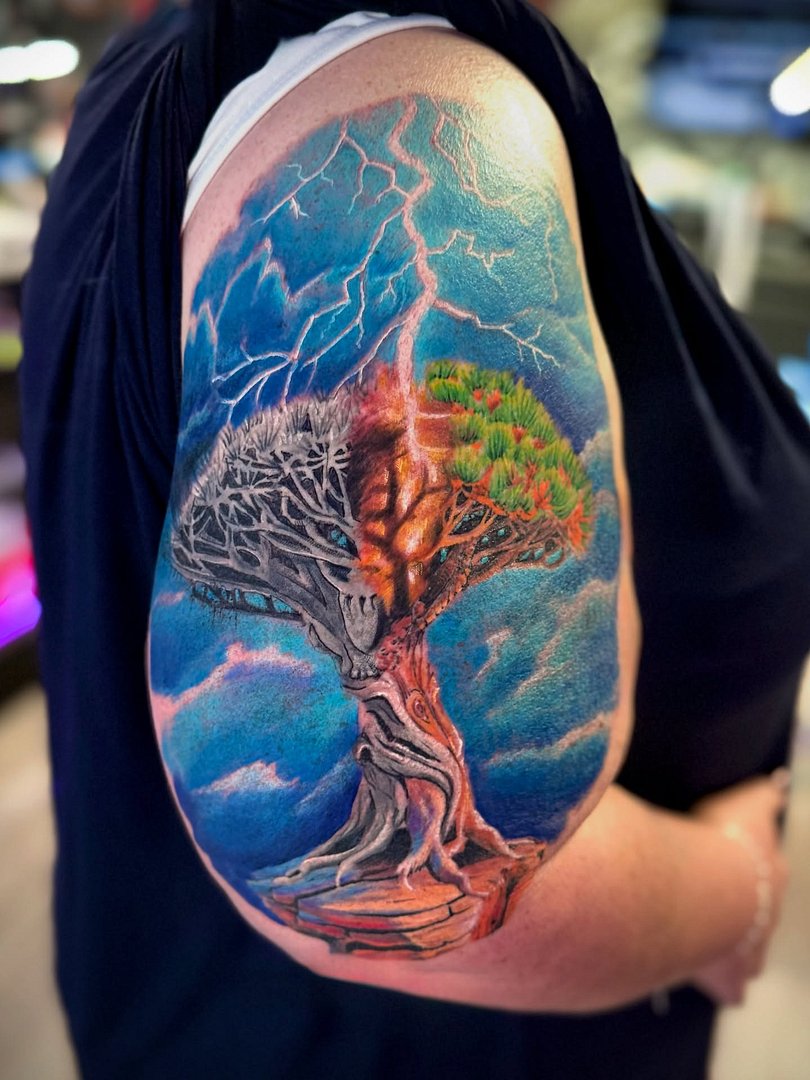
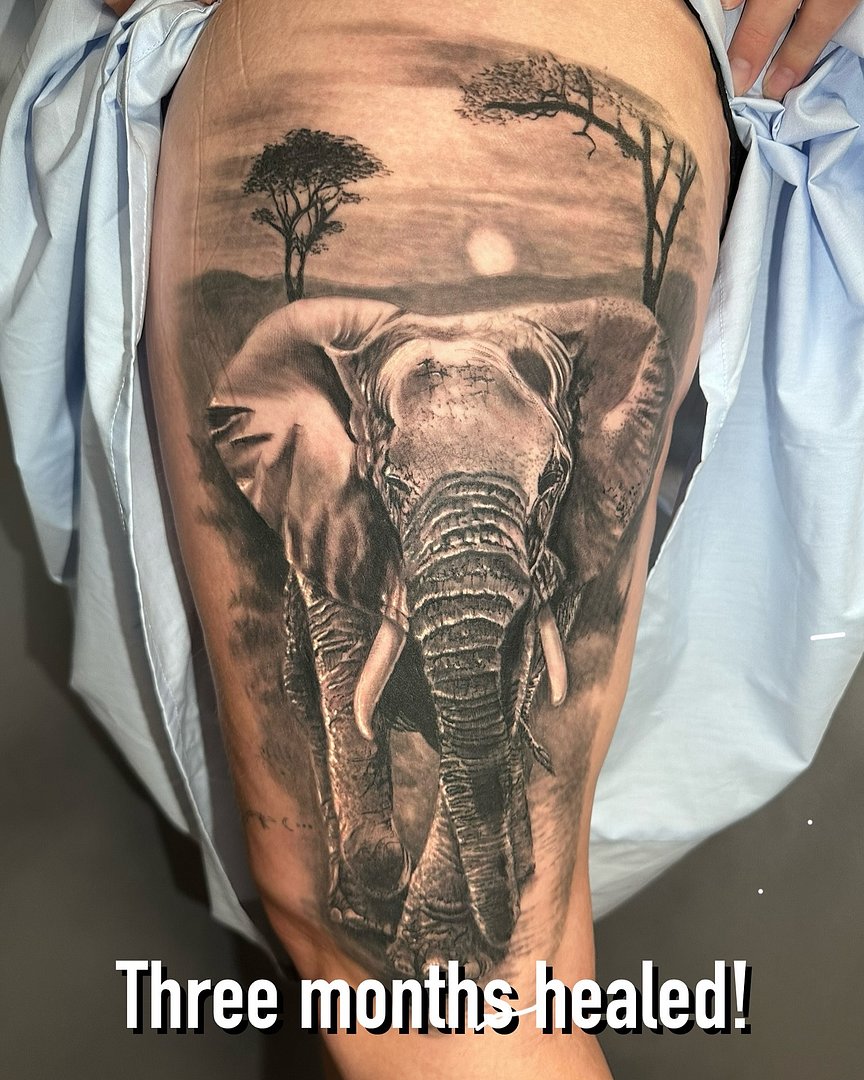
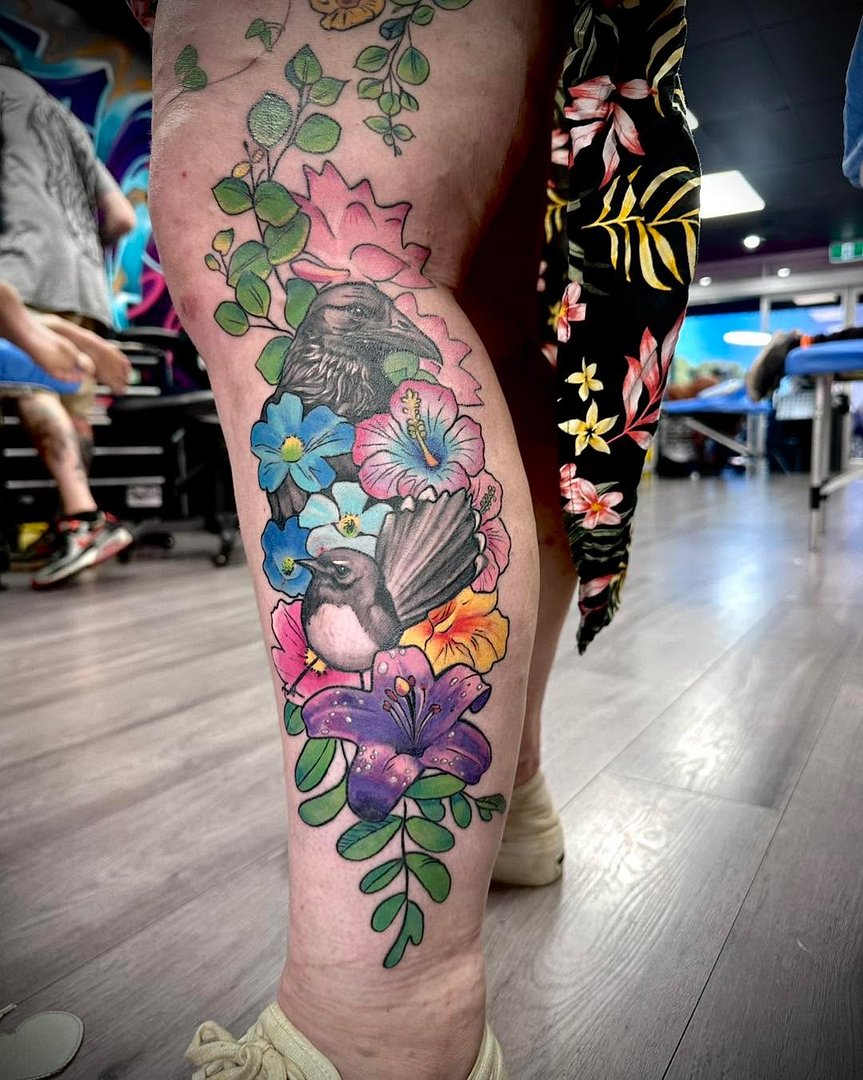
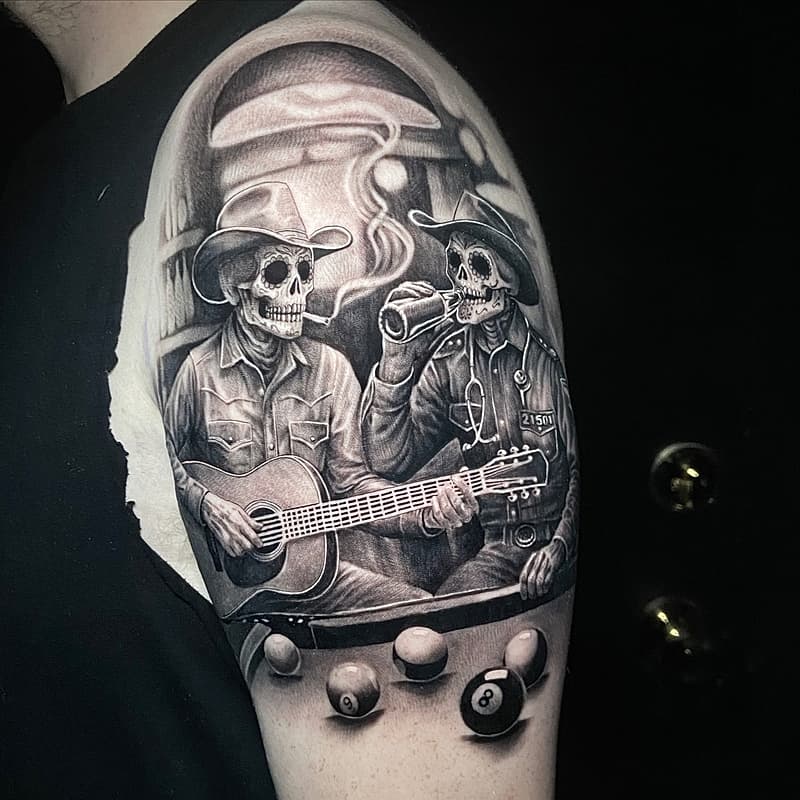
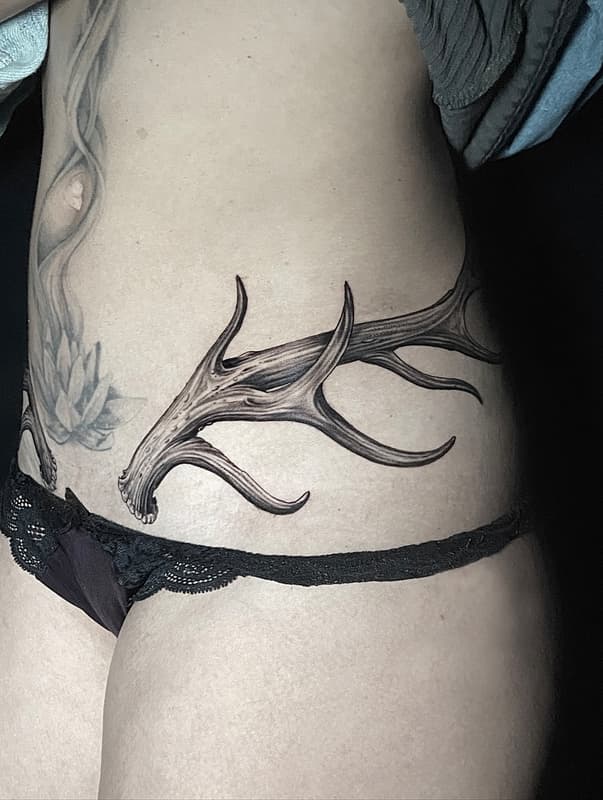
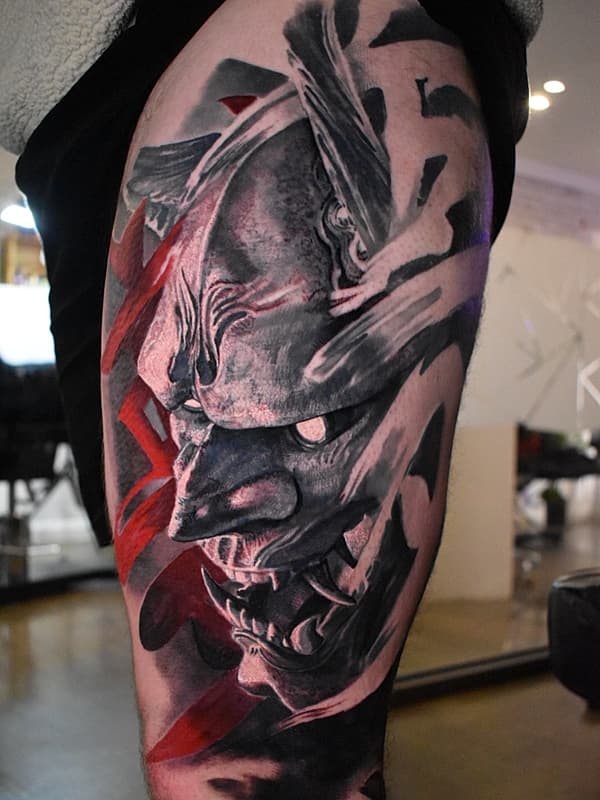
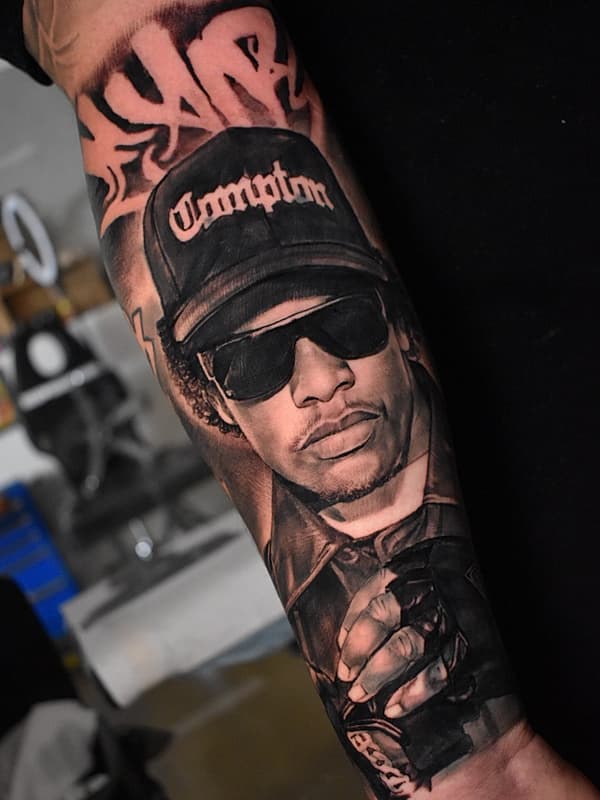
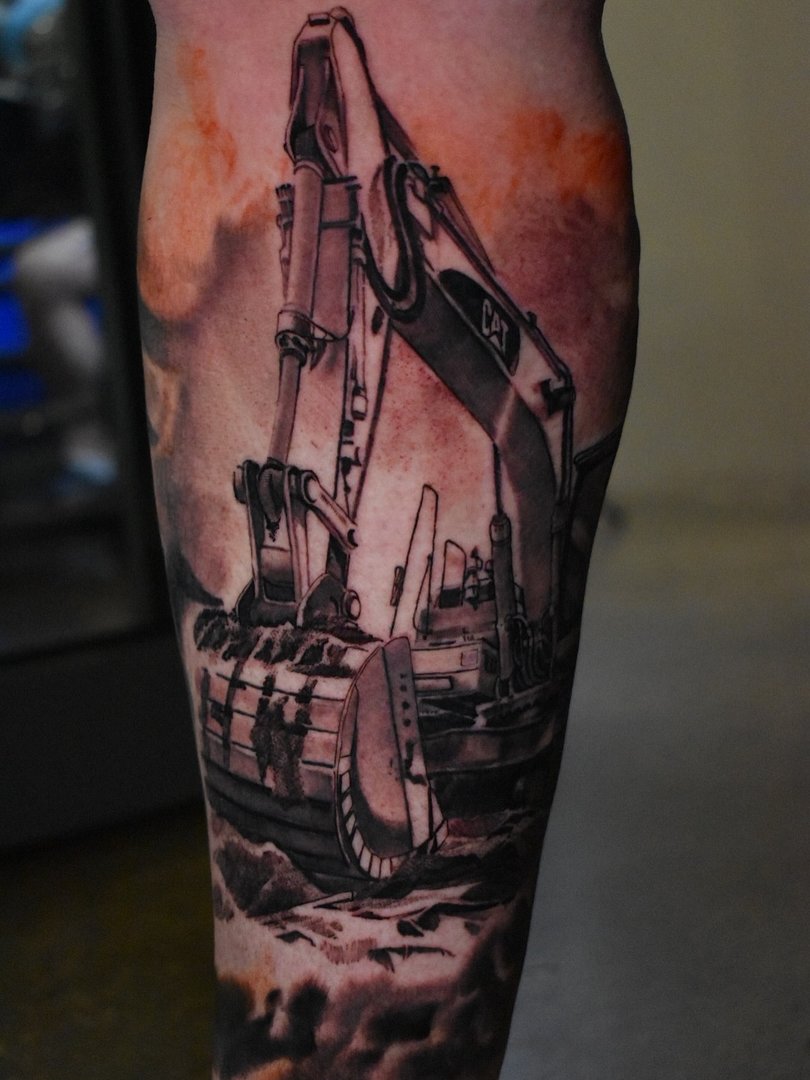
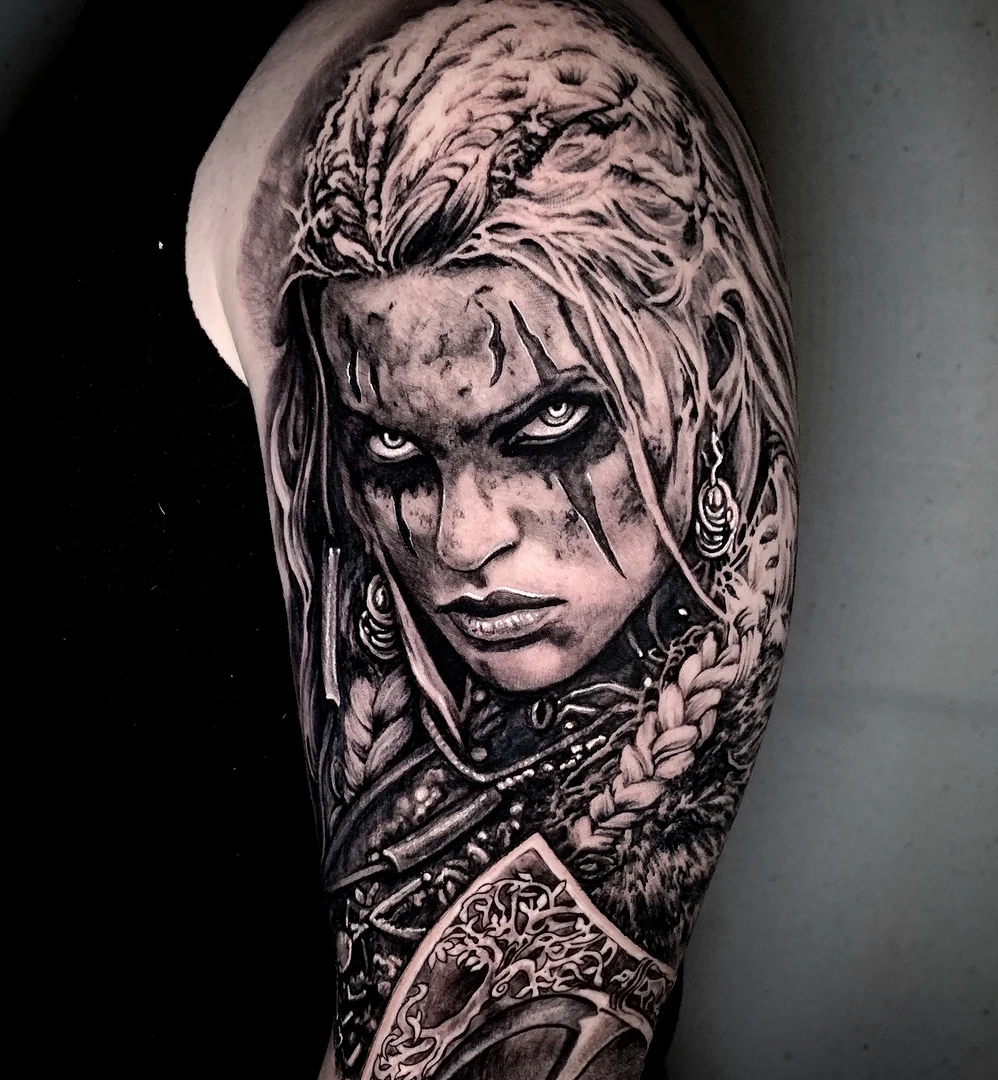
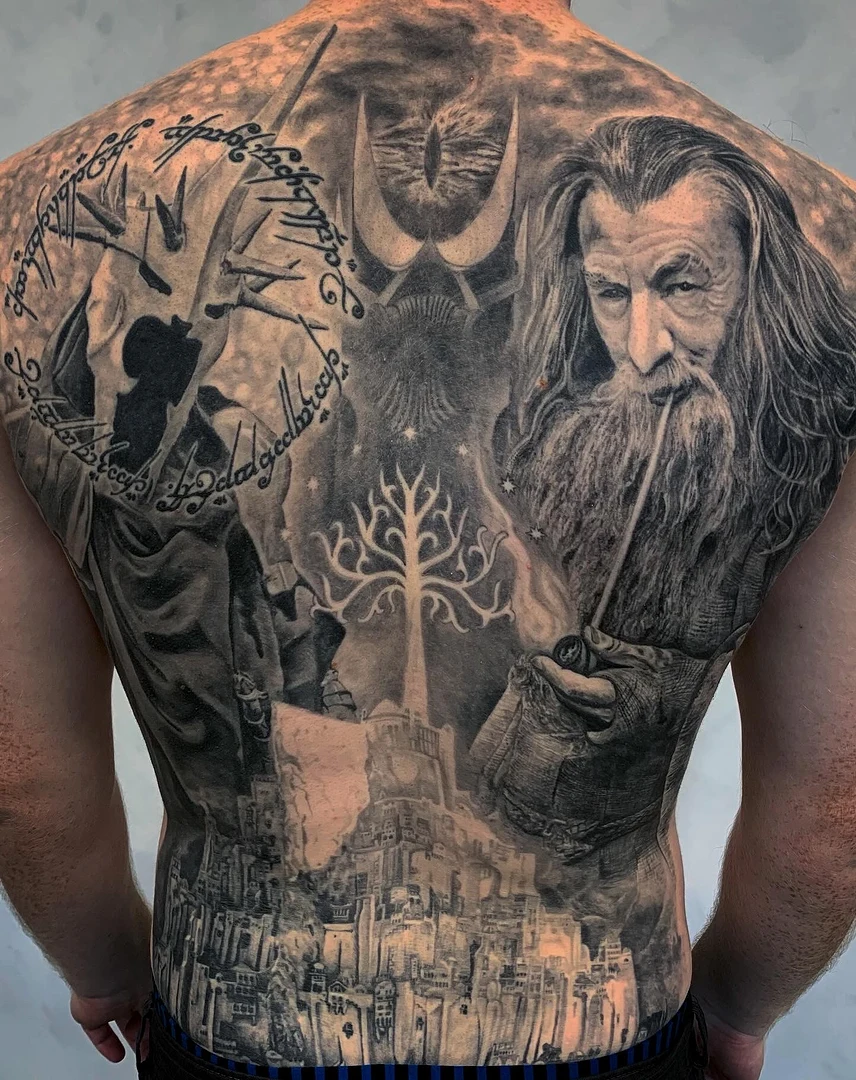
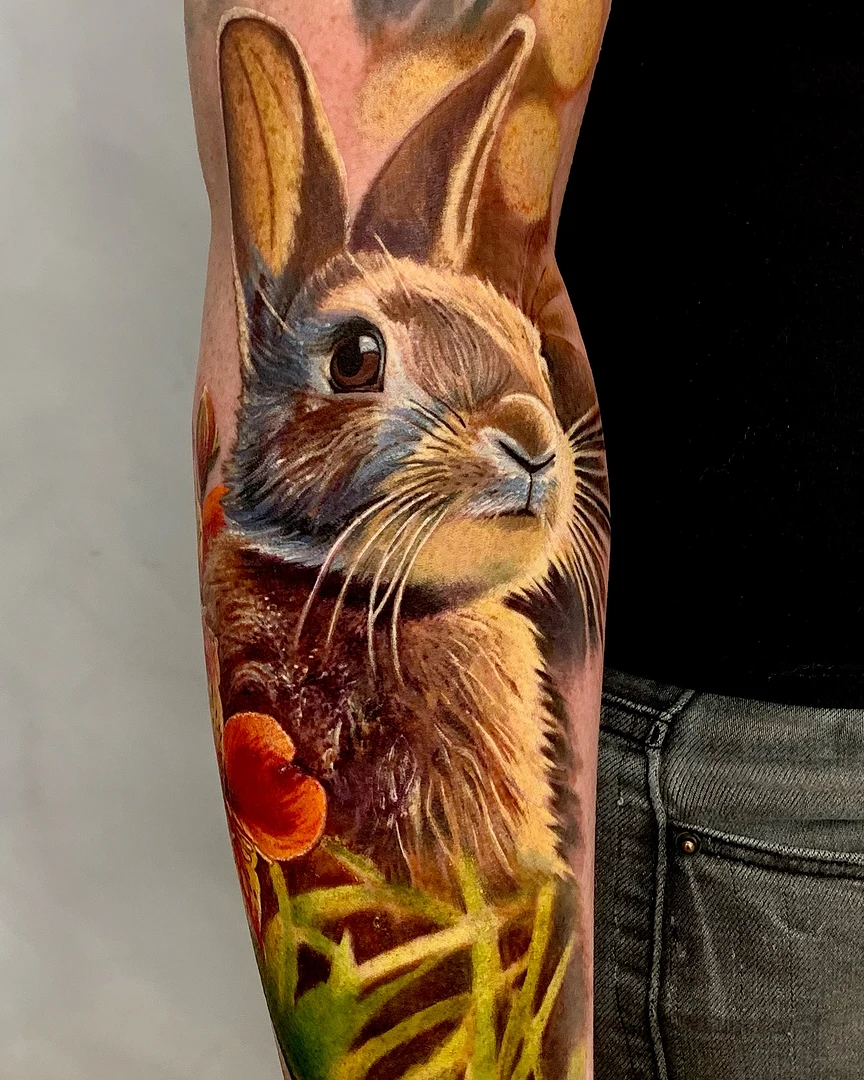
Realism is tattooing that aims to look like a photograph: portraits, animals, objects and scenes built from smooth gradients and shading rather than outlines. It splits into two camps. Black and grey builds everything from diluted black washes, like a pencil drawing. Colour realism uses a full palette and, done well, is the most technically demanding thing in tattooing.
The style has no safety net. Traditional work has bold outlines that anchor the design as skin ages; realism has nothing but tonal transitions, so every weakness in technique shows. This is why realism has both the most spectacular results in tattooing and the most infamous fails. A portrait where the shading went a touch too dark is a portrait of a different person.
Colour or black and grey
The honest trade-off: black and grey ages better. Black pigment particles are larger and more stable, so grey-wash work softens gracefully over decades. Colour pigments break down faster and shift as they do; reds drift toward orange, yellows can vanish almost entirely, and low-saturation blends lose their subtlety first. Colour realism isn't a mistake, but it's a maintenance commitment, and it needs a genuinely skilled colour artist or the blends age into murk.