Tattoo Aftercare: Healing Stages, Second Skin, and Australian Sun Rules | REAP
  1. Home
  2. /Guides
  3. /Tattoo Aftercare: The Honest Guide

Tattoo Aftercare: The Honest Guide

Week-by-week tattoo healing, how long to leave second skin on, when you can swim and train, infection vs normal healing, and aftercare products in Australia.

Updated 2026-07-18

First rule: your artist outranks this guide

One thing before the timeline: your artist gave you aftercare instructions for your specific tattoo, skin and session, and those override anything you read here or anywhere else on the internet. This guide exists to explain what's normal and what isn't so you panic less; when it and your artist disagree, your artist wins. When something looks wrong, message them first; they've seen a thousand healing tattoos and yours for real.

What healing looks like, week by week

Days one to three: the tattoo is an open wound. It'll be red, tender, warm, and it will weep clear or ink-tinted plasma. Normal. Days four to fourteen: peeling and flaking, sometimes dramatic, often alarming, entirely expected. Weeks two to four: the peeled tattoo looks dull, cloudy or milky as a fresh layer of skin matures over the ink. Around six to eight weeks the surface is settled and the colours come back to true. Full deep healing of the dermis takes a few months.

Two panics account for most aftercare messages artists receive. First: 'my tattoo is coming off in the flakes.' It isn't; the ink sits in the dermis, below the layer that peels, and the tinted flakes are just dead surface skin. Second: 'it looked amazing and now it's dull and patchy.' That's the milky phase. Judge nothing before six weeks. If a genuine gap remains once fully healed, your artist will touch it up, and most include one within the first few months.
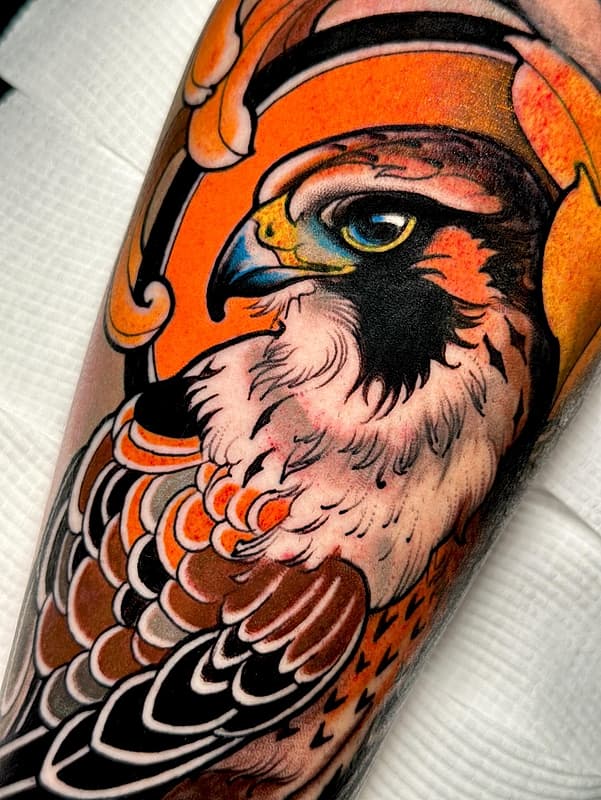
Second skin, wraps, washing and moisturising

If your artist applied a medical film like Saniderm or Dermalize (second skin), follow their duration instructions; advice genuinely varies from 24 hours to 5 days and the artist knows how your session went. Fluid and ink pooling under the film looks horrifying and is normal; remove it early only if it's leaking, lifting, or the pooling is excessive. Take it off in a warm shower, peeling slow and flat, never ripping upward. You can shower with film on; that's the point of it.

From there the routine is simple and the errors are all overdoing it. Wash gently twice a day with lukewarm water and fragrance-free soap, pat dry with clean paper towel, then apply a thin layer of moisturiser two to three times a day. Thin is the operative word: you can absolutely over-moisturise a tattoo, and a suffocating slather traps moisture and slows healing. The old dry-healing versus moisturised debate has mostly settled here: a lightly moisturised heal beats dry healing's cracking and deep scabbing, and it beats drowning it too.

On products, Australia edition: fragrance-free is the whole game. The classic Bepanthen nappy-cream route works and generations healed fine on it, though the industry has drifted toward lighter tattoo-specific balms (Australian brands like Ink Nurse are in most Chemist Warehouses), and a plain fragrance-free moisturiser like QV is a fine answer. One genuine warning: Bepanthen makes an antiseptic variant, and that is not the one; check the tube.

Gym, swimming and sun: the waiting periods

The gym: give it 48 hours minimum, and longer for training that stretches or rubs the tattoo. Sweat, friction and gym-equipment bacteria are all bad news for an open wound; a fresh thigh piece and squat day need a week or two apart.

Swimming: no submerging for at least two weeks, realistically two to four. That includes the ocean; salt water does not heal tattoos, that's a myth, and between chlorine, sea bacteria and the Australian sun at the beach, a new tattoo has no good options in the water. Baths and spas count as submerging; showers are fine.

Sun: clothing cover only for the first few weeks, because sunscreen doesn't belong on broken skin. Once healed, SPF 50+ broad spectrum becomes the tattoo's lifetime bodyguard. Australian UV is the single biggest ager of tattoos, and the difference at ten years between a protected and an unprotected piece is dramatic.

Infection versus normal healing

The reliable test is direction: healing improves day over day, infection worsens. Redness that spreads outward rather than shrinking, pain that intensifies after day three instead of easing, thick yellow-green discharge rather than clear ooze, heat, a bad smell, red streaks tracking from the tattoo, or fever: those are see-a-doctor signs, today, not ask-Instagram signs. Genuine infections are uncommon with reputable studios and sensible aftercare, but they move fast when they happen.

For the everyday version: light flaking and maddening itch are normal (moisturise, cold compress, an oral antihistamine if desperate, and never scratch); light scabbing over heavily saturated areas is survivable if unpicked; thick widespread scabbing suggests the healing got away and deserves a message to your artist. When in doubt between artist and doctor: artists for how it's healing cosmetically, doctors for anything that looks like infection.

Artists on REAP

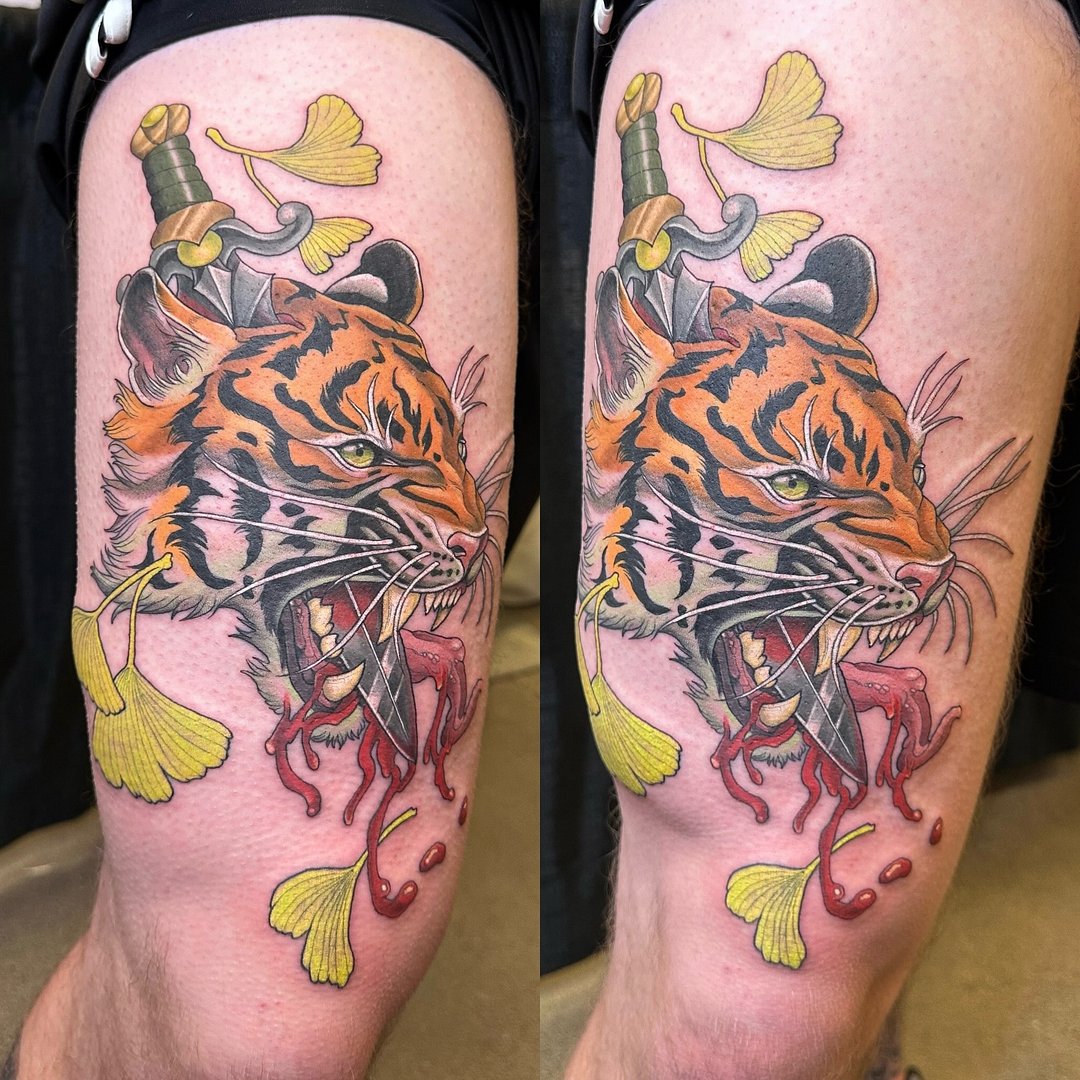
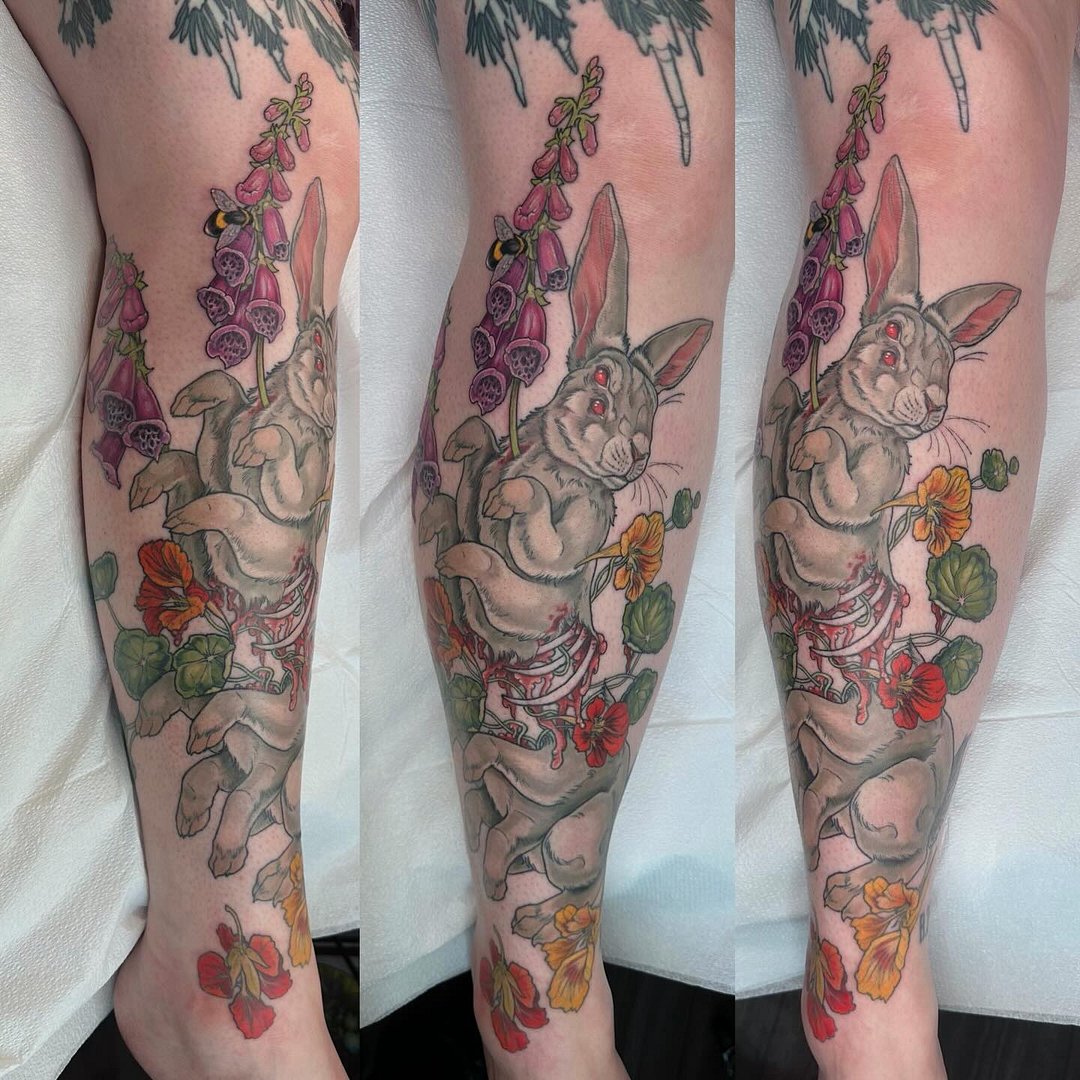
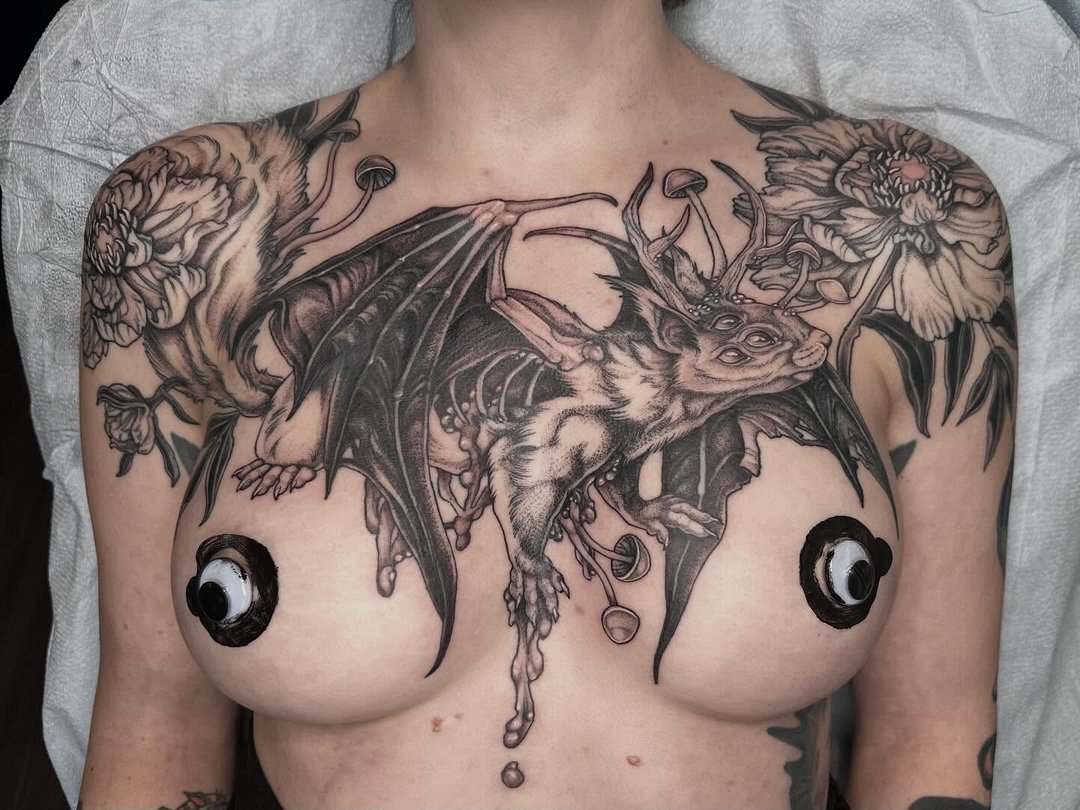
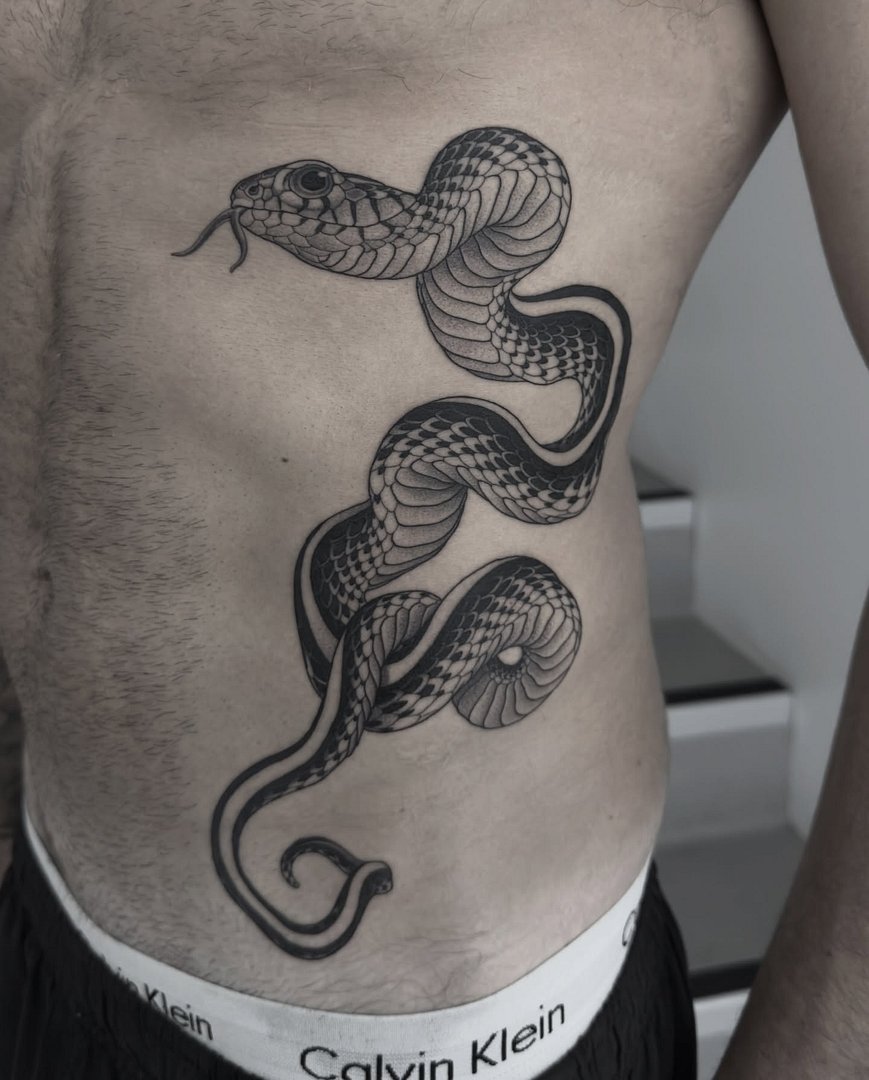
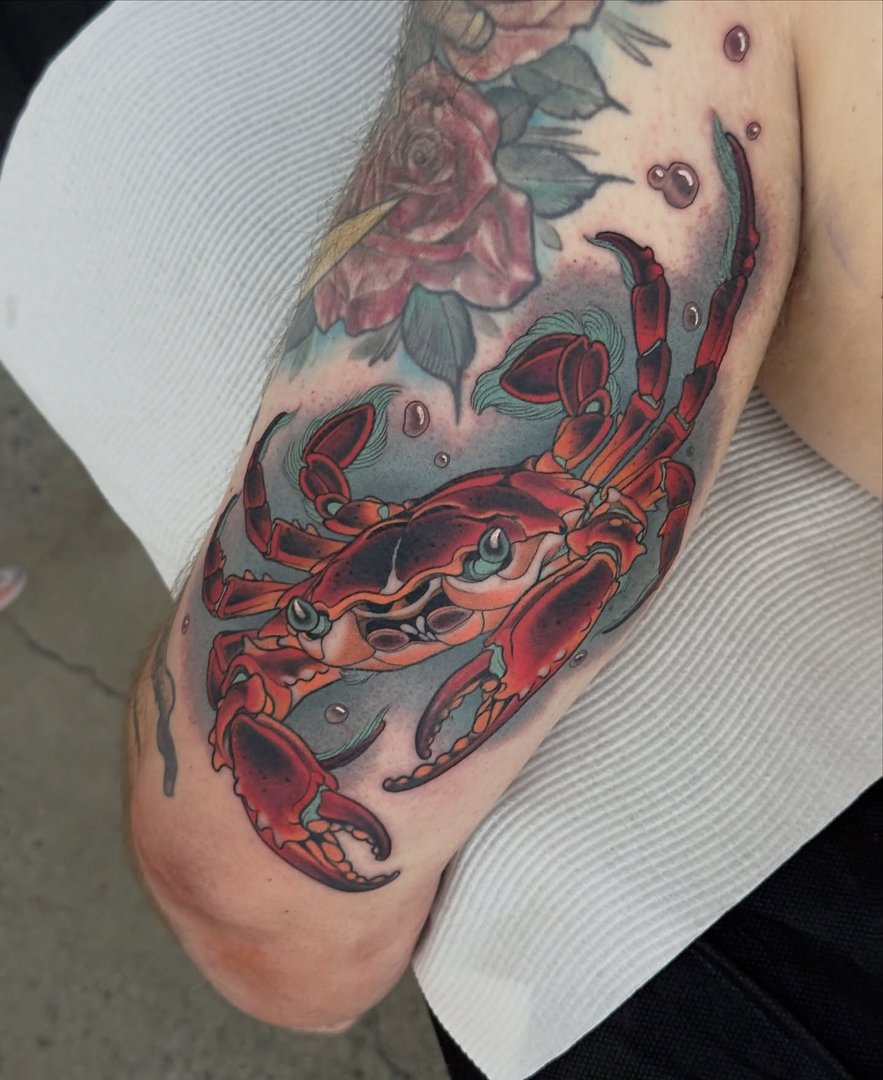
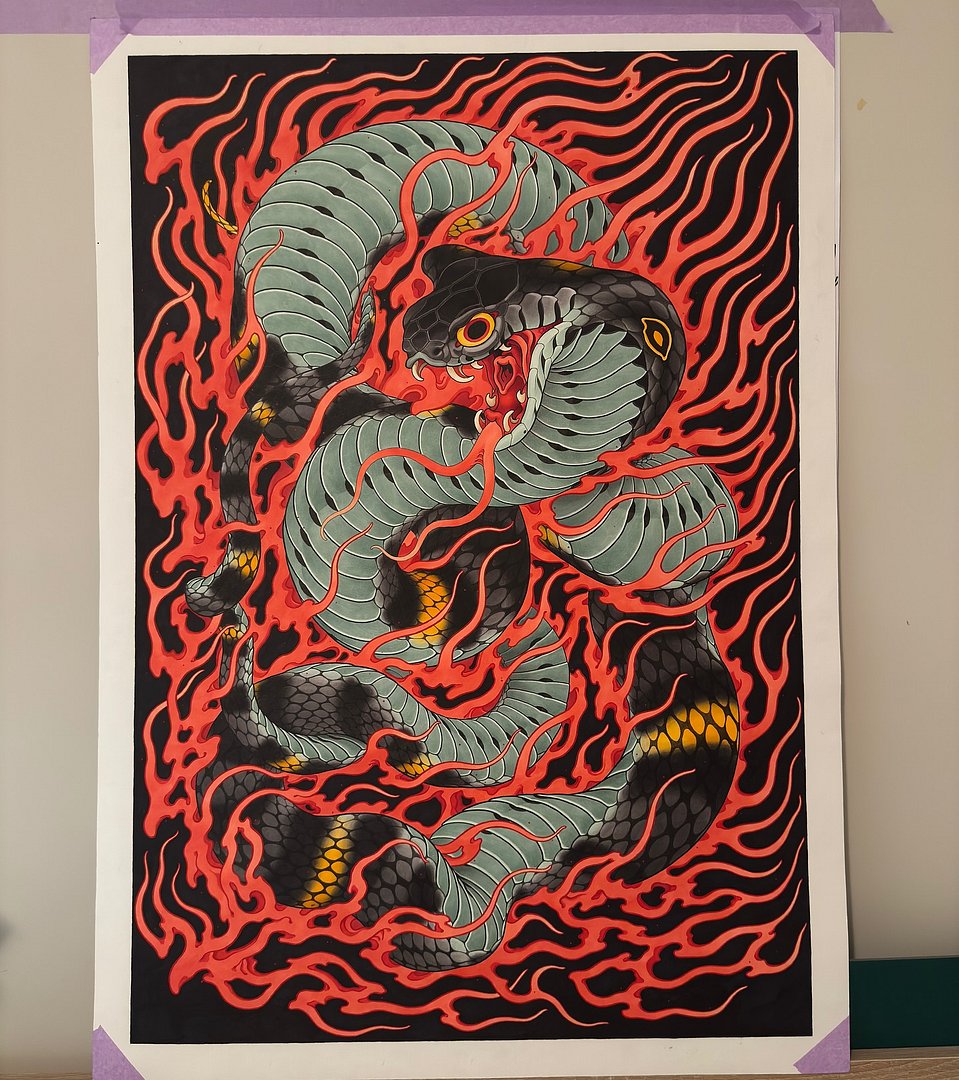
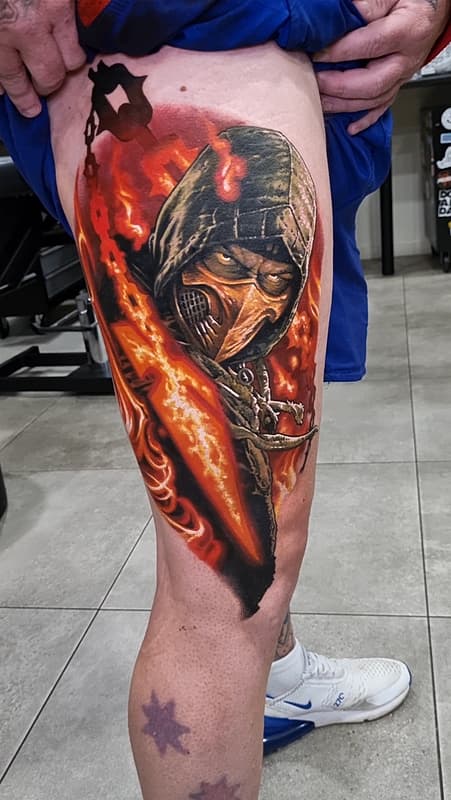
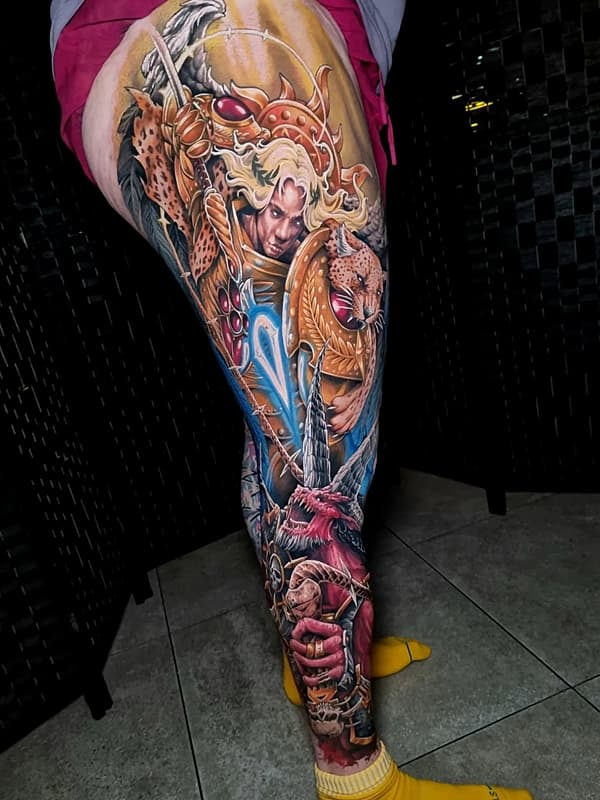
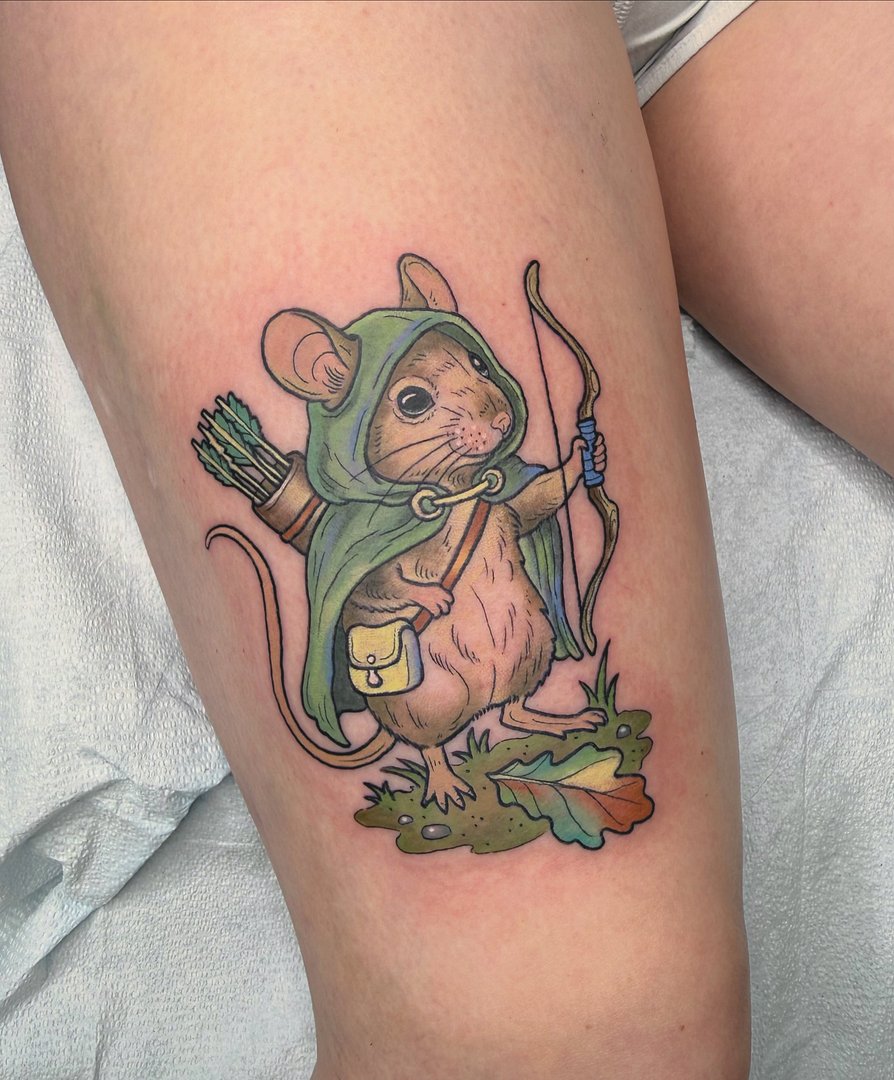
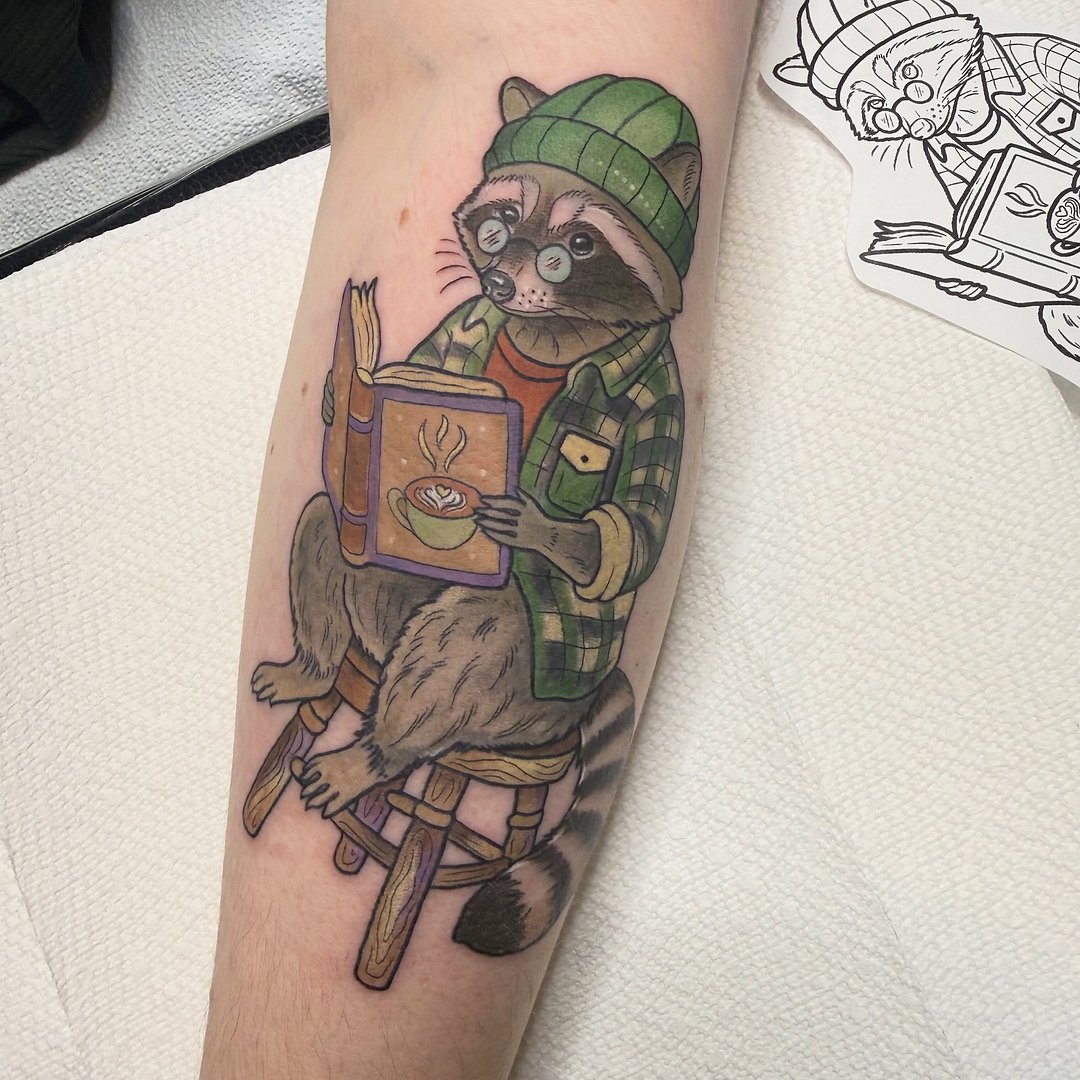
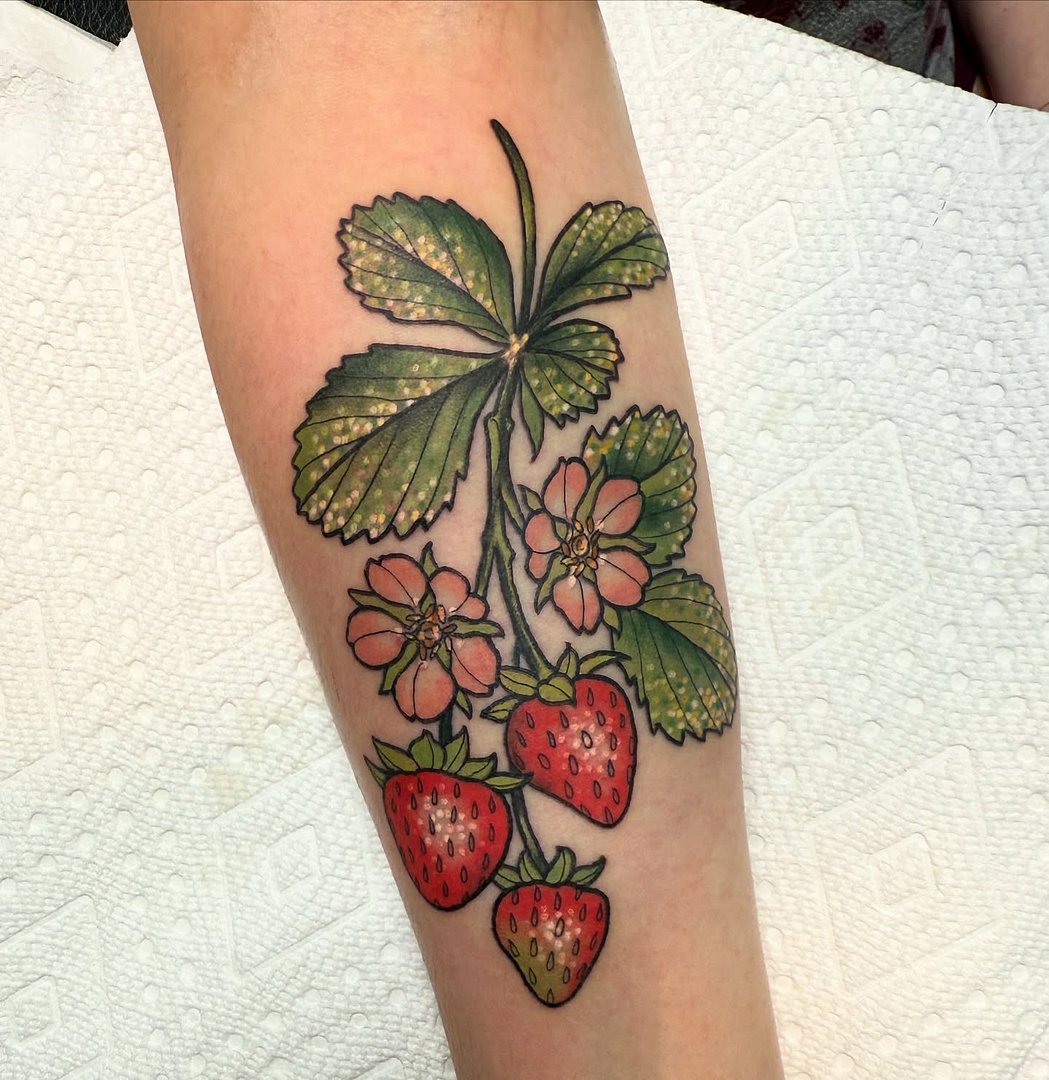
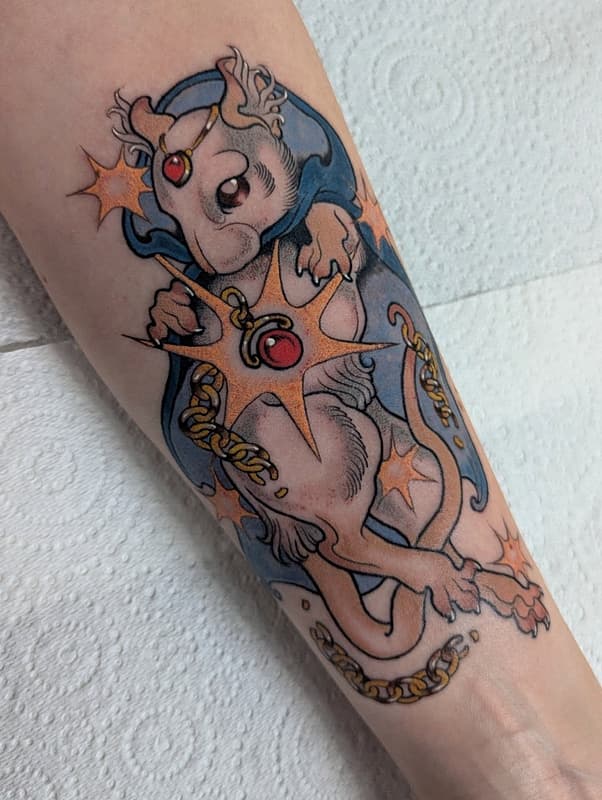
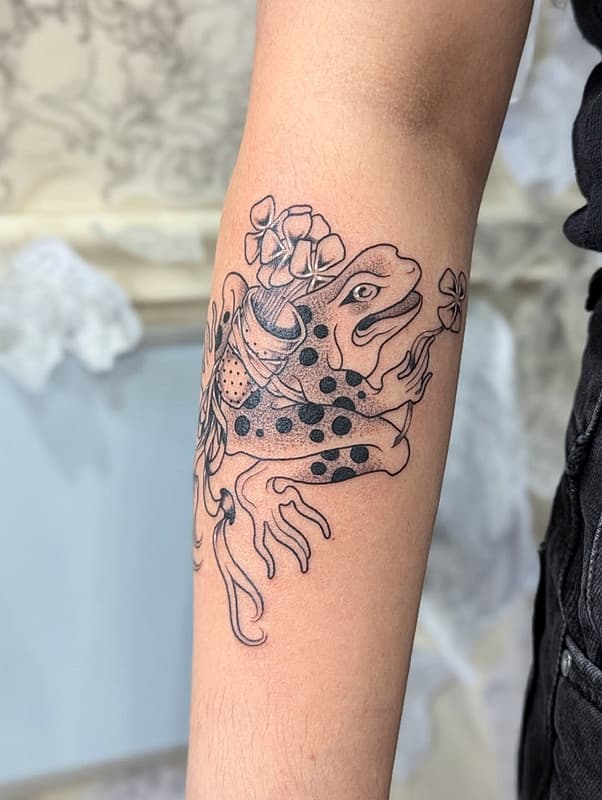
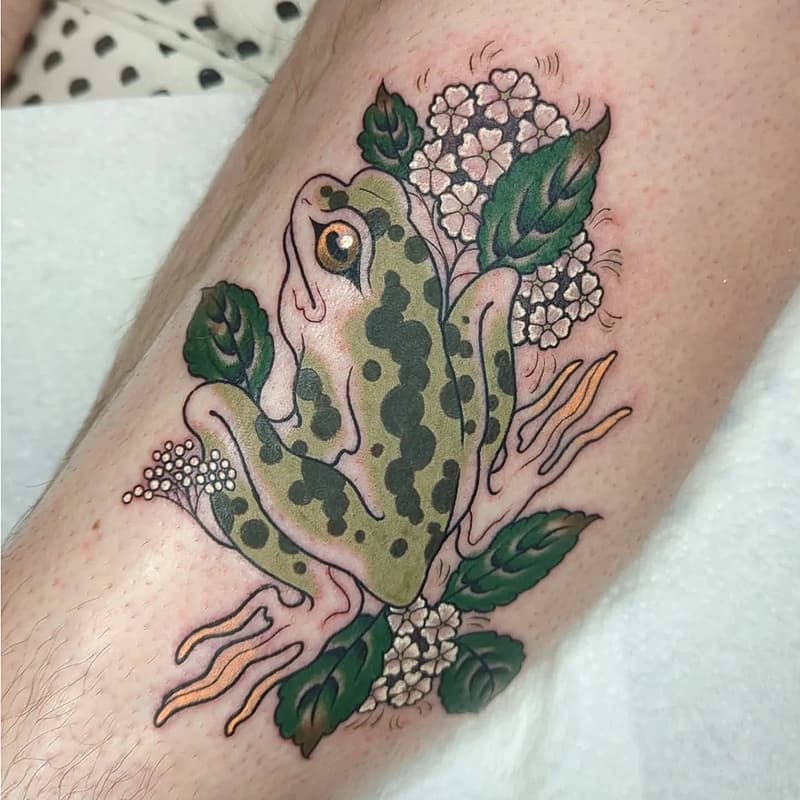
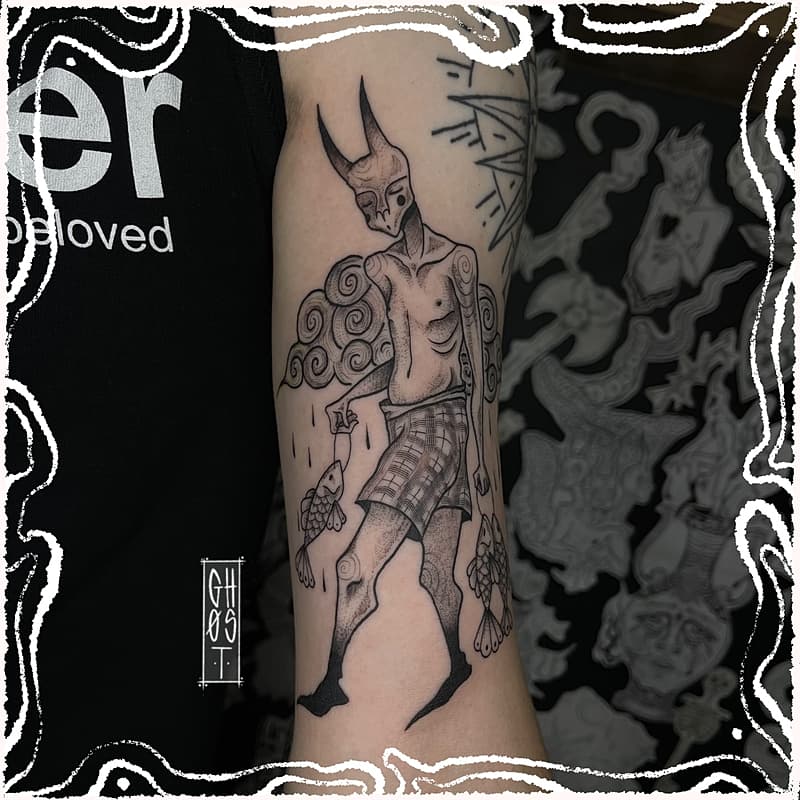
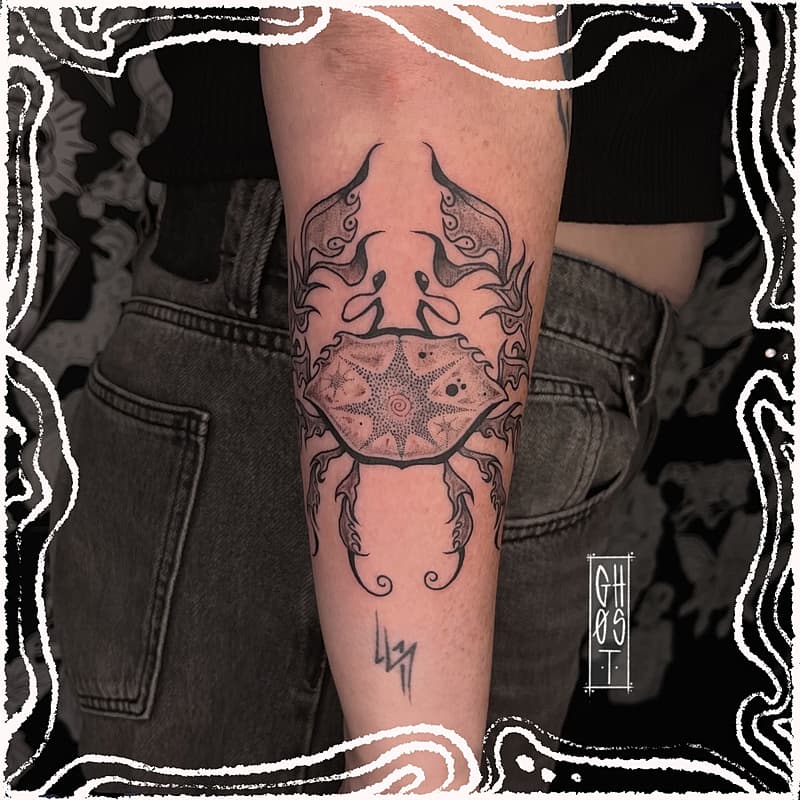
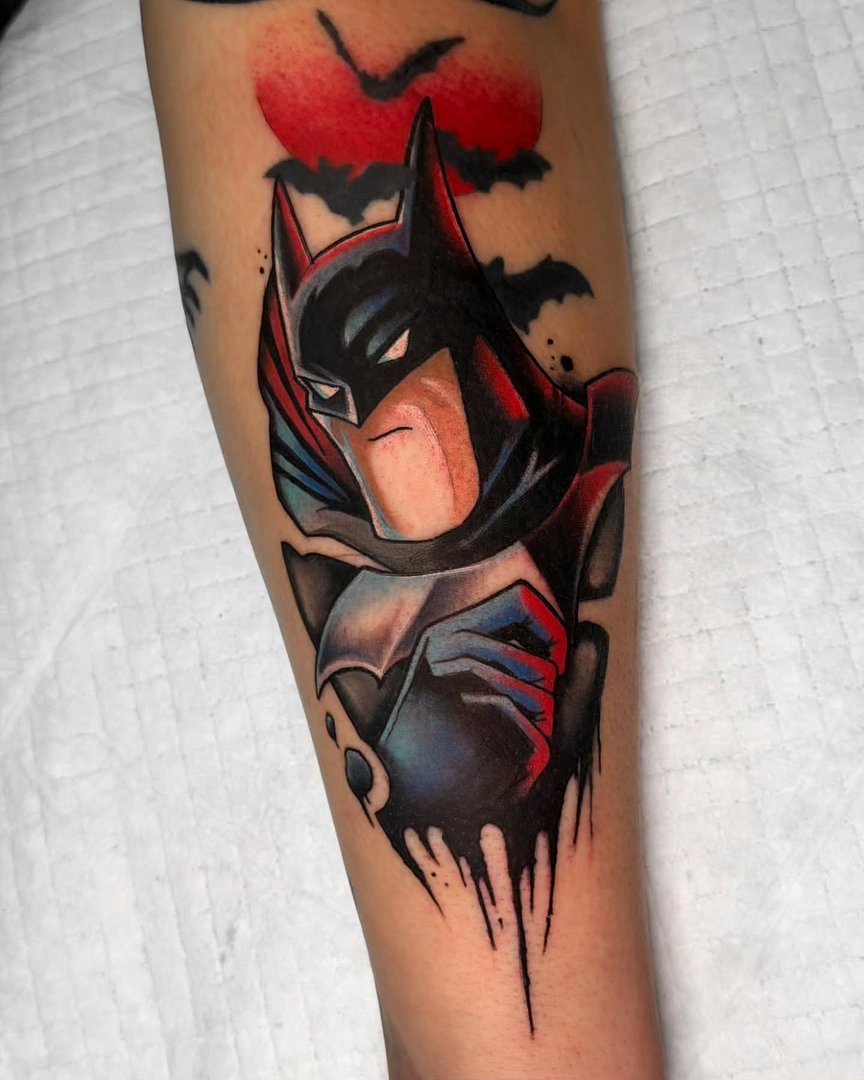
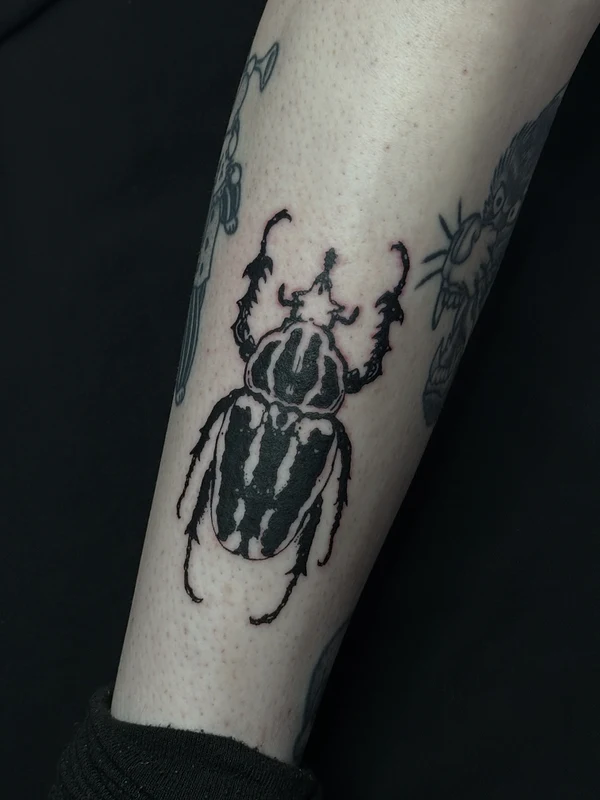
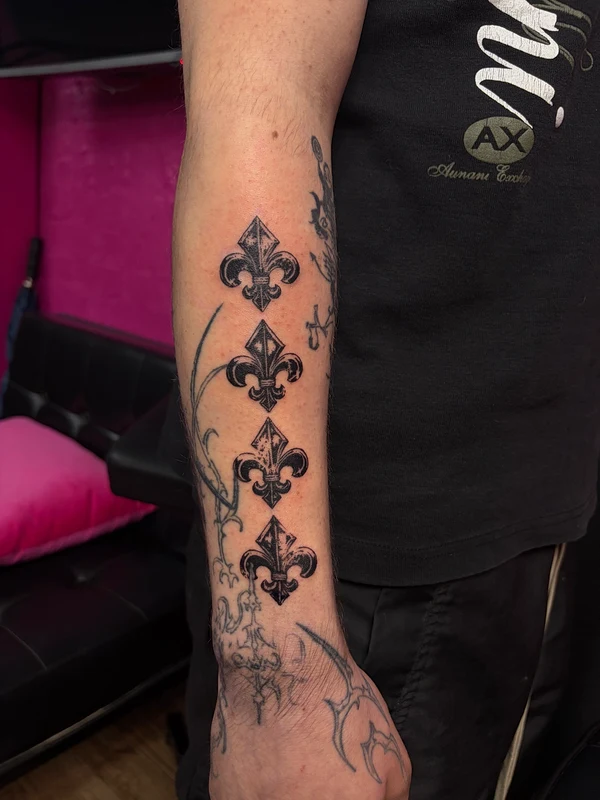
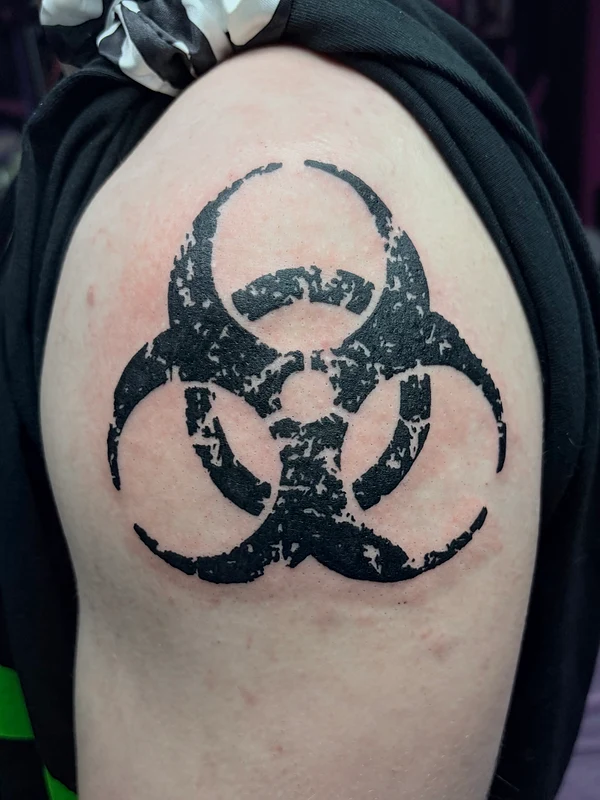
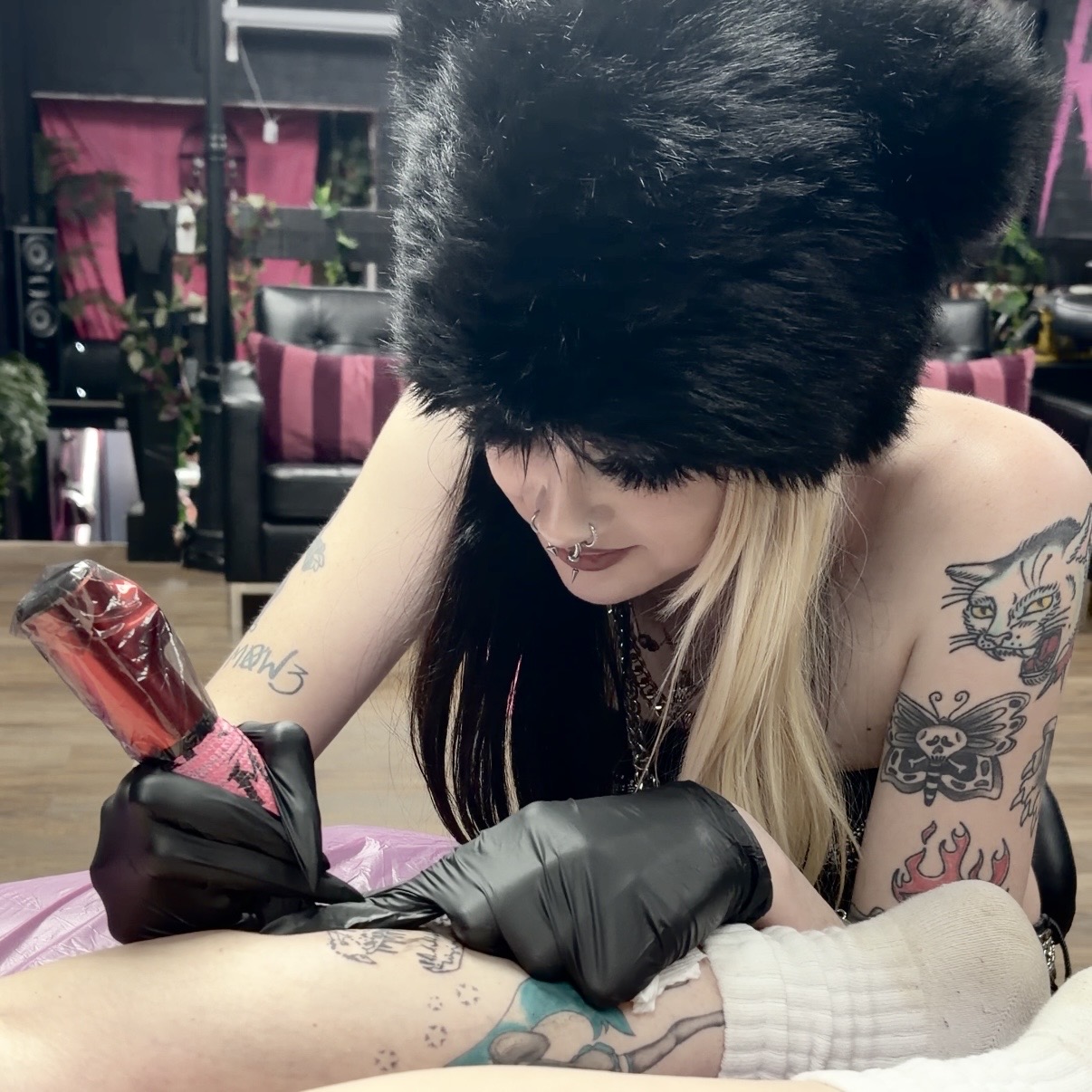
Real work from artists you can book right now.

Got a tattoo in mind?

Post a tattoo request and let artists come to you. Describe what you want, and artists who suit it will reach out.

Frequently Asked Questions

How long does a tattoo take to heal?+

Surface healed in two to four weeks, settled at six to eight, fully healed through the deep layers in three to six months. The dull, cloudy look in weeks two to four is a normal stage, not the final result. Judge colour and detail at six weeks, not day ten.

How long do I leave second skin on?+

Whatever your artist said, typically between 24 hours and 5 days. Fluid and ink pooling underneath is normal; remove early only if it leaks or lifts. Take it off slowly in a warm shower, pulling flat along the skin rather than up.
Is my tattoo losing ink when it peels?+

No. The ink sits in the dermis, below the layer that flakes off. Tinted flakes are dead surface skin that healed over the tattoo. Let them fall off on their own; picking and scratching are the only ways peeling actually costs you ink.

When can I swim and go to the gym?+

Gym after 48 hours minimum, longer for anything that stretches or rubs the tattoo. No swimming, ocean included, for at least two weeks, ideally closer to four. Salt water healing tattoos is a myth, and chlorine on an open wound is worse.

Is Bepanthen good for tattoos?+

The classic blue-and-white Bepanthen ointment has healed Australian tattoos for decades and still works, applied thinly. Lighter tattoo-specific balms and plain fragrance-free moisturisers do the same job with less grease. The one real mistake is the antiseptic Bepanthen variant, which isn't for tattoos; check the tube.

How do I tell an infected tattoo from normal healing?+

Direction of travel. Normal healing improves daily: redness shrinks, pain eases, ooze is clear. Infection worsens: spreading redness, intensifying pain after day three, thick yellow-green discharge, heat, odour, red streaks or fever. The first list is your artist's territory; anything on the second list means a doctor today.

Find Artists Near You

SydneyNSWMelbourneVICBrisbaneQLDPerthWAAdelaideSAGold CoastQLDNewcastleNSWCanberraACTHobartTASDarwinNT
Browse artists on the map →