What a bodysuit actually is
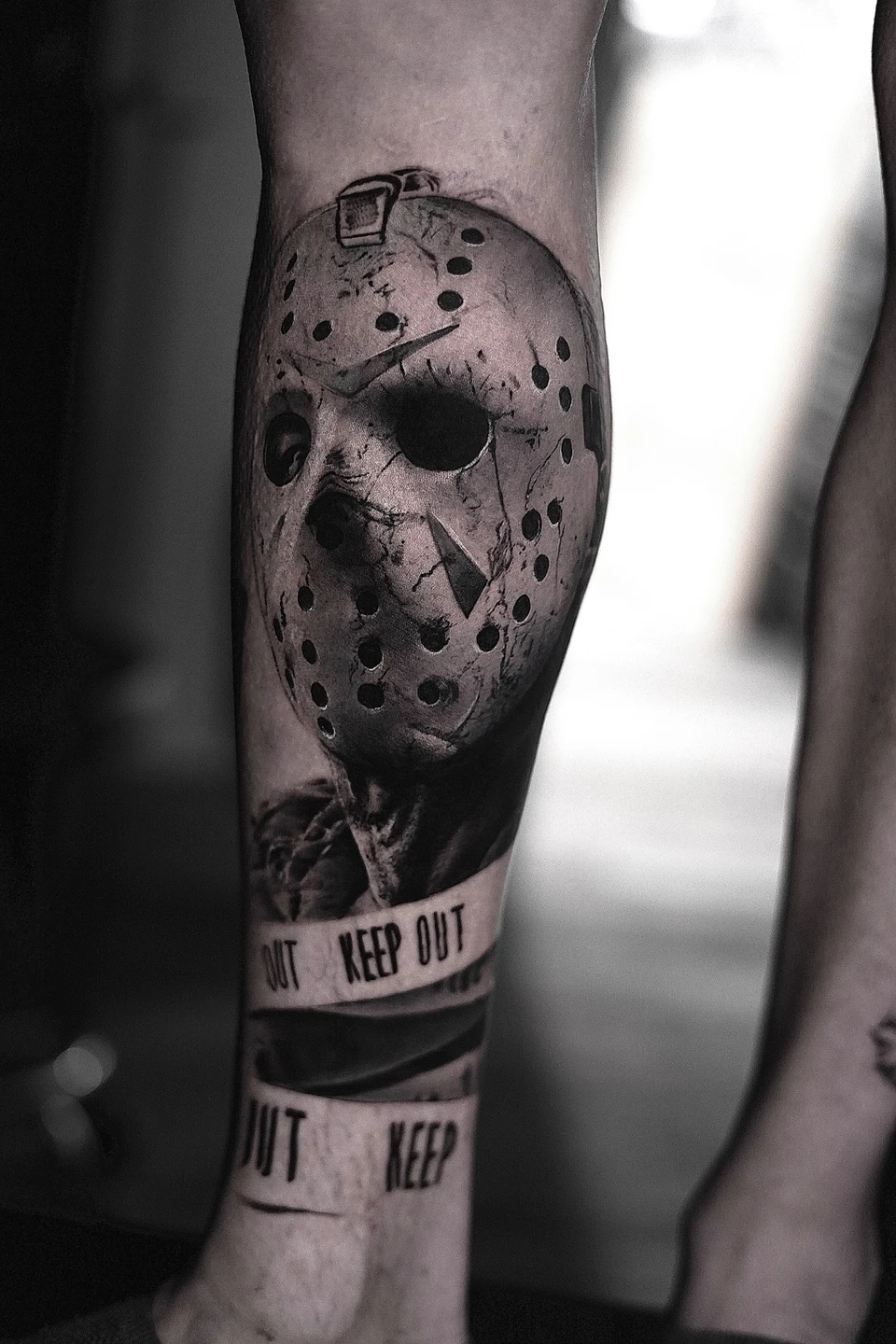
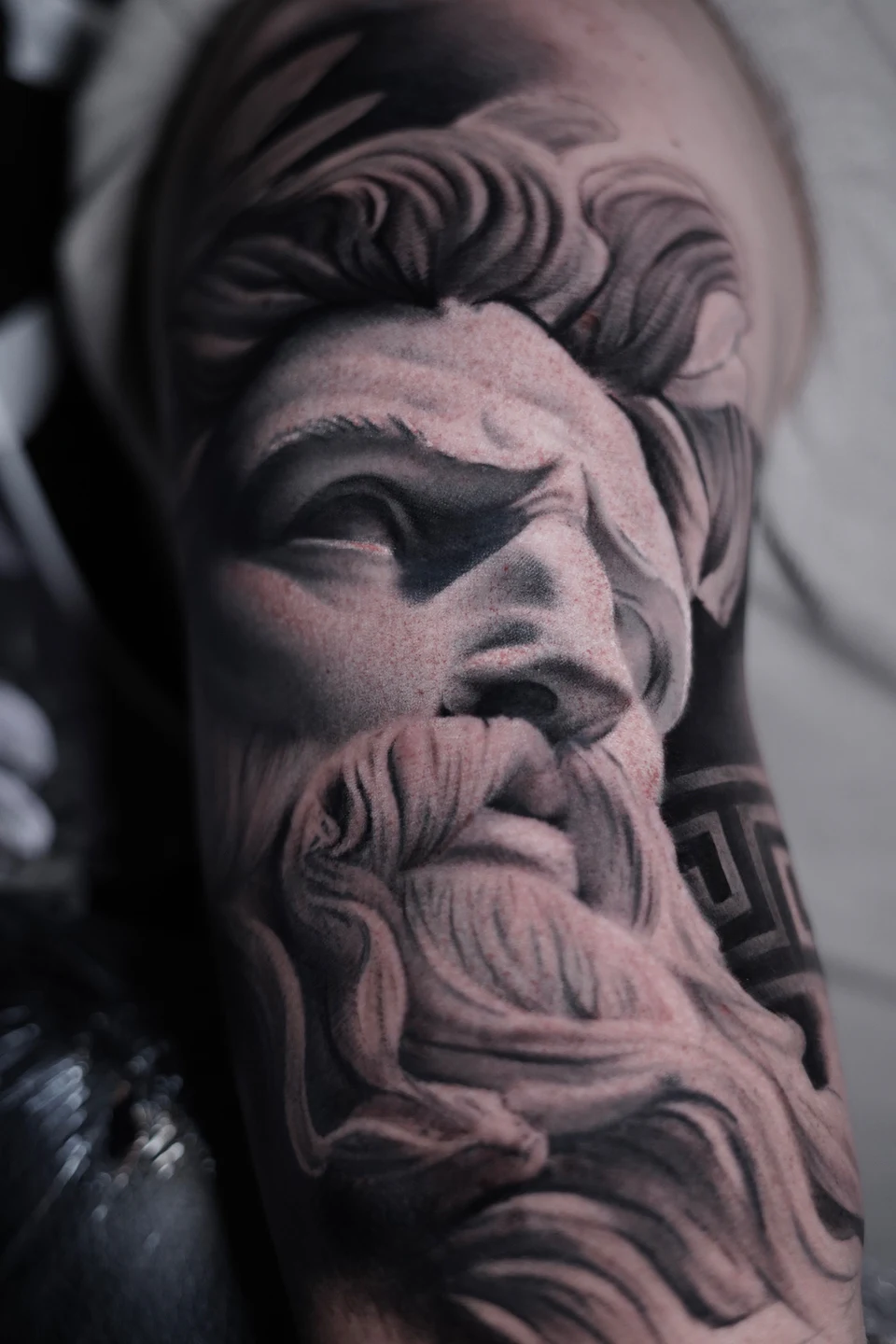
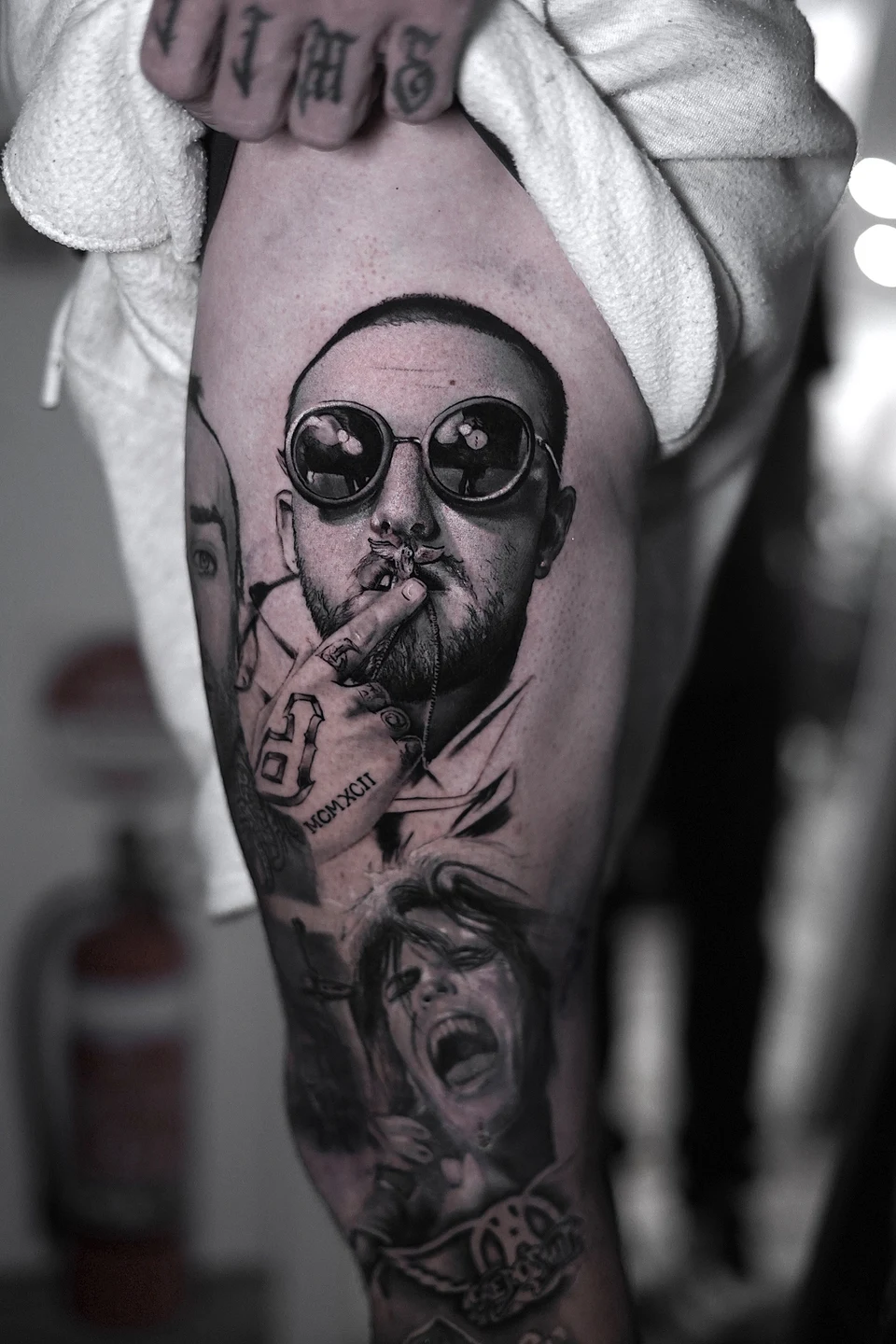
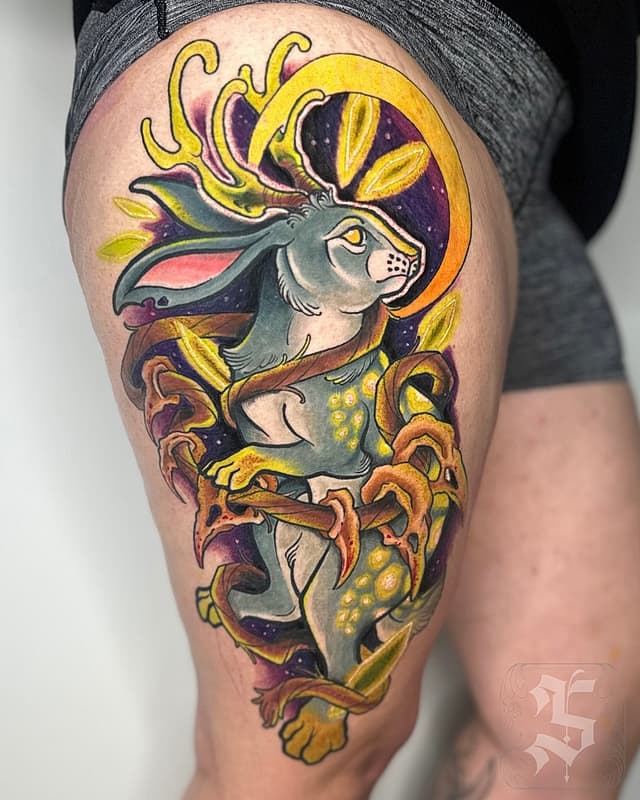
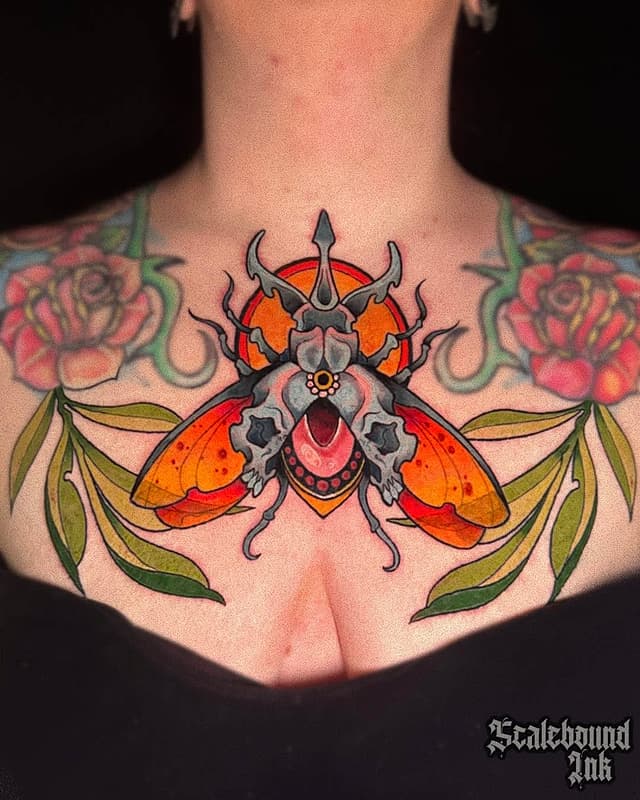
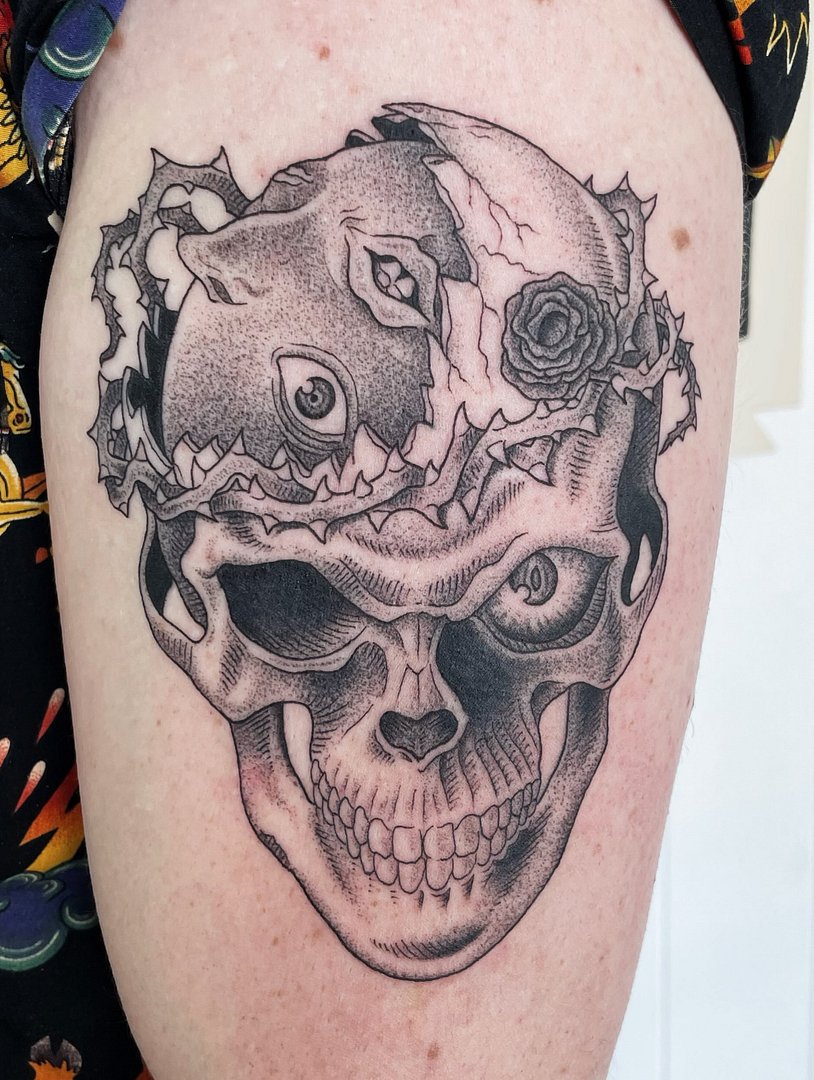
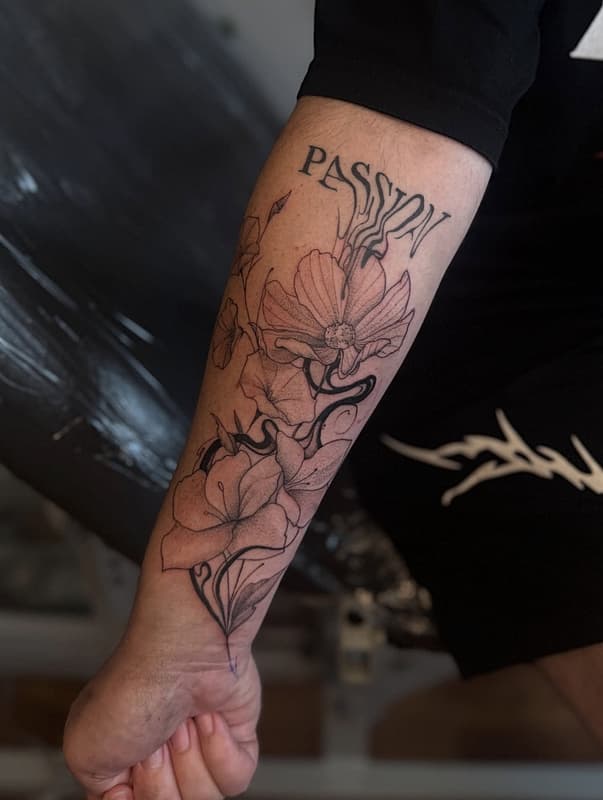
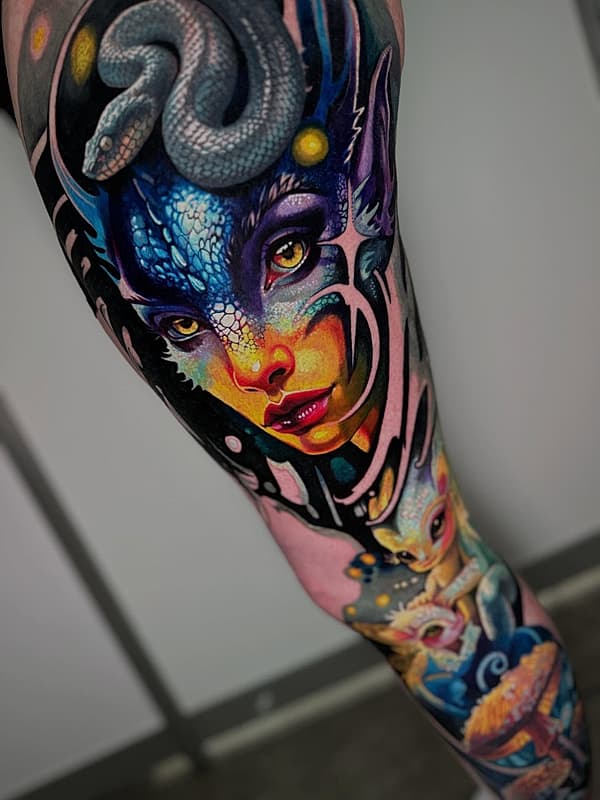
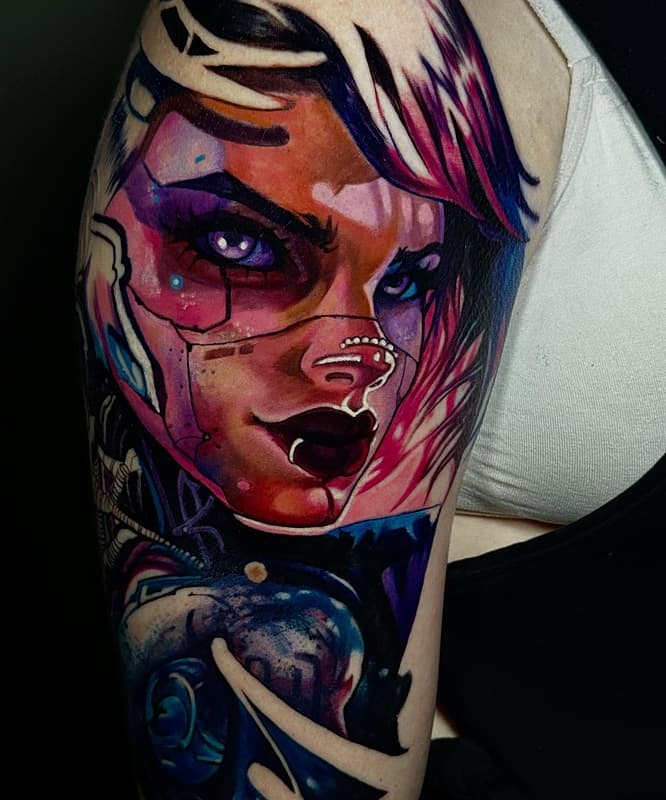
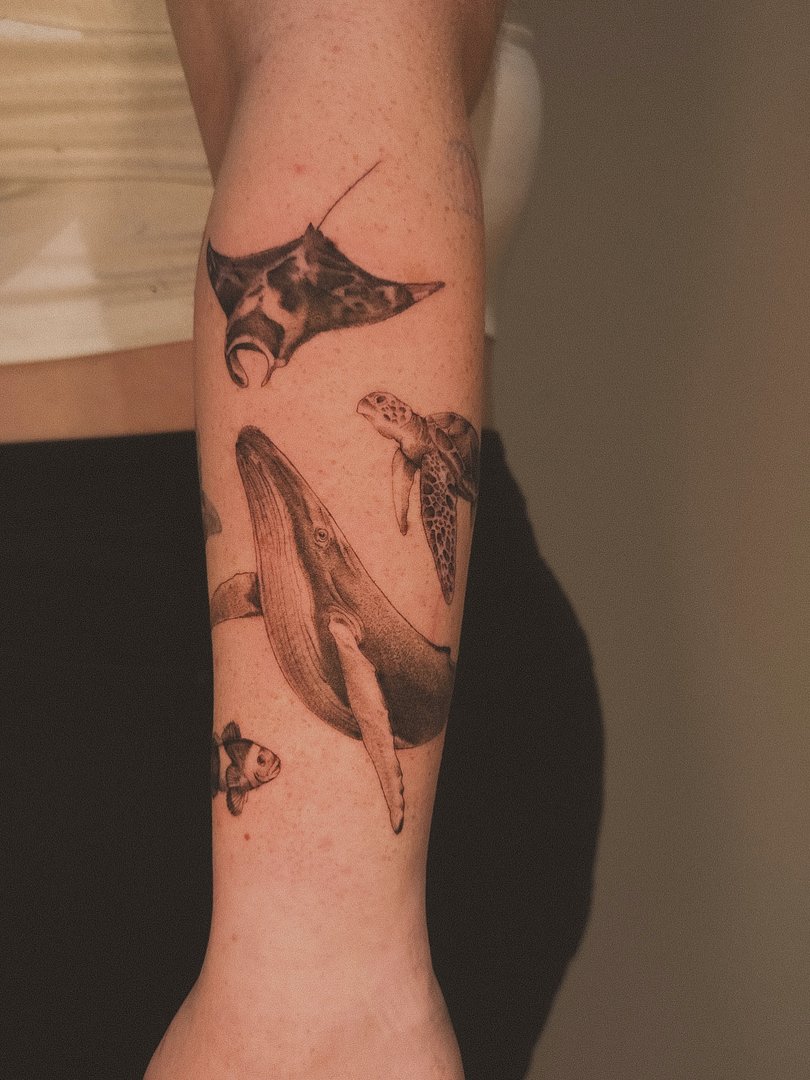
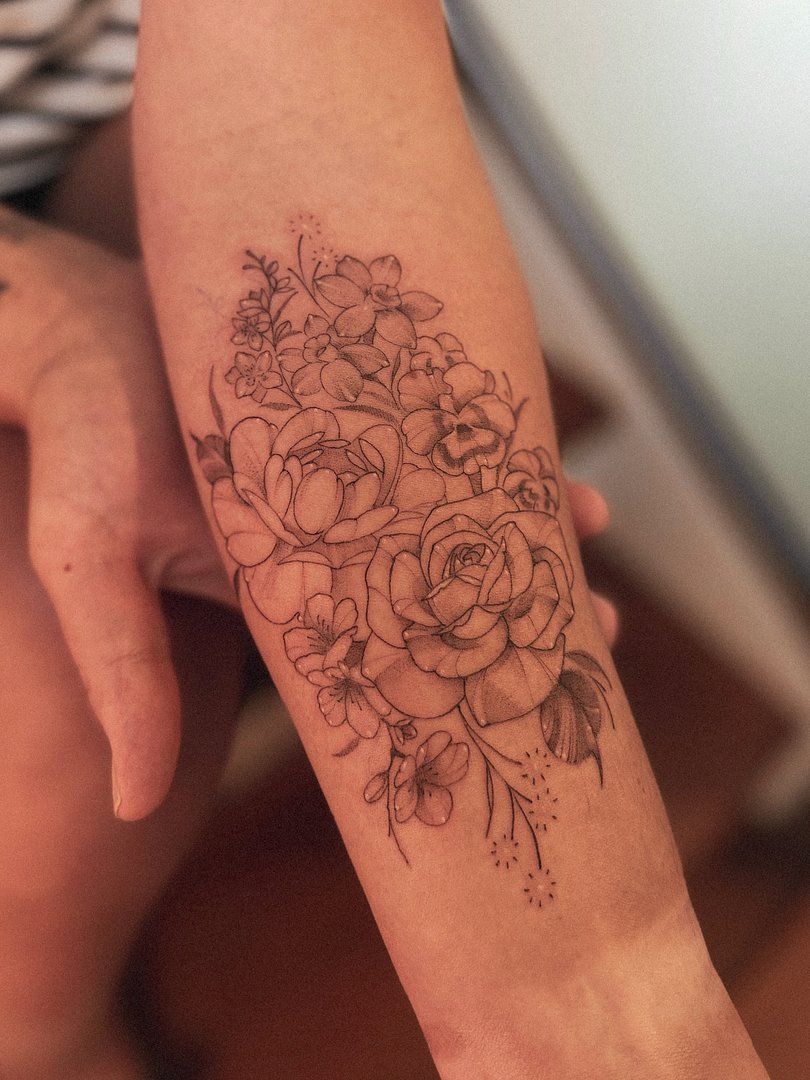
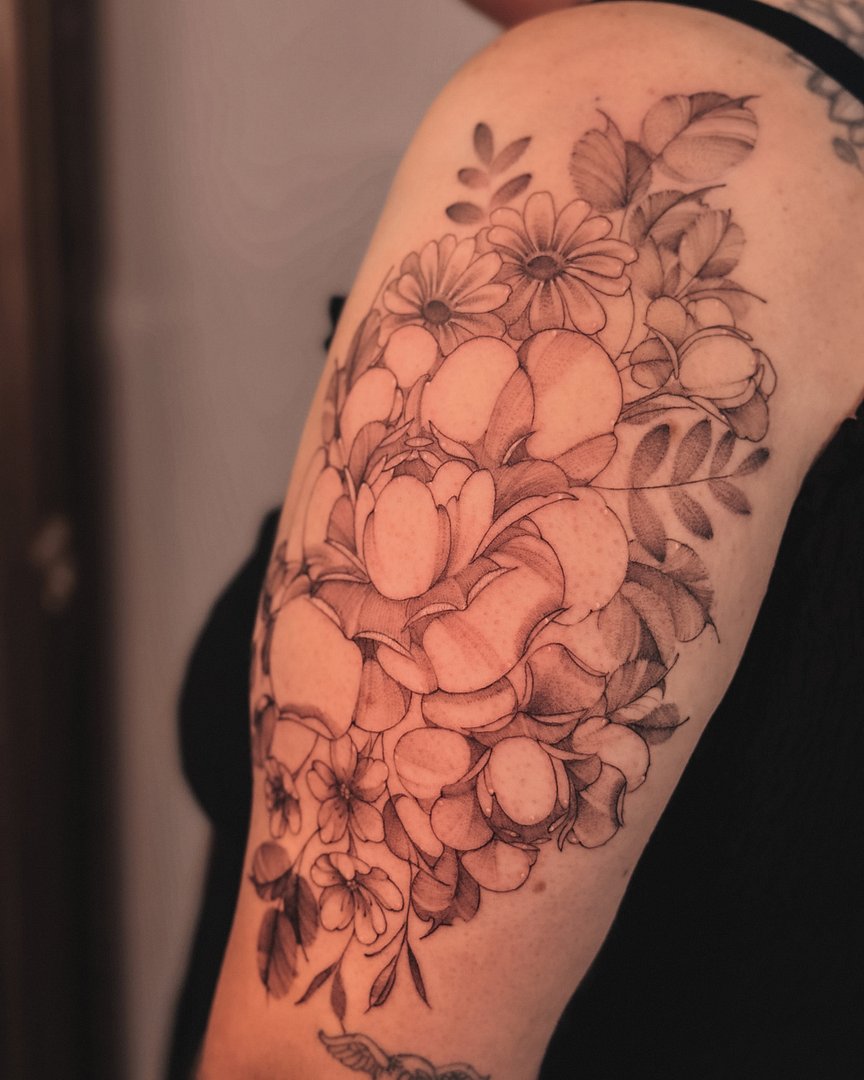
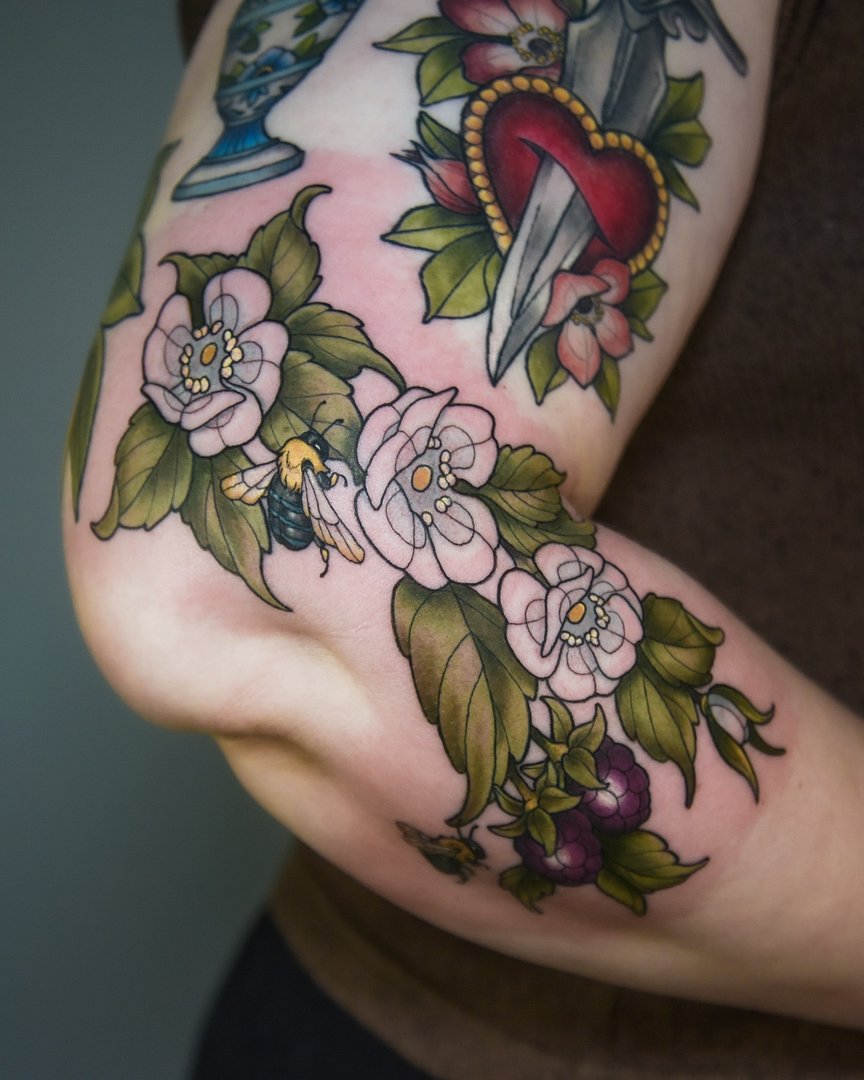
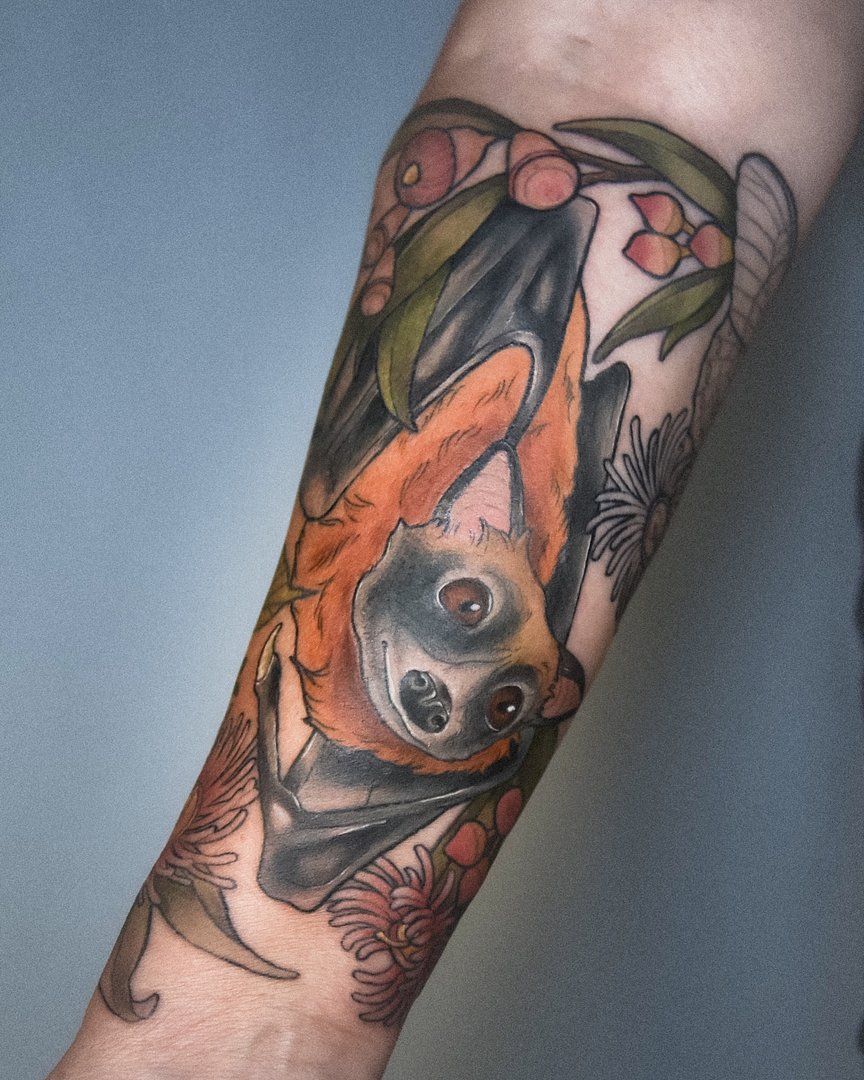
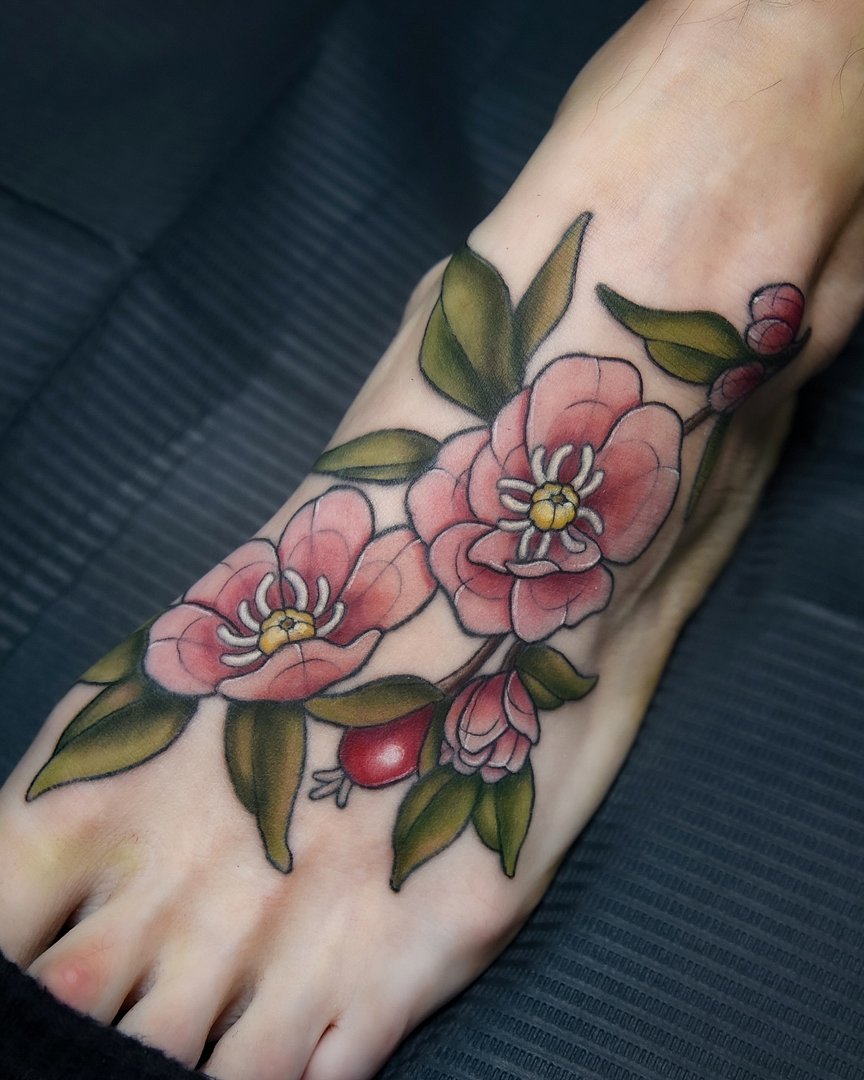
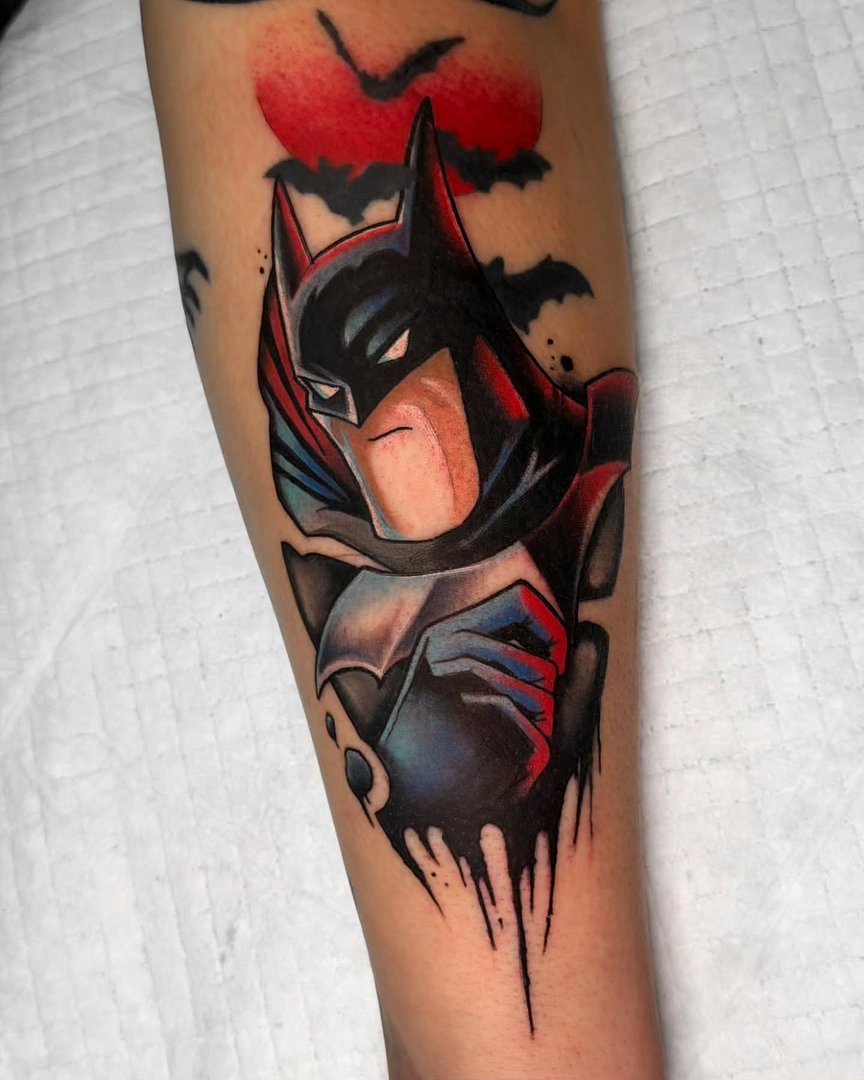
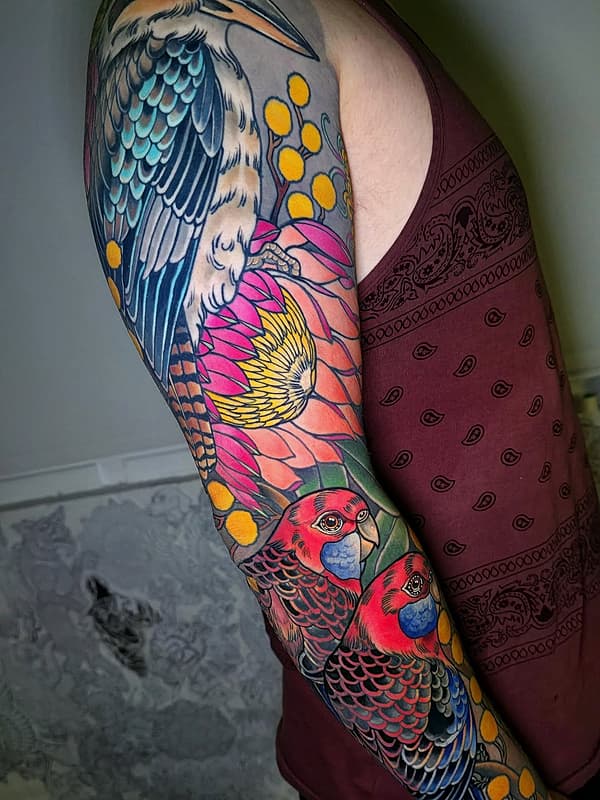
A bodysuit is large-scale tattoo coverage treated as one composition: torso, back, arms and legs designed to work together rather than a collection of unrelated pieces. Most stop at the 'concealment zones', wrists, ankles and collar, so a shirt and trousers hide everything, and a 'short suit' running to the knees and elbows is a recognised variation. Hands, neck and face are a separate decision entirely, not an automatic part of the deal.
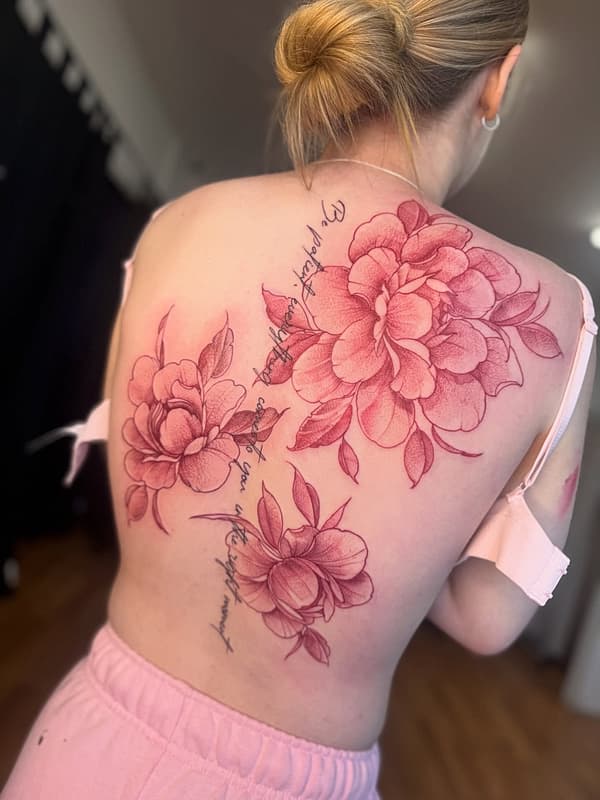
The most important correction to how people imagine it: you don't commission a bodysuit, you work toward one. Nearly every finished suit started as a back piece or a sleeve that kept growing, built session by session over years with a plan emerging along the way. It's a practice more than a purchase.
The Japanese tradition, briefly
The bodysuit as an art form is essentially a Japanese invention, and the tradition has vocabulary worth knowing if you're drawn that way. Munewari is the split-chest suit, leaving a deliberate open strip down the centre of the torso; it isn't unfinished, it's a design convention with its own history. Donburi closes the front completely. Gakubori is the unified background, the wind, waves and clouds that tie every subject into one flowing composition, and it's the thing that separates a Japanese suit from a body covered in Japanese-style tattoos.