Tattoo Cost in Australia: Hourly Rates, Deposits, Tipping and Sleeves | REAP
  1. Home
  2. /Guides
  3. /What Tattoos Cost in Australia

What Tattoos Cost in Australia

What tattoos really cost across Australian cities: hourly rates, shop minimums, deposits, day rates, sleeve budgets, and whether you should tip.

Updated 2026-07-18

The numbers, upfront

Australian hourly rates track experience more than anything else: apprentices charge roughly $80 to $150, established artists $150 to $250, and top booked-out names $300 or more. By city, Sydney, Melbourne and Perth cluster around $200 to $250 an hour for experienced artists, Brisbane and the Gold Coast a little under, with Adelaide and regional studios cheaper again. CBD studios carry a rent premium; outer-suburb studios often run 15 to 25 percent cheaper for comparable work.

By size, the rough map: tiny pieces under 5 centimetres run $100 to $200, small pieces $120 to $500, medium work $500 to $1,000, half sleeves $700 to $2,500 depending on colour and detail, full sleeves $1,500 to $6,000 or more, and back pieces from $1,200 up. Every studio also has a minimum charge, usually $100 to $150, because even a five-minute tattoo requires a full sterile setup. Colour costs more than black and grey, roughly $200 to $250 an hour versus $150 to $200, simply because it takes longer to pack.

Deposits, and your actual rights

Deposits of $50 to $100 are standard ($100 to $200 for large custom work), come off the final price, and exist to protect the artist's design time and the booked slot. If you cancel late or no-show, expect to lose it; most studios allow one reschedule with reasonable notice.
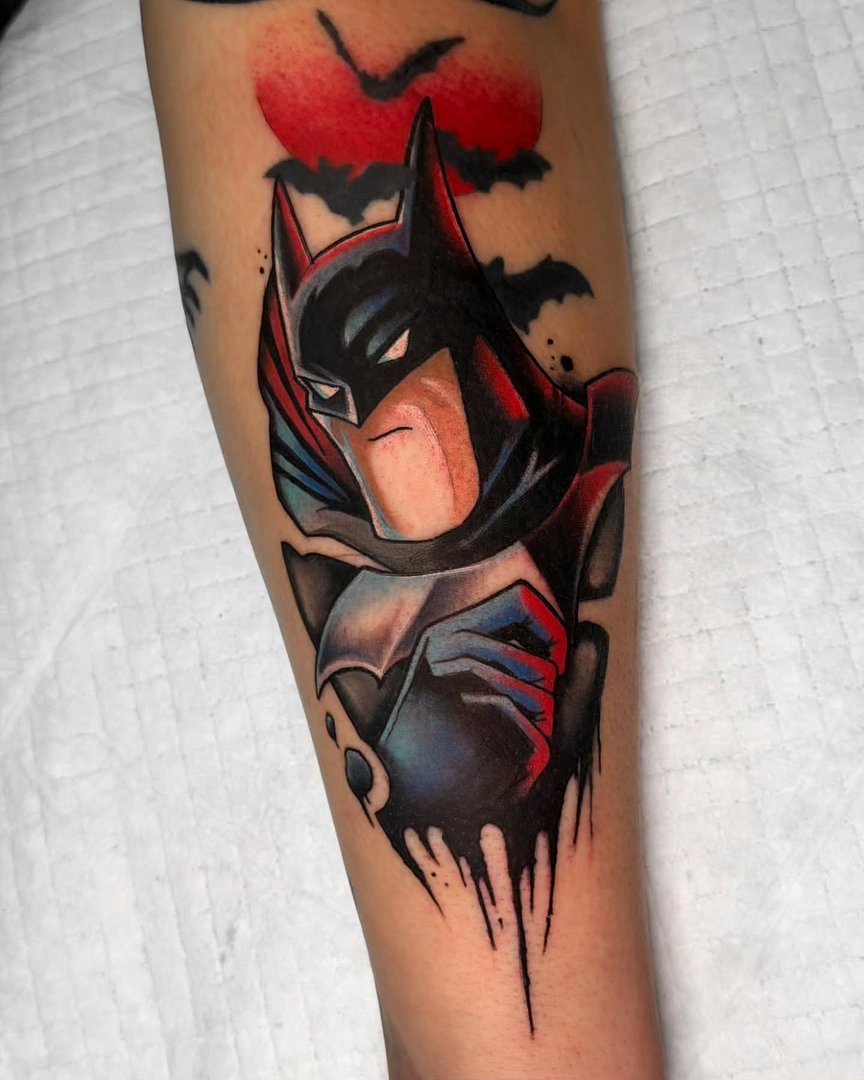
The part nobody writes down: 'non-refundable' isn't magic. Under Australian Consumer Law, a blanket policy doesn't override your rights, and if the artist cancels on you and won't offer a reasonable reschedule, asking for the deposit back is entirely fair. In practice, communicate early and most studios are reasonable. The deposit fights that go badly are almost all no-shows arguing after the fact.

Day rates, and budgeting a sleeve honestly

For large projects, many artists switch from hourly to day rates, typically $1,200 to $1,500 for a six-to-eight hour session, with high-end artists at $2,000 to $3,000. Day rates usually work out slightly cheaper per hour and suit big pieces where setup and design flow matter.

The mistake people make budgeting a sleeve is multiplying the hourly rate by one session. A full sleeve is a multi-session project, commonly $1,500 at the very simplest to $6,000 or beyond with a top artist, spread over months. Black and grey saves meaningful money over colour on big work, several hundred dollars on a half sleeve. Budget the whole project, add a margin for touch-ups and aftercare products, and pay as you go per session, which is the standard arrangement.

Tipping, quoting and not being that client

Tipping: Australia is not America, and tipping is not expected or standard here. If an artist went well beyond, around 10 percent is a generous gesture that will be genuinely appreciated, but nobody is quietly judging you for paying the quoted price. Most of the '15 to 20 percent or you're rude' content you'll find is American and doesn't apply.
Quoting etiquette is simple. Send a clear enquiry: what you want, size, placement, references. Asking for a price is normal; haggling over one is poor form. If the quote is beyond your budget, say so and ask what's possible at your number; artists resize and simplify designs for budgets all the time and respect the directness. What they don't respect is price-shopping the same design across ten artists, or choosing on price alone. Cheap tattoos have a way of becoming expensive cover-ups, and the difference between a $600 piece you love for decades and a $300 one you laser off is not a saving.
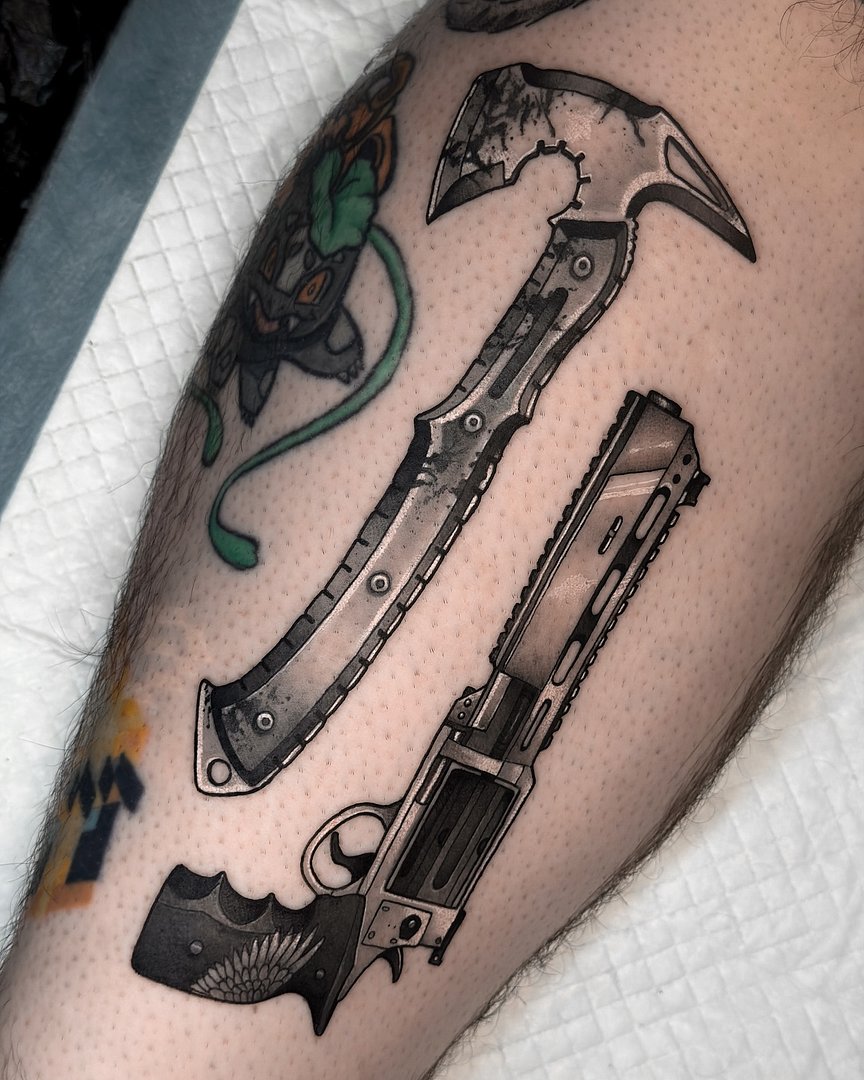
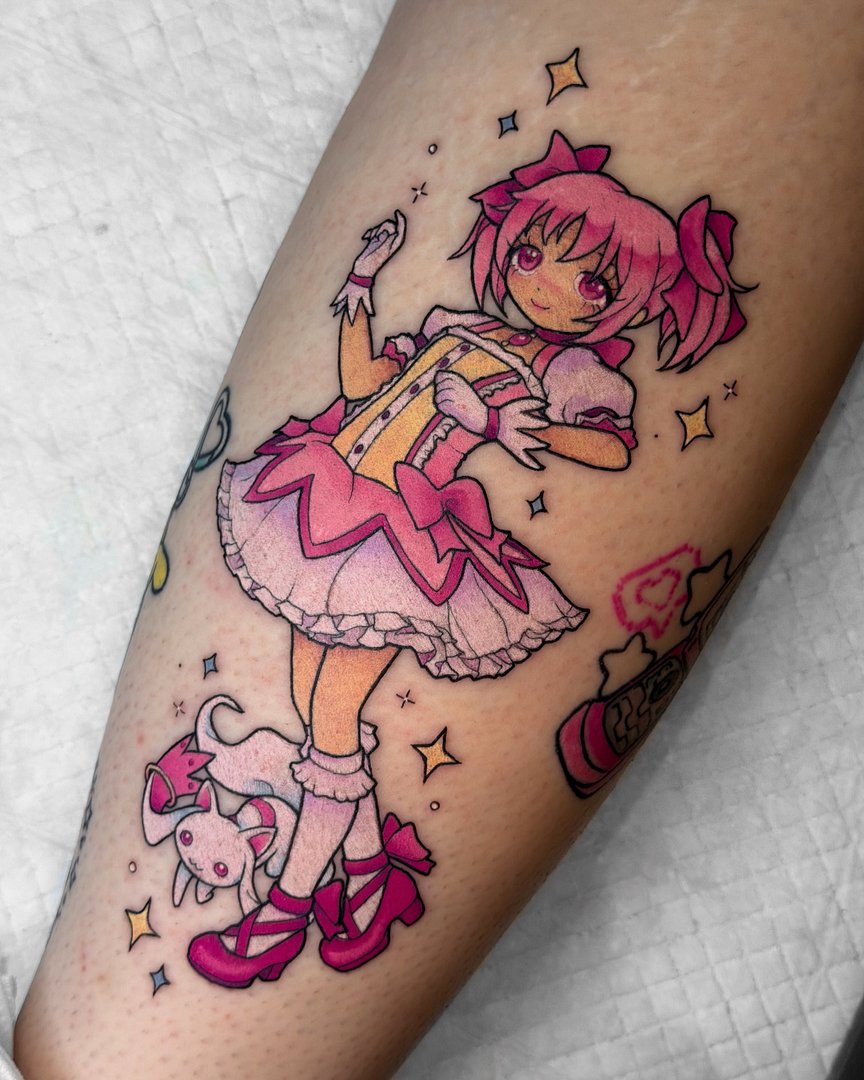
Artists on REAP

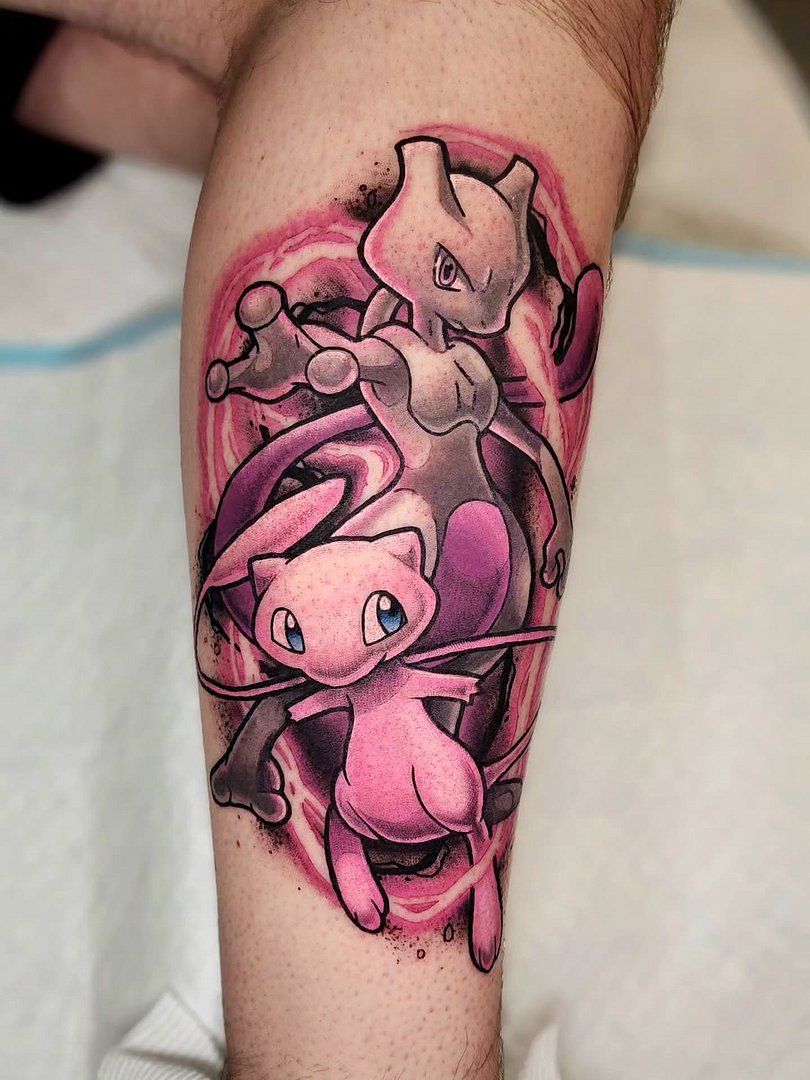
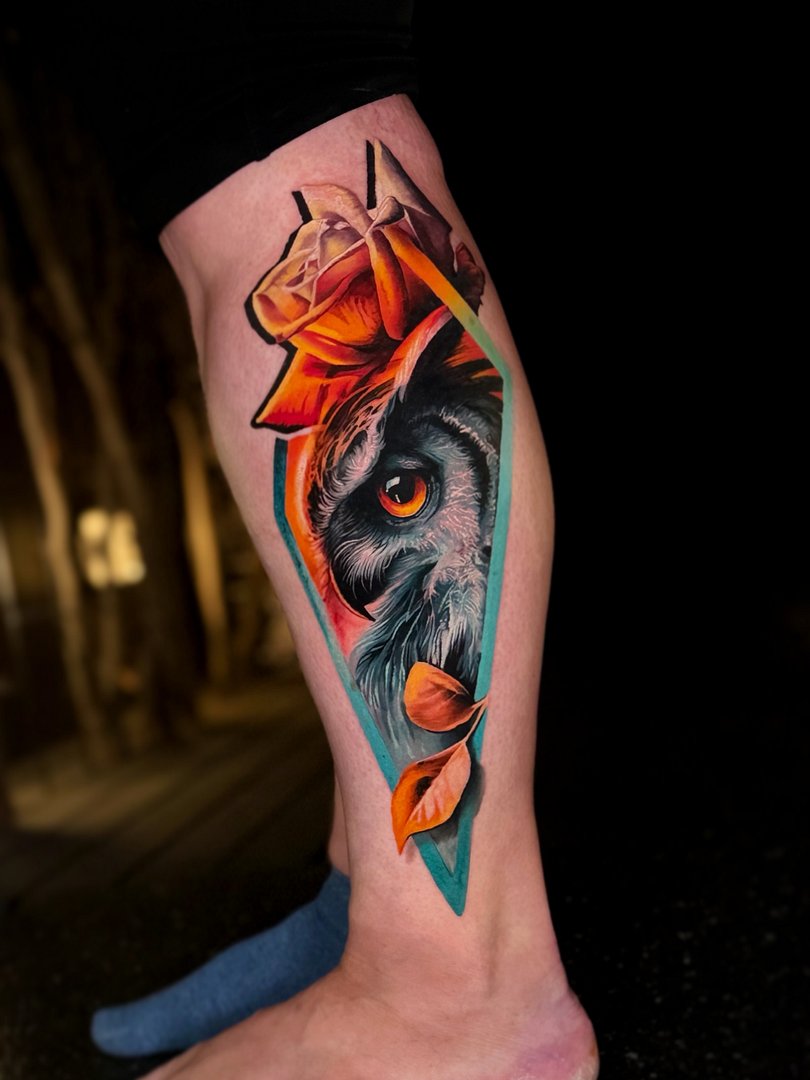
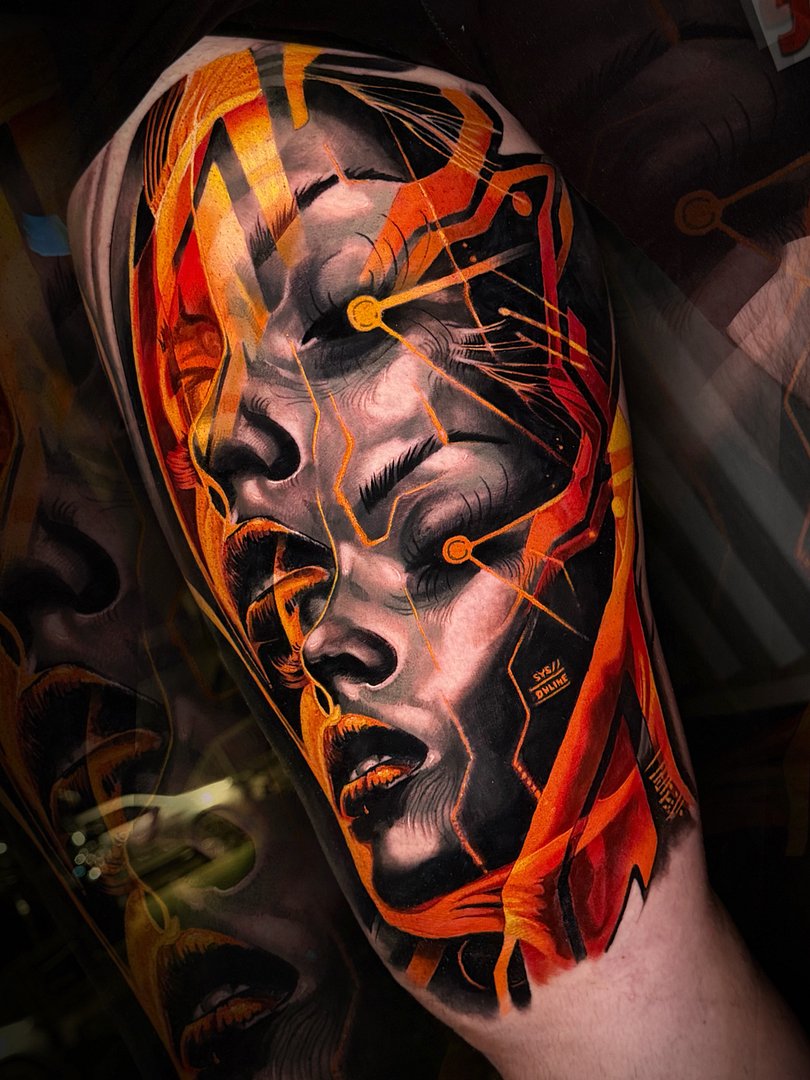
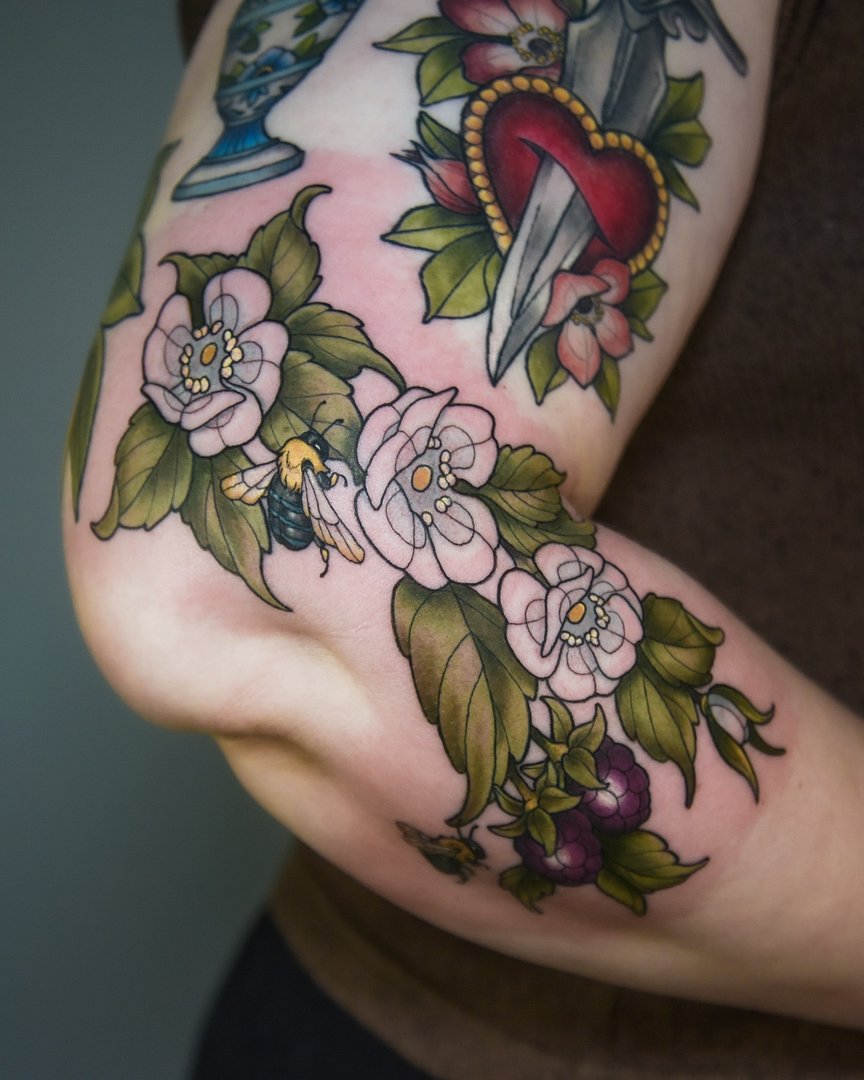
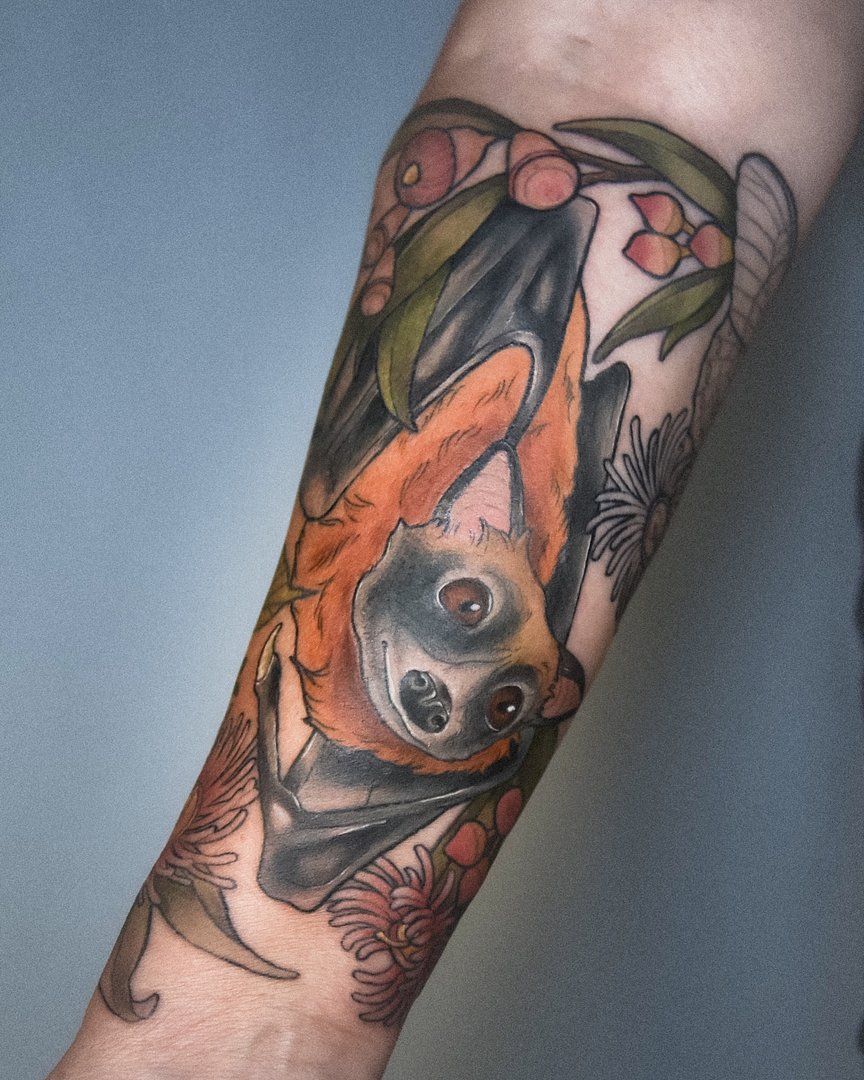
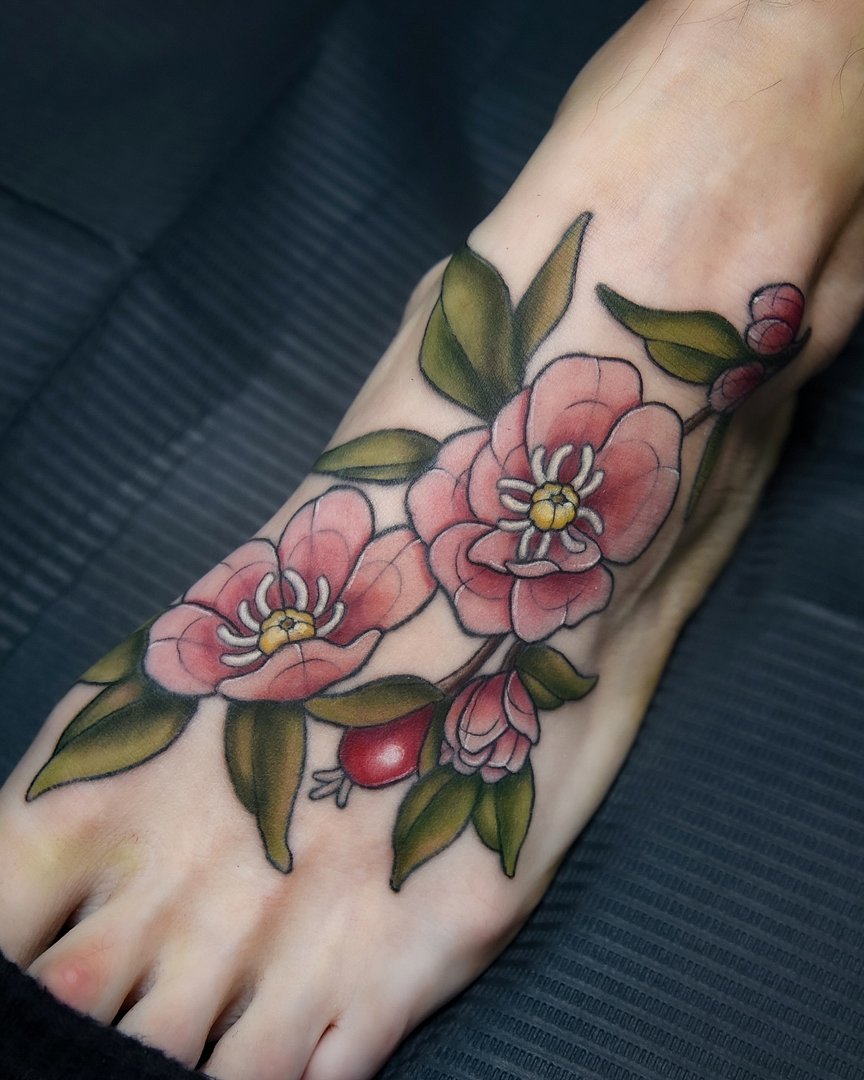
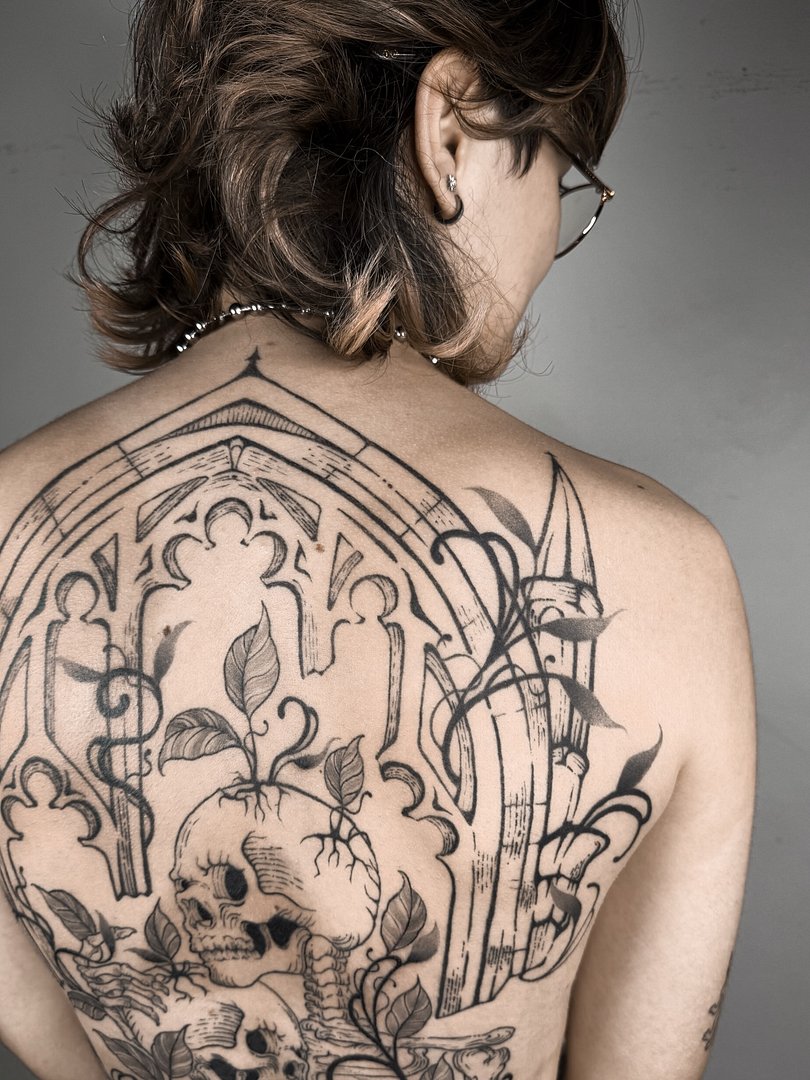
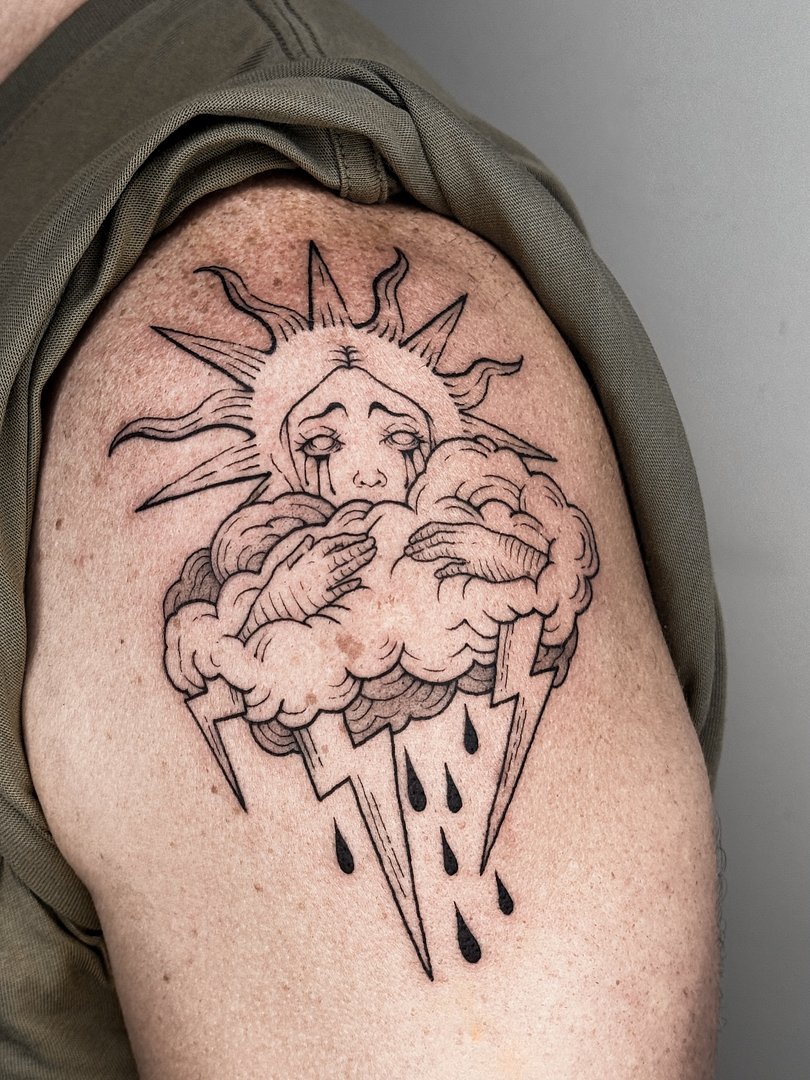
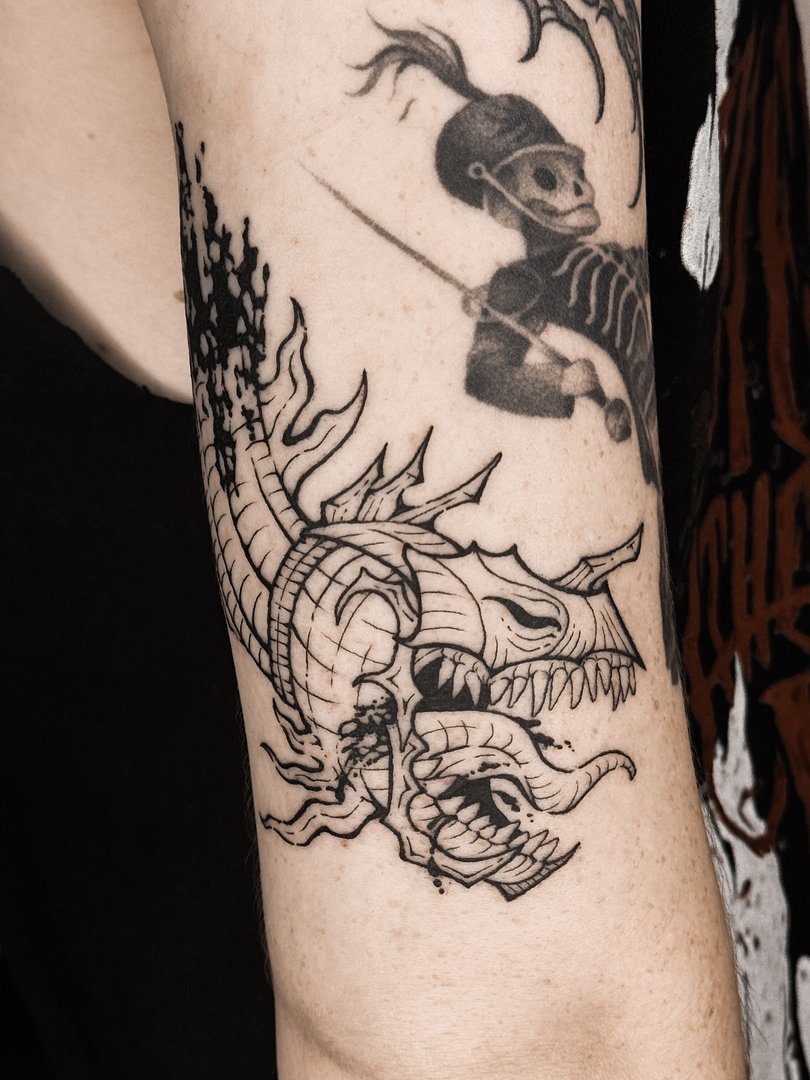
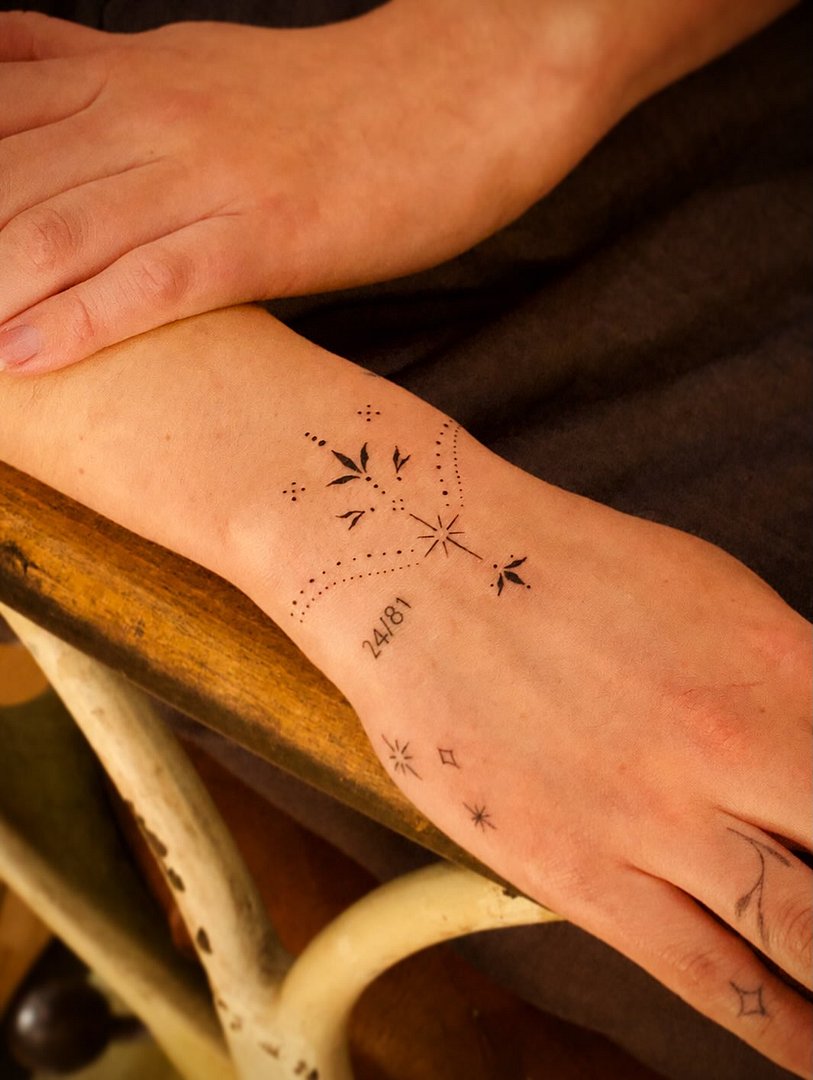
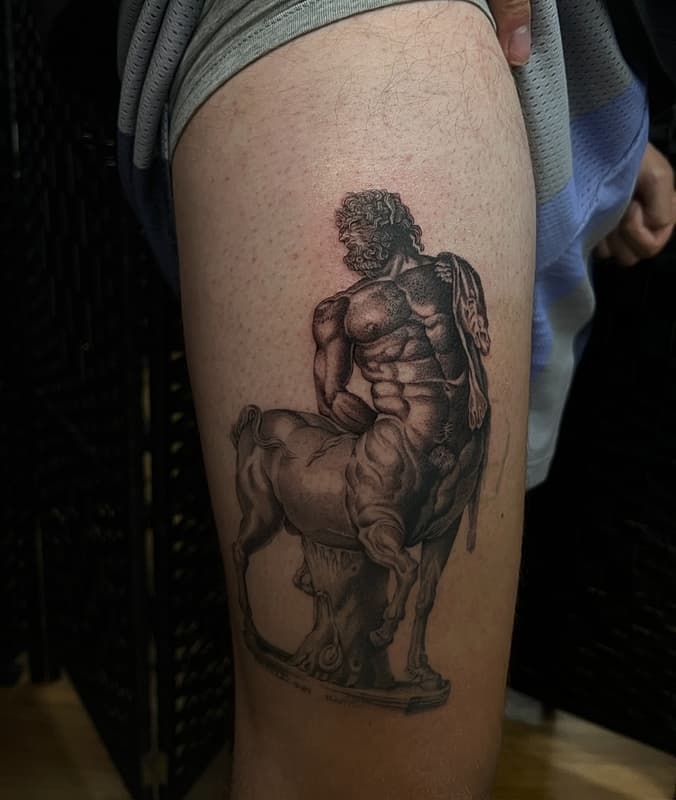
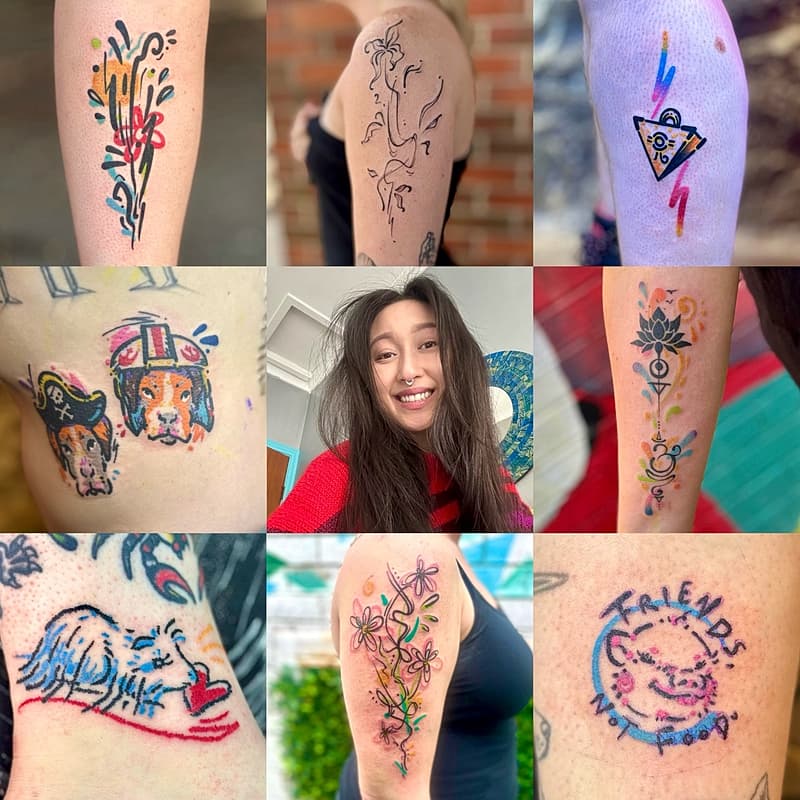
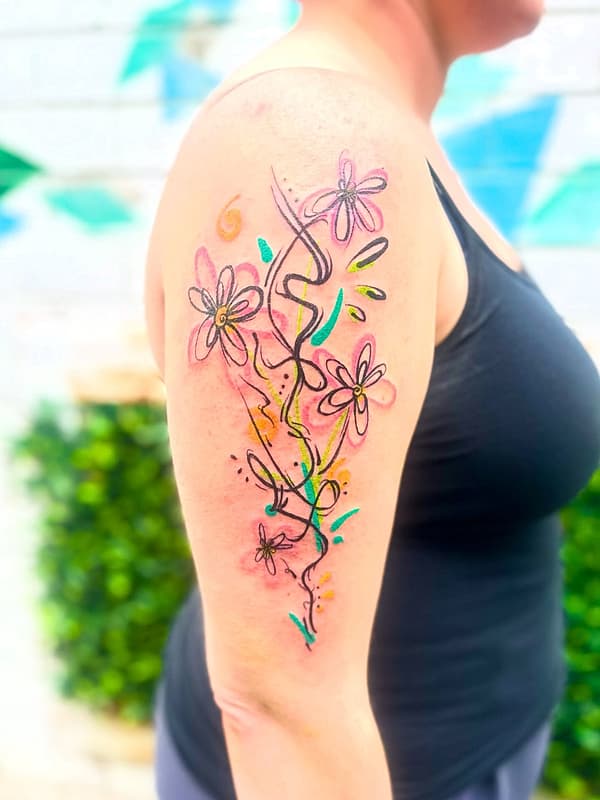
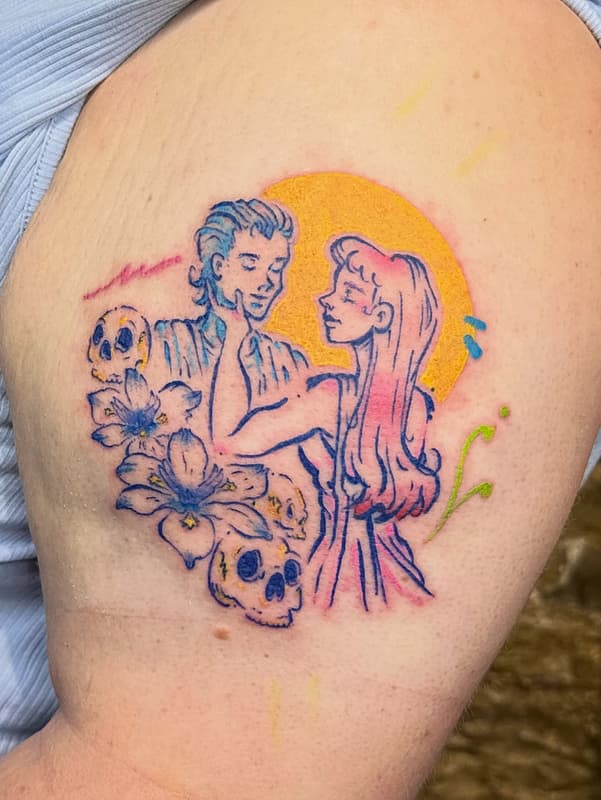
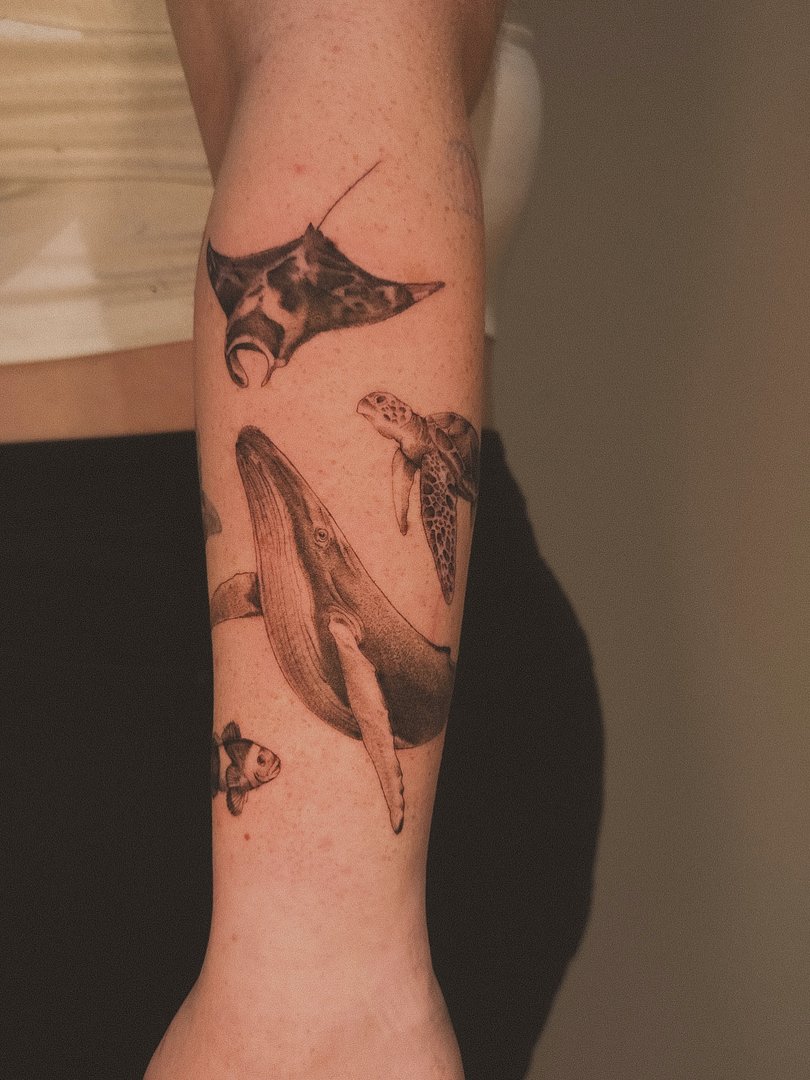
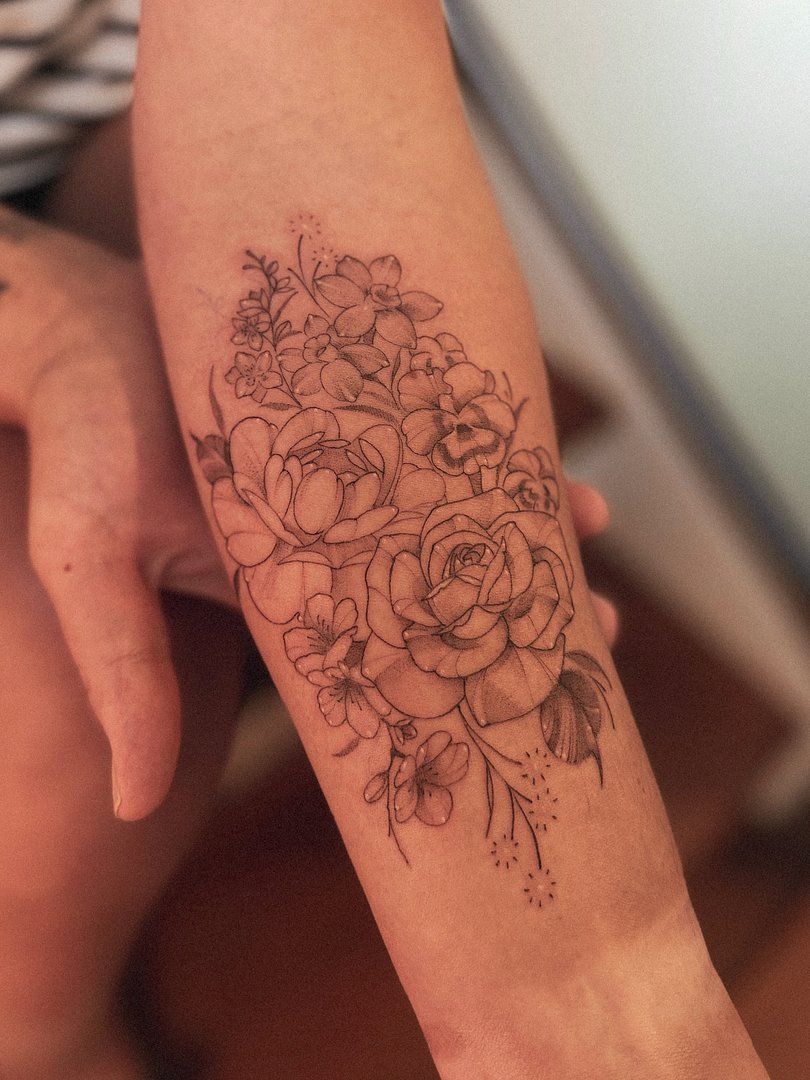
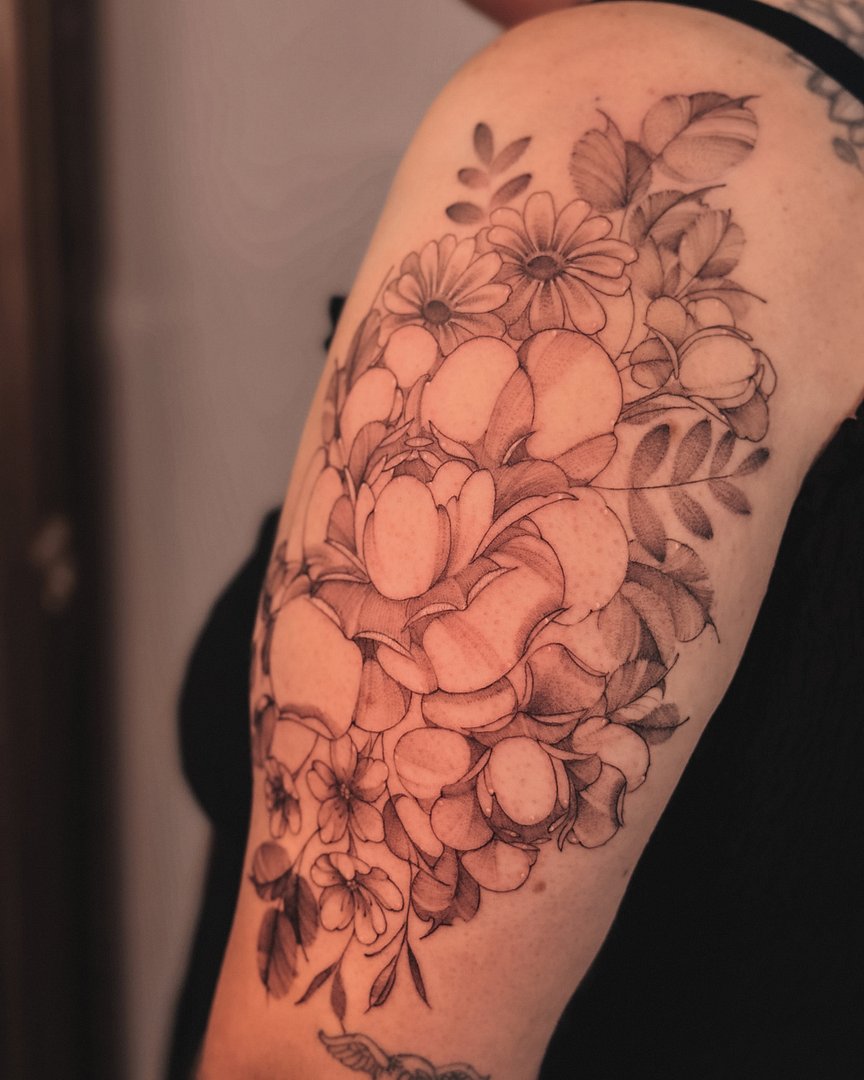
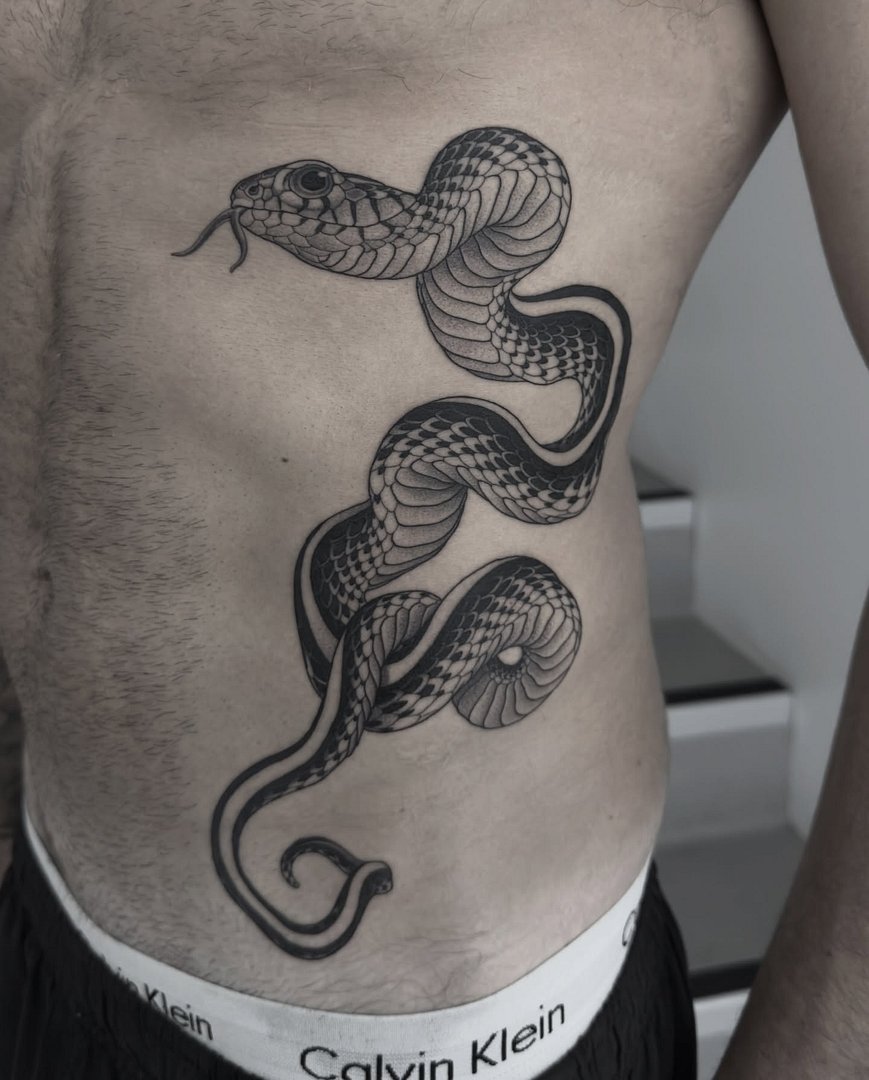
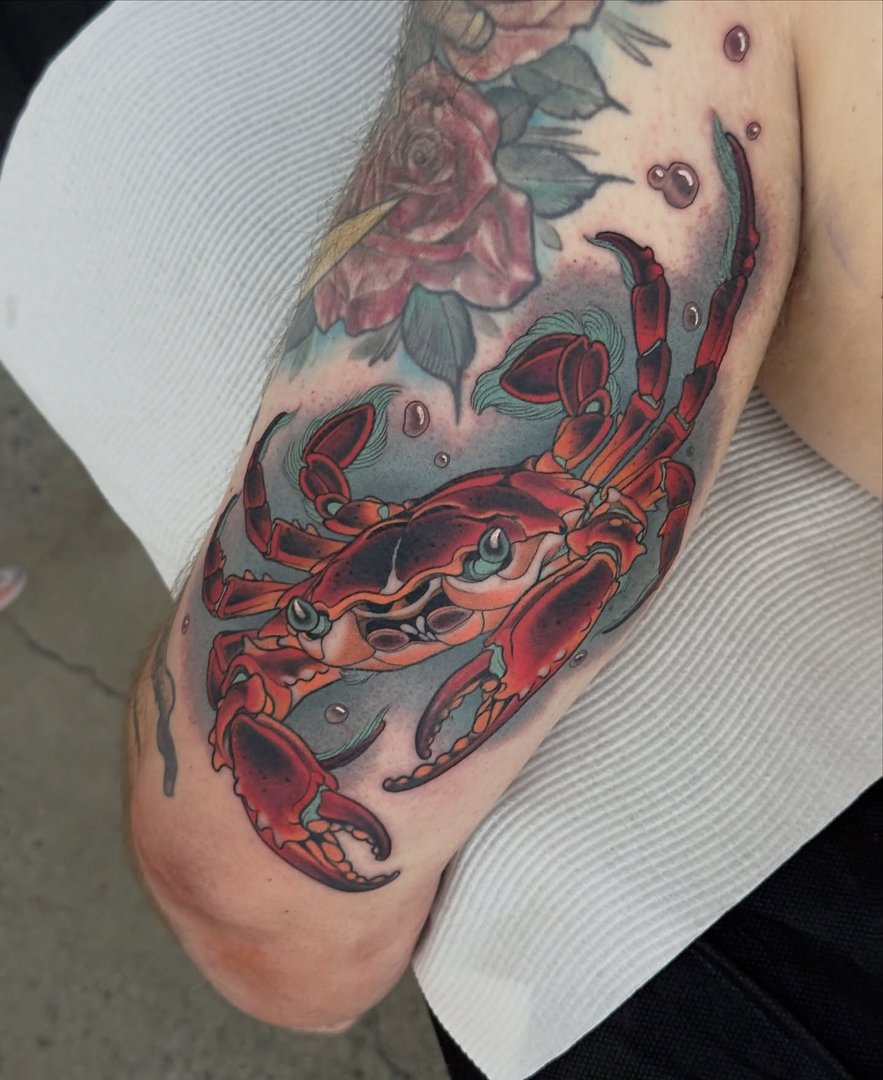
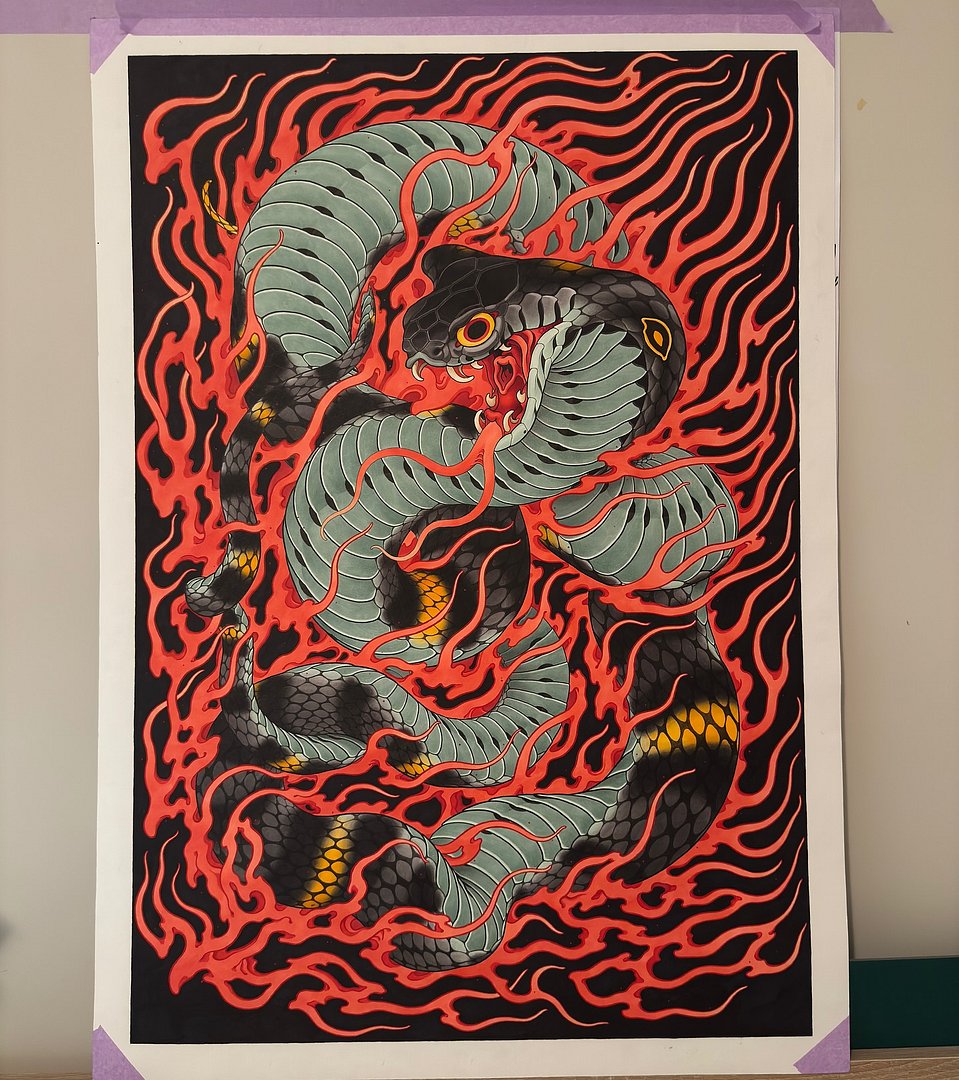
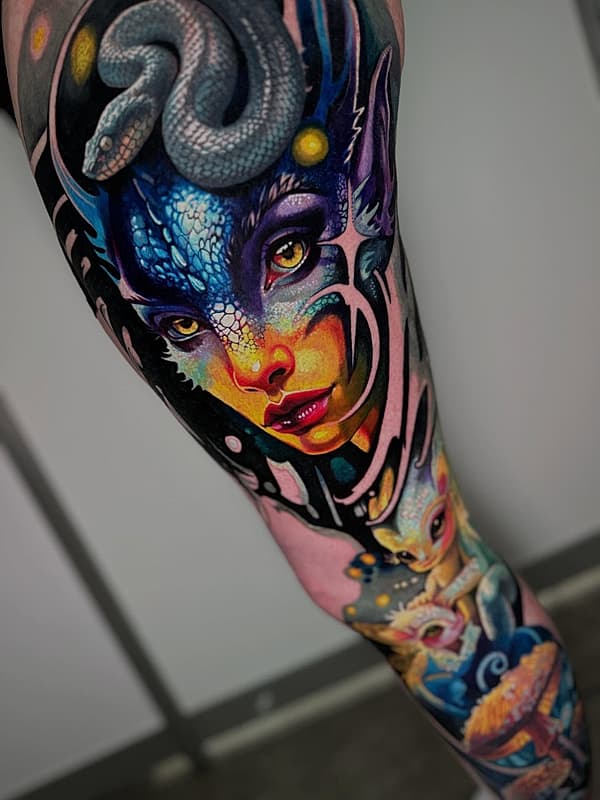
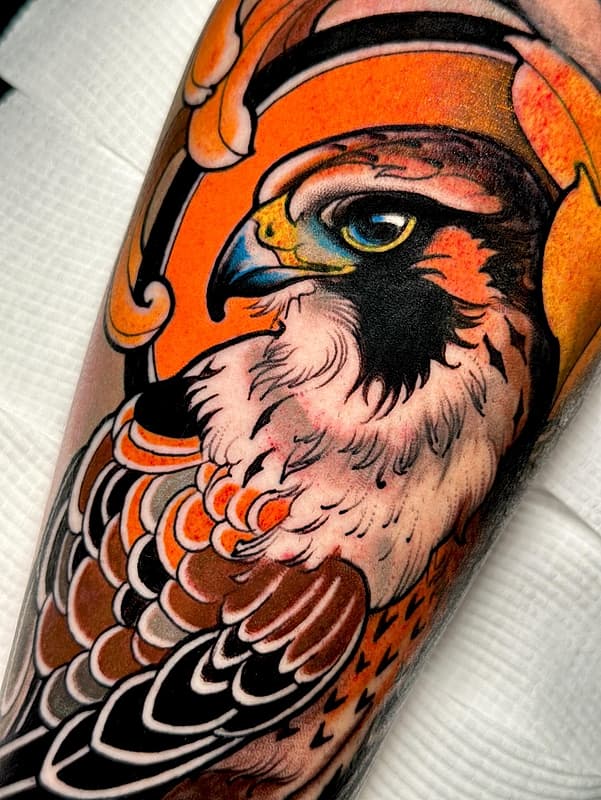
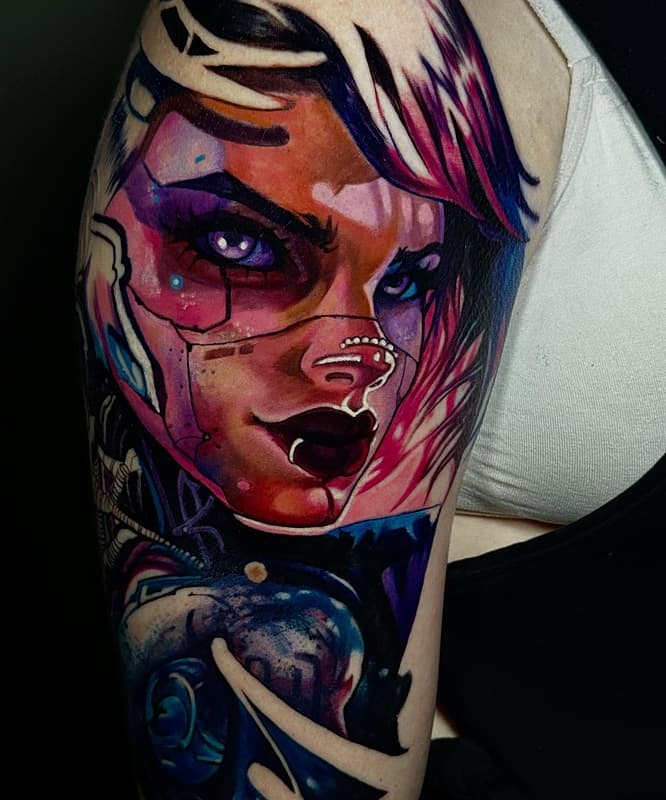
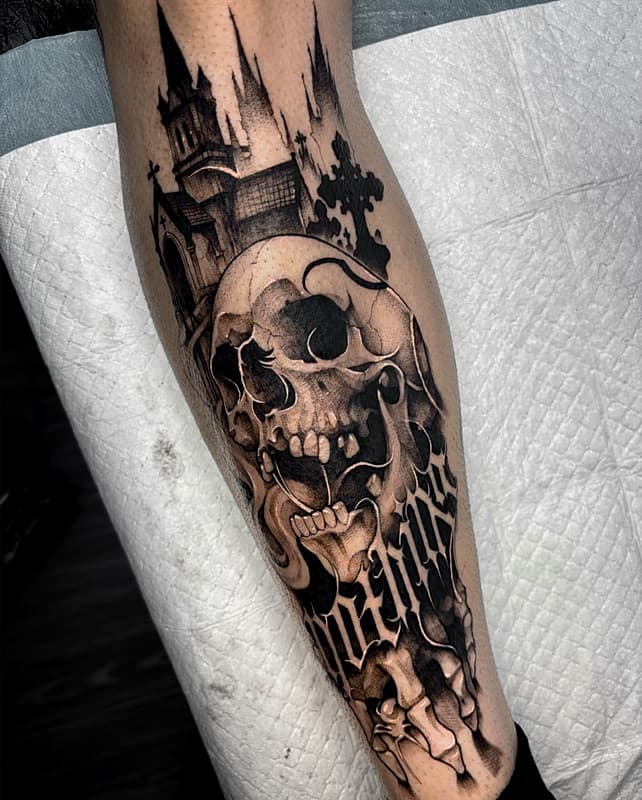
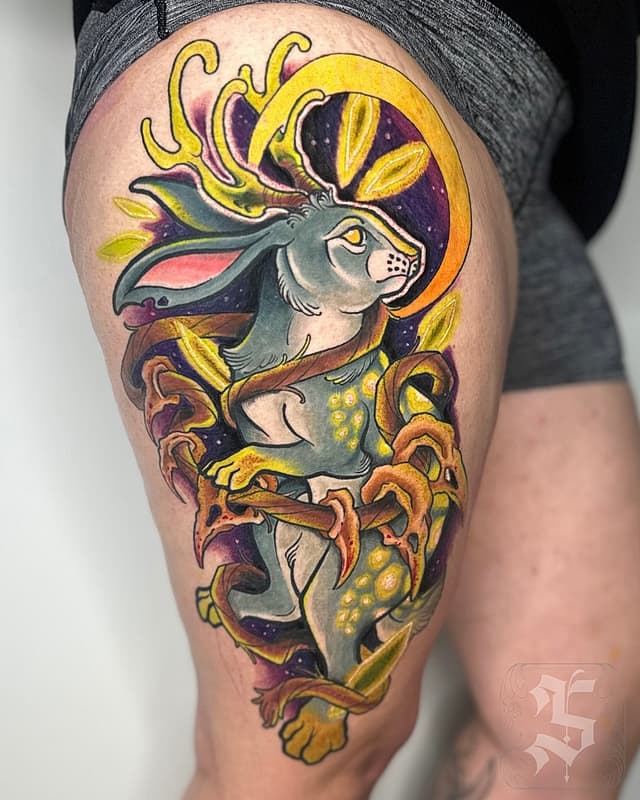
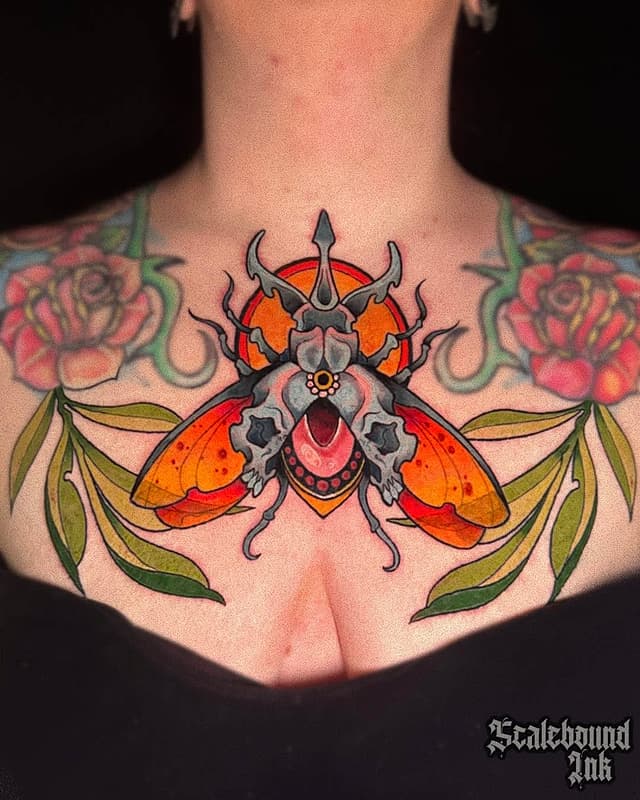
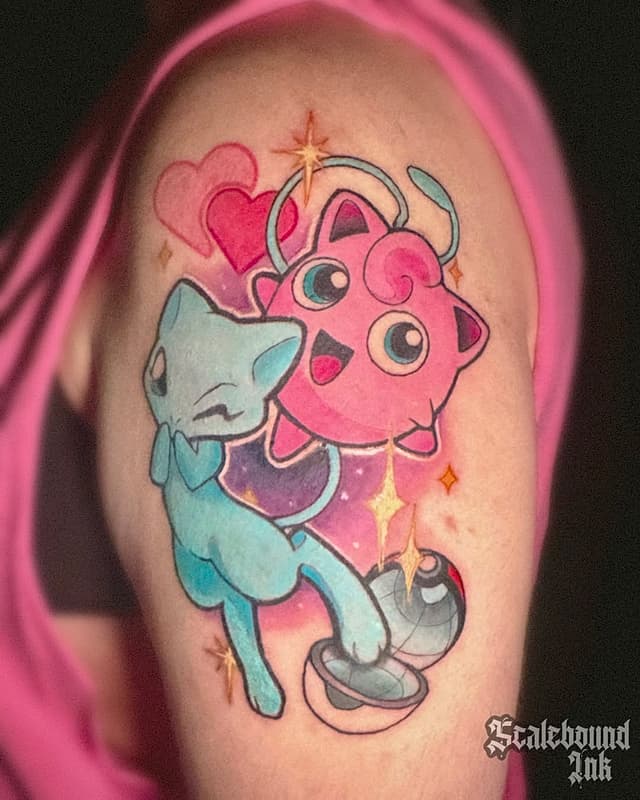
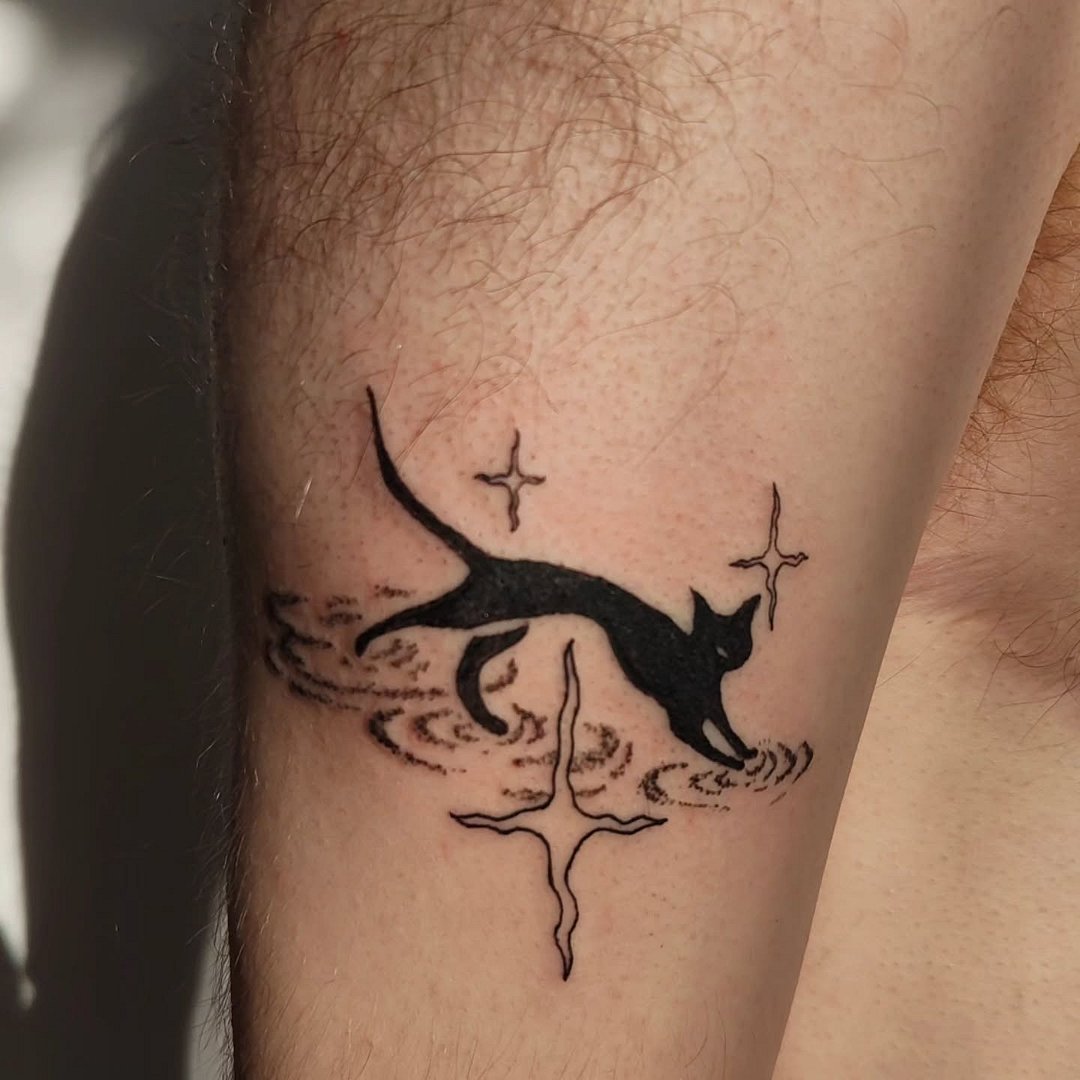
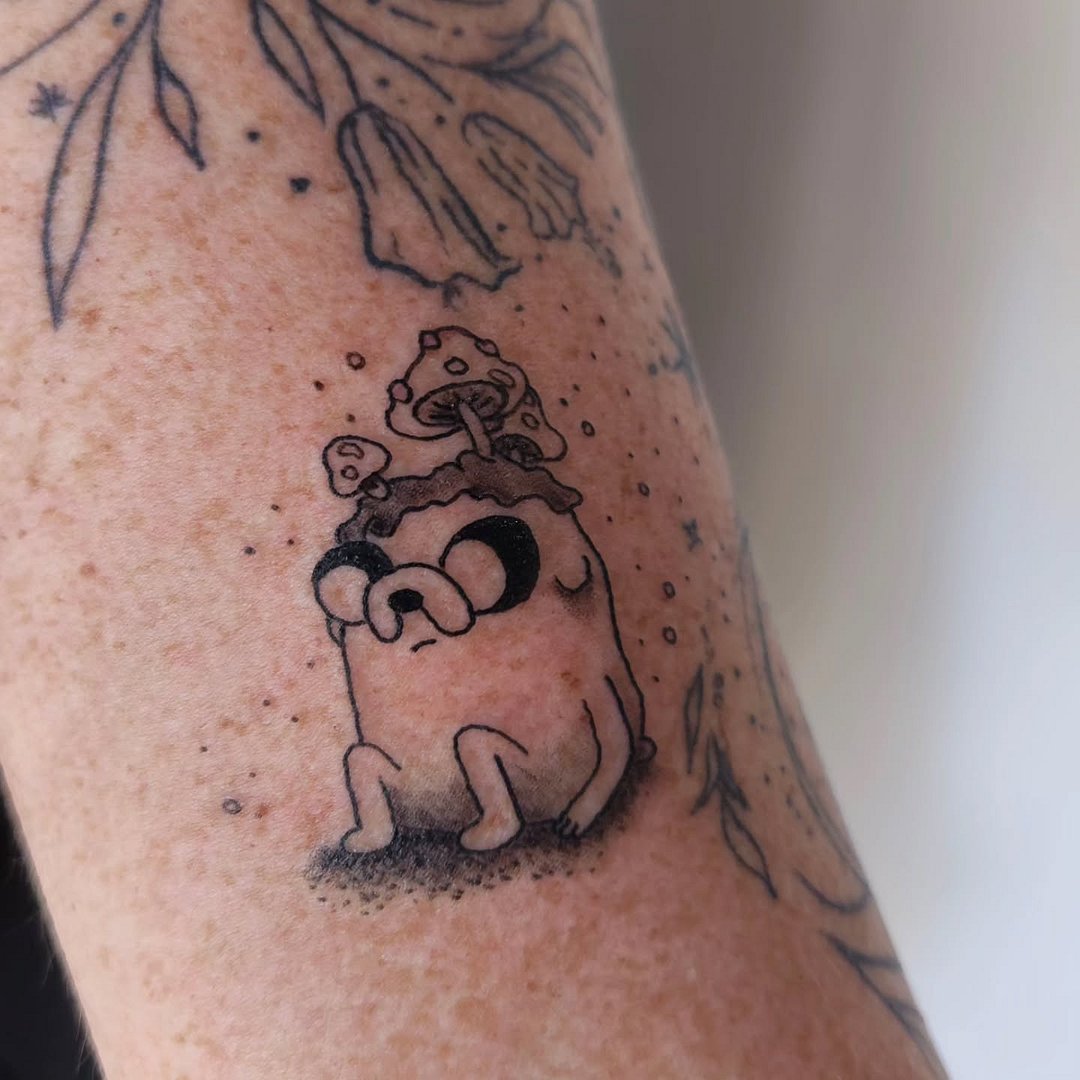
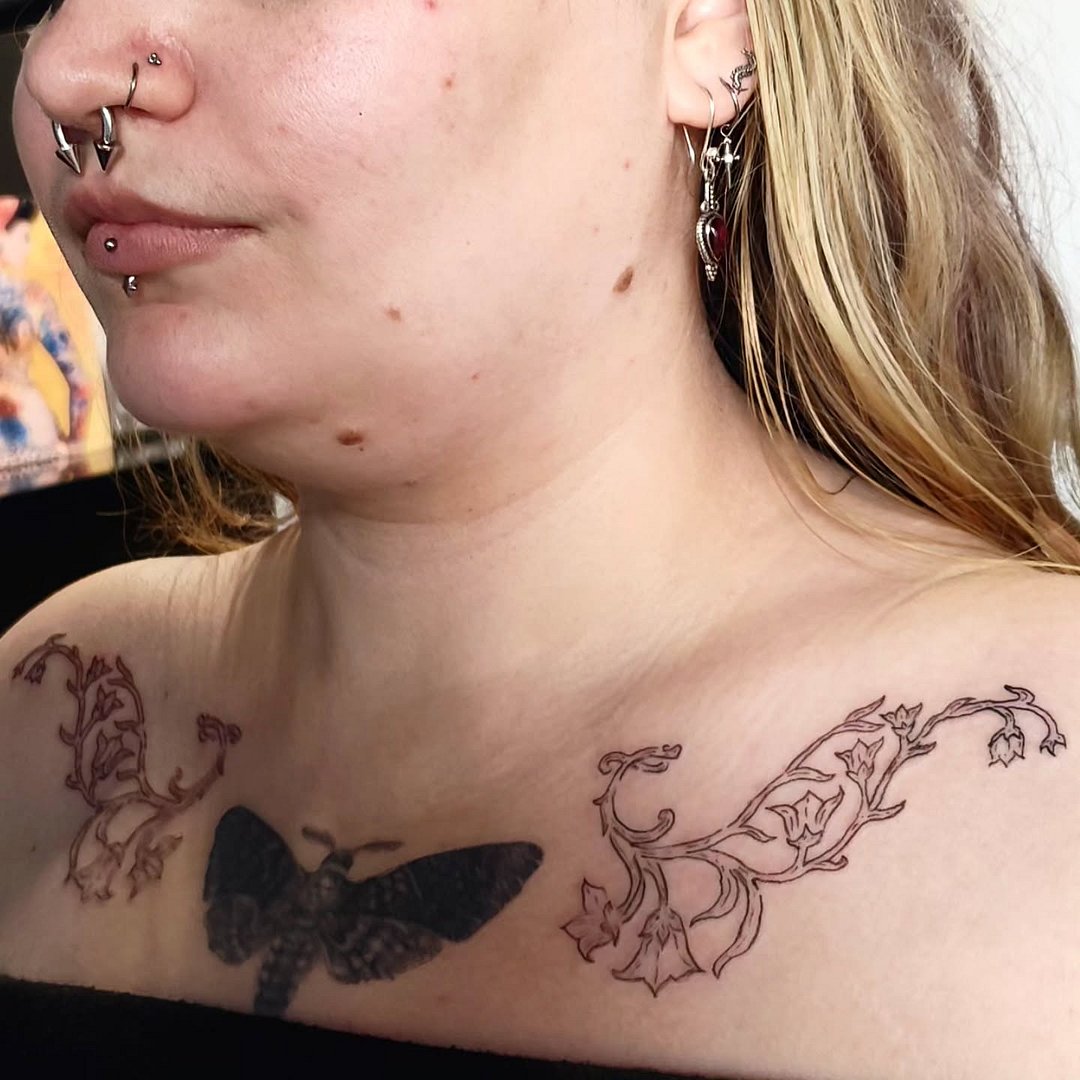
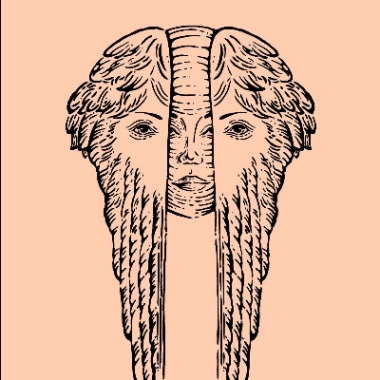
Real work from artists you can book right now.

Got a tattoo in mind?

Post a tattoo request and let artists come to you. Describe what you want, and artists who suit it will reach out.

Frequently Asked Questions

How much does a tattoo cost in Australia?+

Experienced artists charge roughly $150 to $250 an hour, with top names at $300 or more and shop minimums of $100 to $150. Small pieces typically run $120 to $500, half sleeves $700 to $2,500, and full sleeves $1,500 to $6,000 depending on the artist, detail and colour.

Do you tip tattoo artists in Australia?+

No, tipping isn't expected or standard here; that's American convention bleeding through the internet. If your artist went above and beyond, around 10 percent is a genuinely appreciated gesture, but paying the quoted price is completely normal.

Are tattoo deposits refundable?+

If you cancel late or no-show, expect to forfeit it; that's what the deposit is for. But blanket 'non-refundable' policies don't override Australian Consumer Law: if the artist cancels and won't reasonably reschedule, requesting a refund is fair. Most disputes are avoided by communicating early.

Is a day rate cheaper than paying hourly?+

Usually slightly, per hour. Day rates of $1,200 to $1,500 for a six-to-eight hour session are common for large projects and suit them better anyway, since big pieces benefit from long uninterrupted sittings. High-demand artists charge $2,000 or more per day.

Why do tiny tattoos still cost $100 or more?+

The shop minimum covers what doesn't scale down: single-use sterile needles and supplies, station setup and breakdown, licensing and infection-control compliance, and the artist's time either side of the needle. A five-minute tattoo requires the same sterile setup as a five-hour one.

Is it rude to ask a tattoo artist how much it will cost?+

Not at all; it's expected. Send what you want, the size, placement and reference images, and ask for an estimate. What's poor form is haggling. If the number is beyond your budget, tell them your budget and ask what's possible; most artists will scope a design to it.

Find Artists Near You

SydneyNSWMelbourneVICBrisbaneQLDPerthWAAdelaideSAGold CoastQLDNewcastleNSWCanberraACTHobartTASDarwinNT
Browse artists on the map →