The physics of a cover-up
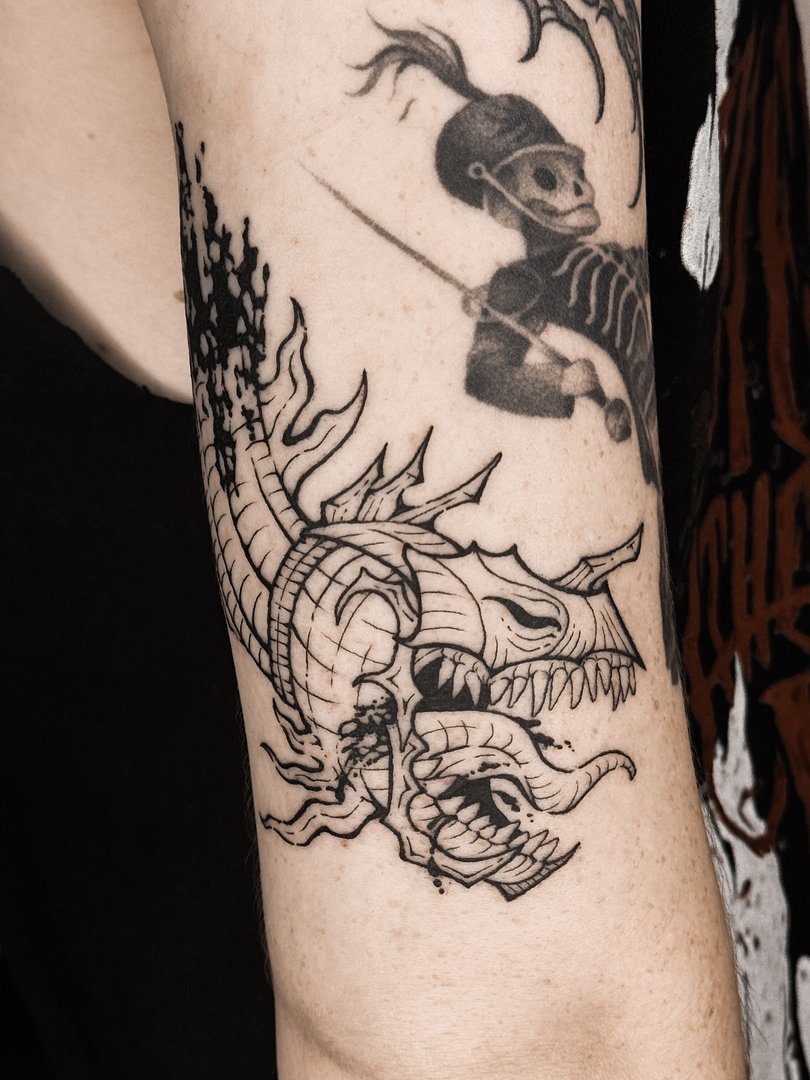
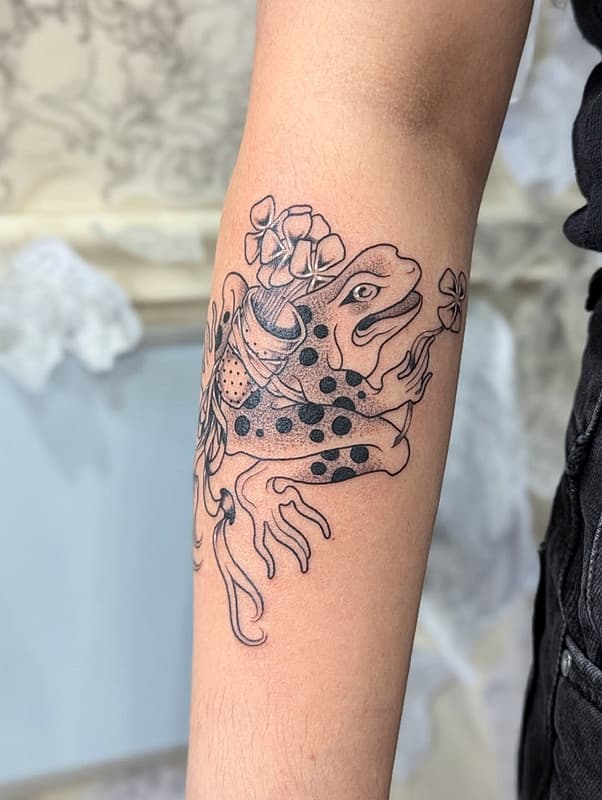
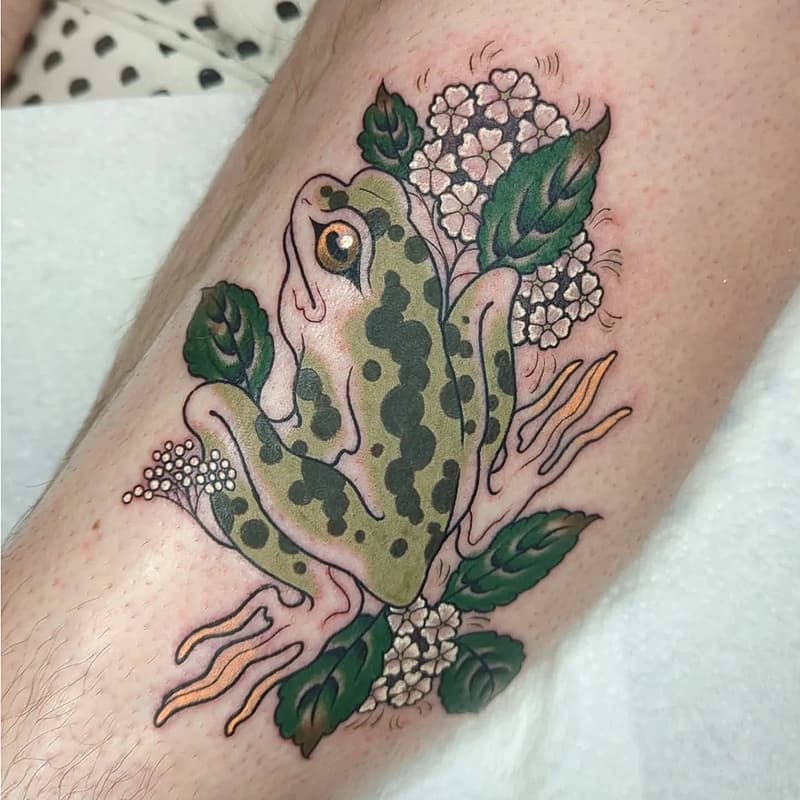
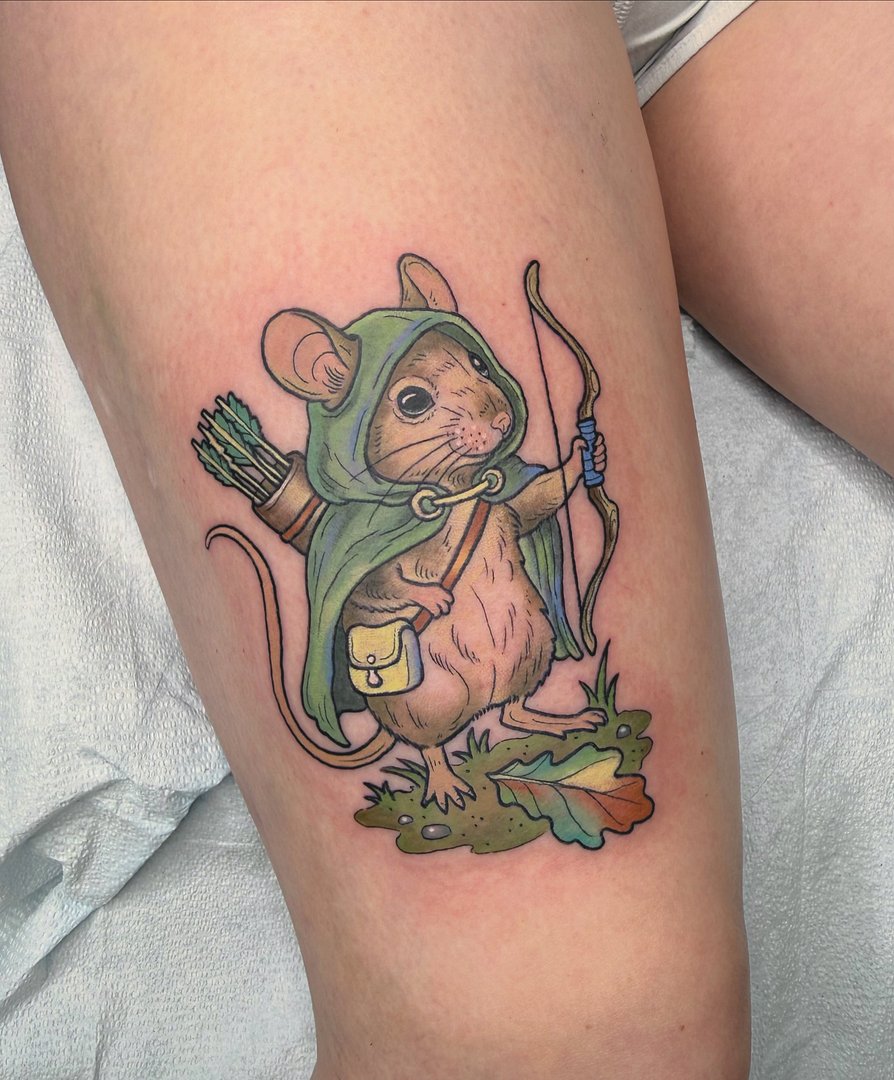
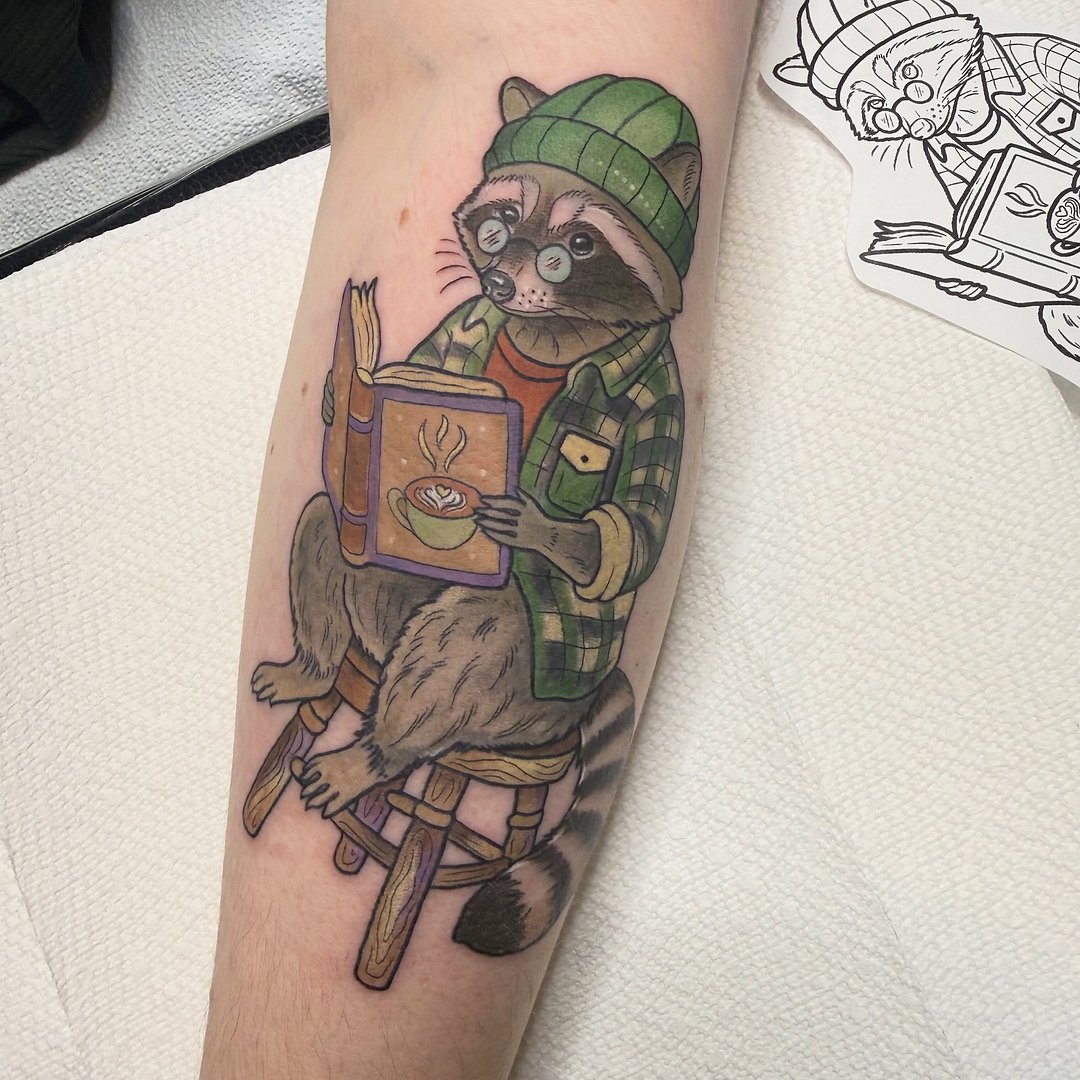
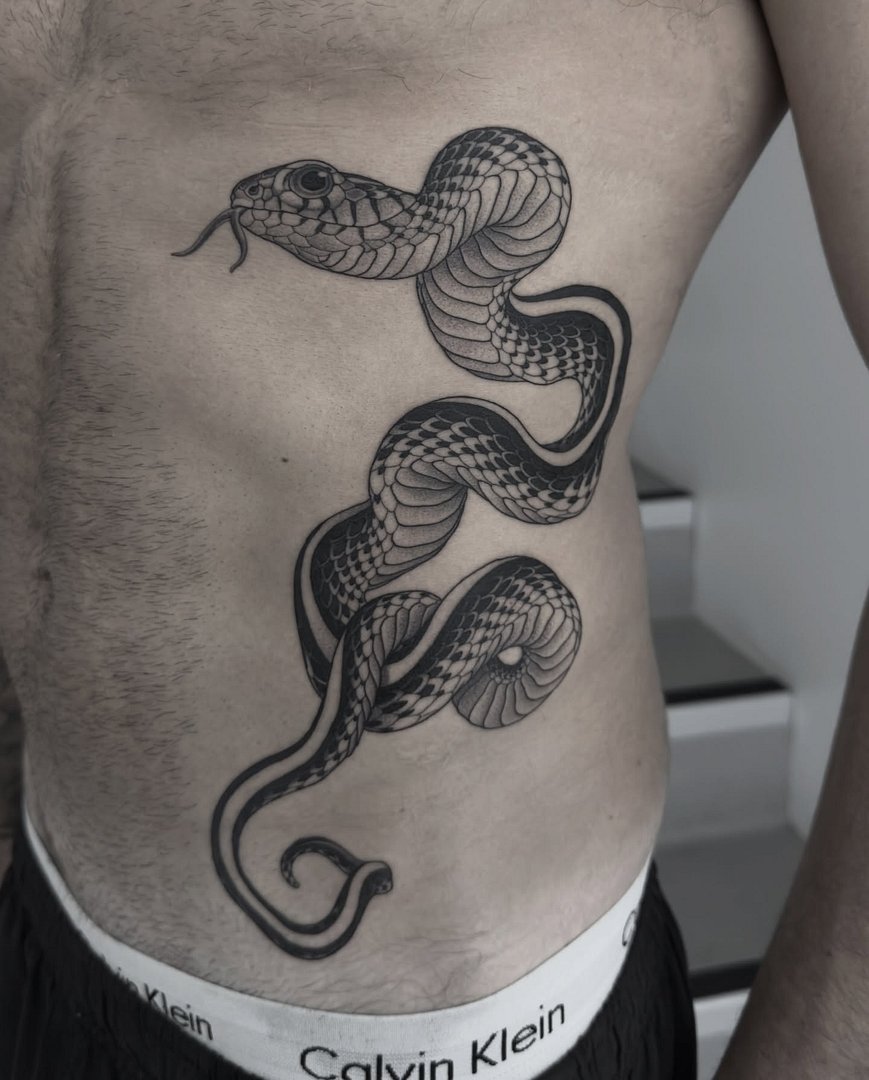
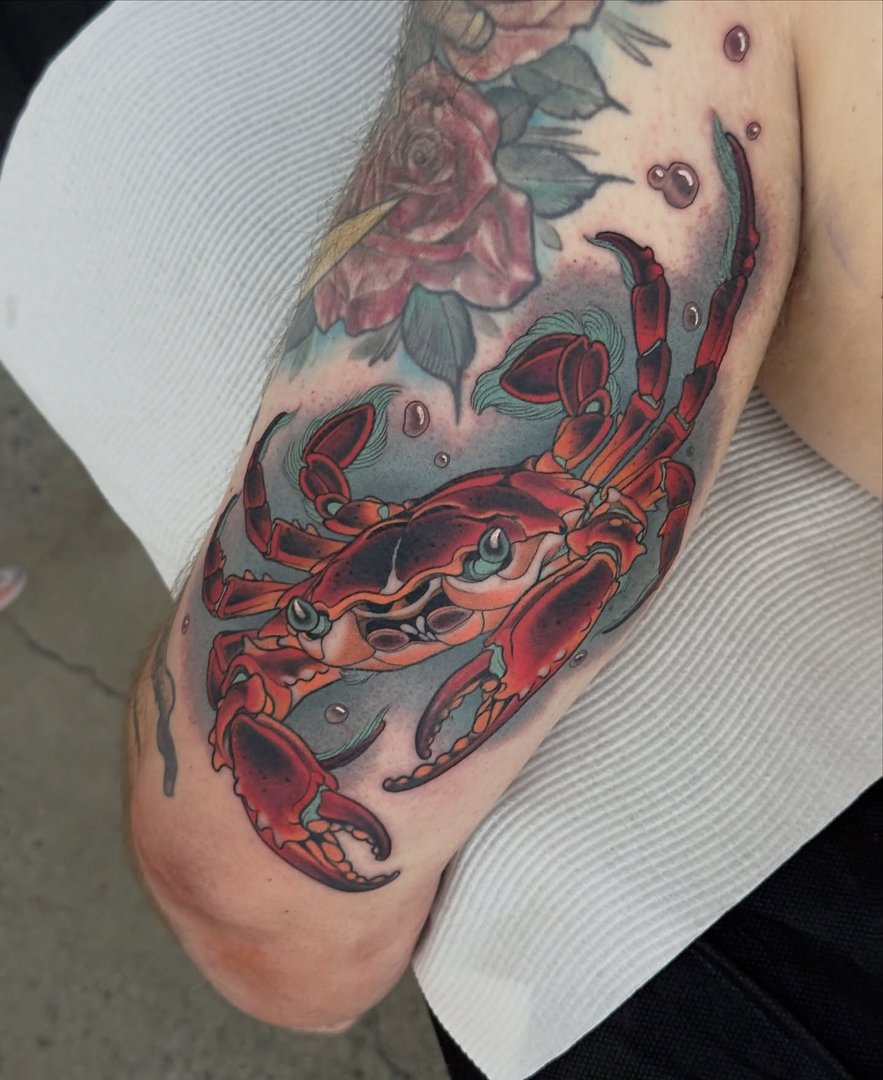
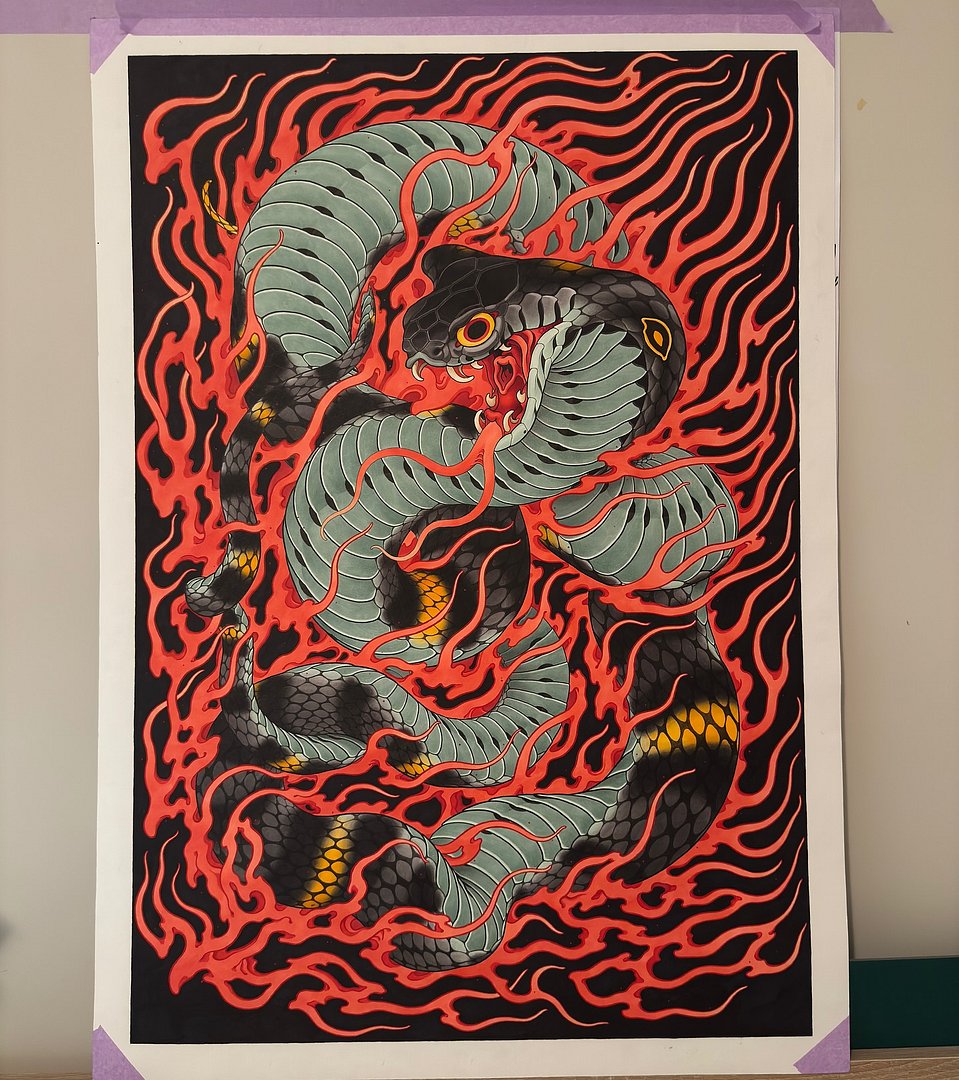
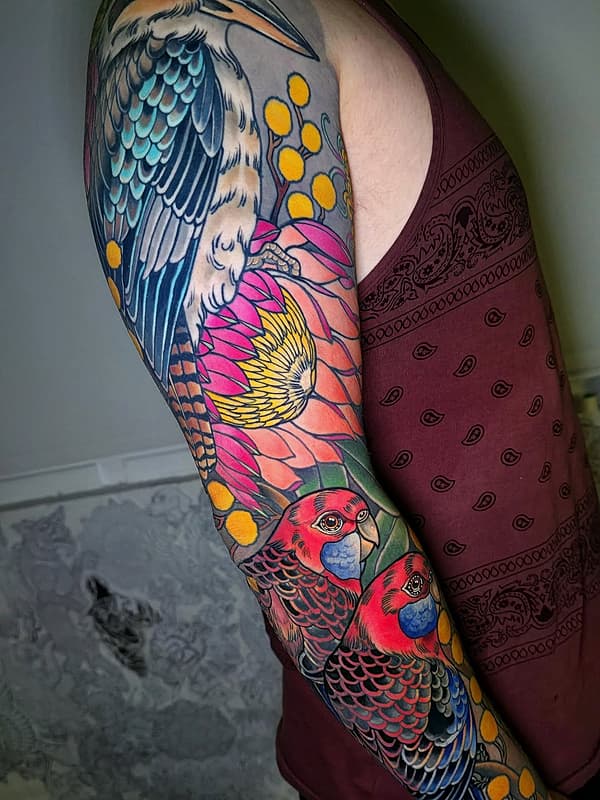
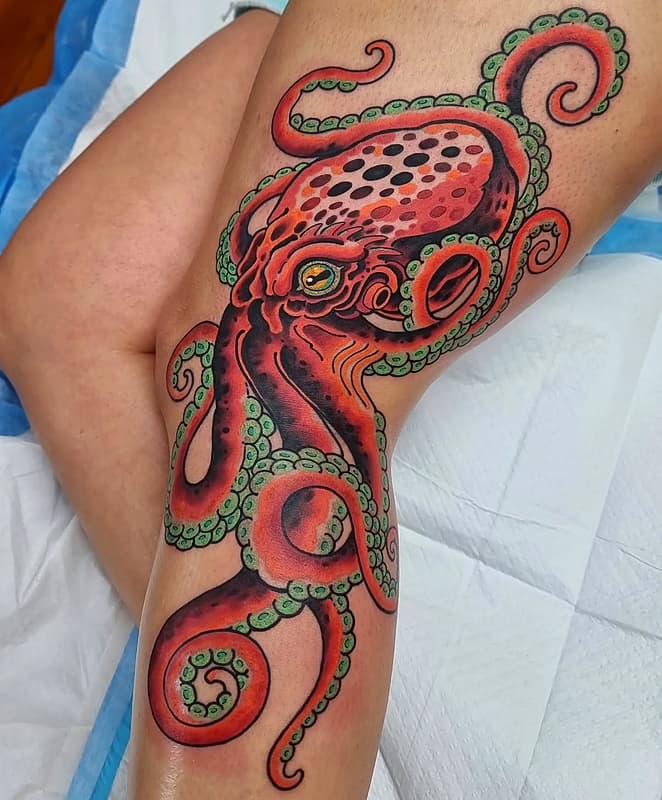
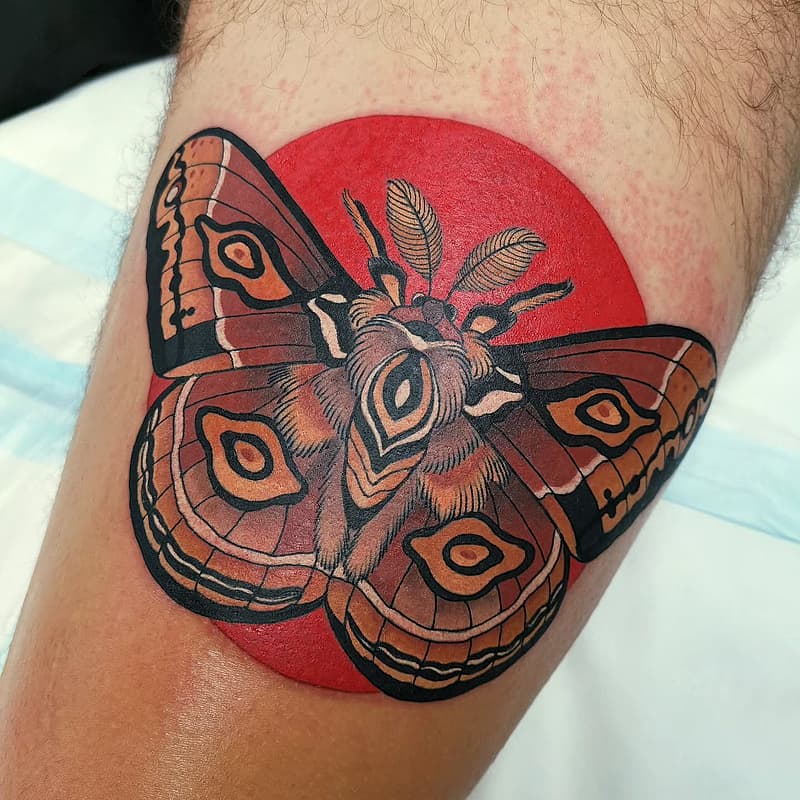
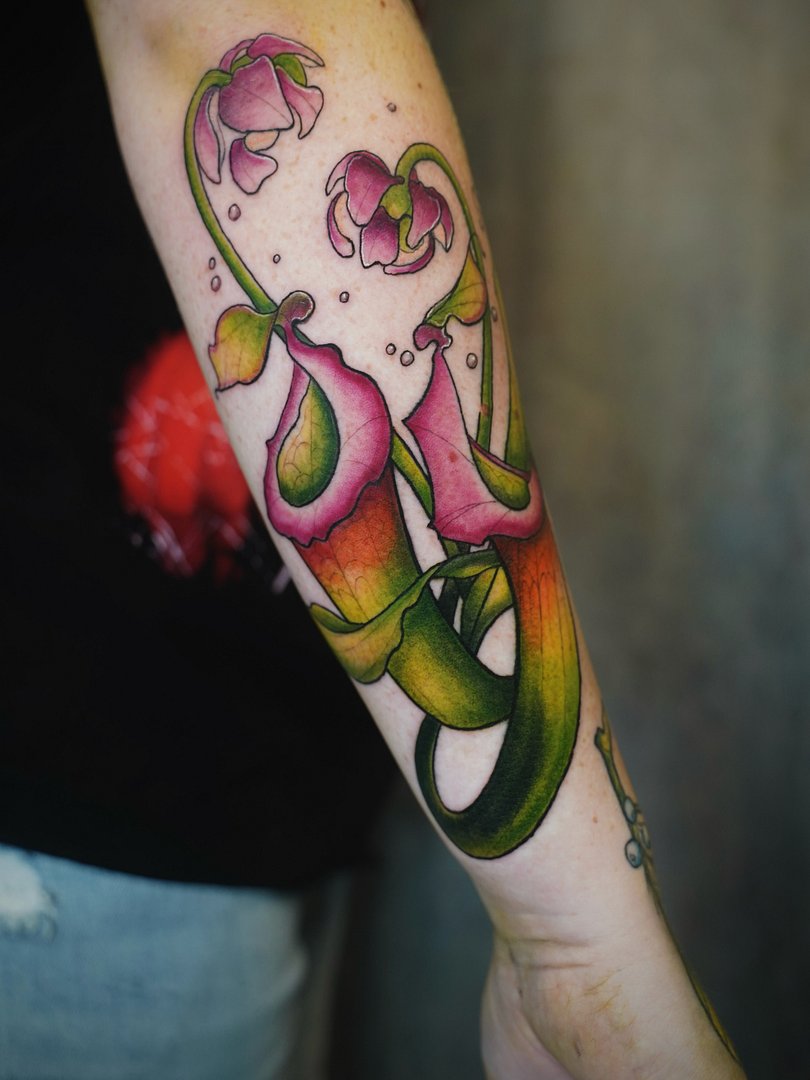
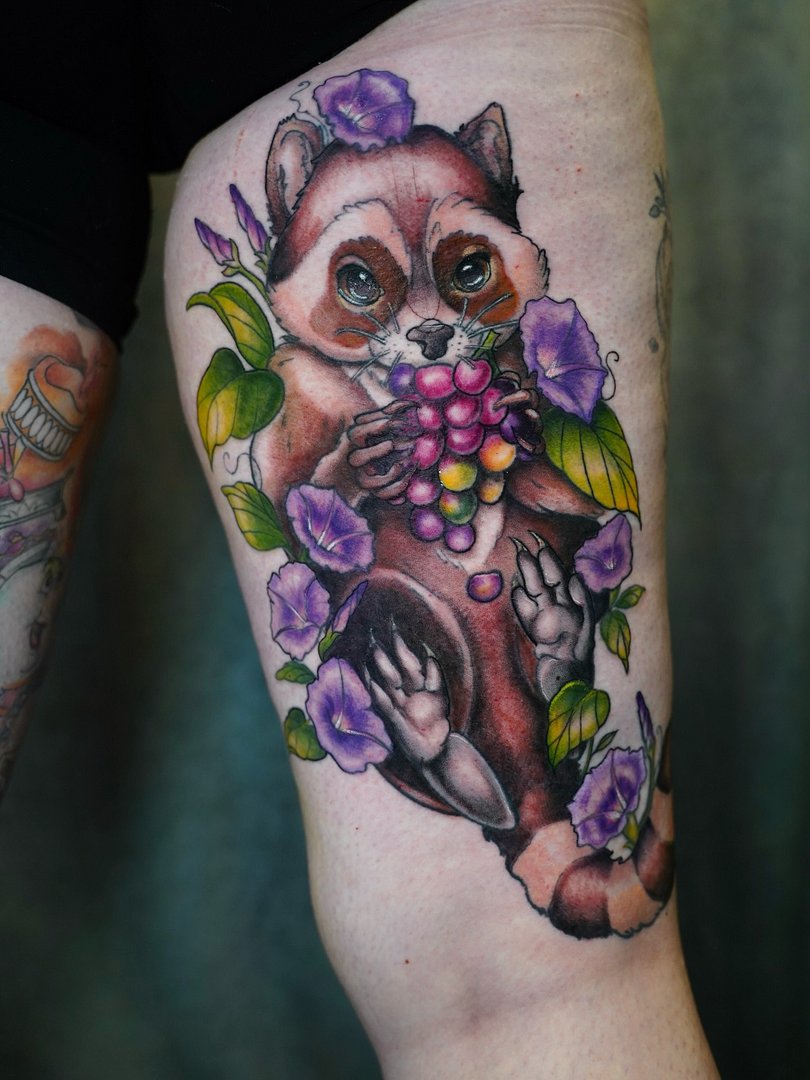
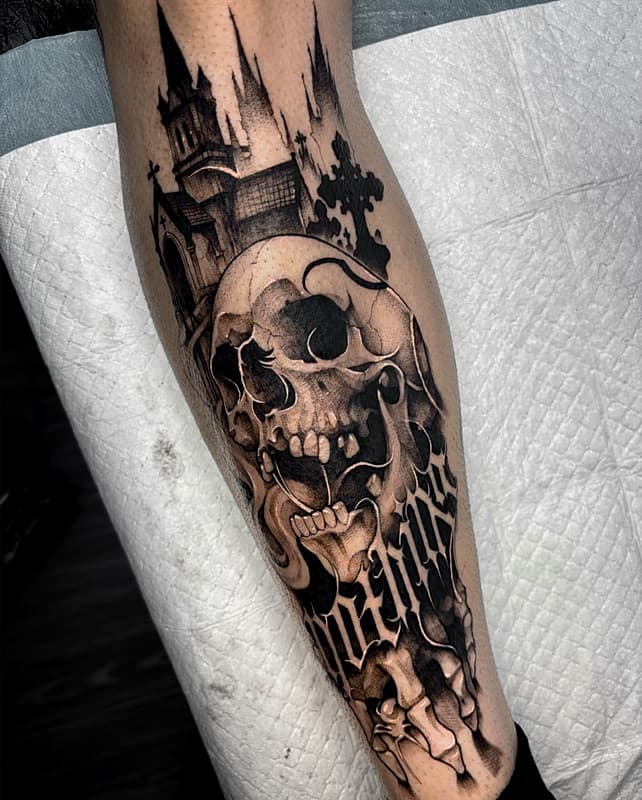
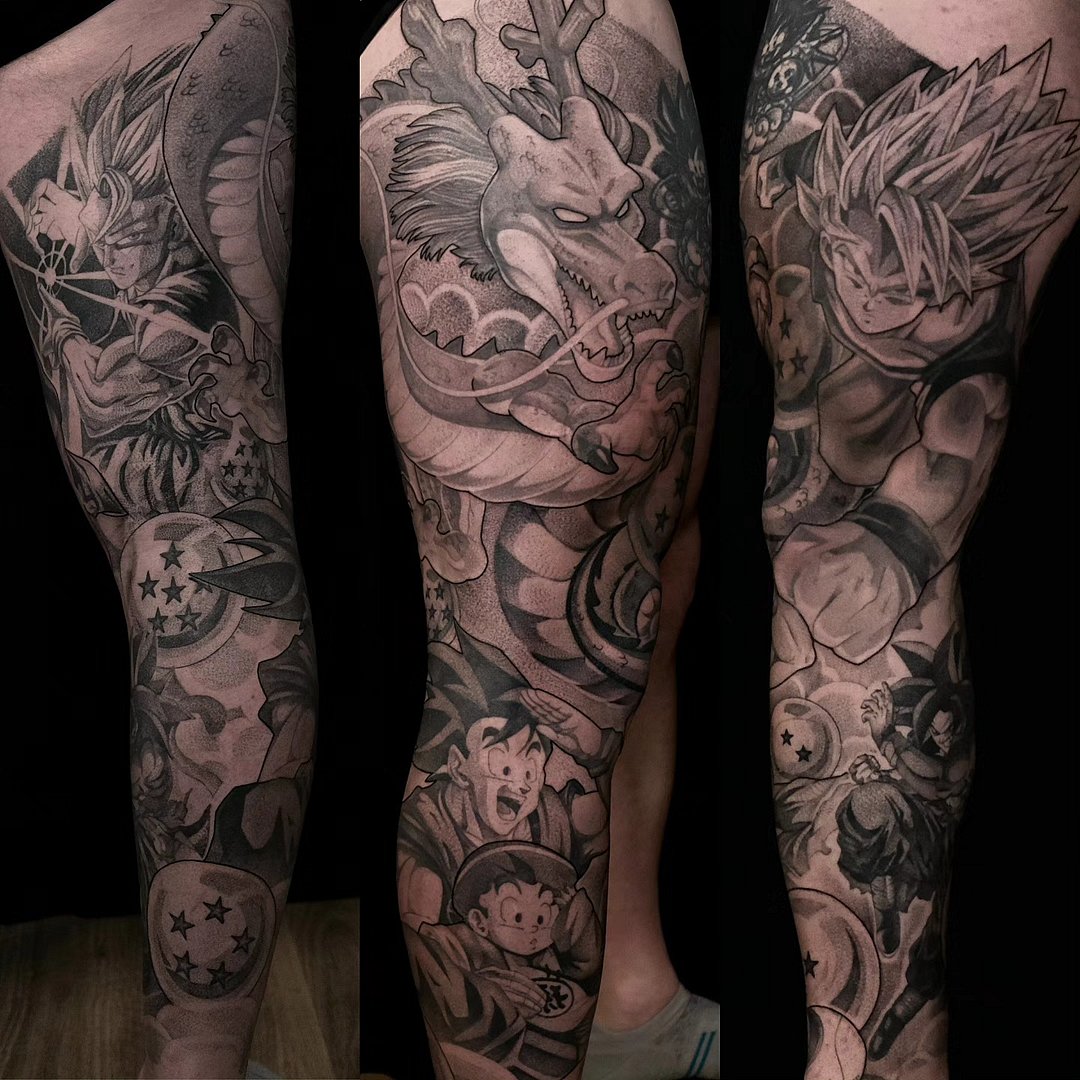
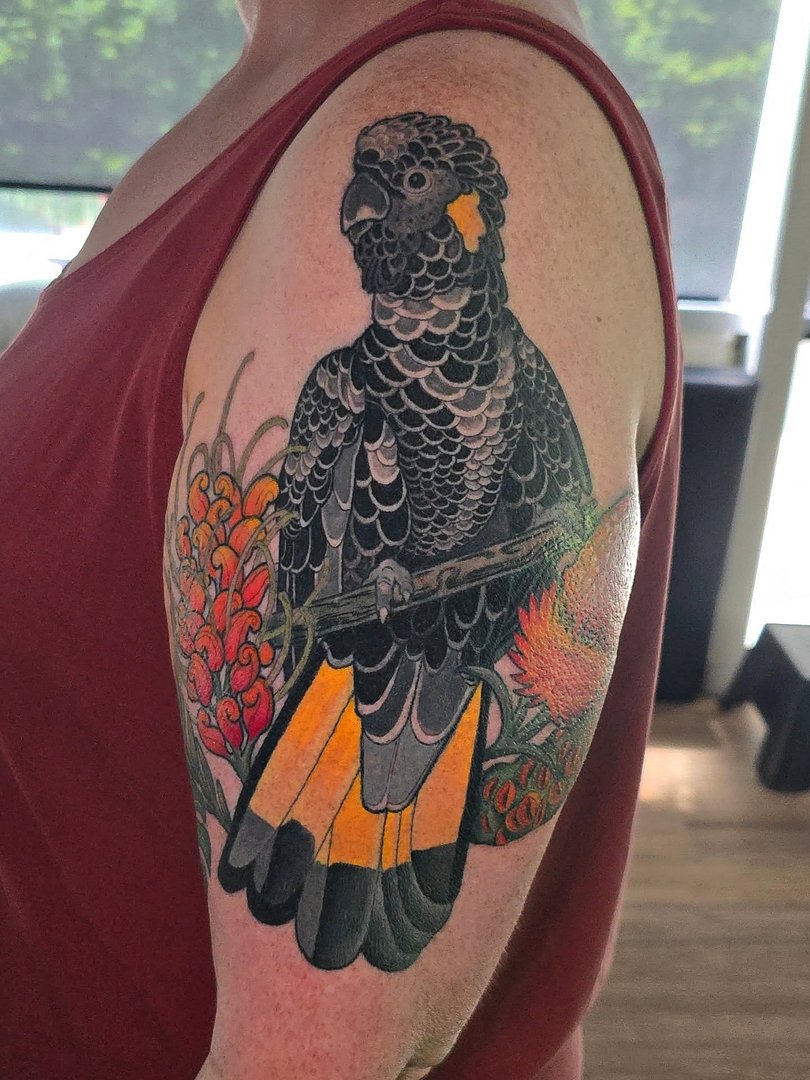
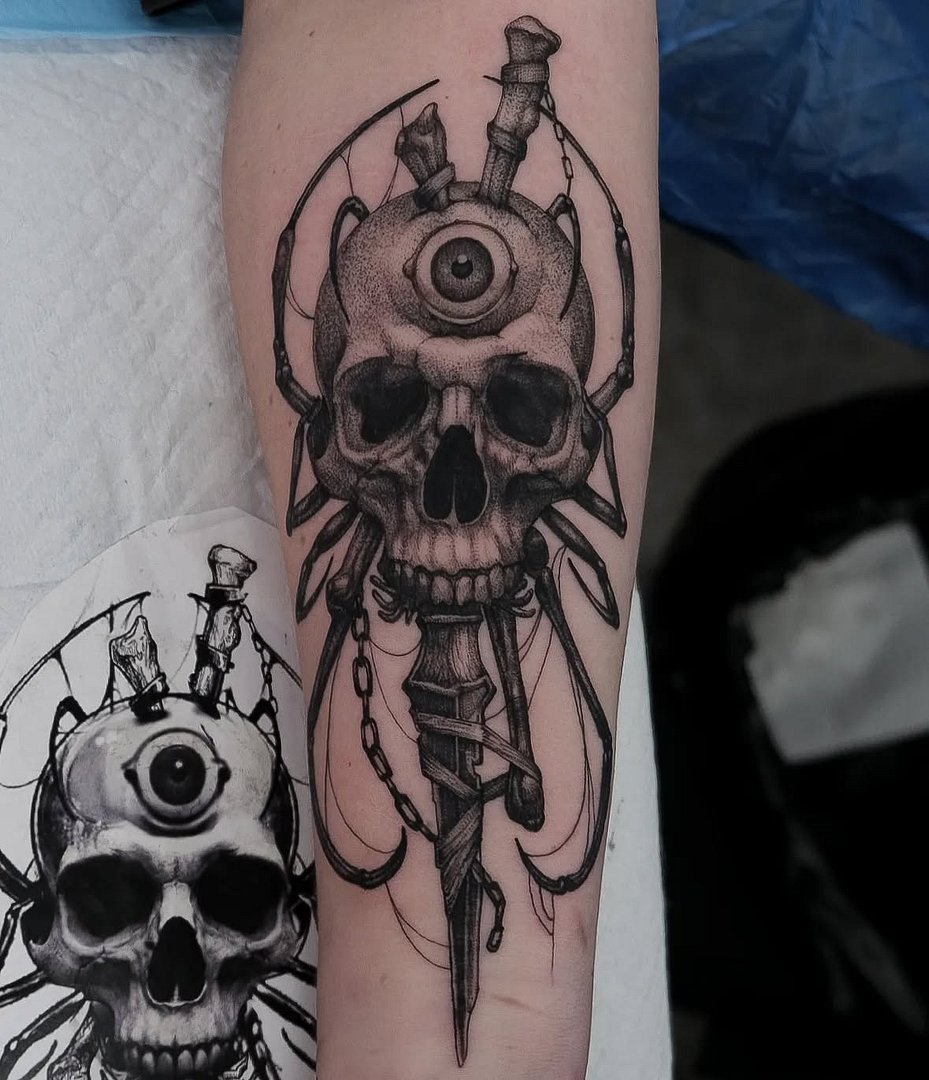
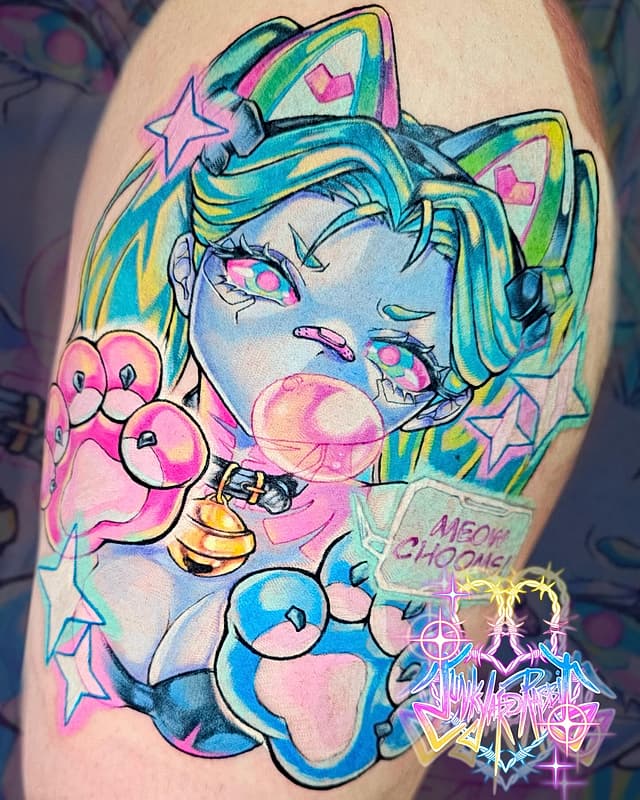
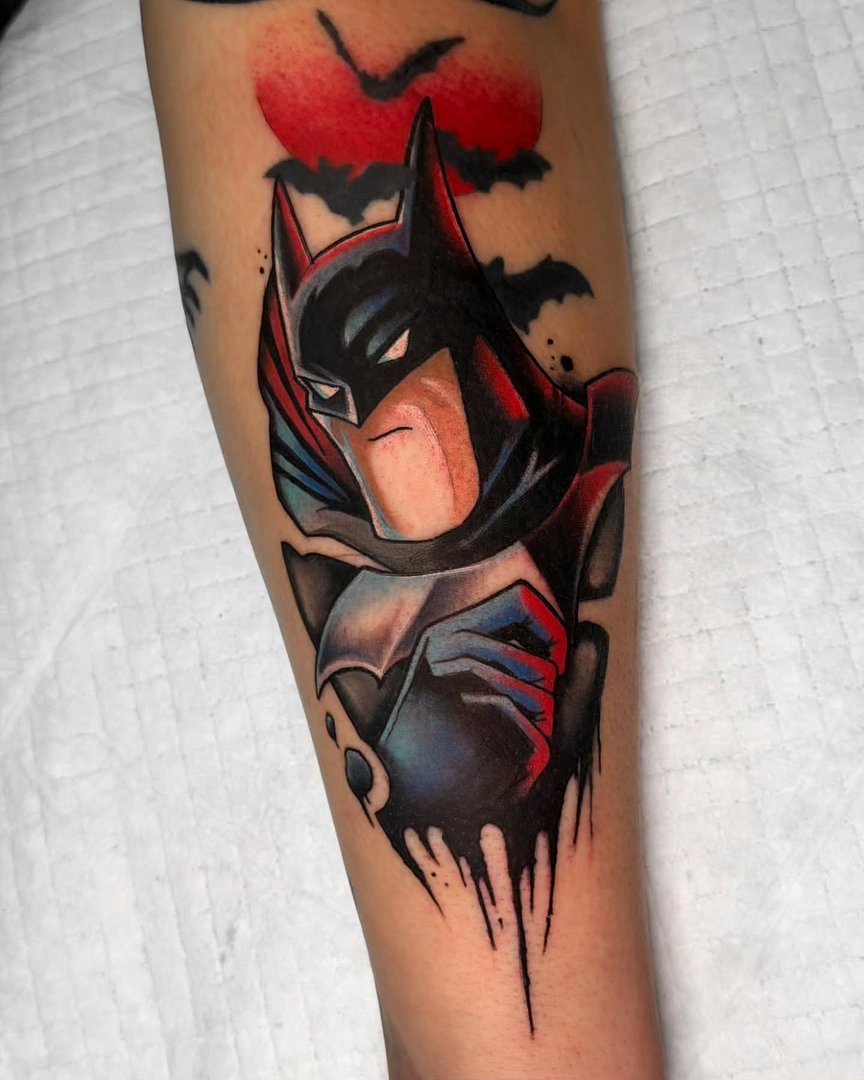
The rule everything else follows from: new ink doesn't sit on top of old ink, it blends with it in the skin, and darker always wins. You can't put a light design over a dark tattoo and expect the old one to vanish; you'd just get both at once. Colours mix too, so red over blue reads purple. This is why cover-ups trend dark and dense: blackwork, neo-traditional, tribal and saturated colour work give the artist the pigment dominance to actually conceal.
Size is the other law: a cover-up generally needs to be substantially larger than the original, commonly two to three times, because the new design has to swallow the old one inside its own shapes and shading, with the busy areas placed exactly where the old ink is. Old, faded, blue-grey tattoos are easy mode; fresh, saturated black is the hardest case and often can't be directly covered well at all. Good cover-up artists decline bad candidates, and that refusal is a professional protecting you from a worse tattoo on top of a bad one.
The option nobody considers enough: fade first
The strongest play for most regretted tattoos isn't cover-up or removal, it's both: two to five laser sessions to fade the old piece by half or more, then a cover-up designed with real freedom. You don't need full removal, just enough fading that the artist stops being hostage to the old design's darkness and shape. The difference in what you can get is dramatic: a faded tattoo can be covered by almost anything; a dark one dictates its own replacement.