What flash actually is
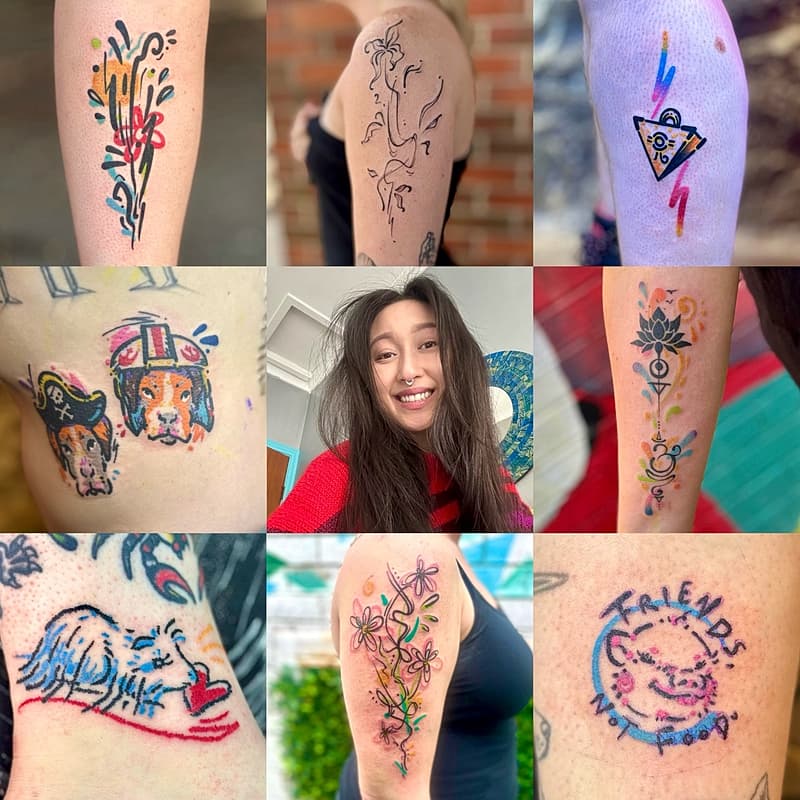
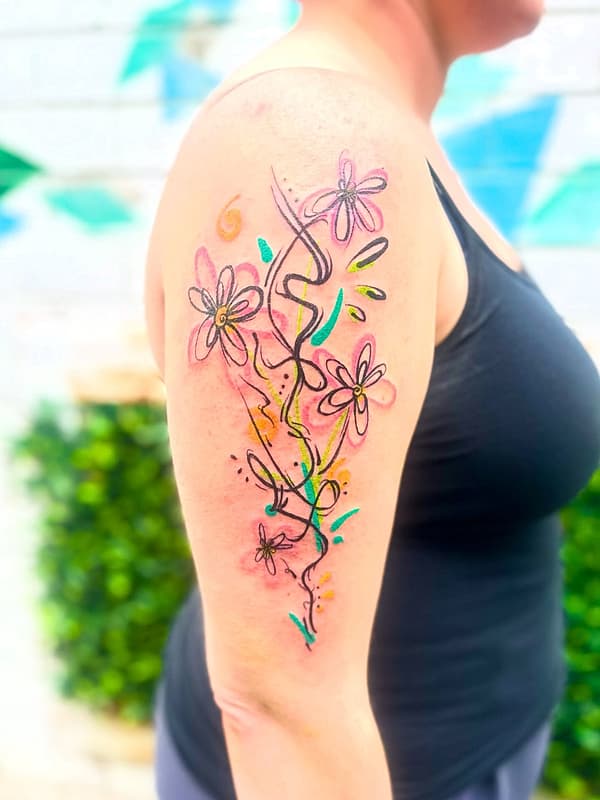
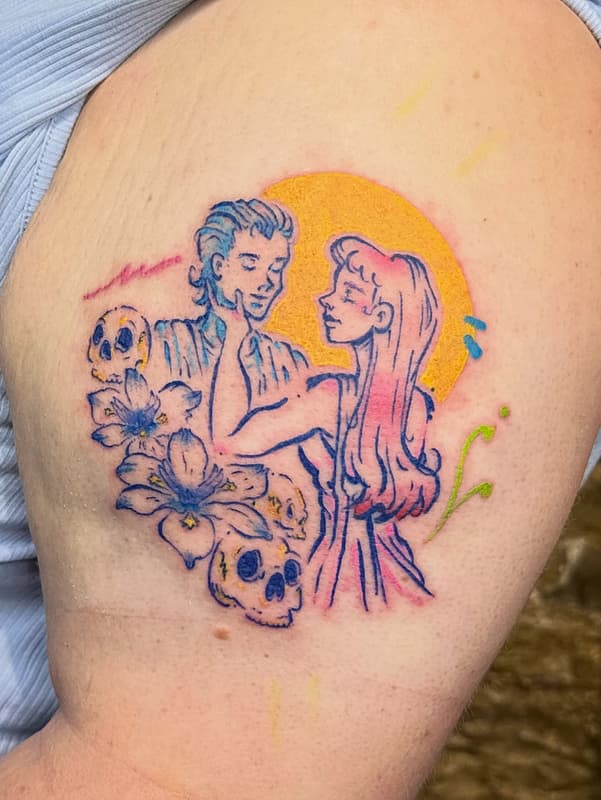
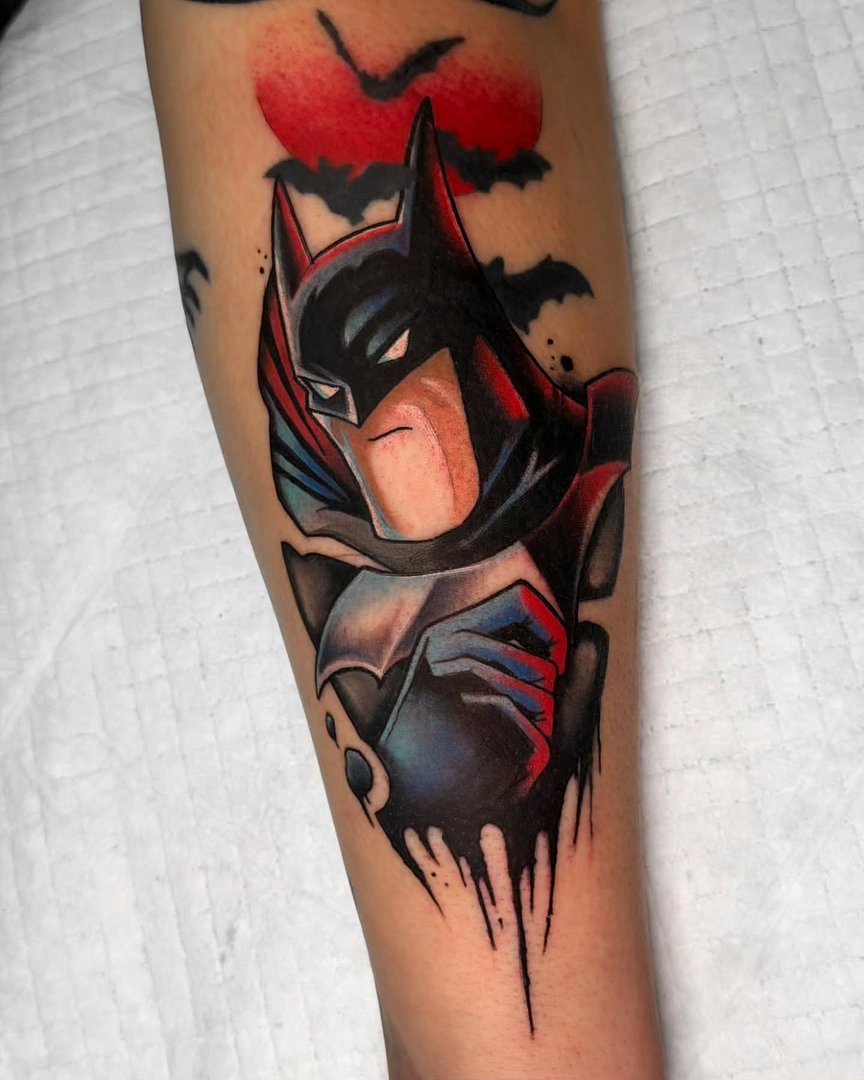
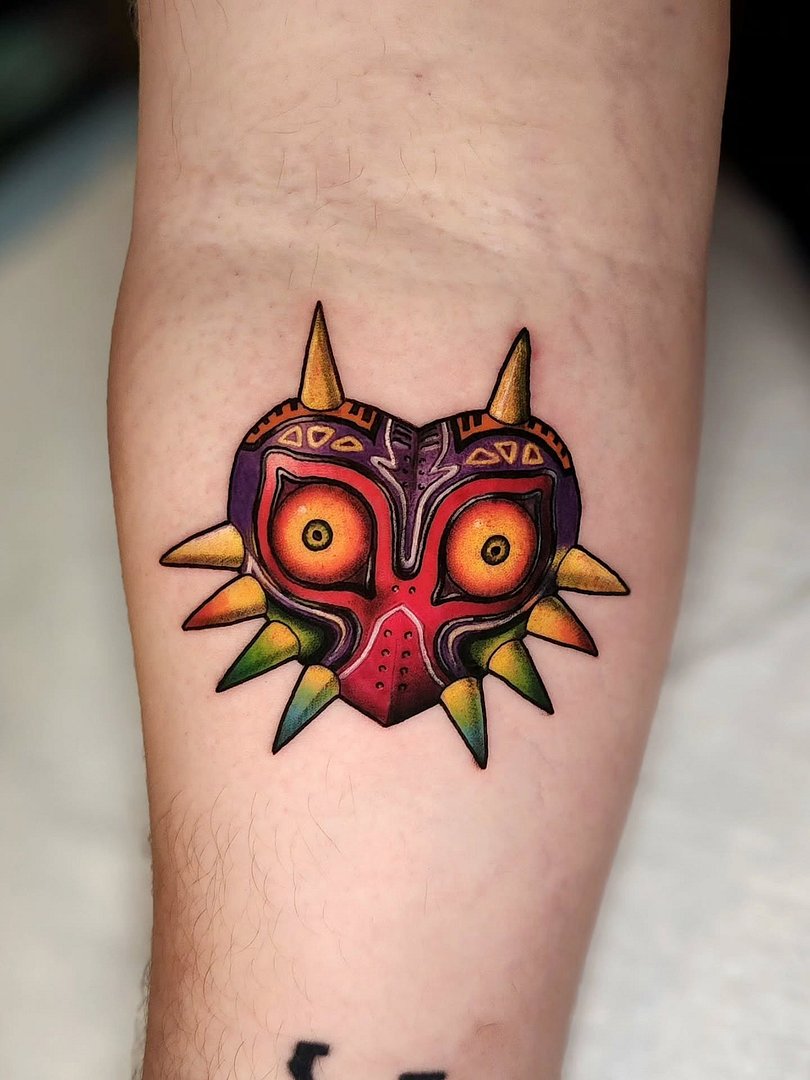
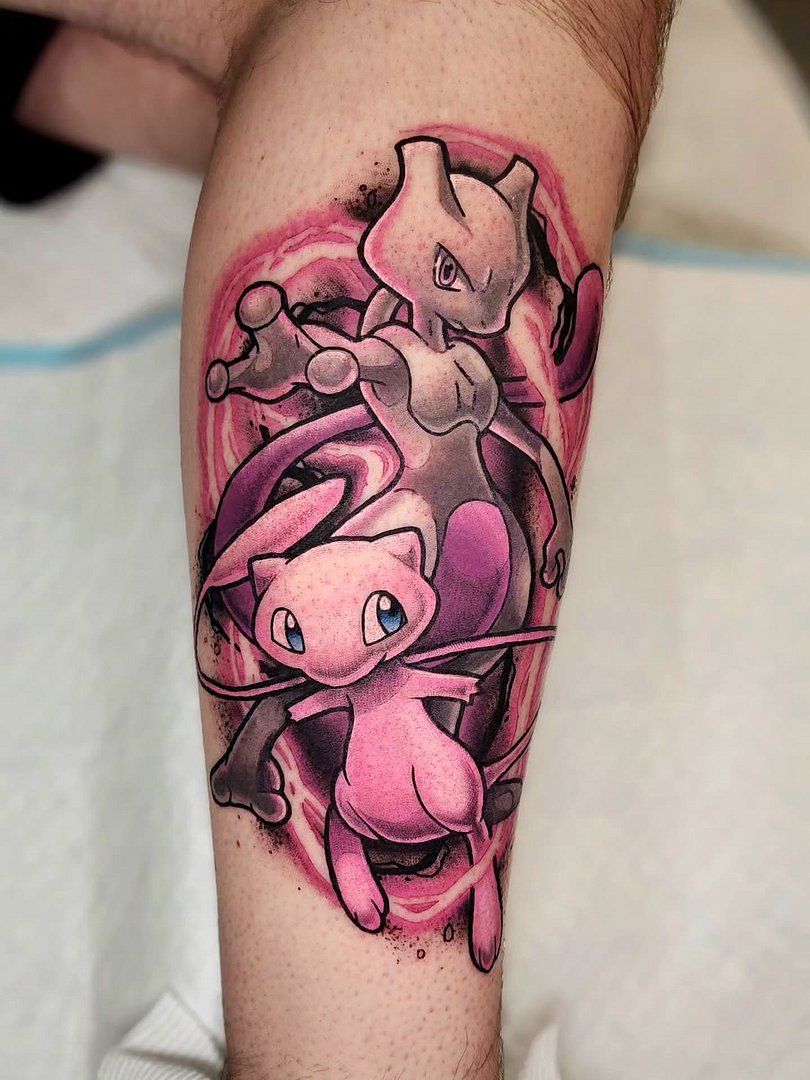
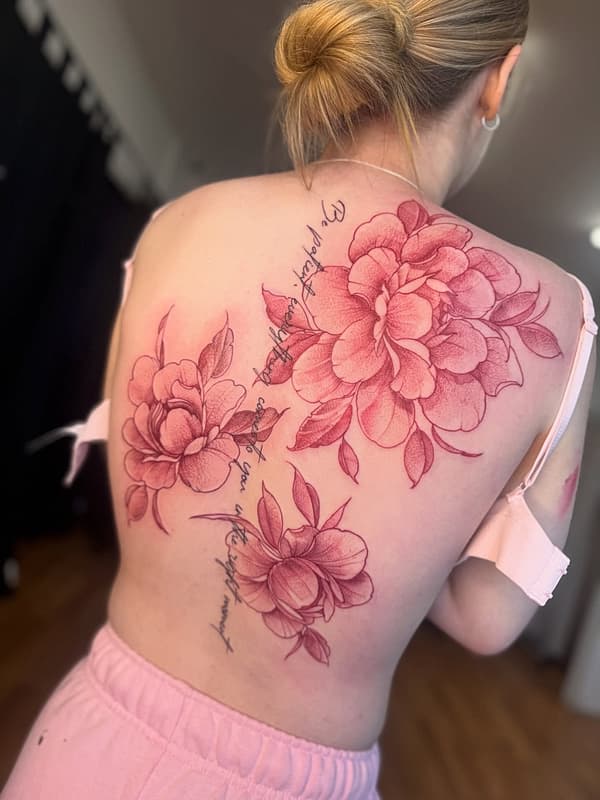
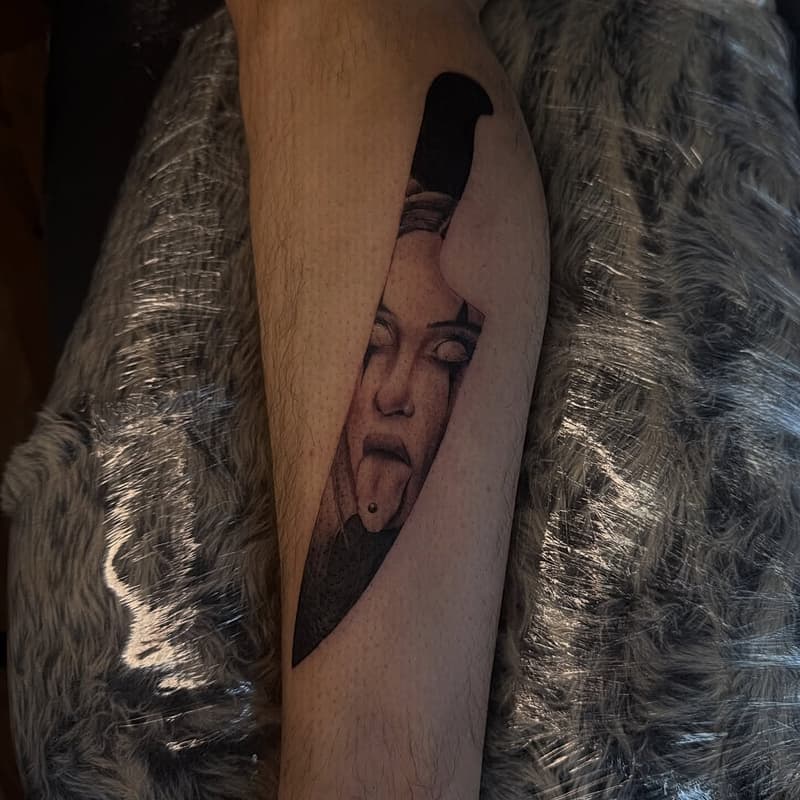
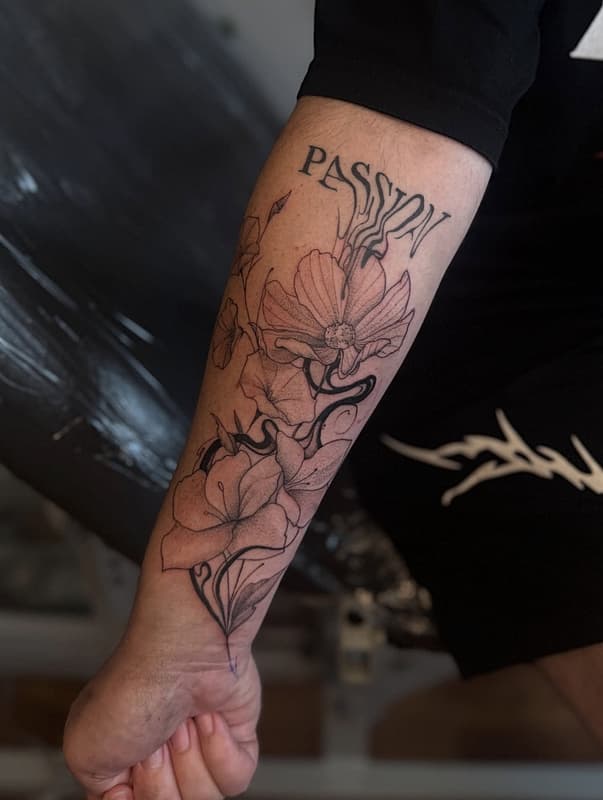
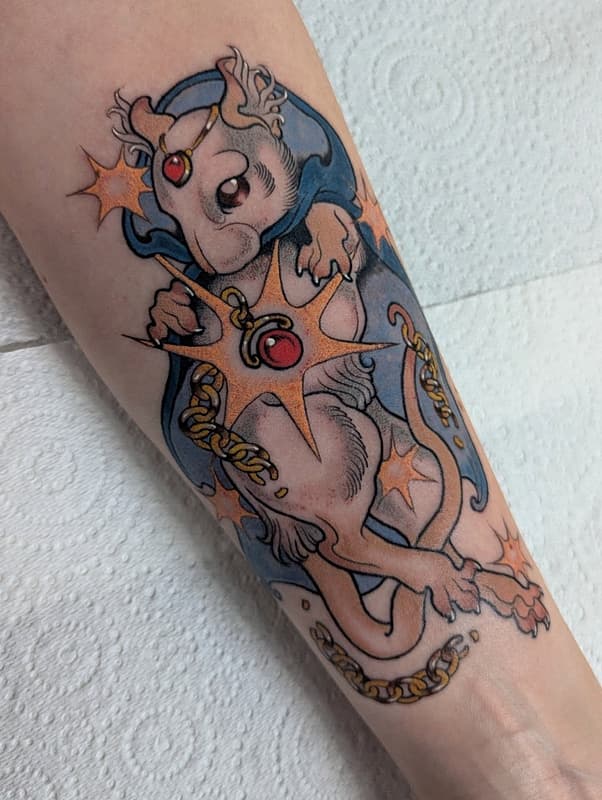
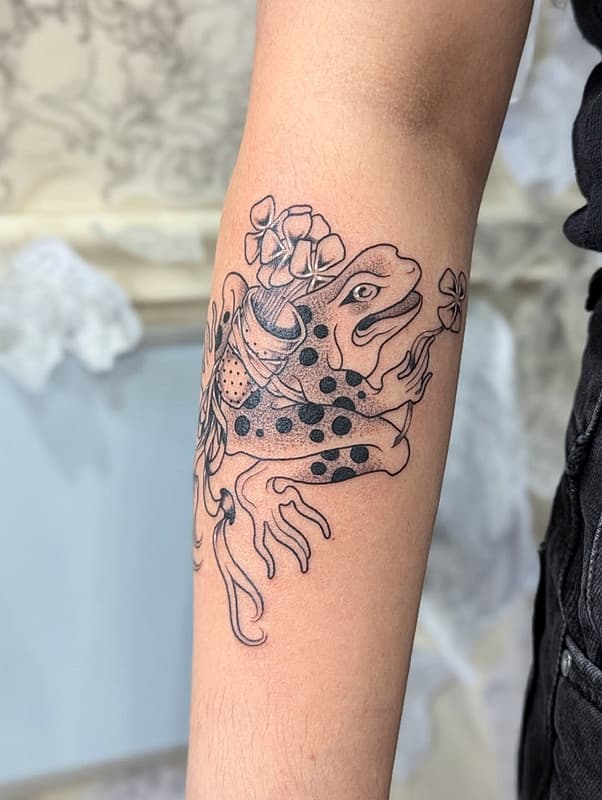
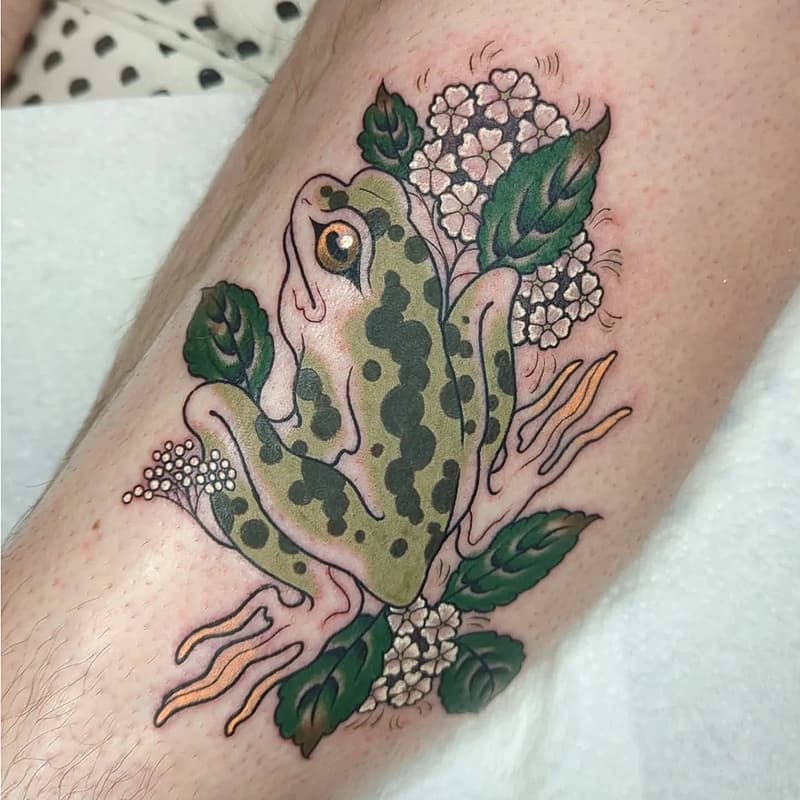
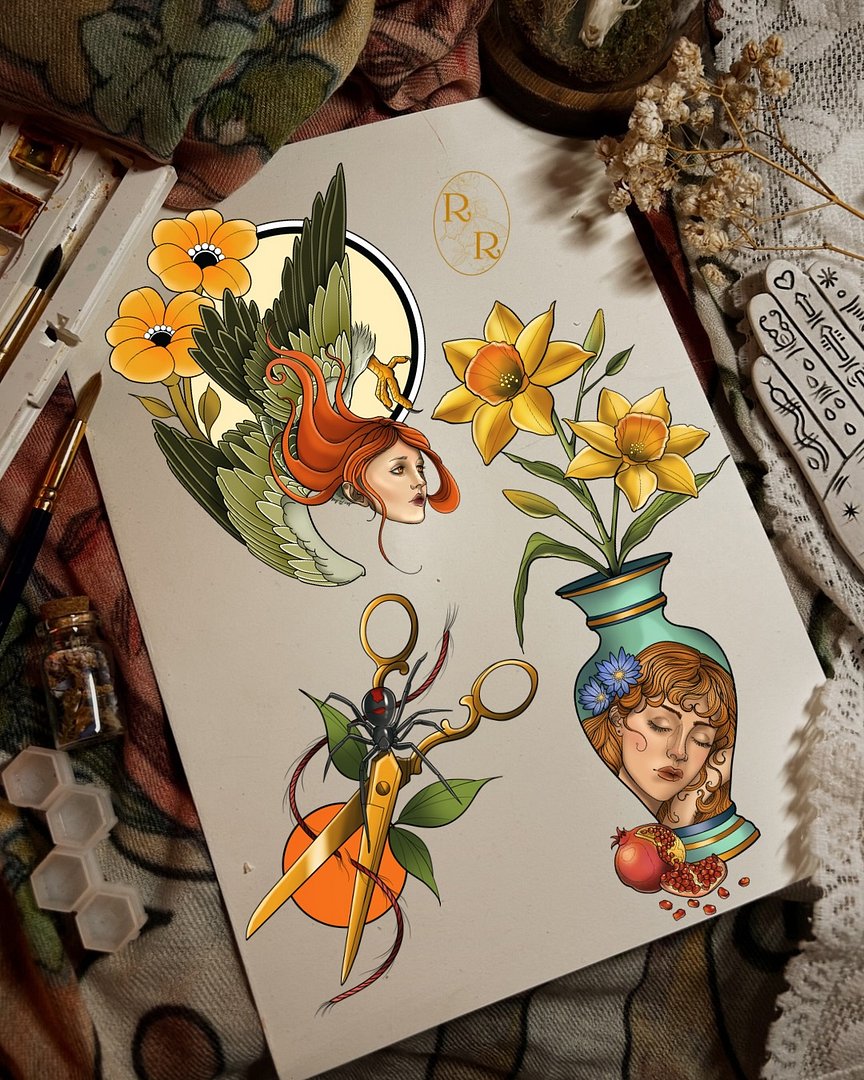
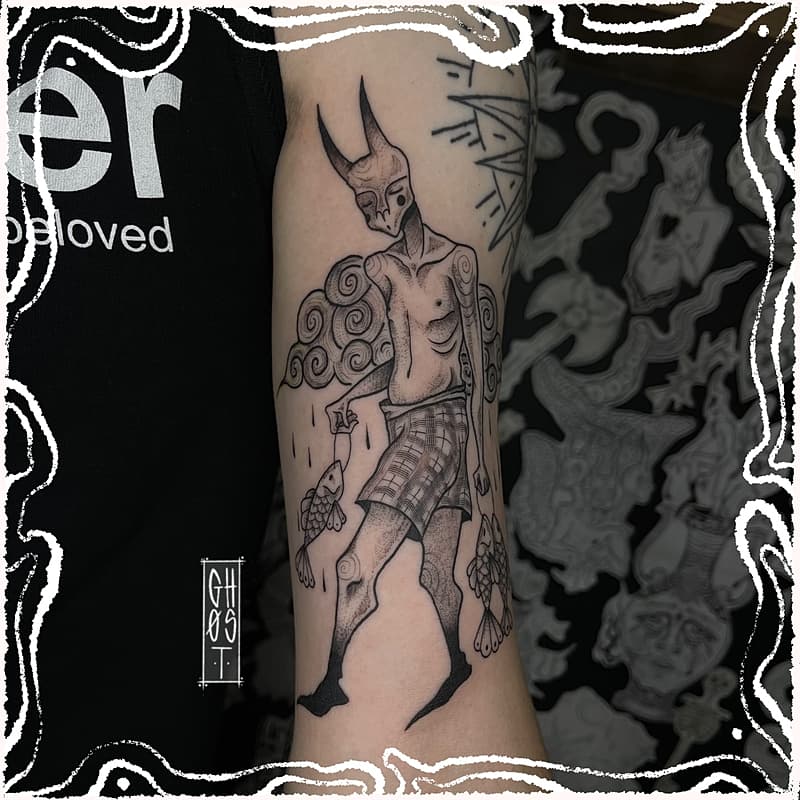
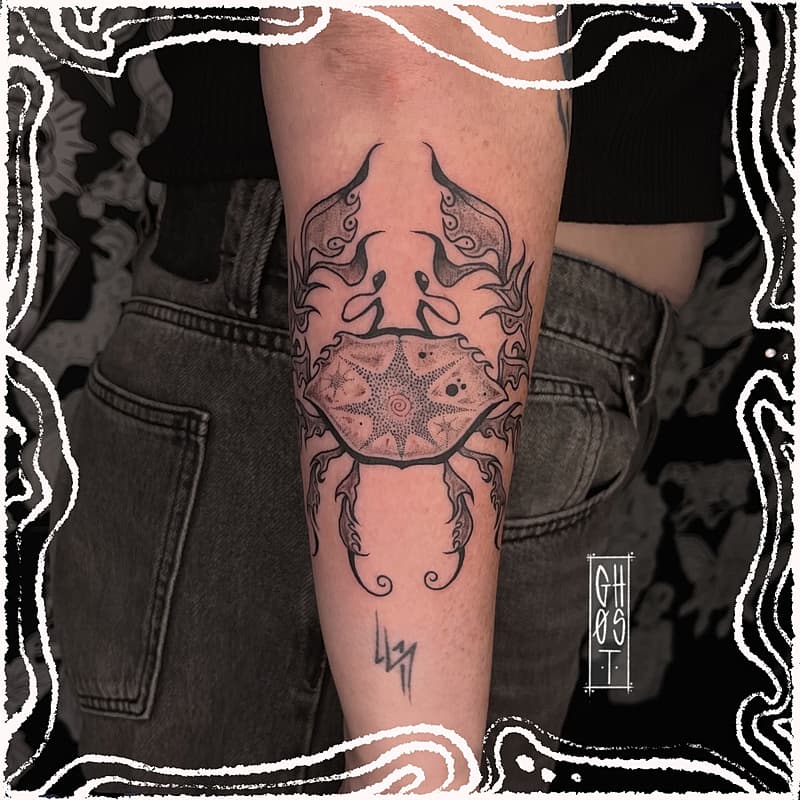
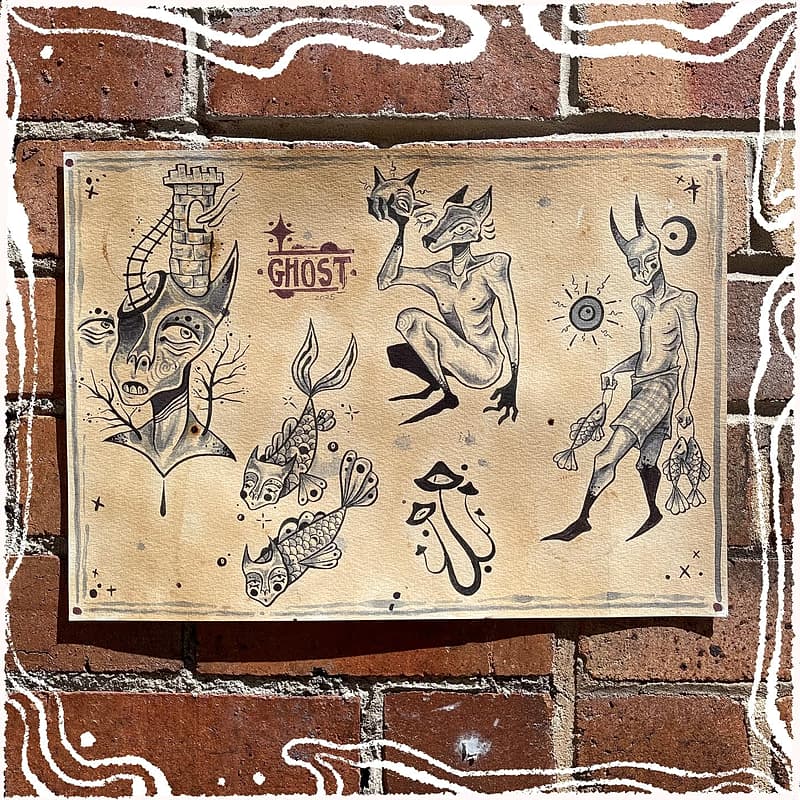
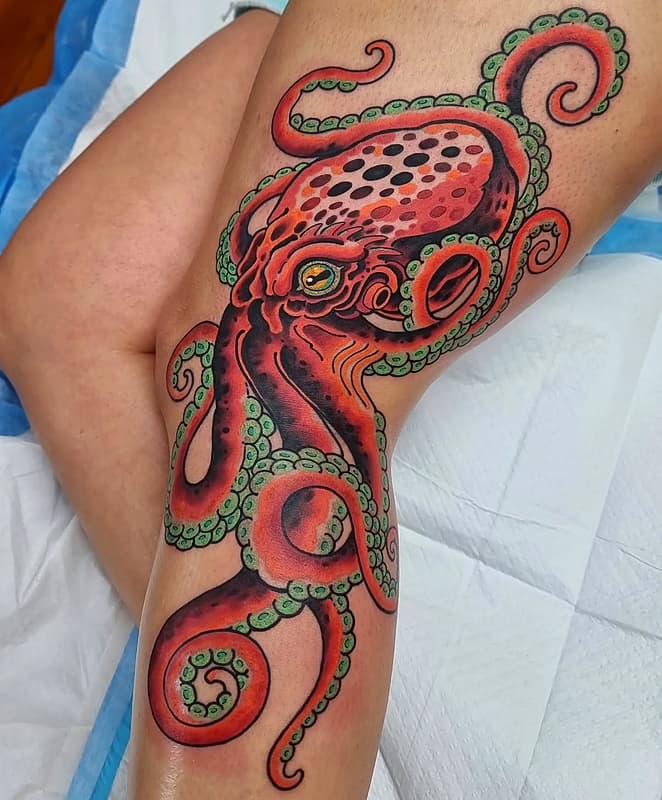
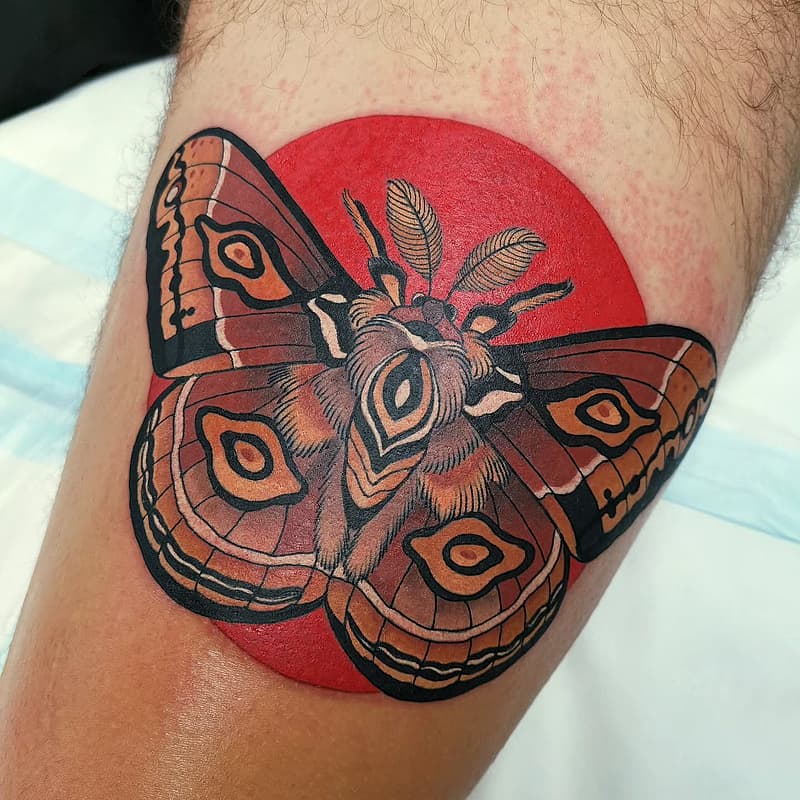
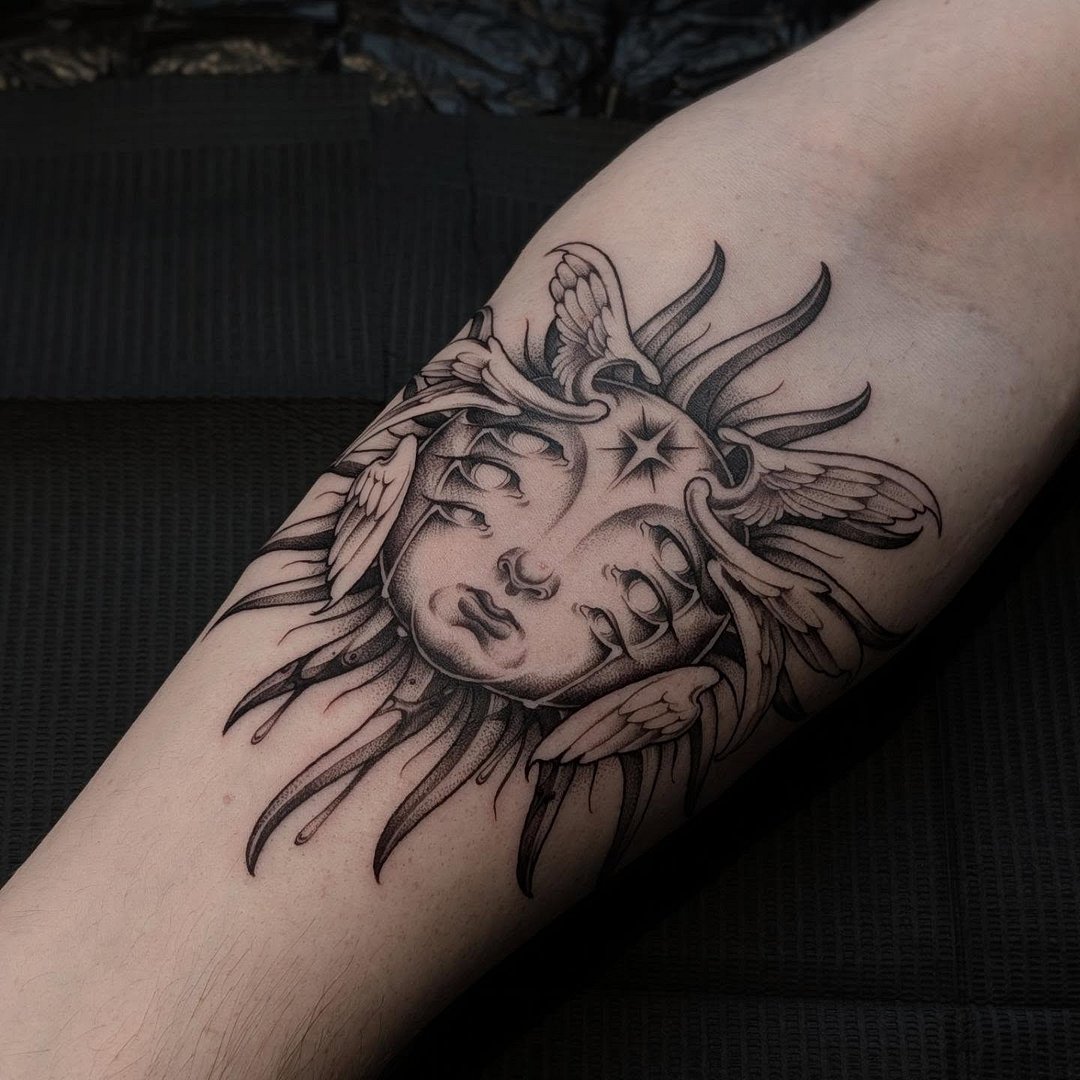
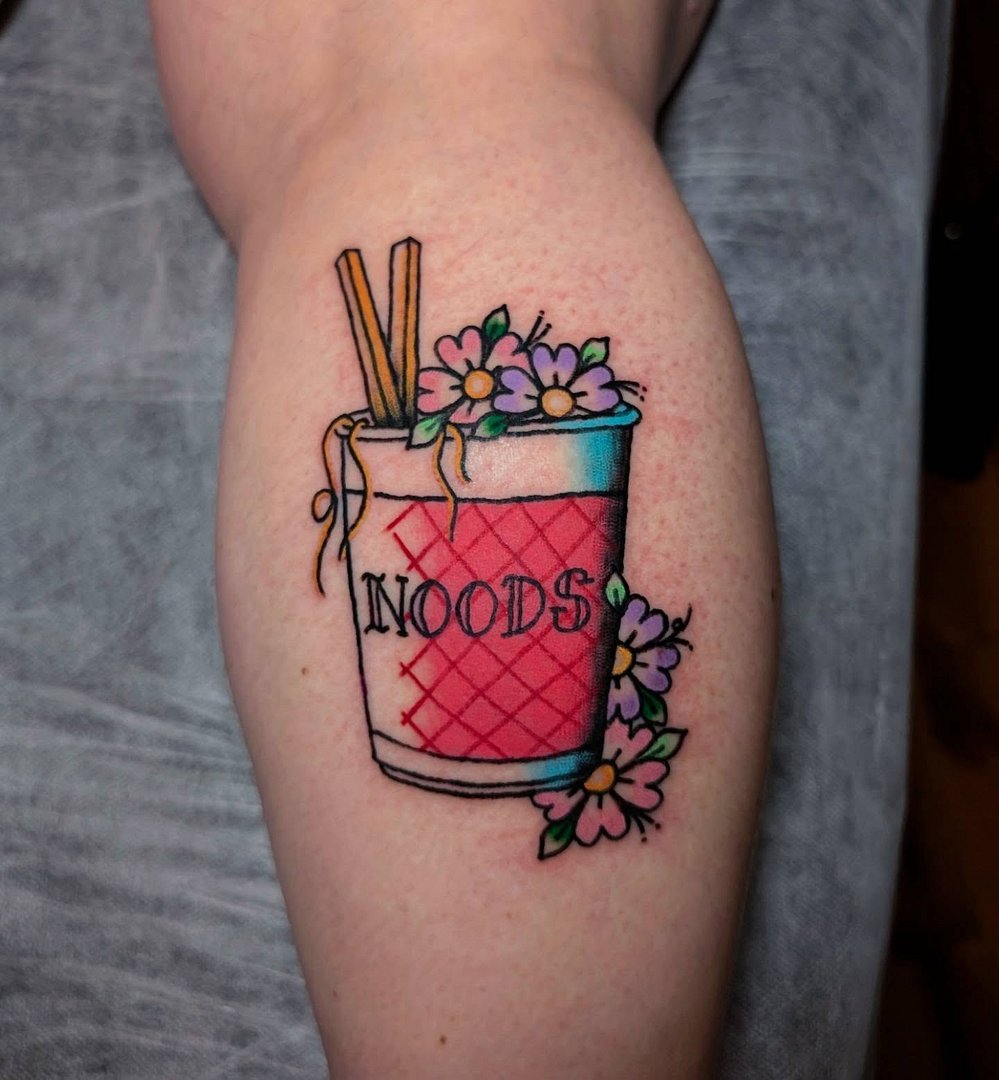
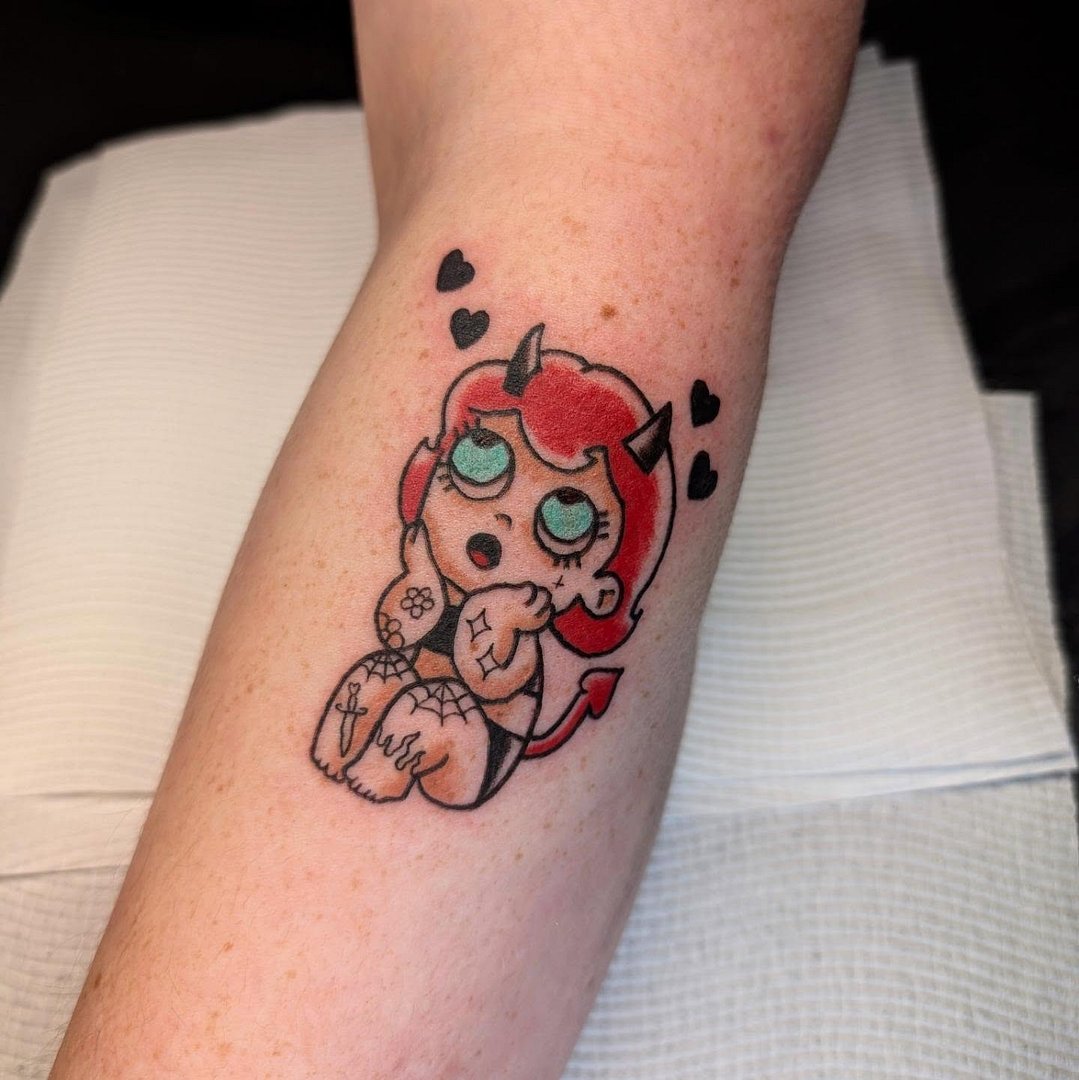
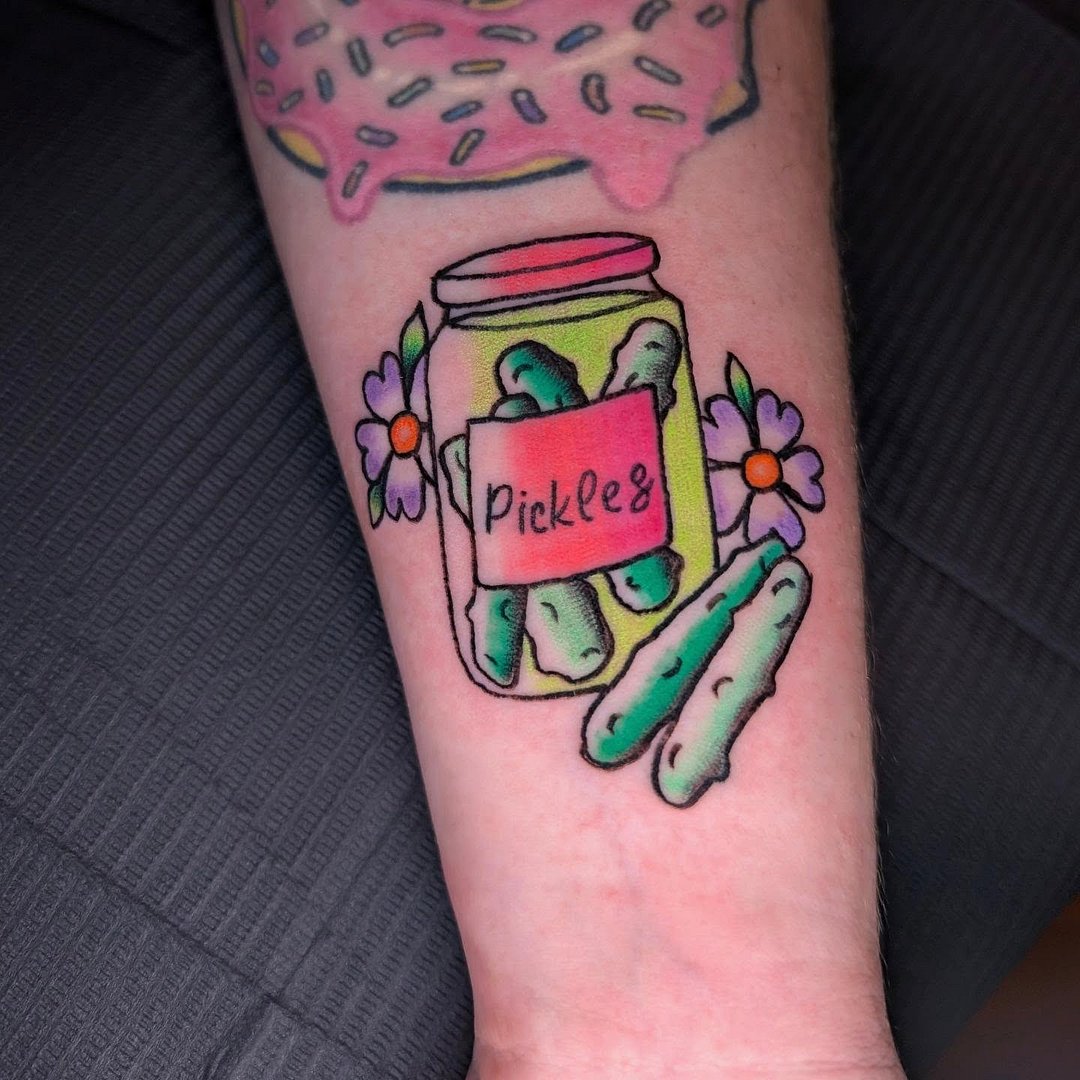
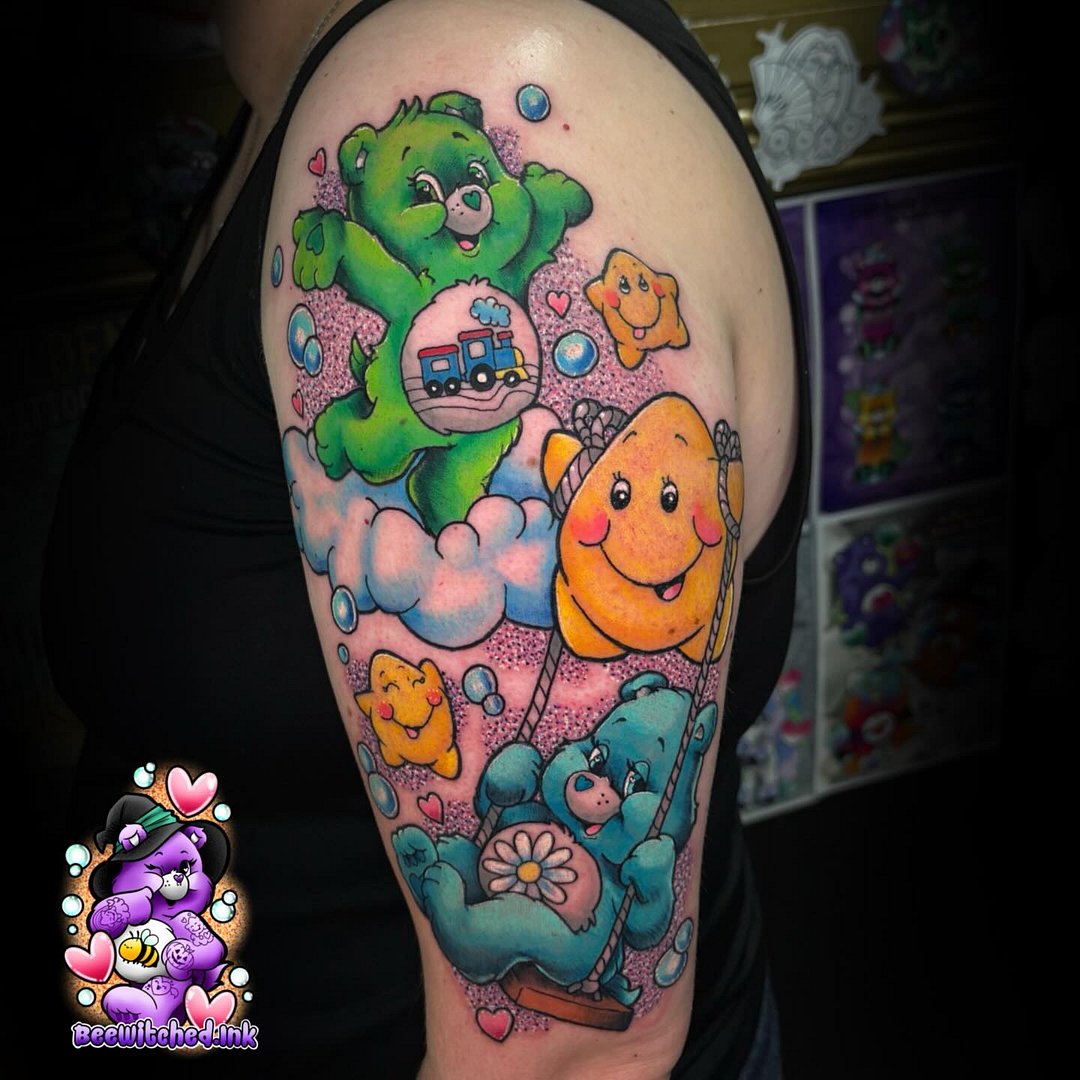
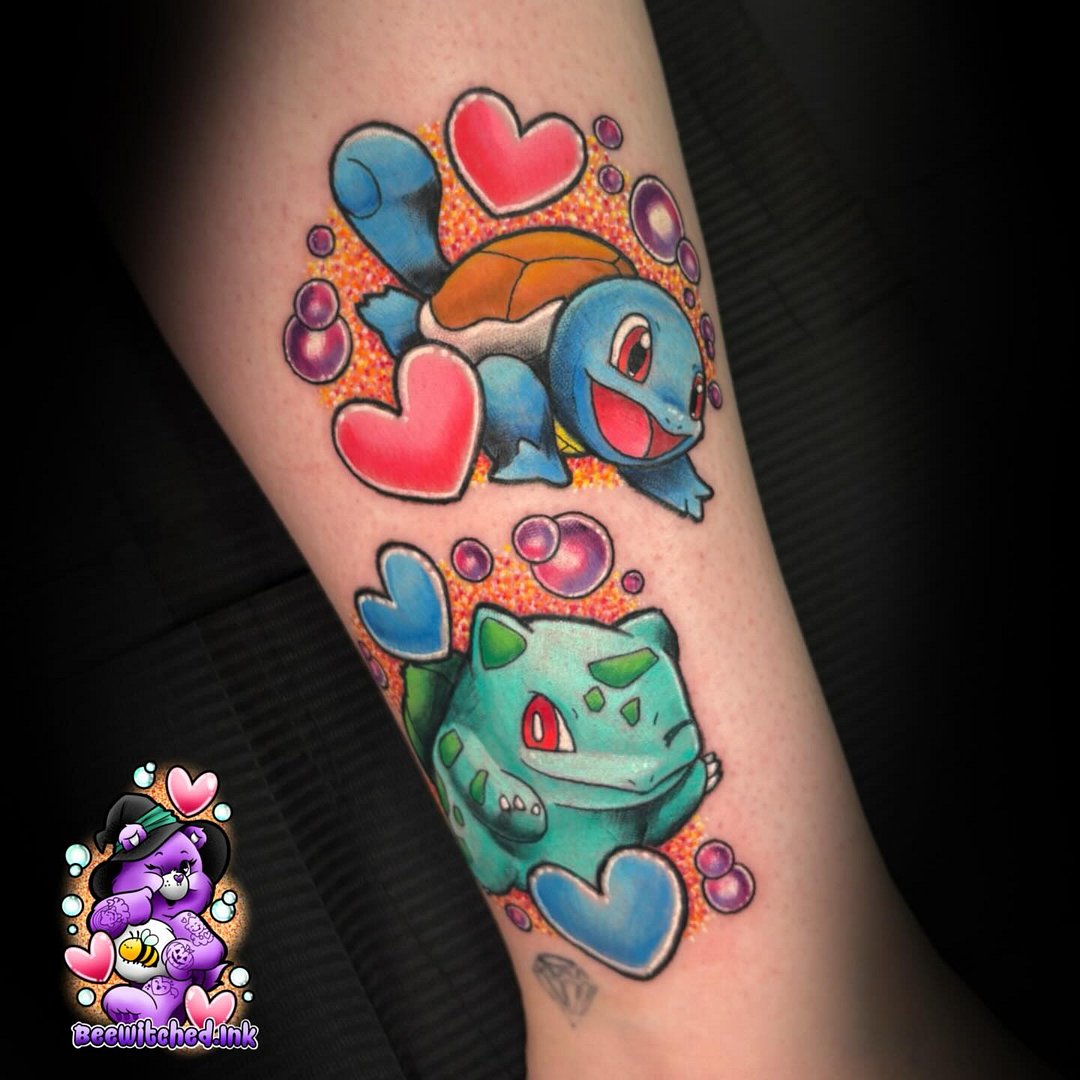
Flash is pre-drawn, ready-to-tattoo designs: the classic sheets on studio walls, and these days an artist's Instagram grid of available pieces. It's the opposite of custom work, where a design is created for you from a consultation. Flash is also the historic backbone of tattooing; the walk-in-and-pick-off-the-wall model is how the whole trade ran for most of a century.
Two things worth knowing about how flash works. Price: flash is usually cheaper than custom because the design work is already done, but it's not automatically cheap; a large detailed flash piece costs what the hours cost. Exclusivity: some flash is repeatable, meaning others may wear the same design, and some is one-off, retired once claimed. If having the only one matters to you, just ask; artists are used to the question.
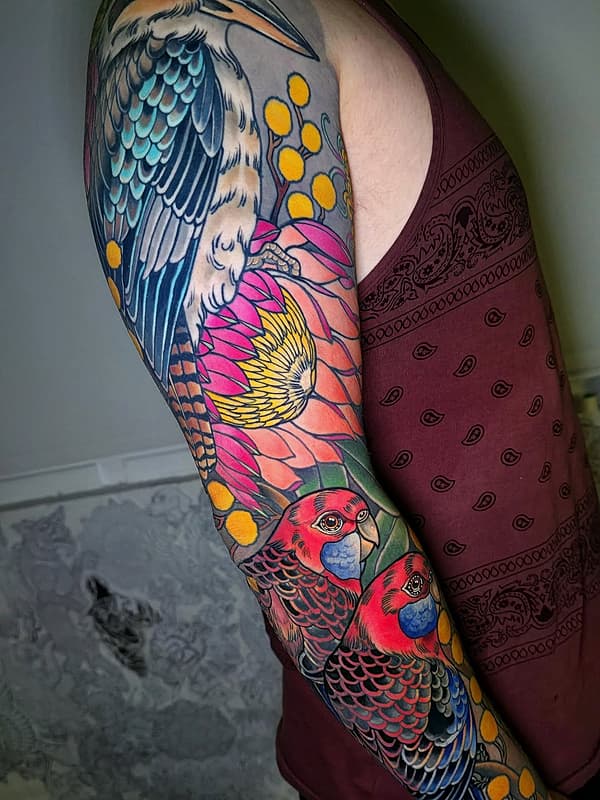
And here's the quiet truth about why flash is often a great buy: flash sheets are designs the artist wanted to draw, in the style they love most. You're not settling for a pre-made design, you're picking from an artist's greatest-hits reel. Which loops back to the golden rule of all of this: choose the artist first. A flash piece from an artist whose work you love beats a custom piece from someone who doesn't excite you.