Tattoo Pain: What It Feels Like, Placement Rankings and Getting Through It | REAP
Tattoo Pain: What to Actually Expect
Honest tattoo pain chart, what the needle actually feels like, why people faint, and how to get through a long session without white-knuckling it.
Updated 2026-07-18
What it actually feels like
The most consistent report from first-timers: the anticipation was worse than the needle. The sensation varies by what's being done. Lining feels like a hot scratch or a cat scratch; fine detail can feel like small stings; shading and colour packing over fleshy areas is more of a dull burning buzz; and anything near bone adds a rattling vibration, because nerves near bone pick up the machine's movement.
It's rarely constant. Adrenaline blunts the first twenty minutes or so, then the sensation settles into something you manage rather than fight, and the last stretch of a long session is usually the roughest, when the skin is worn and the adrenaline is spent. On the classic one-to-ten scale, most people put most placements somewhere between a three and a six, with the notorious spots higher. And individual variation is genuinely huge: the same spot is a three for one person and an eight for another, so treat every pain chart, including this one, as a guide rather than a promise.
The placement rankings
Four things decide how much a spot hurts: skin thickness, nerve density, how close the bone is, and how much padding sits over it. That produces a very consistent map.
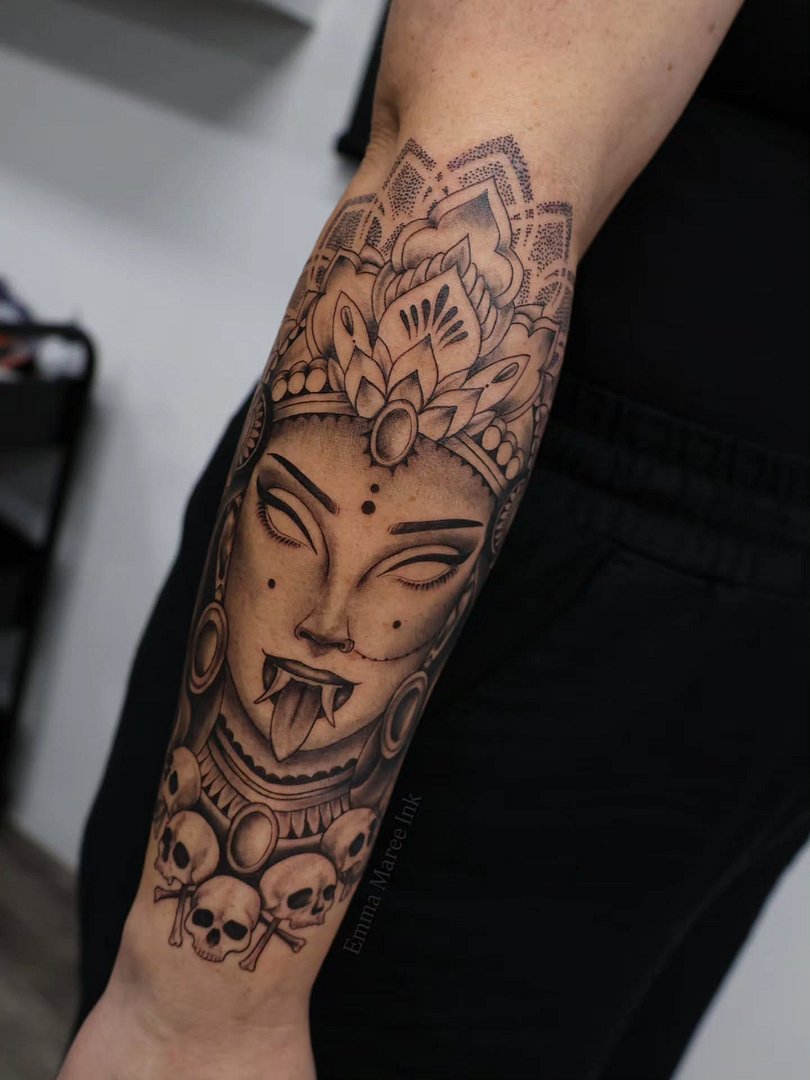
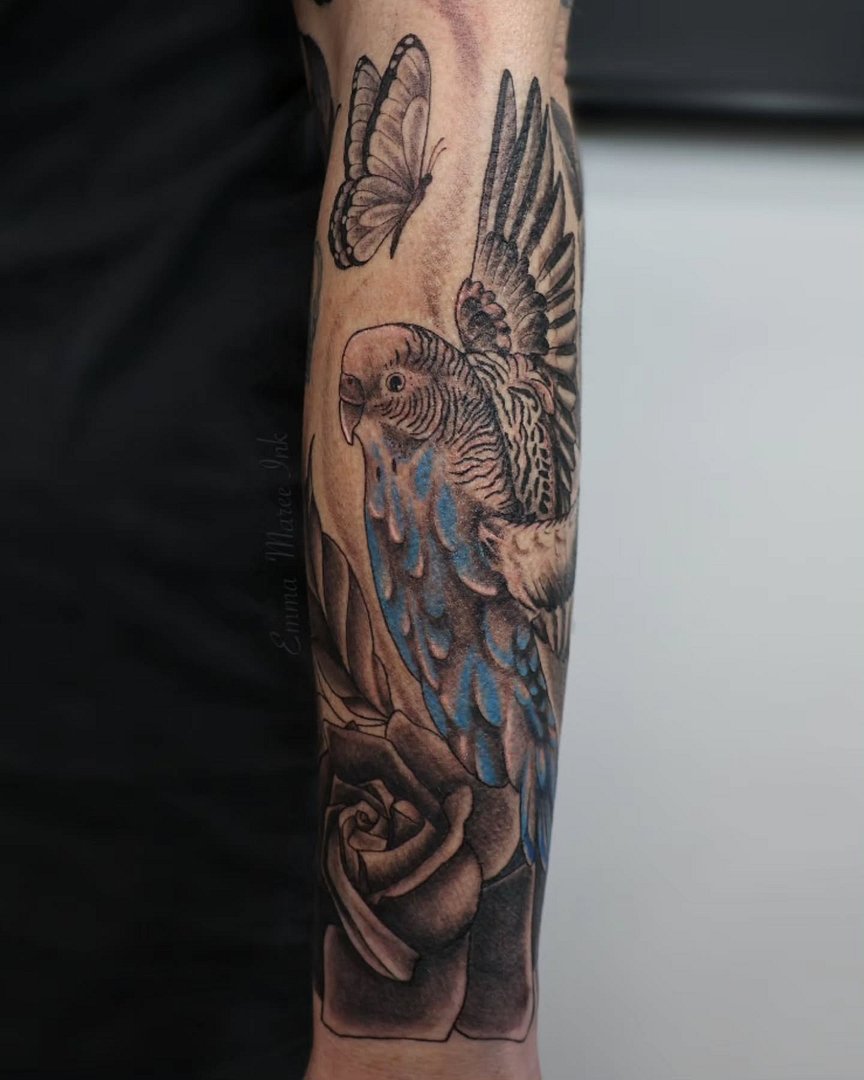
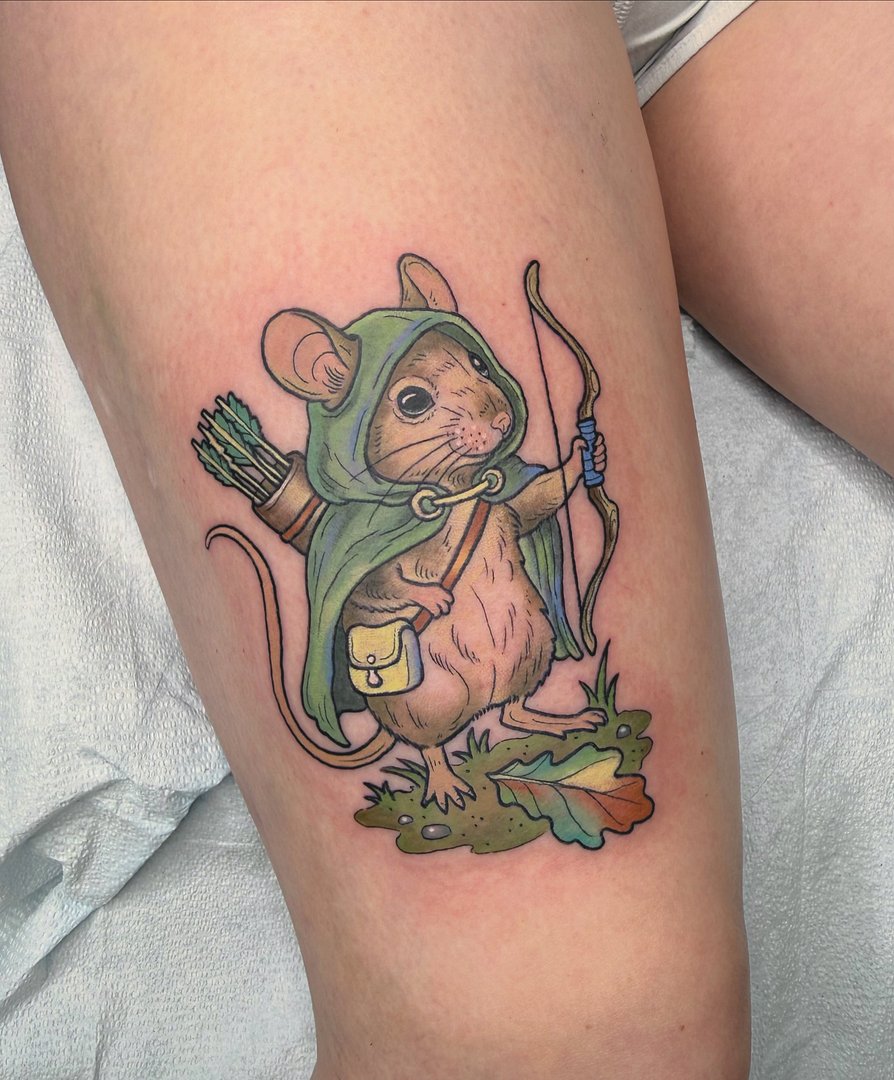
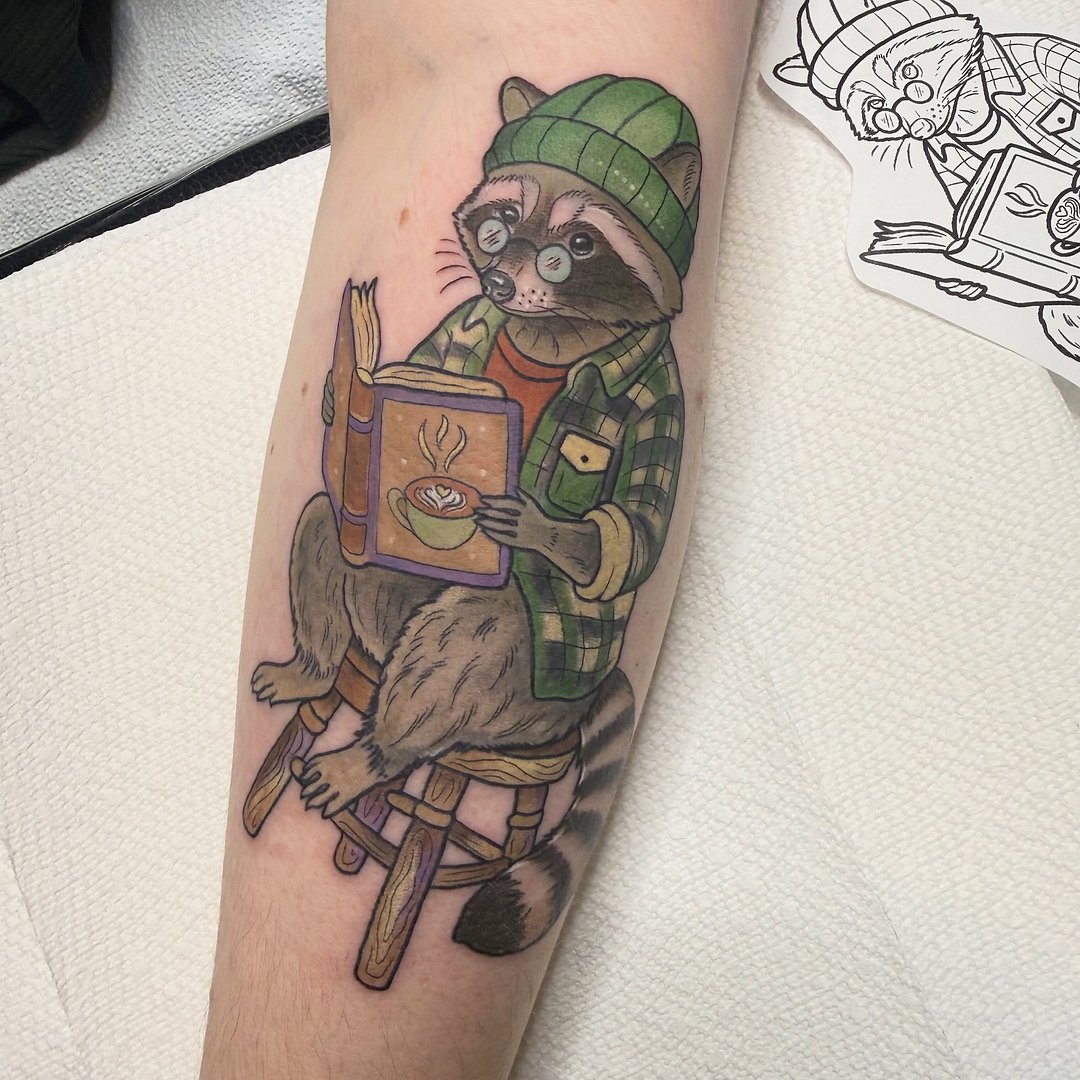
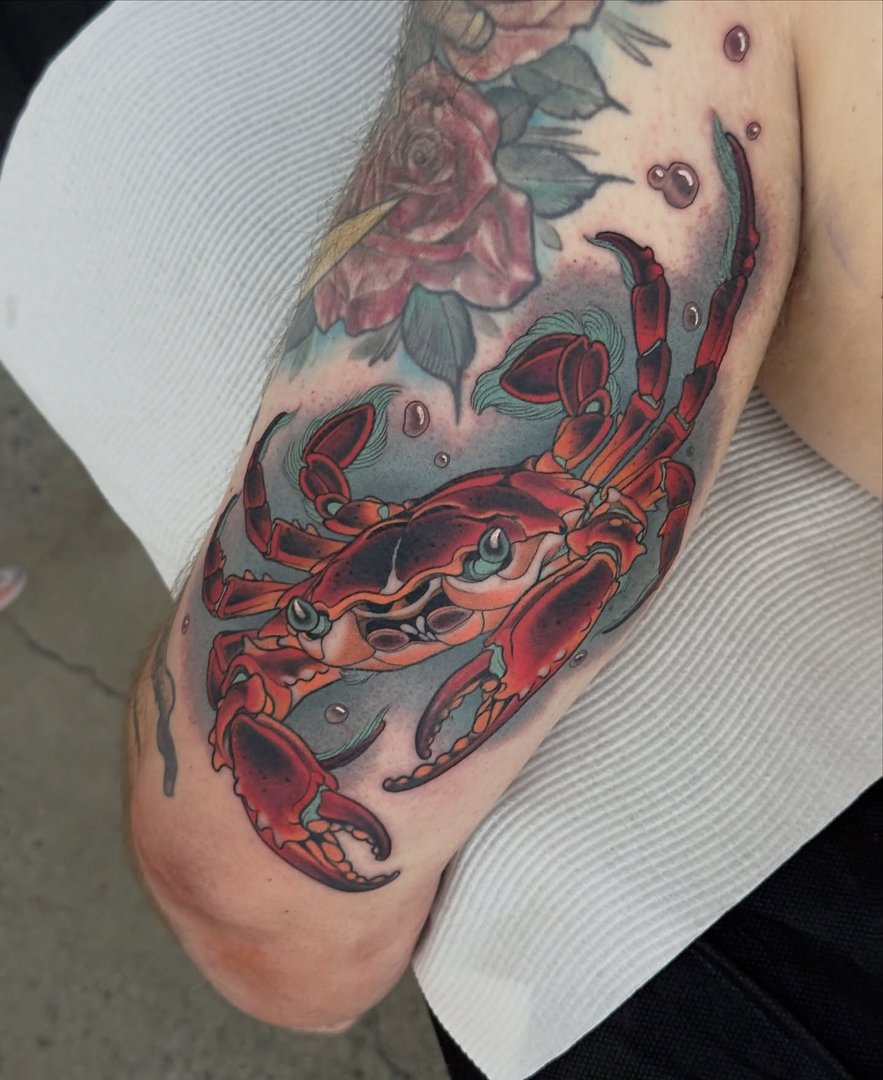
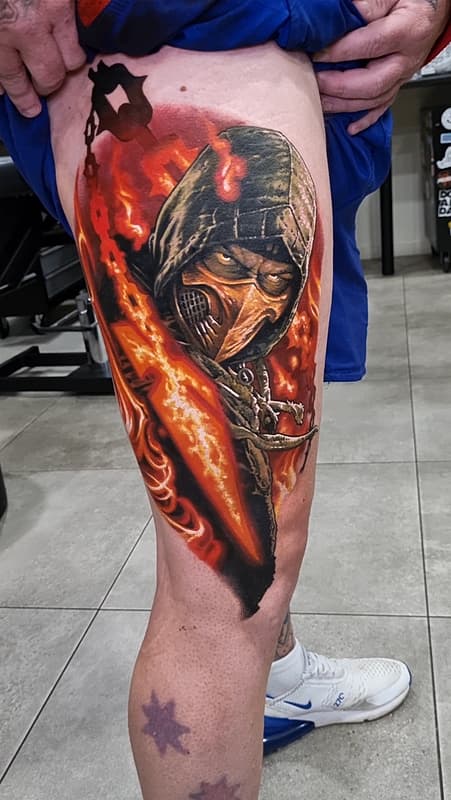
Gentlest: outer forearm, outer upper arm, outer thigh, and calf. All well-padded, low-nerve territory, which is why they're the standard first-tattoo recommendations. Middle of the road: inner arm, shoulder, upper back, and the stomach for most people. The famously rough ones: ribs, sternum, spine, armpit, kneecap and elbow ditch, hands and fingers, feet and ankles, neck and head, and anywhere the sun famously doesn't reach. Thin skin directly over bone, or dense nerve clusters, no padding, no mercy.
If you're pain-anxious and it's your first tattoo, put it on the outer forearm or thigh and give yourself an easy first rep. There's no prize for starting on your ribs.
How to make it easier
Most of managing tattoo pain happens before the needle starts. Sleep properly the night before. Eat a real meal an hour or two beforehand; low blood sugar is the single biggest fainting risk. Hydrate. Skip alcohol entirely for at least 24 hours before: it thins your blood, makes you bleed more, can wash out ink, and a studio can refuse to tattoo you if you show up affected. Painkillers are mostly a trap too; aspirin and ibuprofen increase bleeding, and if you take anything, paracetamol is the accepted answer.
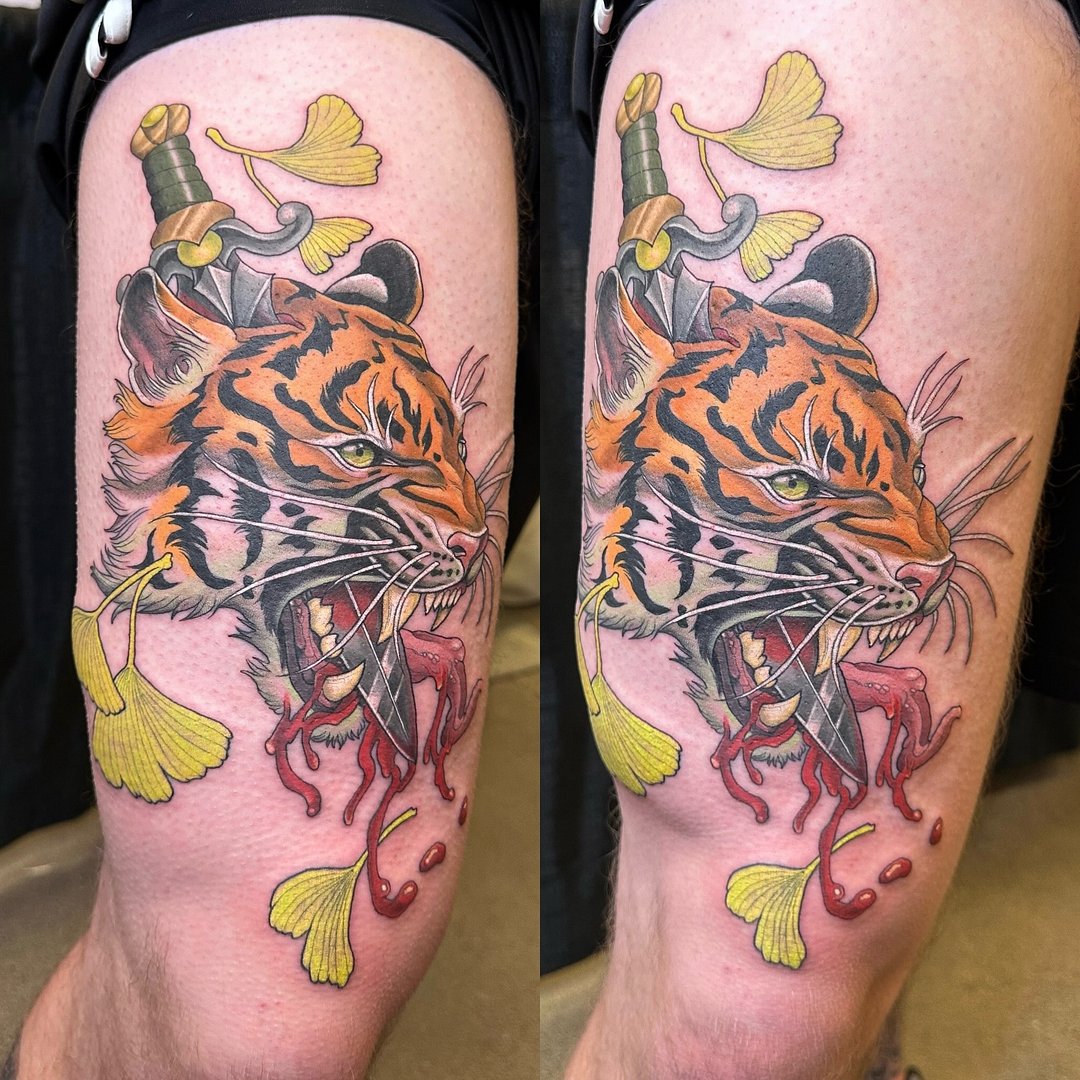
Artists on REAP
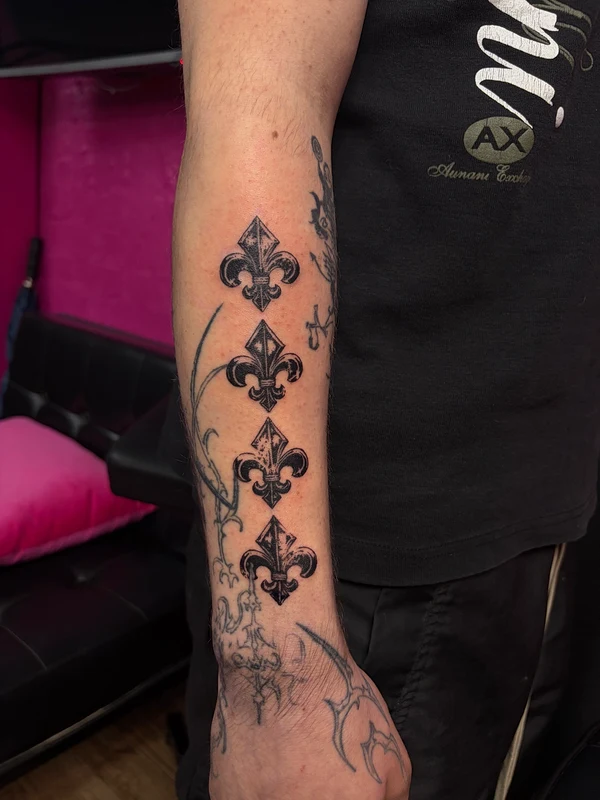
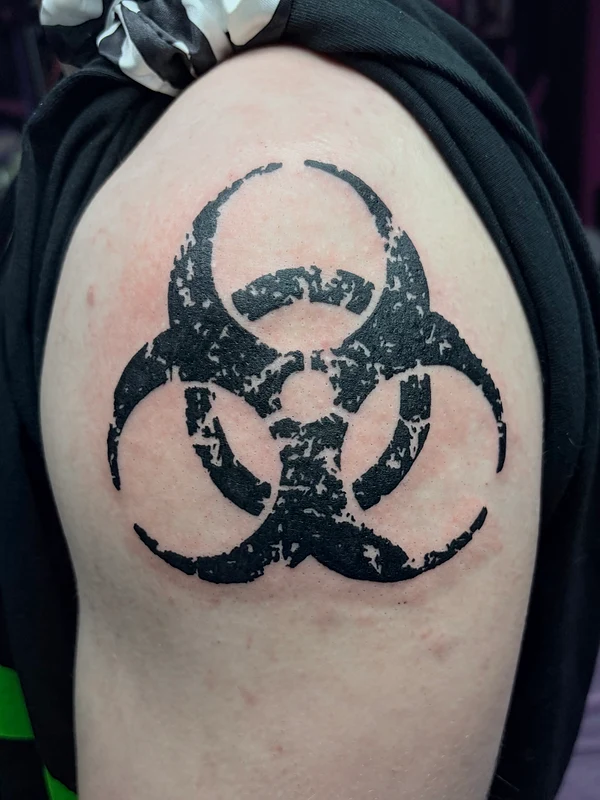
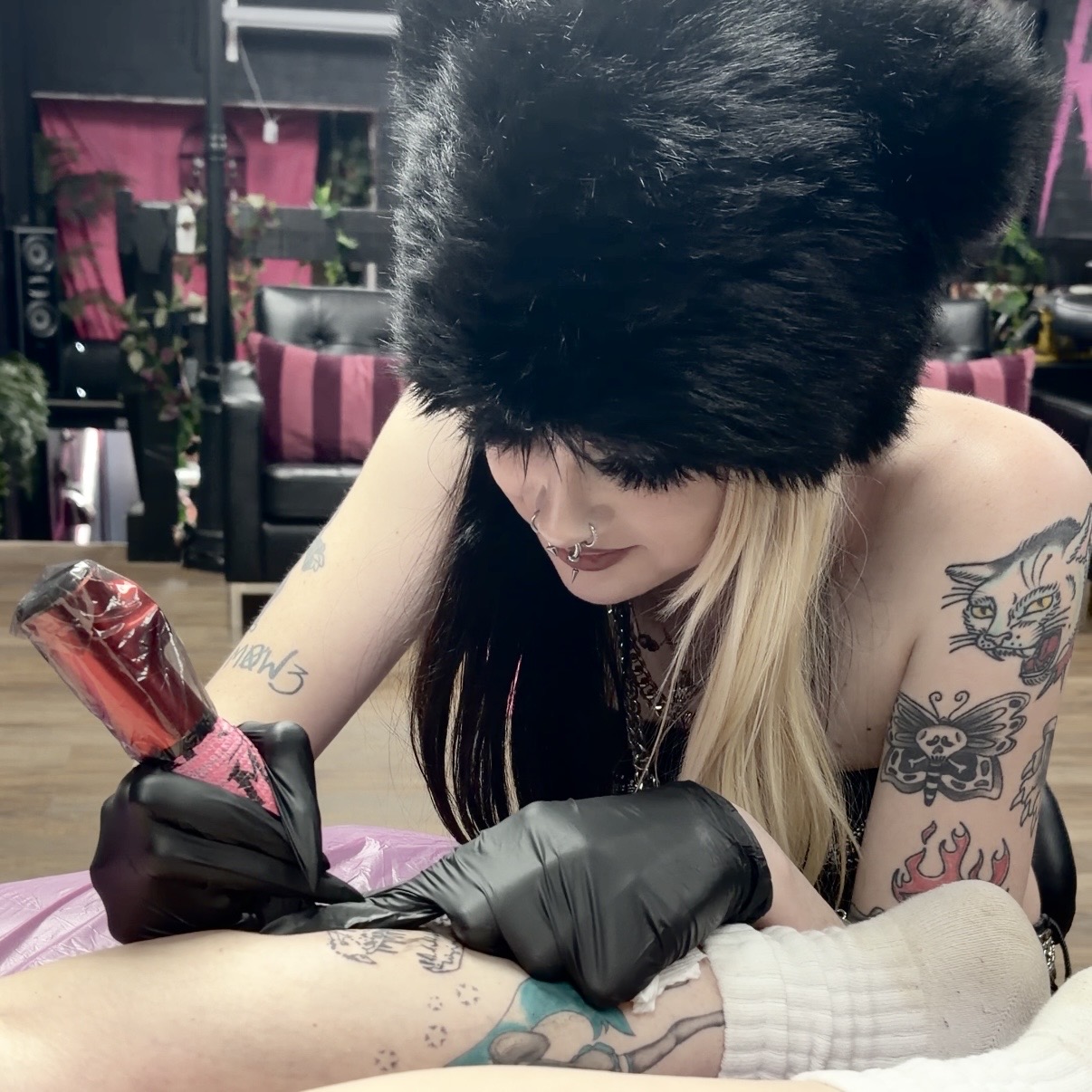
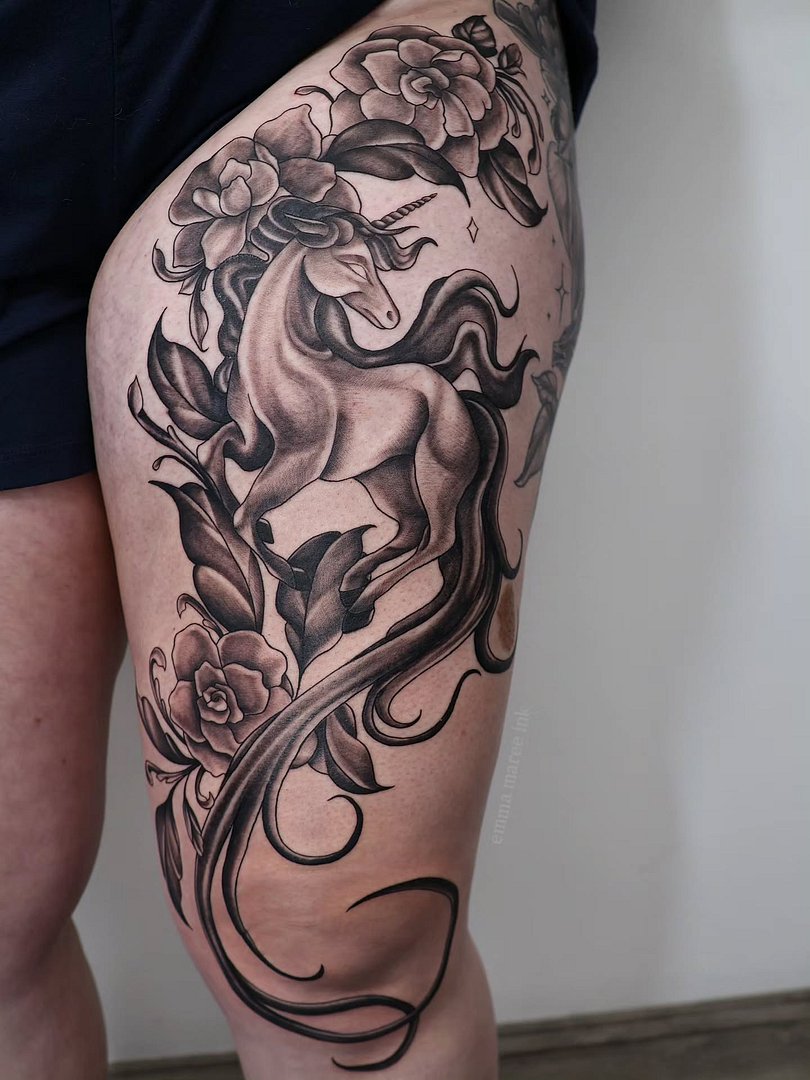
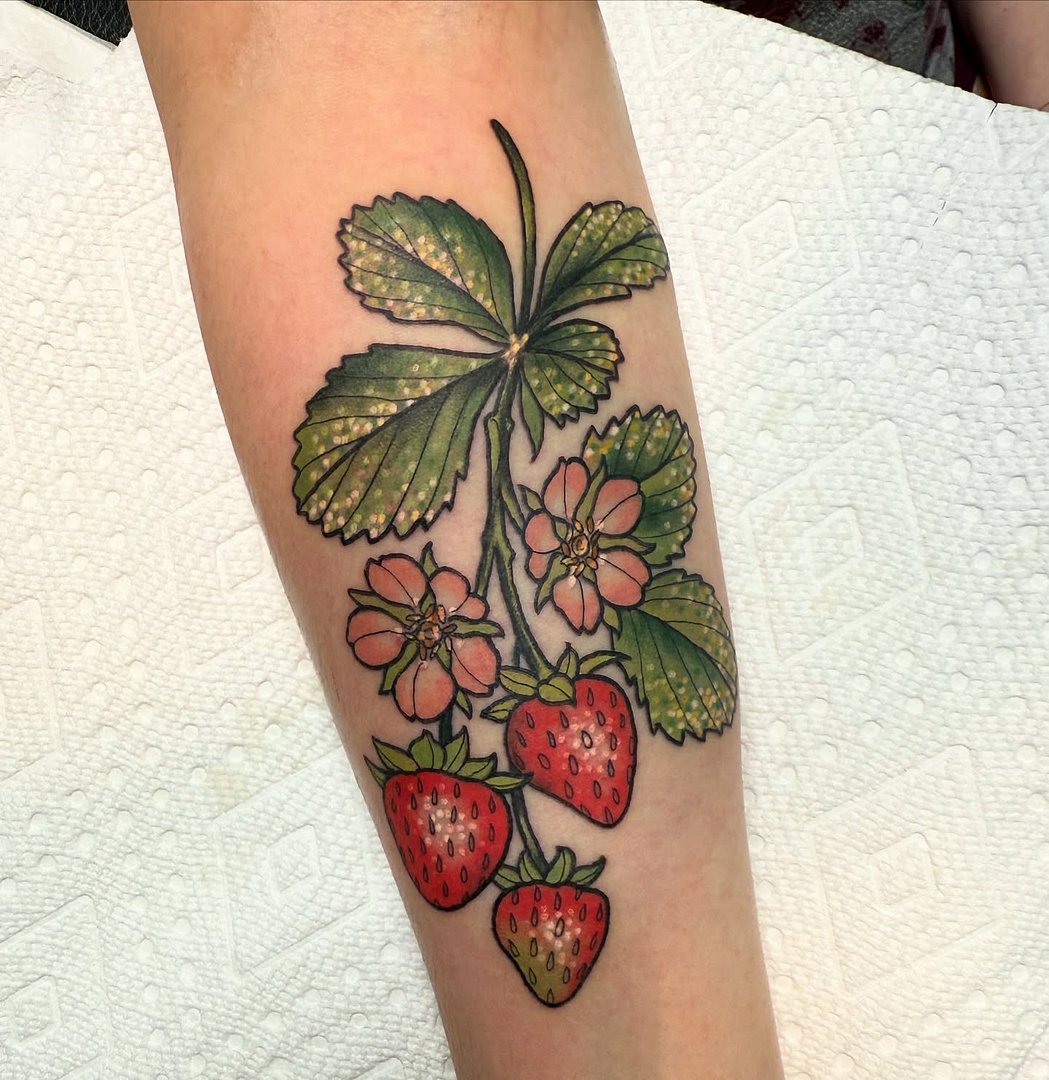
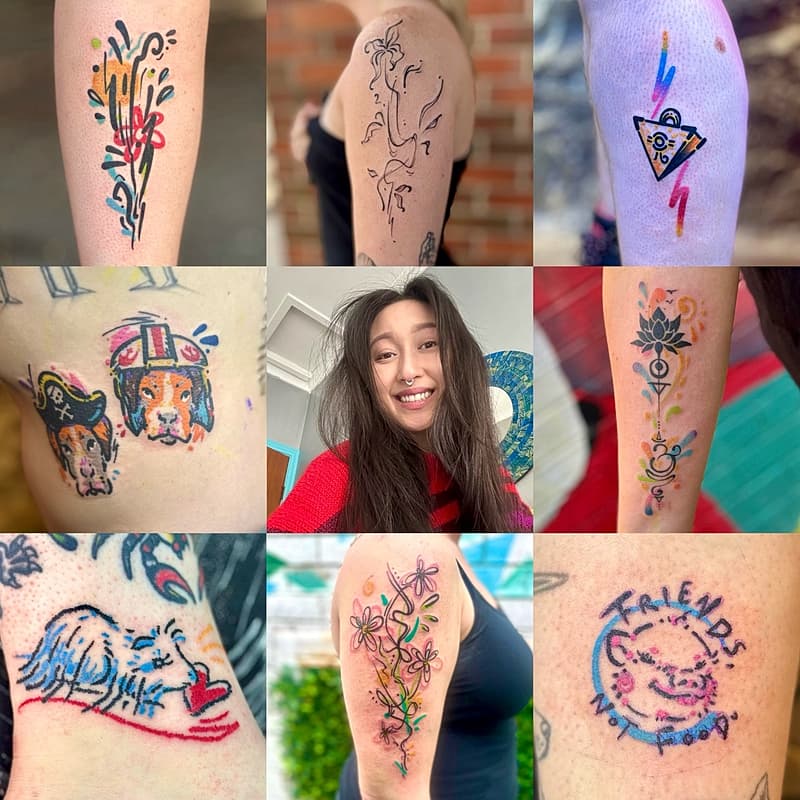
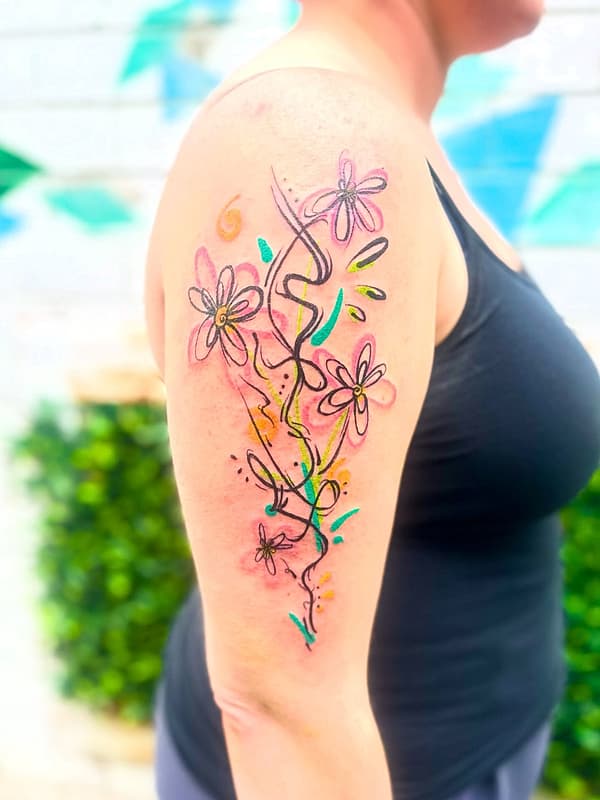
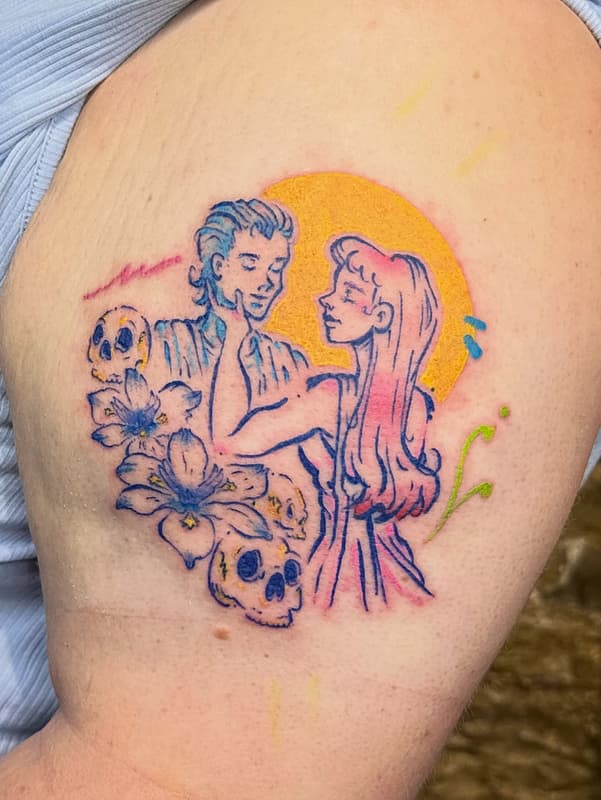
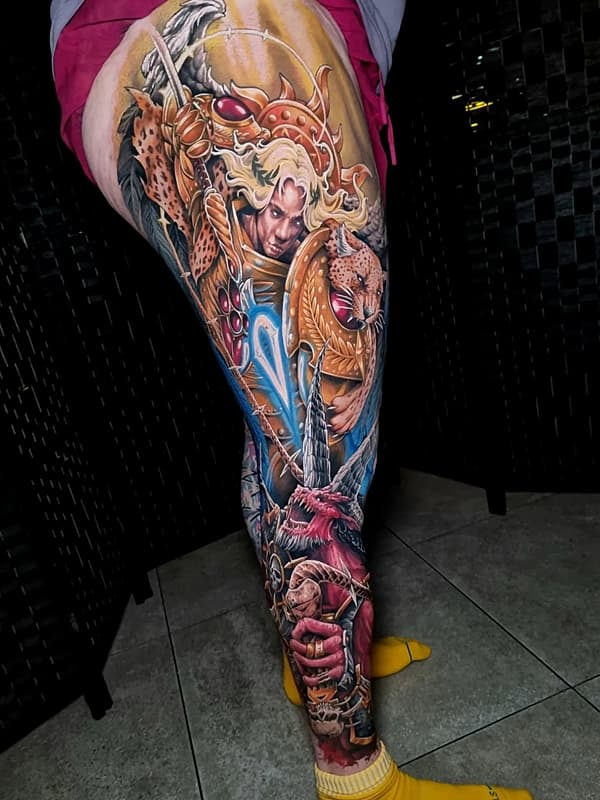
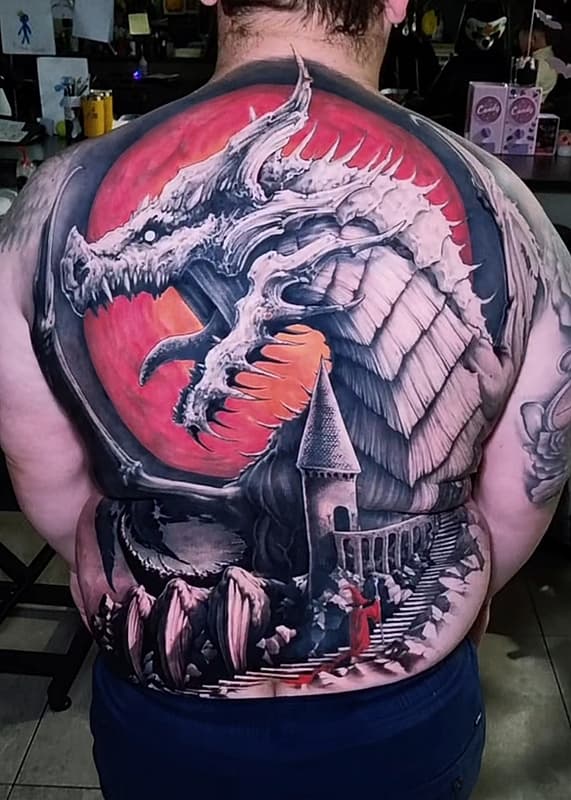
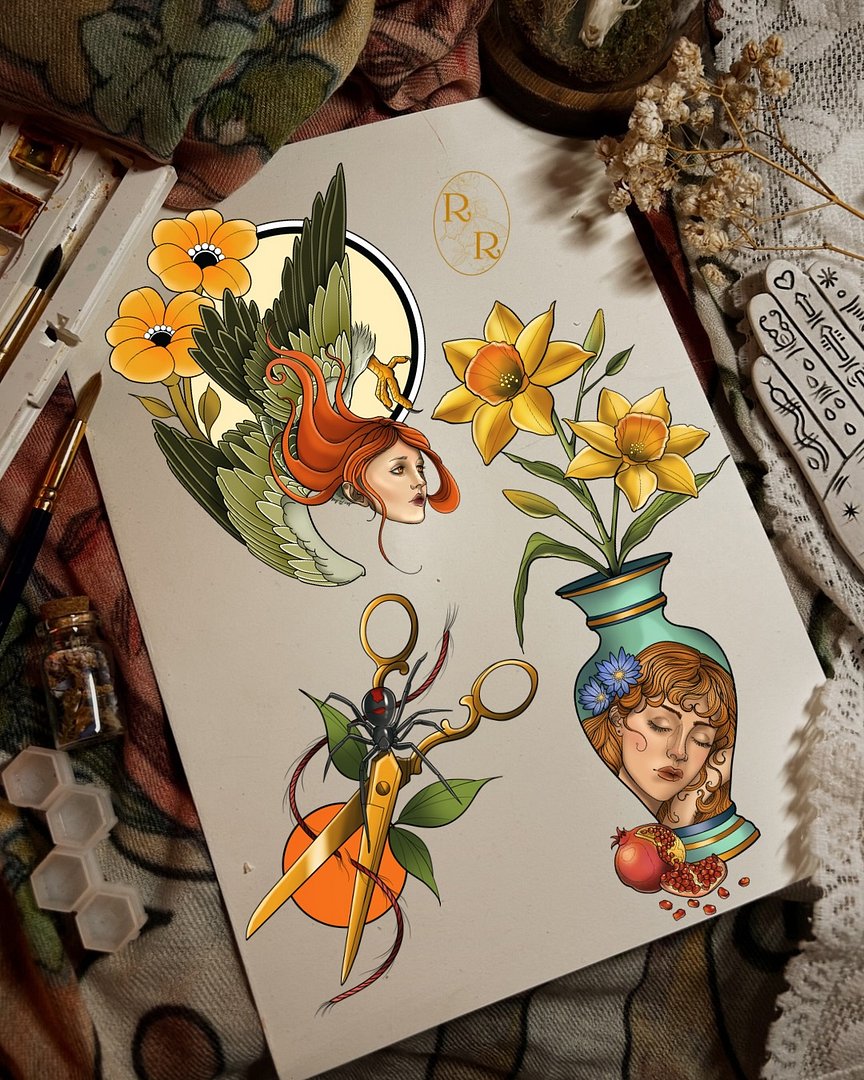
Real work from artists you can book right now.
Got a tattoo in mind?
Post a tattoo request and let artists come to you. Describe what you want, and artists who suit it will reach out.
Frequently Asked Questions
Where is the least painful place to get a tattoo?+
Outer forearm, outer upper arm, outer thigh and calf are consistently rated gentlest: padded, low-nerve areas away from bone. They're also placements that hold ink well, which makes them ideal first-tattoo territory.
How bad do rib tattoos actually hurt?+
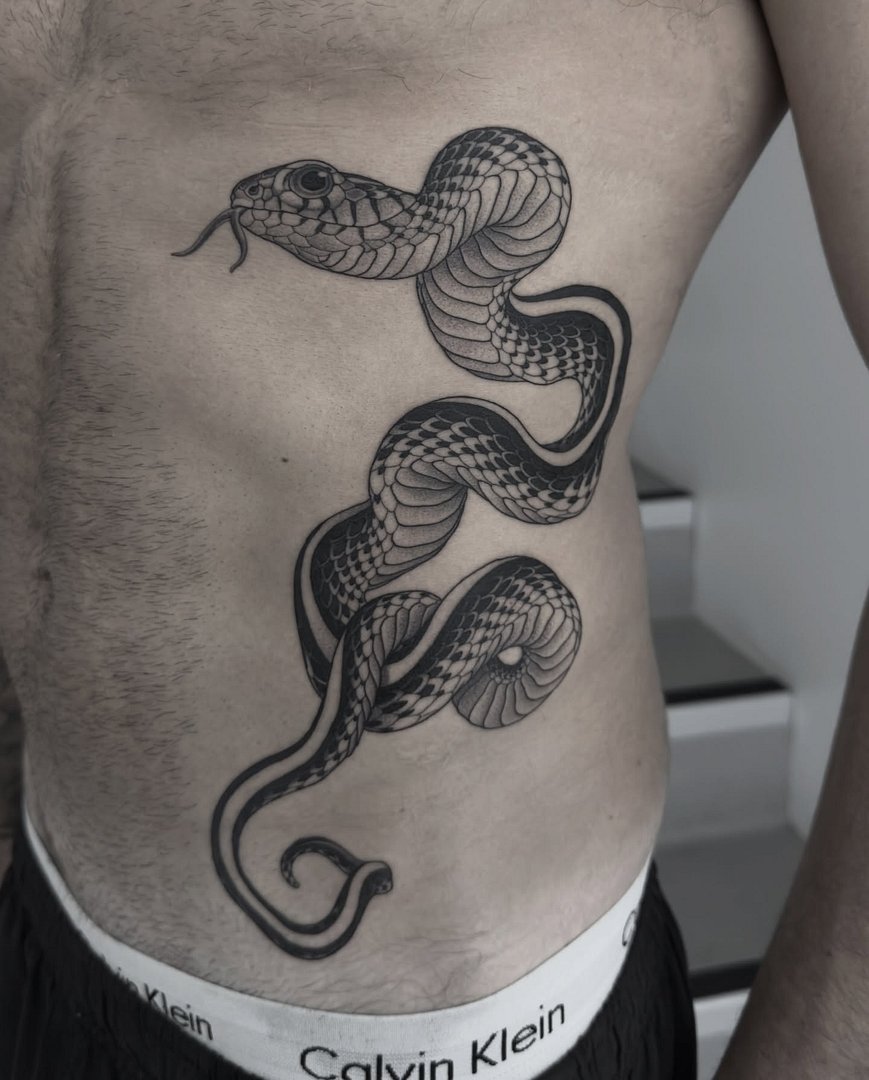
Ribs sit near the top of almost every pain ranking: thin skin directly over bone, plus movement from breathing. People reliably describe them as rough but doable in shorter sittings. If it's your first tattoo and you're nervous about pain, don't start there.
Does lining hurt more than shading?+
Most people find lining sharper, like a hot scratch, and shading duller but more grinding, especially colour packing over the same area. Which is worse is personal. Near bone, everything gains a vibrating quality that surprises first-timers more than the pain itself.
Can I take painkillers before a tattoo?+
Avoid aspirin and ibuprofen; they thin the blood and increase bleeding. Paracetamol is the accepted option if you want something. The higher-value moves are unglamorous: real sleep, a proper meal beforehand, water, and no alcohol for 24 hours.
During the session: breathe slowly and deliberately instead of bracing, since held breath and clenched muscles amplify everything. Talk, or don't, whatever regulates you, but tell your artist how you're travelling; they'd much rather pause than have you tough it out into a faint. Breaks are normal on long sits. Bring water and a sugary snack. For multi-hour sessions, expect the pain to climb in the final stretch and plan the design sitting accordingly with your artist; two civilised sessions routinely beat one heroic one.
And about fainting: it happens, including to enormous tough-looking men, and it isn't weakness. It's a vasovagal reflex, where pain, anxiety or an empty stomach triggers the vagus nerve to drop your heart rate and blood pressure. Warning signs are going hot, dizzy, sweaty, or tunnel-visioned. Say something immediately, and the fix is usually as simple as lying flat, sugar, and a few minutes. Artists have seen it a hundred times.
The tail end: session recovery
After a long sitting, plenty of people experience what gets called tattoo flu: fatigue, achiness, feeling generally rubbish for a day or so. It's your immune system responding to several hours of controlled skin trauma, and it's normal. Eat well, hydrate, sleep, and treat yourself gently for a day, exactly like you would after strenuous exercise. Then aftercare takes over as the job; see our aftercare guide for the week-by-week of what comes next.
A vasovagal response: pain, anxiety or an empty stomach triggers the vagus nerve to drop heart rate and blood pressure. It has nothing to do with toughness. Eat properly beforehand, and if you go hot, dizzy or tunnel-visioned mid-session, tell your artist straight away.
How long can you sit for a tattoo?+
Most people manage two to four hours comfortably; committed collectors sit six to eight hour day sessions. Pain compounds late in the session as skin wears and adrenaline fades, so for big pieces, splitting across sessions is normal and often produces better work.