A style defined by discipline, not just look
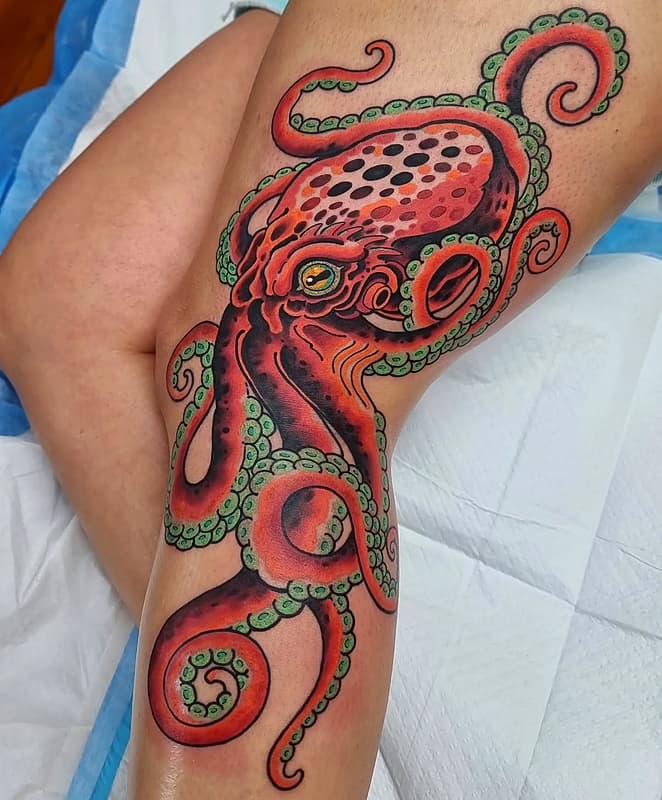
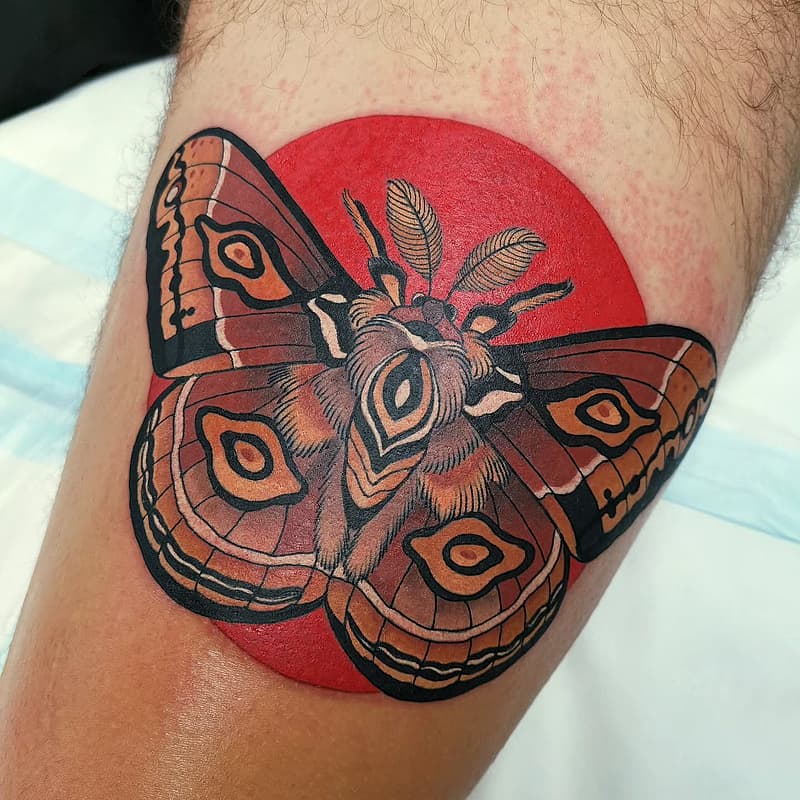
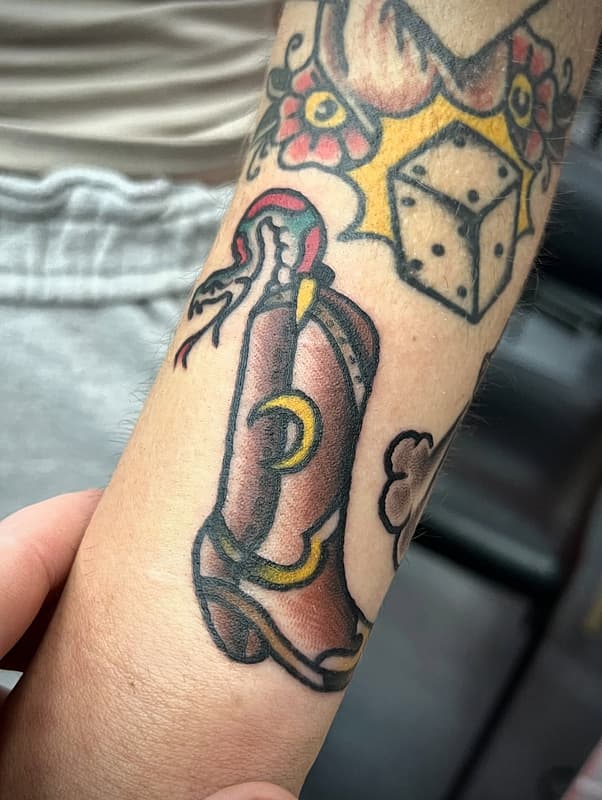
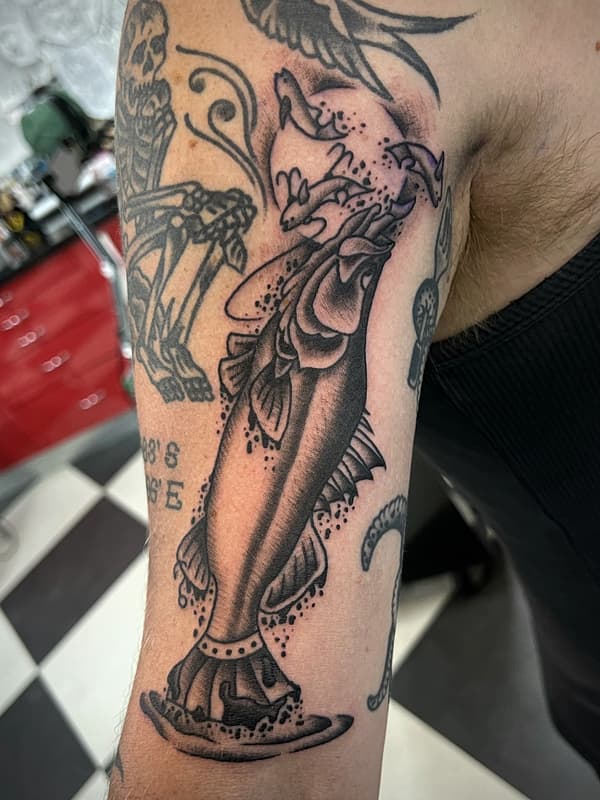
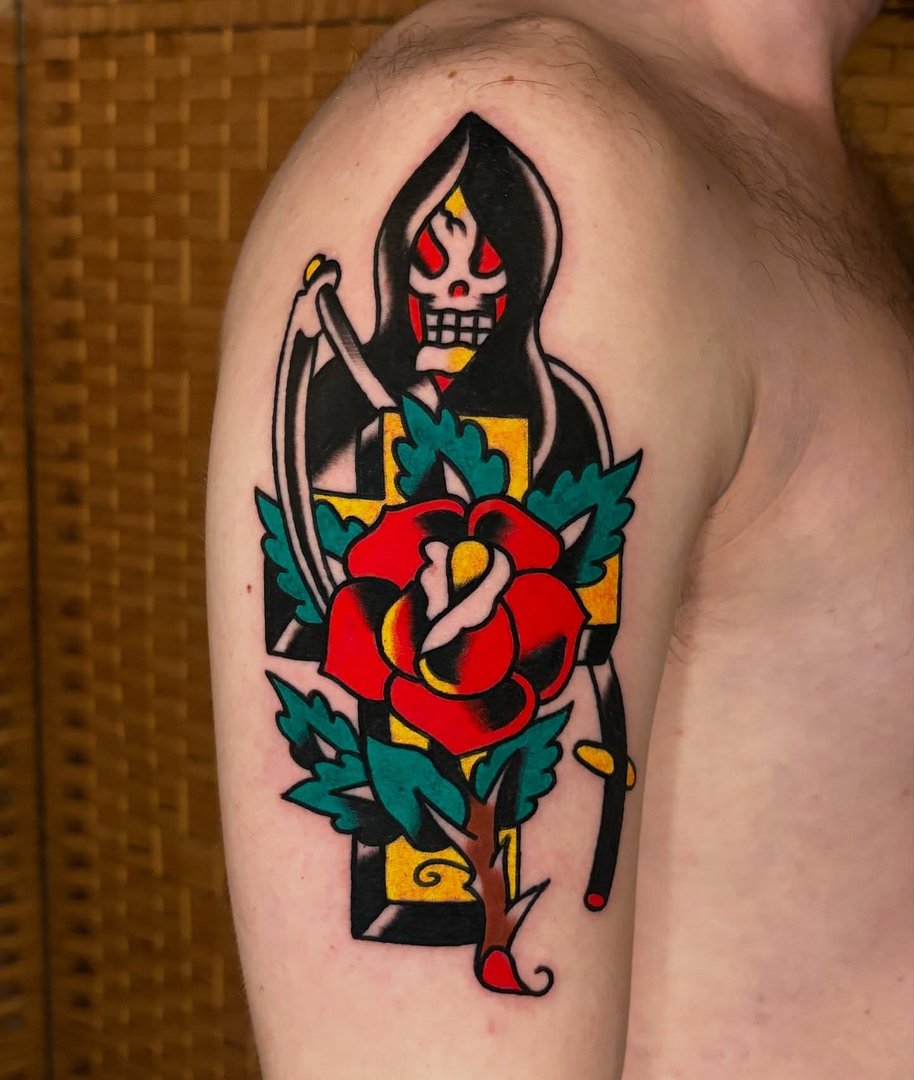
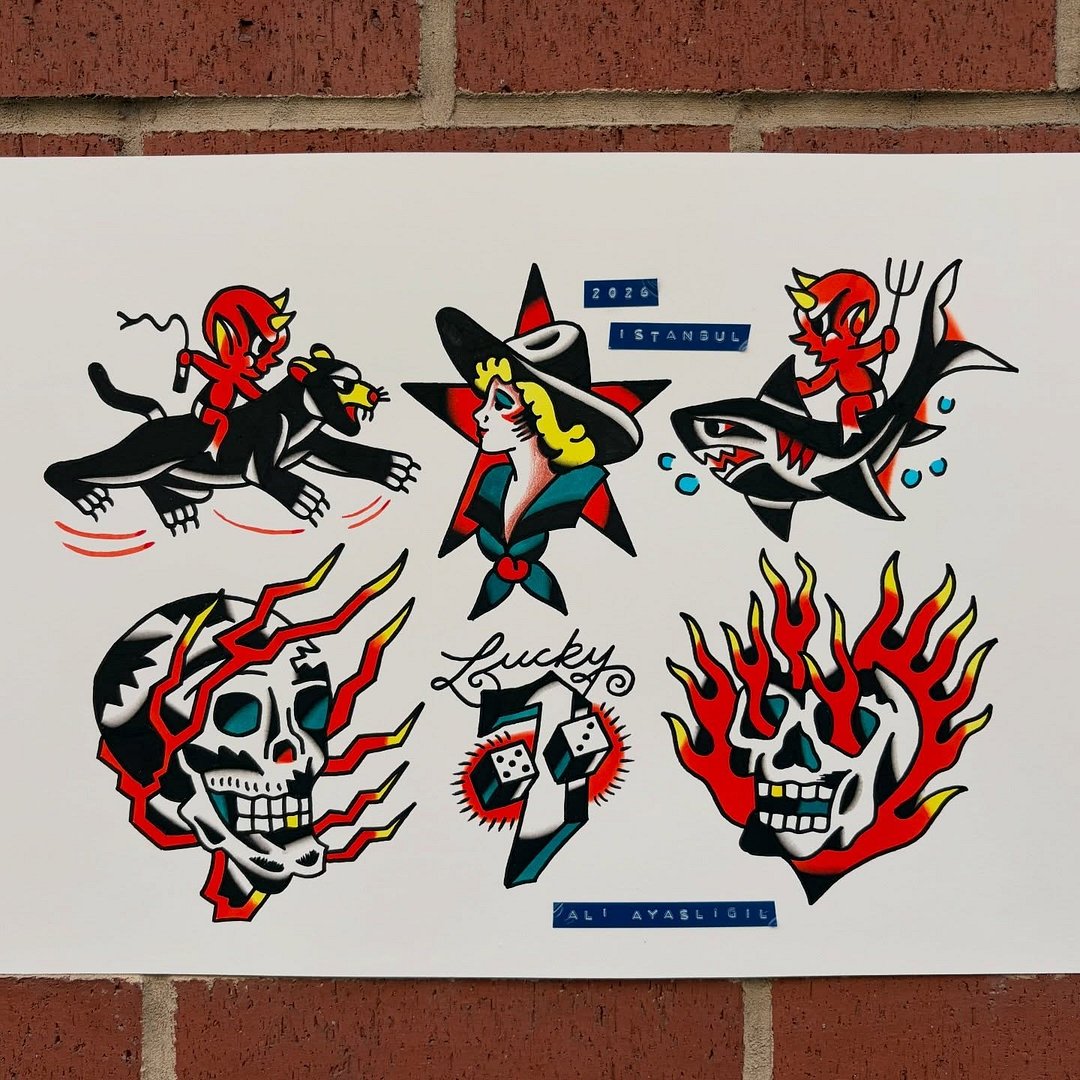
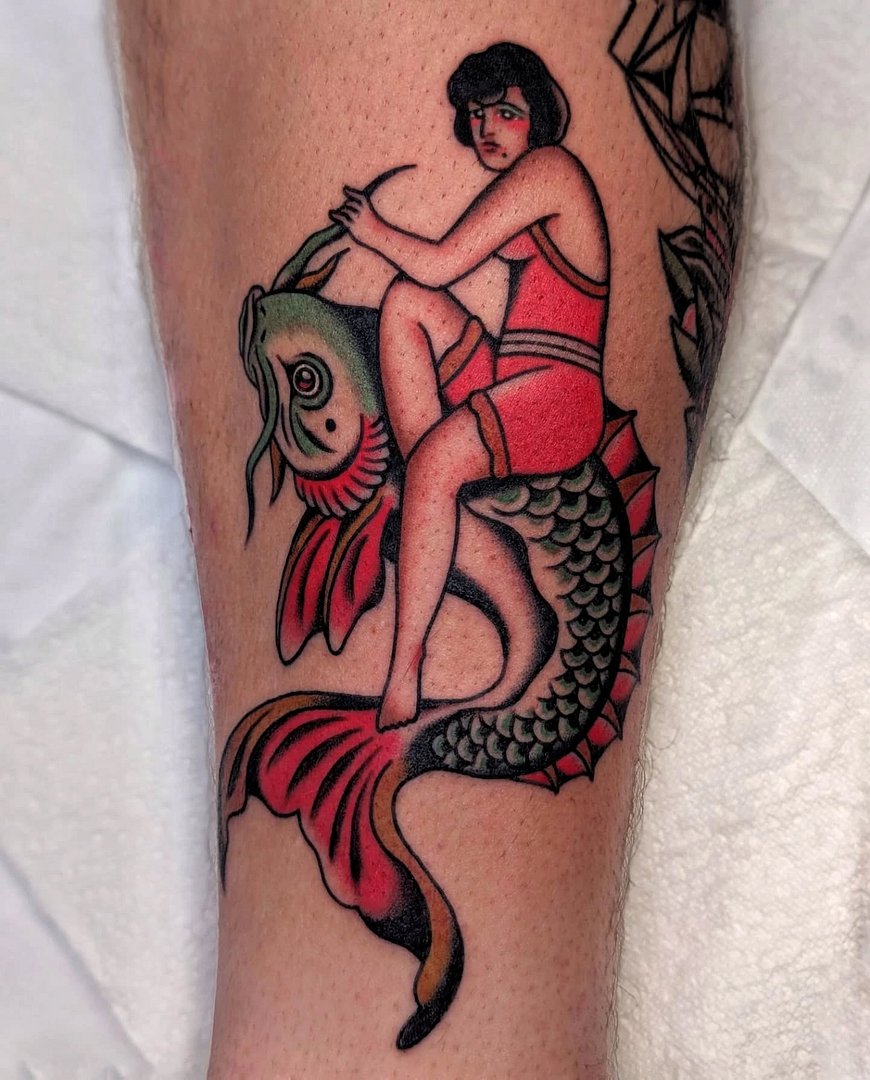
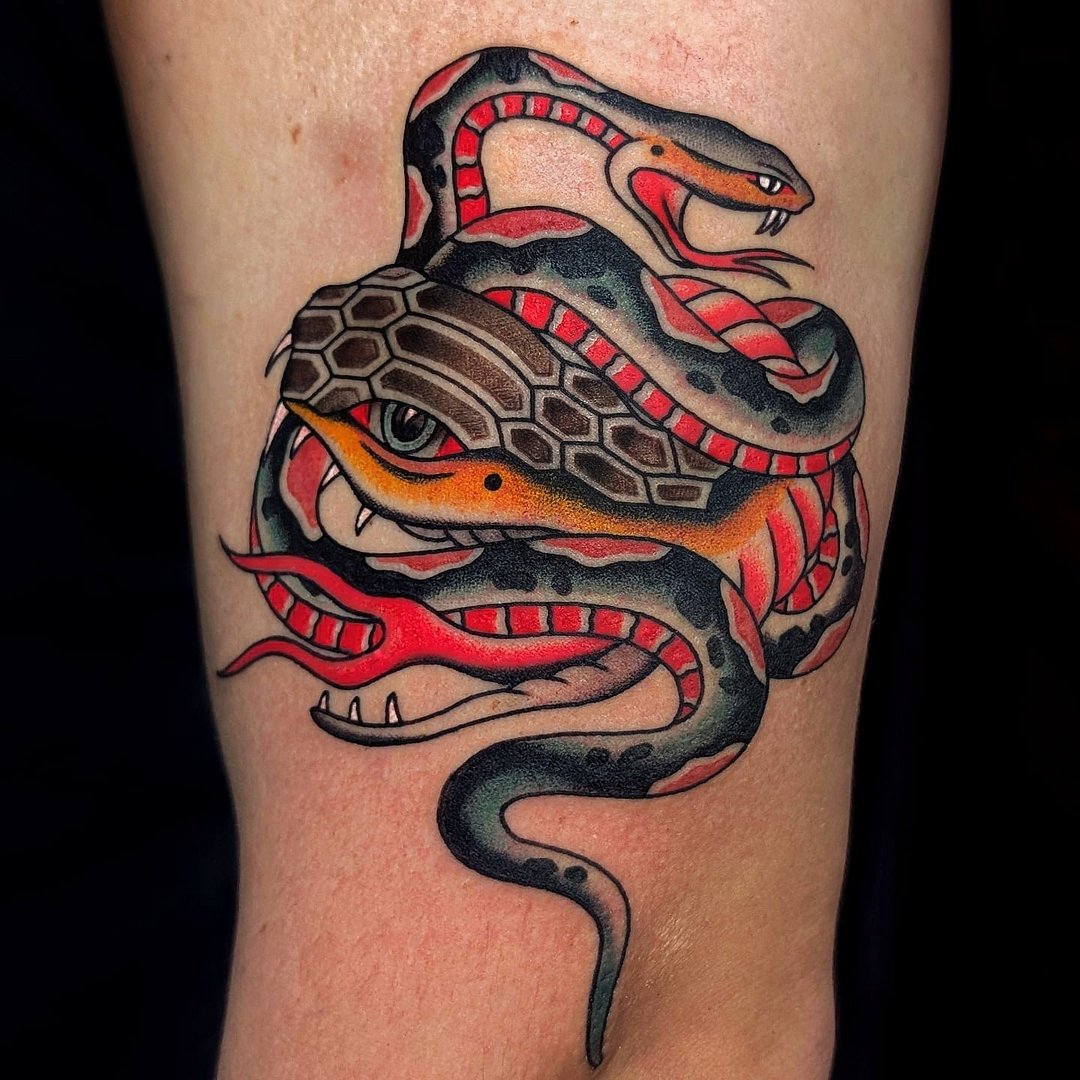
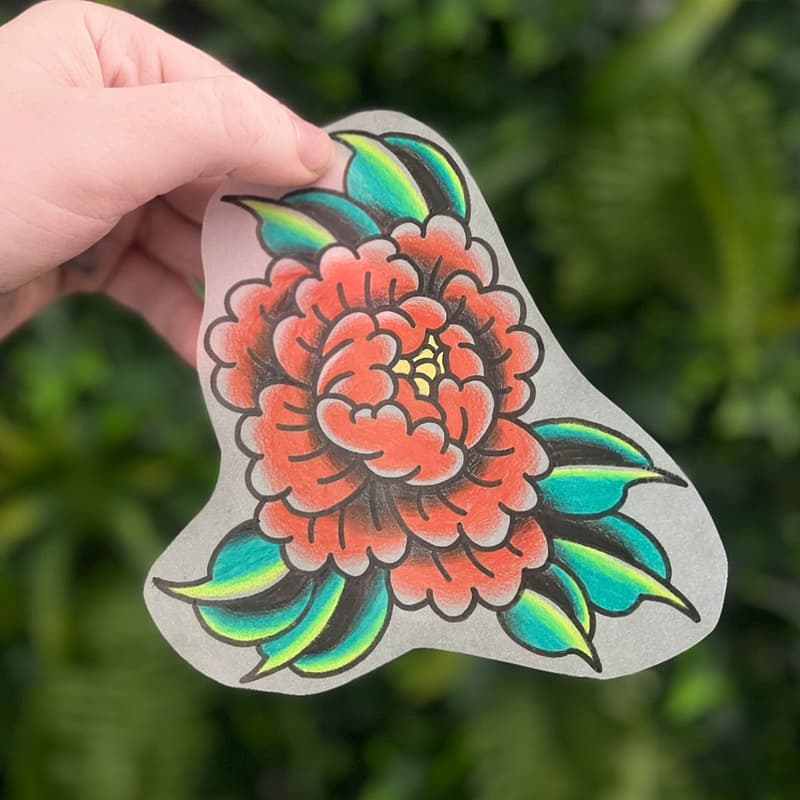
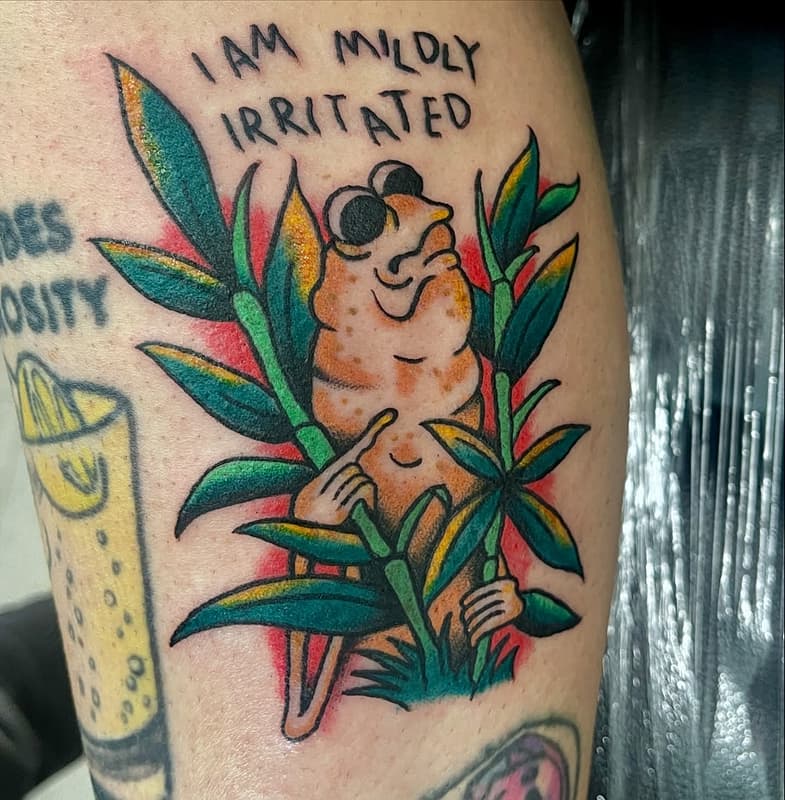
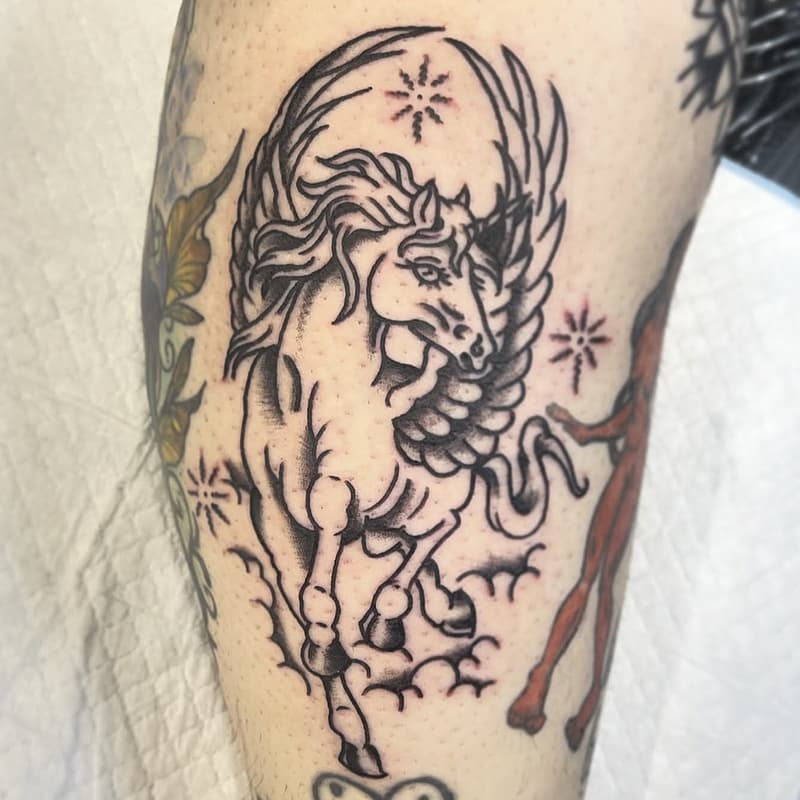
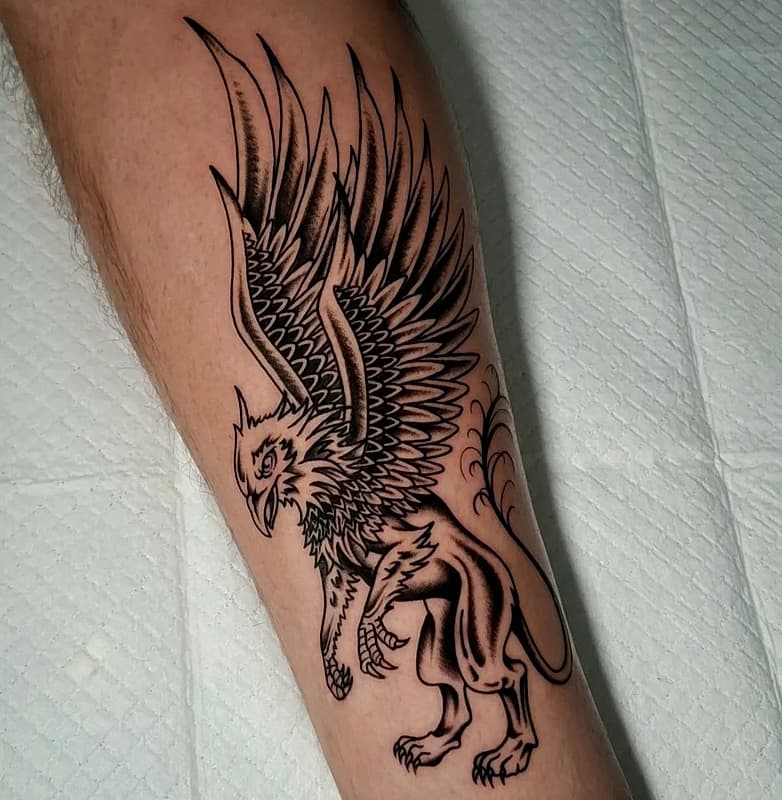
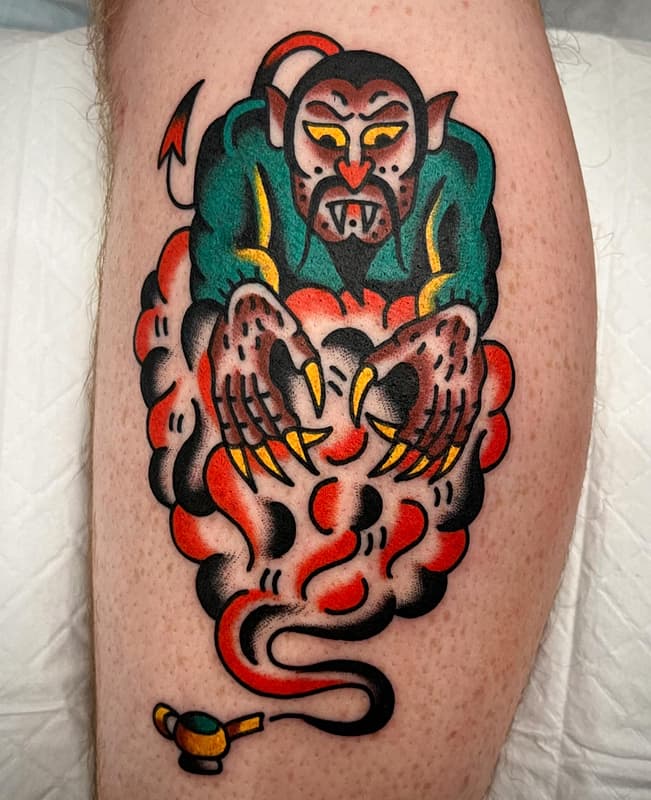
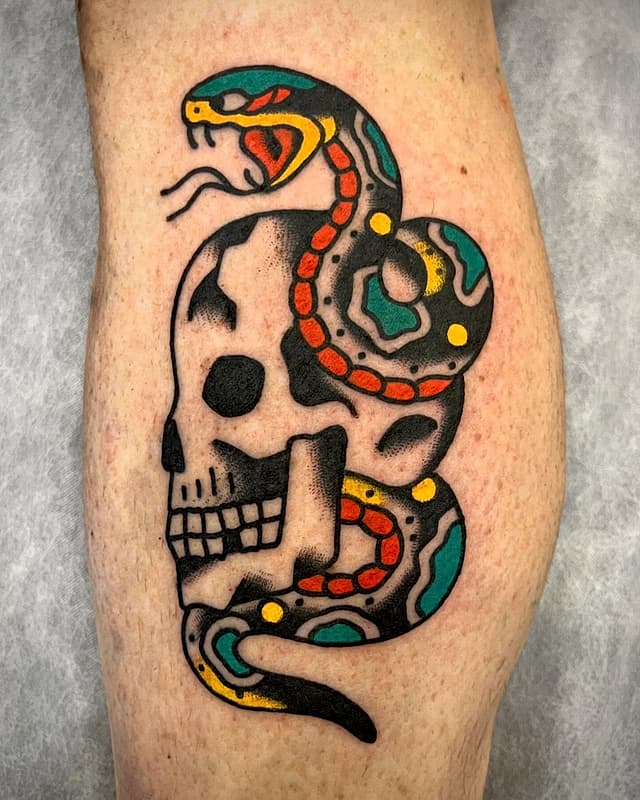
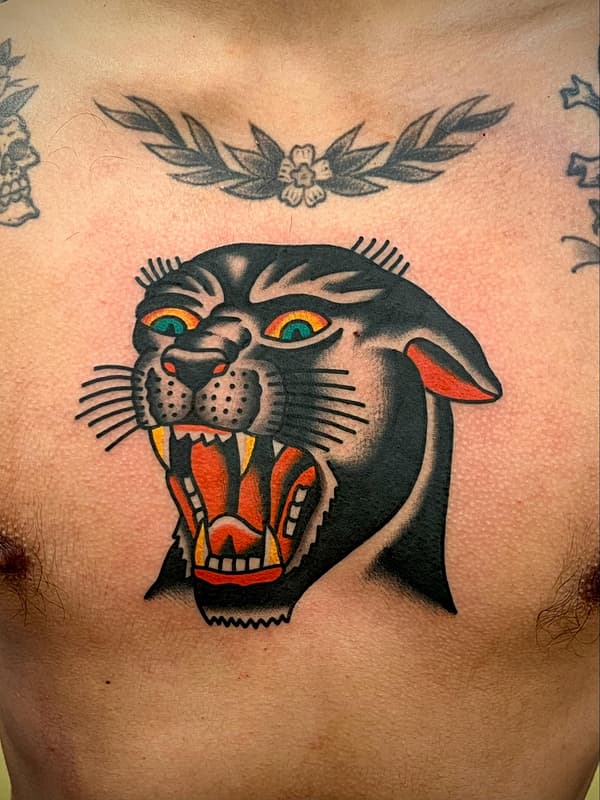
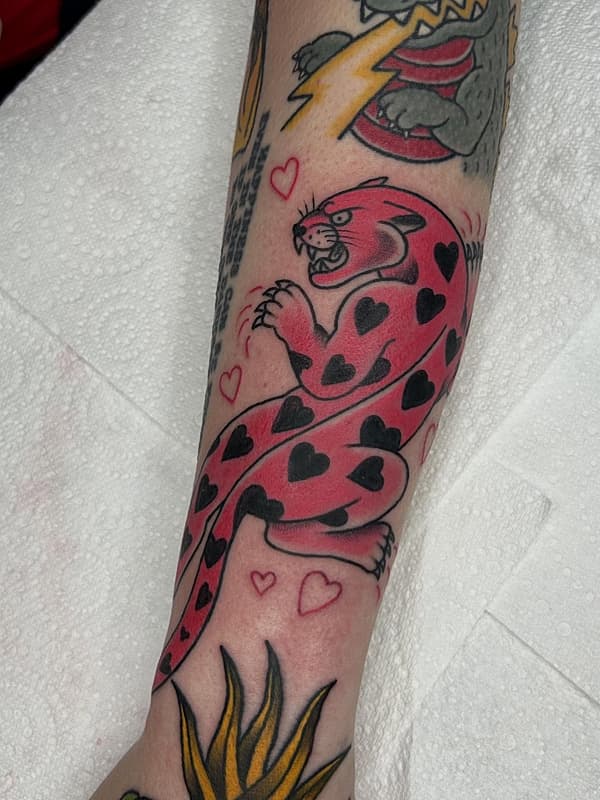
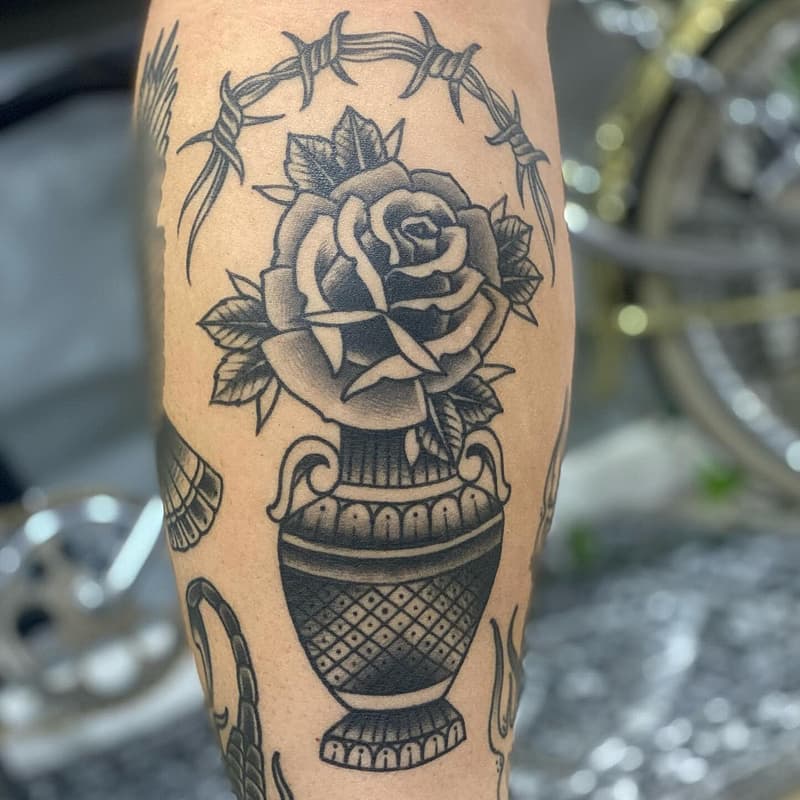
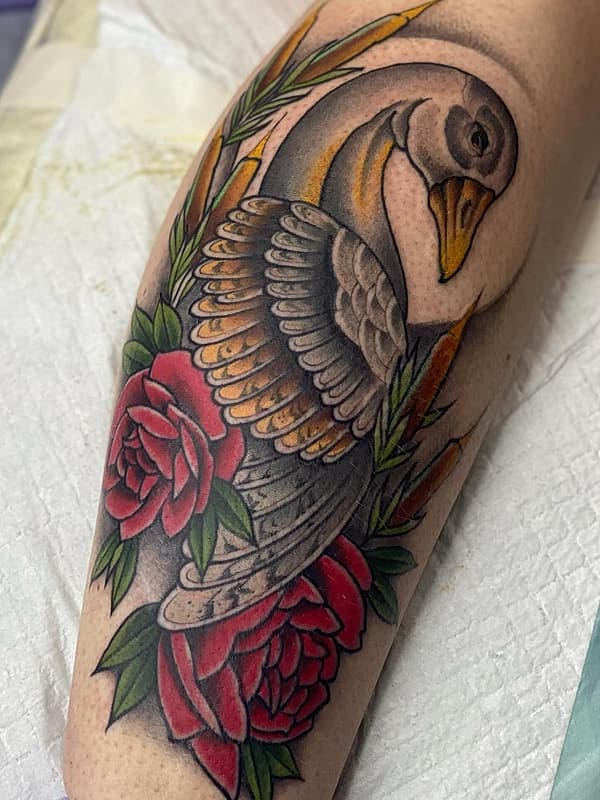
American Traditional tattooing is instantly recognisable: bold black outlines, a limited and saturated colour palette (classically red, green, yellow, and blue-black), minimal shading, and simplified, iconic subject matter. That simplicity is deliberate, not a limitation. Thick lines and flat colour age far better on skin over decades than fine detail does, so the style's whole visual approach grew out of a practical goal: tattoos that still look good thirty years later.
The imagery associated with the style largely comes out of a specific history: sailors, servicemen, and working-class tattoo culture in the 20th century, popularised heavily by artists like Norman "Sailor Jerry" Collins. Because of that history, a lot of the motifs carry general, widely recognised associations, though exact origin stories vary by source and shouldn't be treated as settled fact.
Common motifs and their general meanings
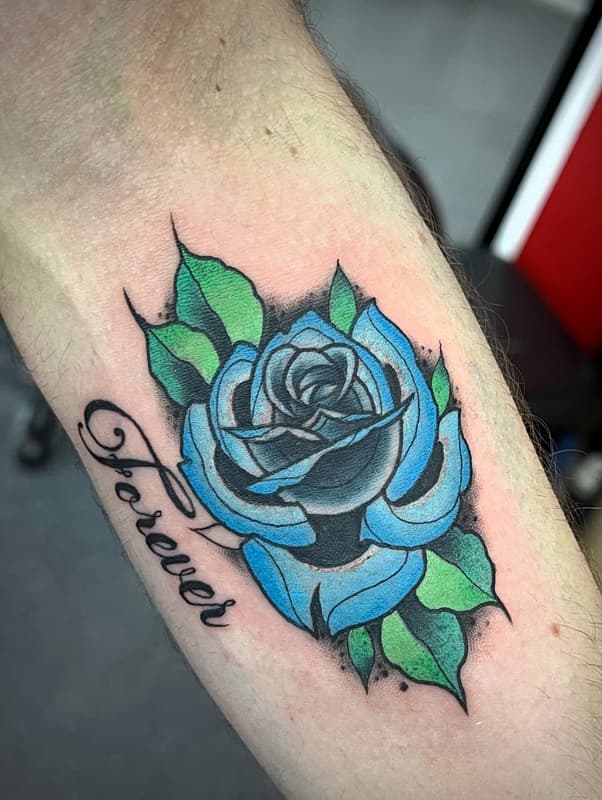
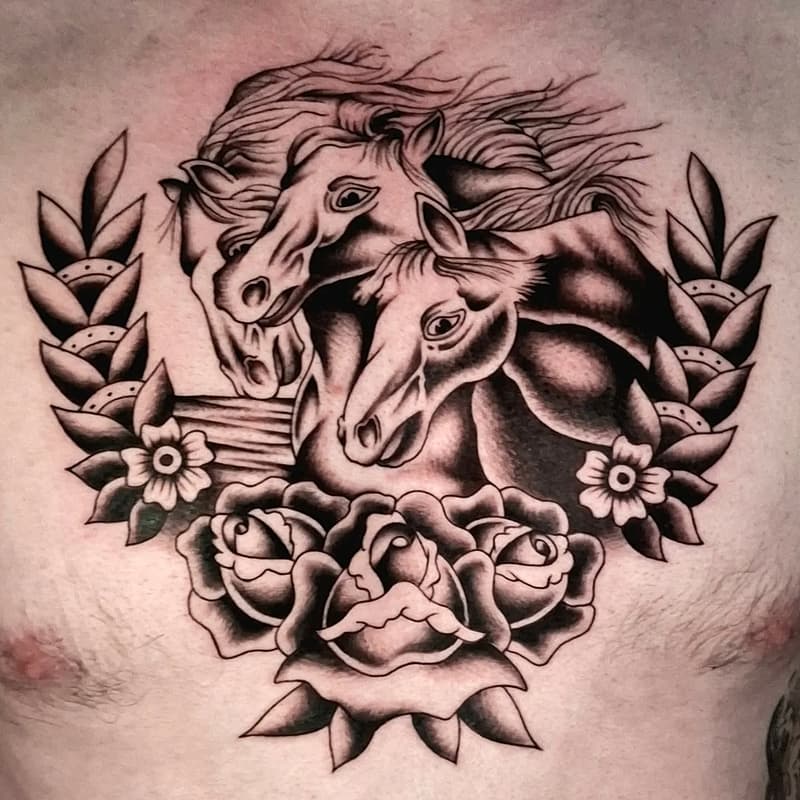
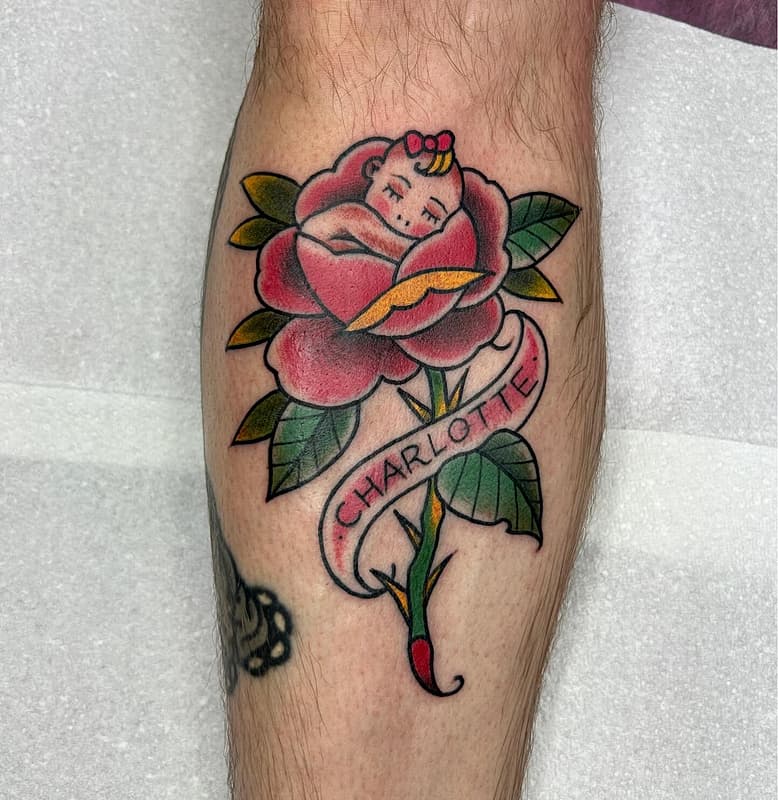
Swallows are broadly associated with safe return and homecoming, tied to sailors' folklore that swallows always find their way home. Anchors generally represent stability and being grounded, and were historically linked to sailors who'd crossed the Atlantic. Roses are commonly read as balancing beauty with risk, the flower alongside the thorn, and are one of the most versatile motifs in the style, used as standalone pieces or as filler between other imagery.
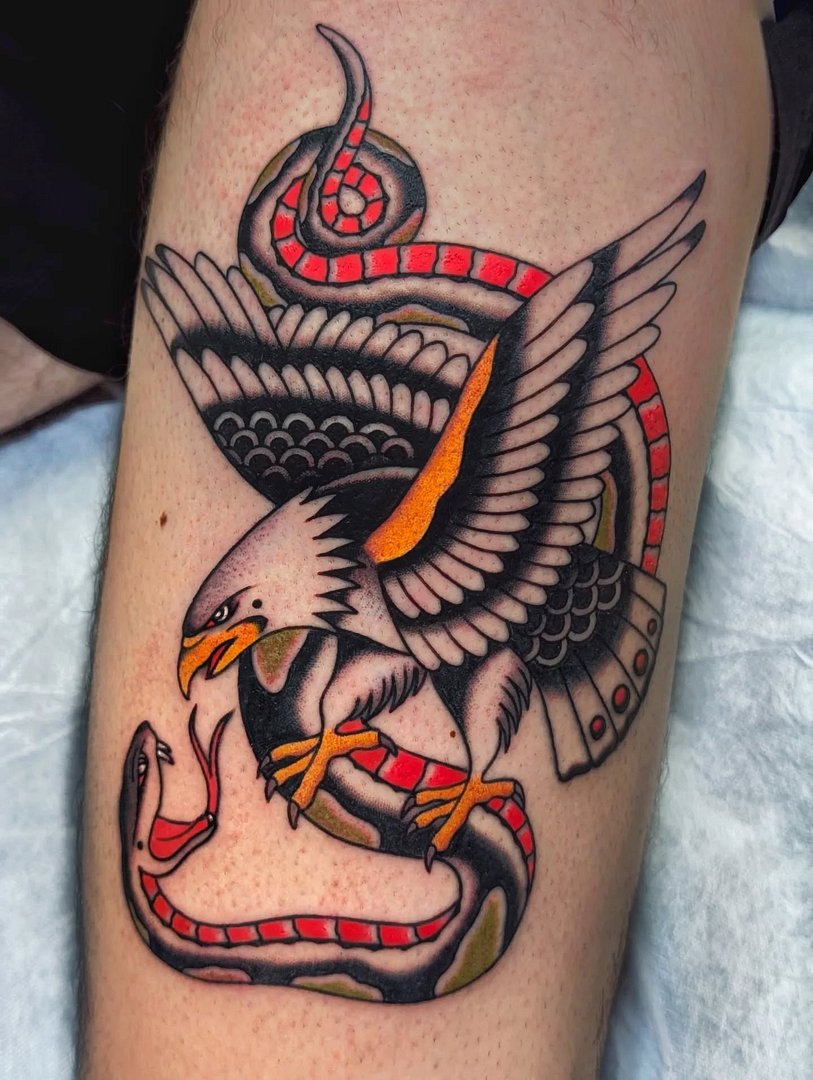
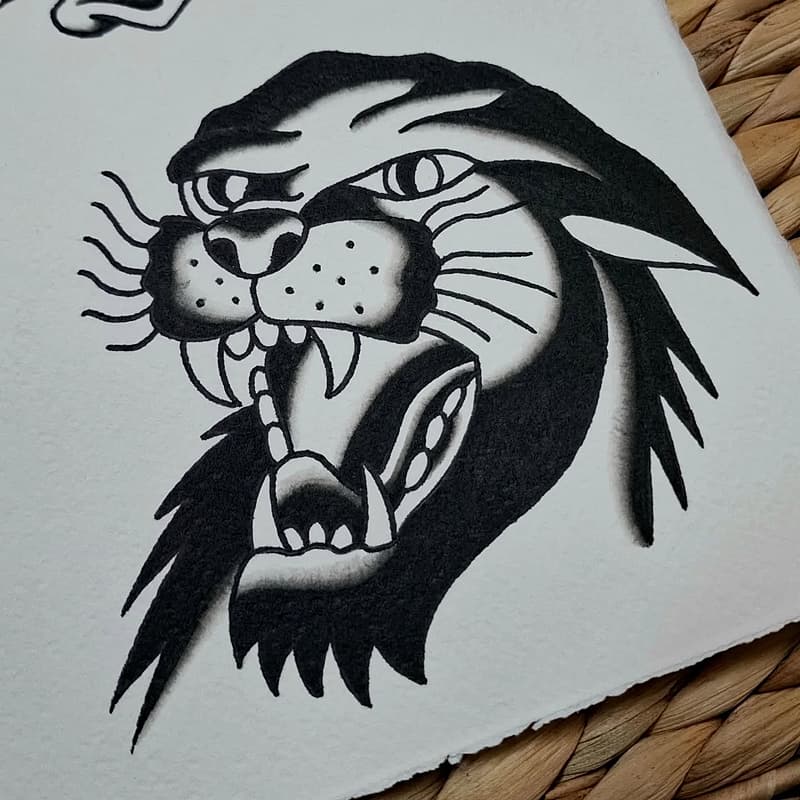
Eagles generally represent freedom and strength, often tied to national pride in the American context the style grew out of. Panthers are associated with power and stealth. Daggers and knives often represent protection or a willingness to face danger, sometimes paired with other imagery like roses or banners bearing text. Ships and nautical imagery broadly reference travel, adventure, and the sailor origins of the style itself.
As with any tattoo tradition, these are general associations rather than fixed dictionary meanings. Plenty of people choose a swallow or a rose because they like how it looks or because it connects to their own life, not because they're citing the traditional symbolism directly.
Why the style holds up so well long-term
If you're choosing a style partly for longevity, Traditional is a strong option. The bold linework and solid colour blocks that define the style were developed specifically to resist the blurring and fading that finer detail suffers over decades. This is also why it pays to find a genuine Traditional specialist rather than someone dabbling in it. The apparent simplicity hides a lot of technical discipline around line weight, colour saturation, and spacing that keeps the tattoo legible as it ages.