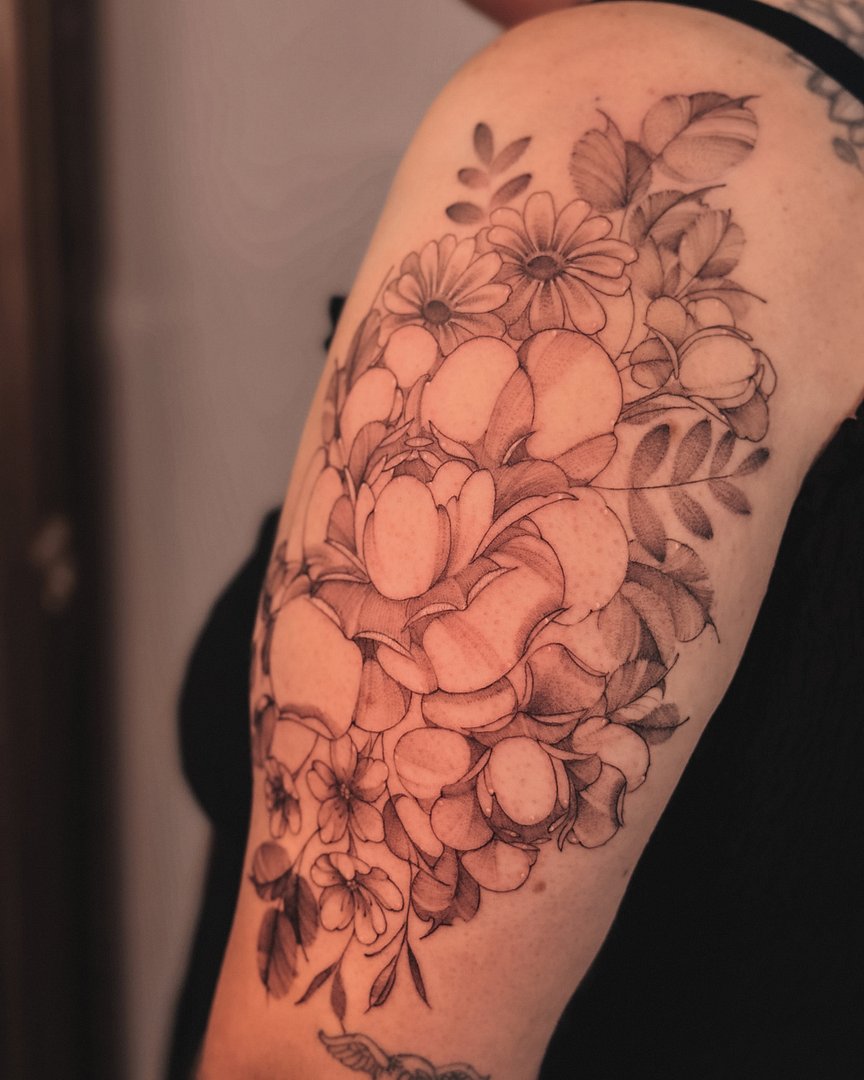
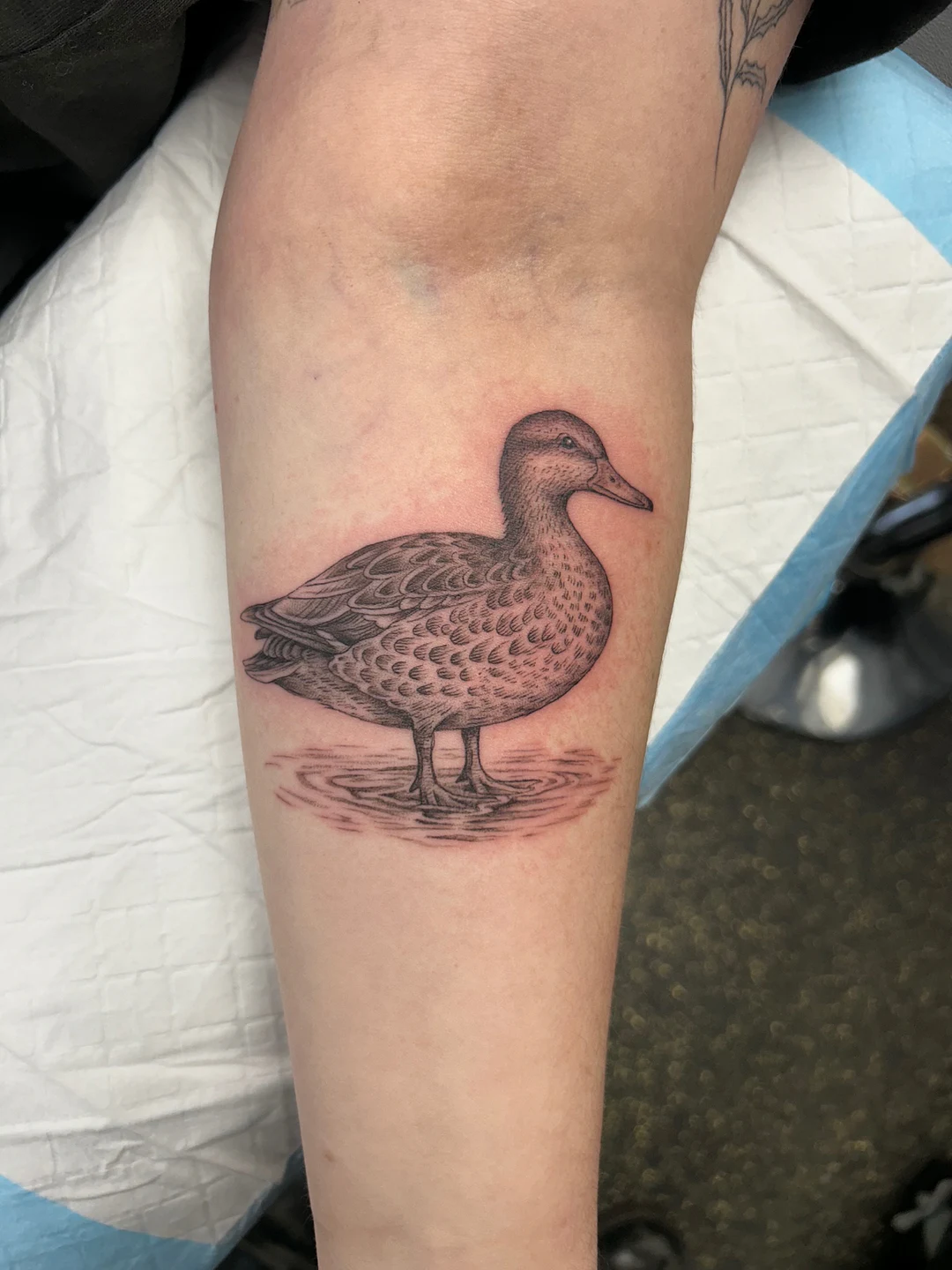
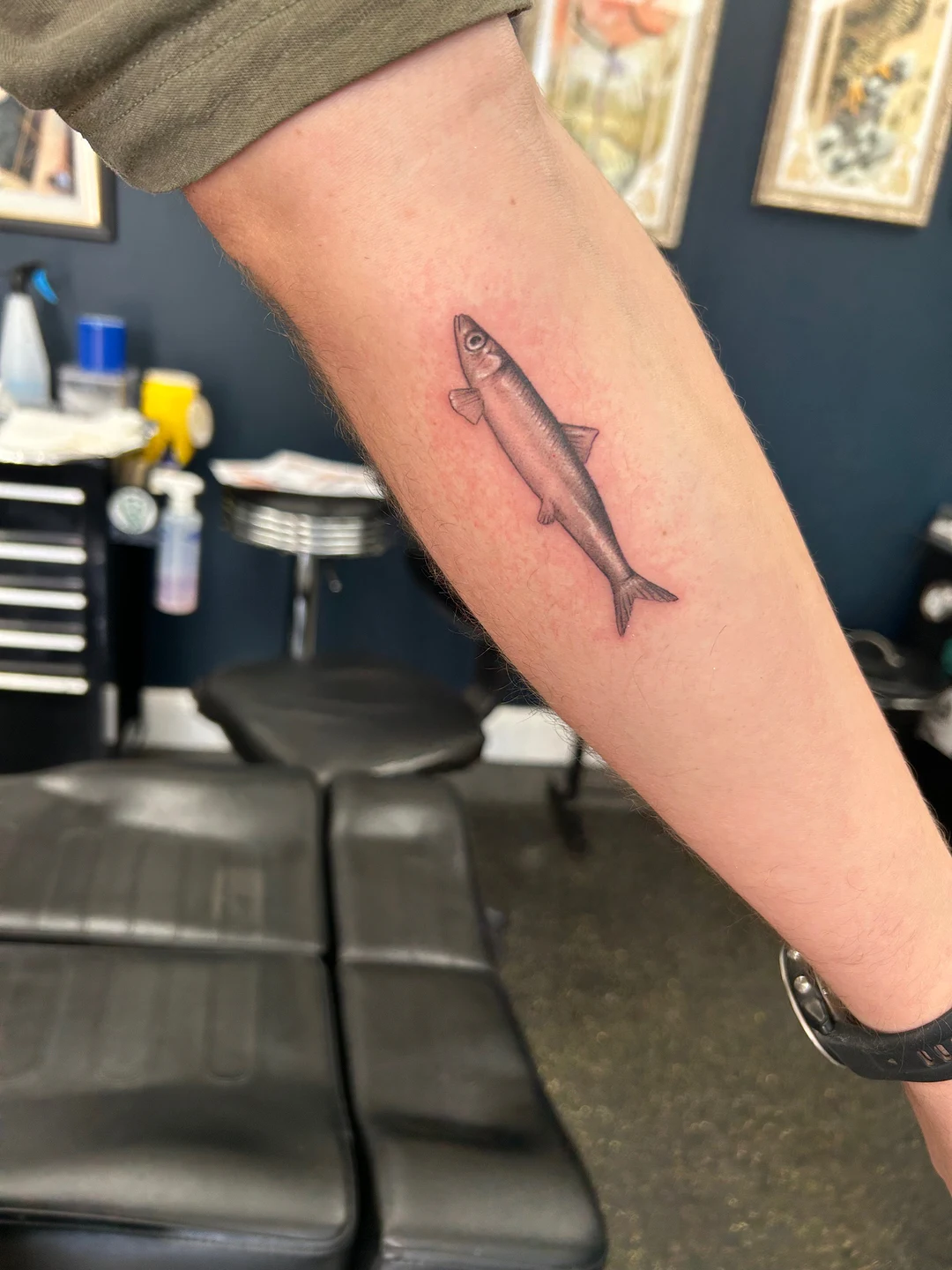
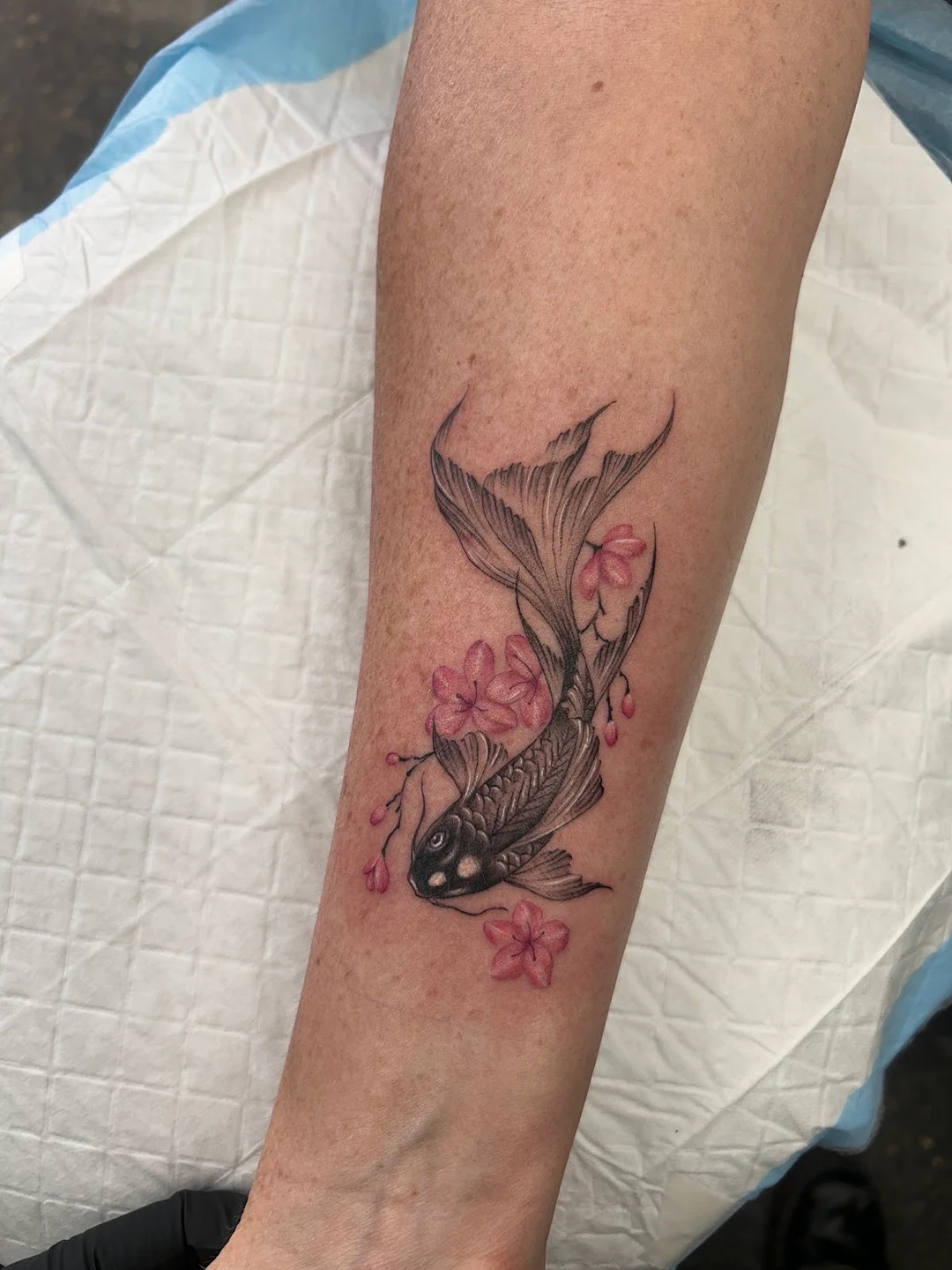
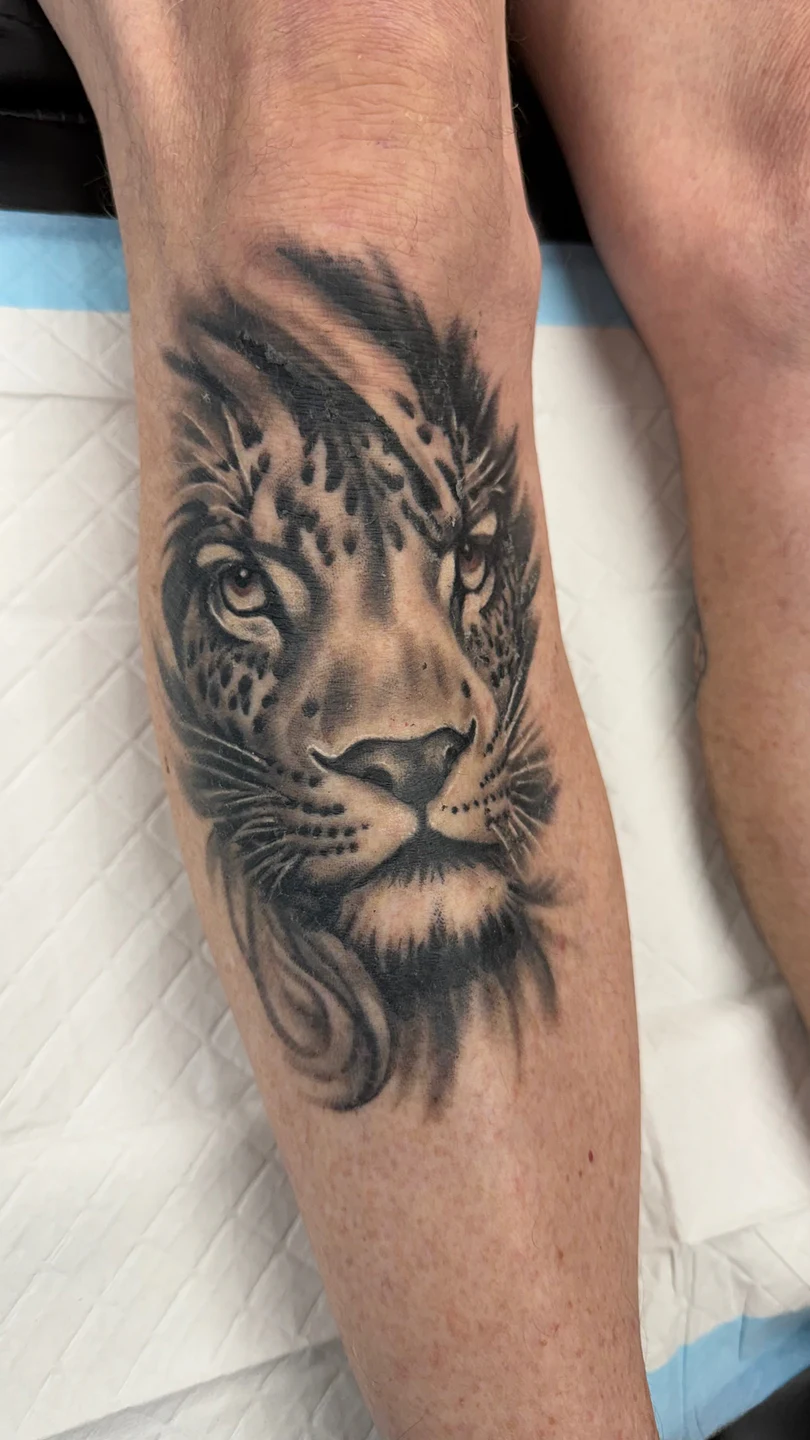
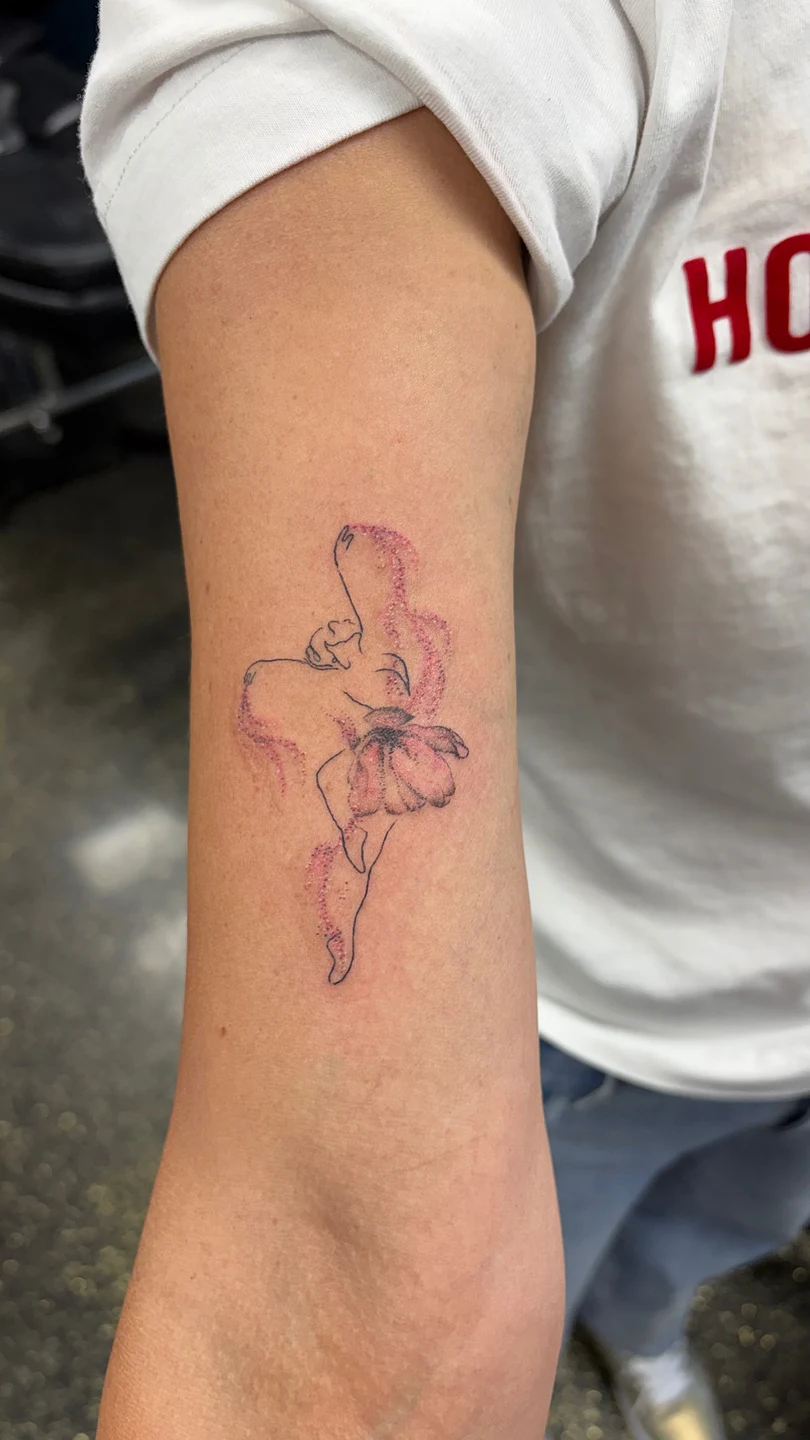
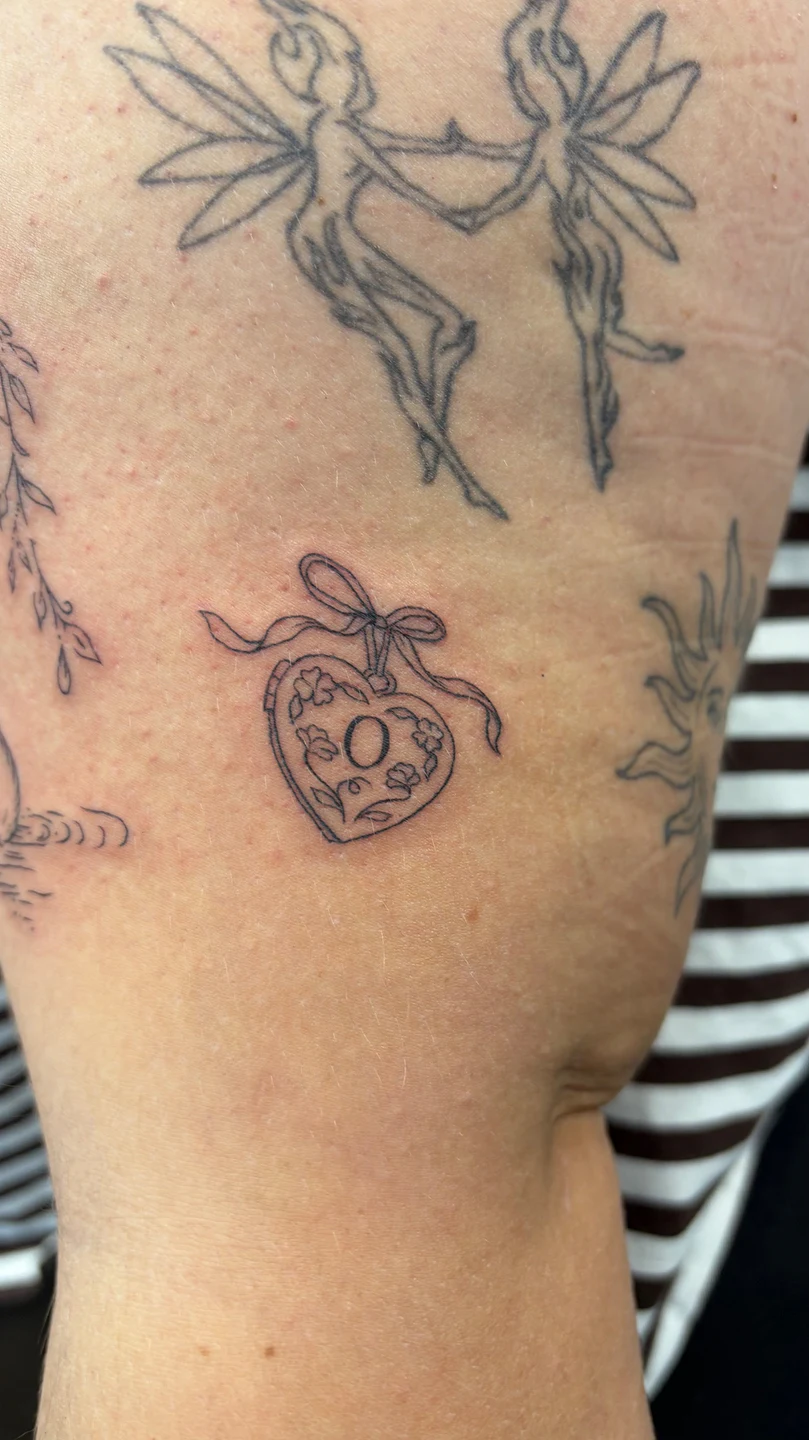
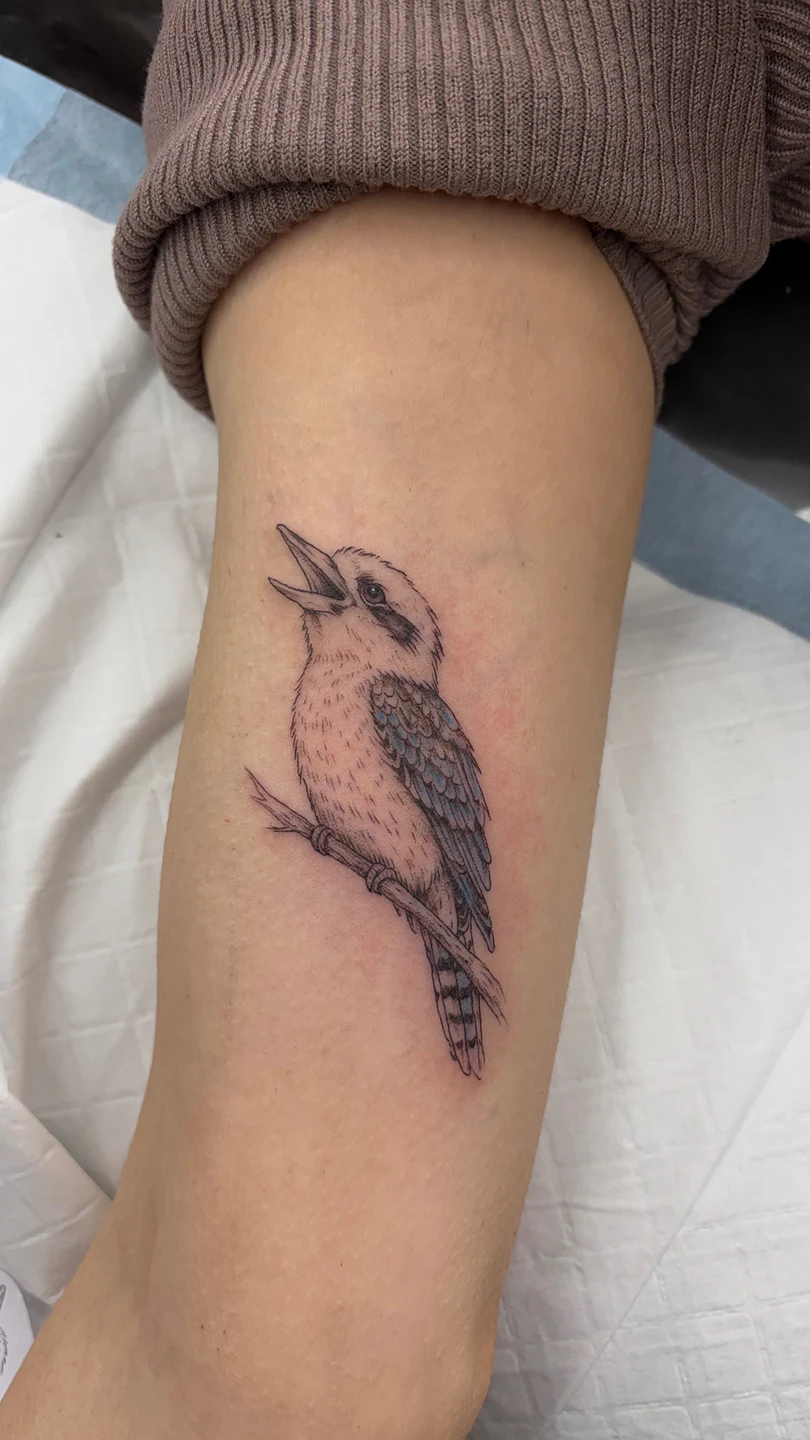
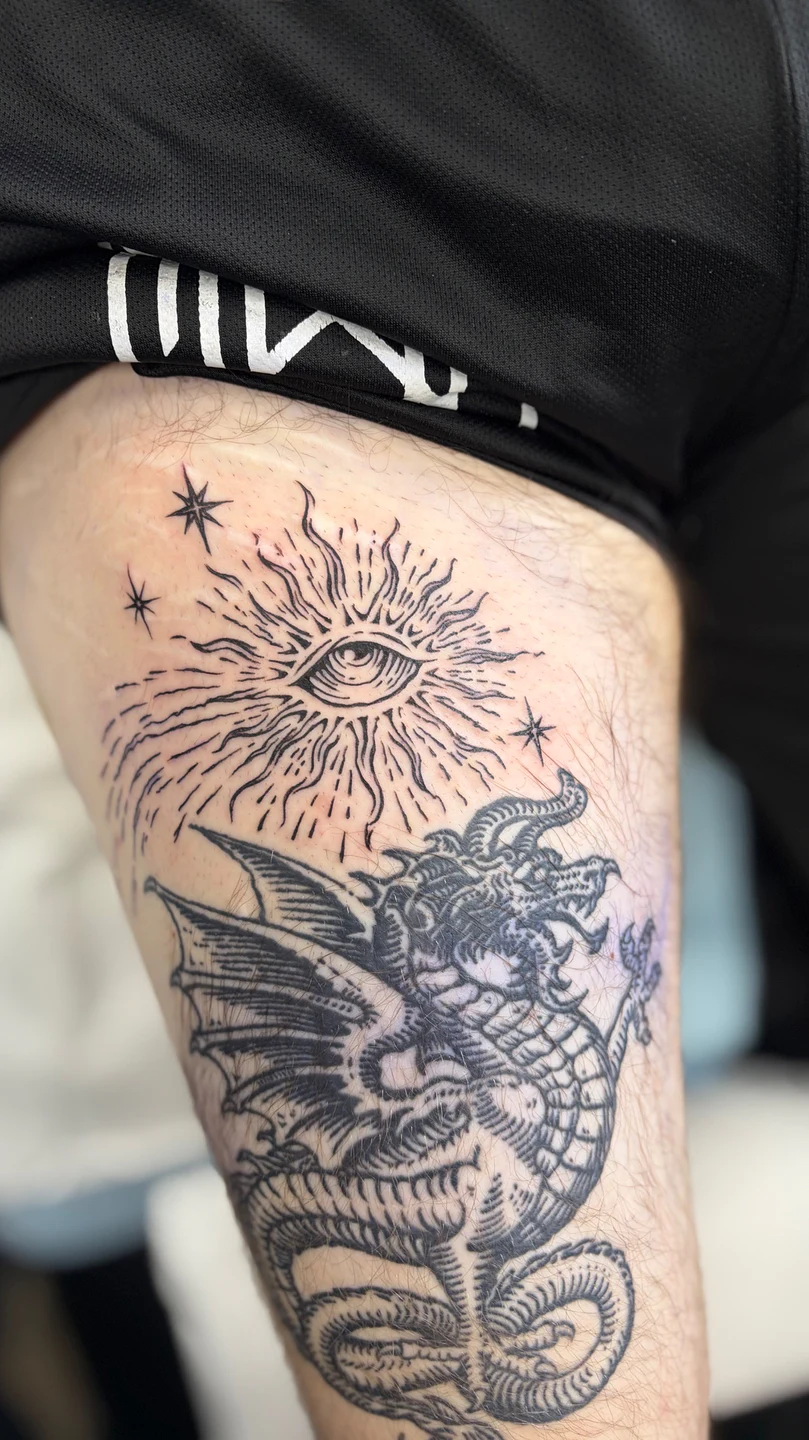
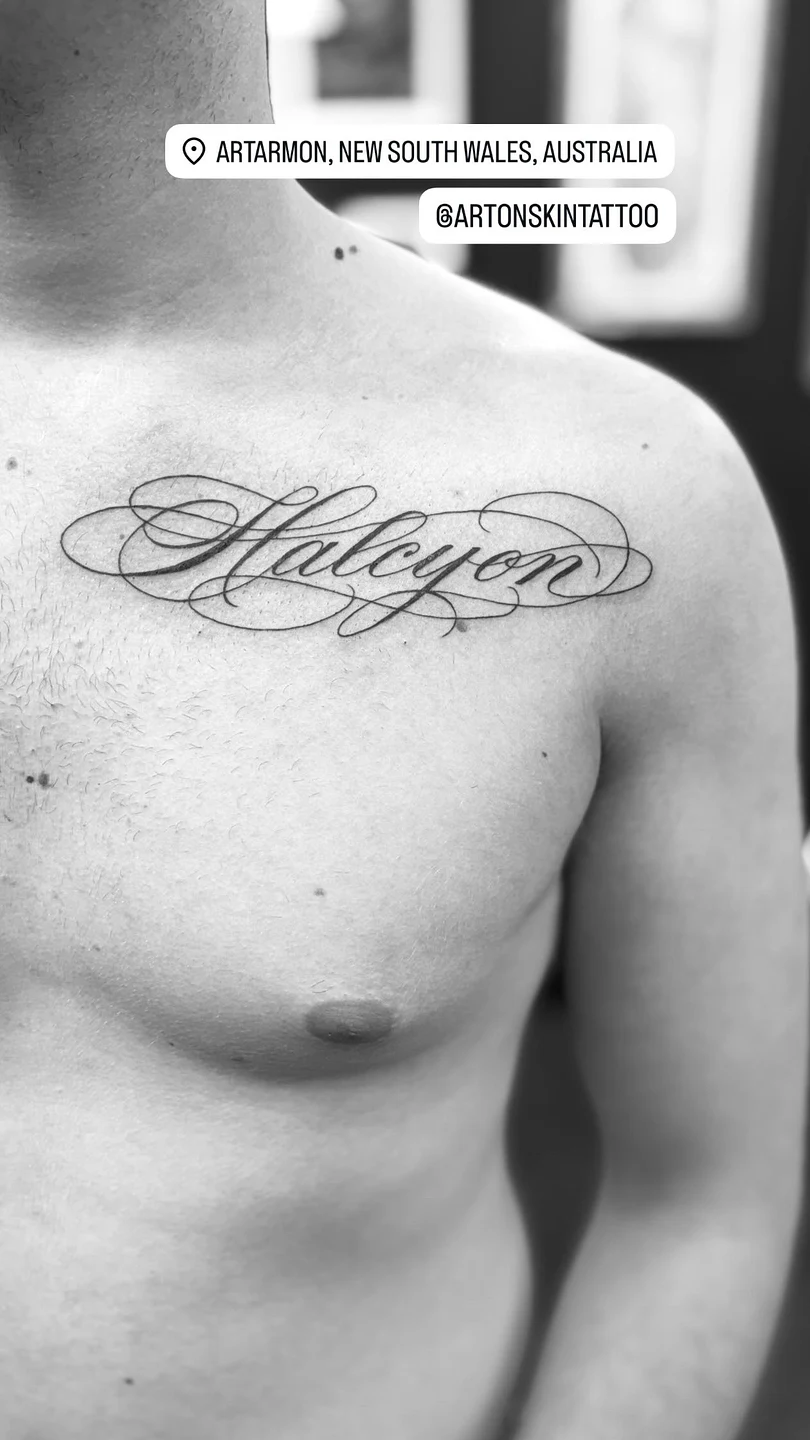
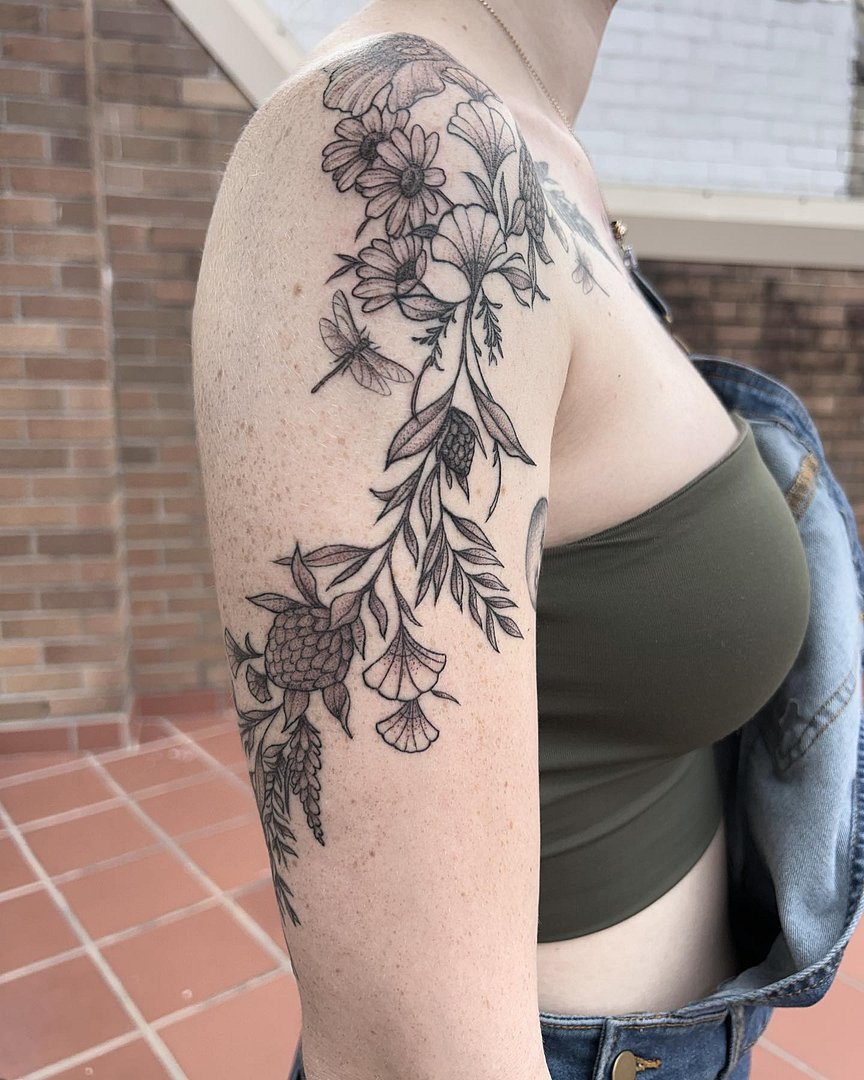
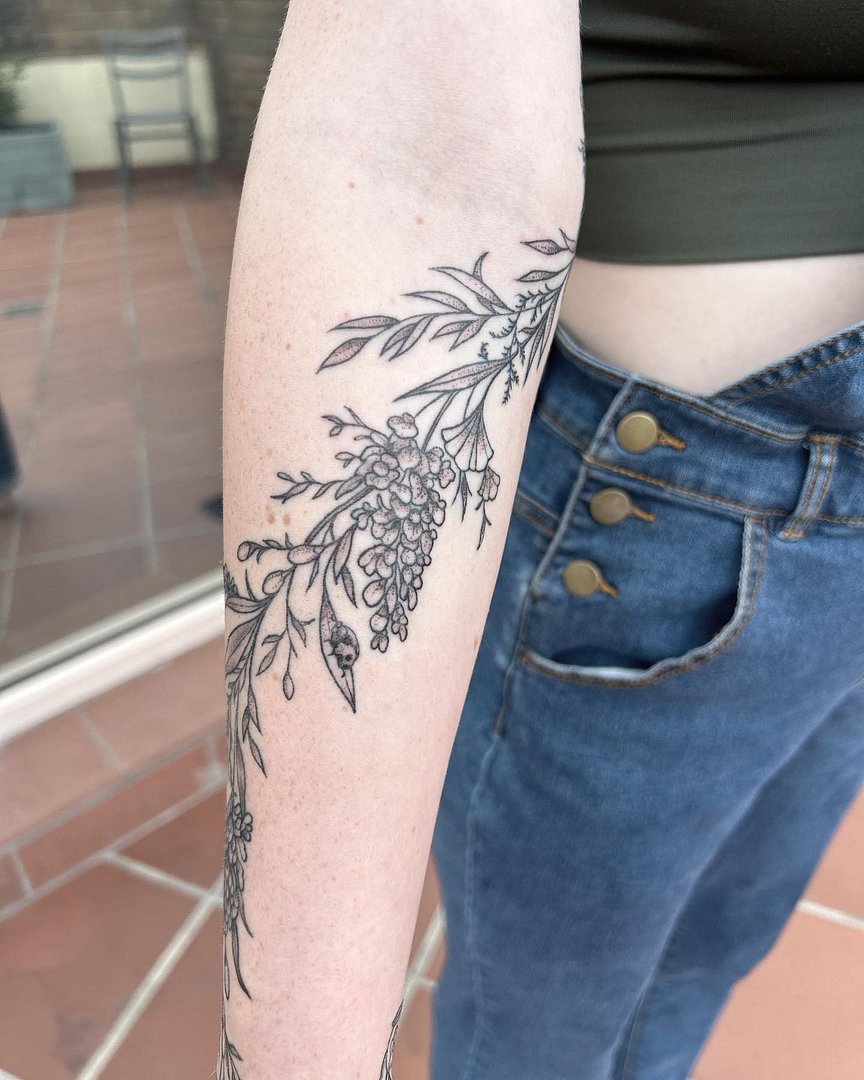
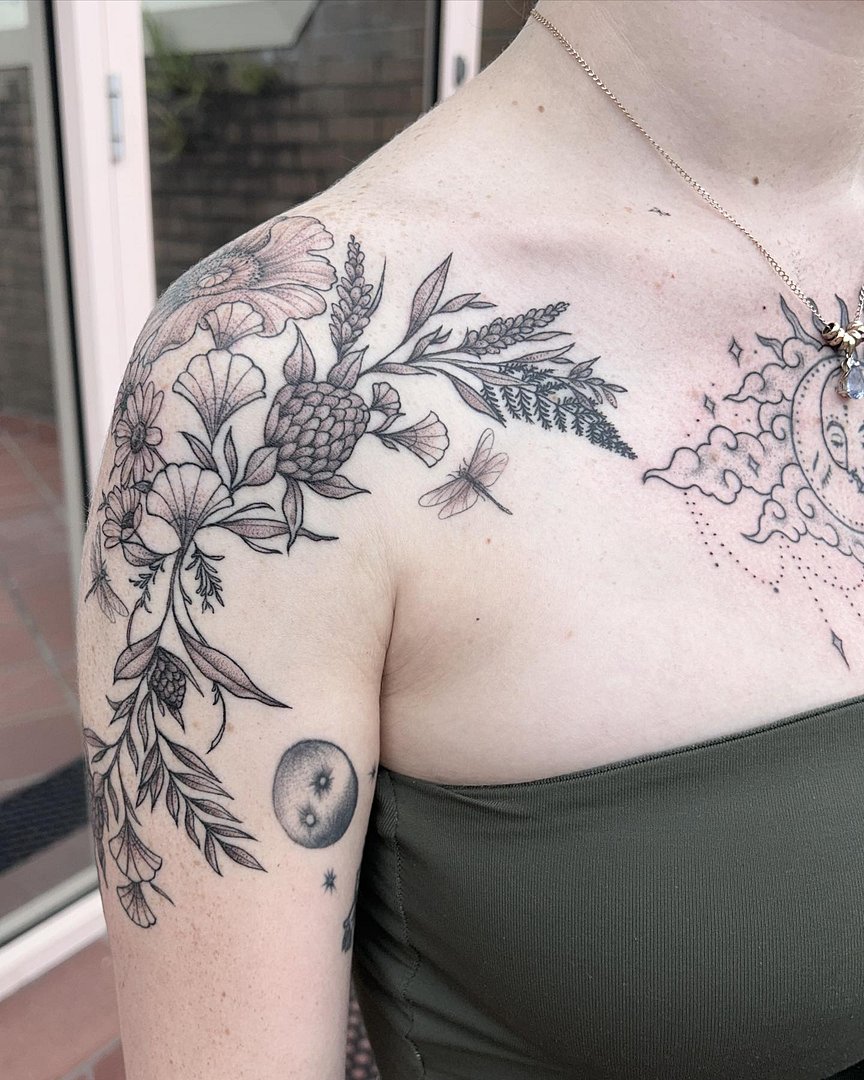
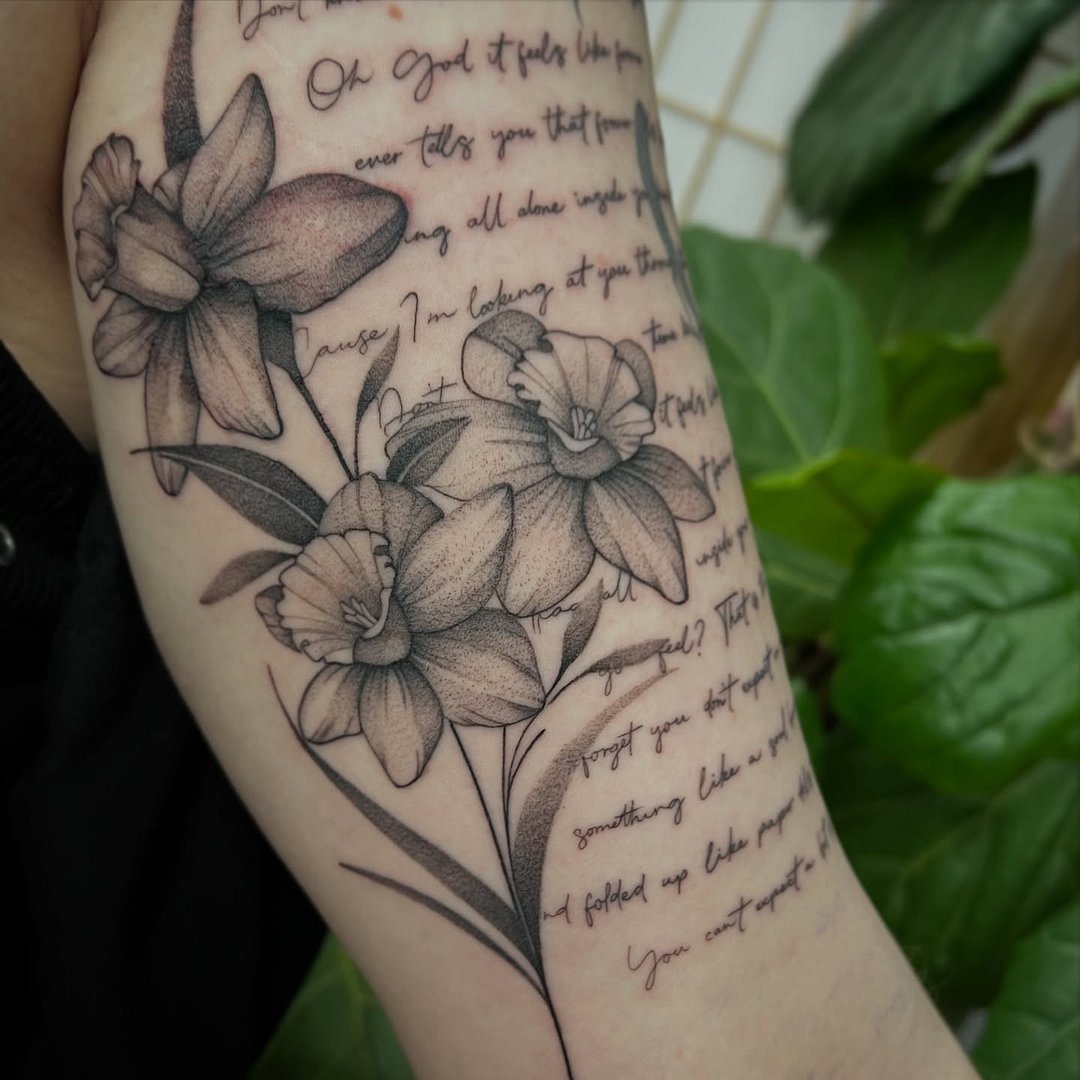
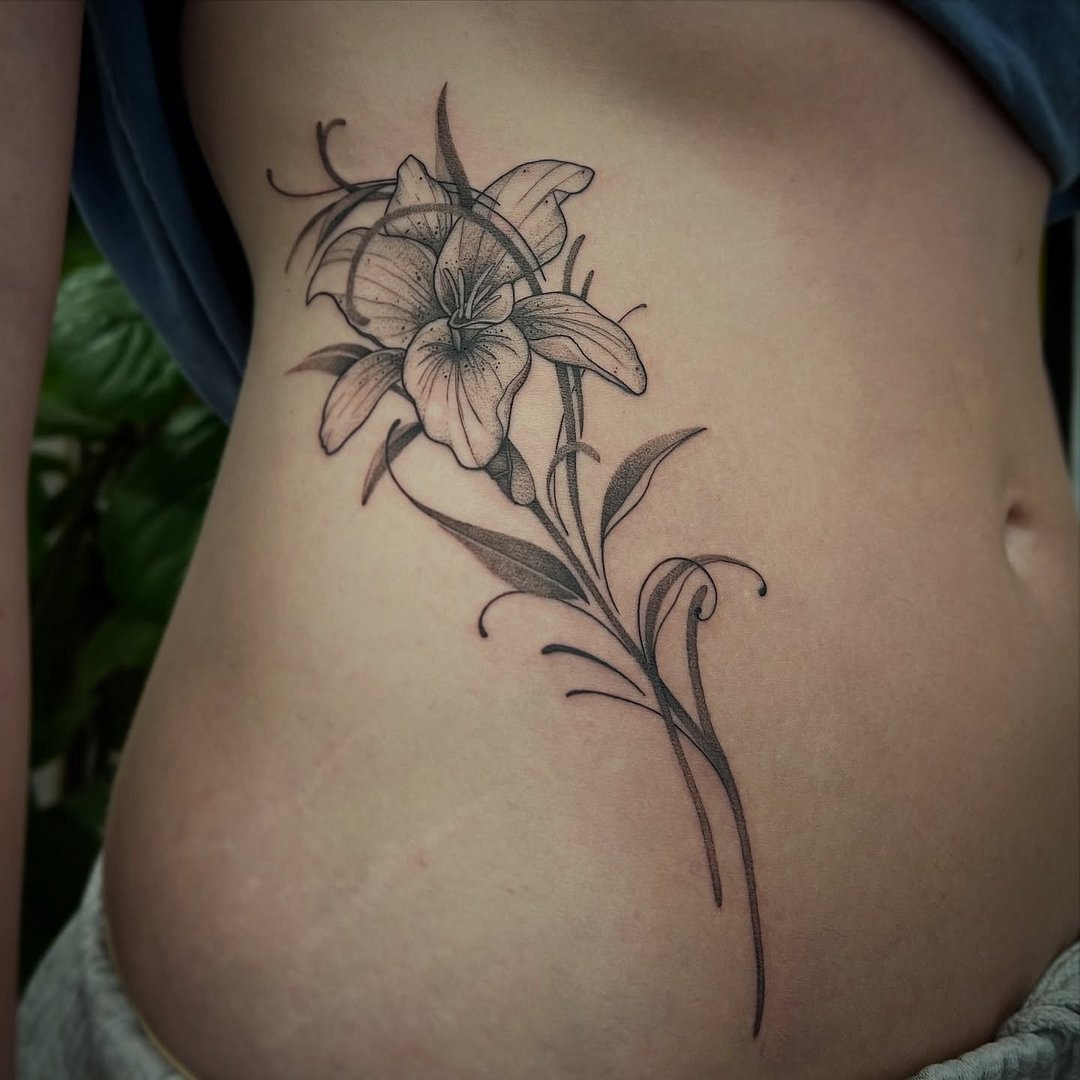
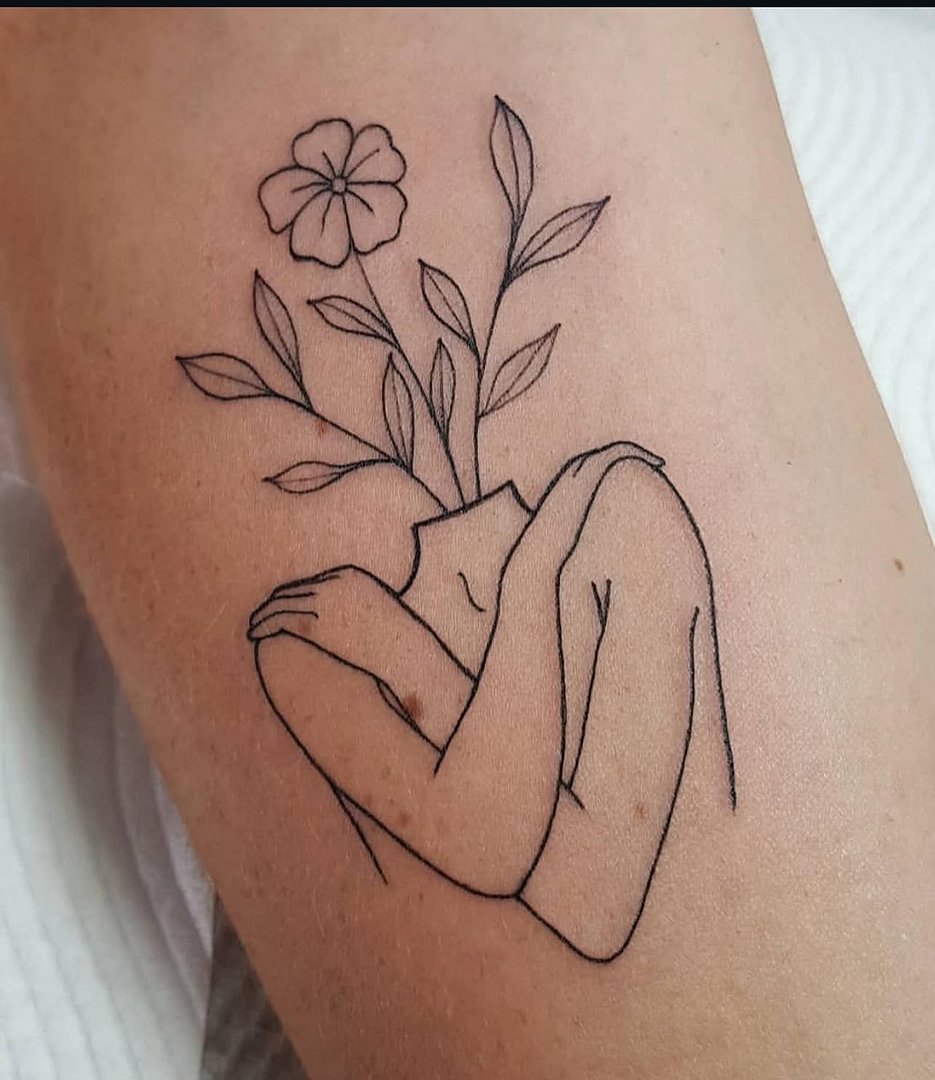

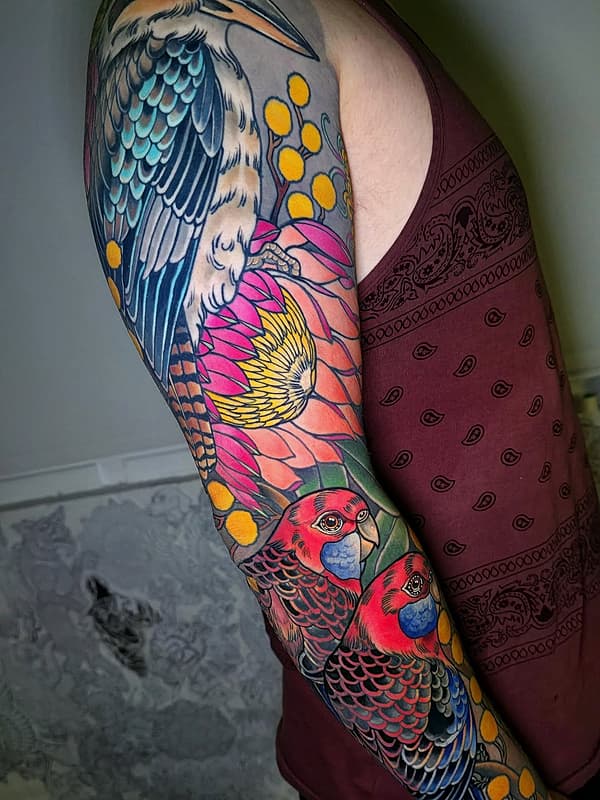
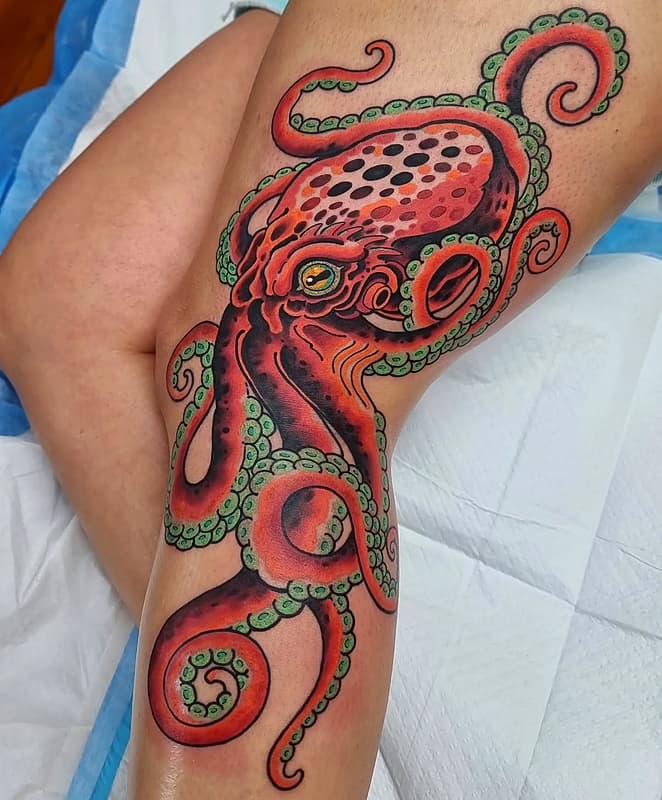
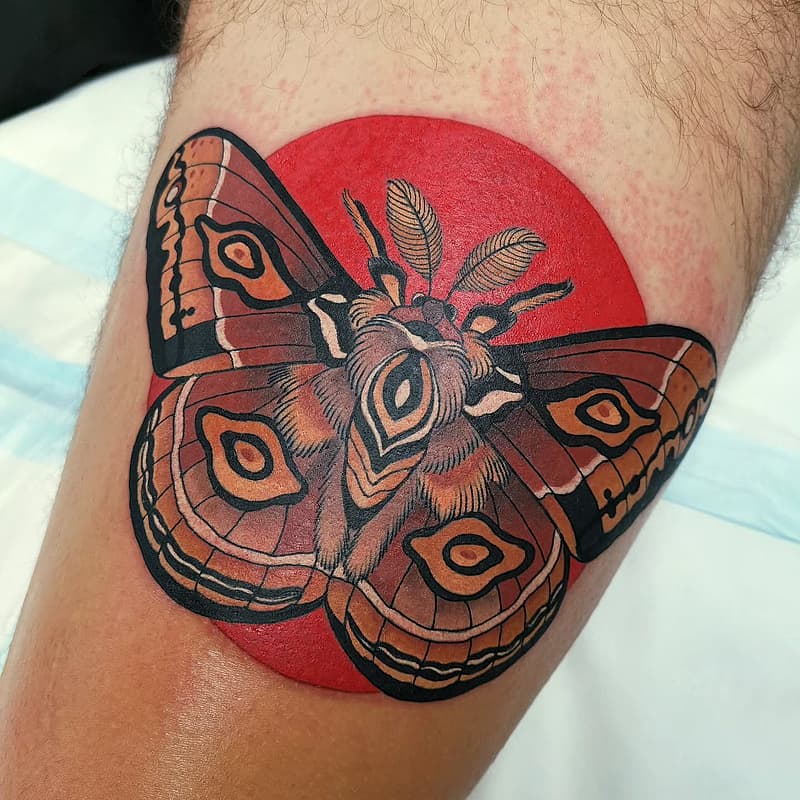
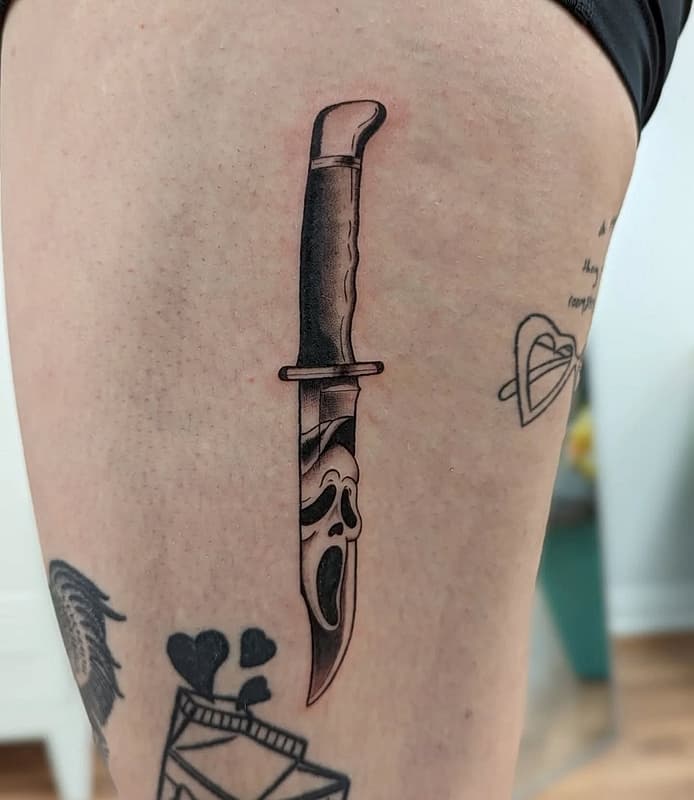
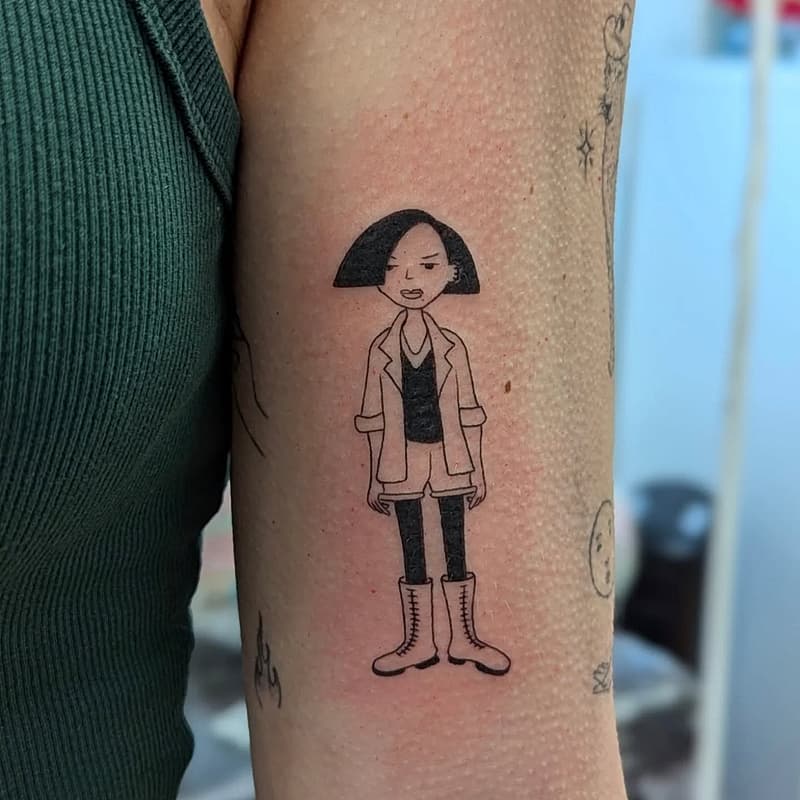
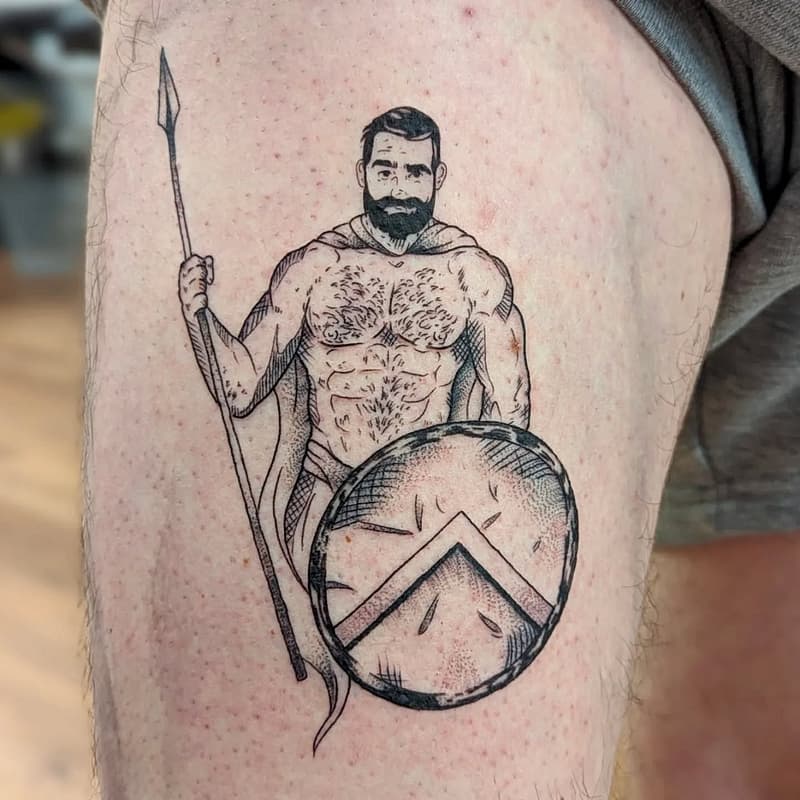
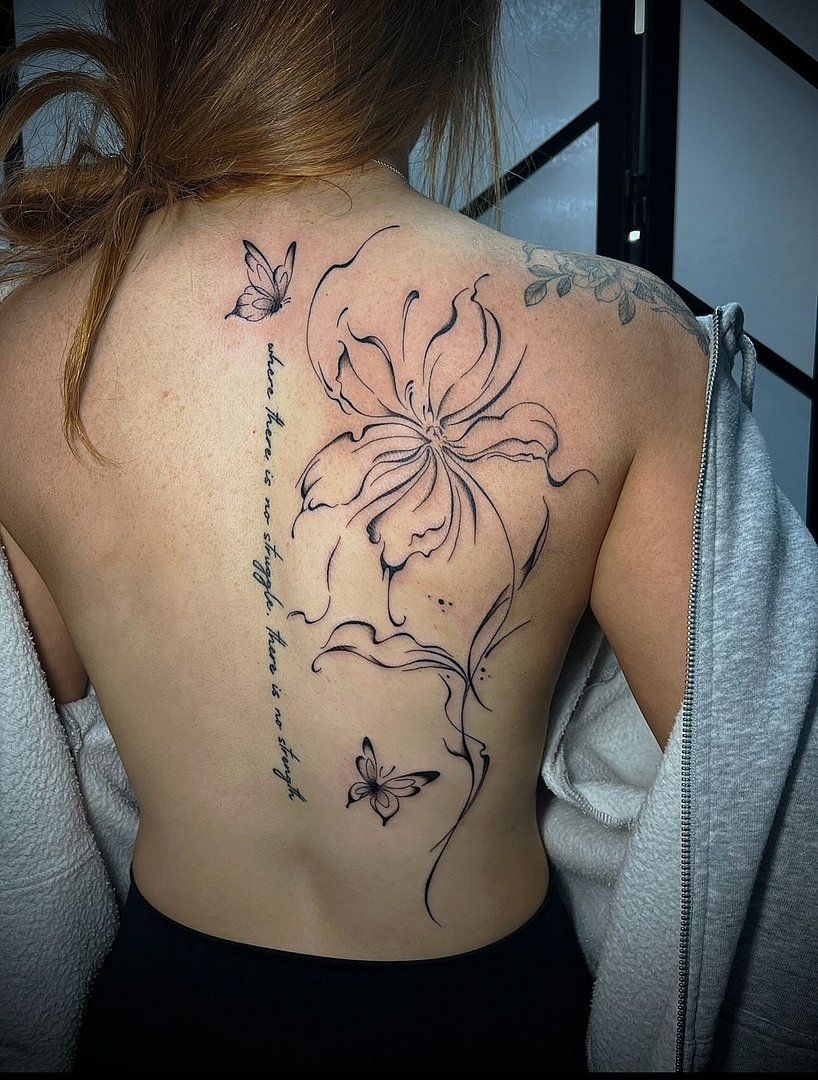
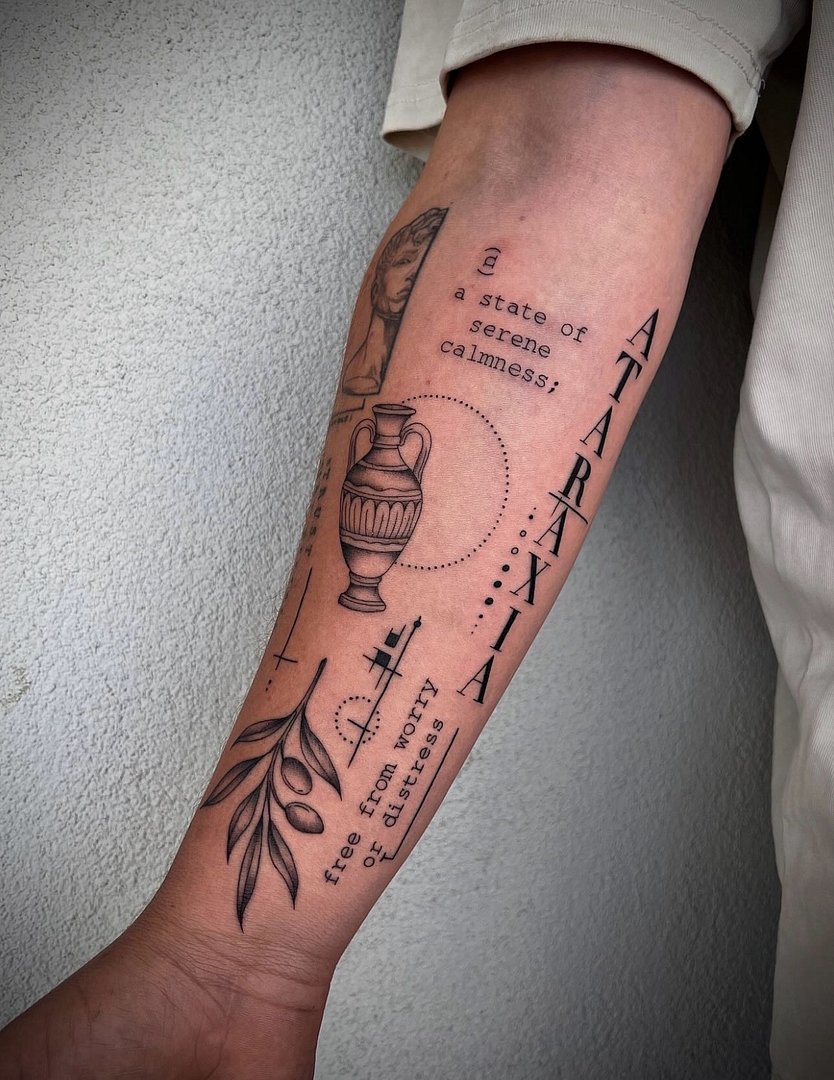
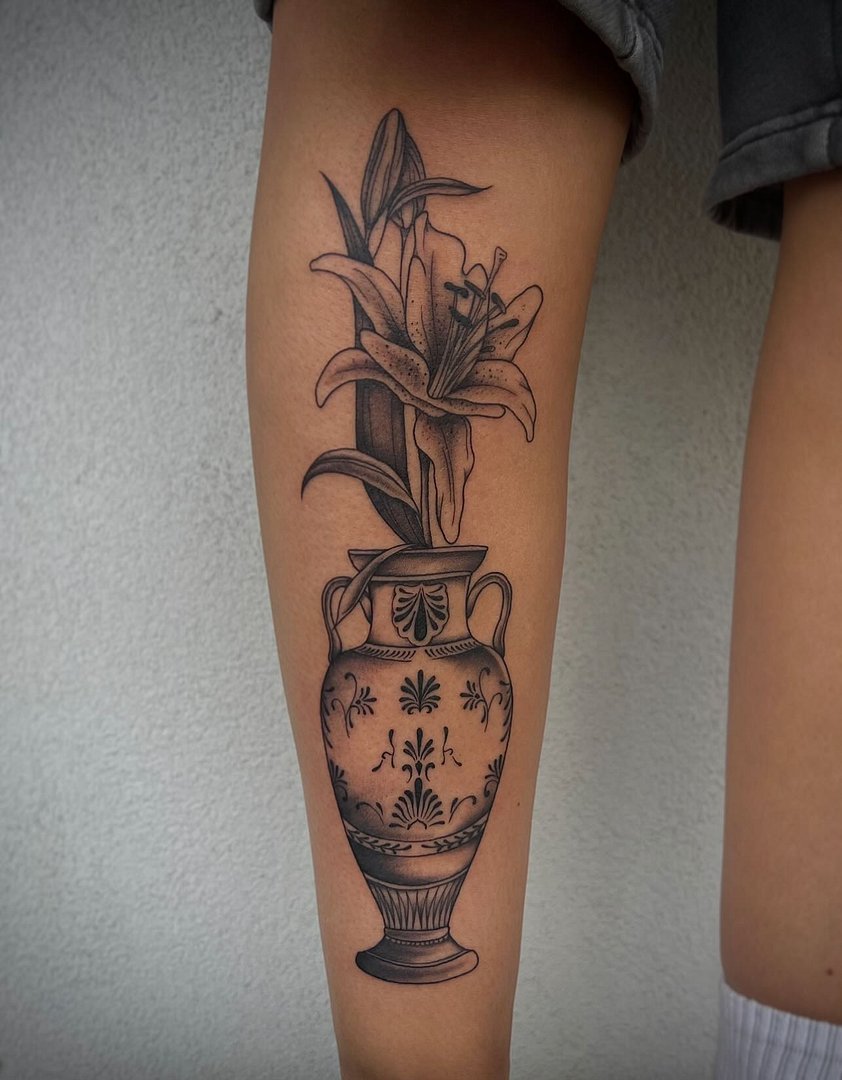
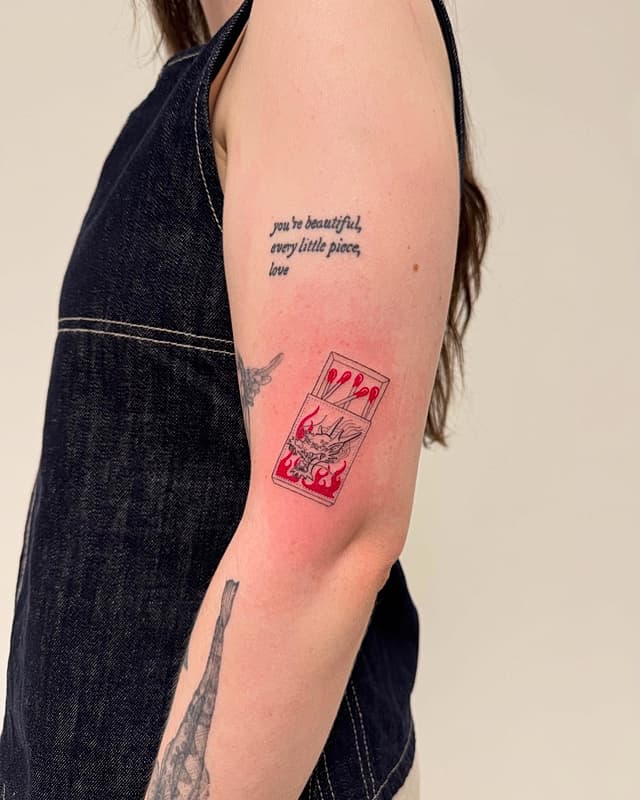

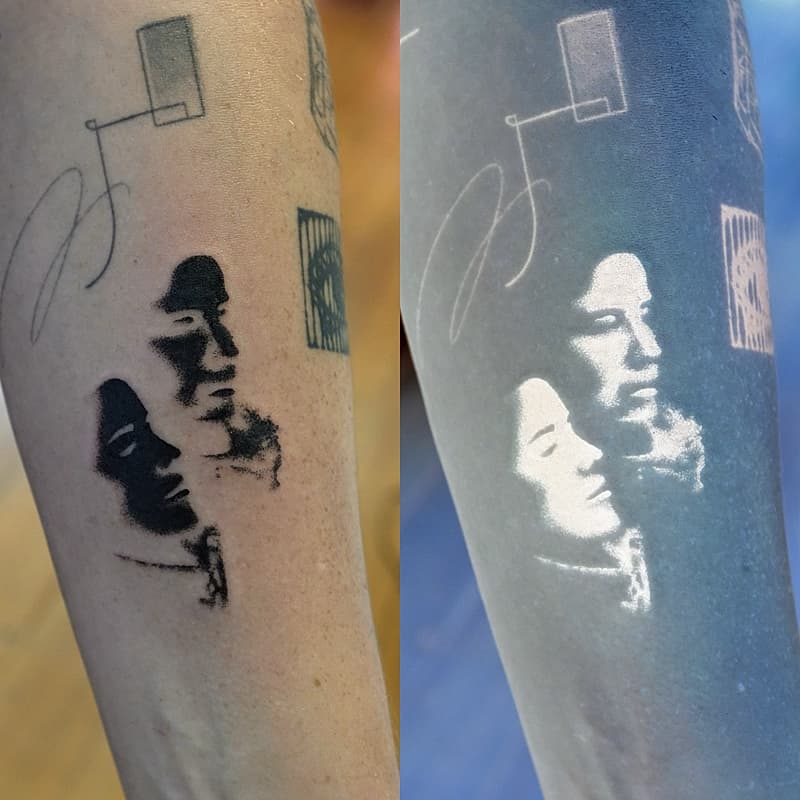
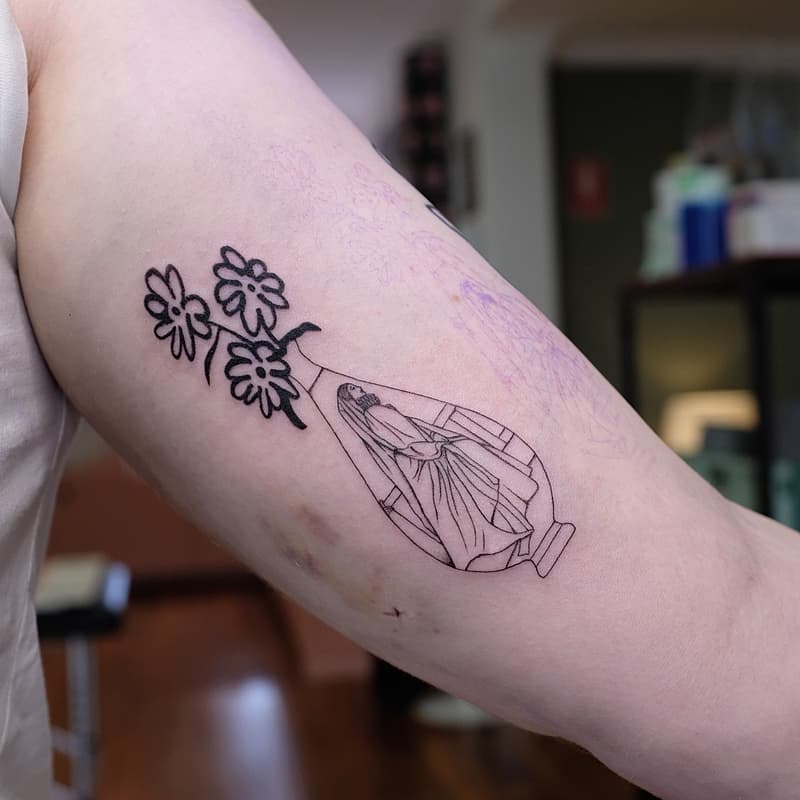
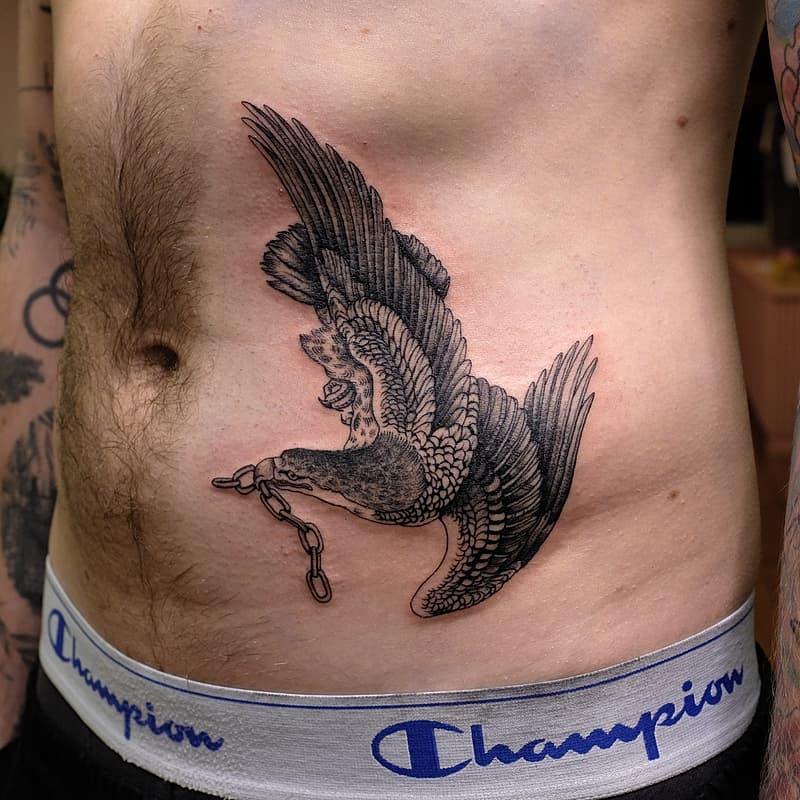
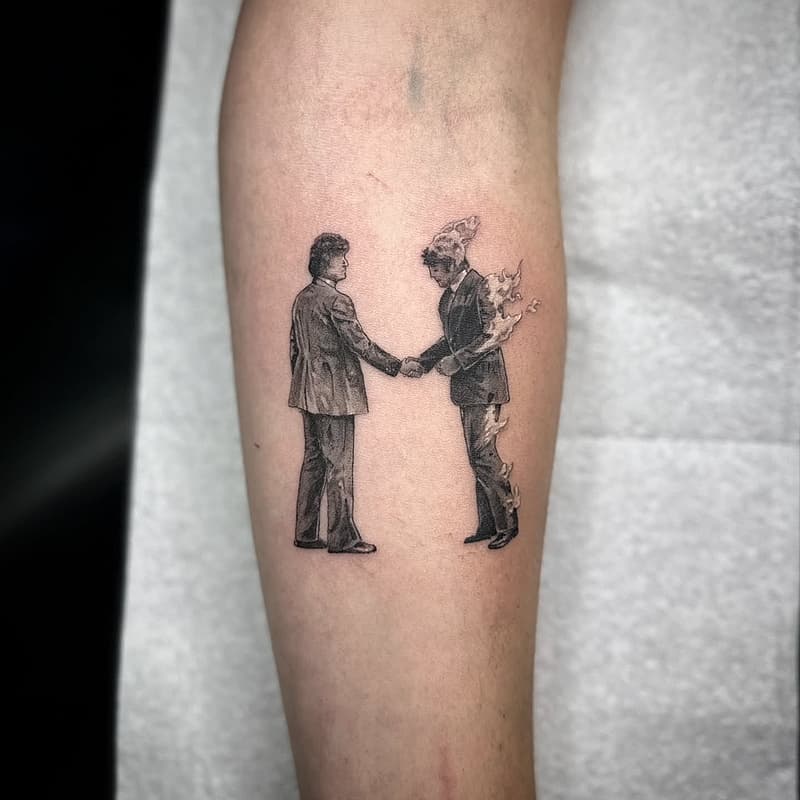
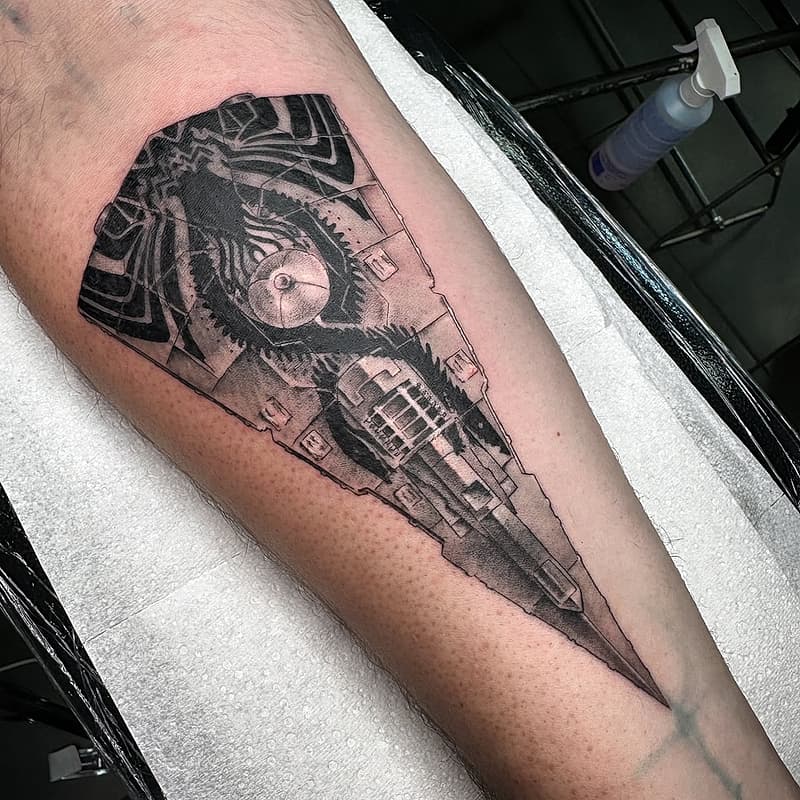
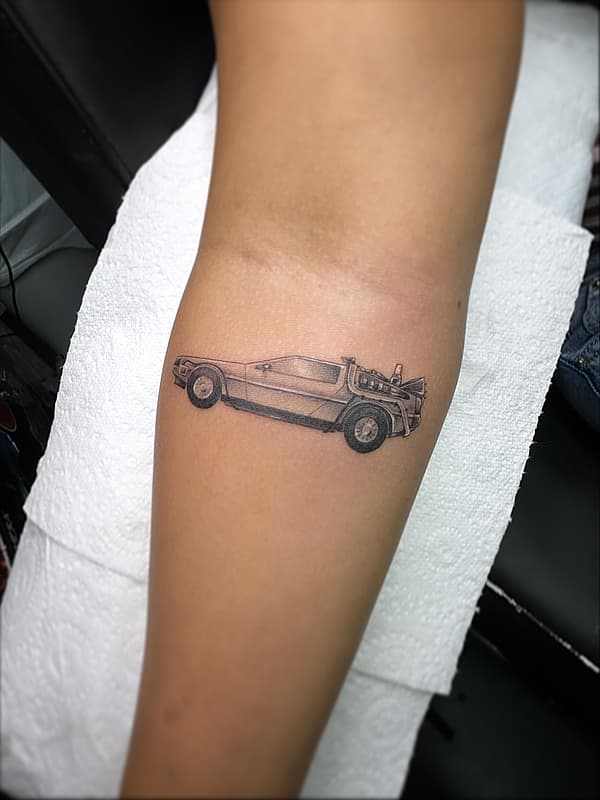

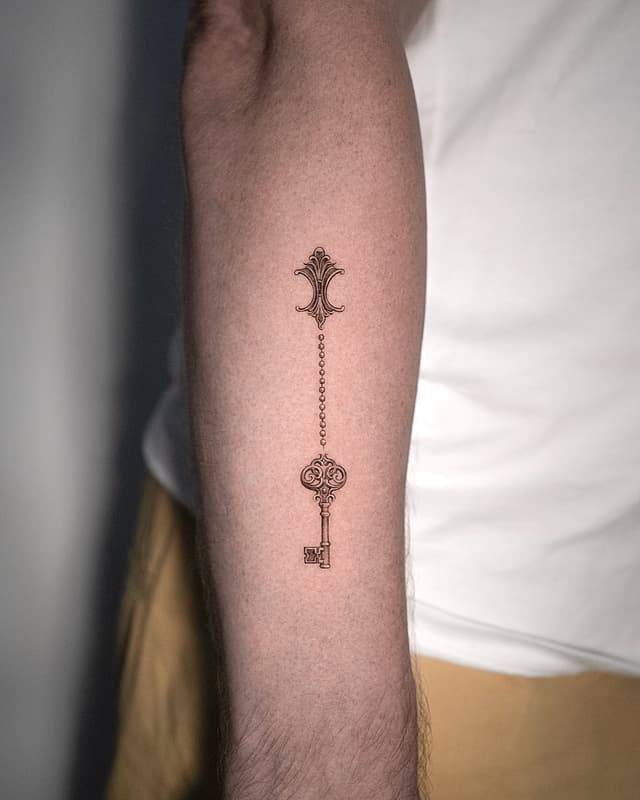
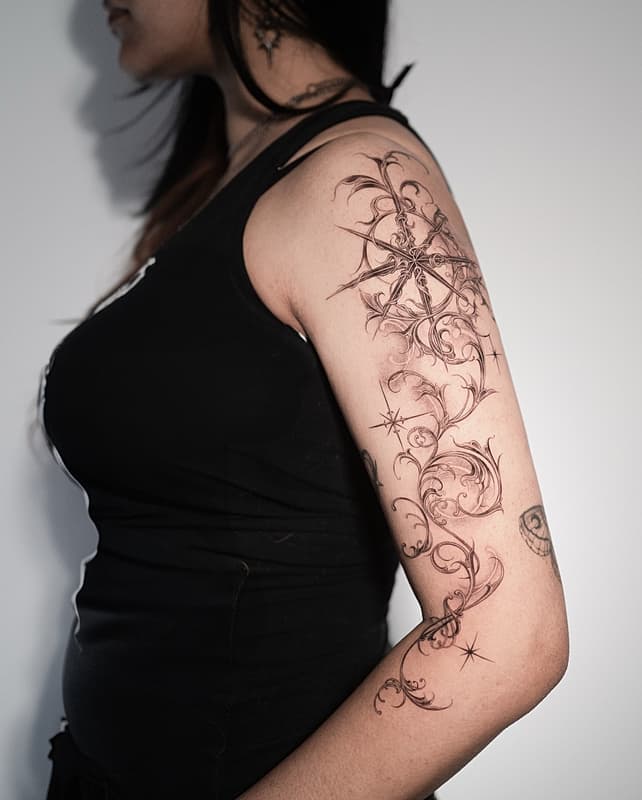
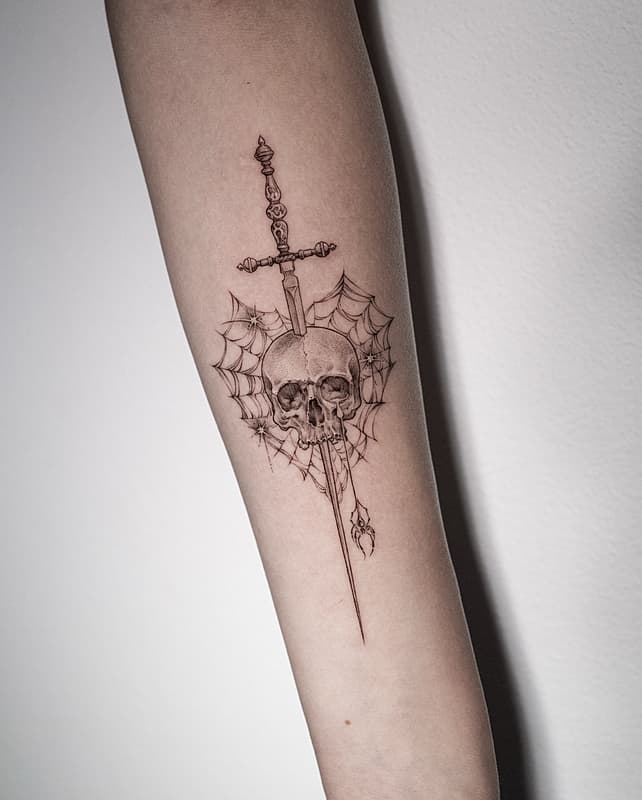

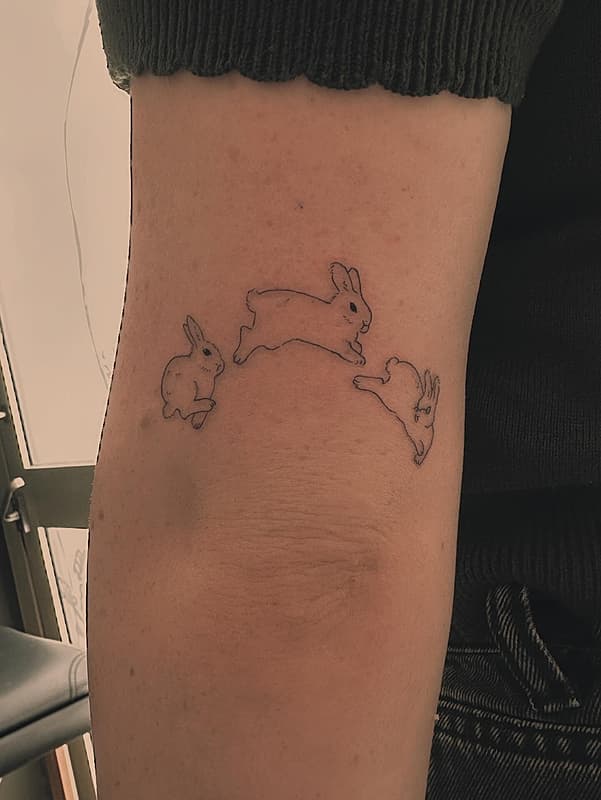
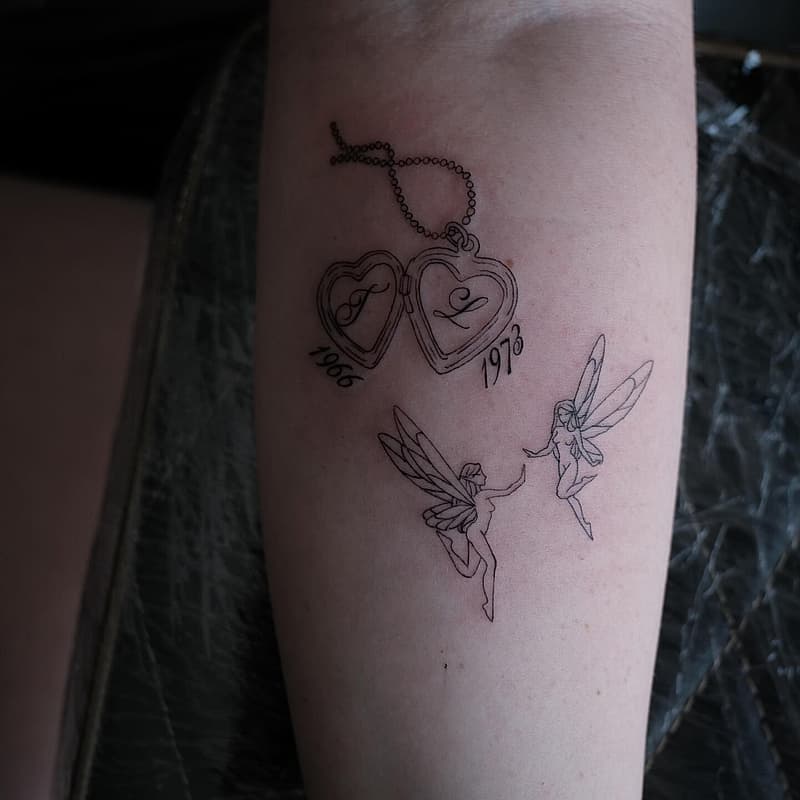
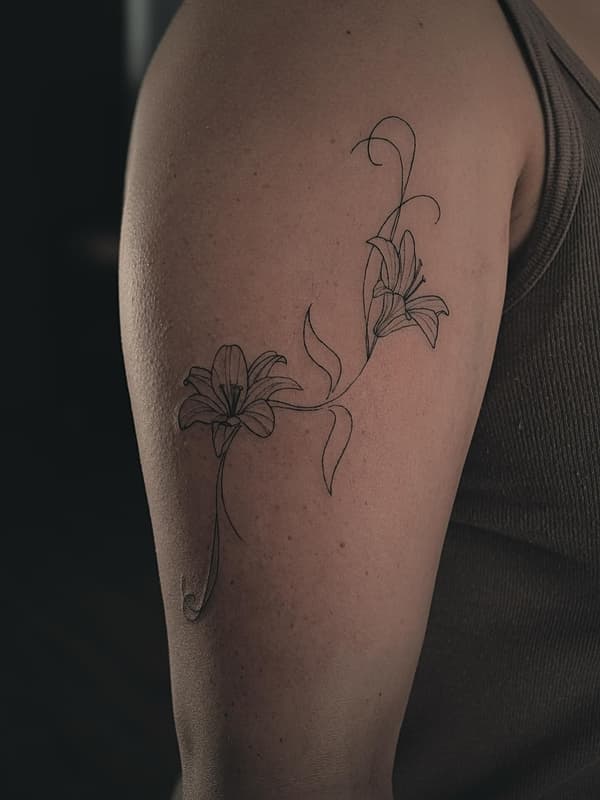

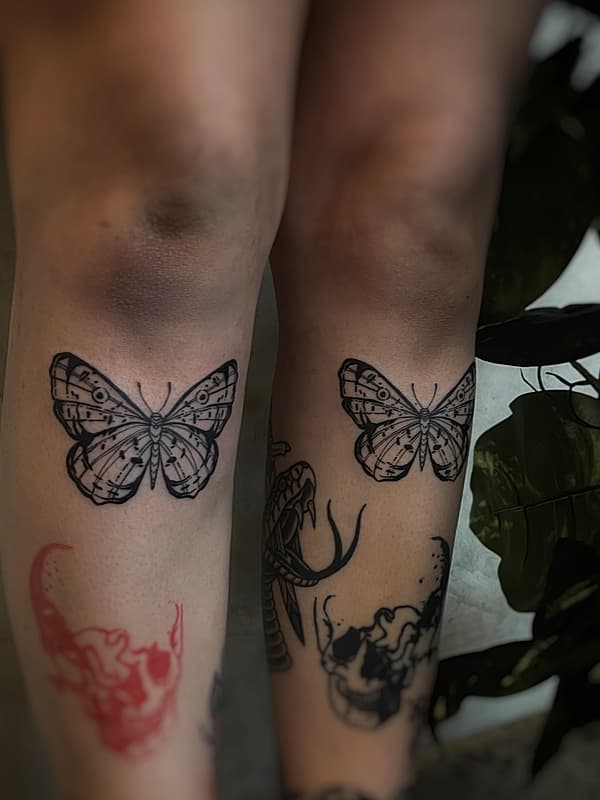
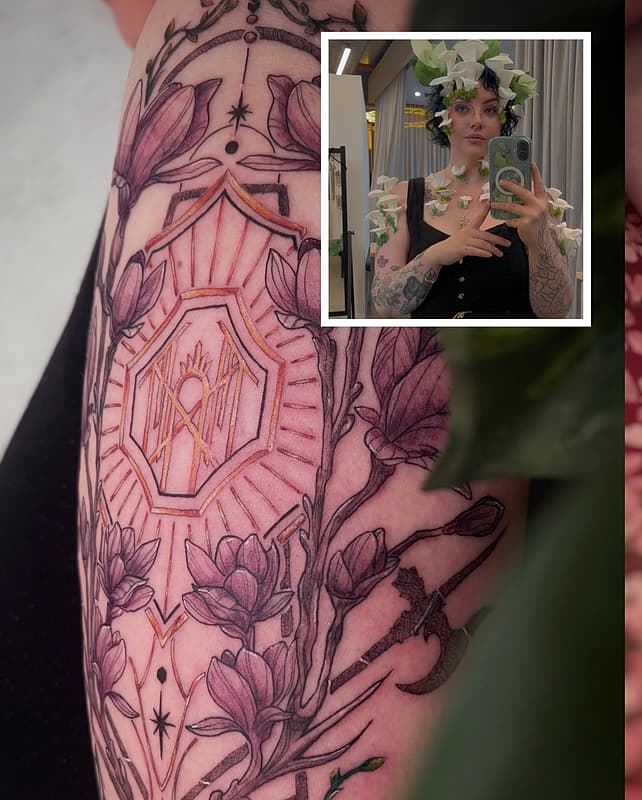
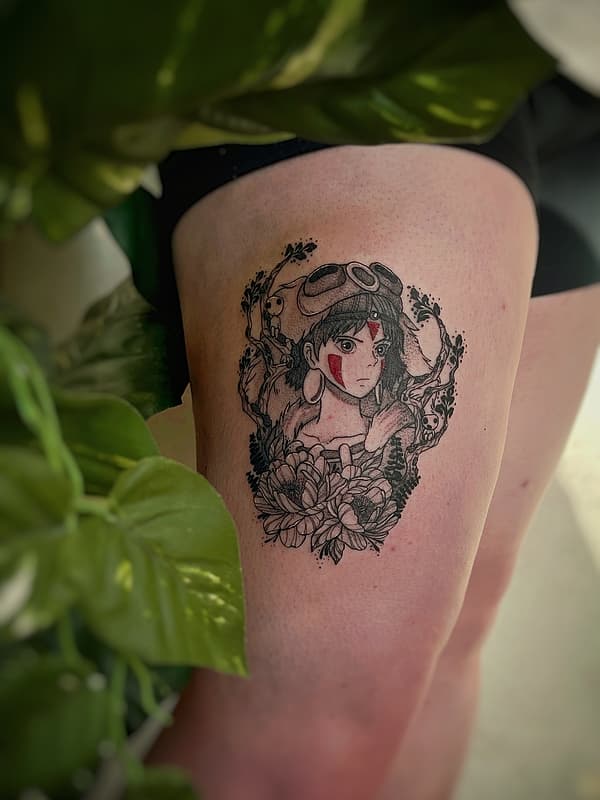
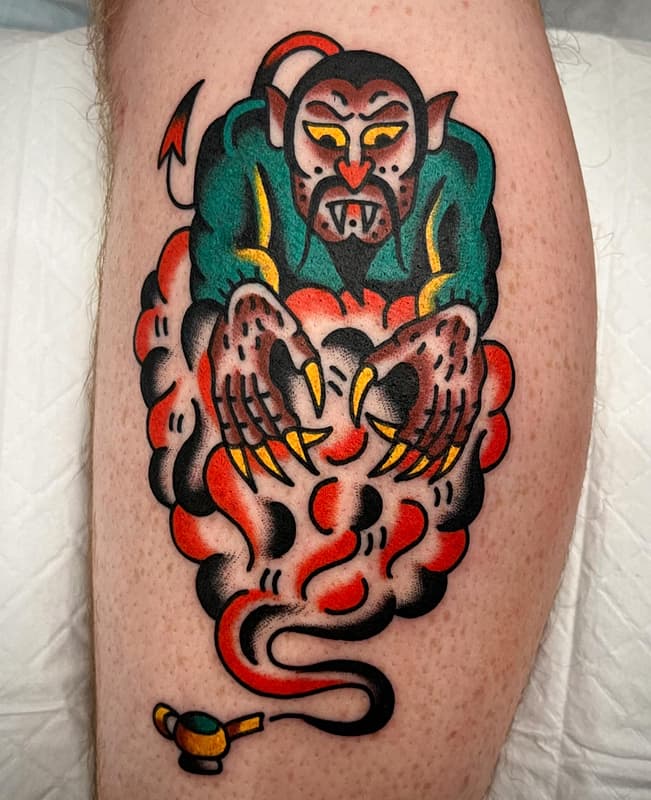
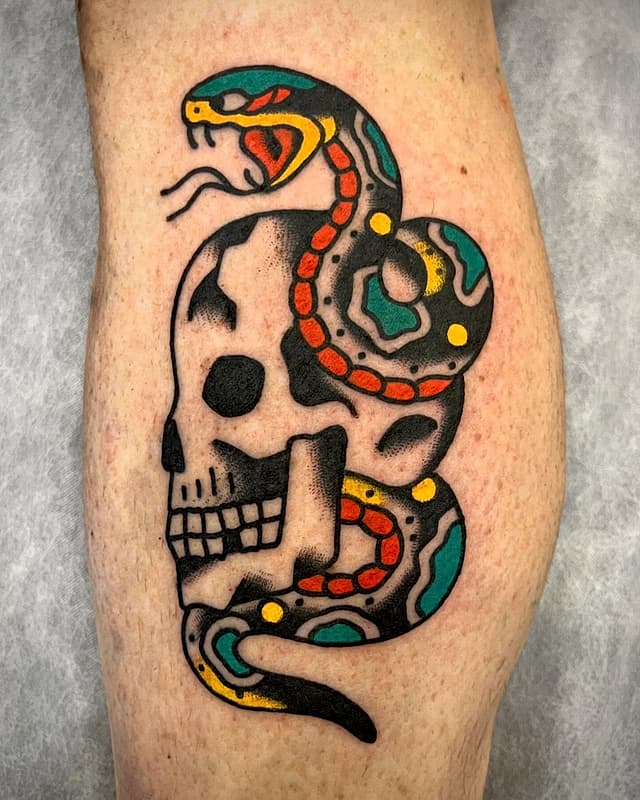
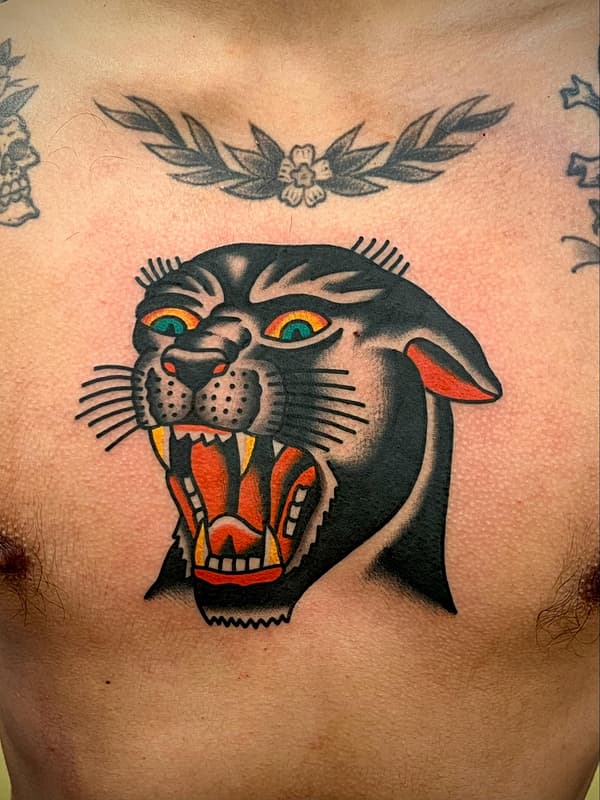

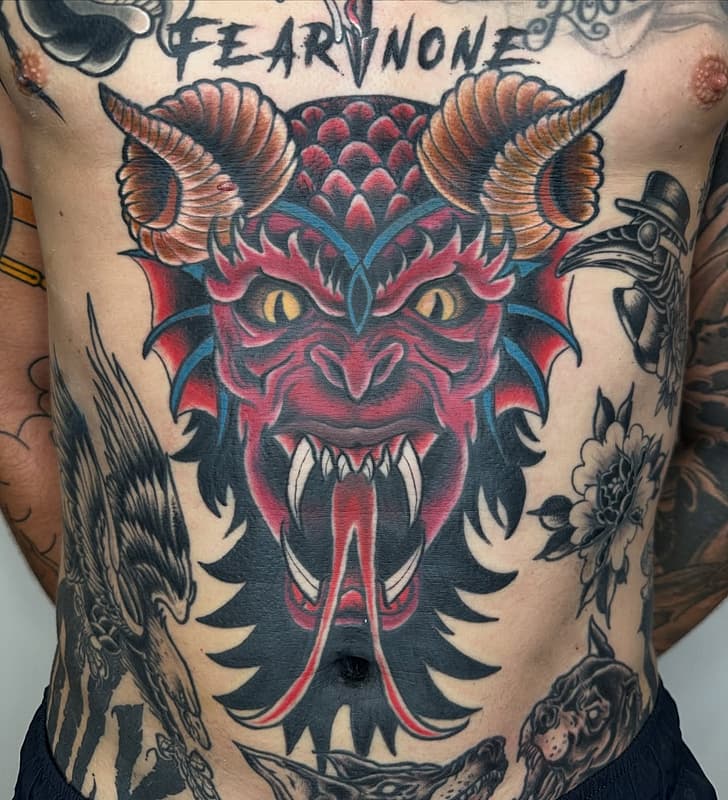
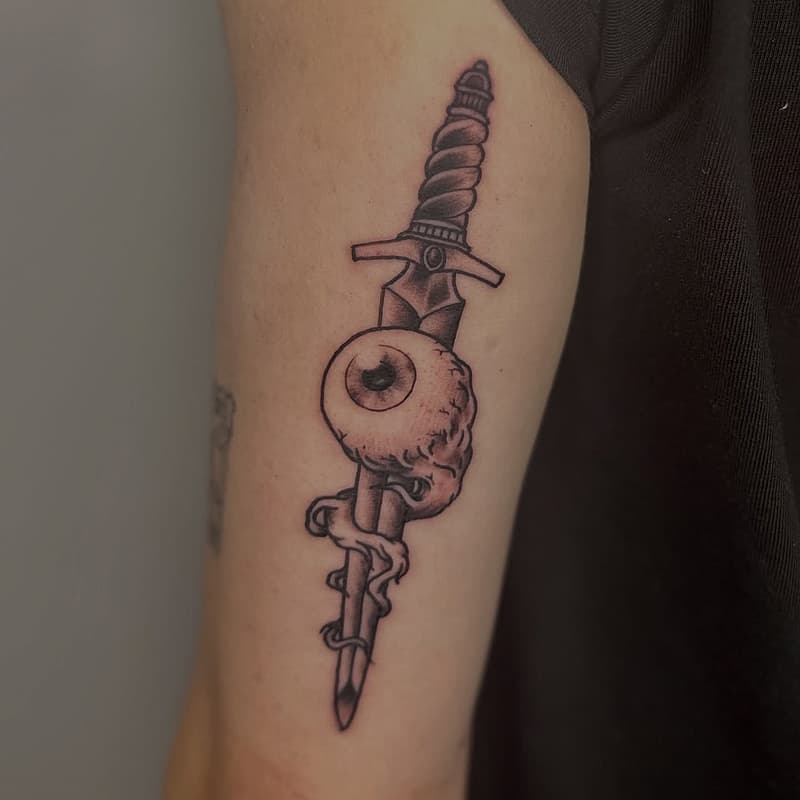
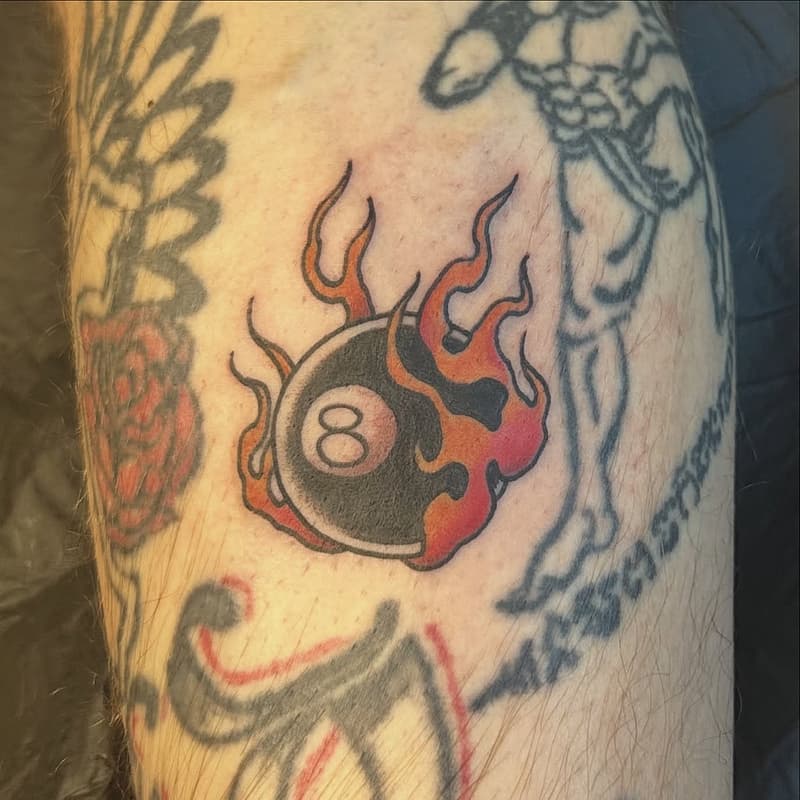
Delicate, minimalist tattoos using thin precise lines for elegant, subtle designs with intricate detail.
Fine line tattooing uses delicate, thin lines to create elegant and often minimalist designs. The style emerged as a distinct approach in the 1970s and 80s but has exploded in popularity over the past decade, particularly on social media. Fine line work can range from simple single needle designs to intricate detailed pieces that rival pencil illustrations in their delicacy. The style is characterised by its subtlety, using thin lines, light shading, and often minimal colour to create work that sits gently on the skin rather than demanding attention. Popular subjects include botanical illustrations, fine portraits, script, ornamental patterns, and minimalist symbols. Fine line appeals to those seeking tattoos that feel sophisticated and understated. The technical demands are considerable. Executing clean, consistent thin lines requires exceptional hand control and technique. Fine line work also raises important conversations about longevity, as these delicate tattoos behave differently over time than bolder styles.
What to look for: Fine line work demands precision that's immediately visible. Look for lines that are consistently thin without wobbly sections, breaks, or blow outs. Check healed work carefully, as fine line tattoos are particularly prone to looking different once settled. The best fine line artists are honest about what will age well and will advise on sizing appropriately.
162 artists specialising in Fineline across Australia
Fine line tattoos can be deceptively time consuming despite their delicate appearance. Small minimalist pieces might take one to two hours, but the precision required means fine line artists often work carefully rather than quickly. Medium sized fine line work with detailed elements could take three to six hours. Larger fine line pieces, like botanical half sleeves or detailed illustrative work, might require 10 to 20 hours across multiple sessions. The style demands concentration and steady hands, so some artists prefer shorter sessions to maintain precision. Don't assume a small or simple looking fine line piece will be quick. The technical demands often mean these tattoos take longer per unit area than bolder styles.
Fine line tattoos are often perceived as less painful than bolder styles because the needle configurations are smaller and the lines are created with single passes rather than repeated packing. The sensation tends to be sharper but briefer for each line. However, fine line work often involves detailed areas that require extended time, and sensitive placements like inner arms, ribs, or fingers remain uncomfortable regardless of needle size. Shading in fine line work, when present, uses lighter techniques than bold styles but still involves needle time. Overall, many people find fine line work more tolerable than heavy traditional or blackwork, but individual pain experience varies significantly. Placement remains the biggest factor in discomfort.
Fine line work is often priced similarly to other styles, though the precision required can mean slightly higher rates from specialists. Hourly rates for quality fine line artists in Australia range from $150 to $350. Small fine line pieces might cost $200 to $400, while medium sized detailed work could run $500 to $1,500. Larger fine line projects like detailed sleeves might cost $3,000 to $8,000 depending on complexity. Some fine line specialists charge premium rates reflecting their specialisation and demand. The style has become extremely popular, particularly among first time clients, which has created a range of price points. As always, prioritise quality over cost, as poorly executed fine line work is particularly unforgiving.
Fine line tattoos age differently than bolder styles, and this is an important consideration. Very thin lines can spread slightly over years, potentially losing crispness or blurring together if details are too closely spaced. Light shading may fade more noticeably than saturated areas. However, well executed fine line work from skilled artists, sized appropriately for the design, can age beautifully. The key factors are proper technique (correct depth and spacing), appropriate sizing (not too small or detailed for the placement), and sun protection over time. Experienced fine line artists design with longevity in mind, advising clients on what will hold up well. A well planned fine line tattoo can look elegant for decades, just with softer edges than when fresh.