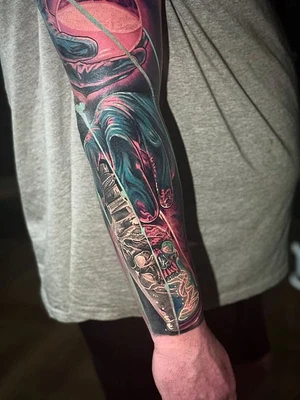
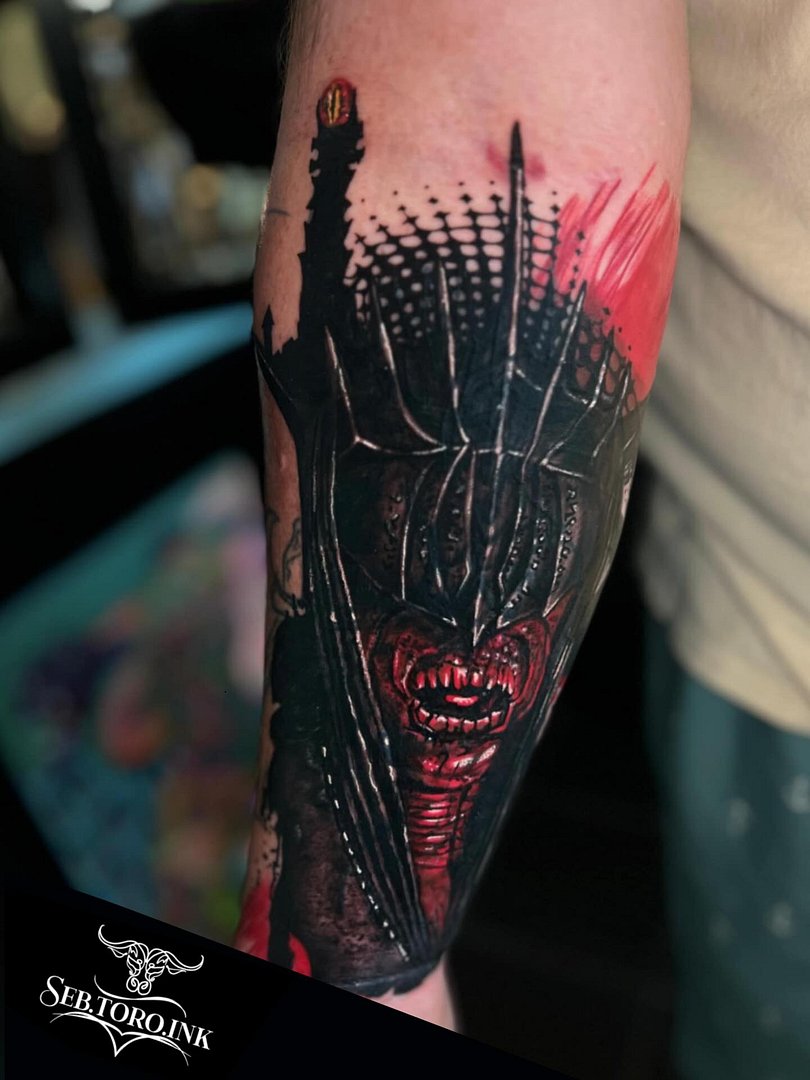
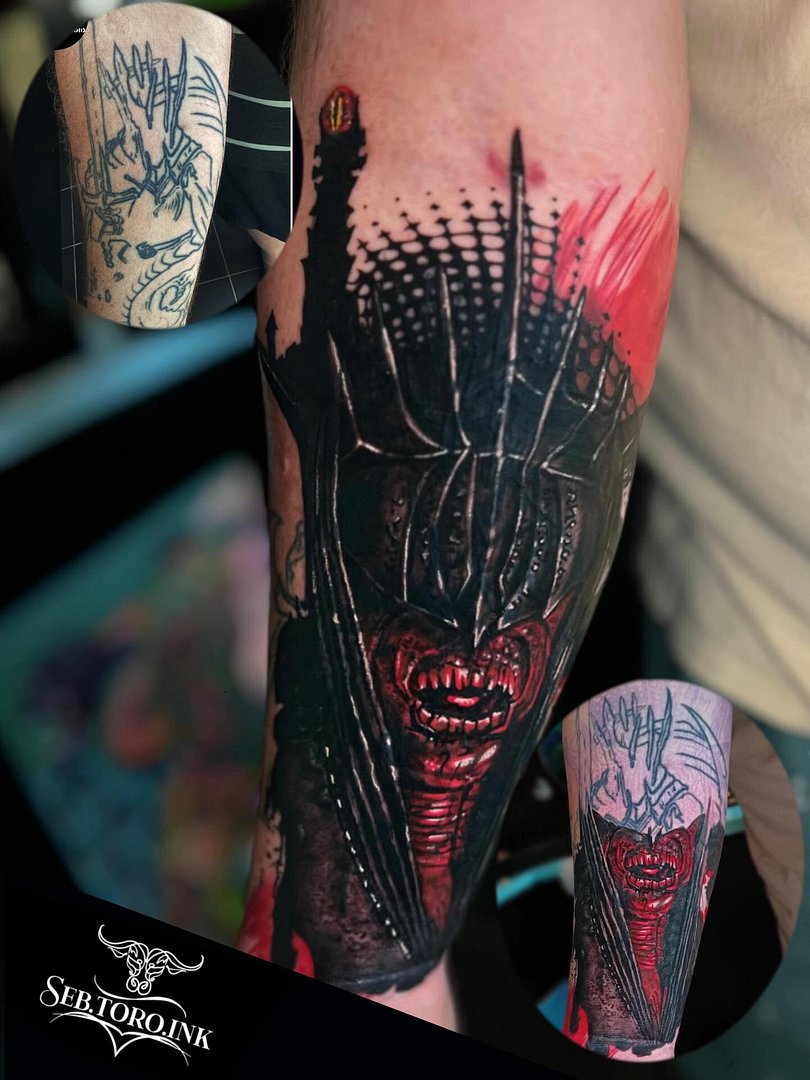
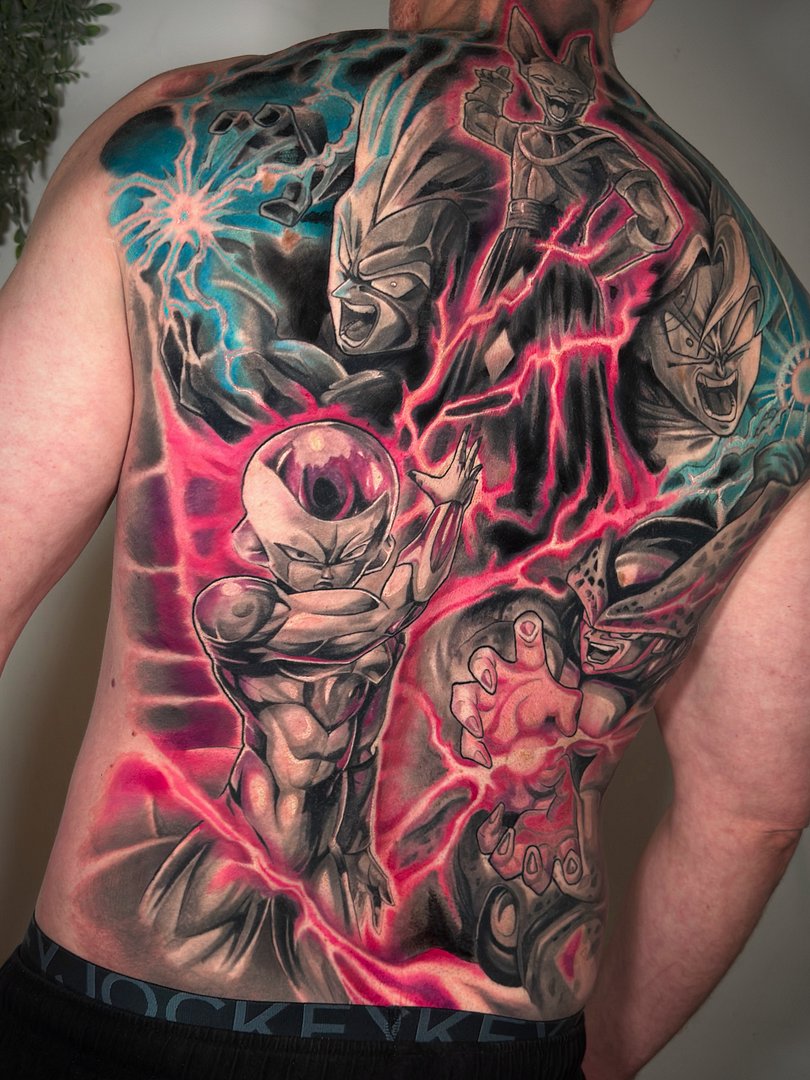
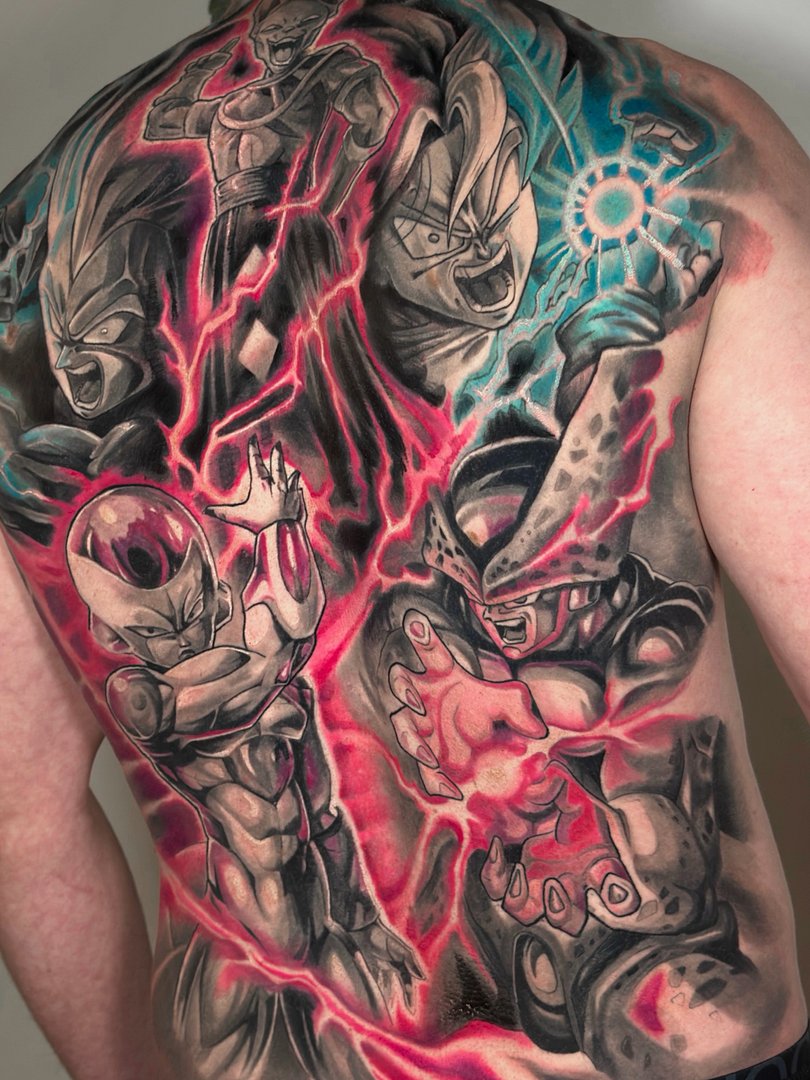
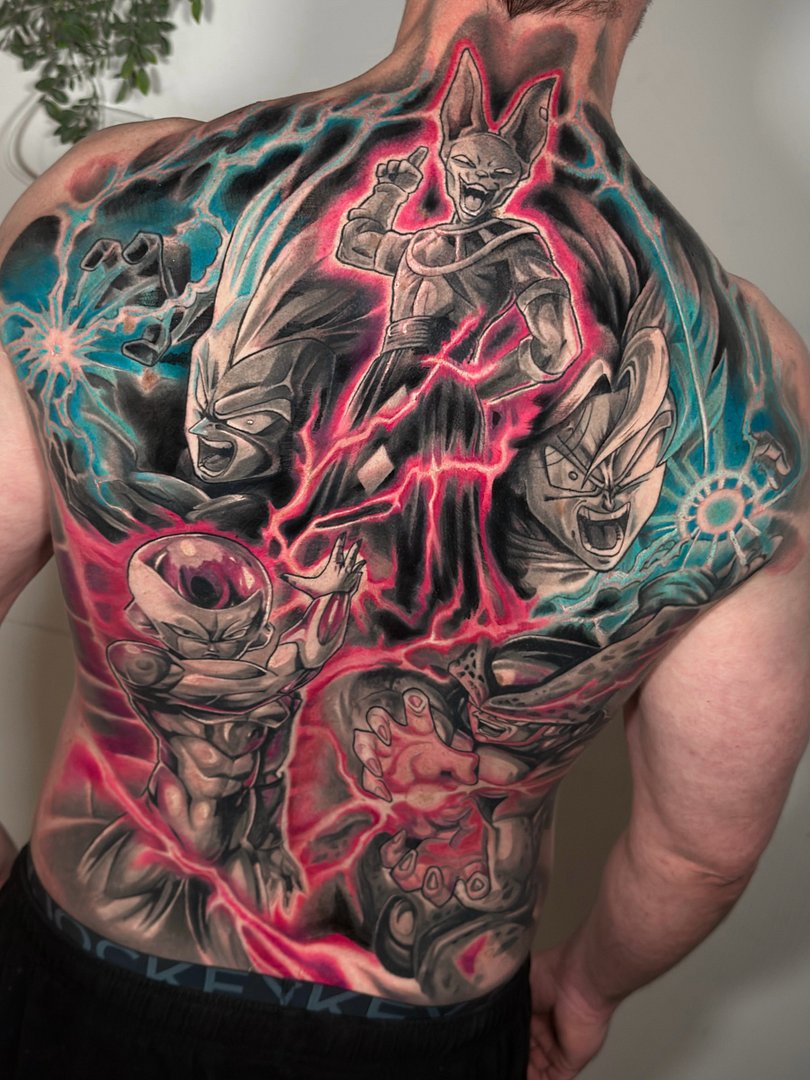
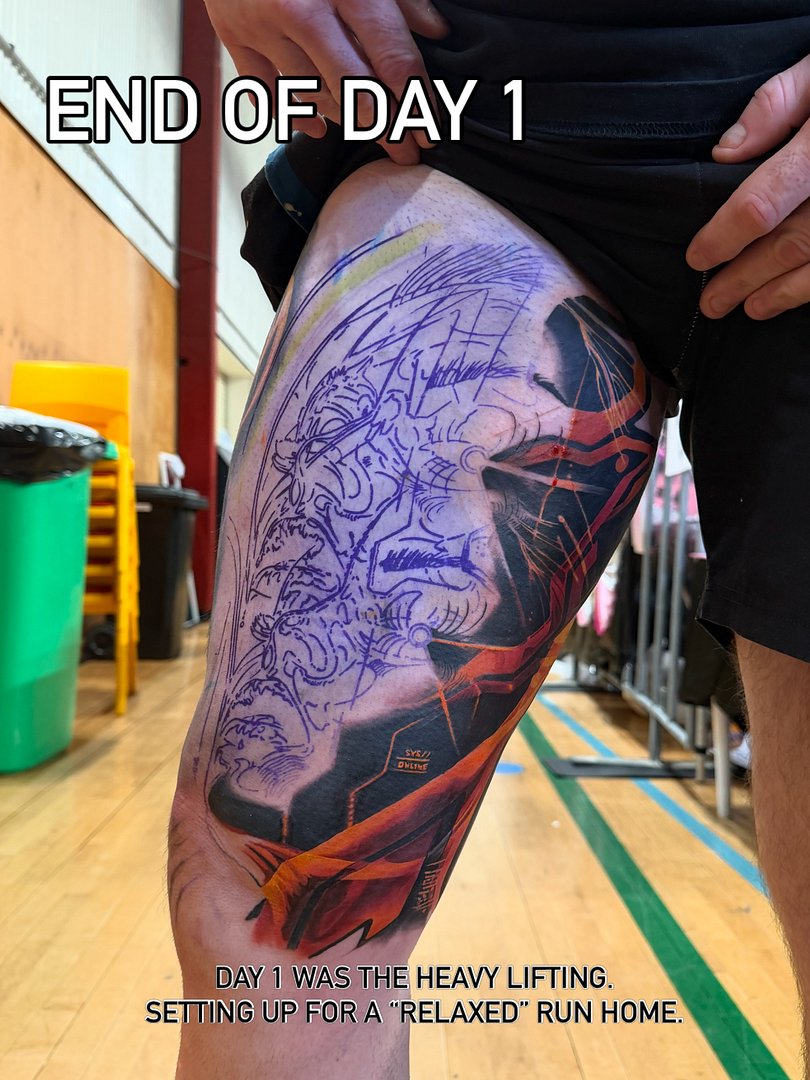
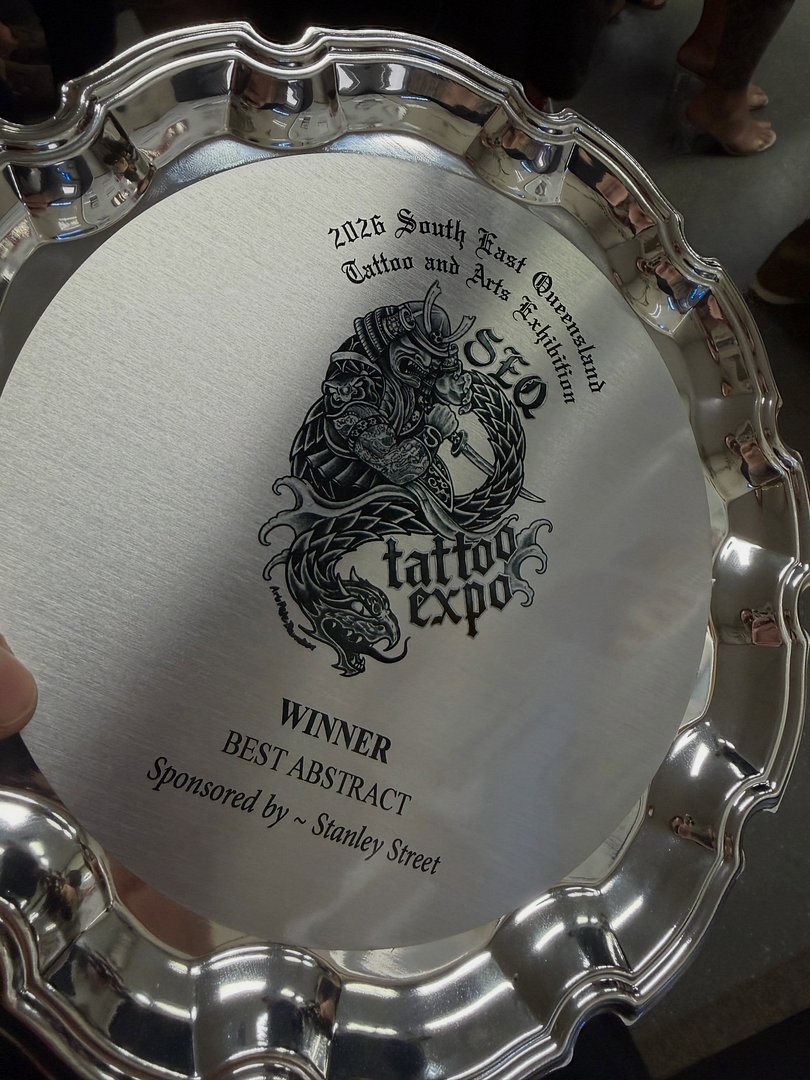
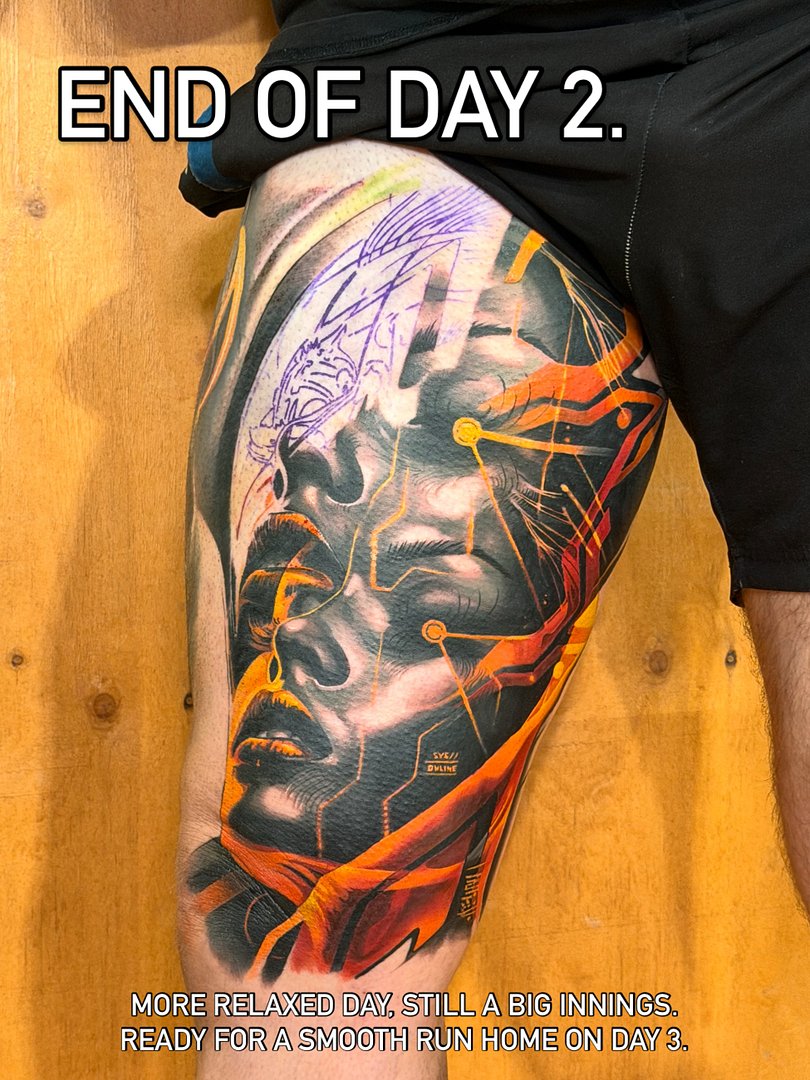
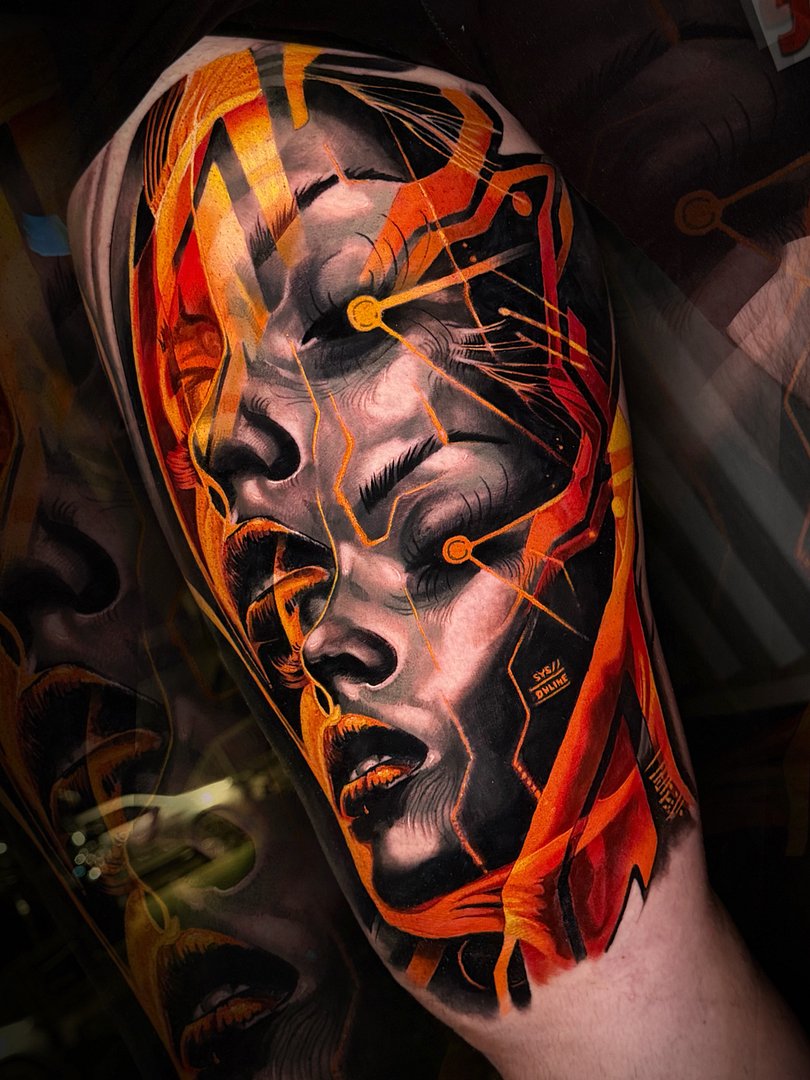
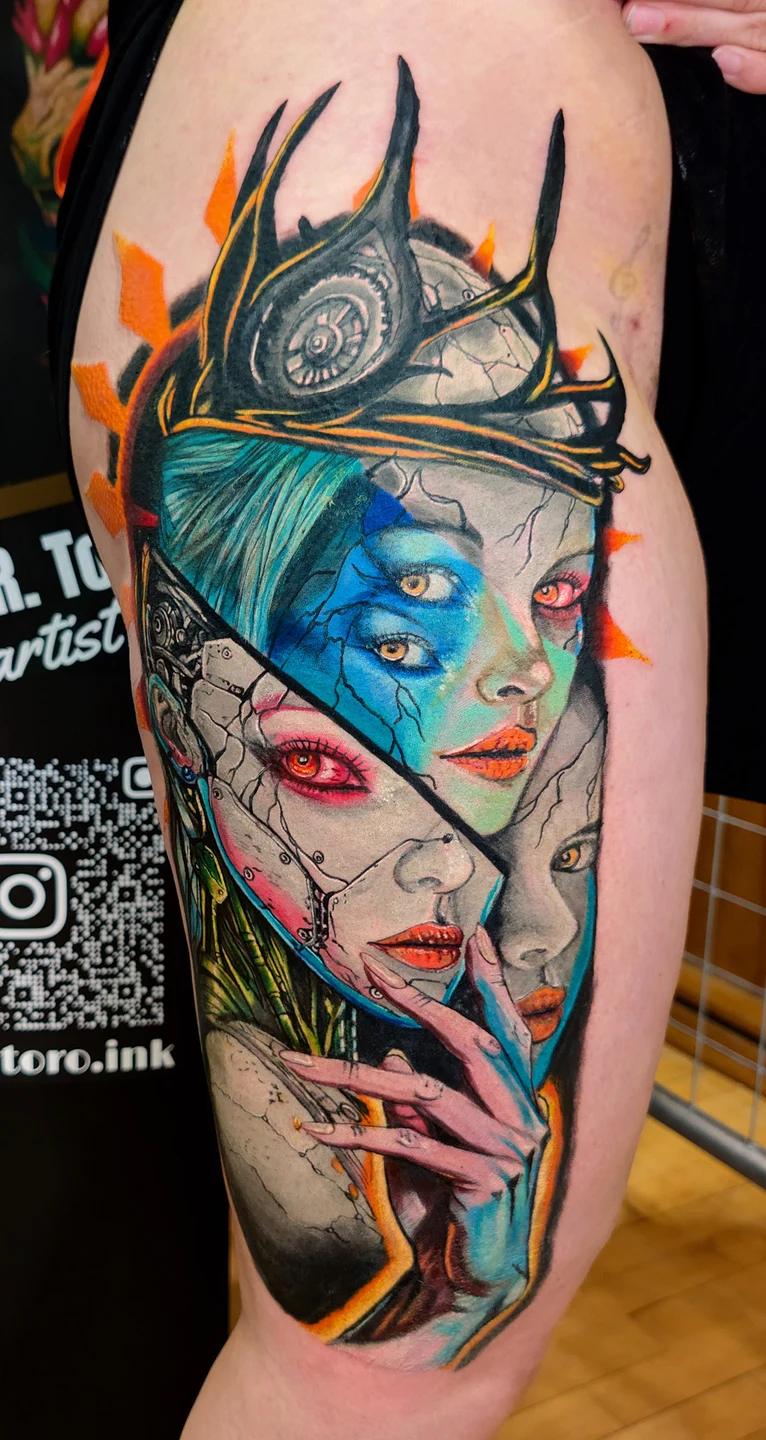
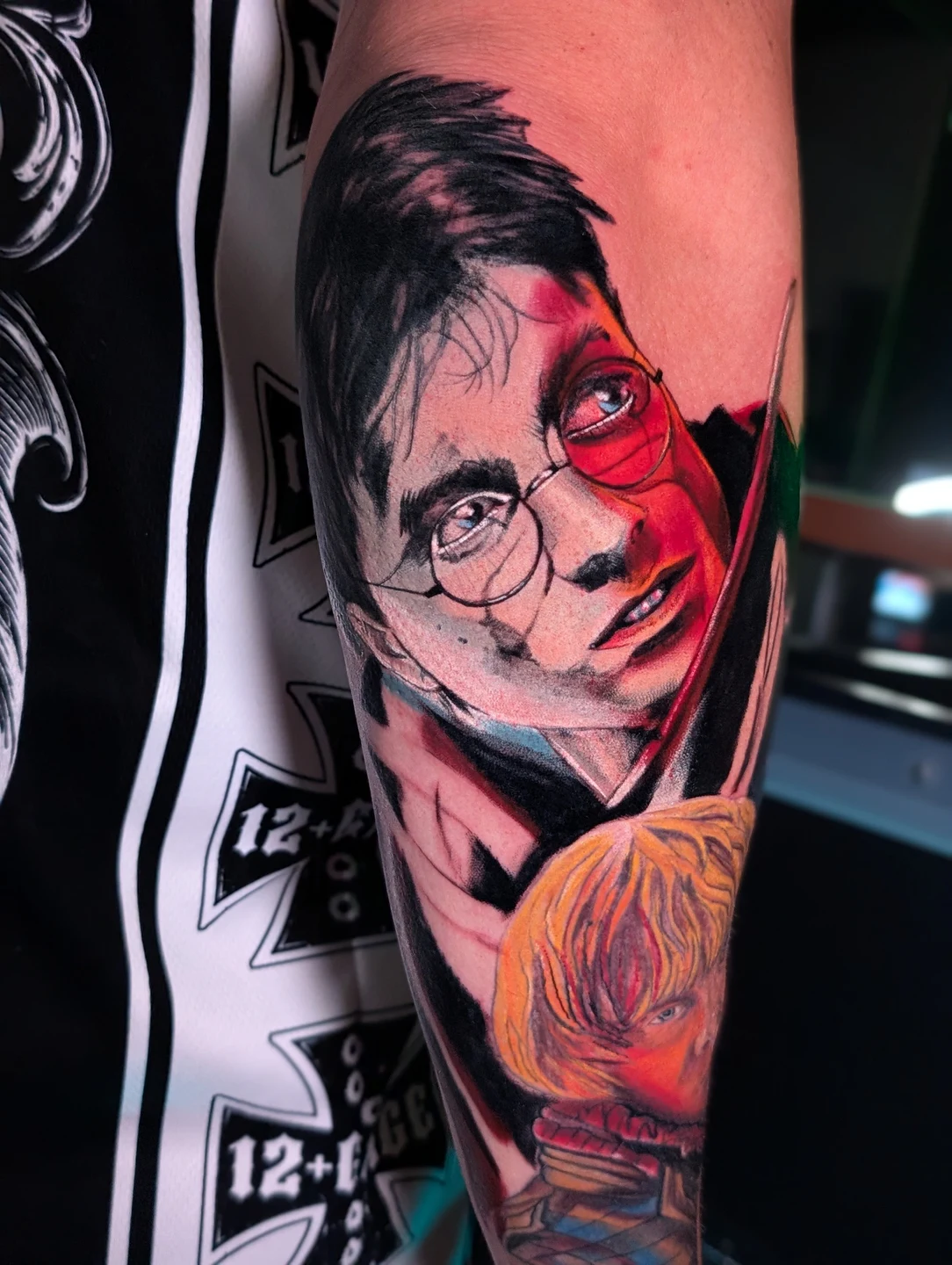
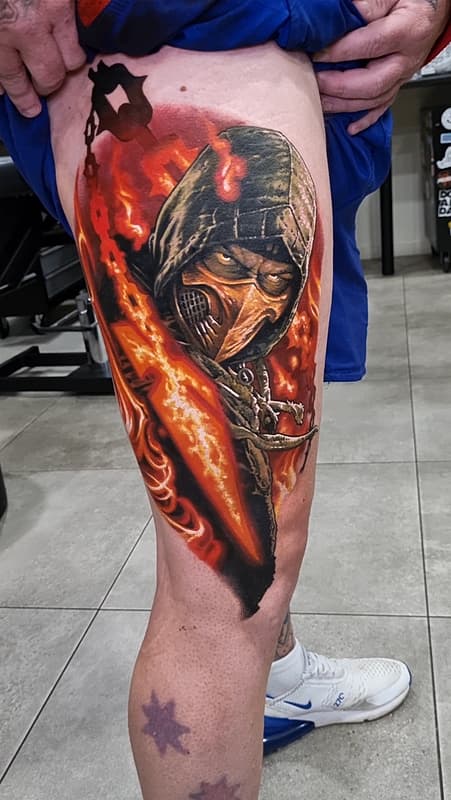
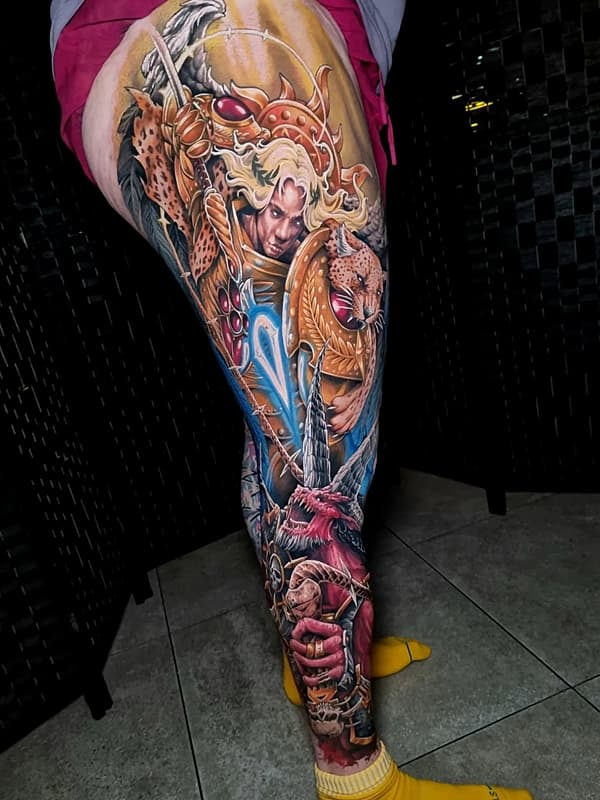
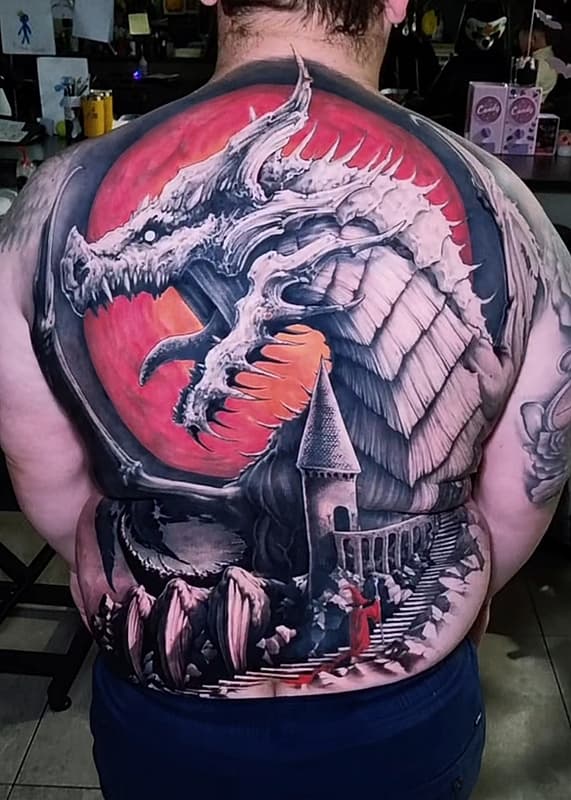
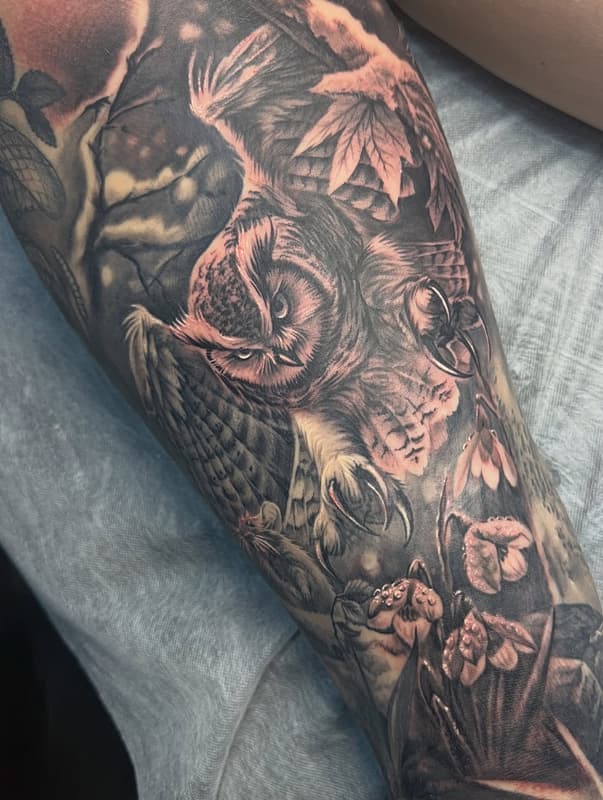
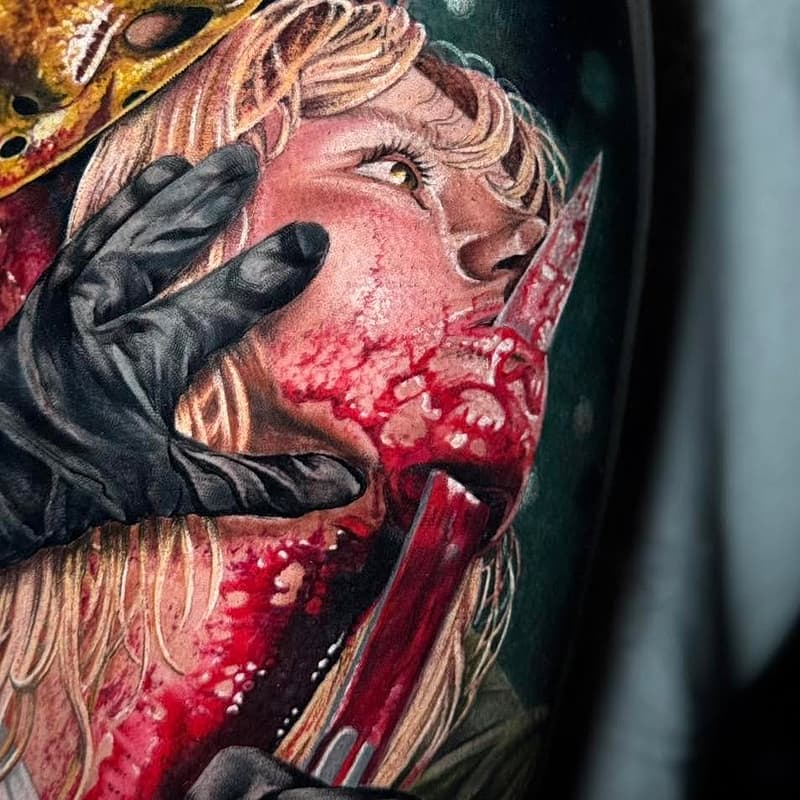
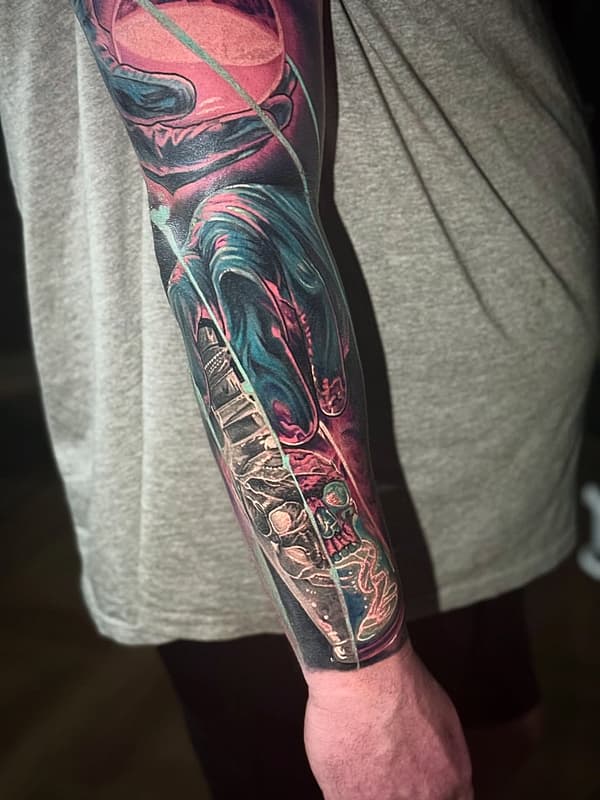

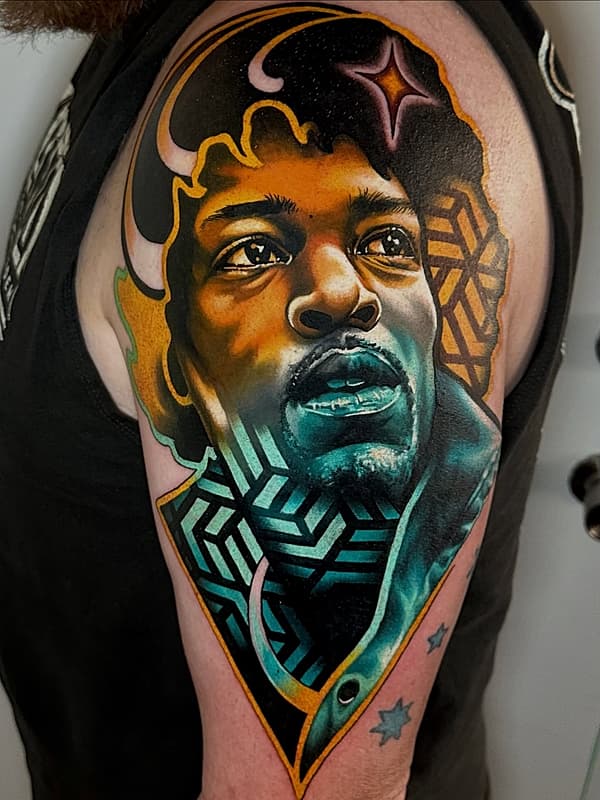
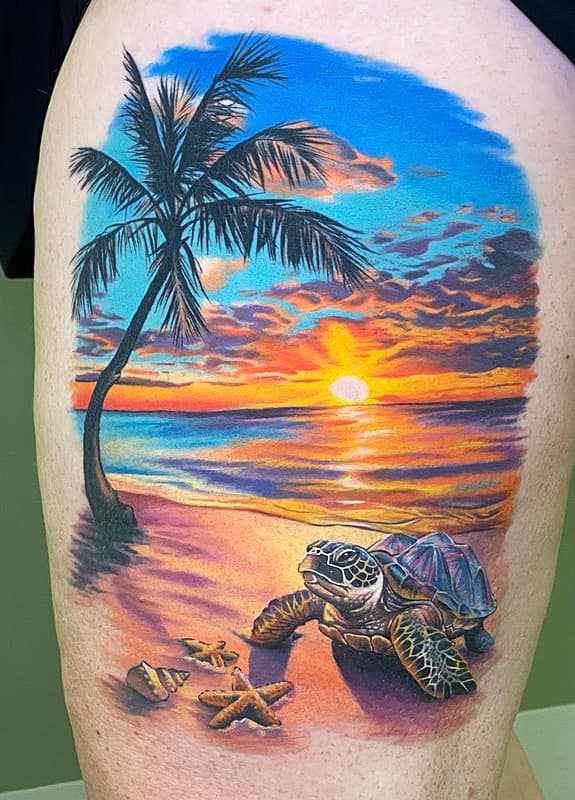
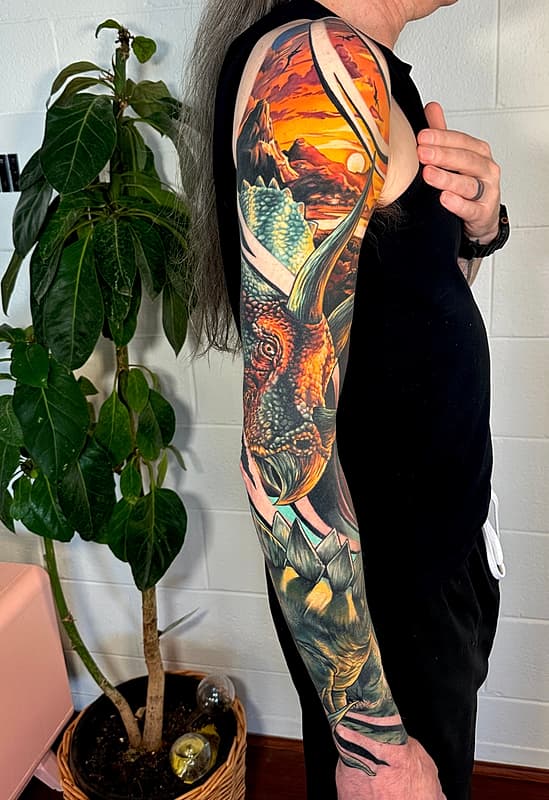
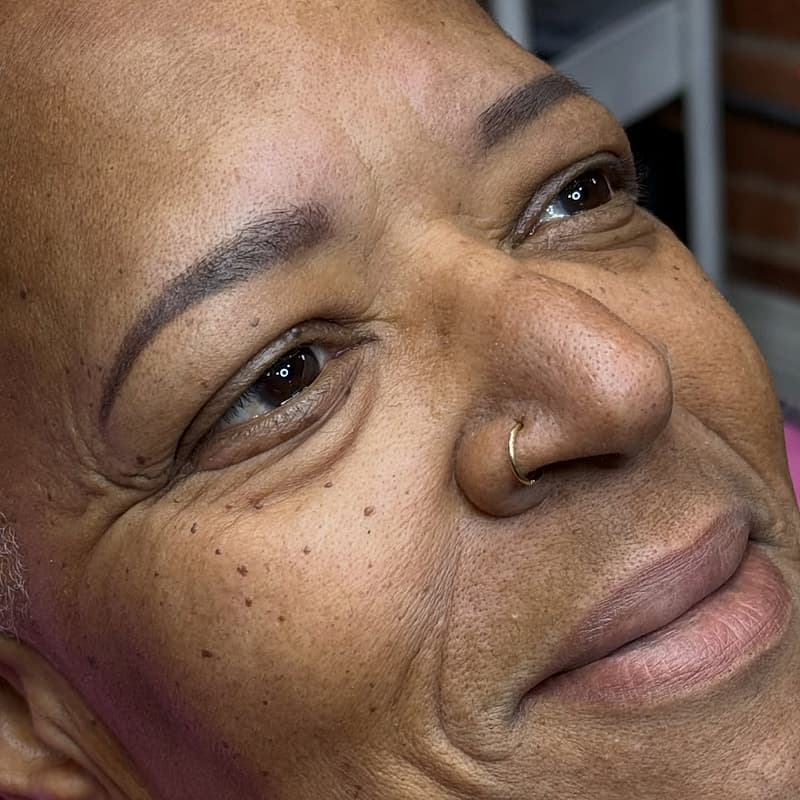
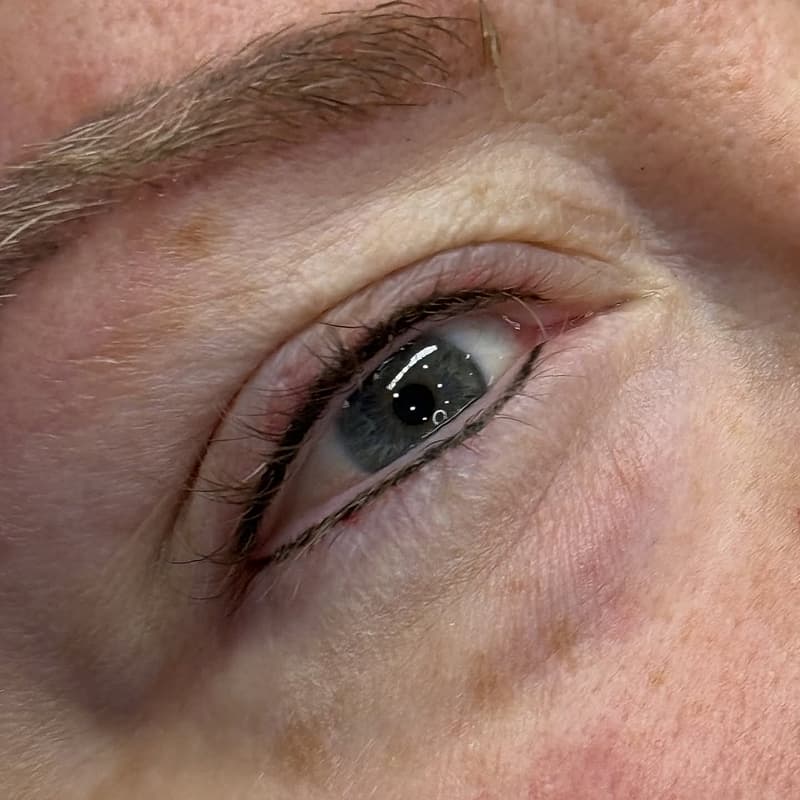

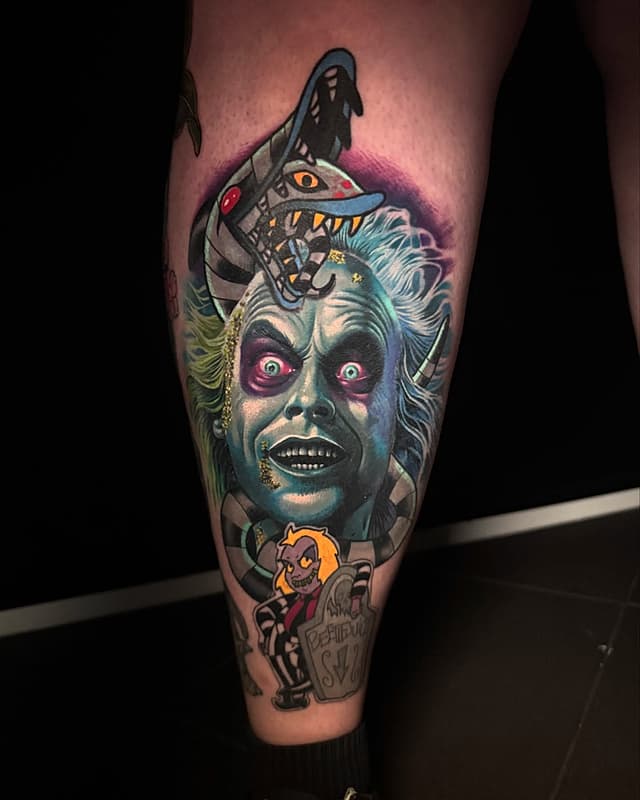
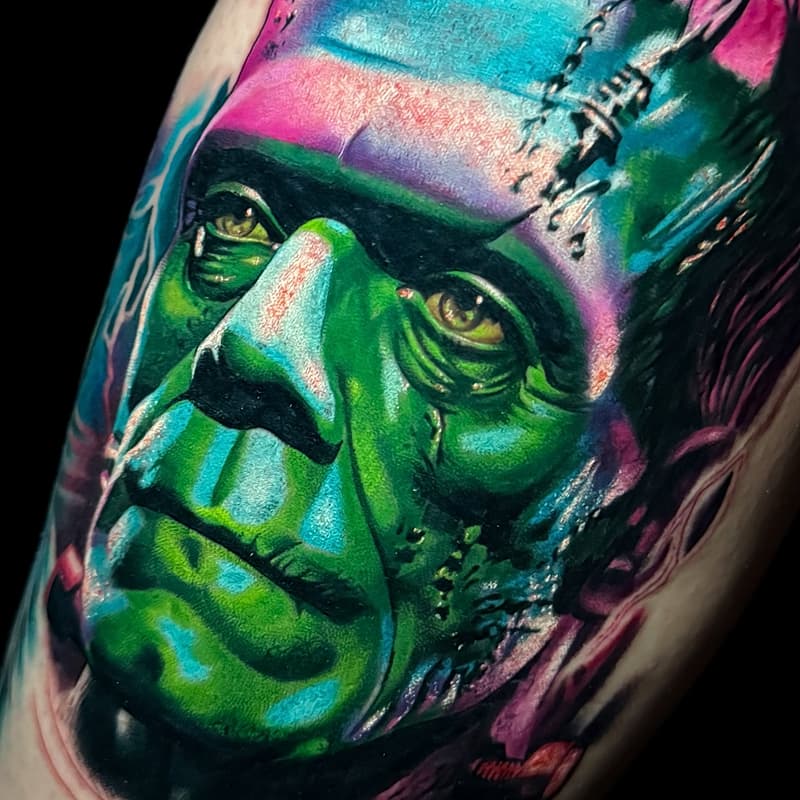
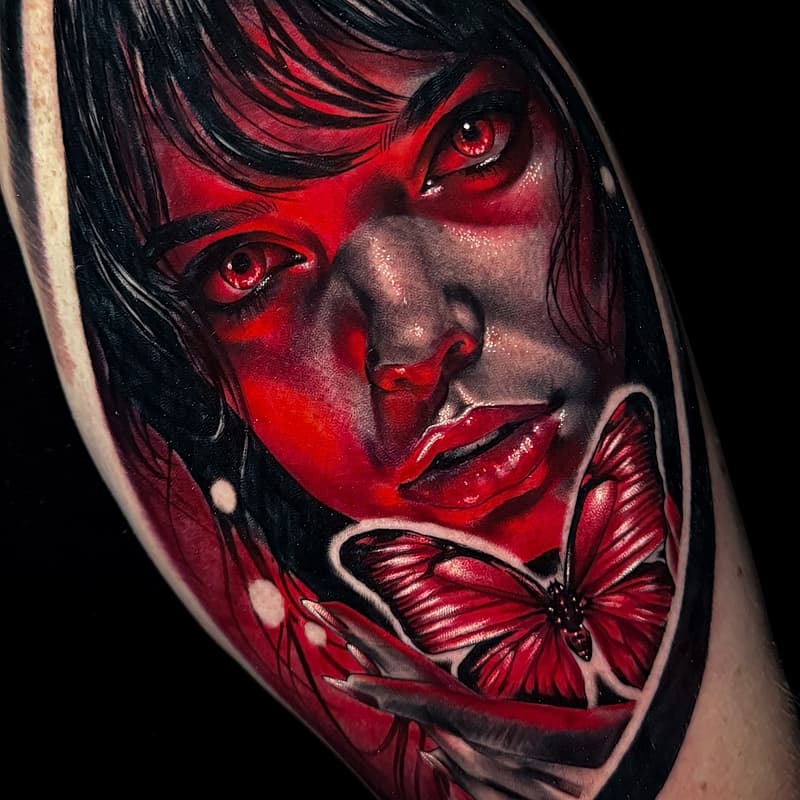
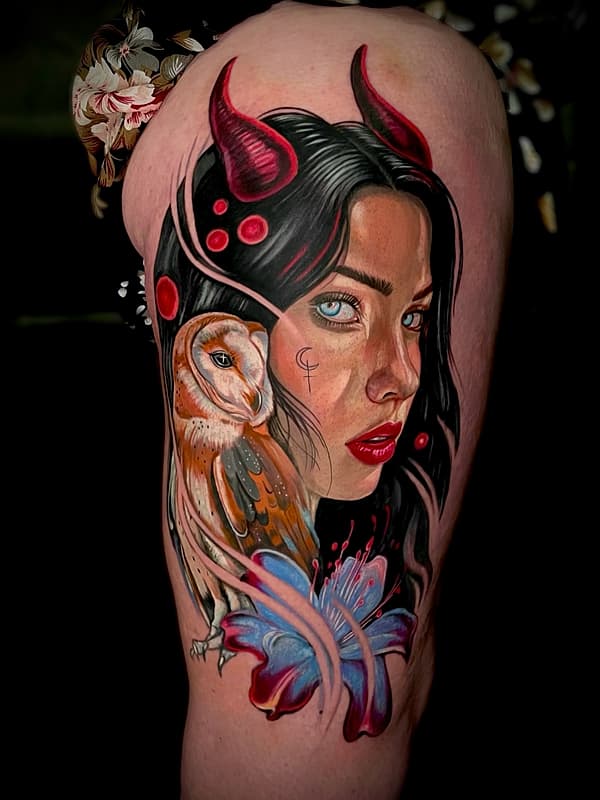
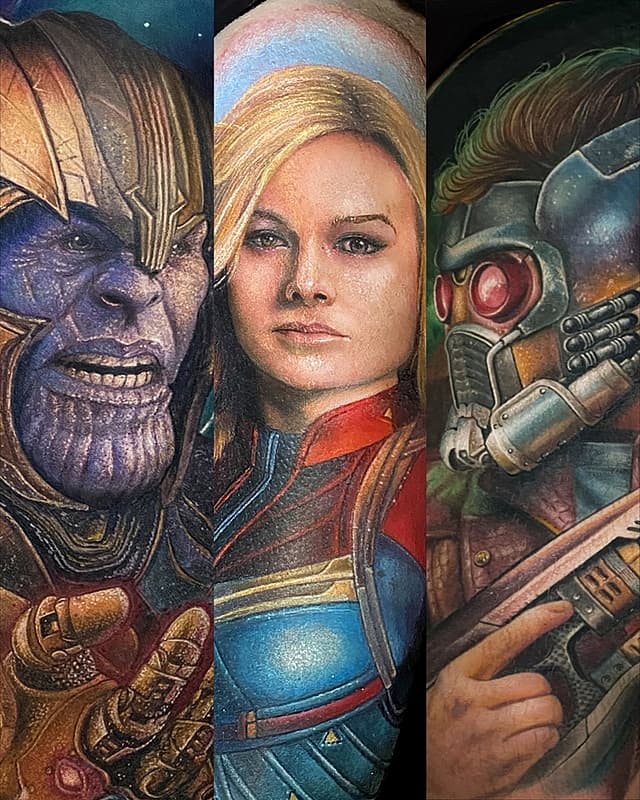
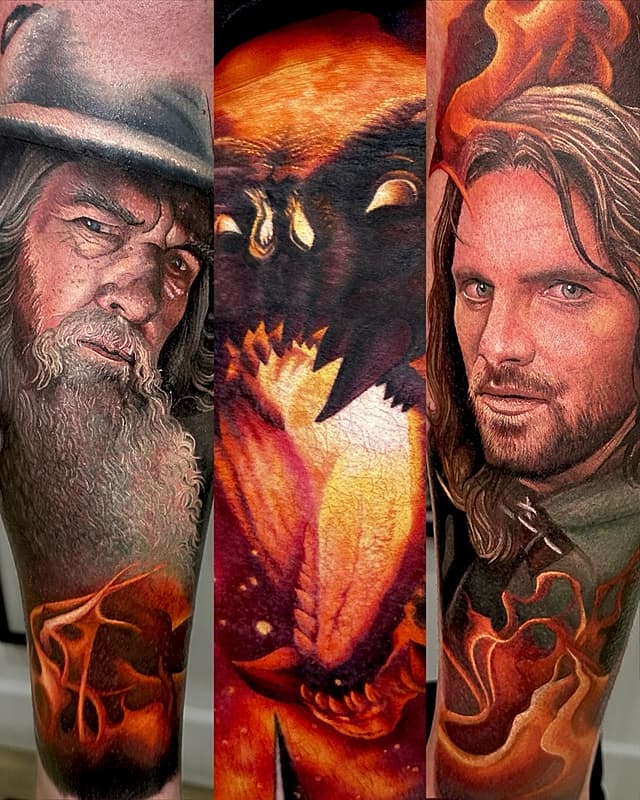
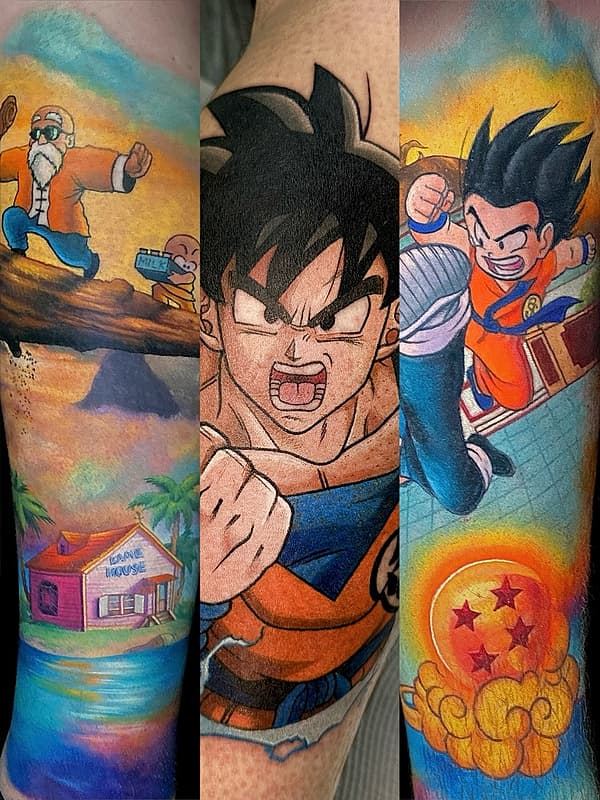
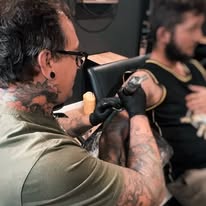
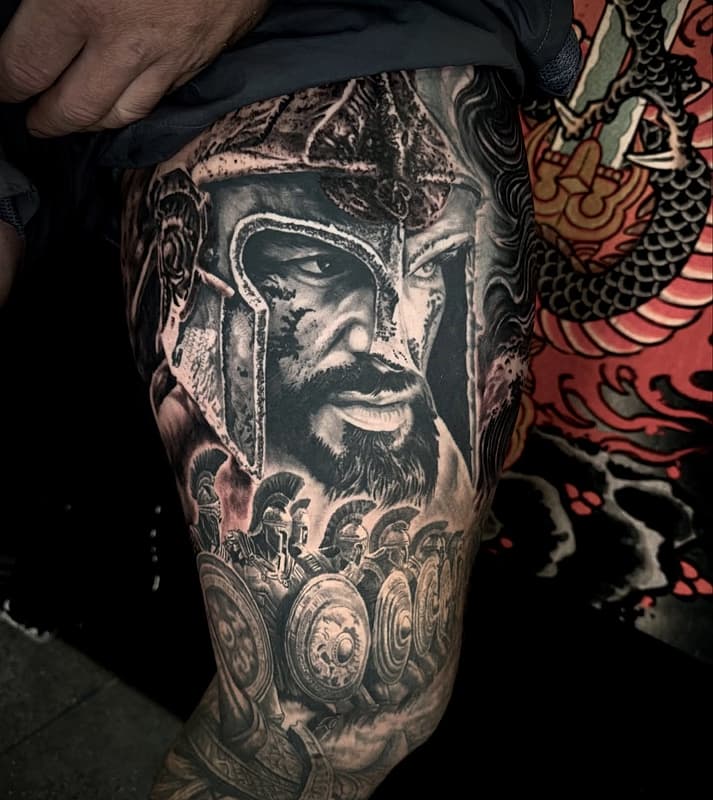
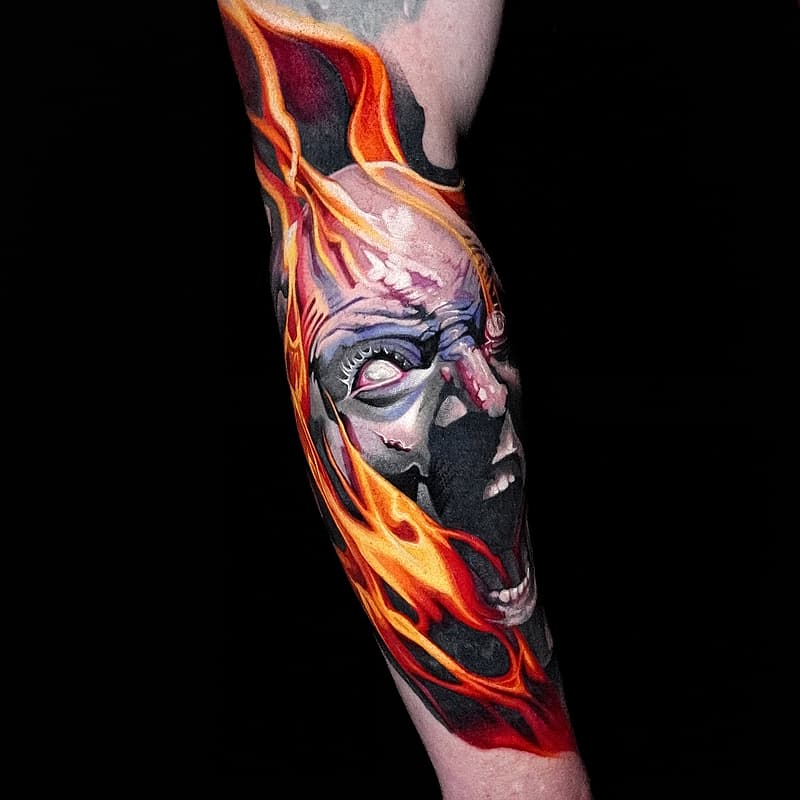
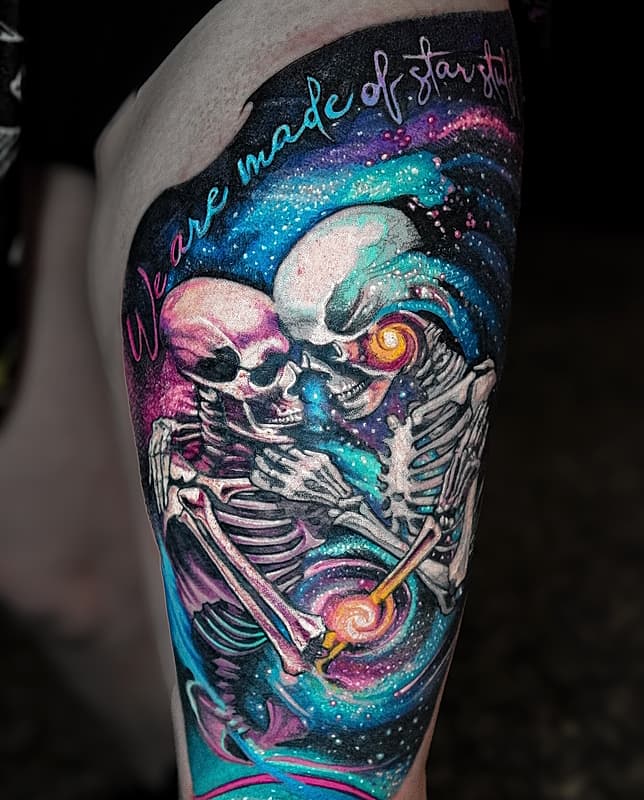
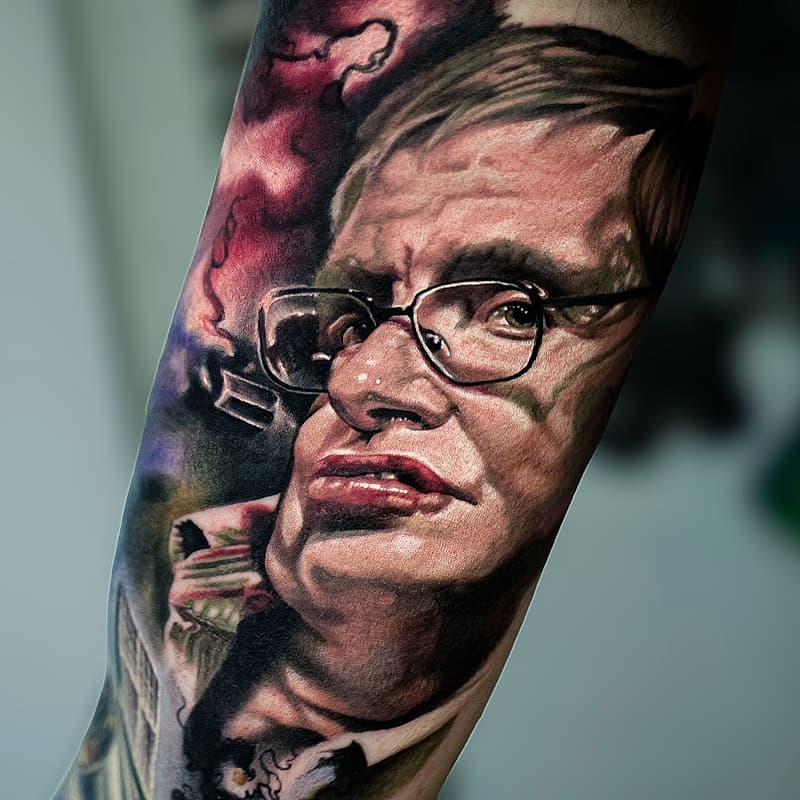
Vibrant photorealistic tattoos with full colour, capturing lifelike portraits, nature, and detailed imagery.
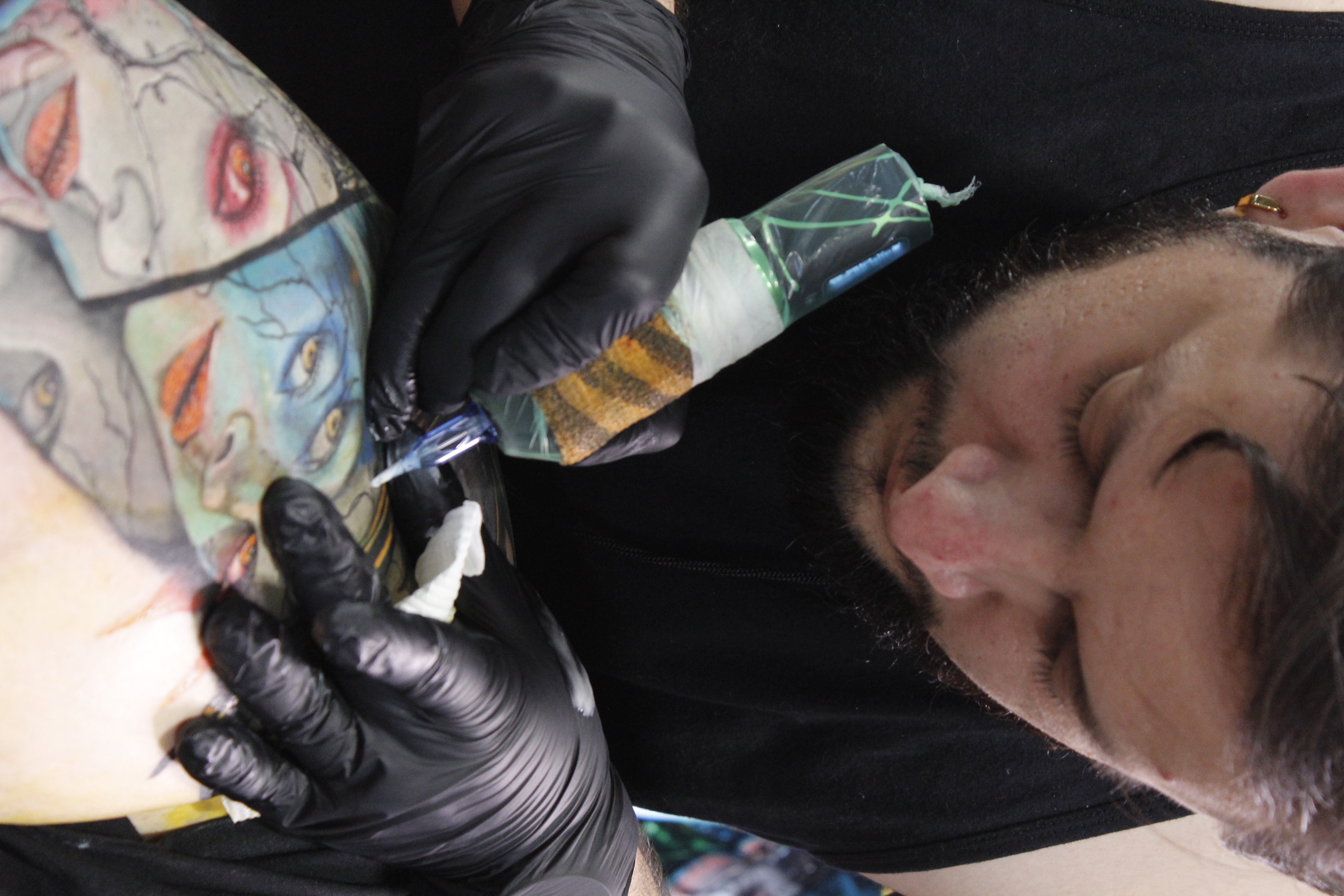
Colour realism tattooing aims to replicate photographic imagery on skin using the full spectrum of colour. This demanding style produces portraits, nature scenes, objects, and imagery that can be startlingly lifelike. The technical skill required is immense, involving sophisticated colour mixing, understanding of light and shadow, smooth gradient transitions, and the ability to translate two dimensional reference images onto three dimensional curved skin. Colour realism has flourished as tattooing equipment and pigment technology have advanced, enabling artists to achieve subtlety and precision that earlier generations couldn't match. Popular subjects include portraits of loved ones or celebrities, wildlife and nature scenes, floral arrangements, and pop culture imagery. The style showcases what's possible when tattoo artistry reaches its technical heights. However, colour realism requires carefully chosen reference material, appropriate sizing, and placement that allows the detail to read clearly. Not every design works well in this style, and experienced artists will guide clients toward successful outcomes.
What to look for: Colour realism demands exceptional technical skill, so scrutinise portfolios carefully. Look for smooth gradient transitions without hard lines, accurate colour matching, and convincing depth and dimension. Healed work photos are essential, as colour realism can change significantly from fresh to healed. Check that skin tones in portraits look natural, not orange or waxy.
49 artists specialising in Realism (colour) across Australia
Colour realism is one of the most time intensive tattoo styles due to the detail and colour blending required. Small colour realism pieces might take three to six hours, while medium sized work like portraits often requires six to twelve hours or multiple sessions. Large colour realism pieces such as sleeves can take 30 to 60 hours or more, completed over many sessions spanning months or years. The smooth gradients and subtle colour transitions require careful, deliberate work that can't be rushed. Some artists prefer shorter sessions to maintain concentration, while others work in longer blocks. Discuss session planning with your artist, as colour realism projects benefit from thoughtful scheduling.
Colour realism tattoos involve extensive shading and colour packing, which means more needle time per area than simpler styles. This can make sessions feel more intense, particularly when working over the same area multiple times to build colour depth and smooth transitions. The magnum needles used for shading cover more area per pass than liner needles, creating a different sensation some describe as more thudding than sharp. Long colour realism sessions can be tiring due to cumulative discomfort. However, experienced artists understand pacing and will suggest breaks. The pain level isn't necessarily worse than other styles, just sustained over longer periods. Proper preparation and communication with your artist makes intensive sessions manageable.
Colour realism commands premium pricing due to the exceptional skill required and the extensive time involved. Hourly rates for quality colour realism artists in Australia range from $200 to $450. Small colour realism pieces typically start from $600 to $1,500, medium work like portraits might cost $1,500 to $4,000, and larger projects can run $5,000 to $15,000 or more. Colour realism sleeves from top artists can cost $10,000 to $25,000. The investment reflects years of training, artistic talent, and the concentration required to execute this demanding style. Colour realism is not a style where bargain hunting is wise. Quality differences are immediately apparent and difficult to fix if things go wrong.
Colour realism tattoos require careful consideration regarding ageing. The subtle details and smooth gradients that make colour realism impressive when fresh can soften over time, with very fine details potentially blurring and colours shifting. Light colours, particularly whites, yellows, and pastels, may fade faster than saturated hues. However, well executed colour realism from skilled artists, sized appropriately for the detail level, can remain beautiful for decades. The key factors are quality of application, appropriate sizing (not too small for the detail), and diligent sun protection throughout your life. Experienced colour realism artists design with longevity in mind, balancing detail with practical considerations. Touch ups may be needed over years, but this is normal for colour work.