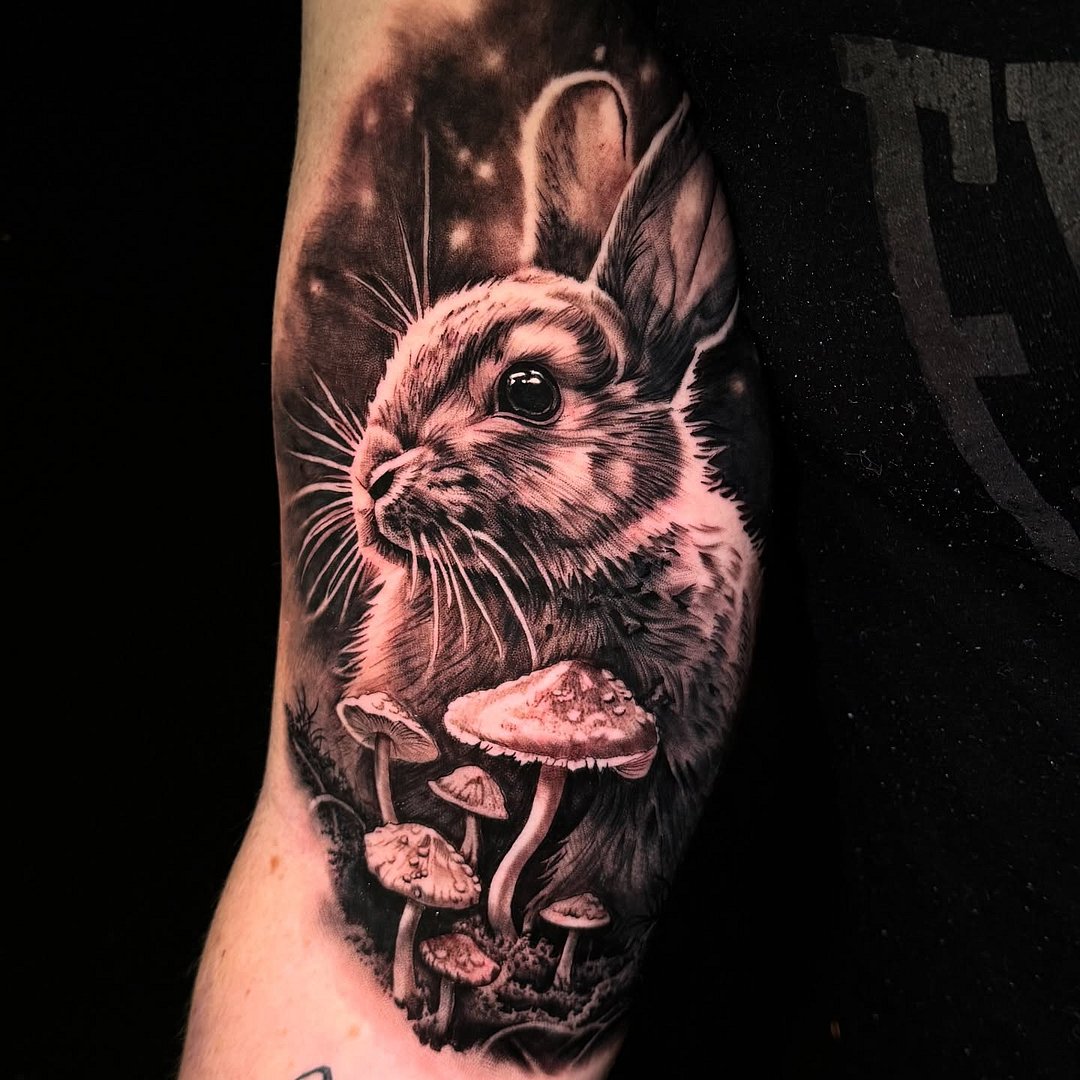
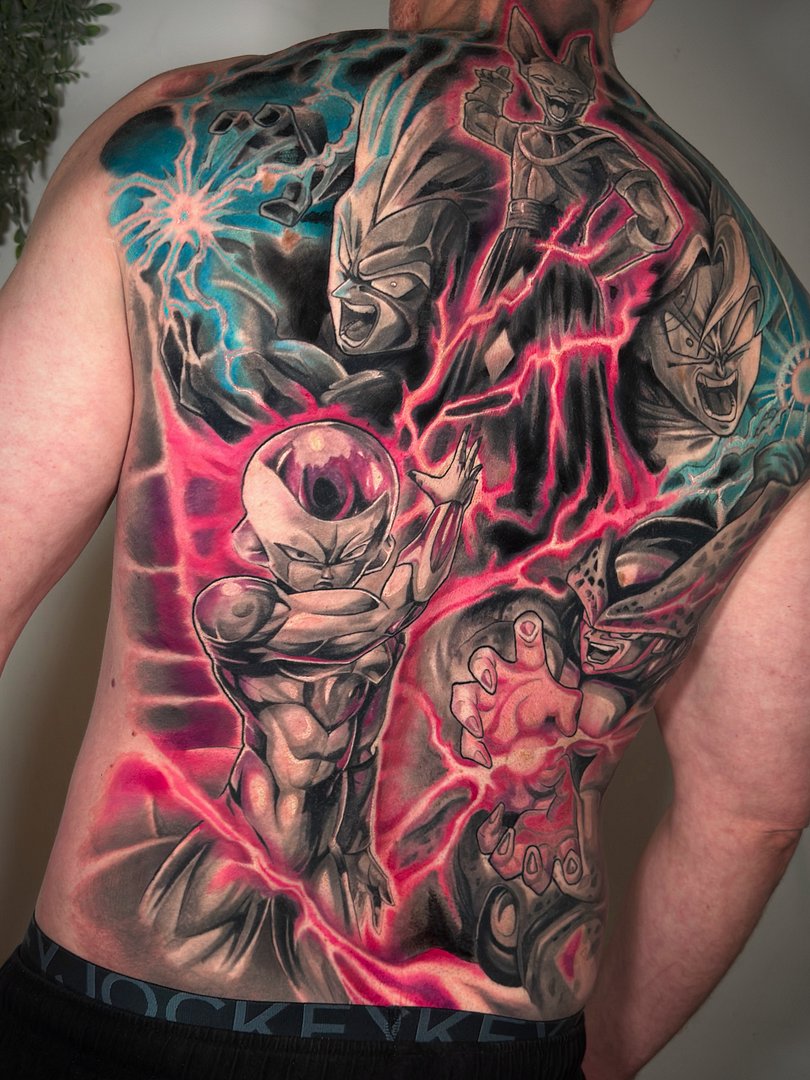
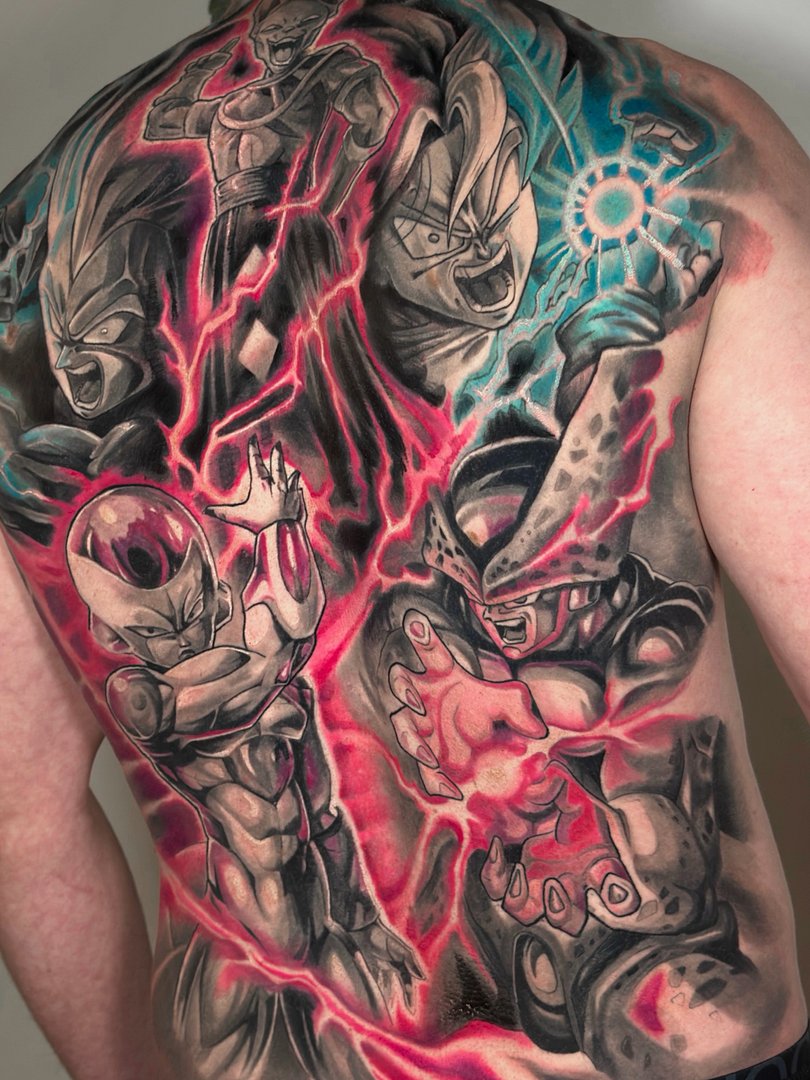
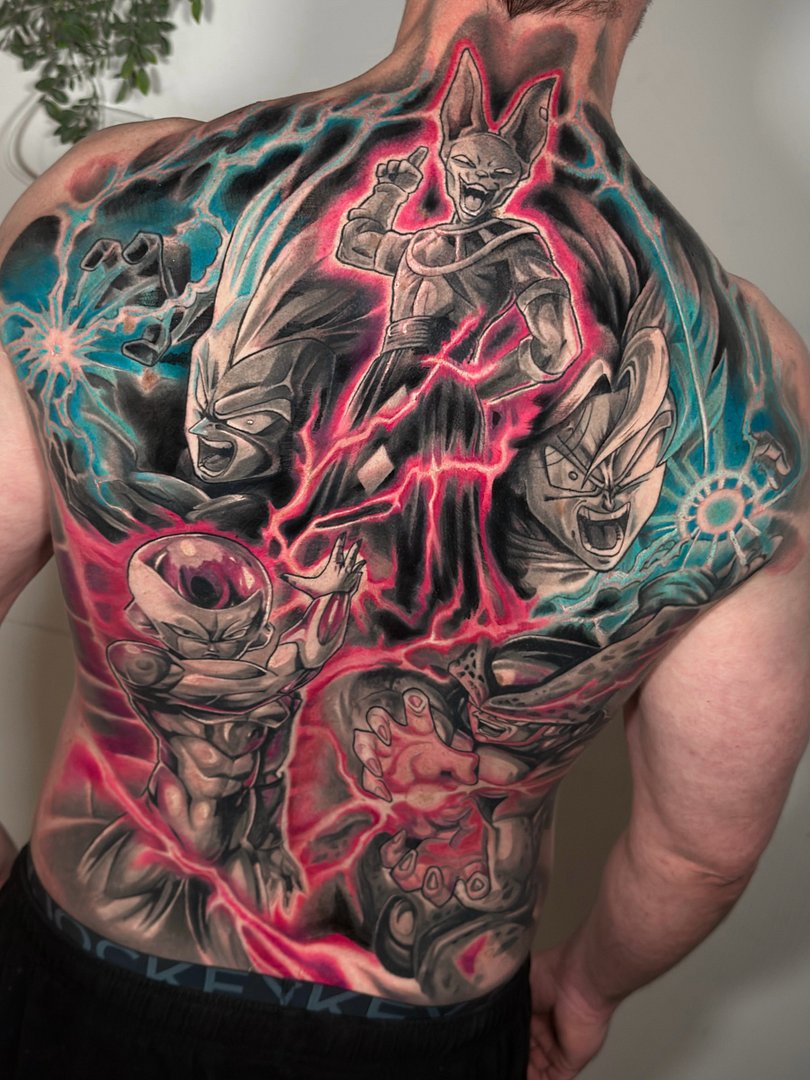
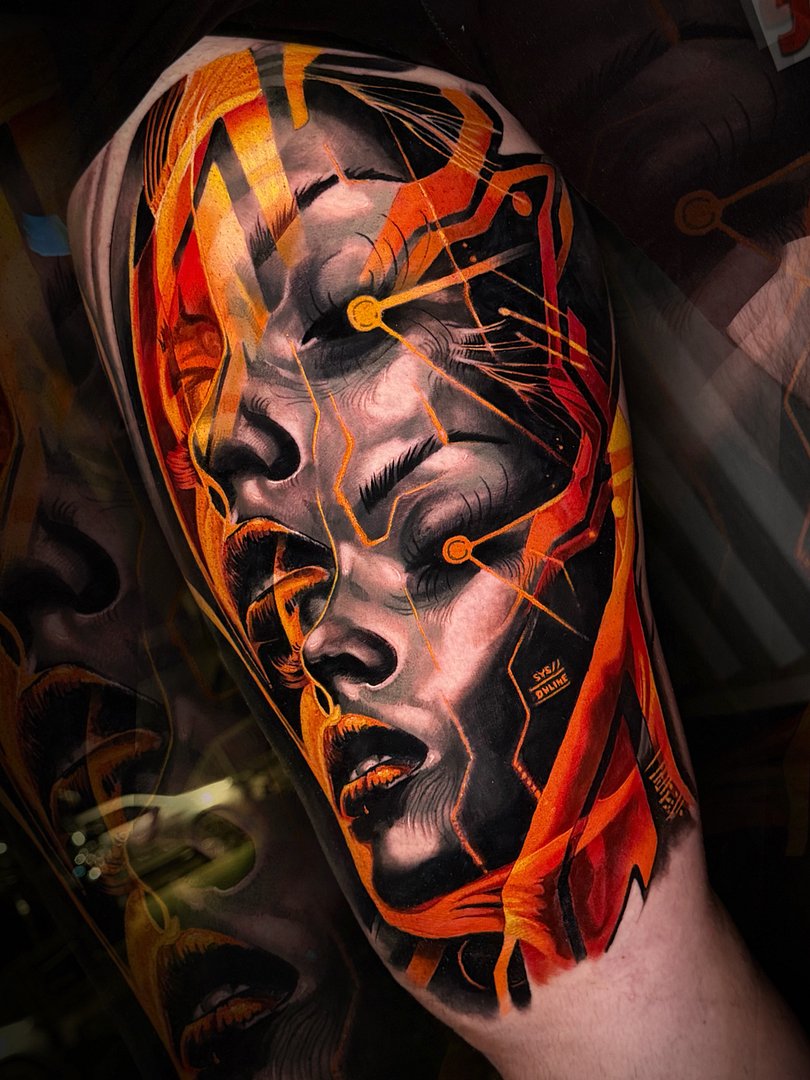
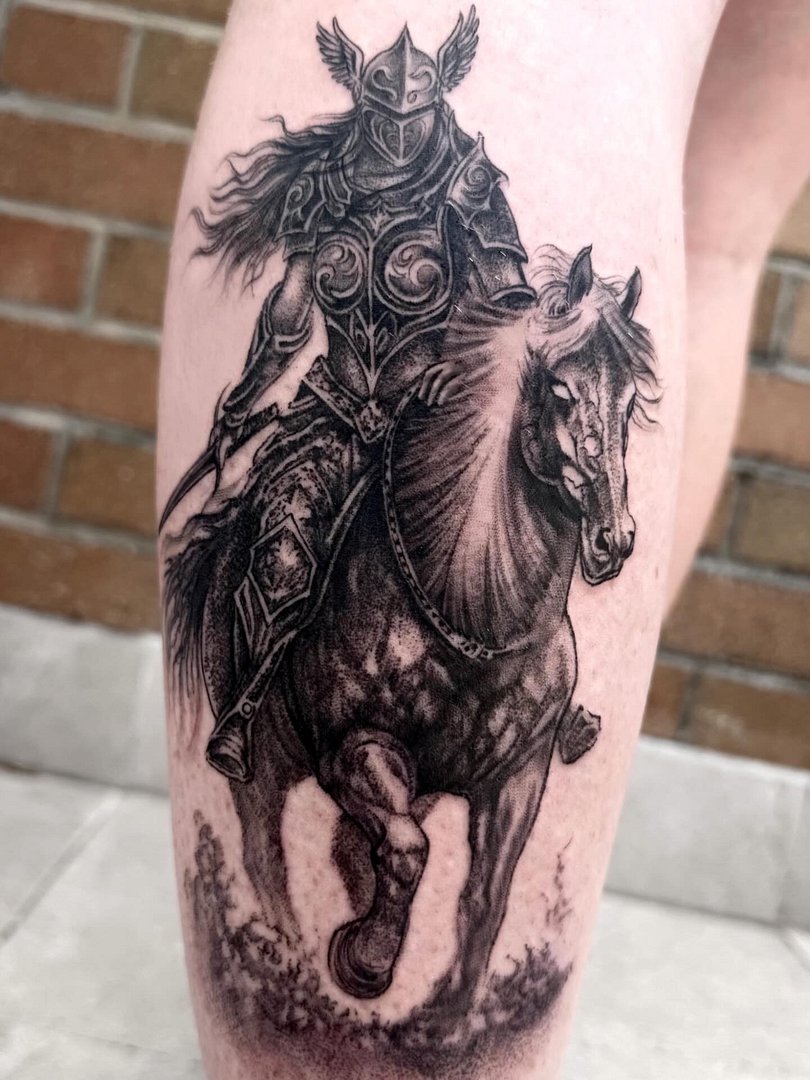
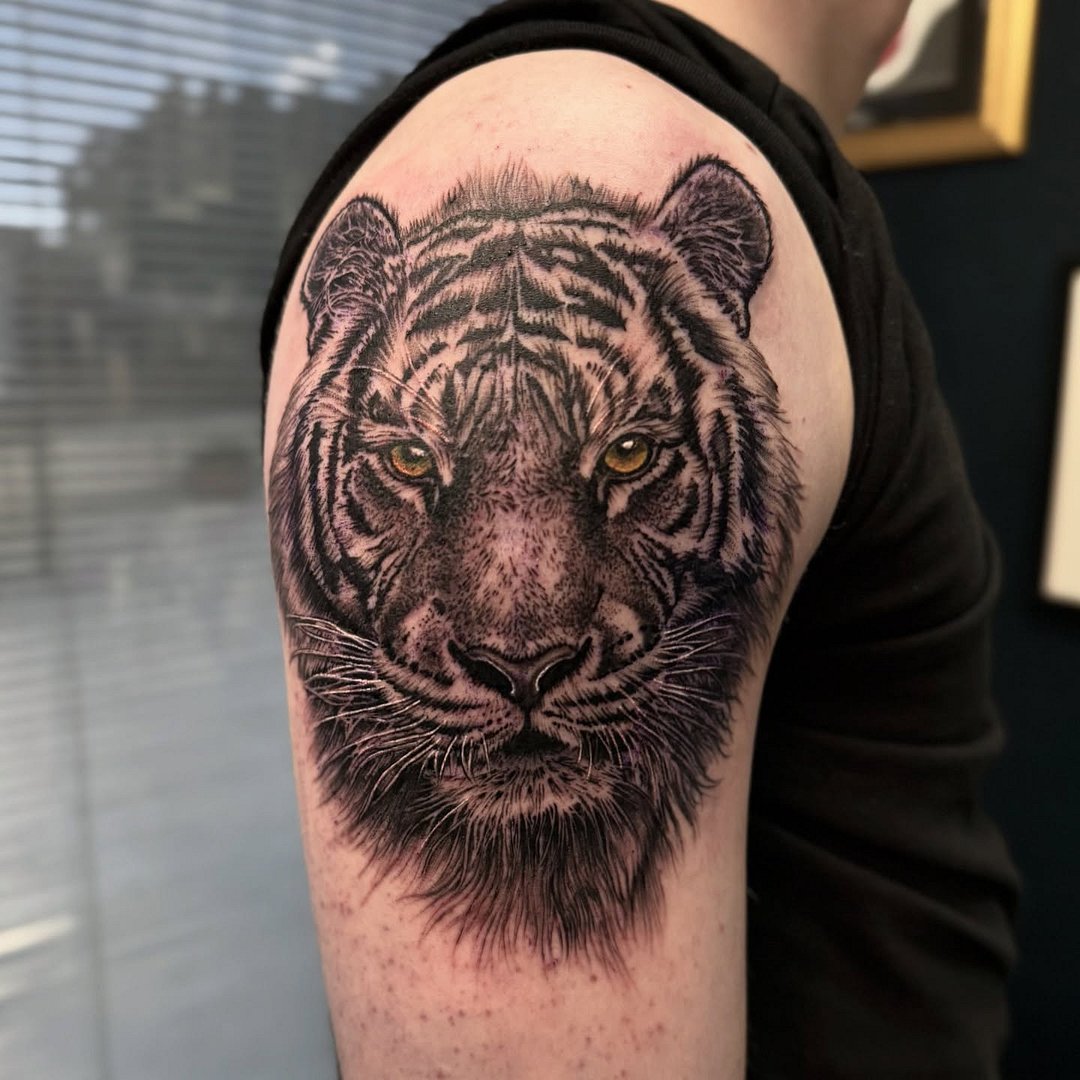
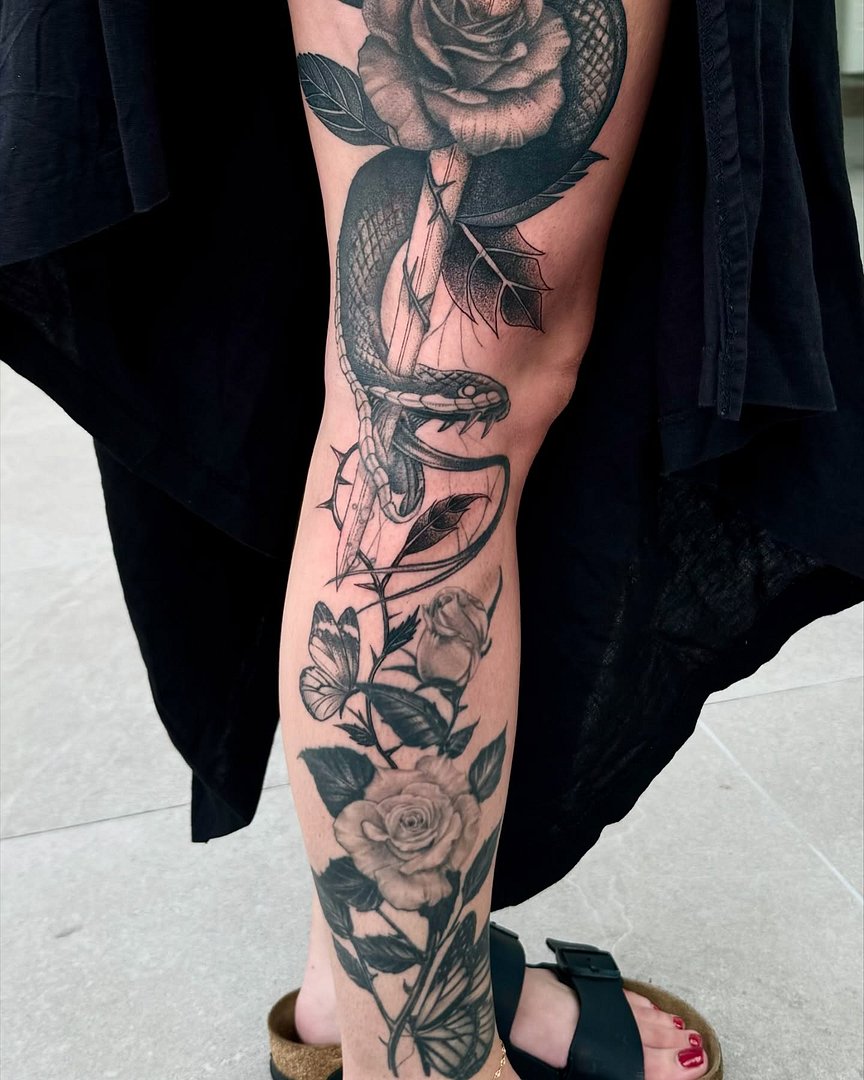
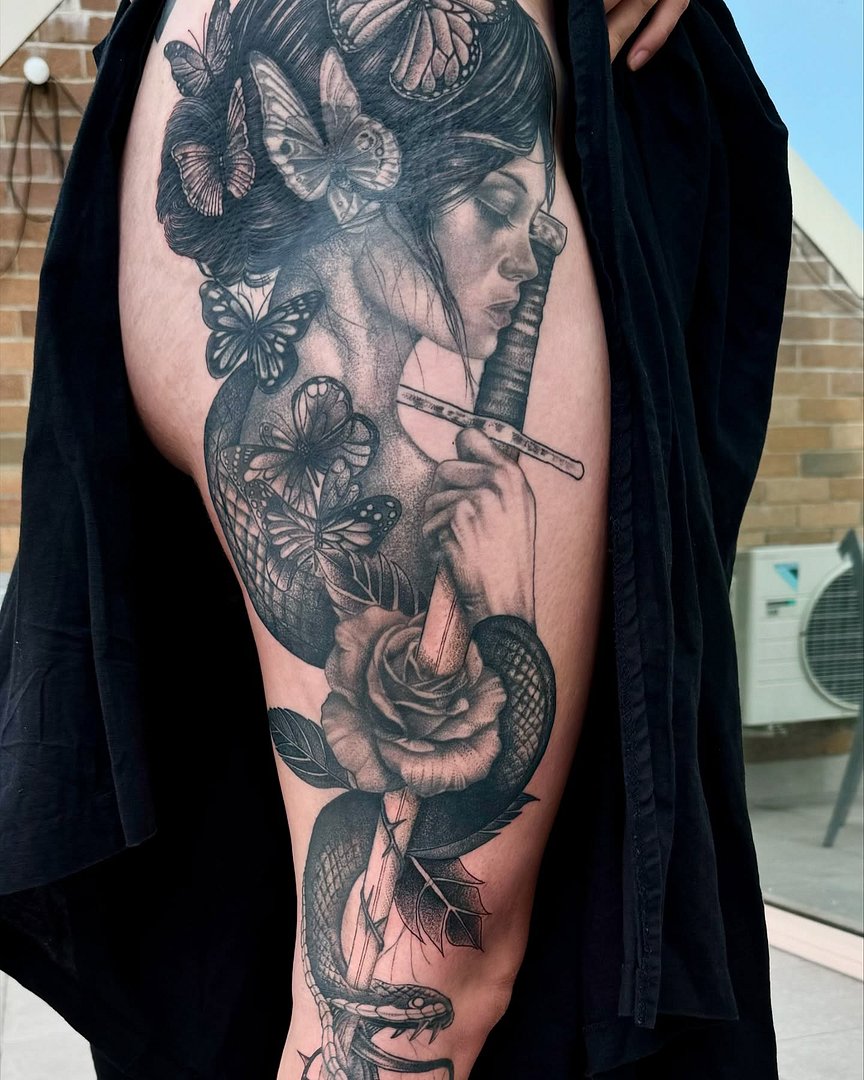
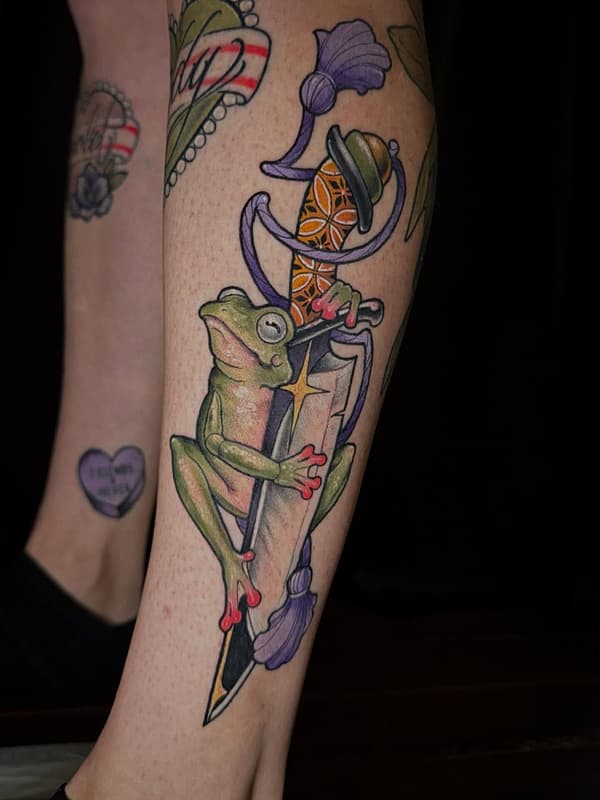
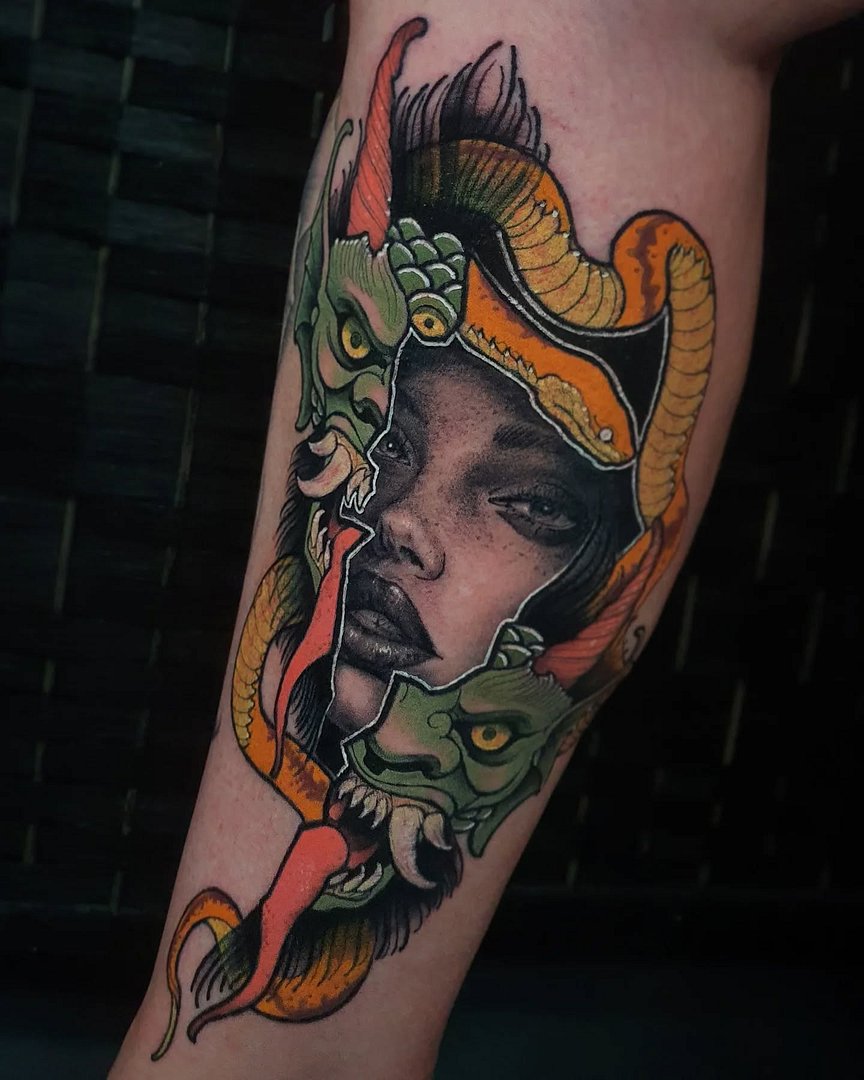
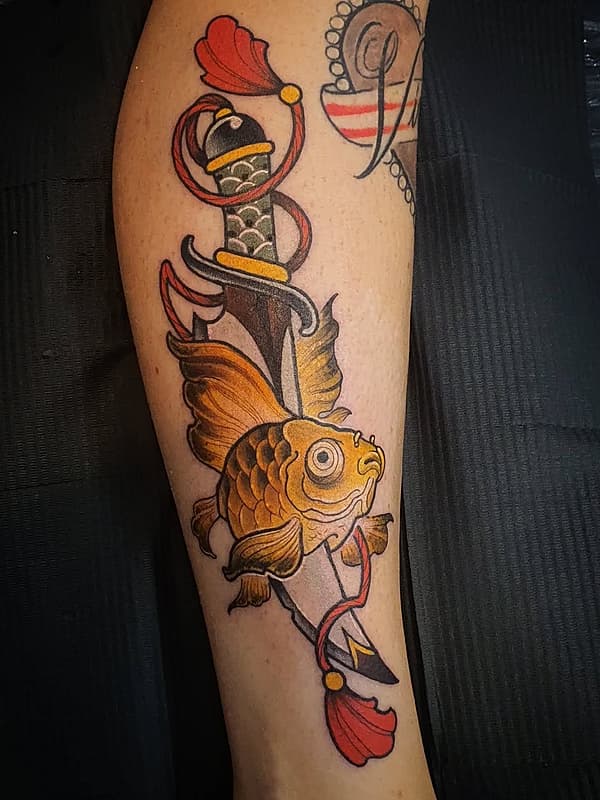


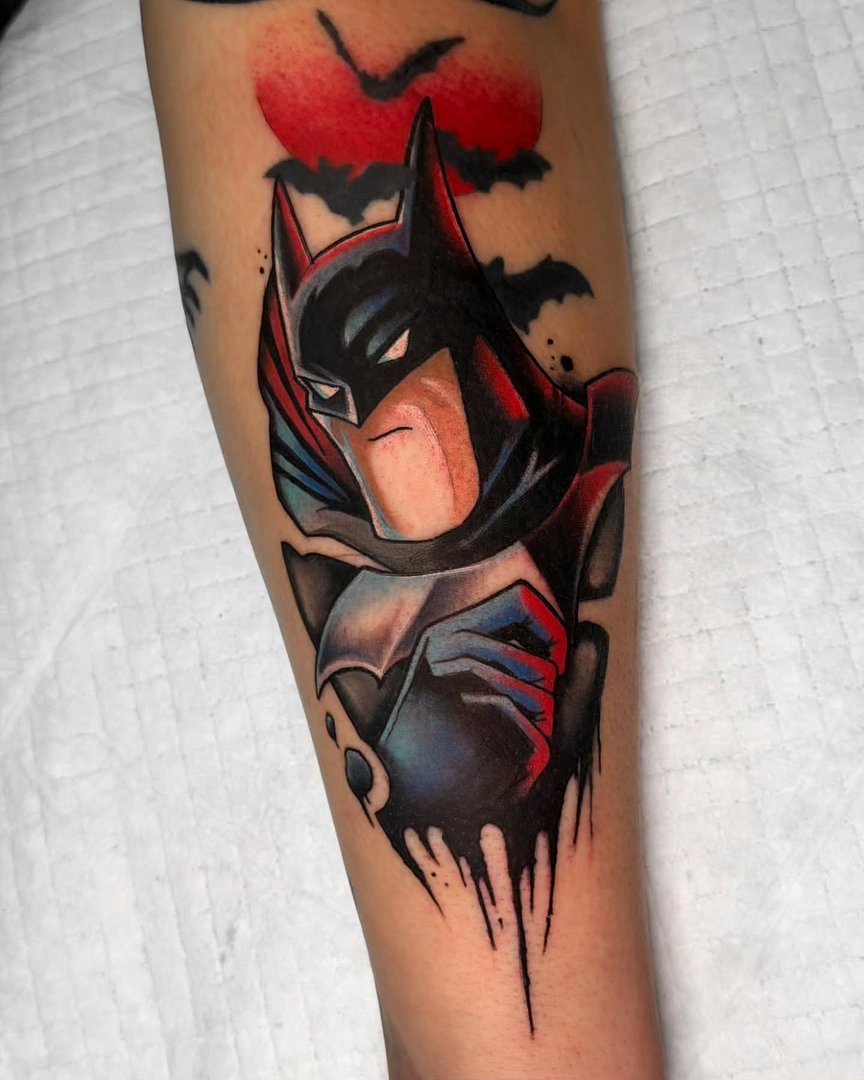
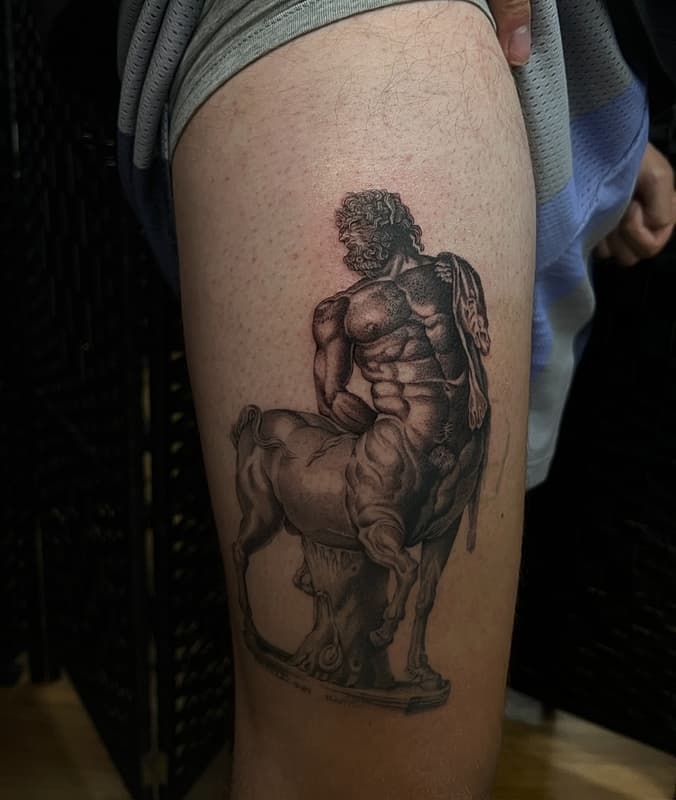
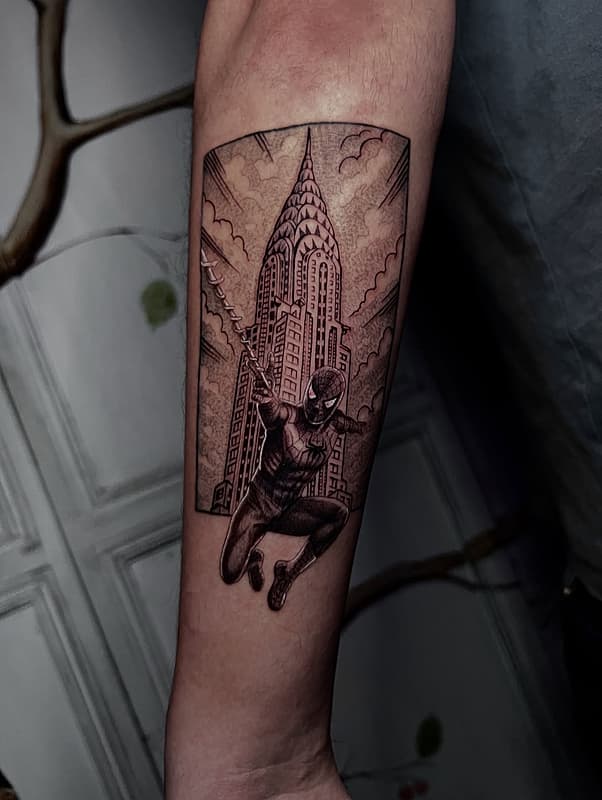
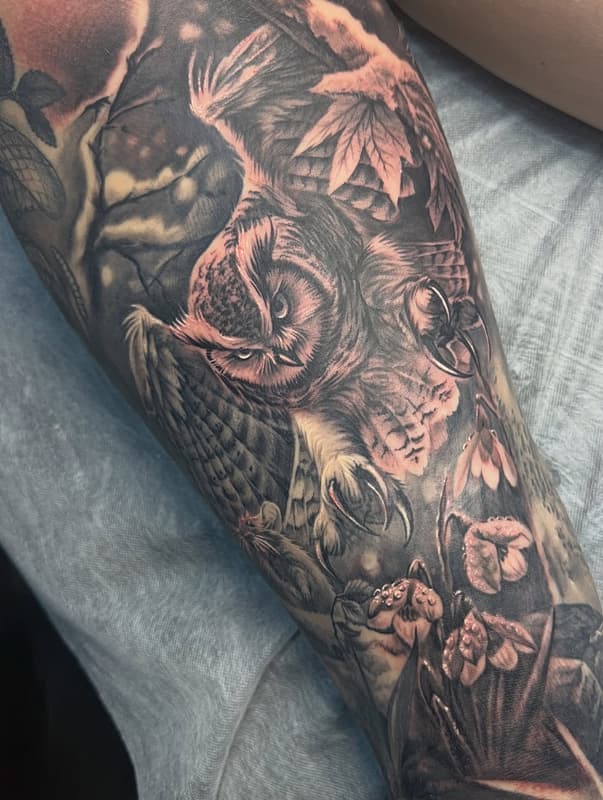
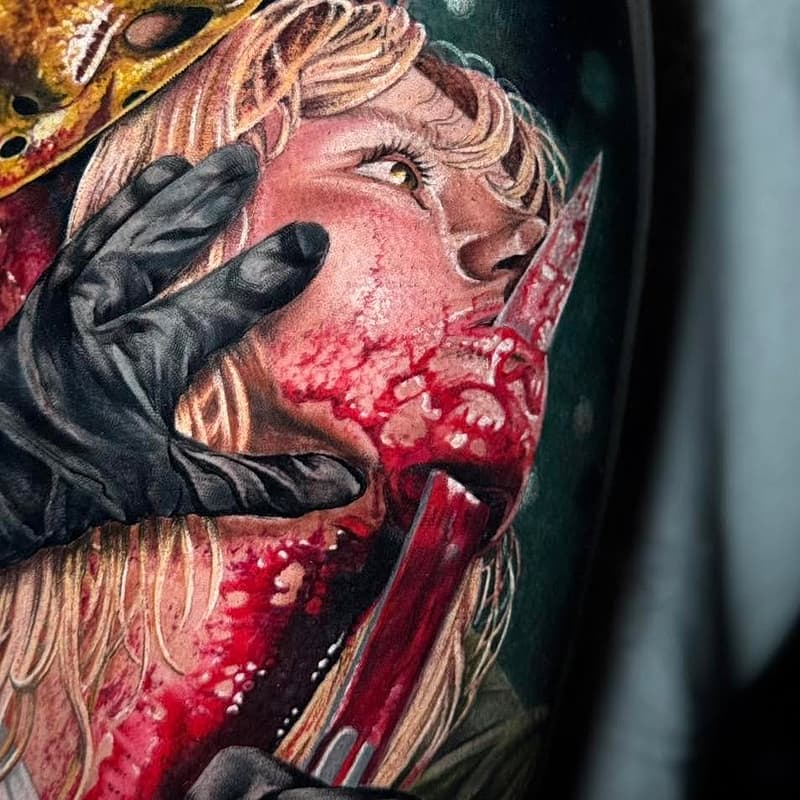
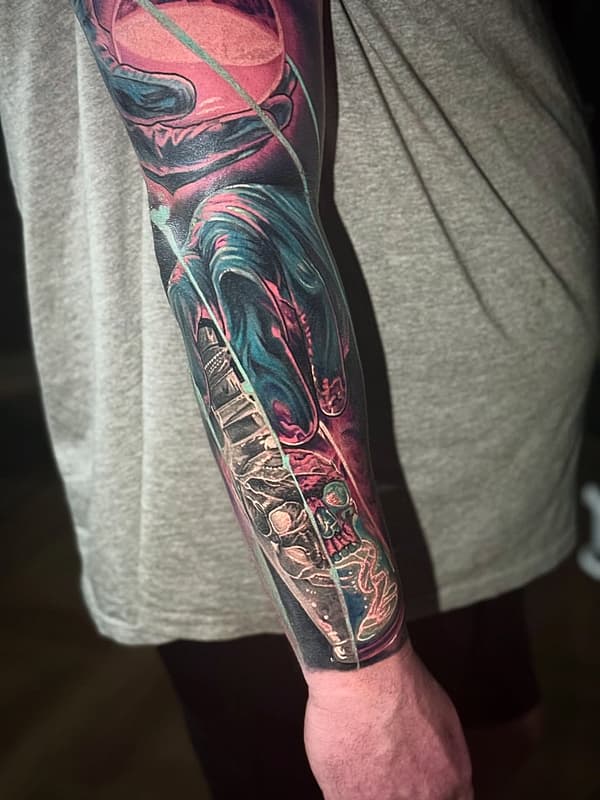
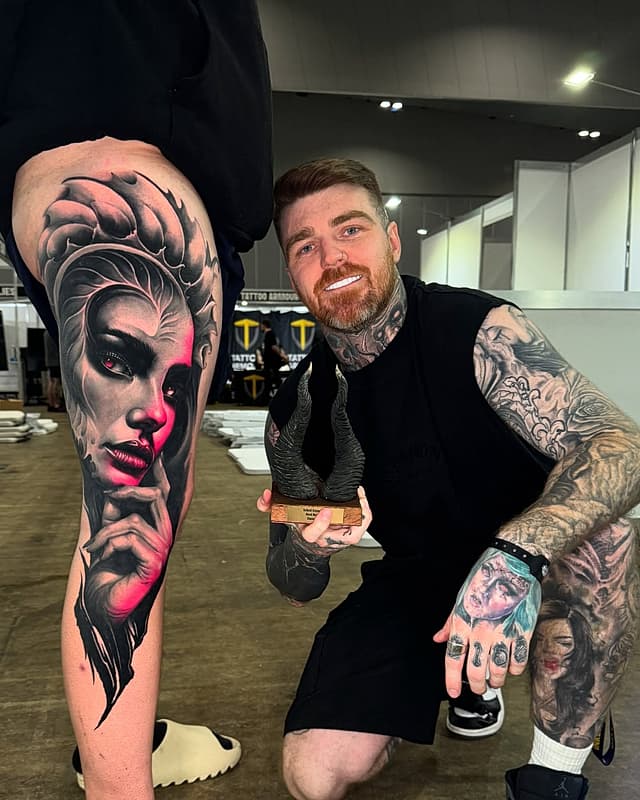
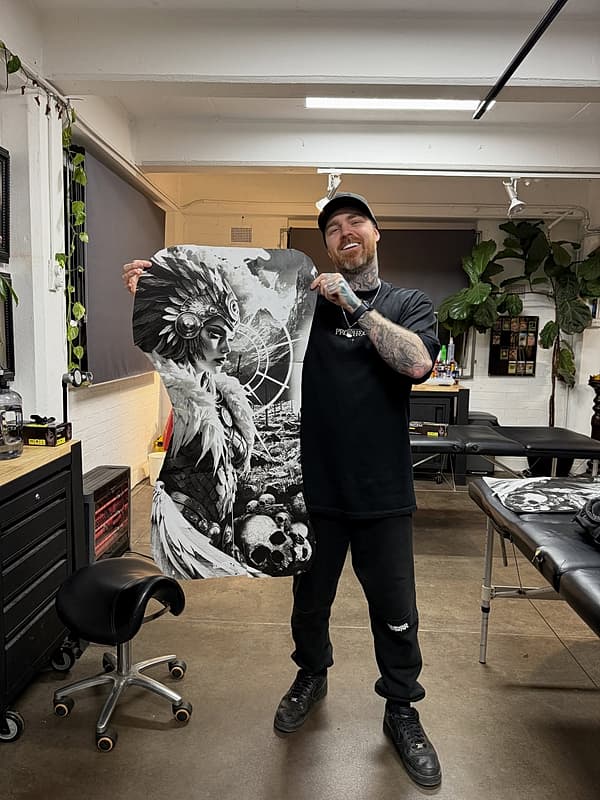
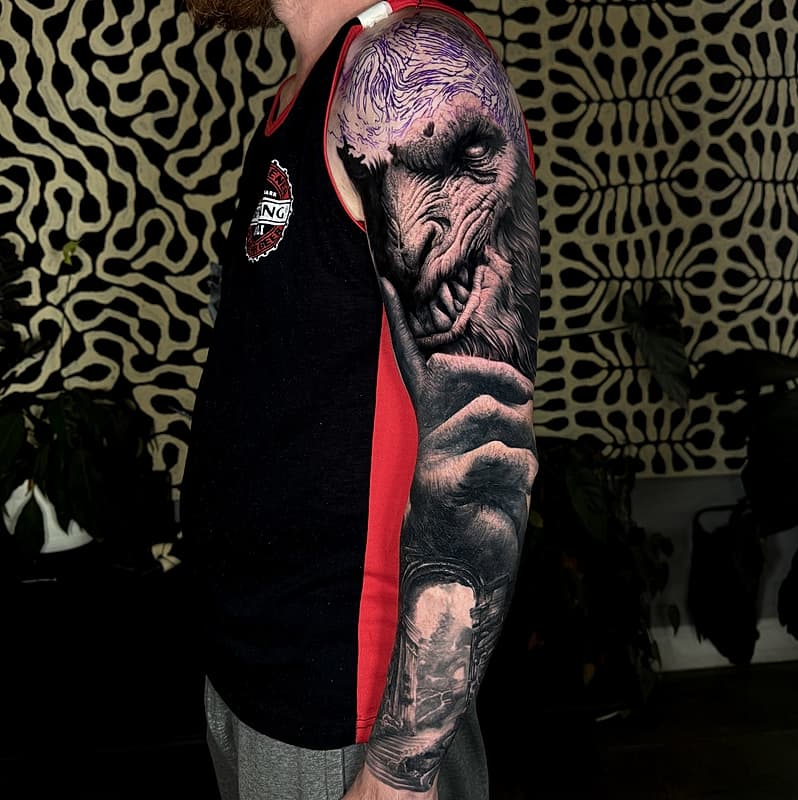
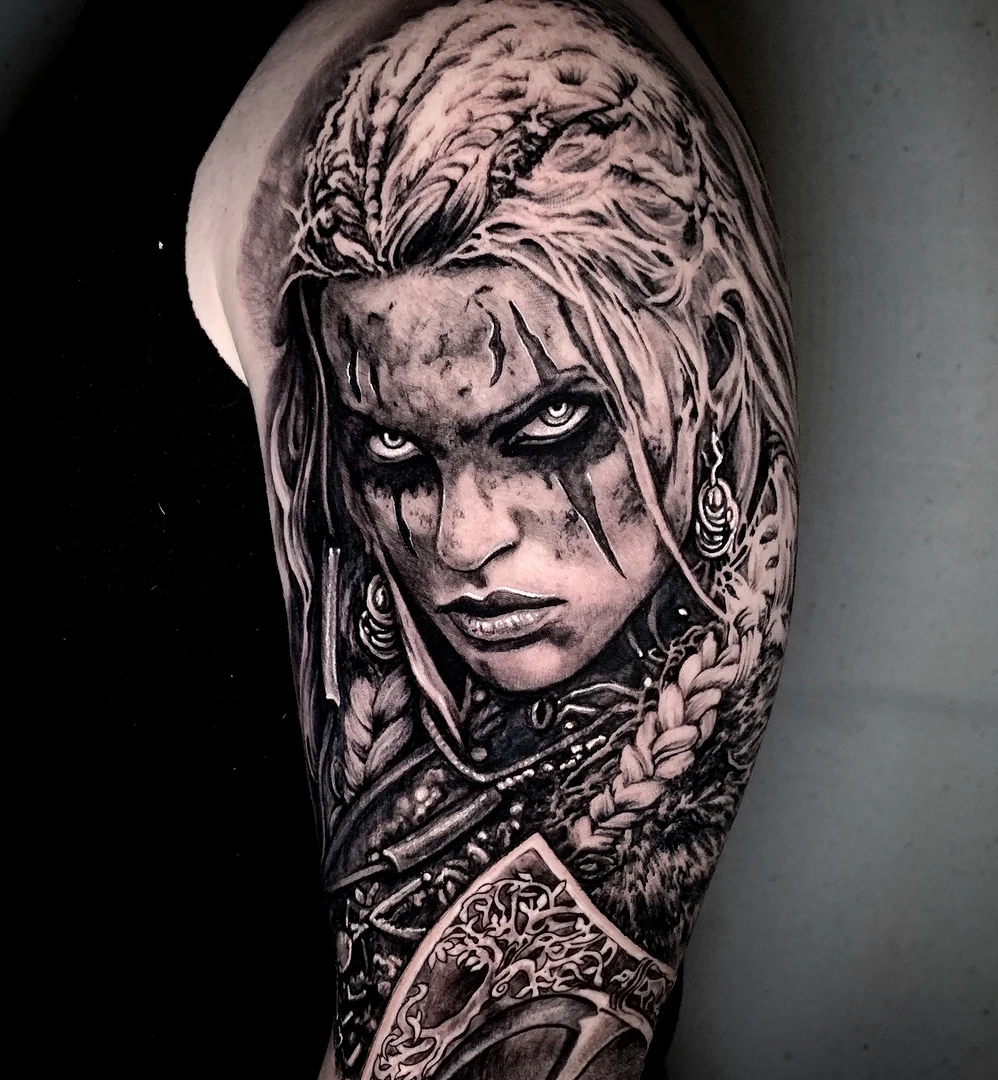
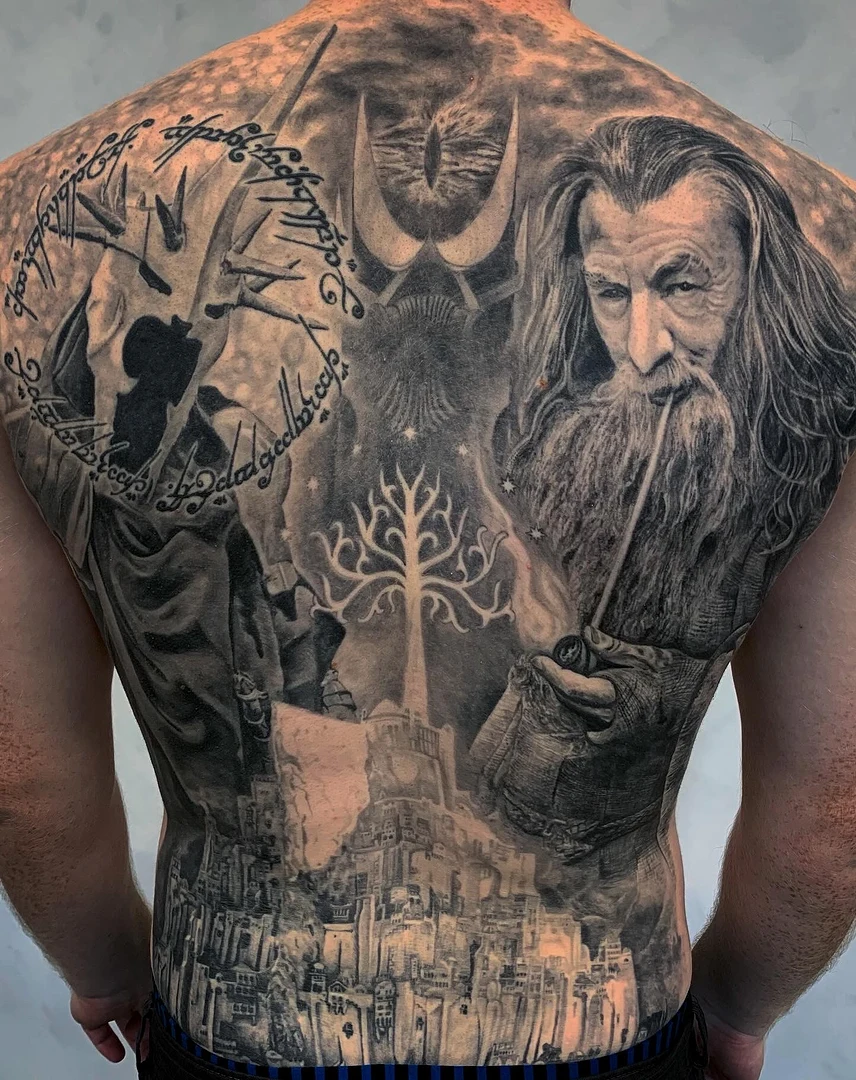
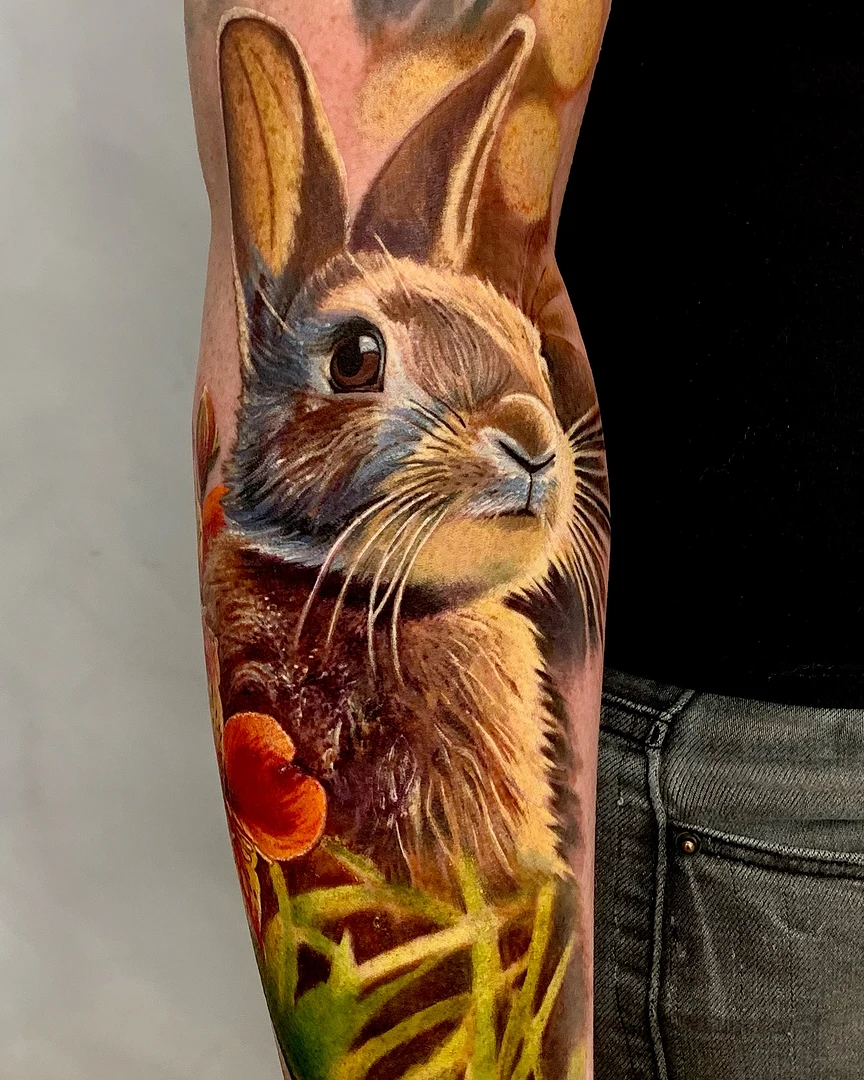

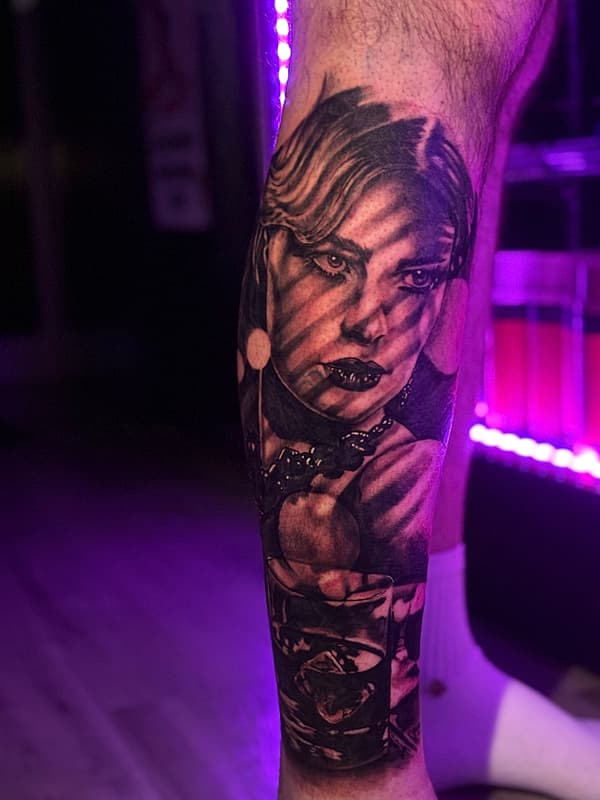
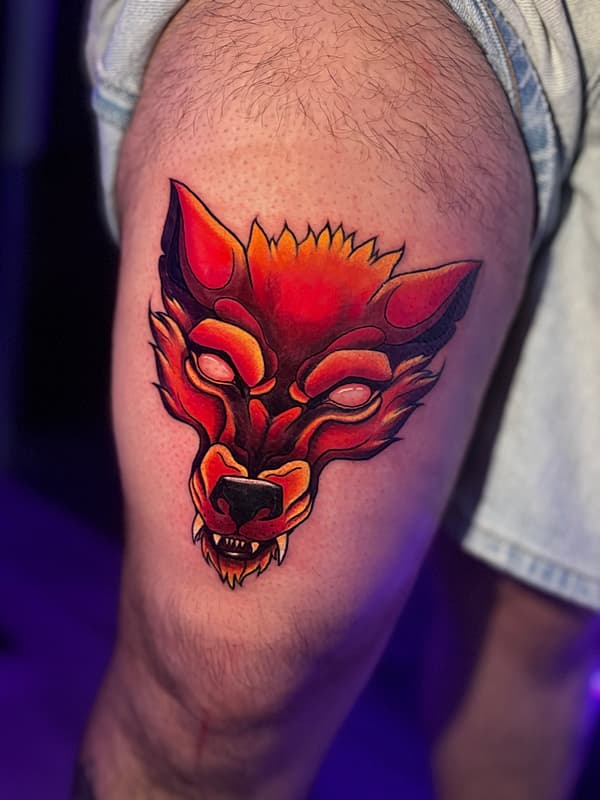
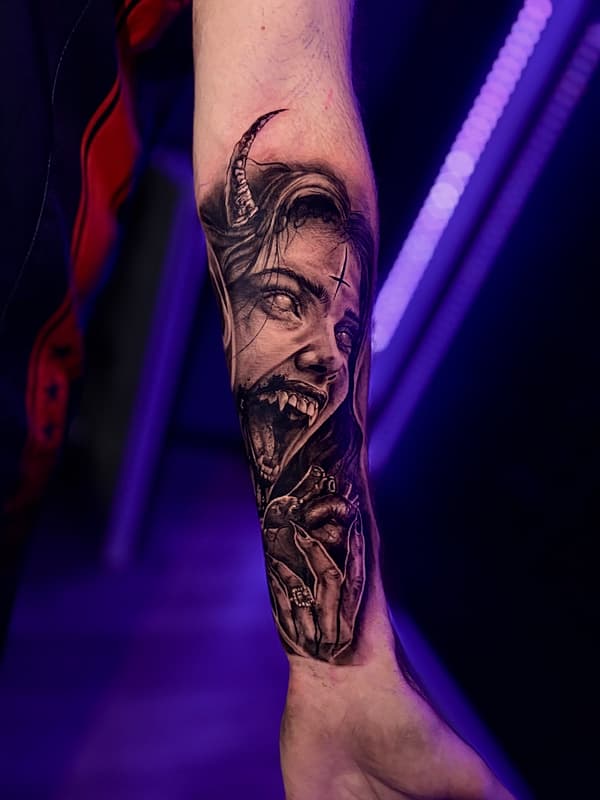
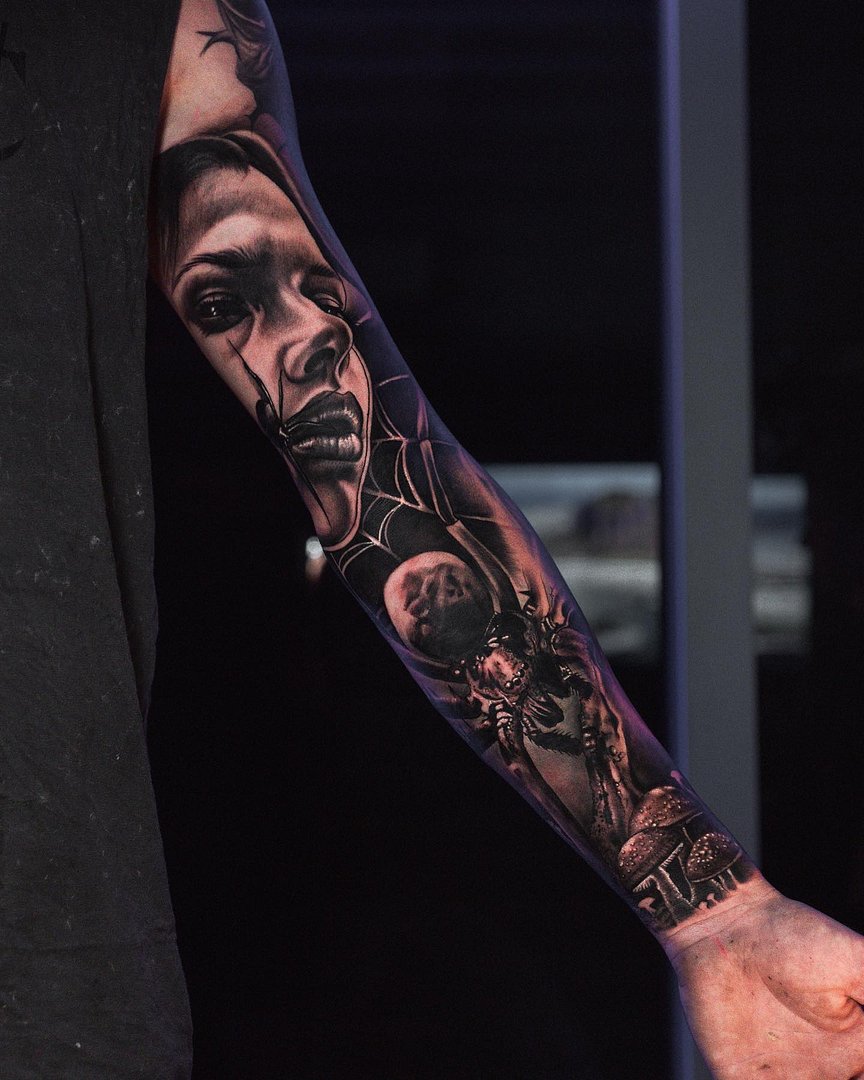
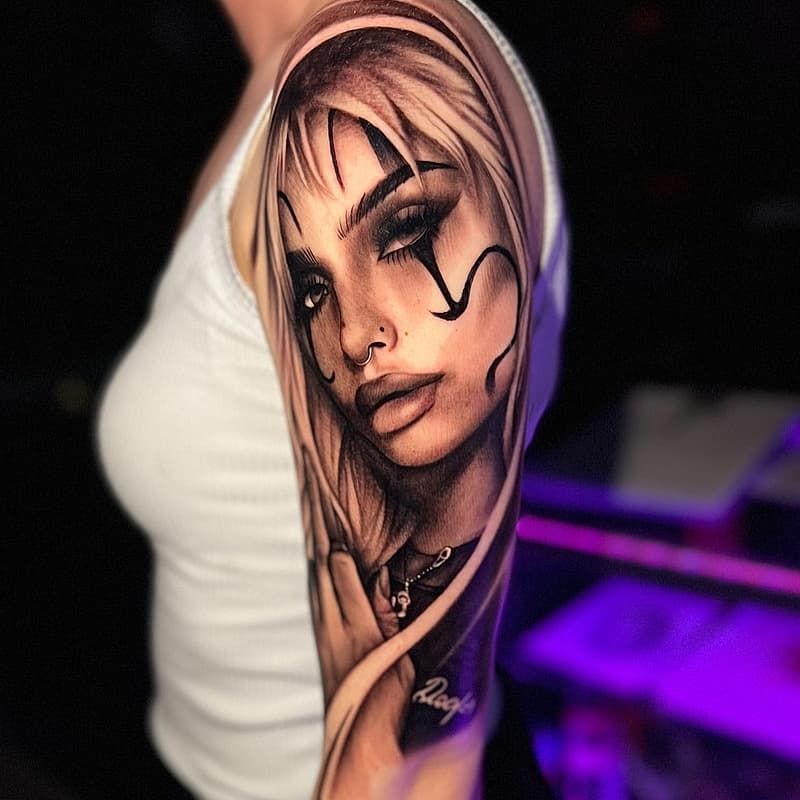
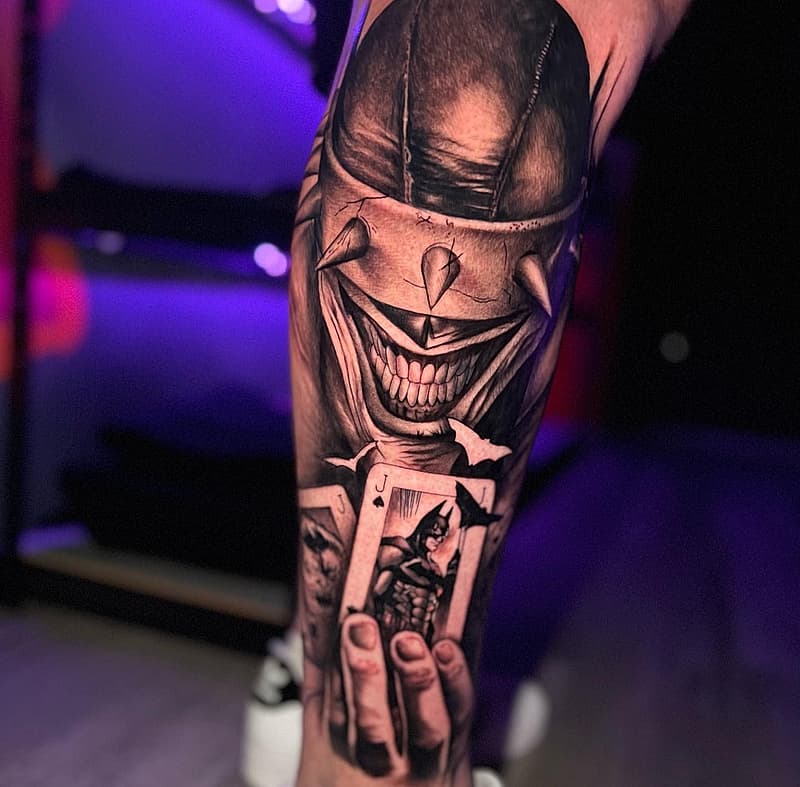
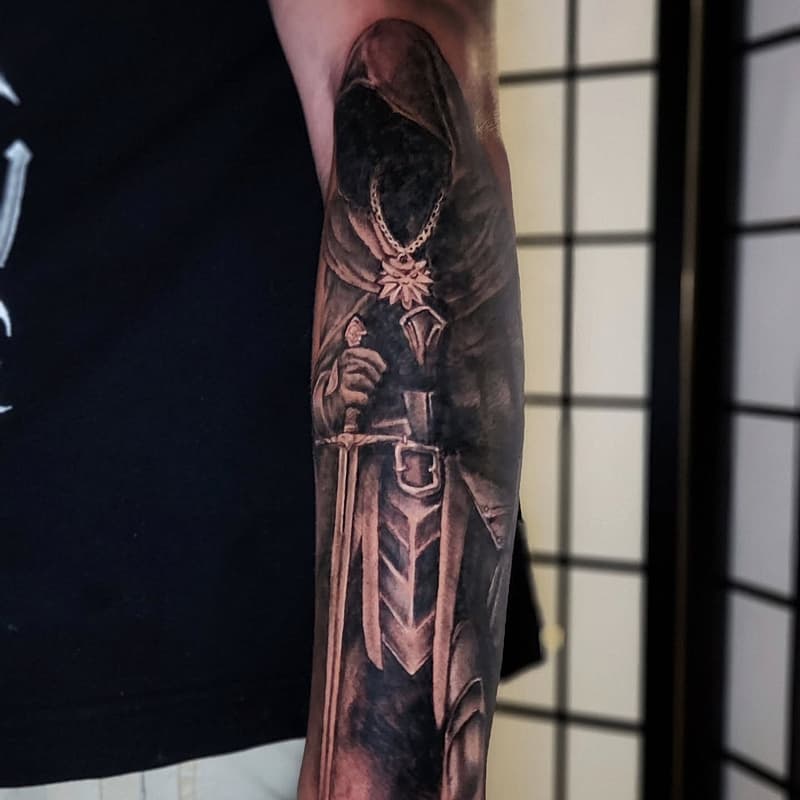
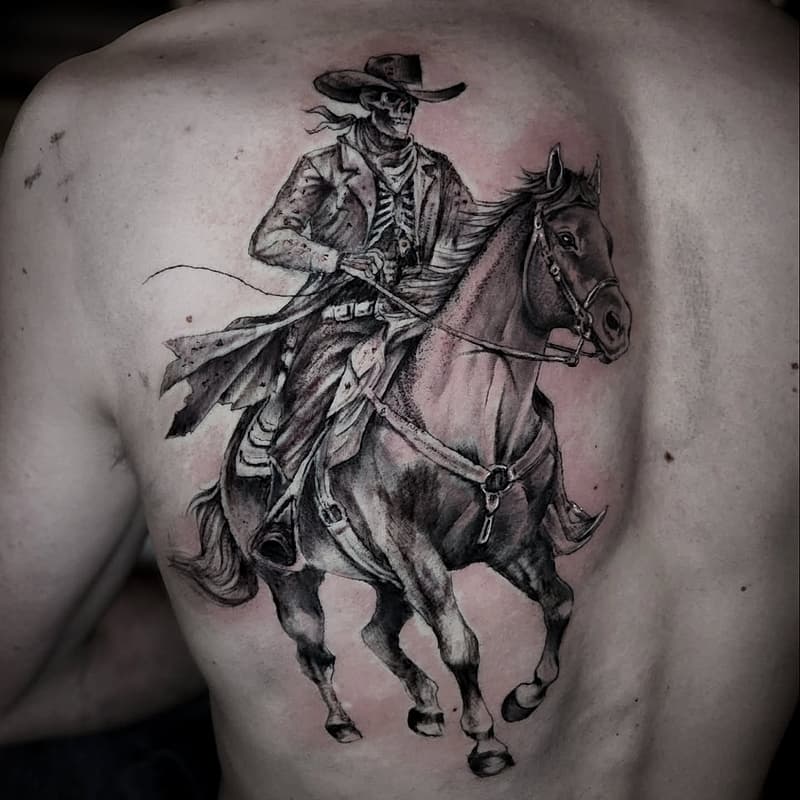
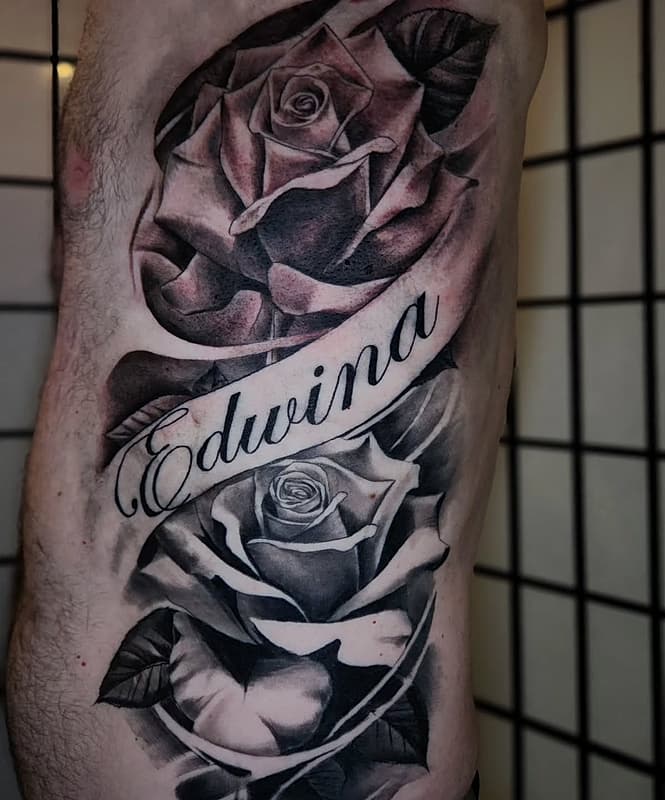
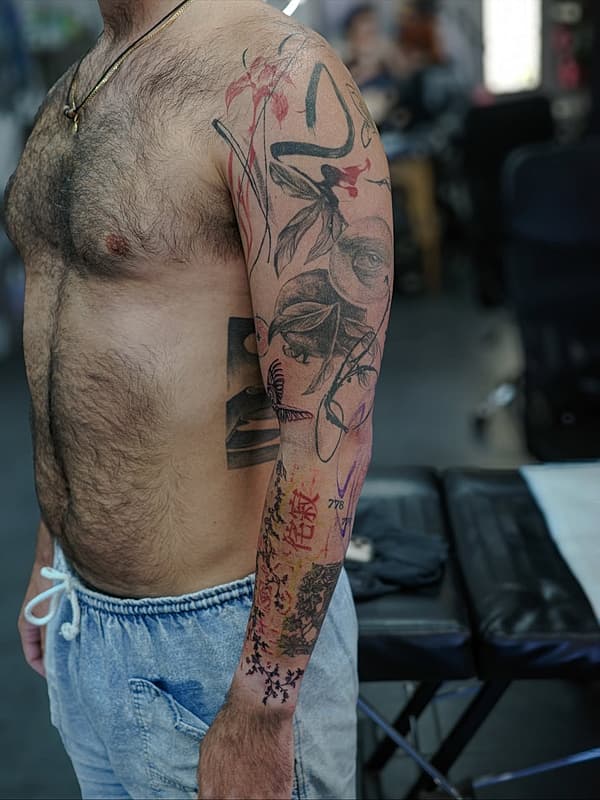
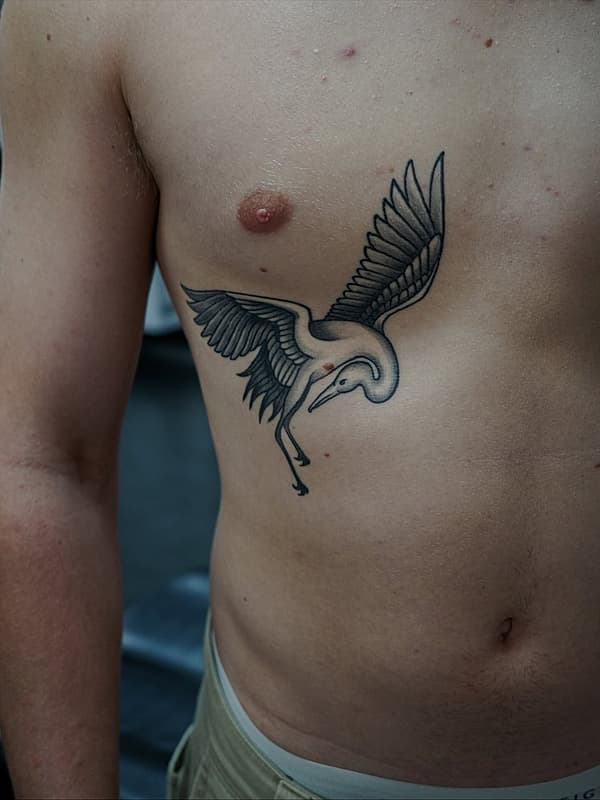
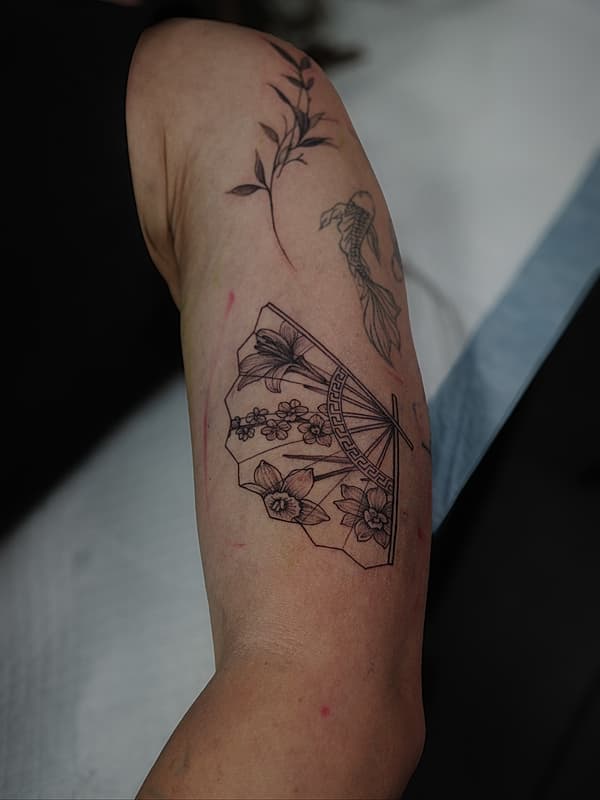
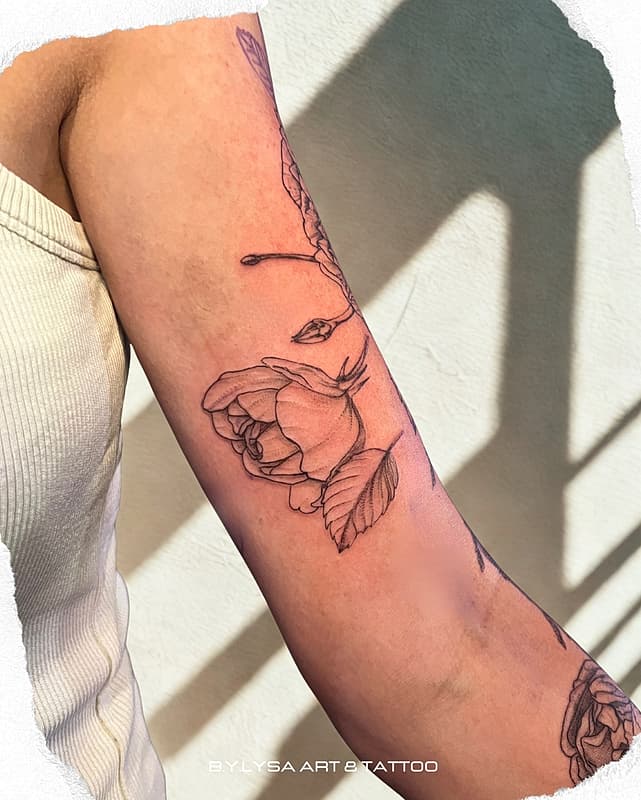
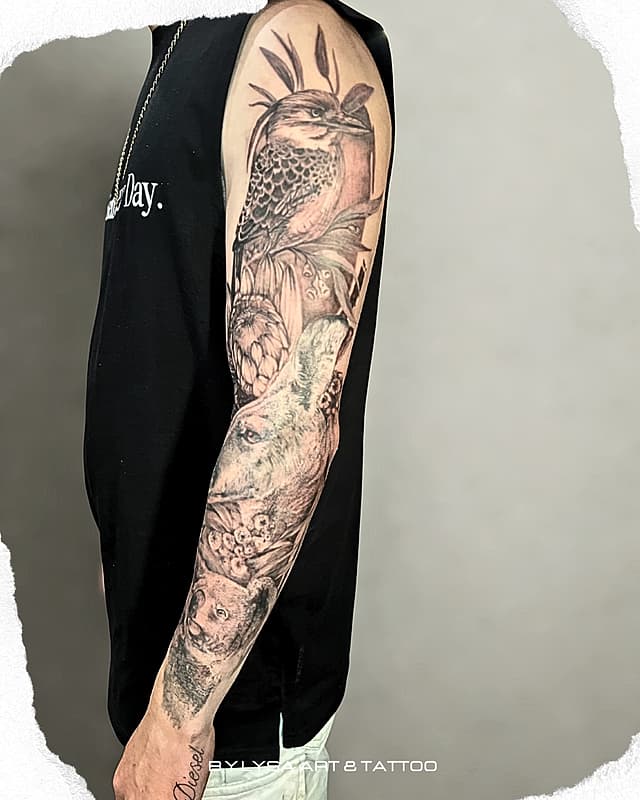
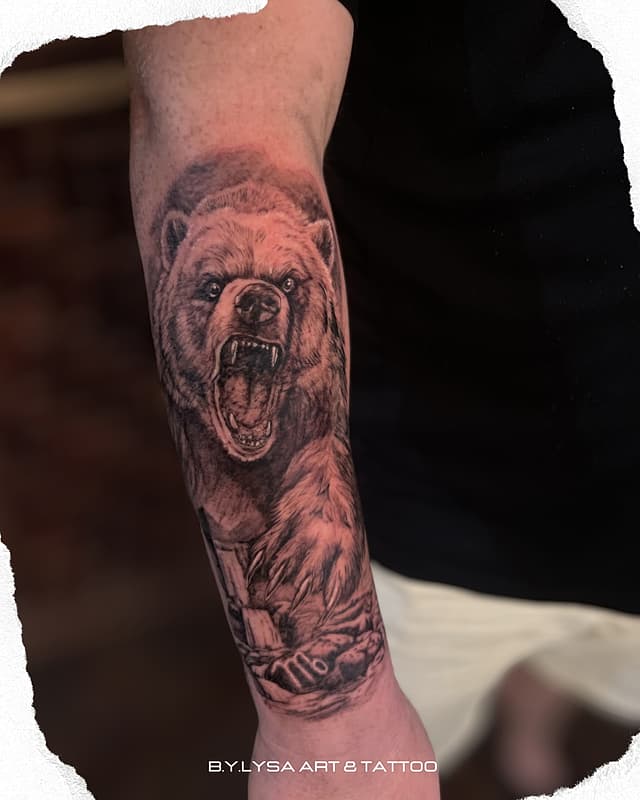
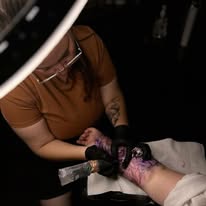
Monochromatic photorealistic tattoos using black and grey shading for stunning contrast and depth.
Black and grey realism creates photorealistic imagery using only black ink diluted to various grey tones. The style originated in American prisons and Chicano culture before evolving into a sophisticated fine art form practiced worldwide. Black and grey realism can achieve stunning depth and dimension through masterful use of contrast, shadow, and highlight. Popular subjects include portraits, religious imagery, wildlife, skulls, and commemorative pieces. Some artists work with pure black ink diluted with water or witch hazel to create grey washes, while others use pre mixed grey inks for consistency. The style demands exceptional understanding of values, light sources, and the way photographs translate onto skin. Black and grey realism often ages better than colour work while maintaining impressive visual impact. The monochromatic palette creates timeless, classic pieces that suit a wide range of clients and placements. This is realism distilled to its essentials, proving that full colour isn't necessary for lifelike results.
What to look for: Assess portfolios for smooth gradient transitions, proper use of contrast, and convincing three dimensional depth. Black and grey realism depends on mastery of values, the range from pure black to skin tone white. Check healed work photos, as grey tones can settle differently than they appear fresh. Portraits should capture accurate likenesses with natural looking skin tones.
157 artists specialising in Realism (black & grey) across Australia
Black and grey realism is time intensive like all realism work, though sometimes slightly faster than colour realism since there's no colour matching or switching between pigments. Small pieces might take two to five hours, while medium work like portraits often requires five to ten hours. Larger black and grey realism pieces such as sleeves typically need 25 to 45 hours across multiple sessions. The smooth gradient work and detailed shading require careful, deliberate application. Some artists prefer longer sessions for continuity, while others work in shorter blocks to maintain precision. The style rewards patience from both artist and client, as rushing compromises the subtle tonal work that makes black and grey realism impressive.
Black and grey realism involves extensive shading work, meaning more needle time building up tonal values across the design. This sustained shading can be tiring during long sessions. The sensation differs from line work, with magnum needles used for shading creating a broader, often described as more grinding, feeling. However, the style isn't inherently more painful than other detailed approaches. Pain depends primarily on placement and individual tolerance. Black and grey realism sessions tend to be long, so cumulative fatigue is a factor. Working with an experienced artist who manages pacing and suggests breaks helps make intensive sessions comfortable. Proper preparation, including rest, hydration, and eating beforehand, makes a significant difference.
Black and grey realism is priced at the premium end of tattooing due to the skill and time required. Hourly rates for quality black and grey realism artists in Australia range from $180 to $400. Small pieces might cost $400 to $1,000, medium work like portraits typically runs $1,200 to $3,500, and larger projects can cost $4,000 to $12,000 or more. Full sleeves in black and grey realism often cost $8,000 to $20,000 depending on the artist and complexity. Pricing reflects the years of training and artistic ability required to master this demanding style. As with colour realism, quality matters enormously. Invest in a proven artist whose portfolio demonstrates consistent excellence.
Black and grey realism generally ages better than colour realism while still requiring careful execution and appropriate sizing. The monochromatic palette means no concerns about colour shifting or fading differently, though the grey tones will soften somewhat over years. Very subtle details and light grey tones may become less distinct, while stronger contrast areas maintain their impact. Well executed black and grey realism with appropriate contrast and sizing remains impressive for decades. The style benefits from designs that incorporate strong darks and clear highlights, as these anchor the piece as subtler midtones soften. Sun protection helps preserve contrast. Touch ups may be desired over years, which is normal for any realism work.