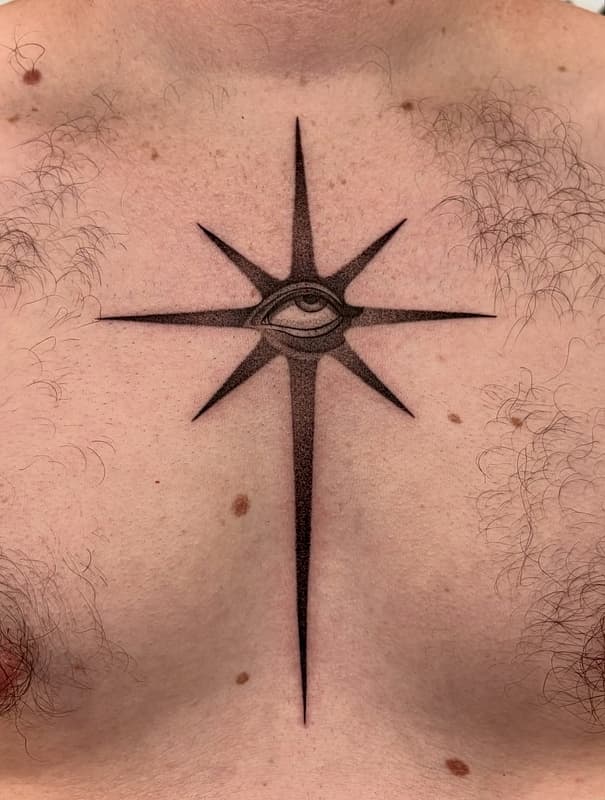
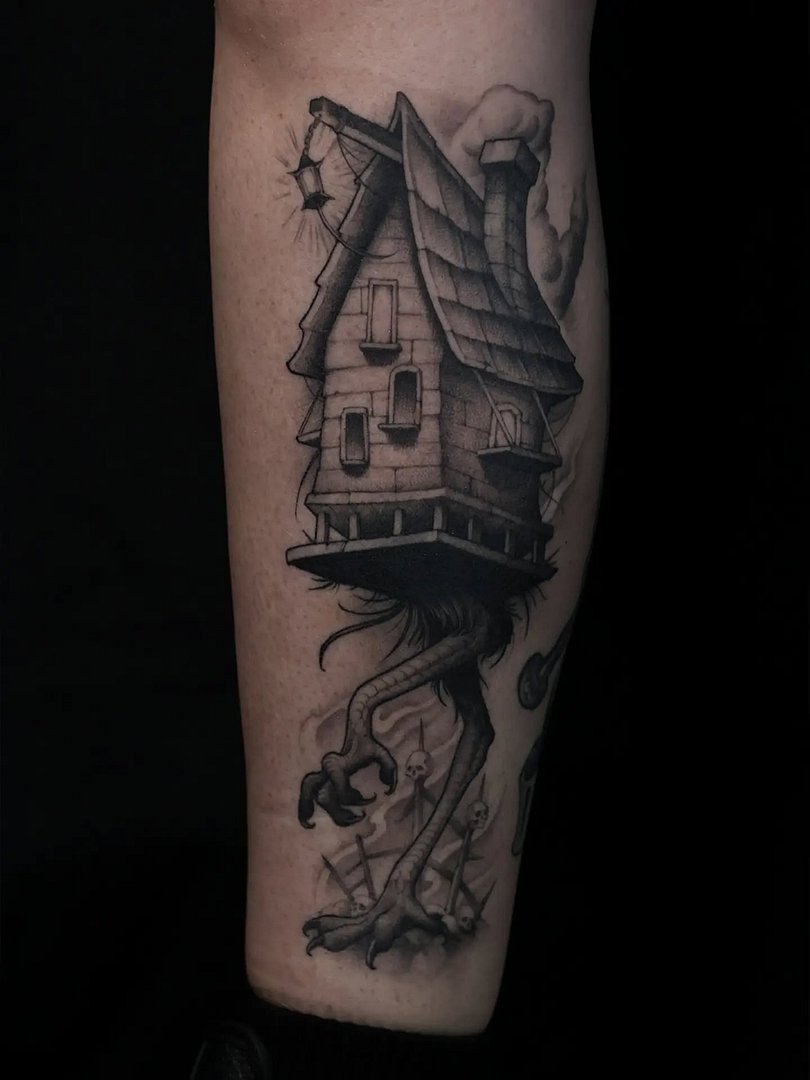
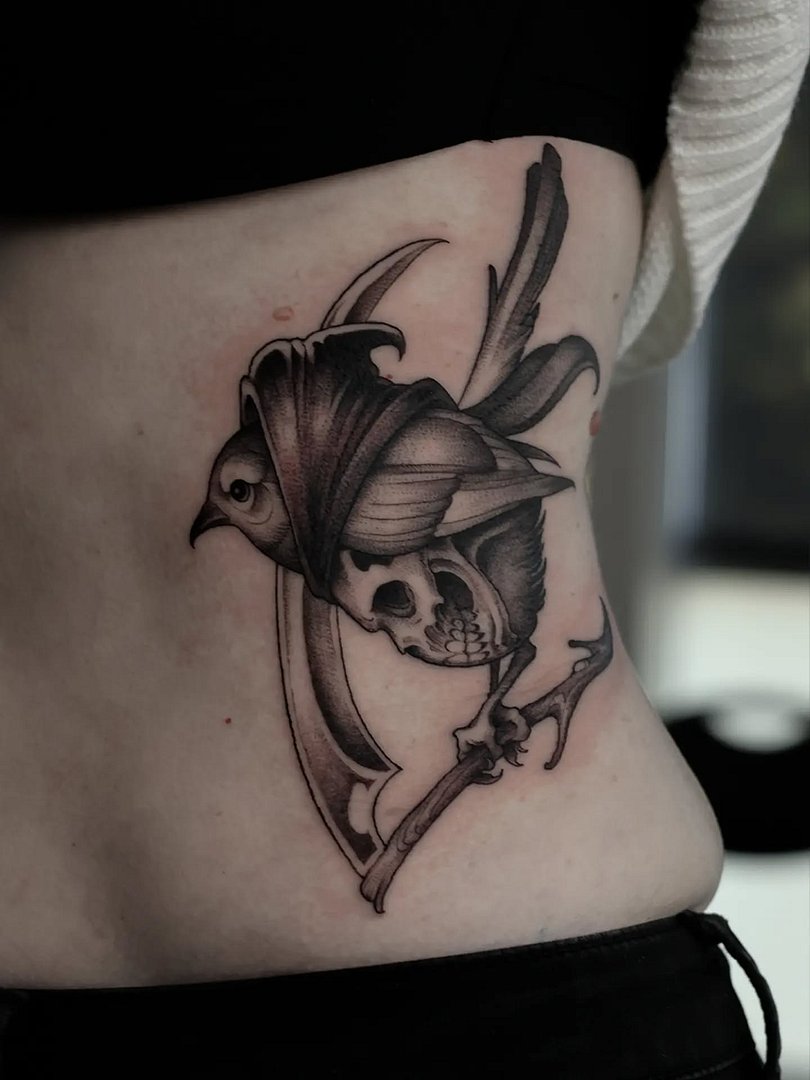
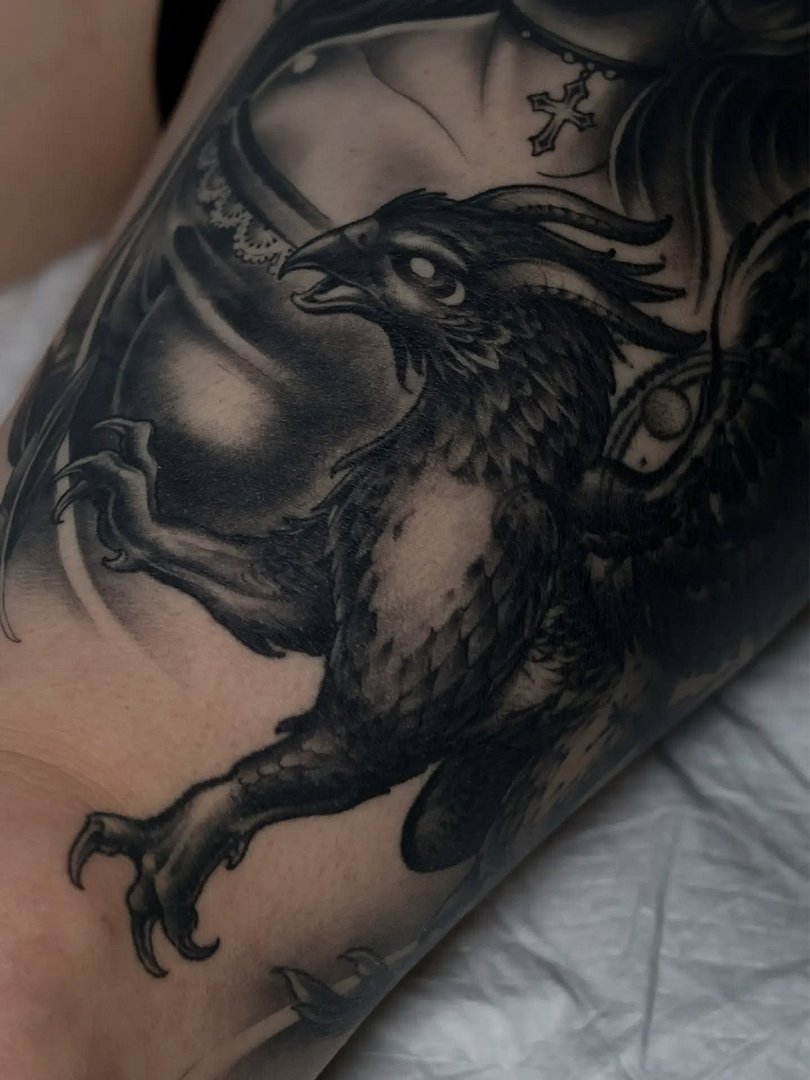
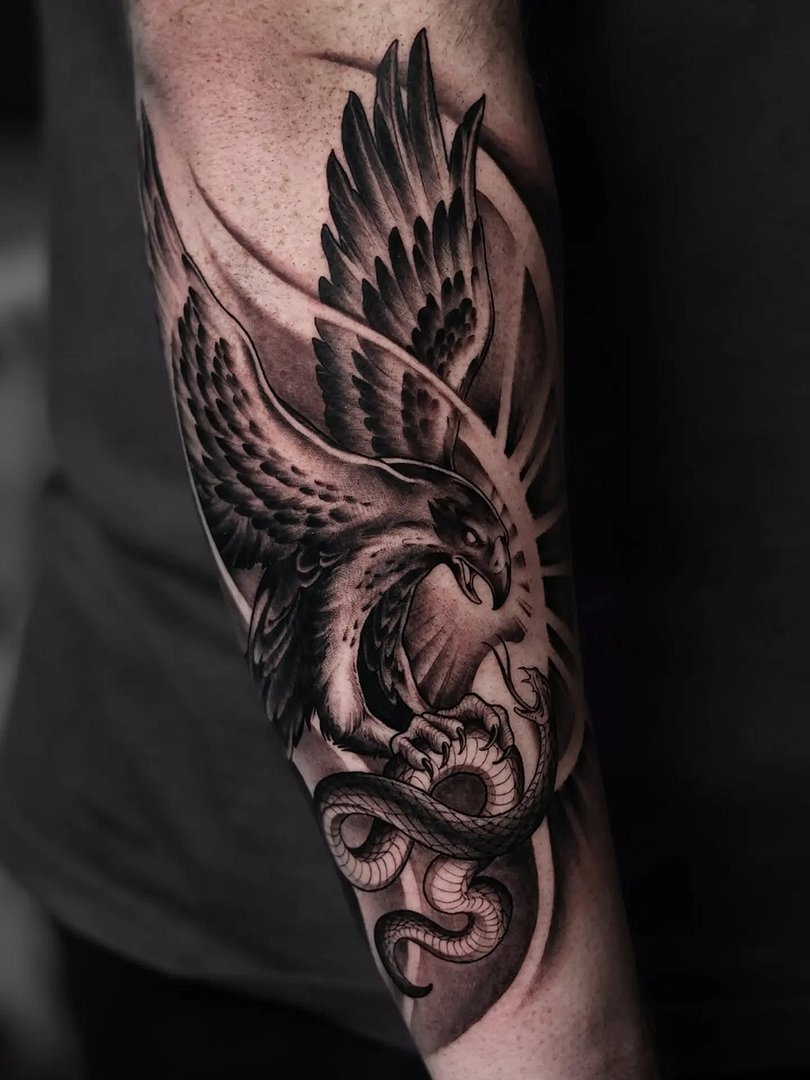
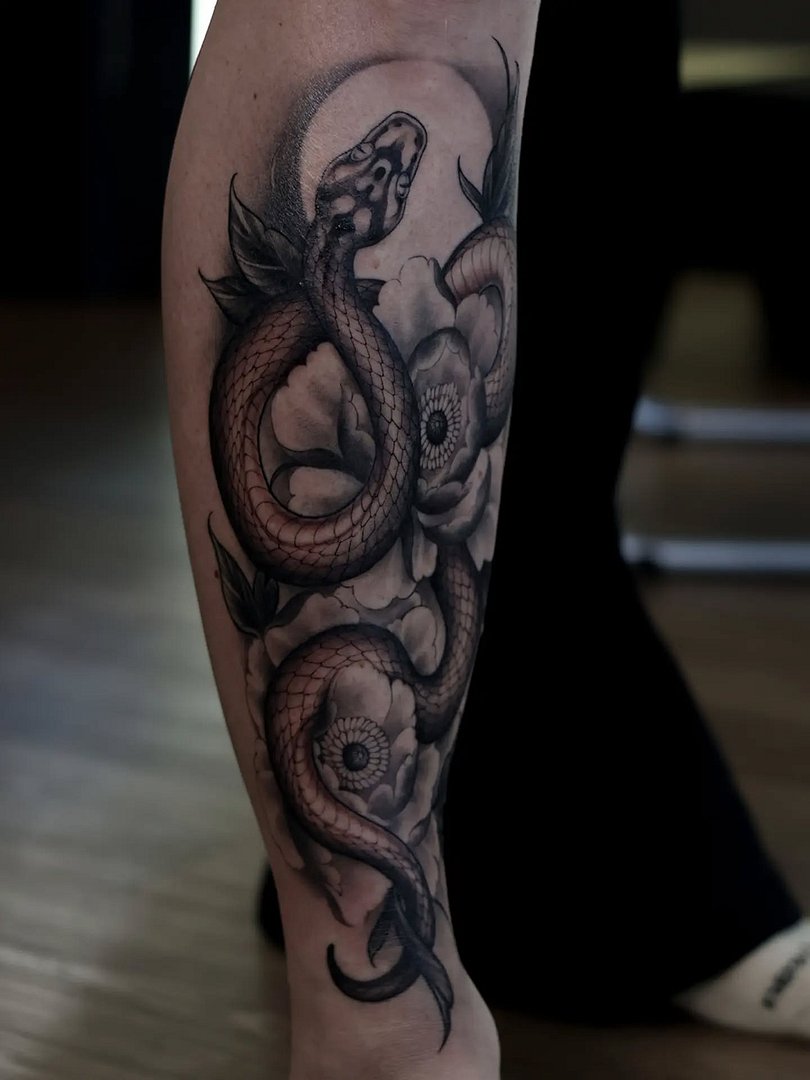
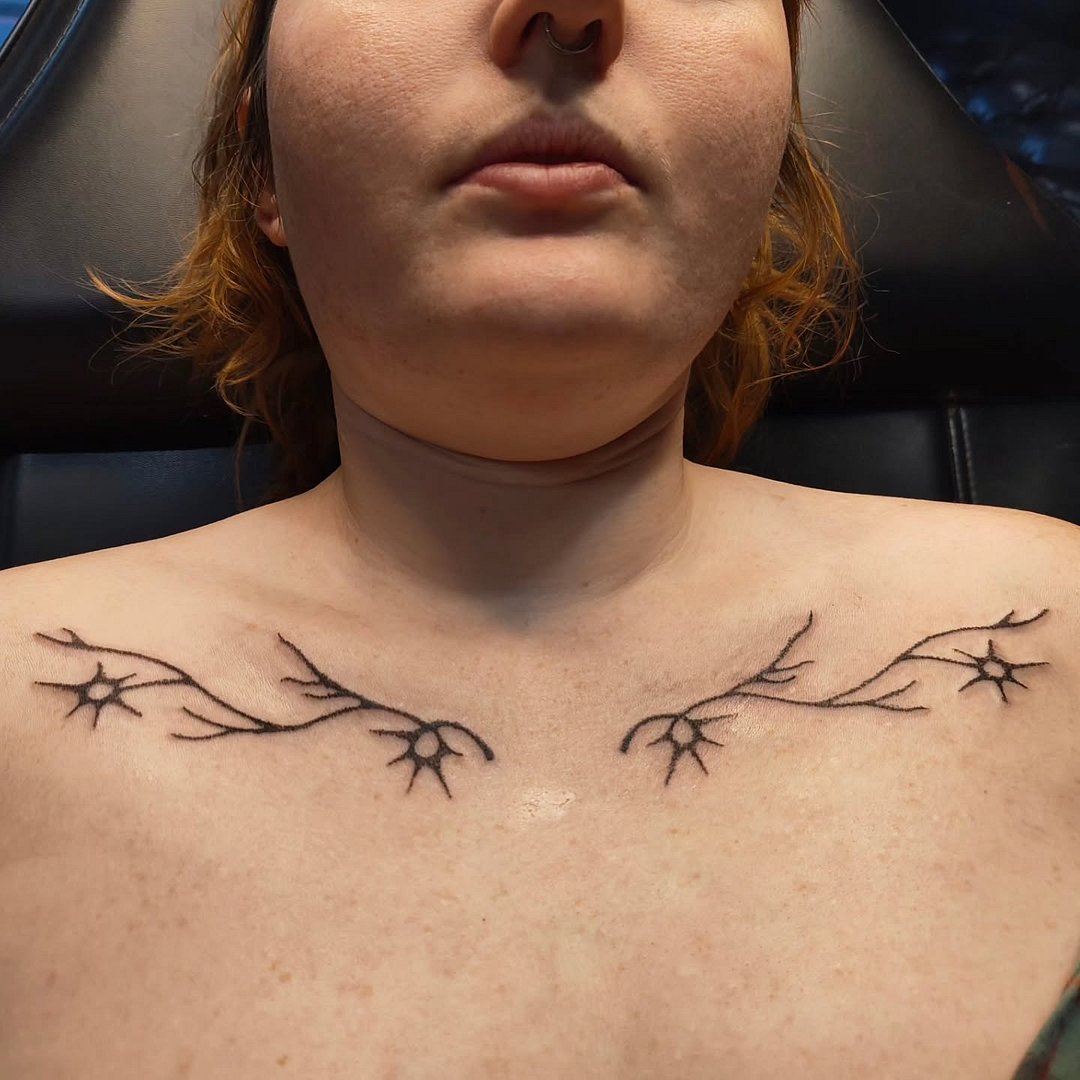
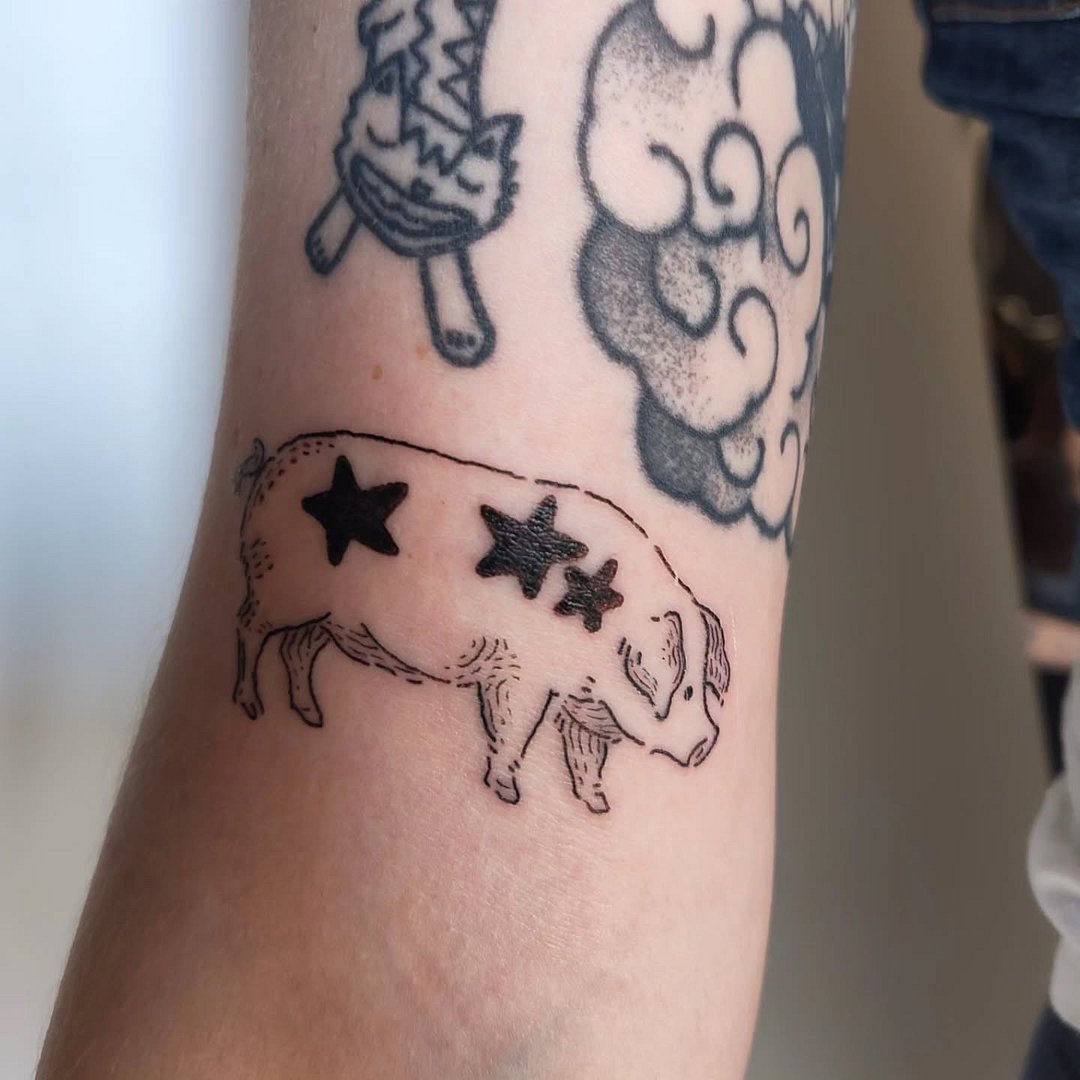
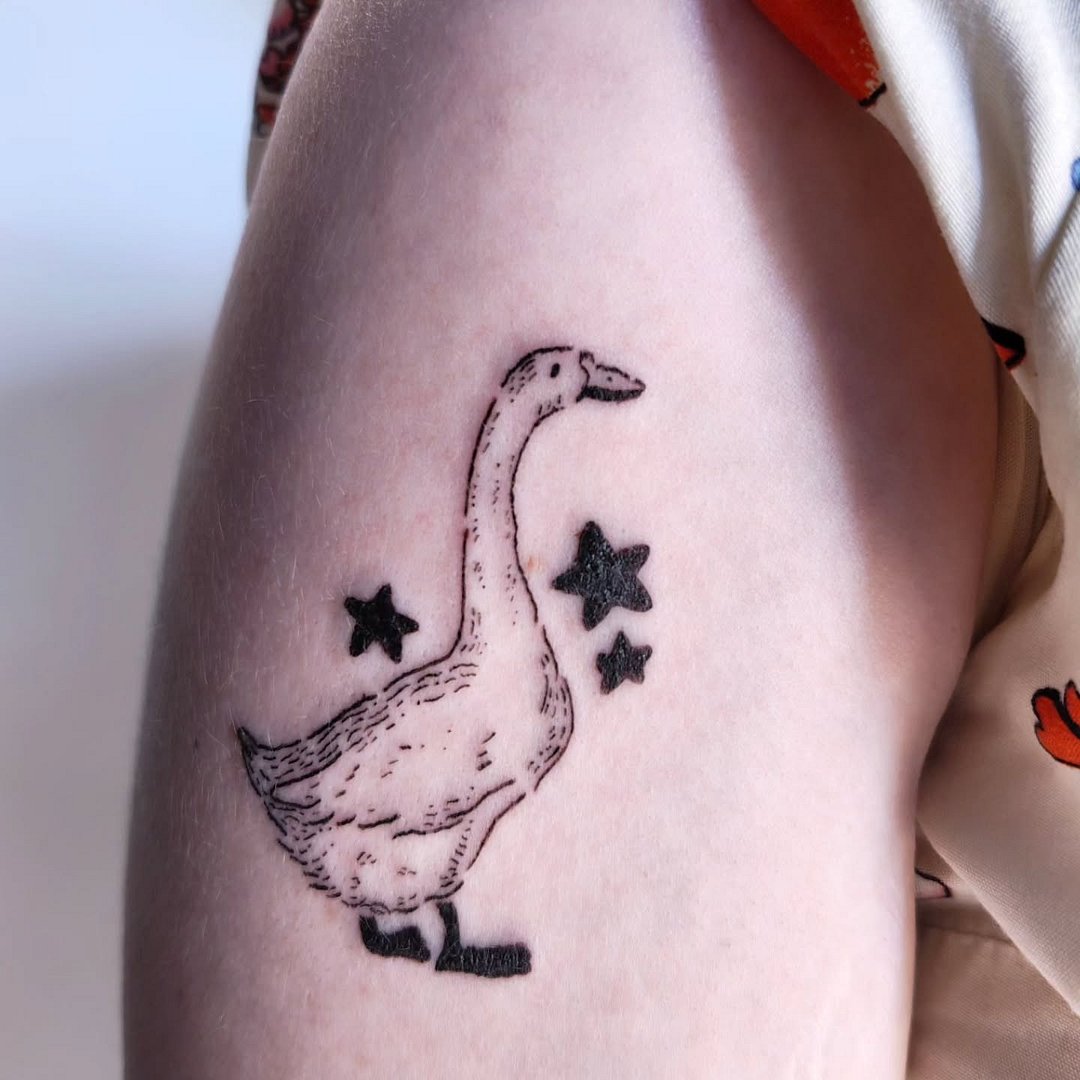
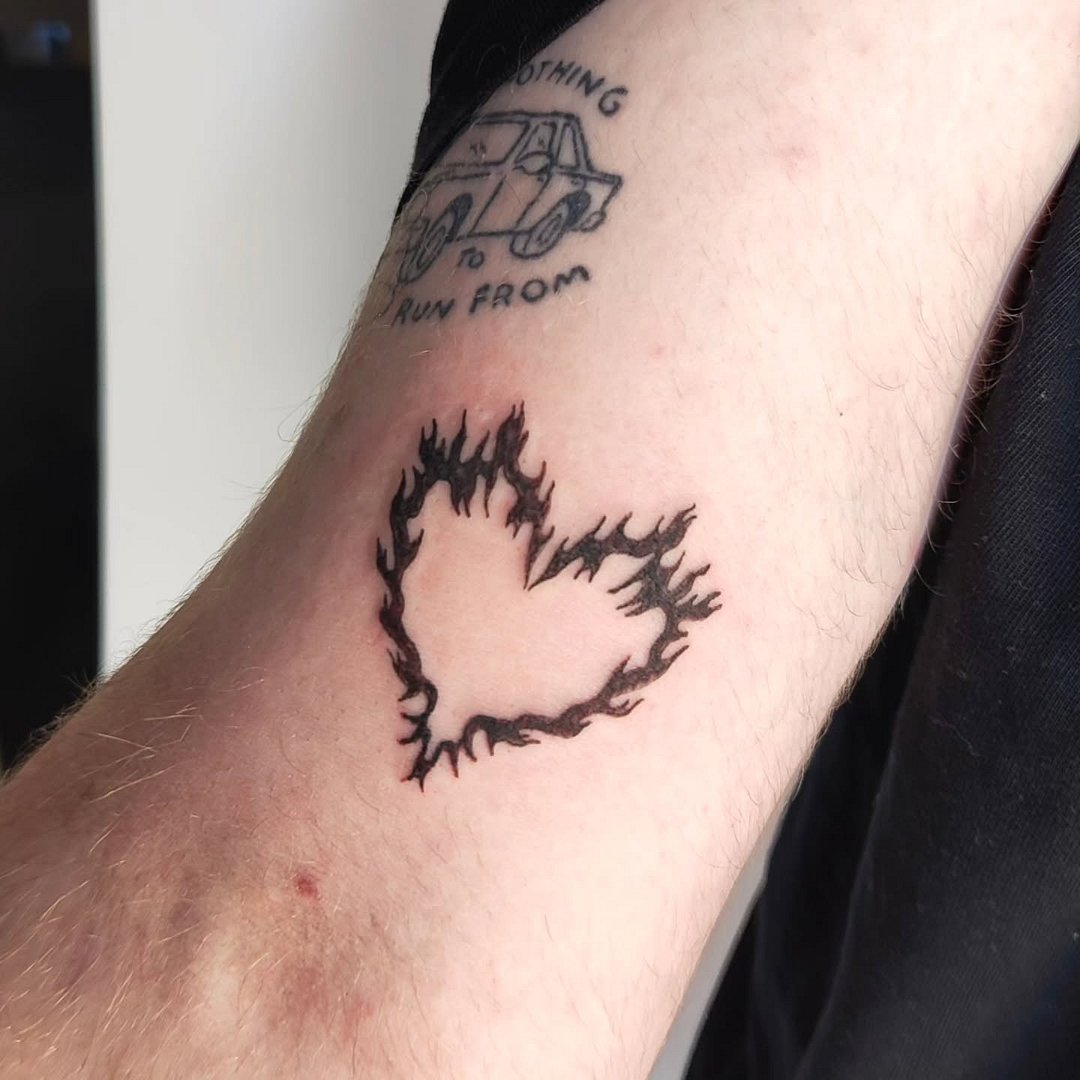
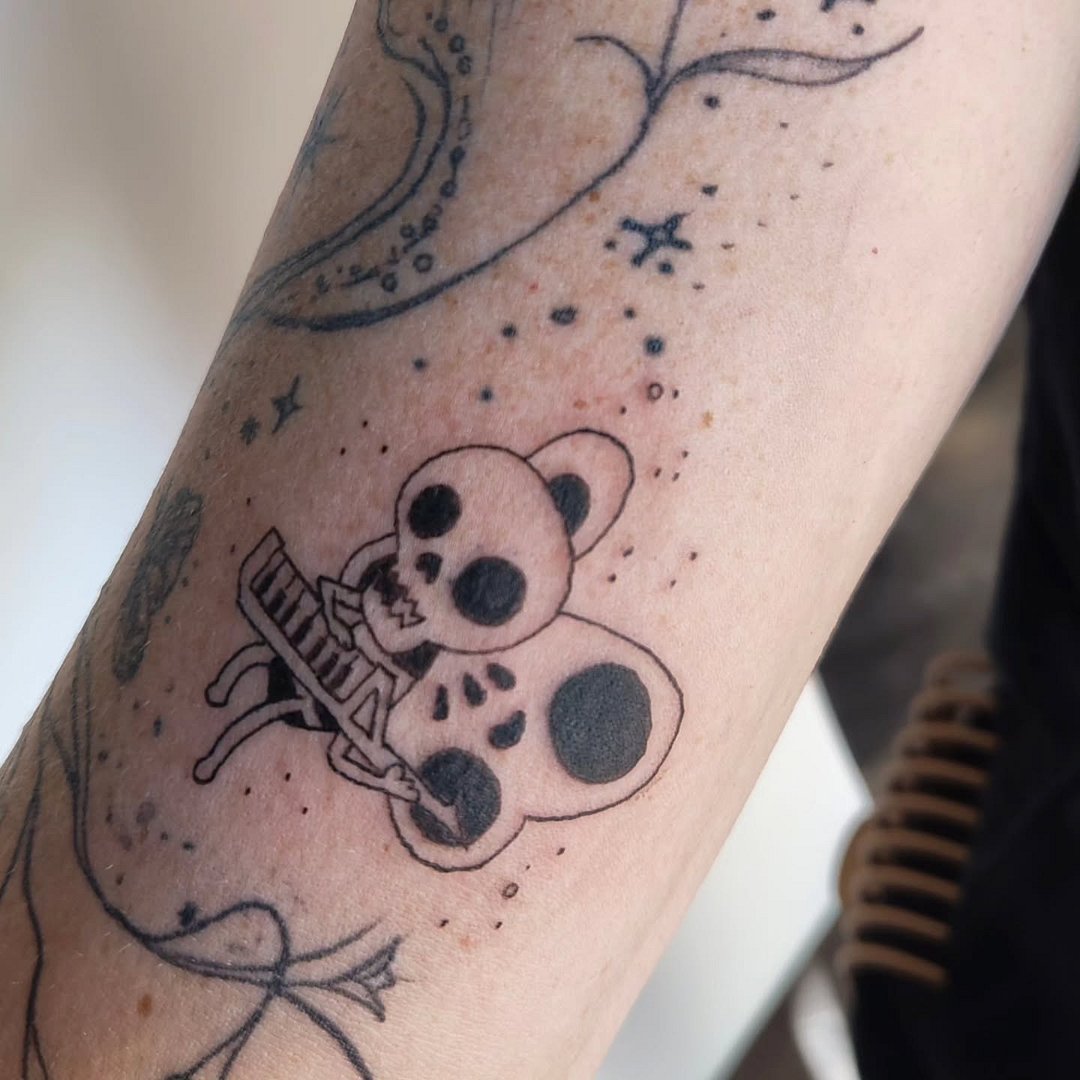
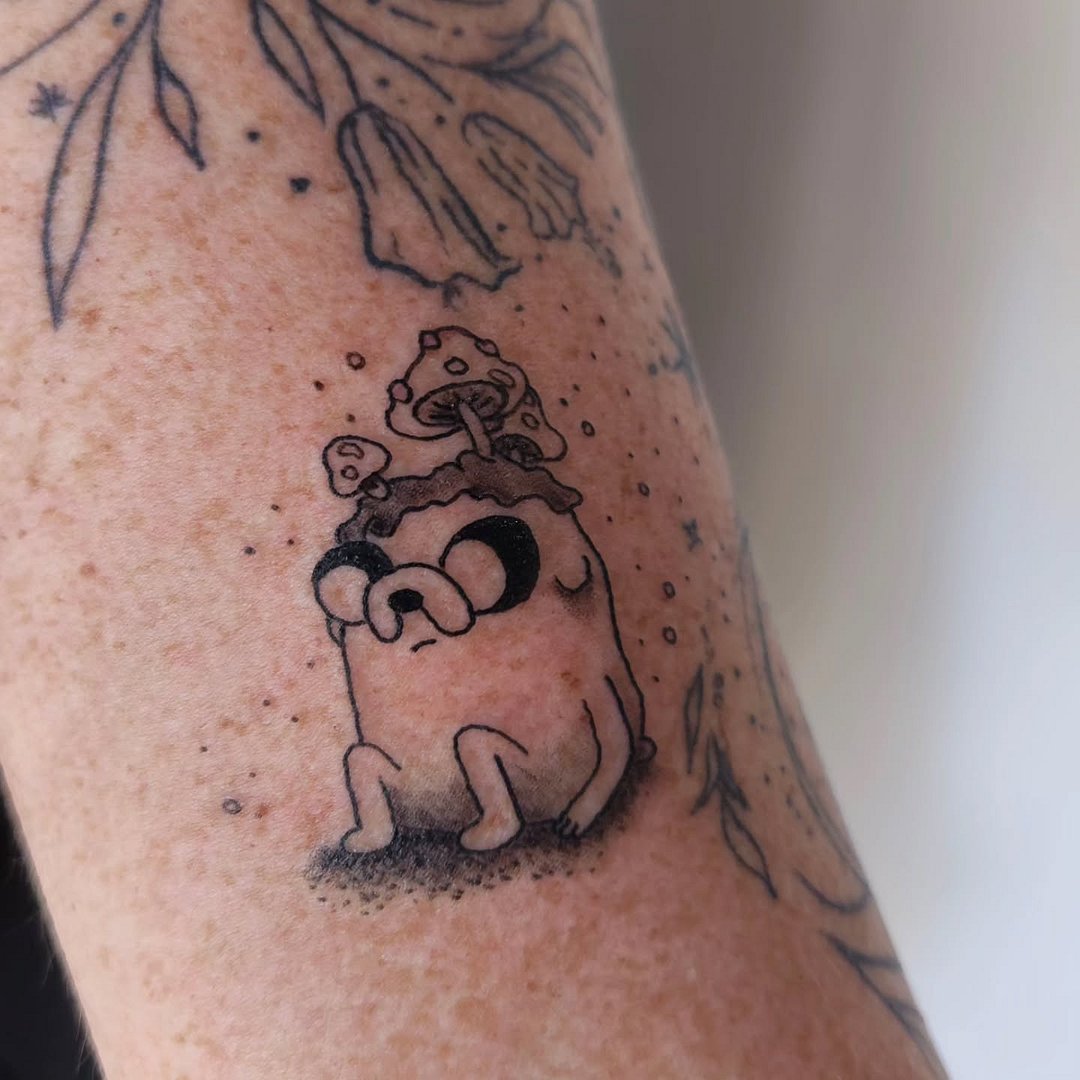
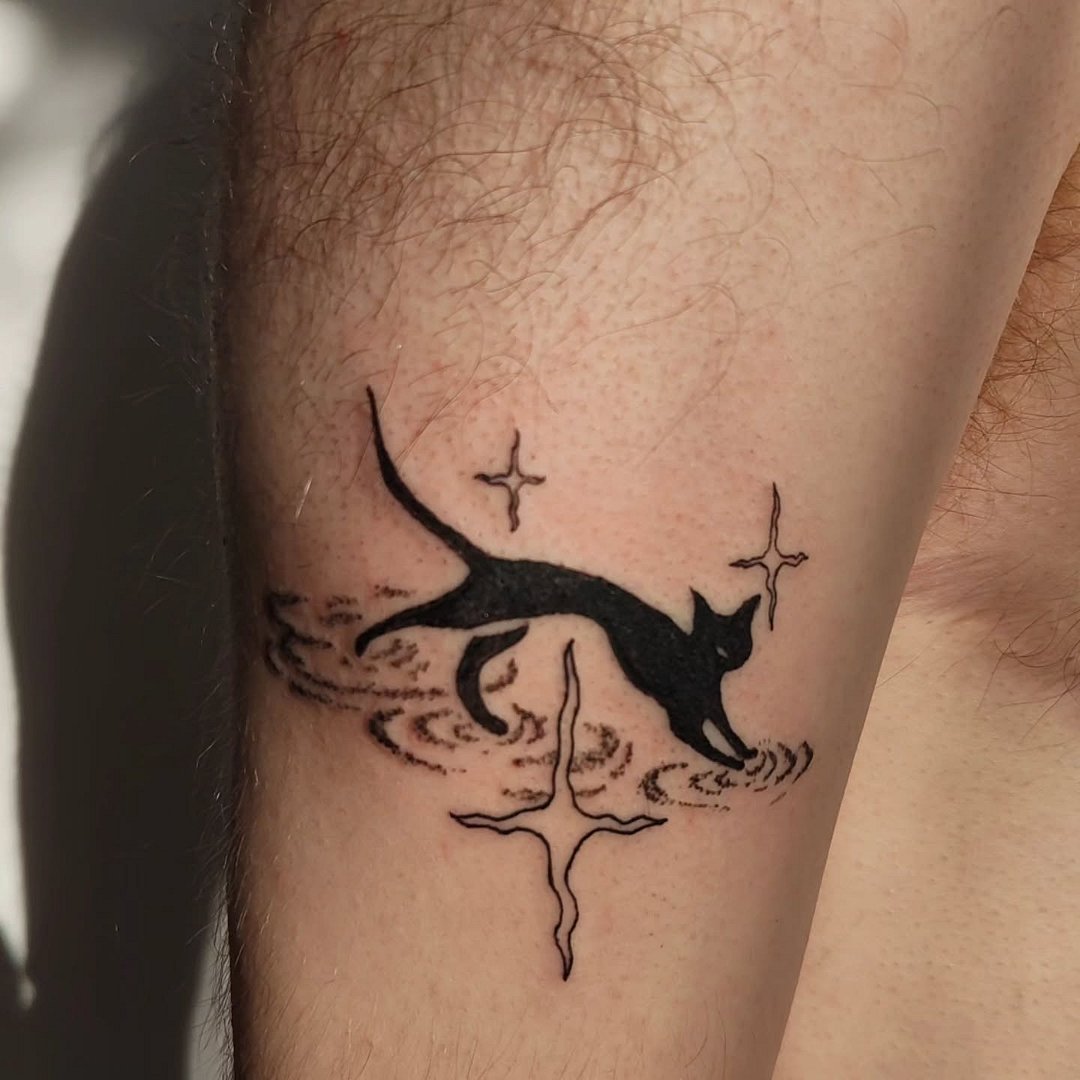
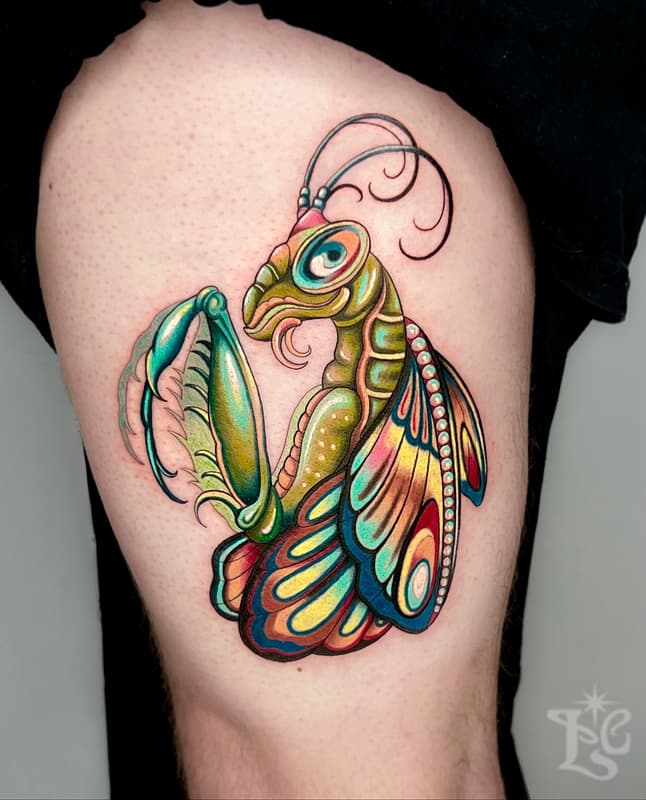
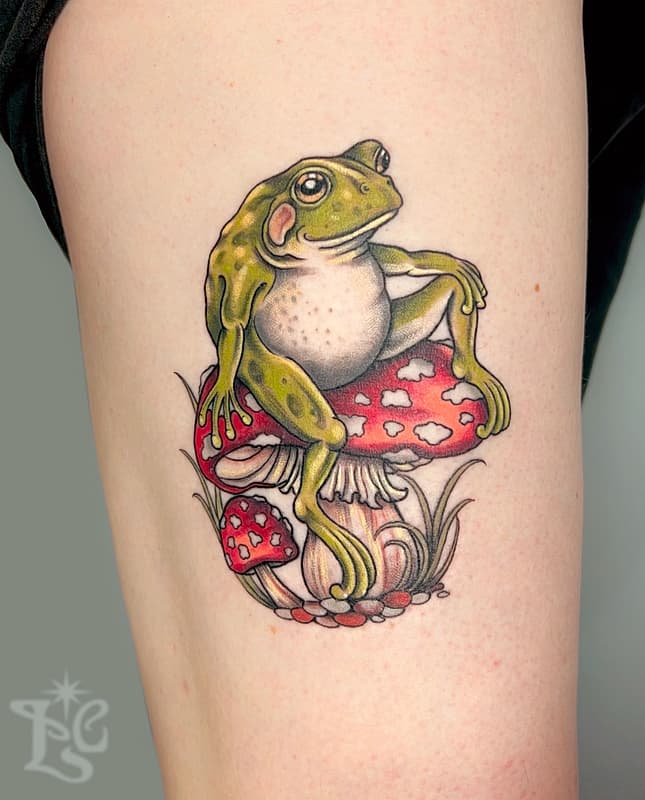
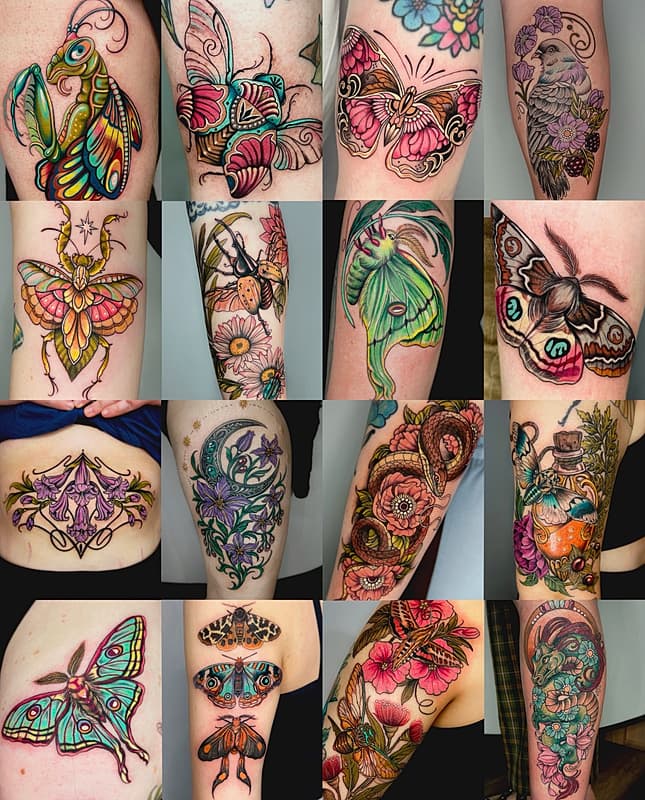
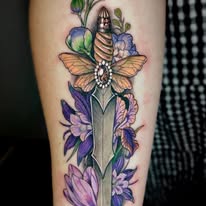
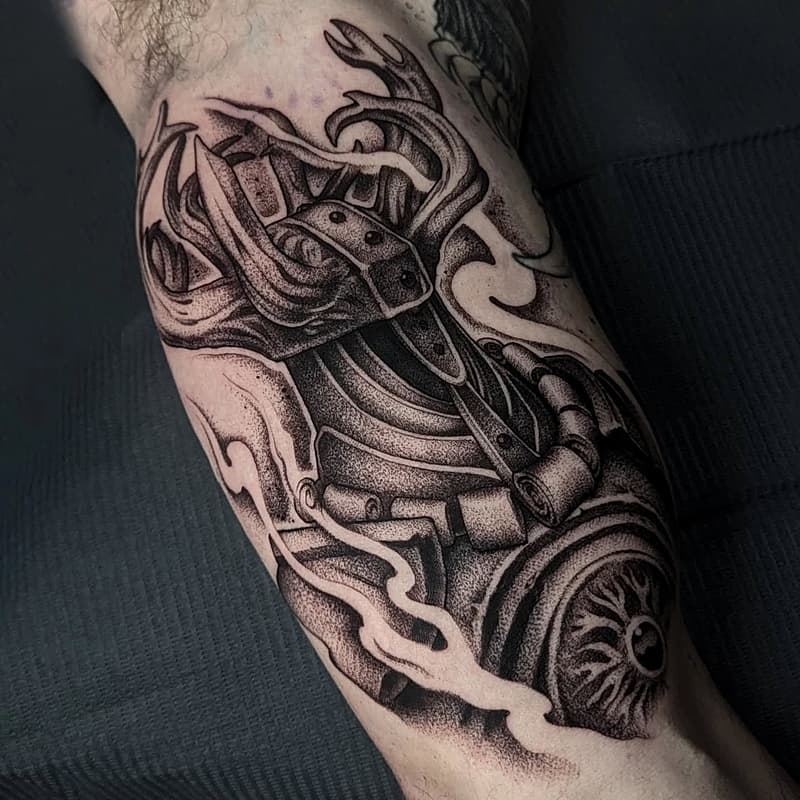
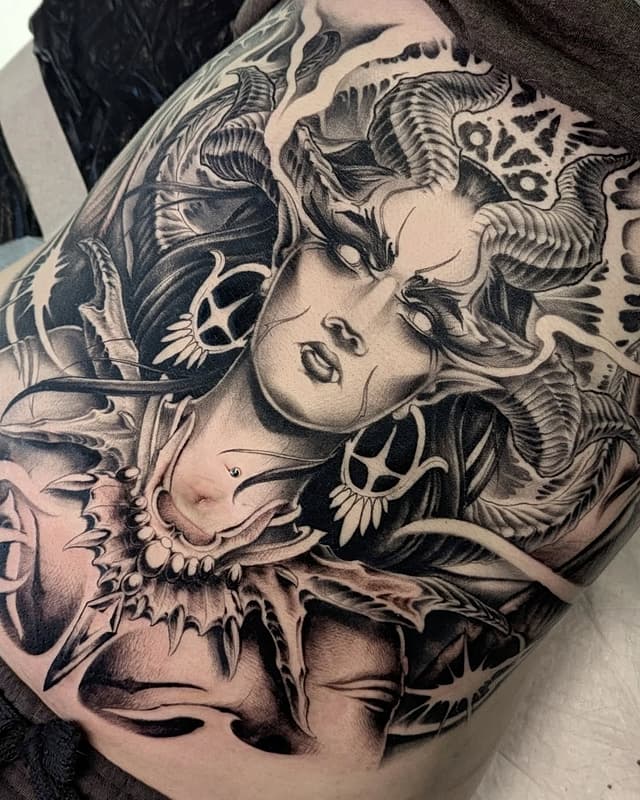
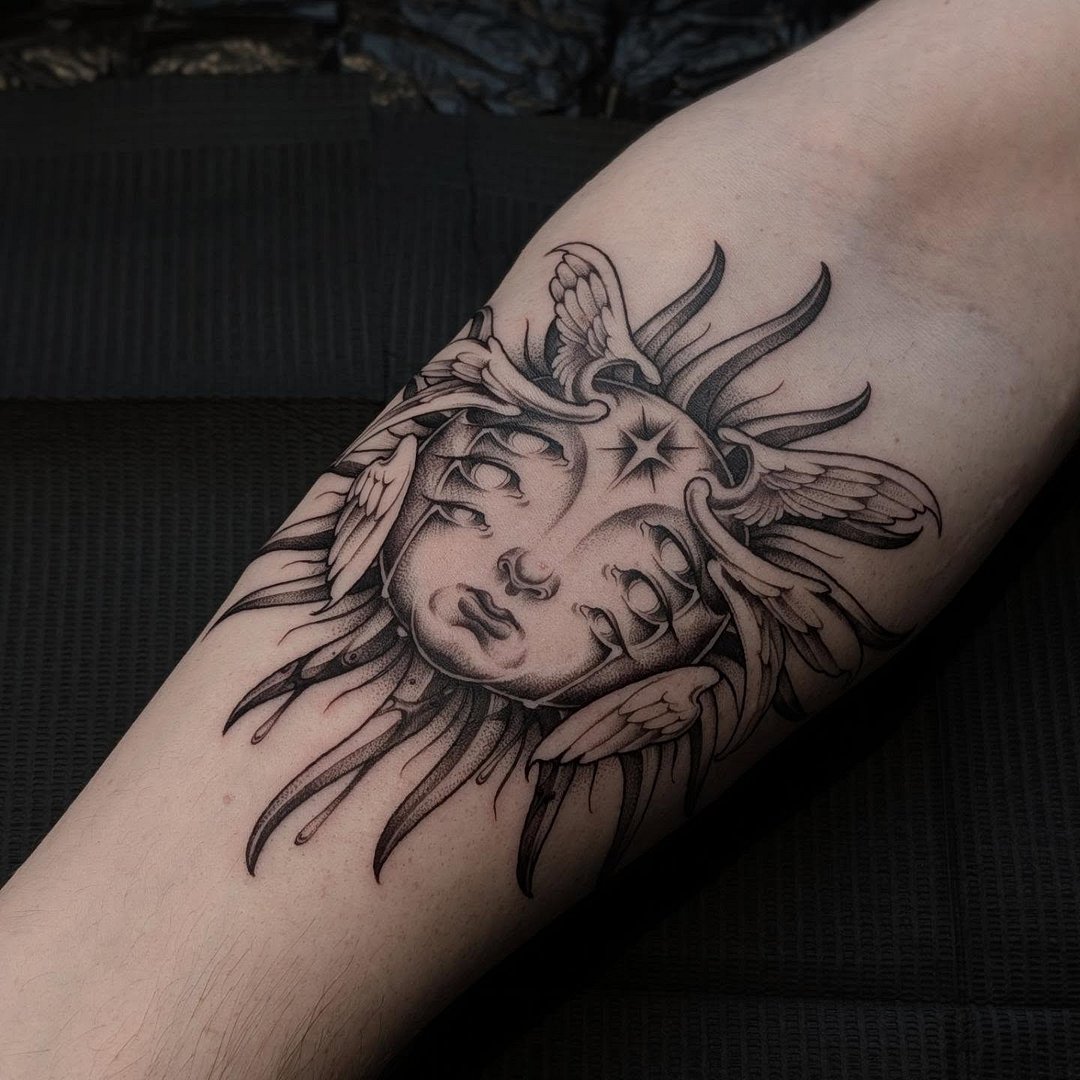
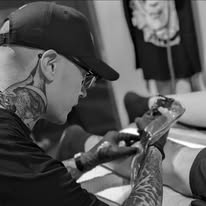
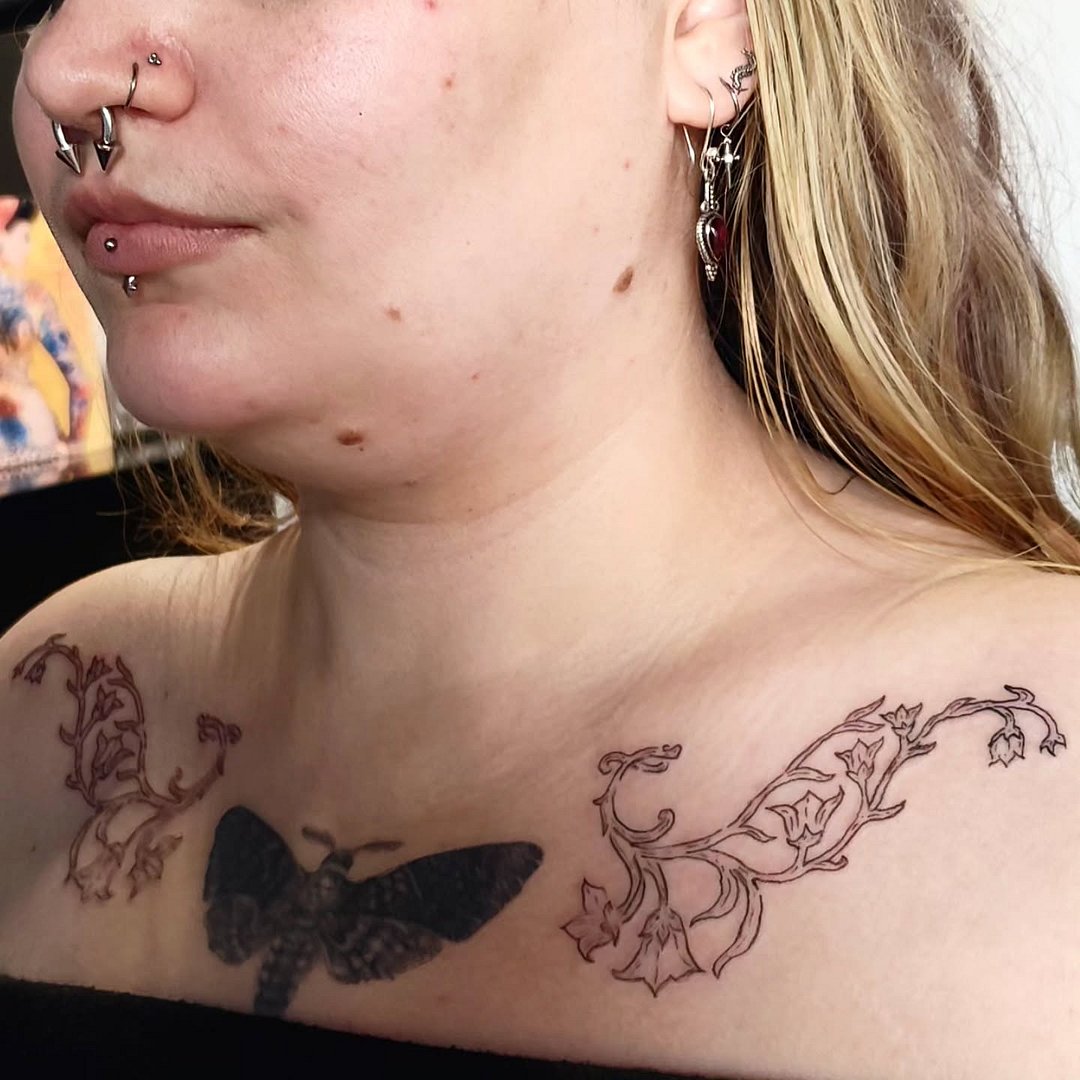
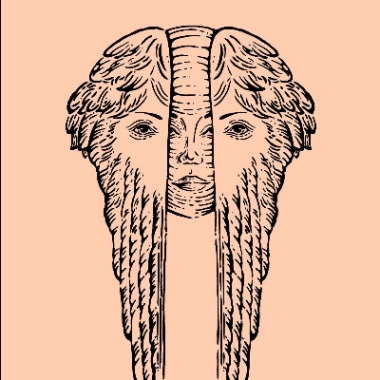
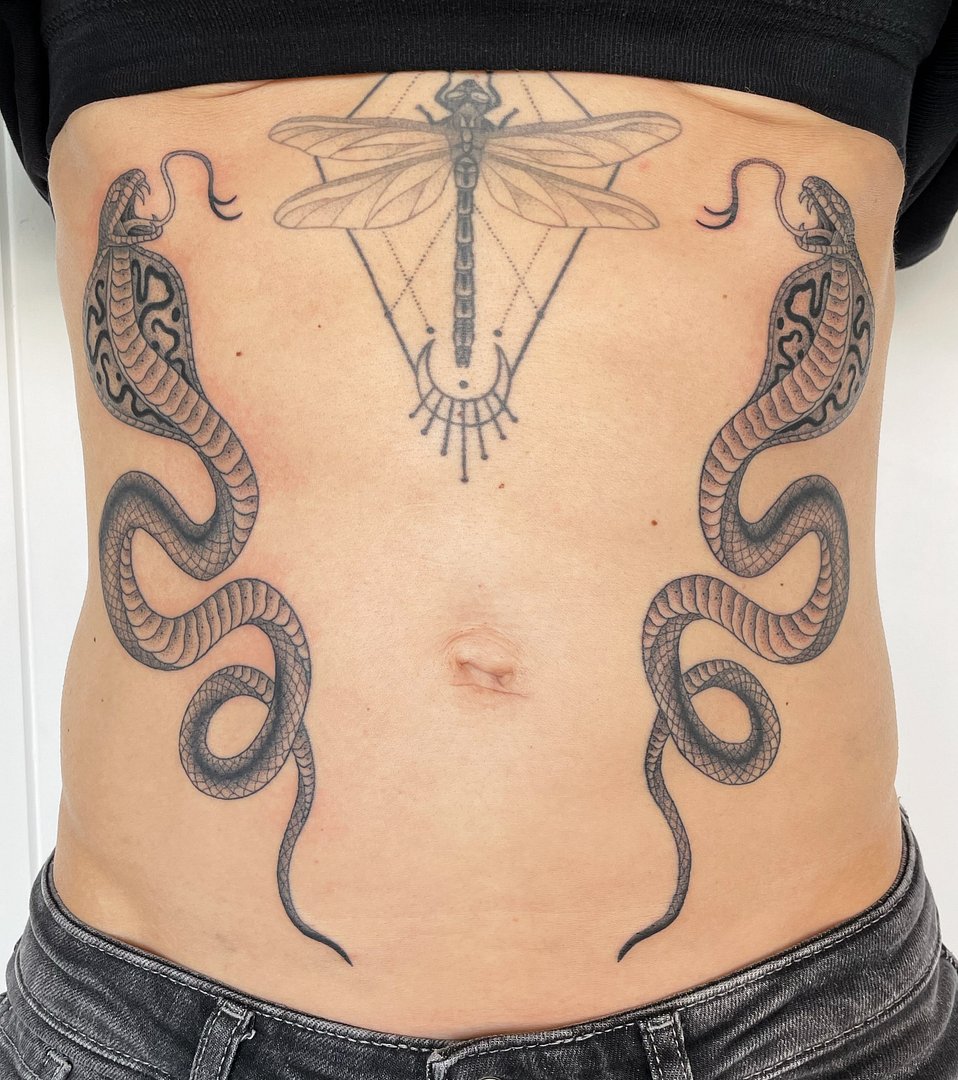
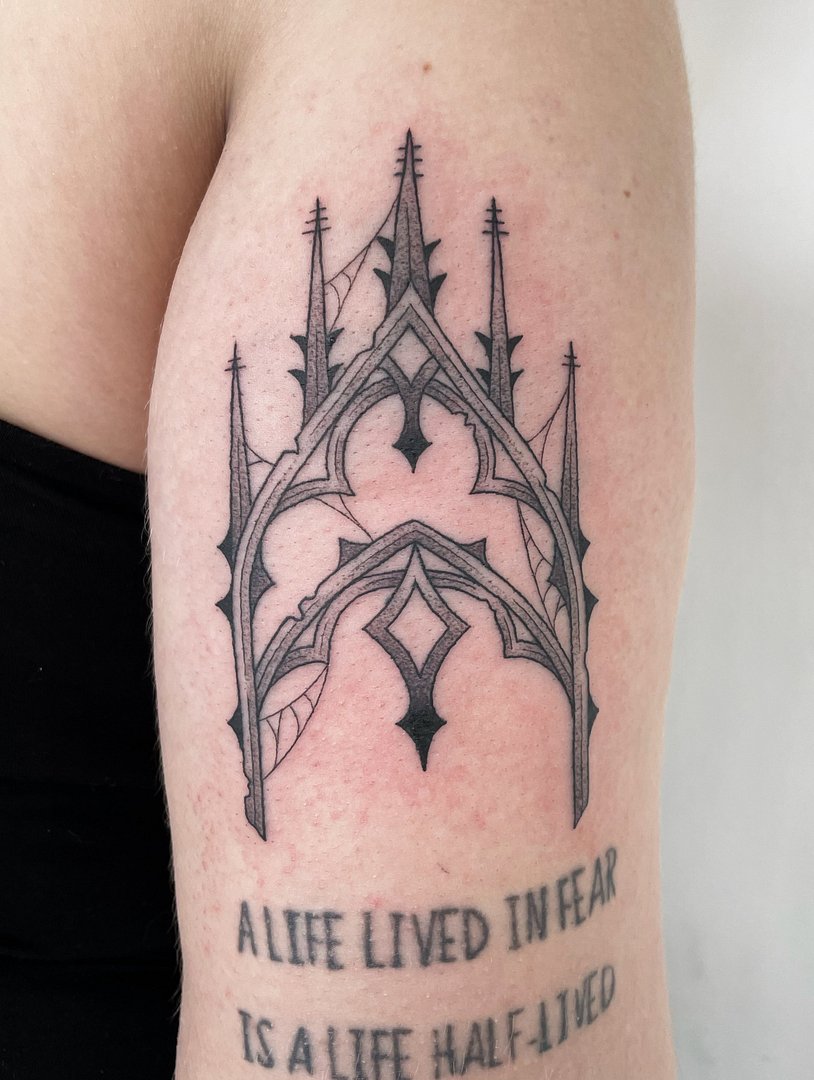
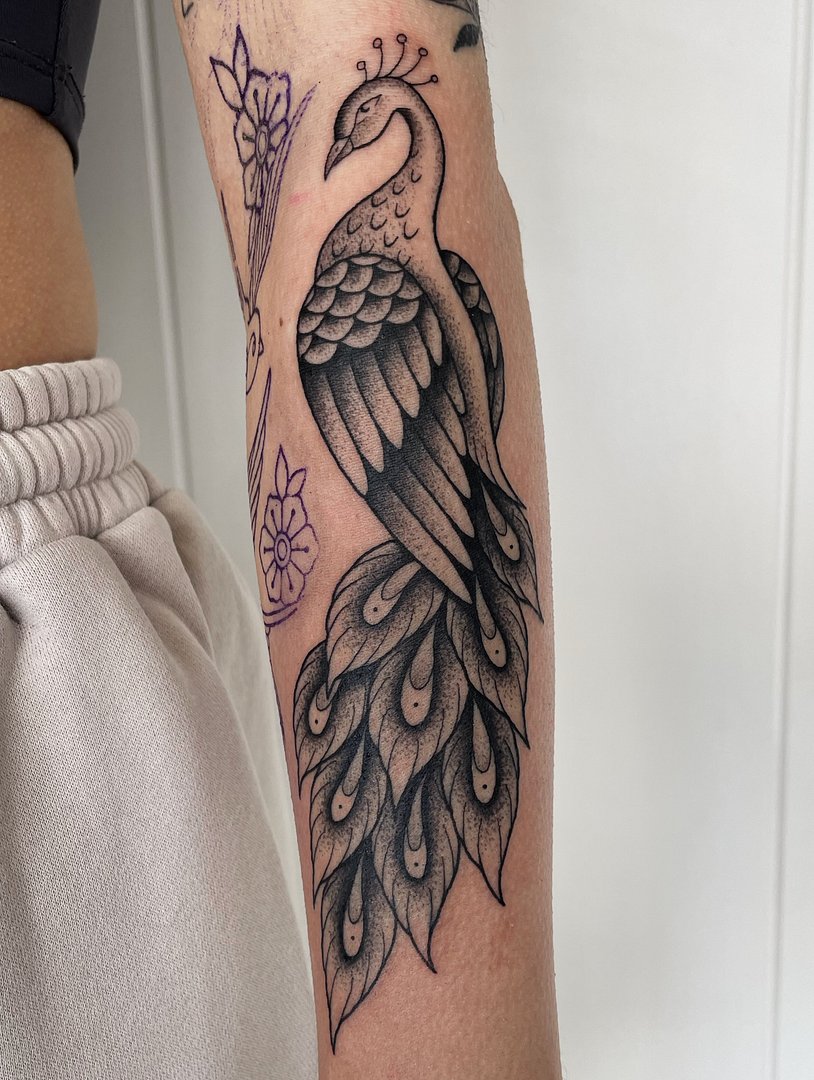
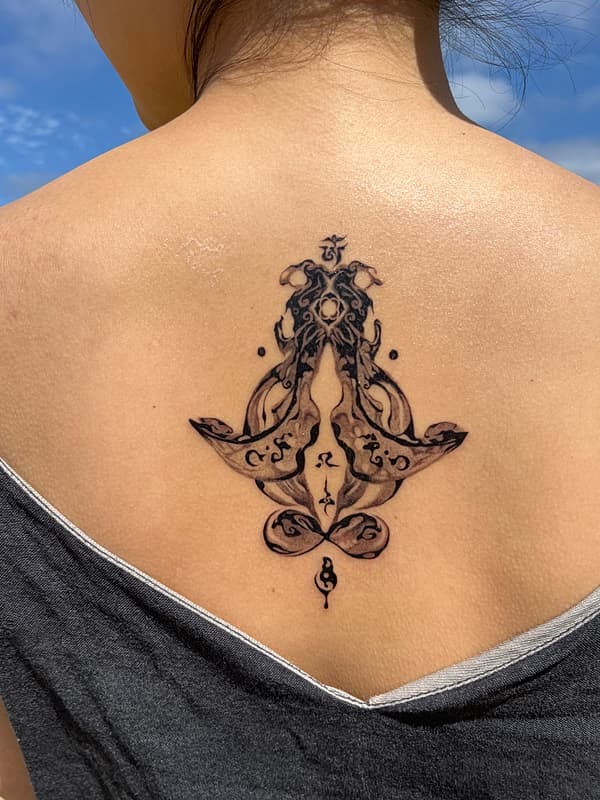
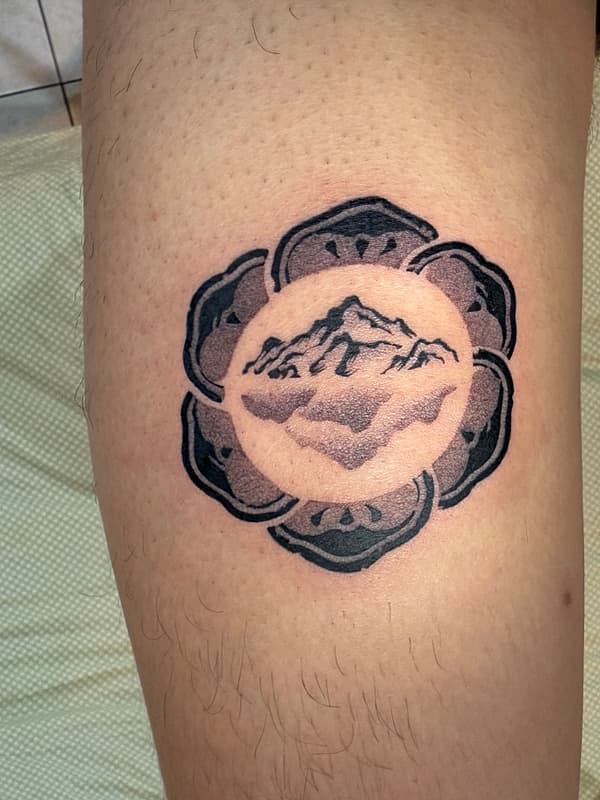
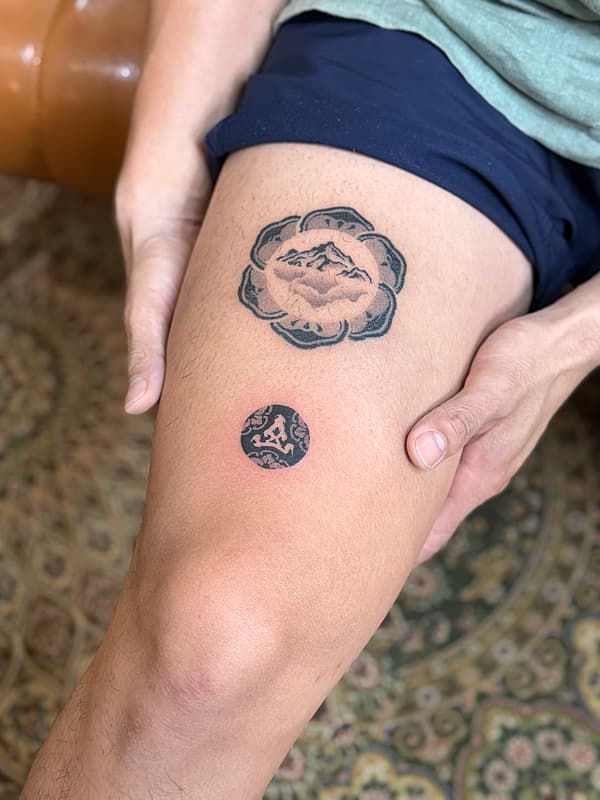

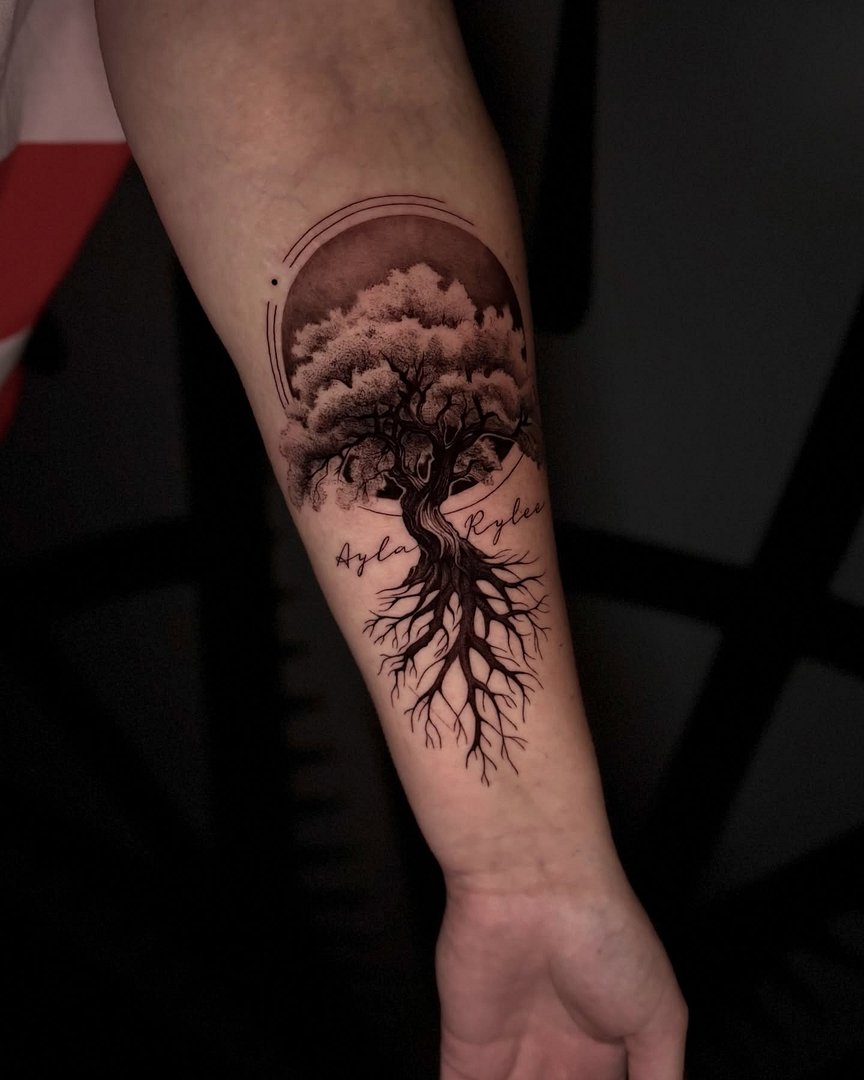
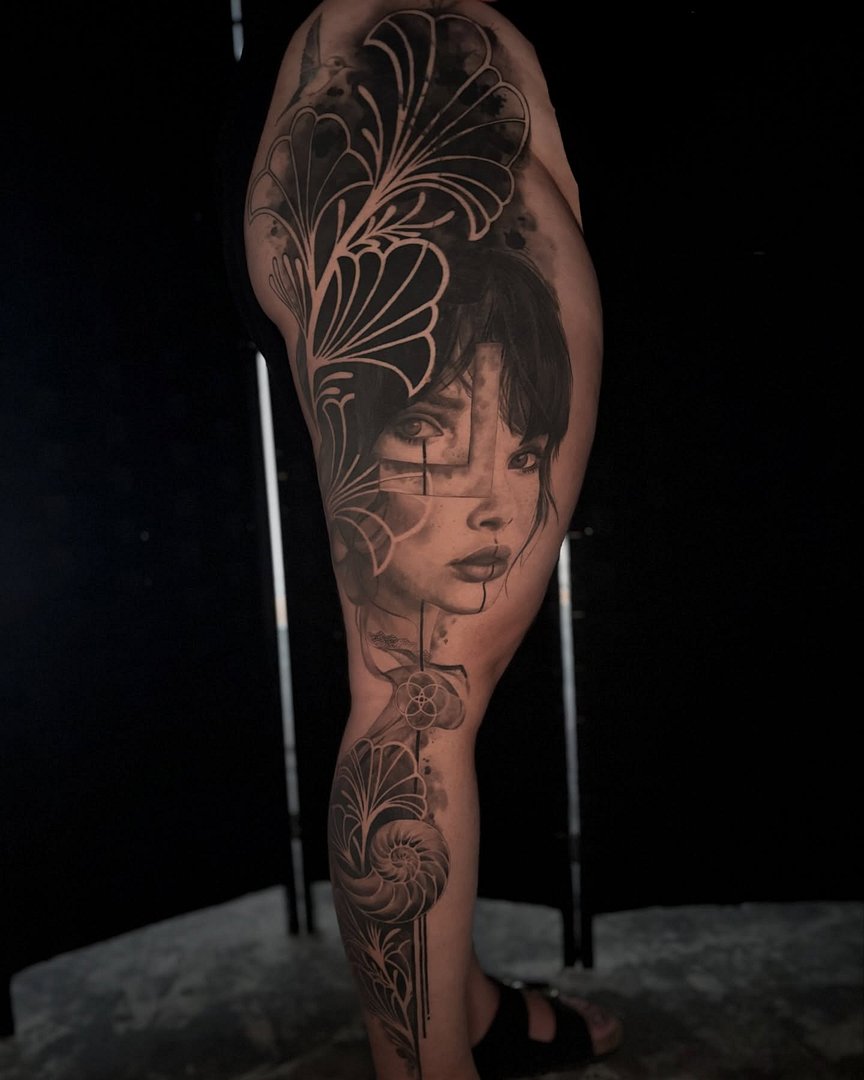
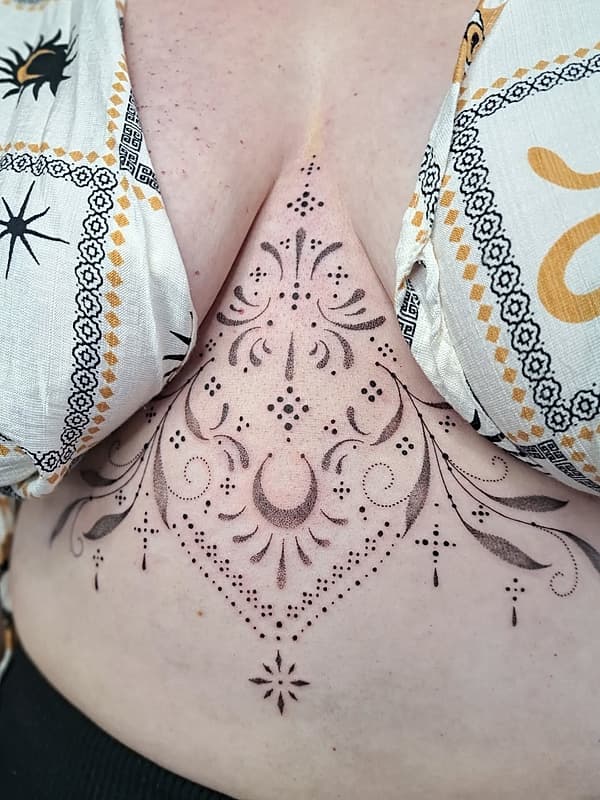

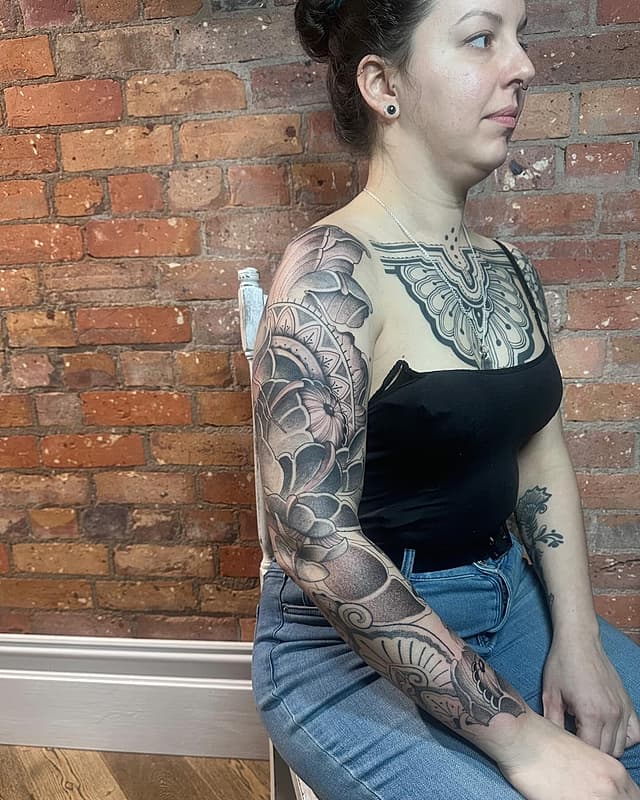
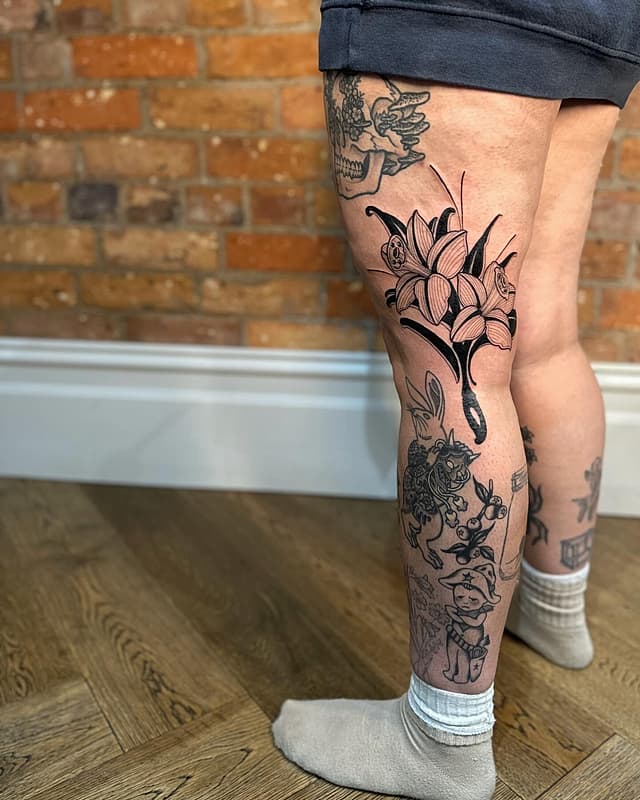
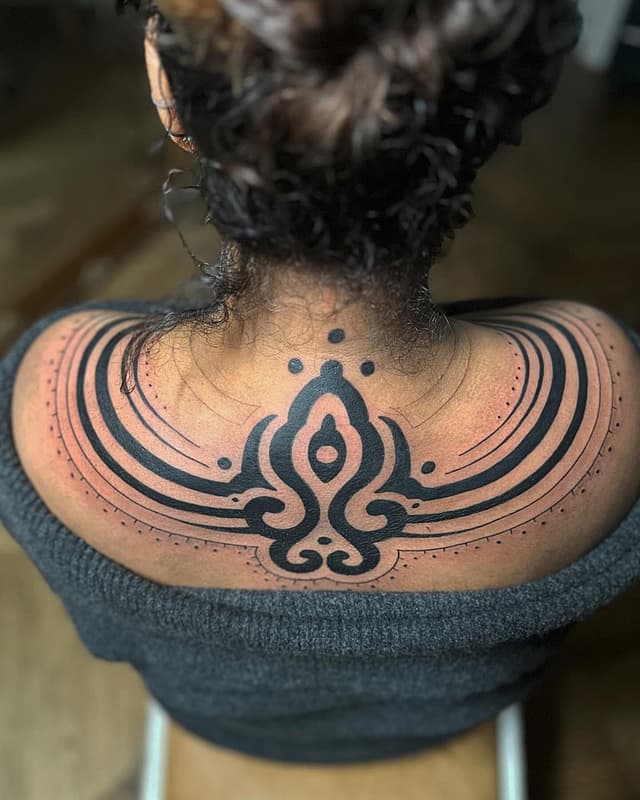
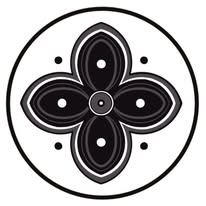
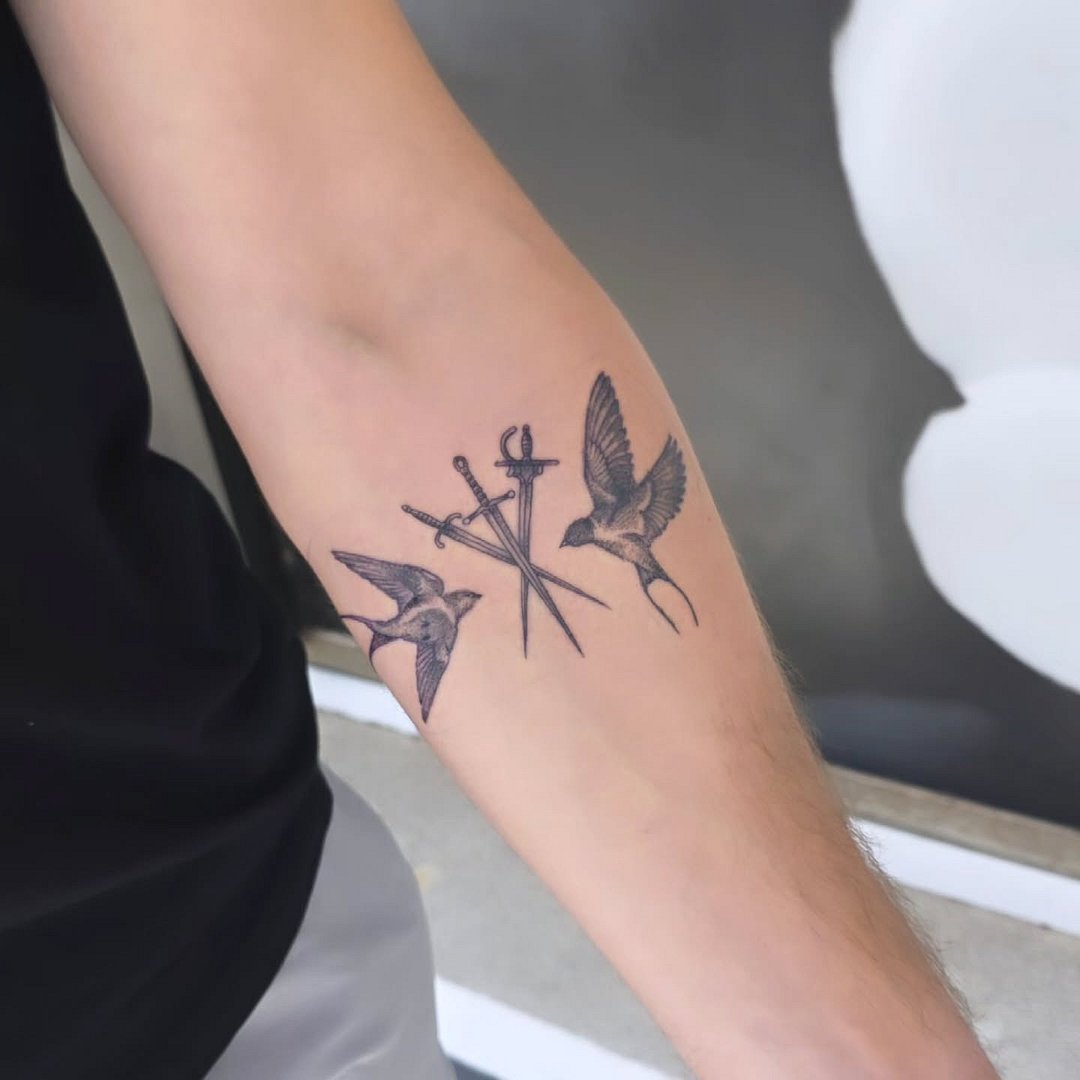
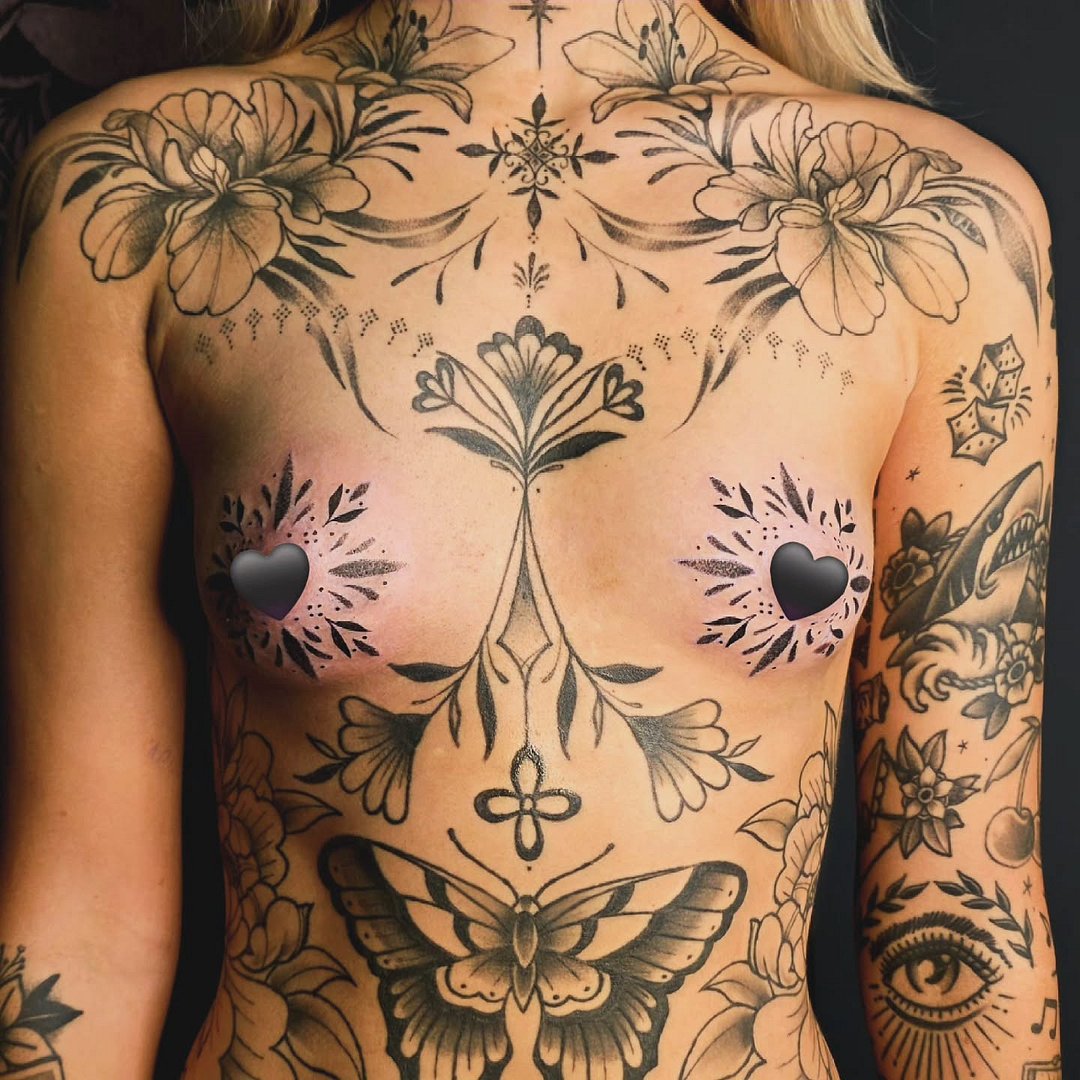
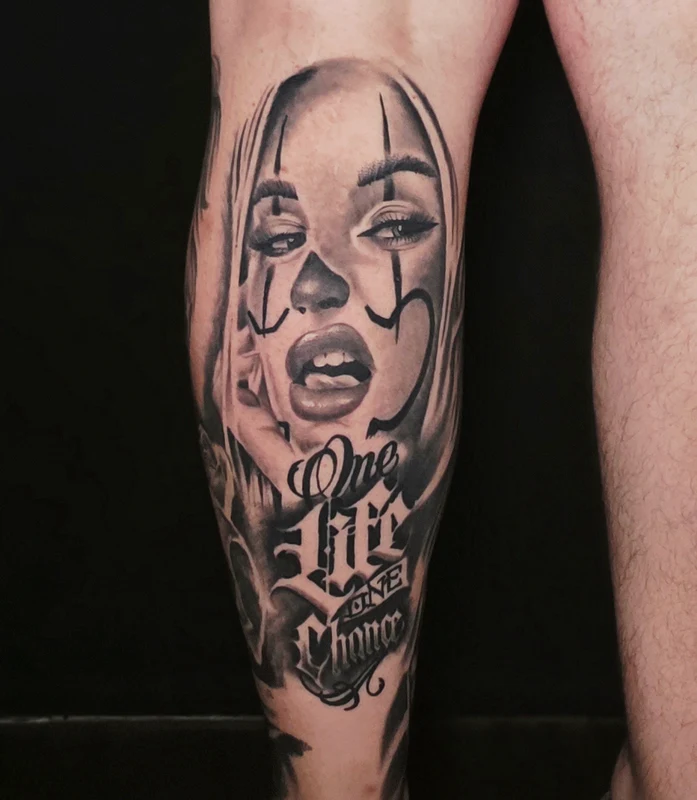

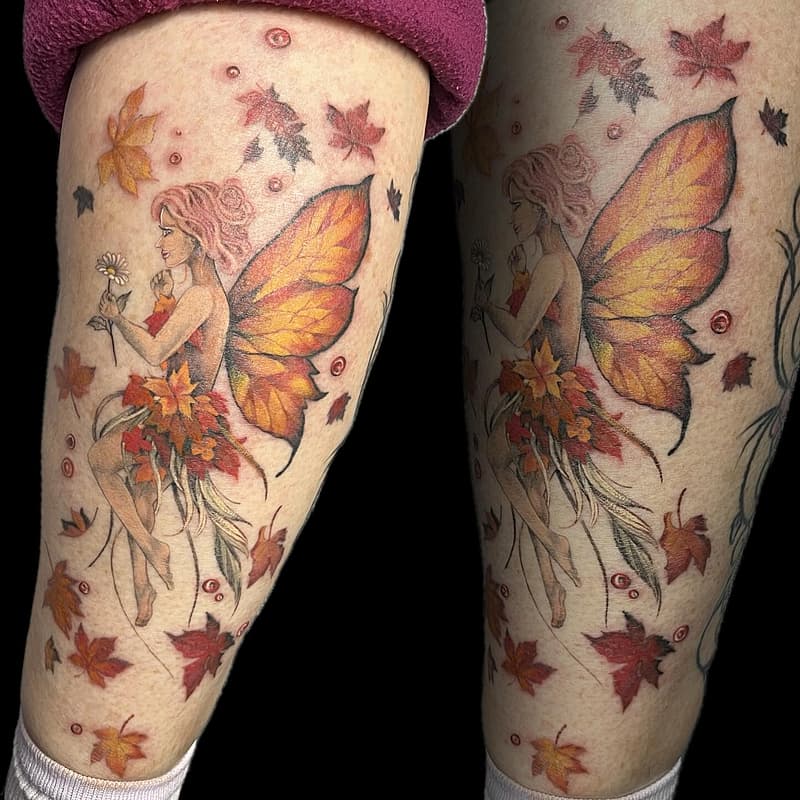
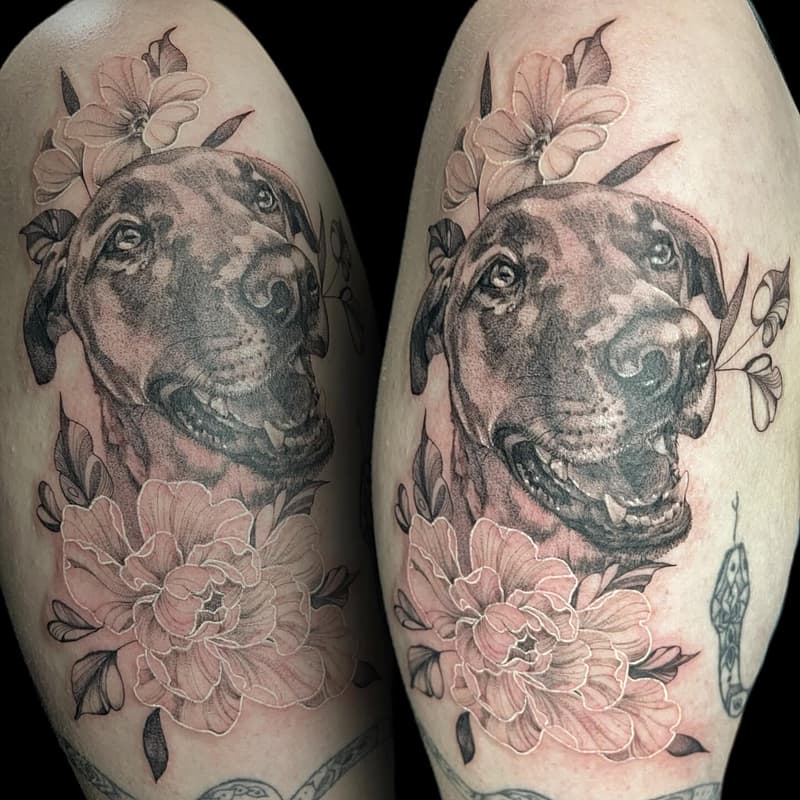
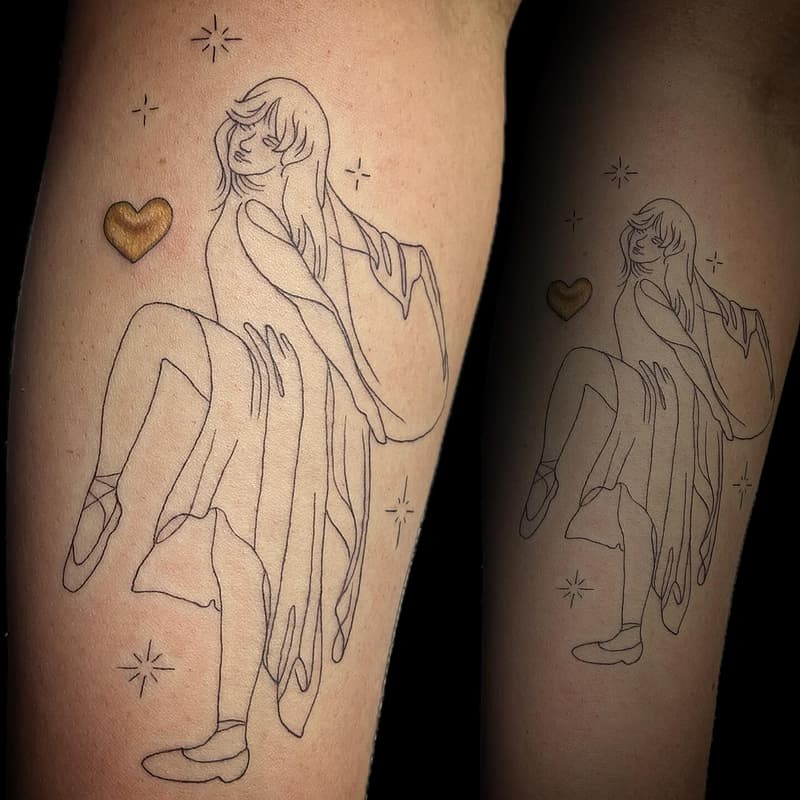
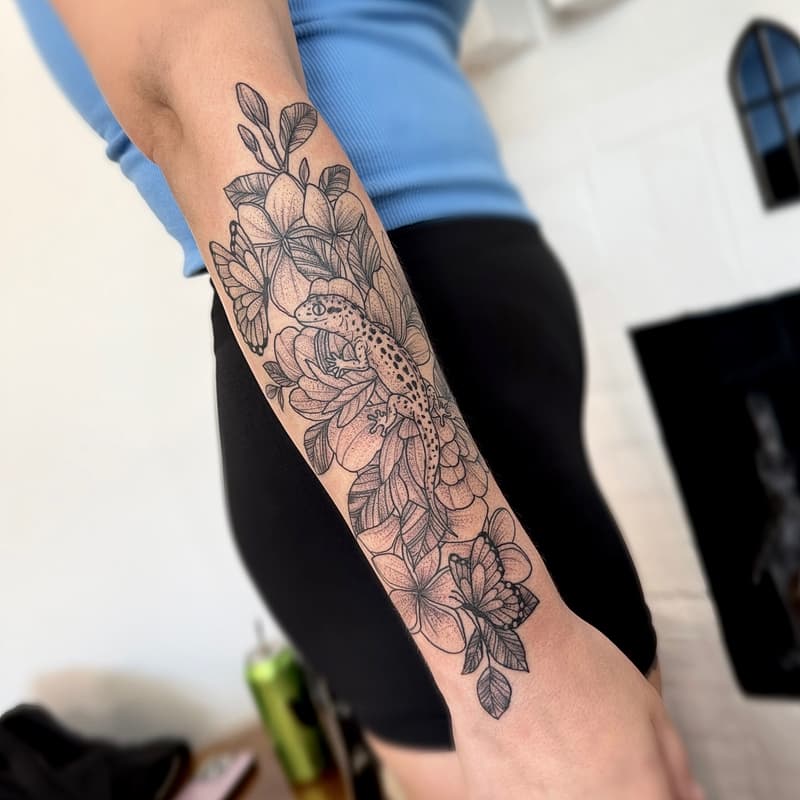
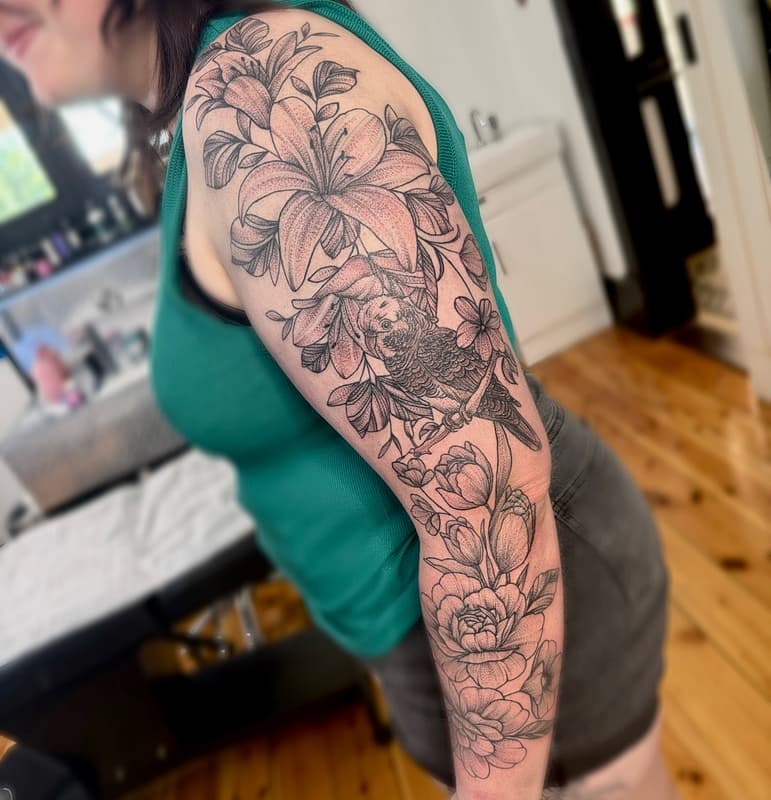
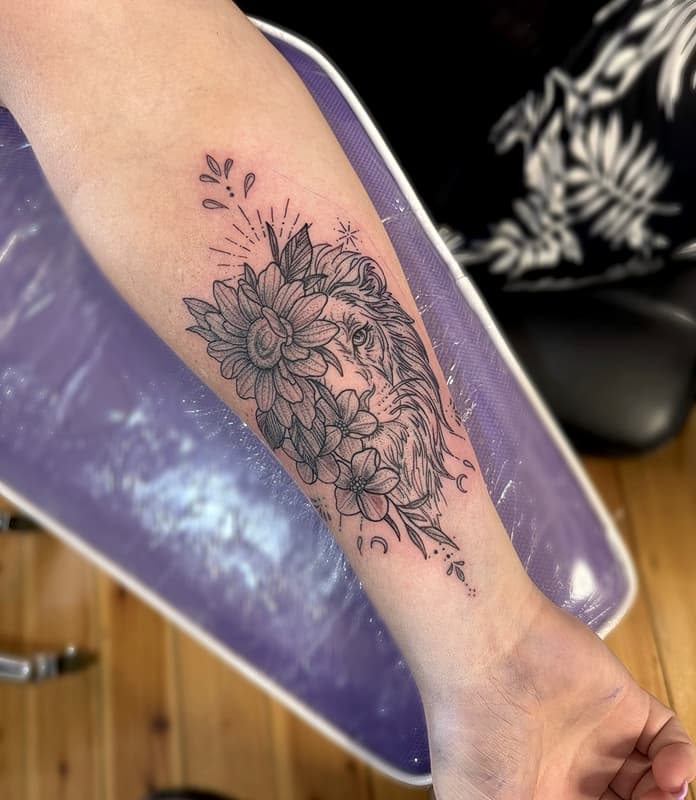
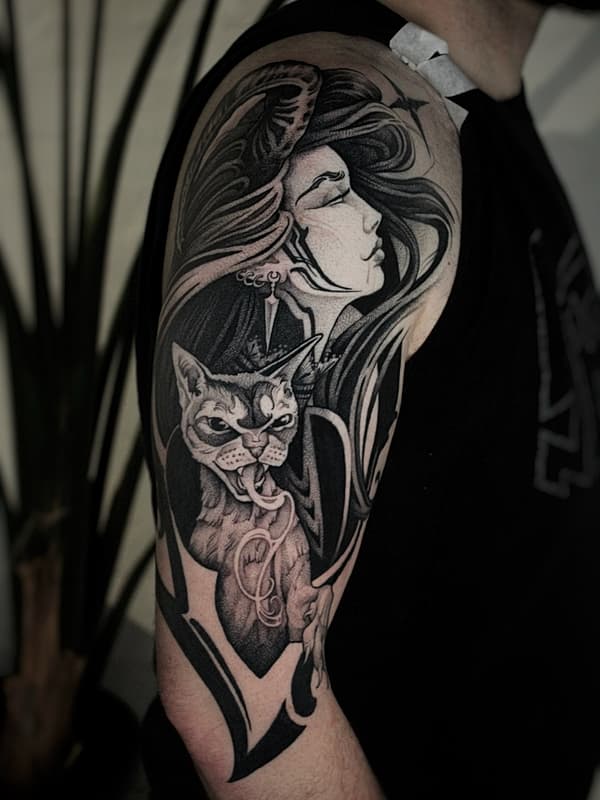
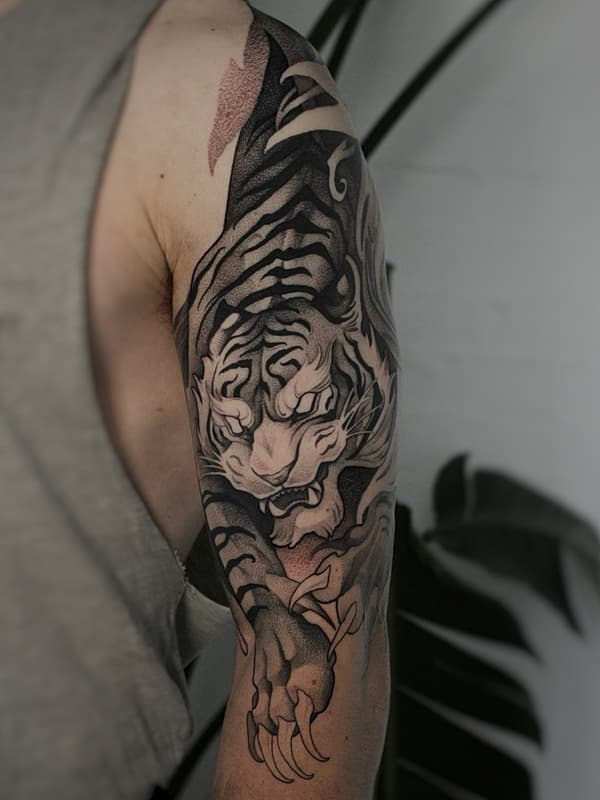
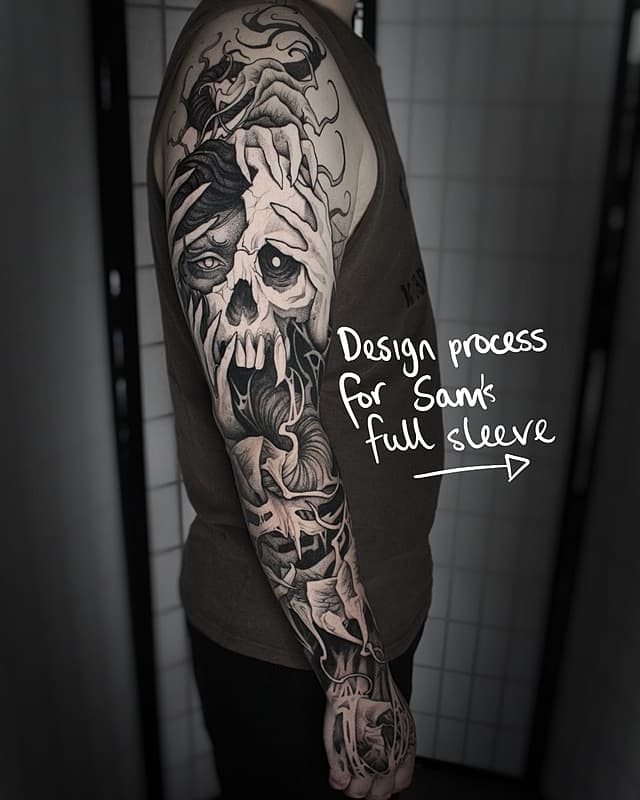

Decorative patterns inspired by jewelry, architecture, and cultural ornamentation with intricate flowing designs.
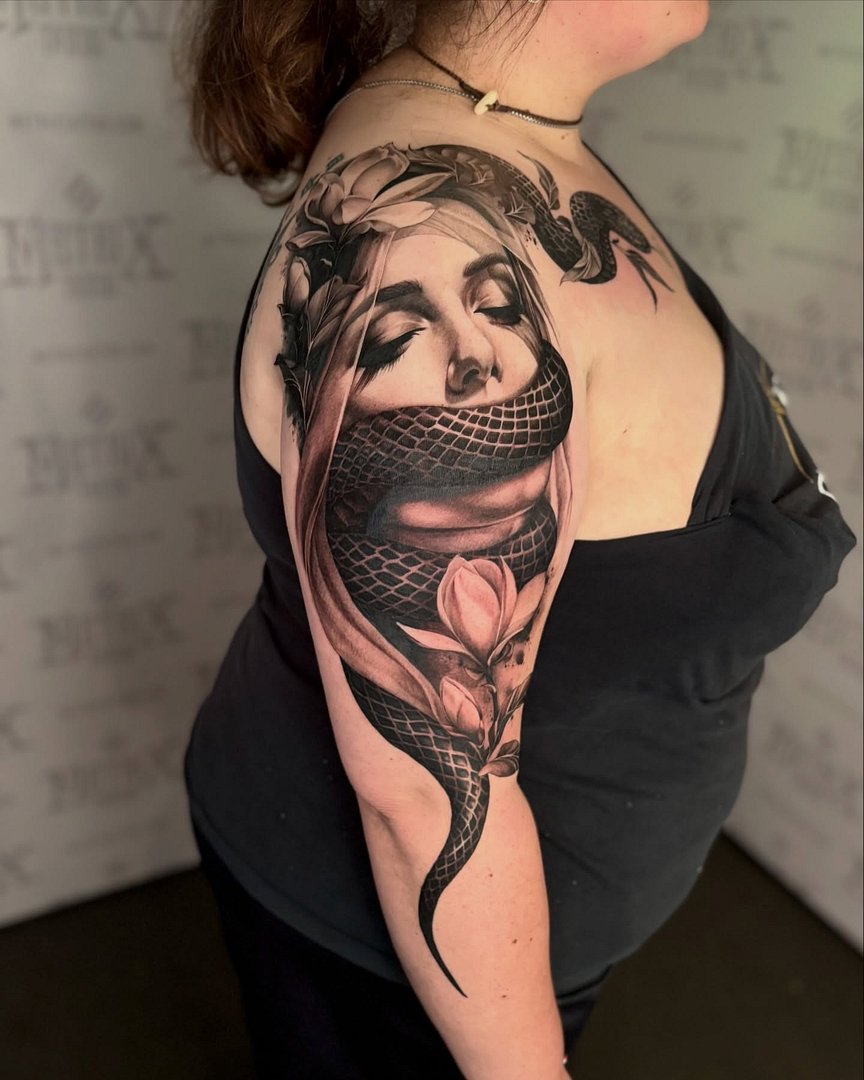
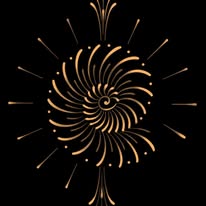
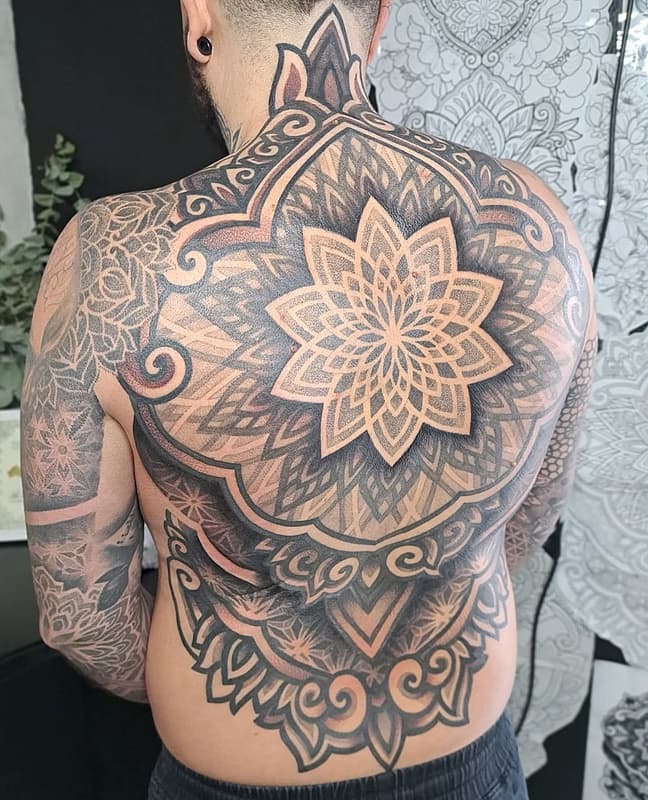
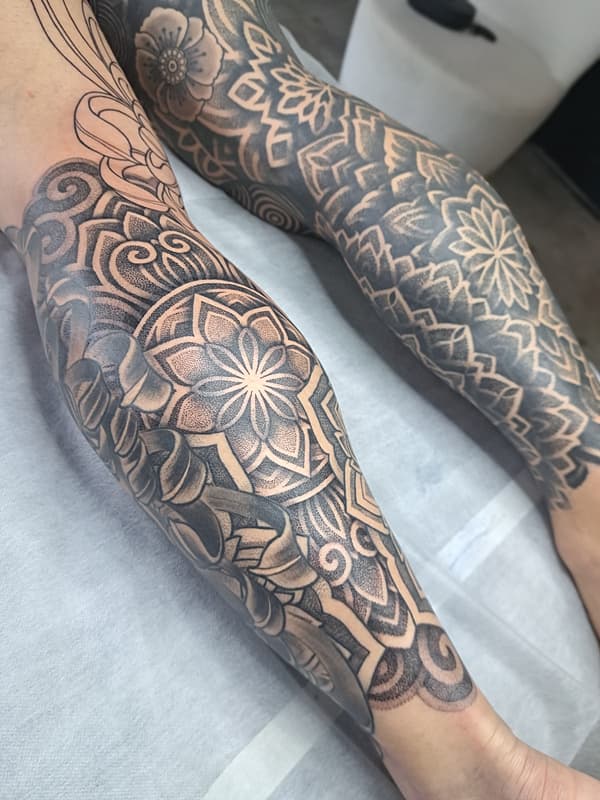
Ornamental tattooing draws inspiration from decorative arts, jewelry design, architectural ornamentation, and various cultural patterns. The style creates intricate flowing designs that adorn the body like wearable jewelry, often placed to enhance and complement natural body contours. Influences range from mehndi and henna patterns to art nouveau, baroque ornamentation, and contemporary decorative design. Ornamental work frequently incorporates mandala elements, lace patterns, filigree details, and flowing organic lines that wrap around limbs or frame body parts elegantly. The style overlaps with geometric and dotwork approaches, often combining multiple techniques within a single piece. Ornamental tattooing requires strong design skills beyond technical execution, as creating cohesive decorative compositions that flow with the body is an art in itself. The best ornamental artists develop distinctive design vocabularies while understanding how to adapt their work to individual body shapes. This is tattooing as adornment in the truest sense.
What to look for: Ornamental work lives or dies on design quality and how it flows with body contours. Look for pieces that enhance the body's natural shape rather than fighting it. Line work should be clean and consistent, with intricate details remaining readable. Check that symmetry is accurate where intended. Portfolio variety shows an artist can adapt their ornamental approach to different bodies and placements.
31 artists specialising in Ornamental across Australia
Ornamental tattoos vary significantly in time depending on size and complexity. Small ornamental pieces might take two to four hours, while medium sized work covering areas like a sternum or forearm could require four to eight hours. Large ornamental projects like full sleeves or back pieces often take 20 to 50 hours across multiple sessions. Intricate ornamental work with fine details, mandala elements, or extensive dotwork takes longer than simpler patterns. The design process itself can be time intensive, as quality ornamental work requires careful planning to ensure designs flow correctly with body placement. Many ornamental artists custom design work specifically for each client's body, which adds to the overall project timeline.
Ornamental tattoos are often placed in areas that follow body contours, which can include sensitive spots like sternum, underboob, ribs, and inner arms. These placements are notorious for discomfort regardless of tattoo style. The ornamental style itself, typically involving fine to medium line work and possibly dotwork elements, isn't inherently more painful than other approaches. However, ornamental pieces often have extensive coverage that wraps around body parts, meaning more areas are tattooed including potentially sensitive transitions between zones. Long ornamental sessions can be tiring. The key is working with an artist who understands pacing and can advise on session planning based on your specific placement and pain tolerance.
Ornamental tattoo pricing reflects both the artistic design work and the technical execution required. Hourly rates for quality ornamental artists in Australia range from $150 to $300. Small ornamental pieces might cost $250 to $600, while medium sized work could run $700 to $2,000. Larger ornamental projects like sleeves or extensive body work often cost $3,000 to $10,000 depending on complexity. Some ornamental artists charge for design time separately, as creating custom ornamental work that flows correctly with individual body shapes requires significant artistic effort. The investment reflects genuine artistic skill in both design and execution. Quality ornamental work creates an elegant, jewelry like effect worth the investment.
Ornamental tattoos age based on the specific techniques used within the style. Bold ornamental work with strong lines ages excellently, maintaining its decorative impact for decades. Very fine ornamental details may soften somewhat over time, with thin lines spreading slightly. Dotwork elements within ornamental designs behave as dotwork does, potentially showing some merging in densely packed areas. Well designed ornamental work from experienced artists accounts for ageing, using appropriate line weights and spacing for longevity. The flowing nature of ornamental designs often means subtle softening enhances rather than detracts from the work's elegance. Sun protection helps preserve detail. Overall, quality ornamental work ages gracefully.