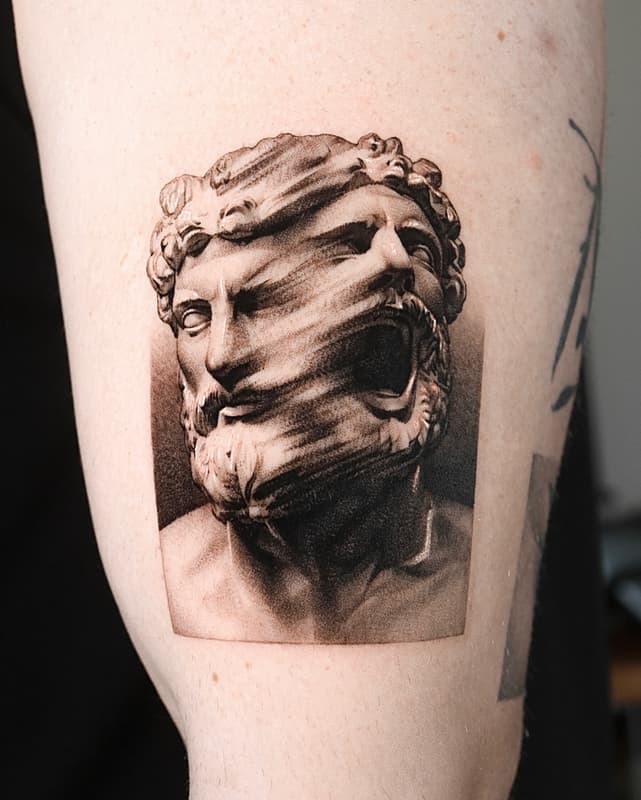
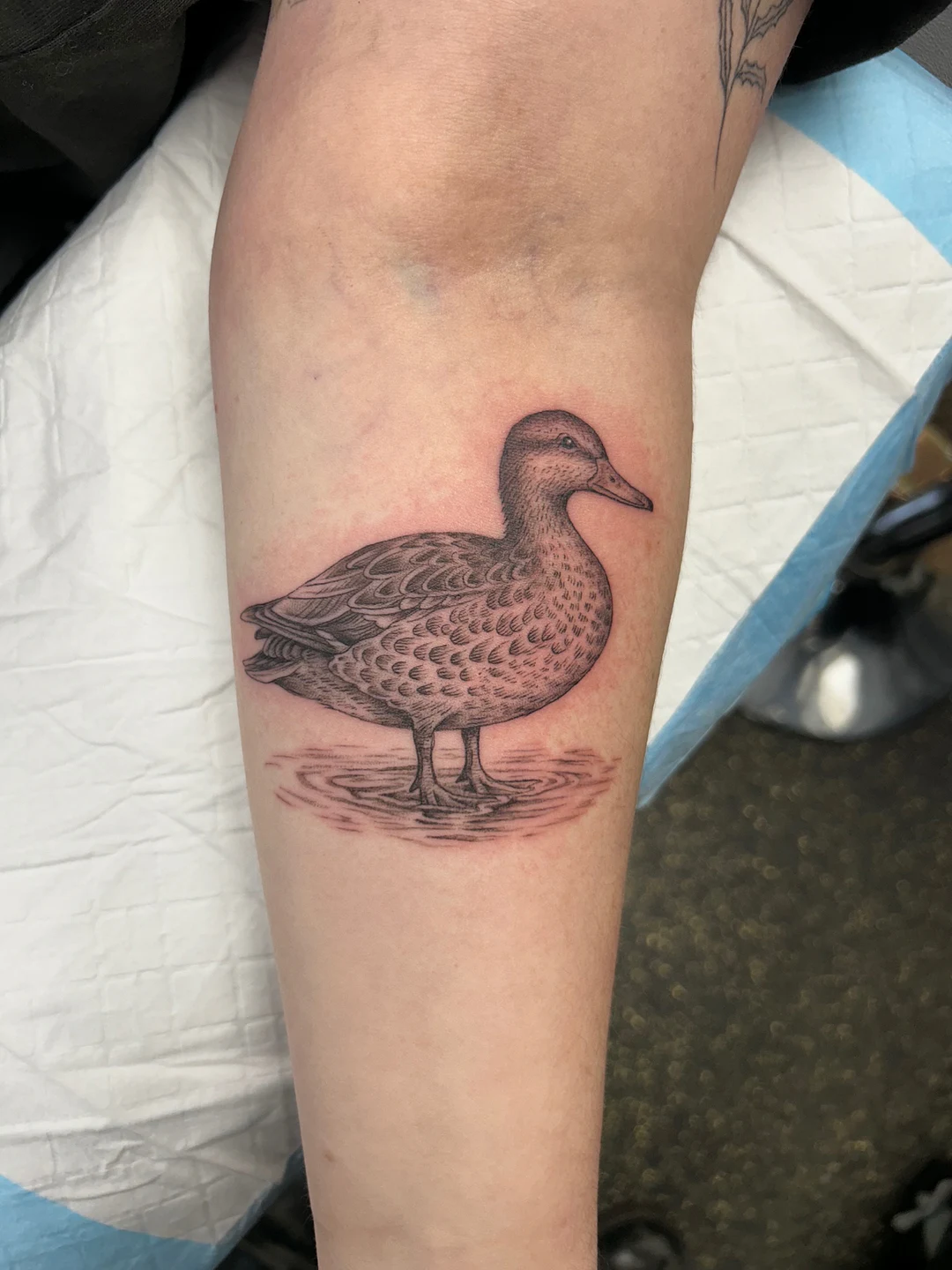
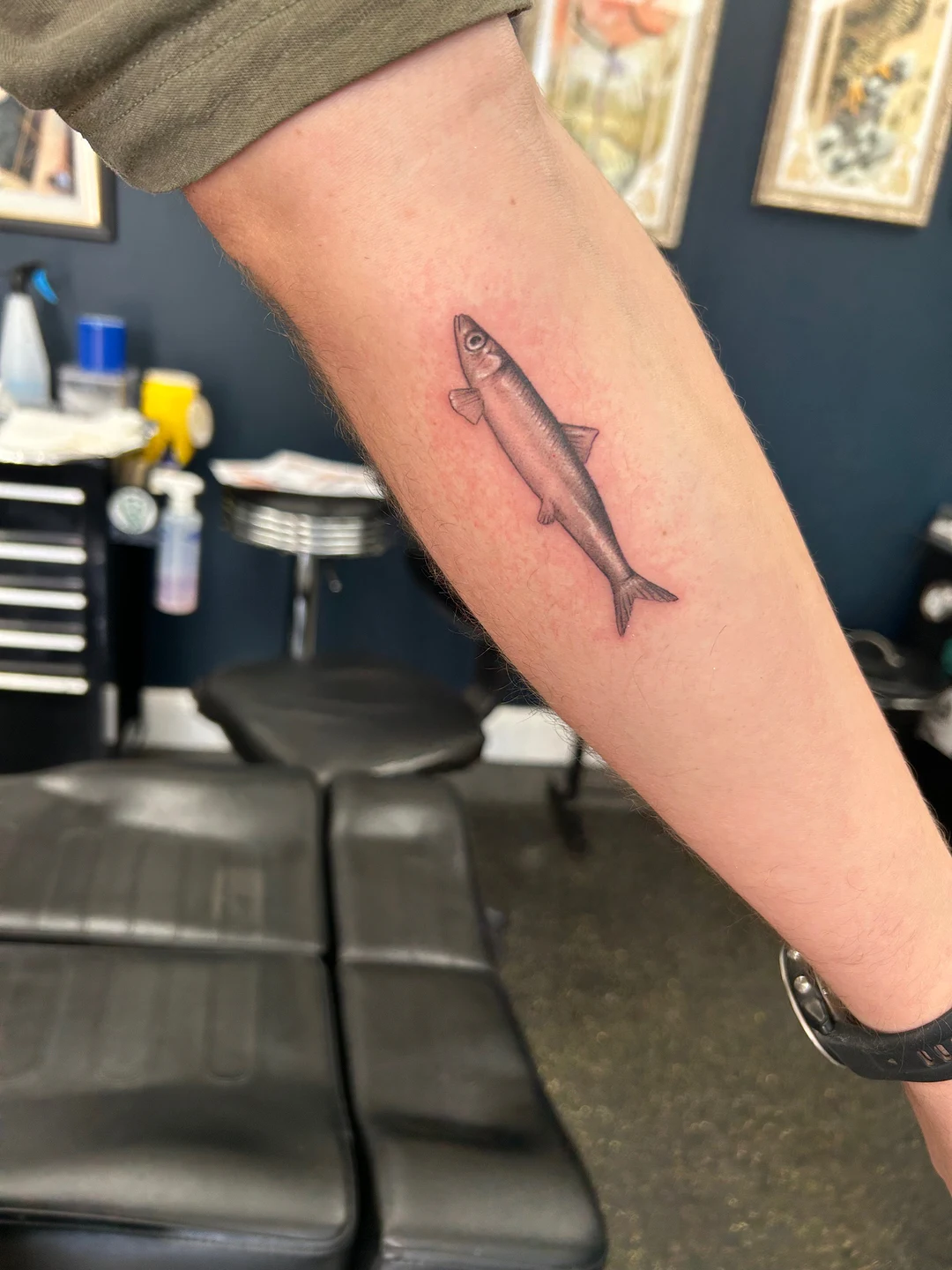
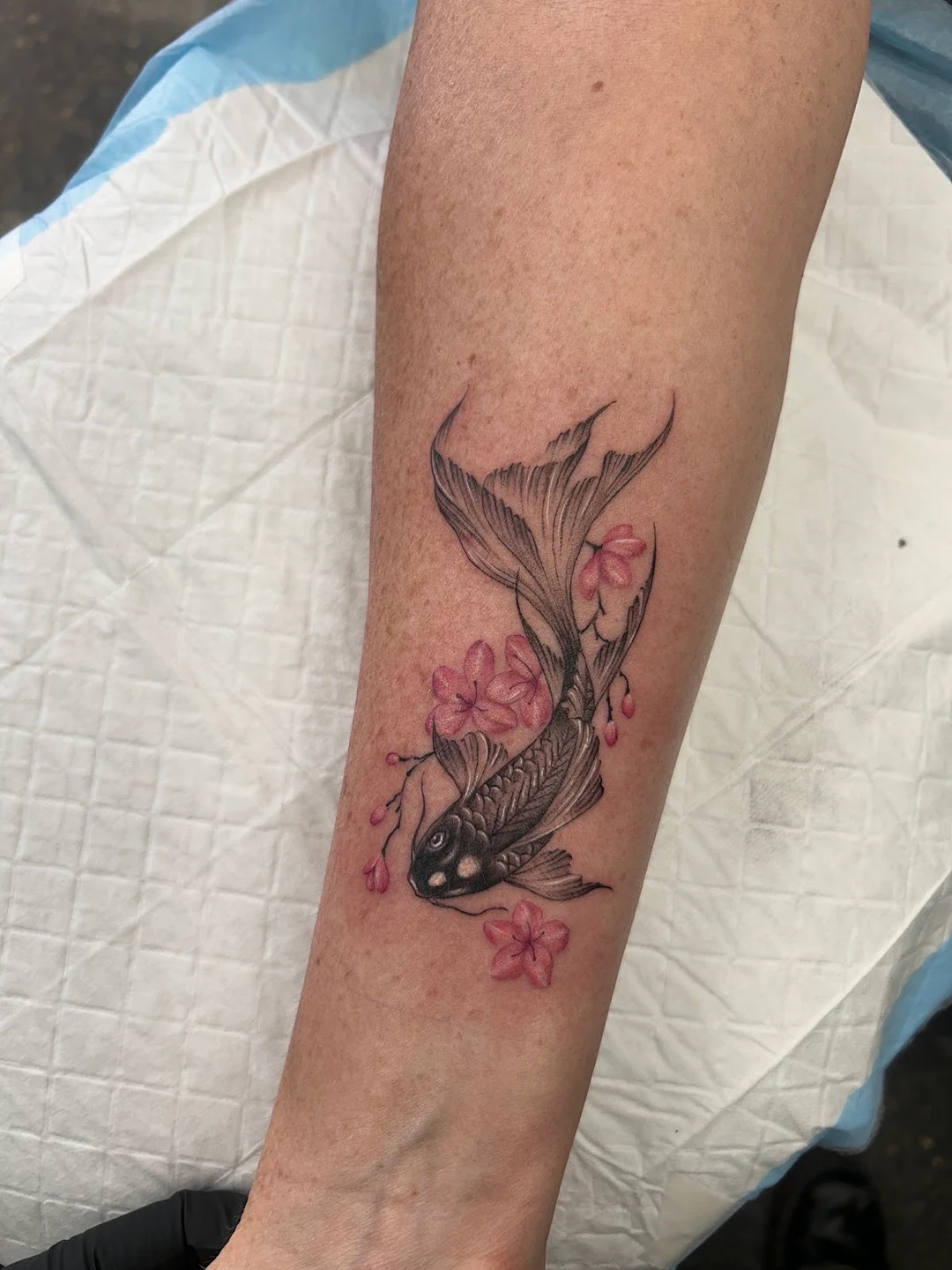
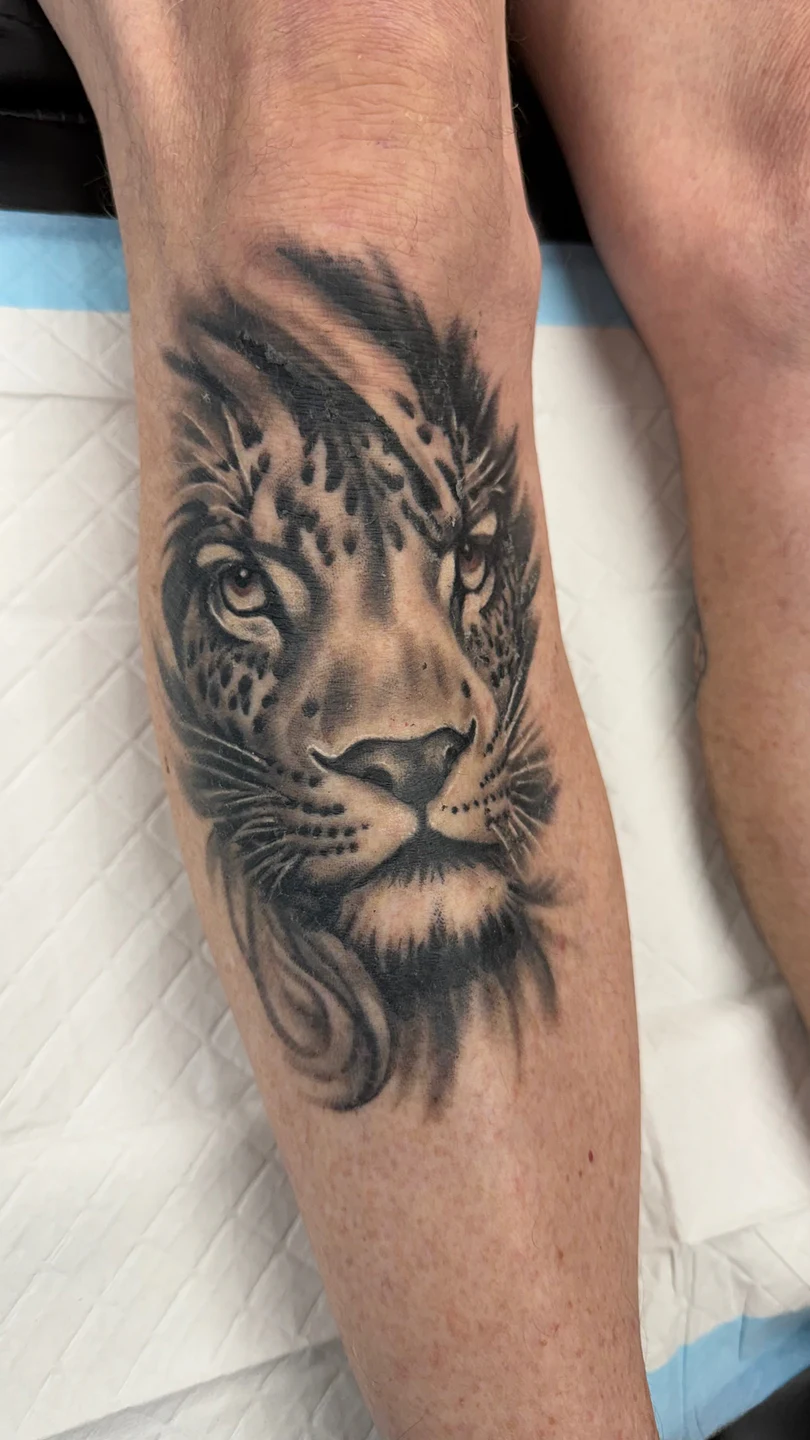
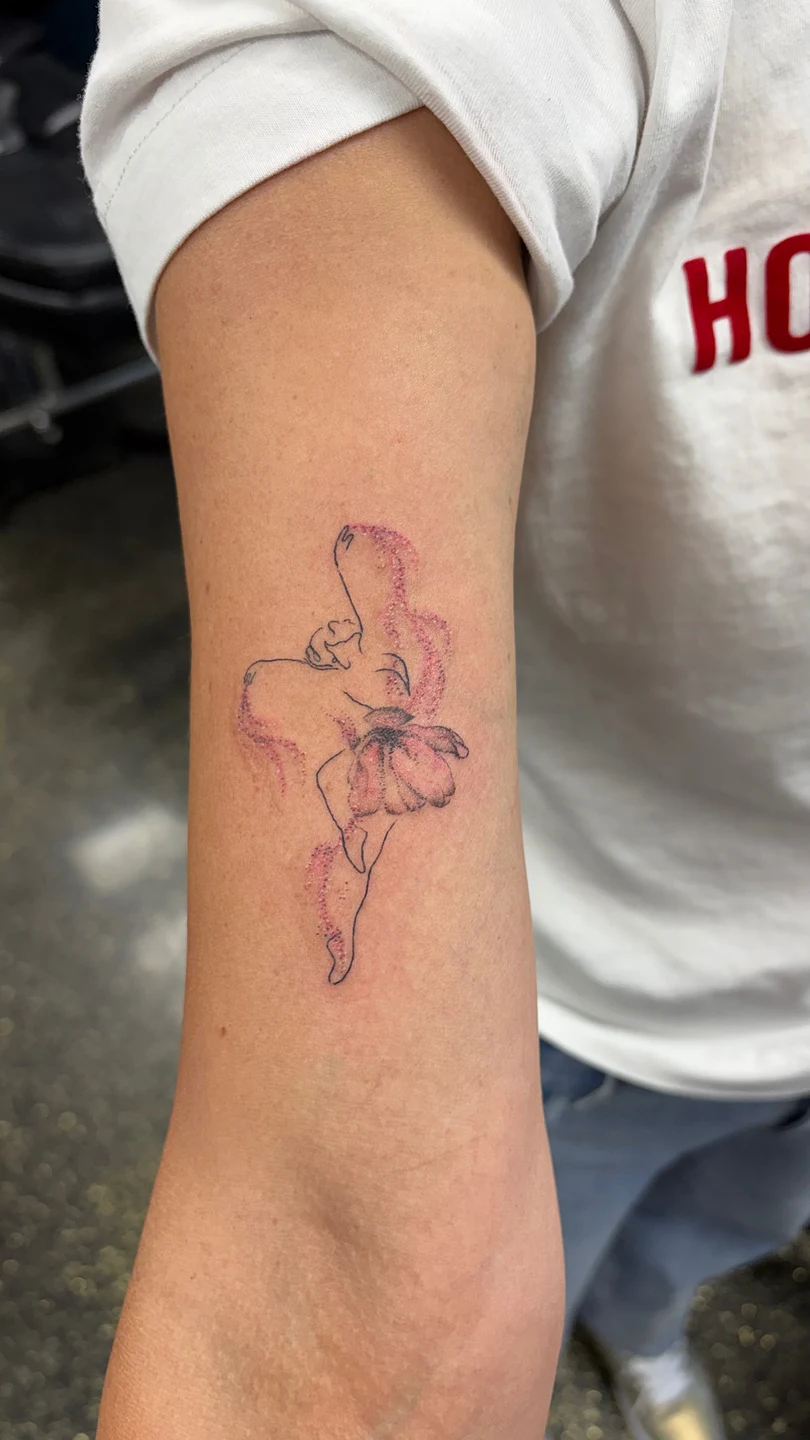
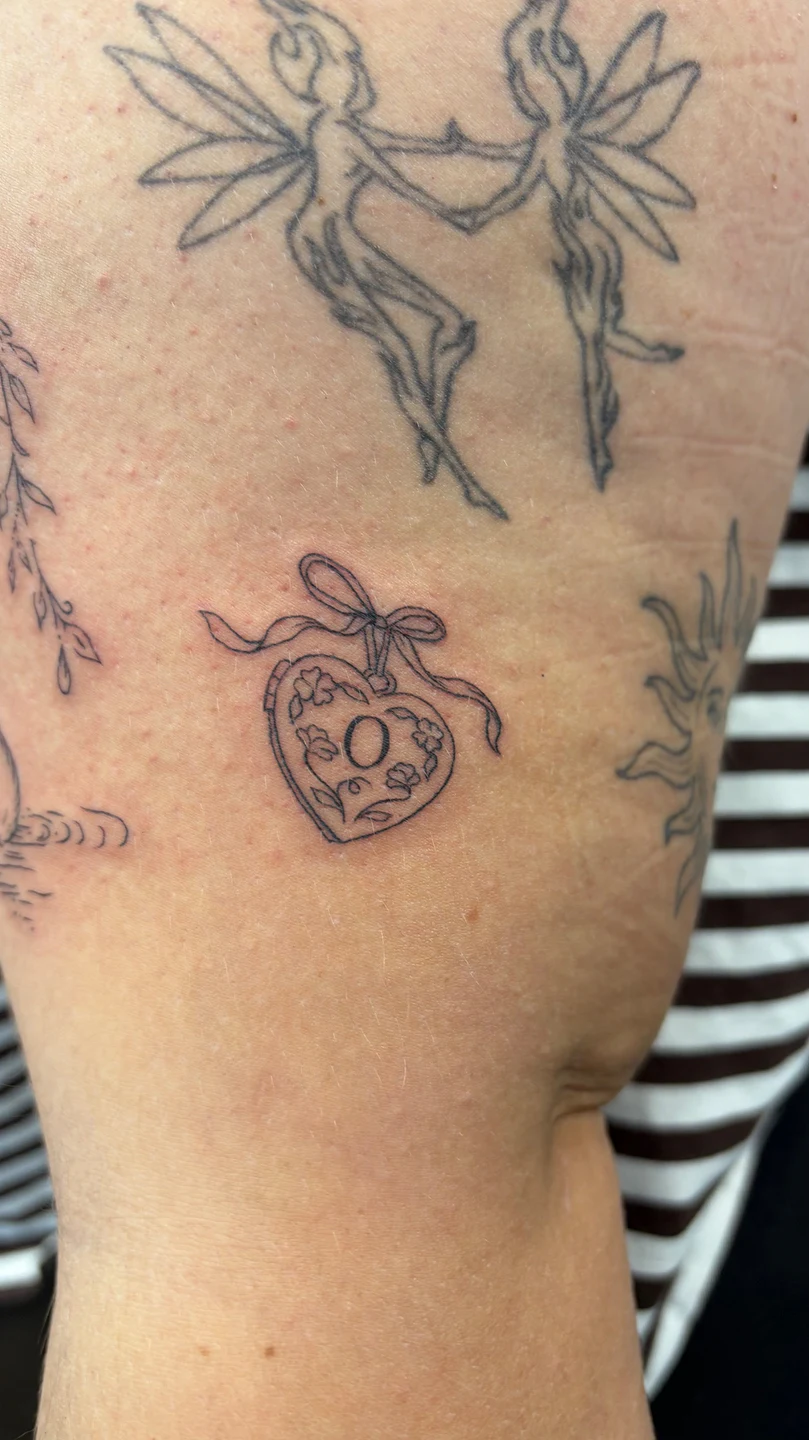
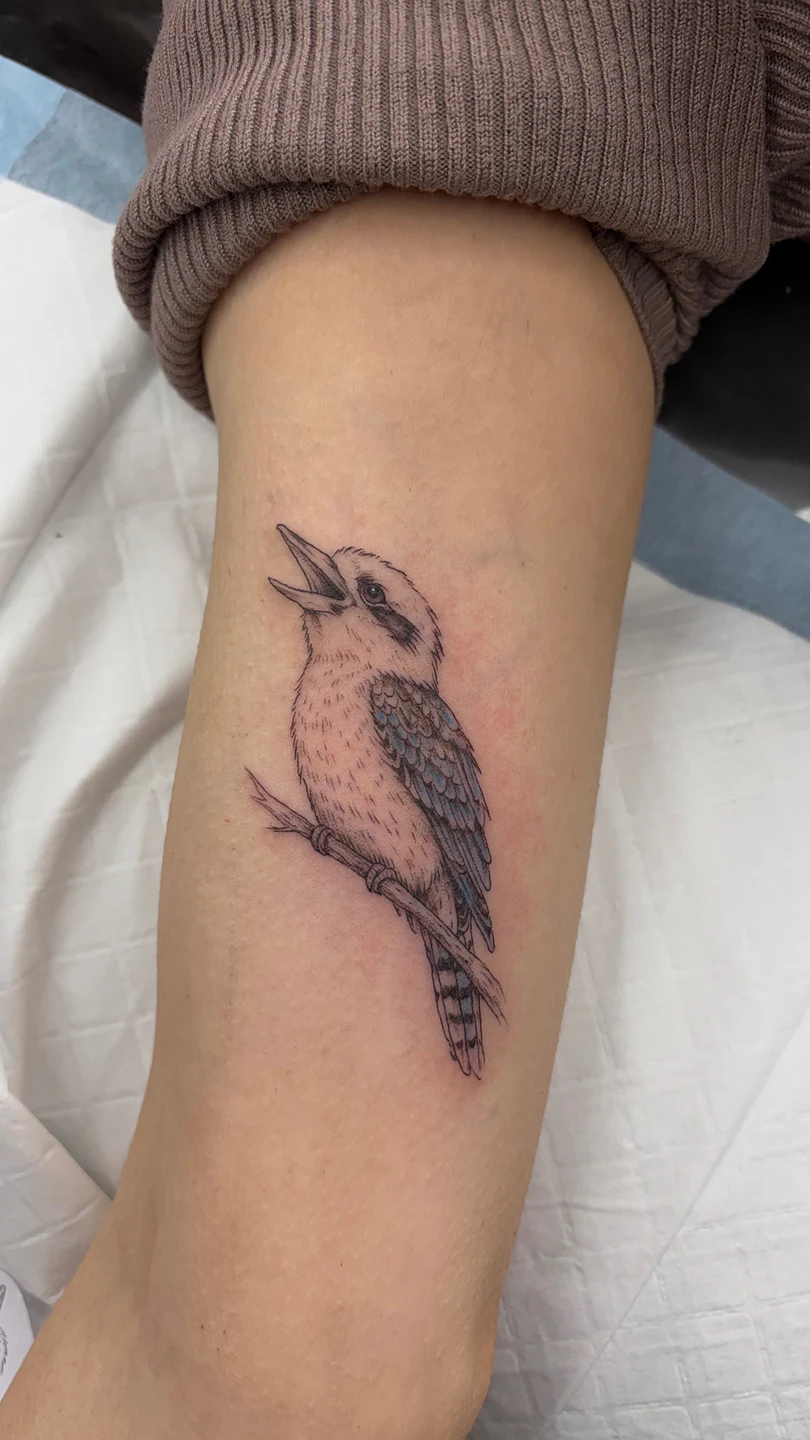
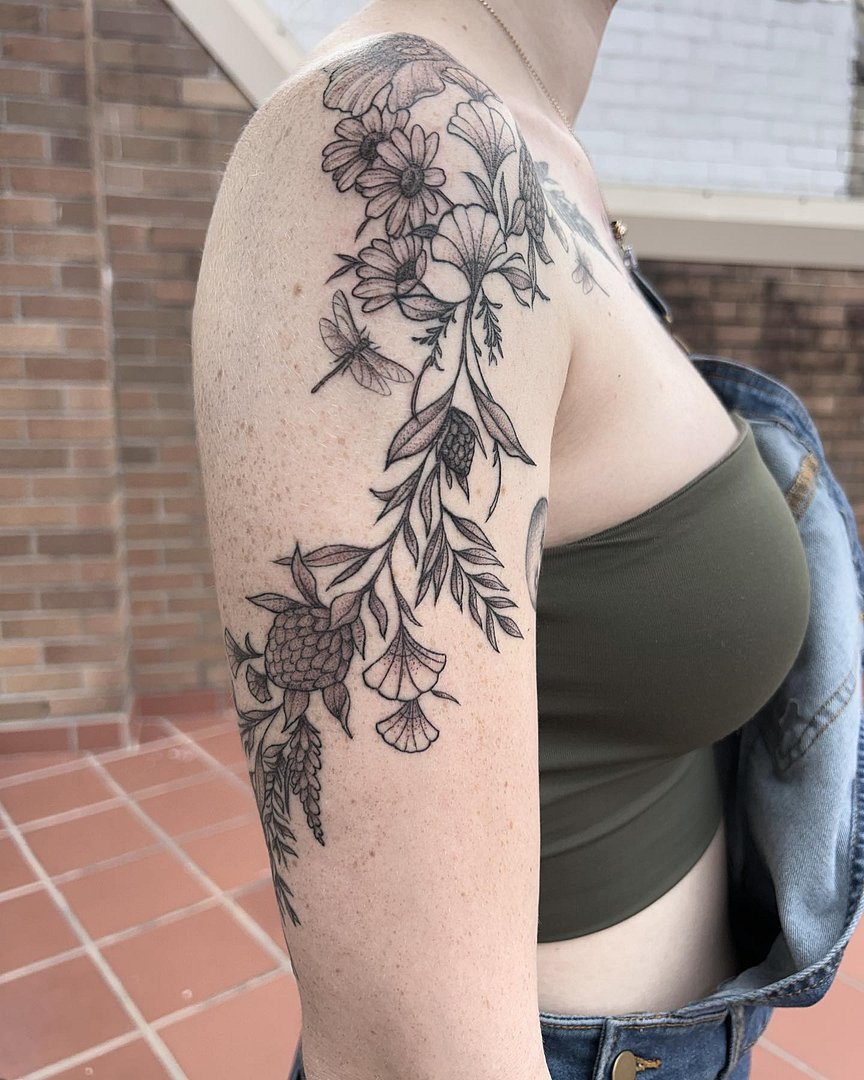
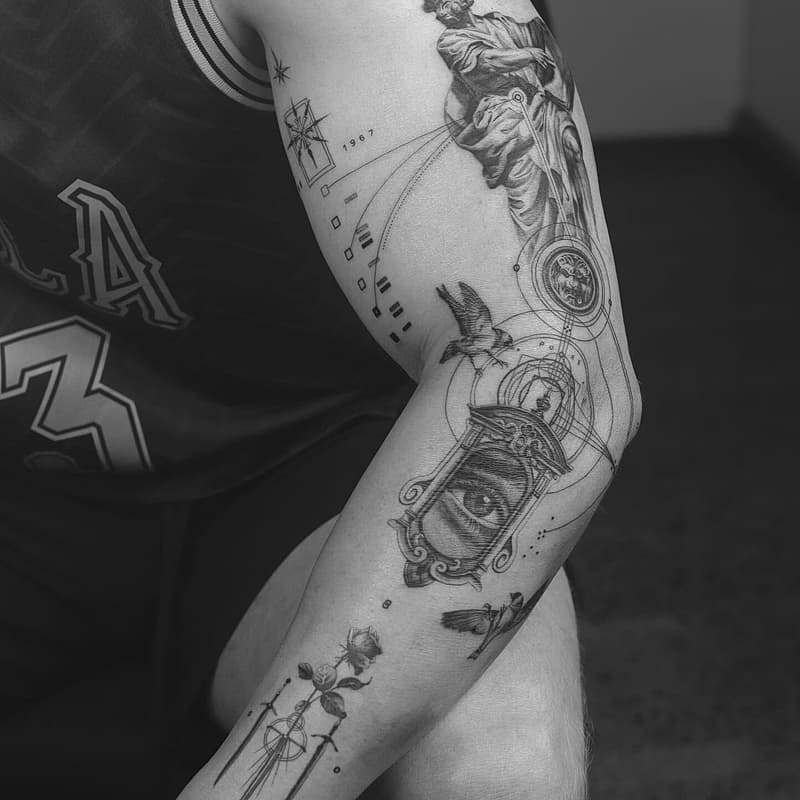
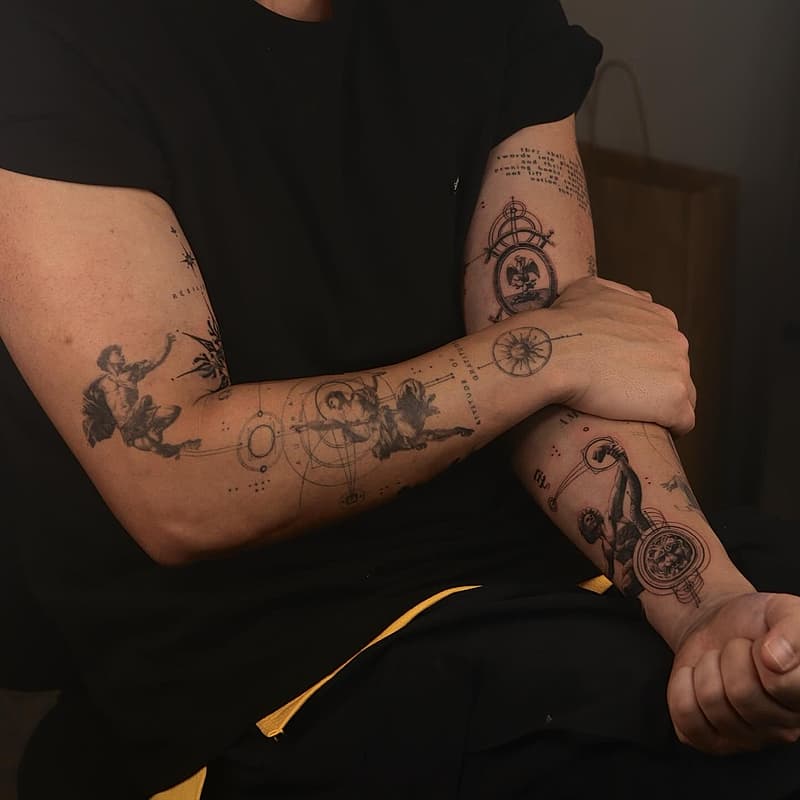
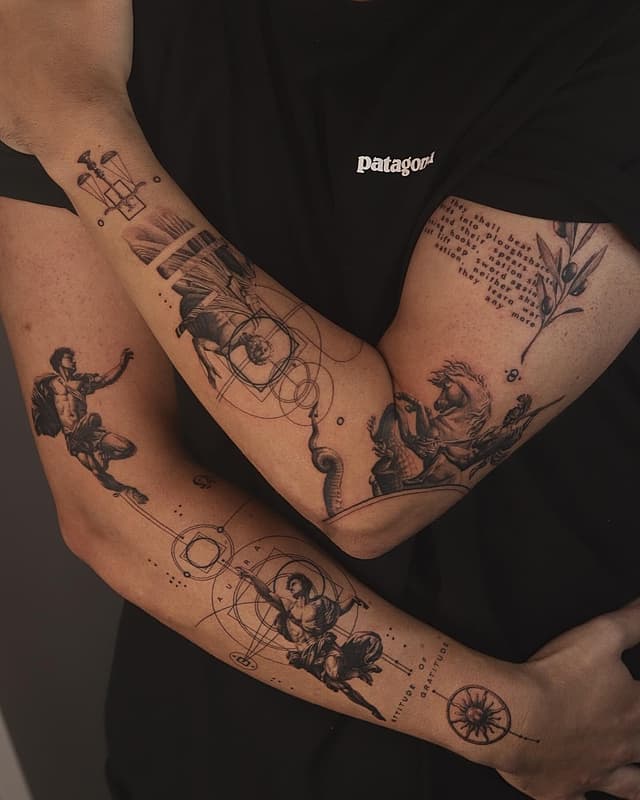
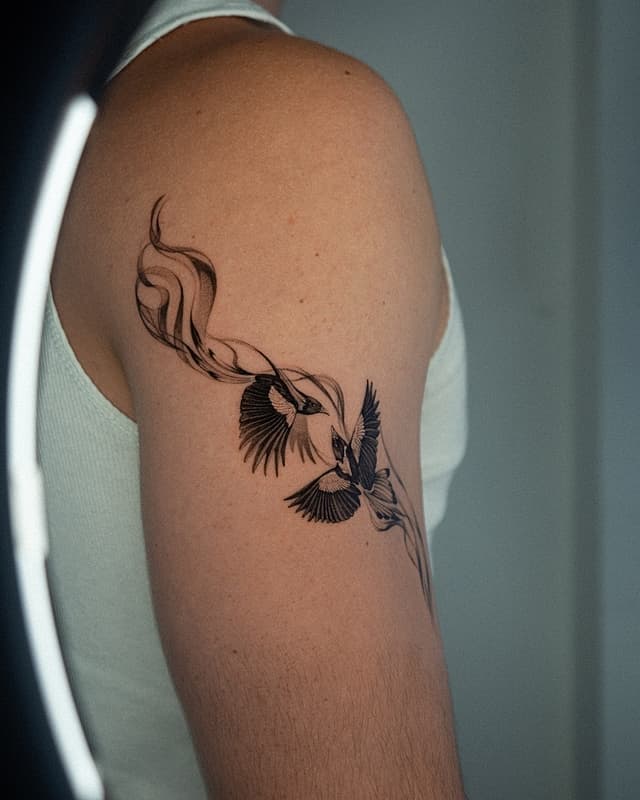
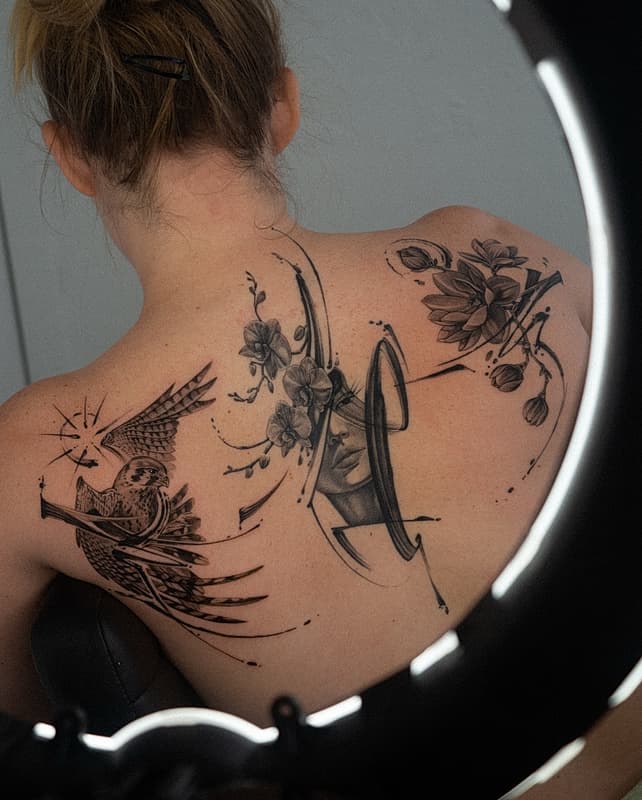

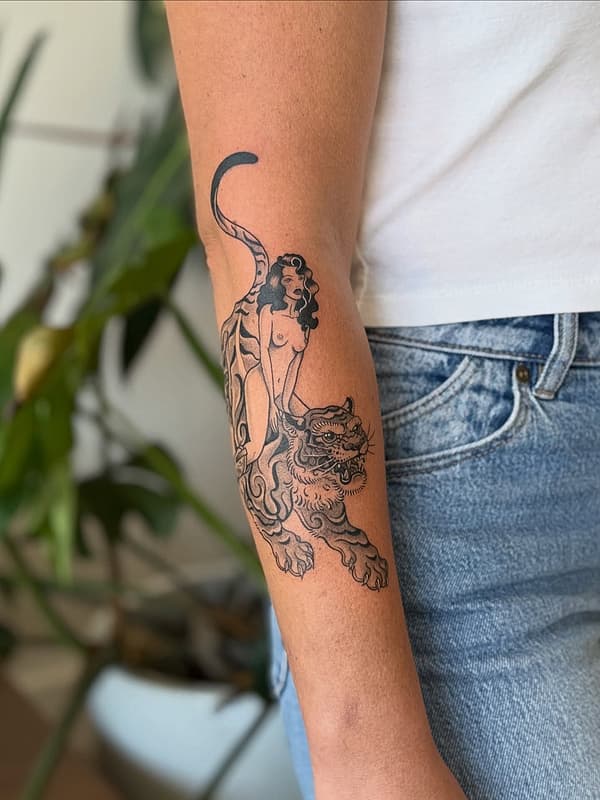
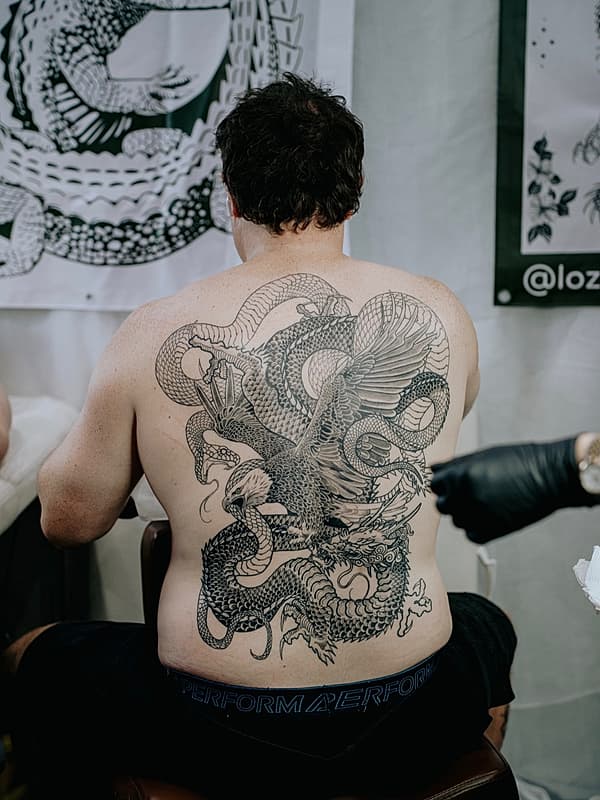
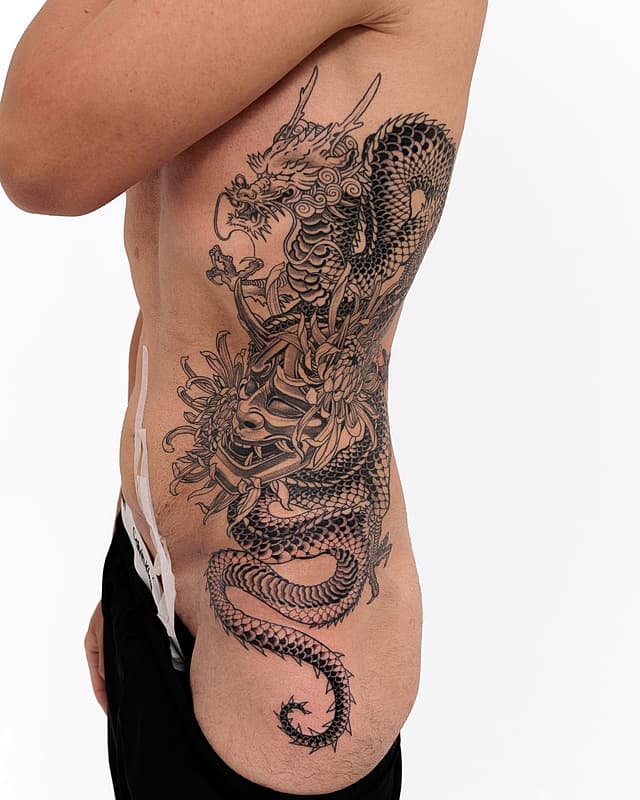

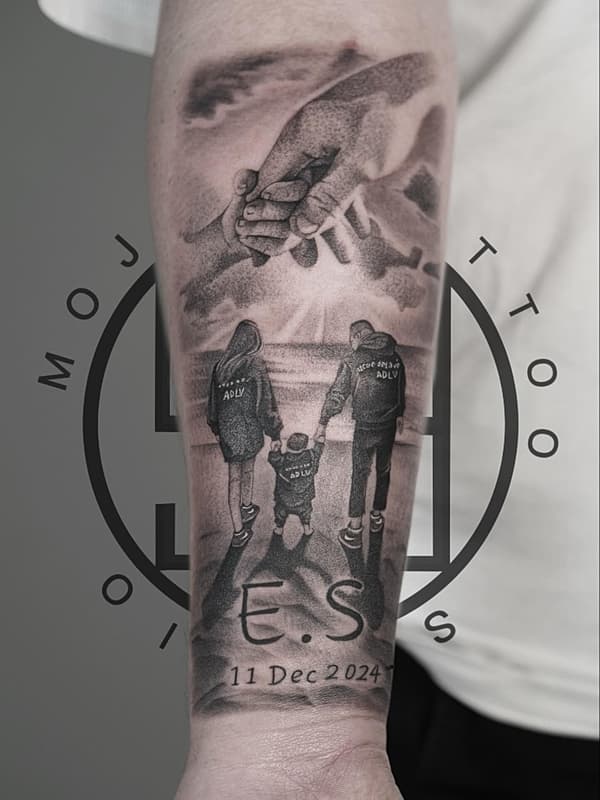
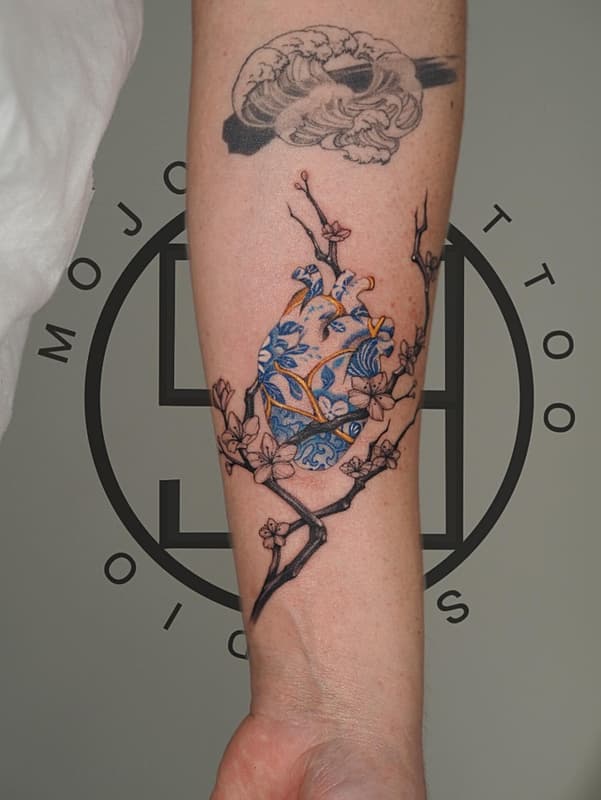
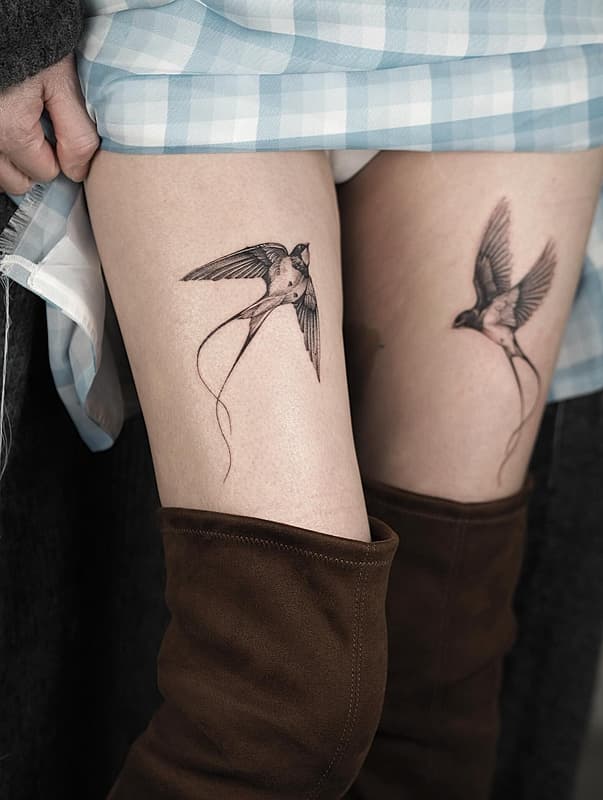
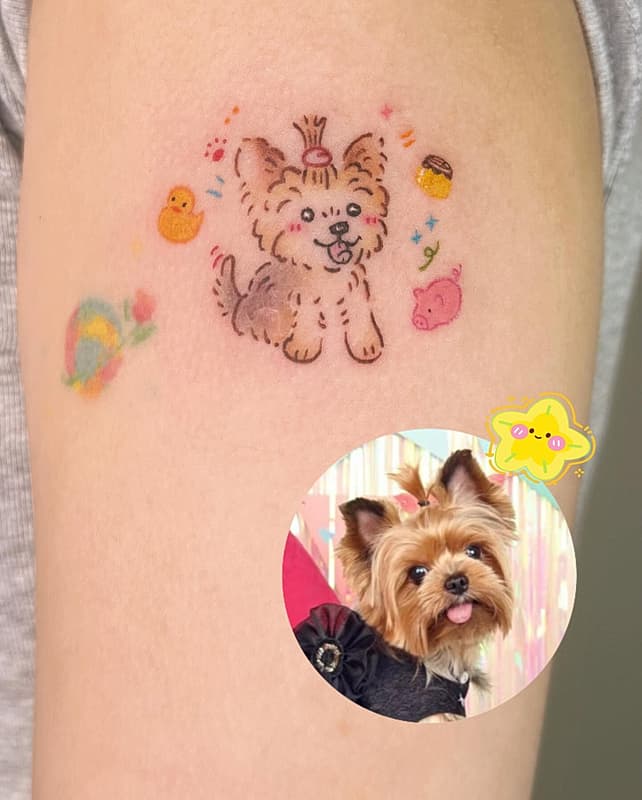
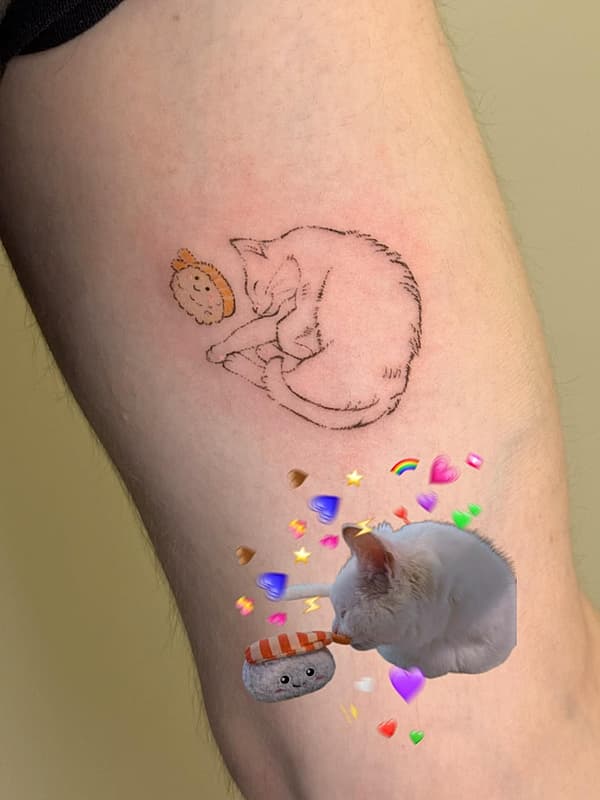

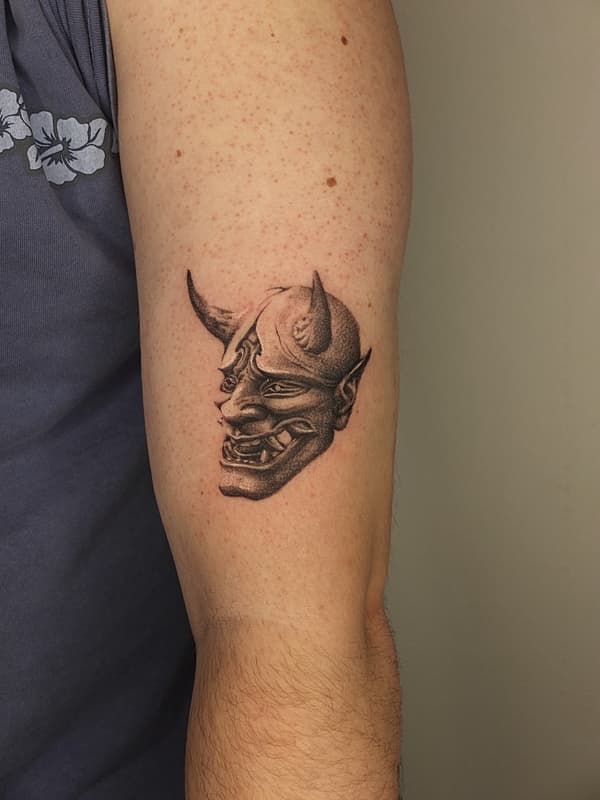
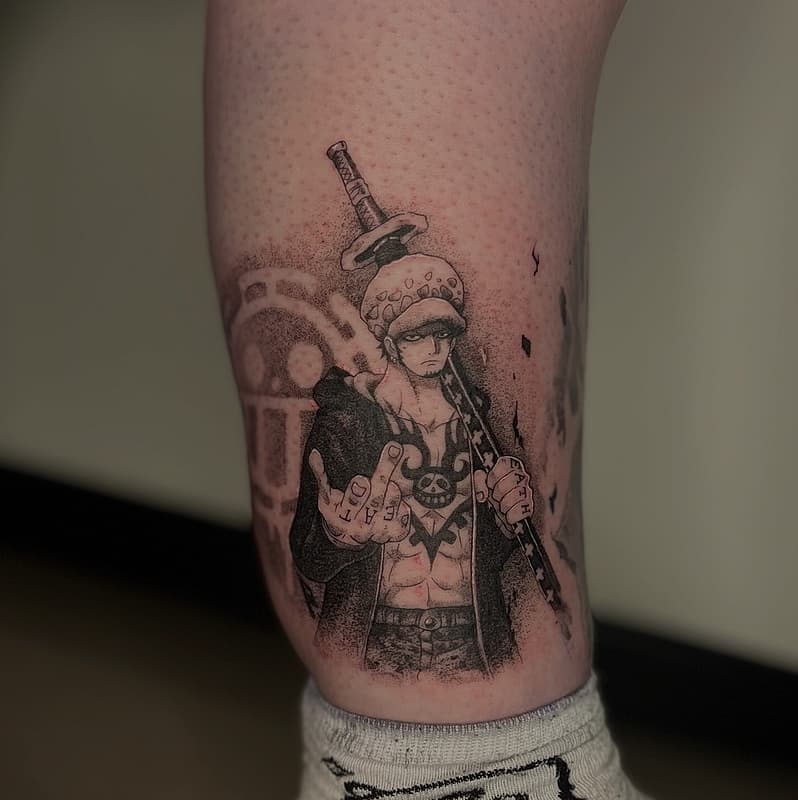
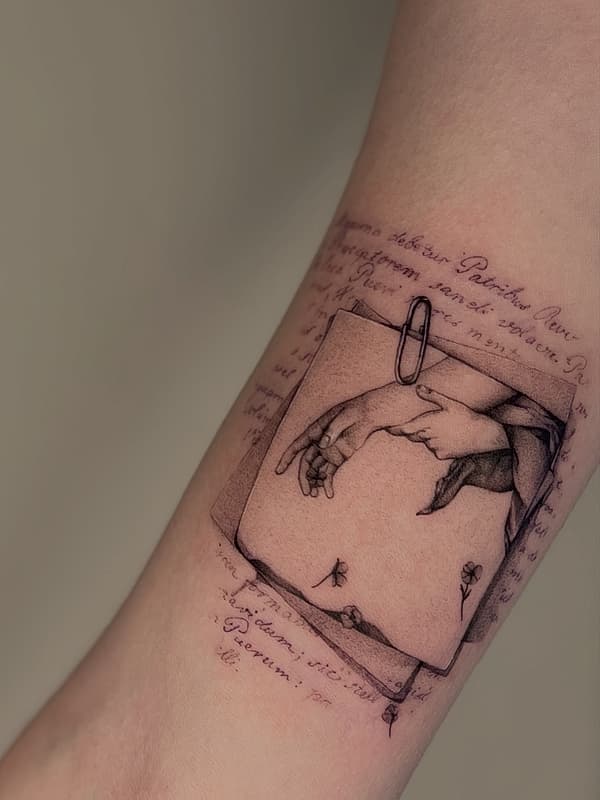

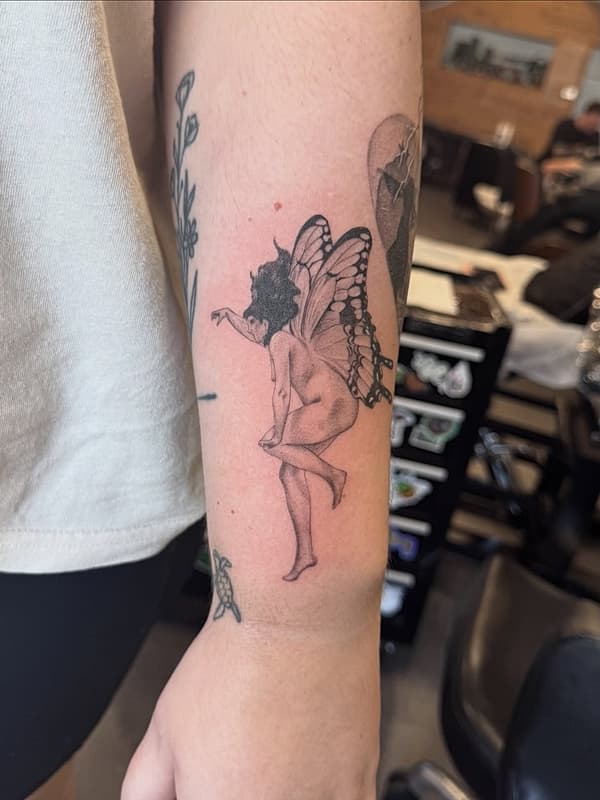
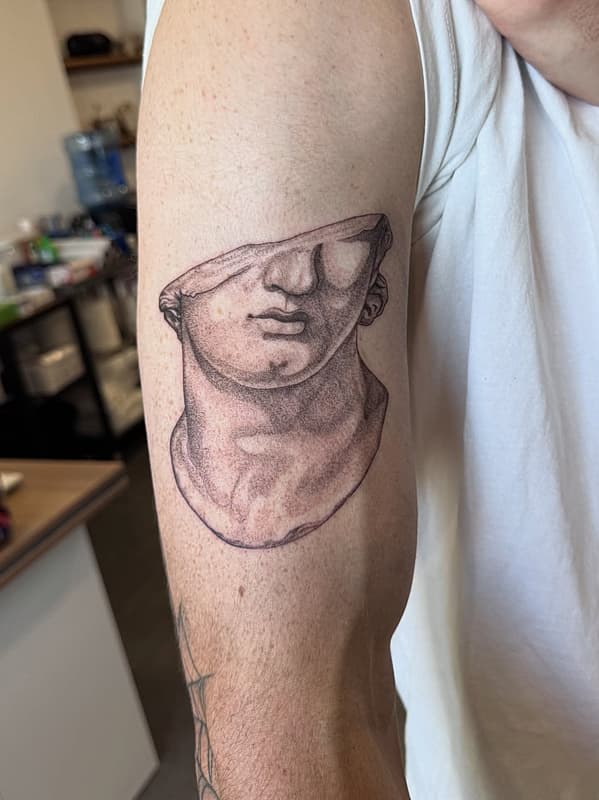
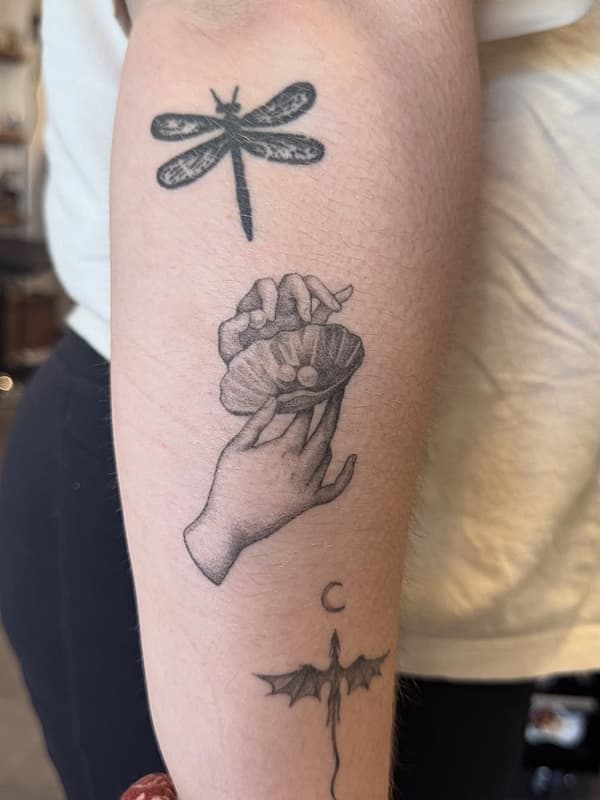

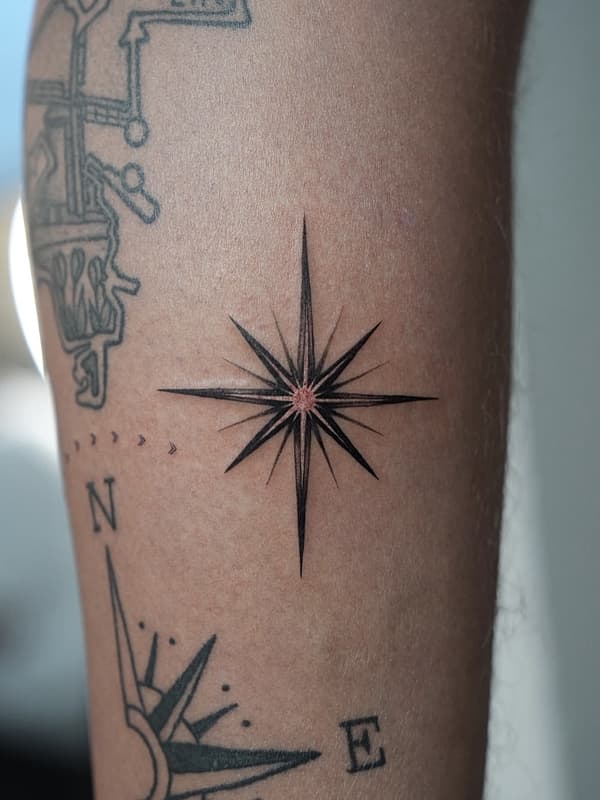
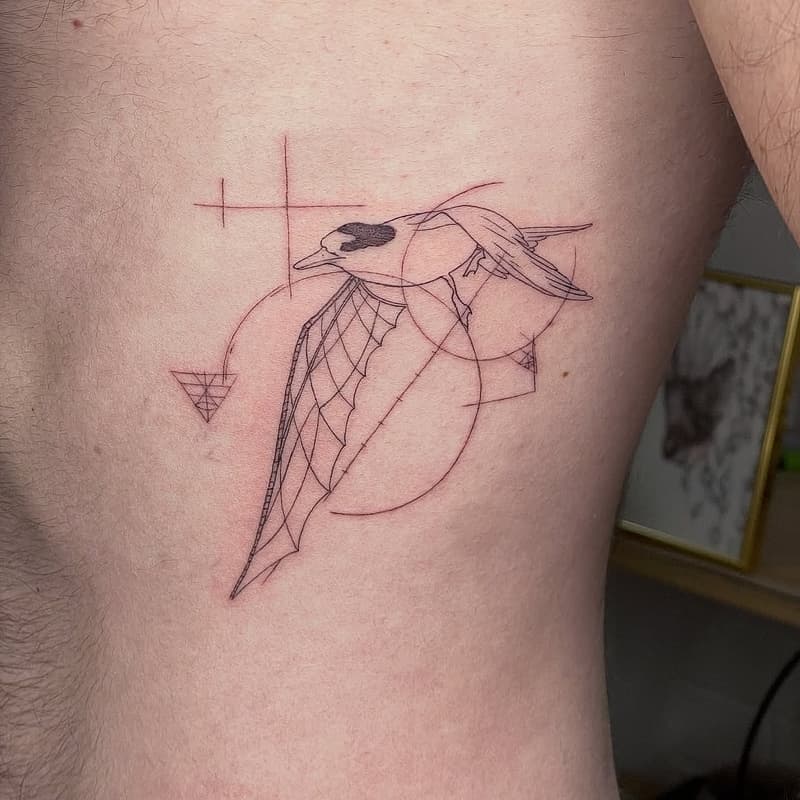
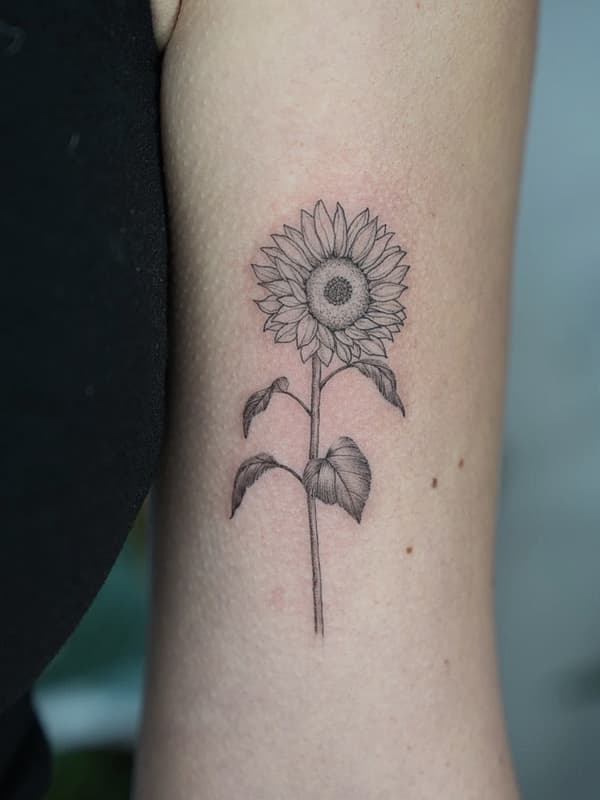

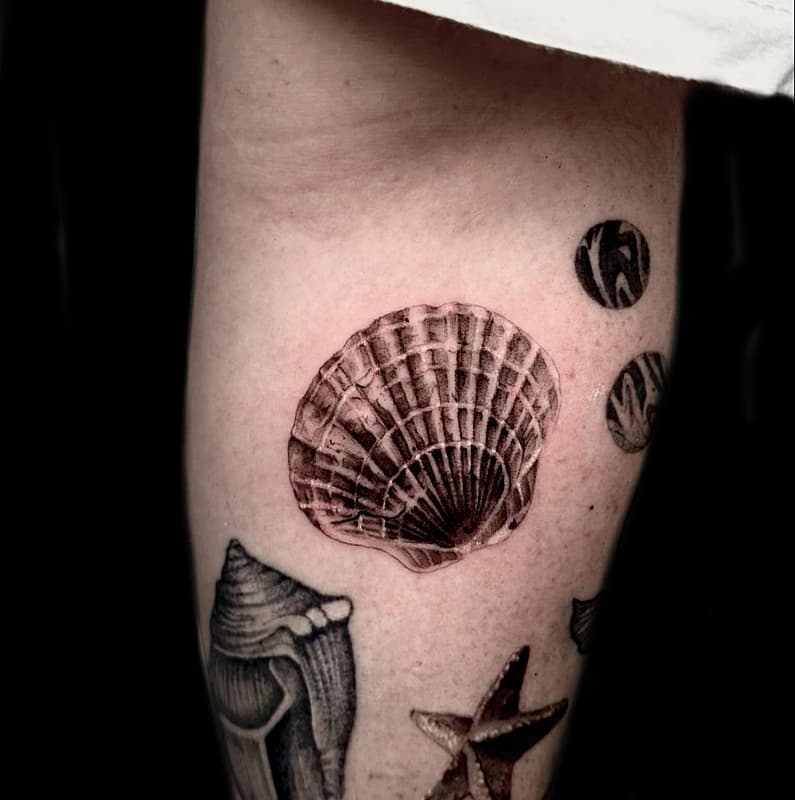
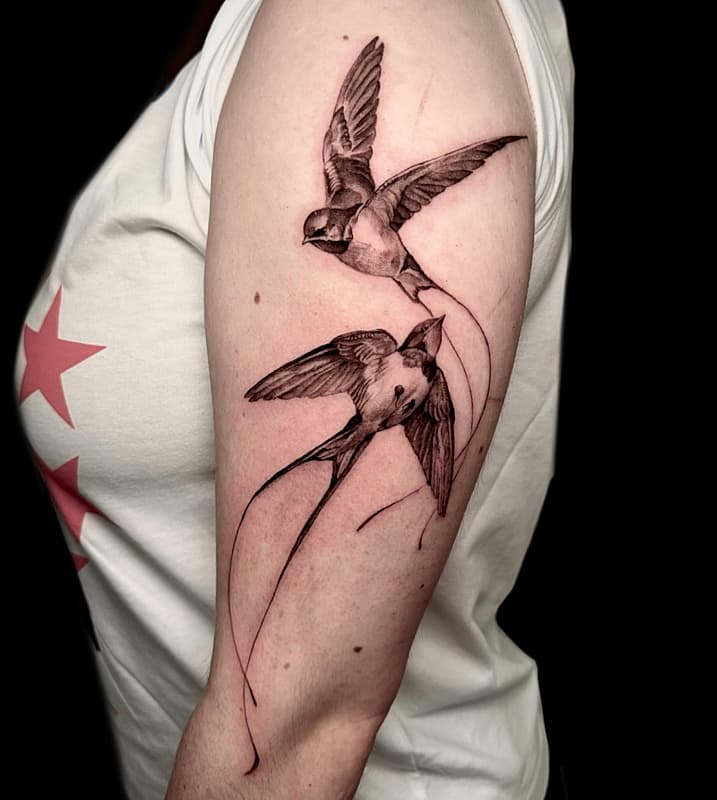
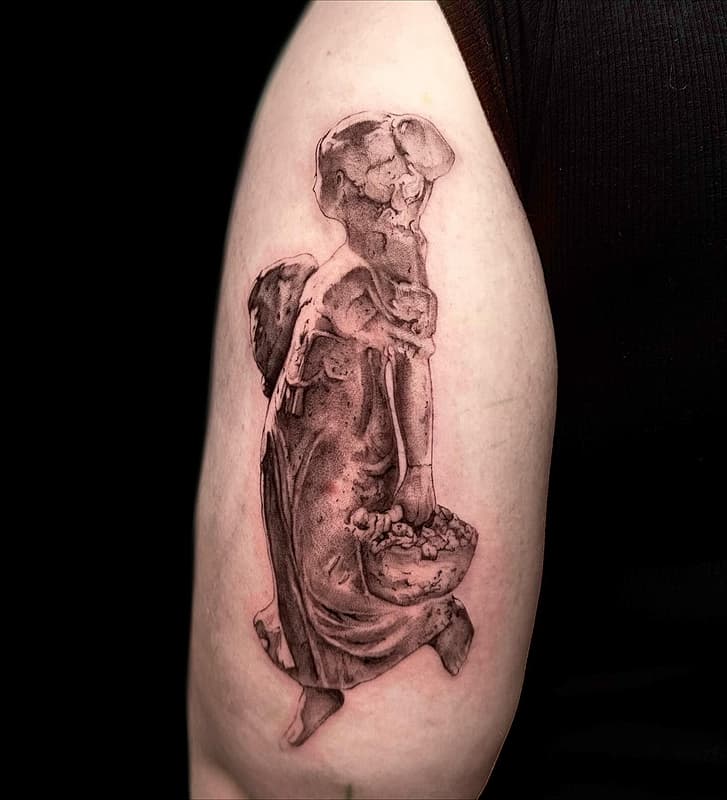

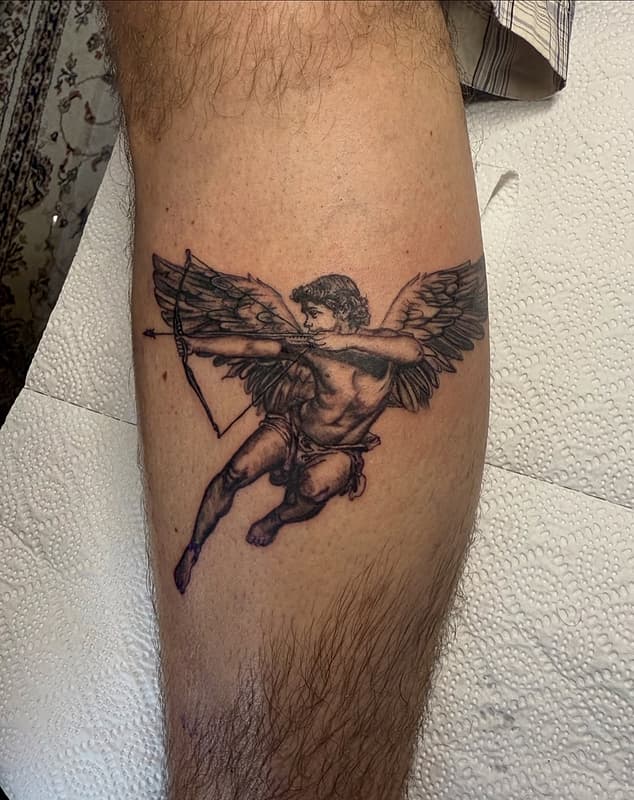
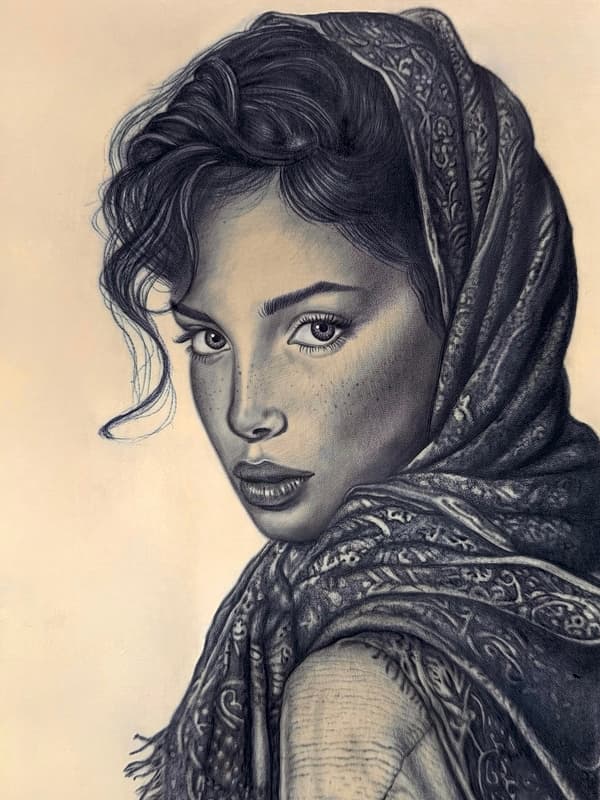
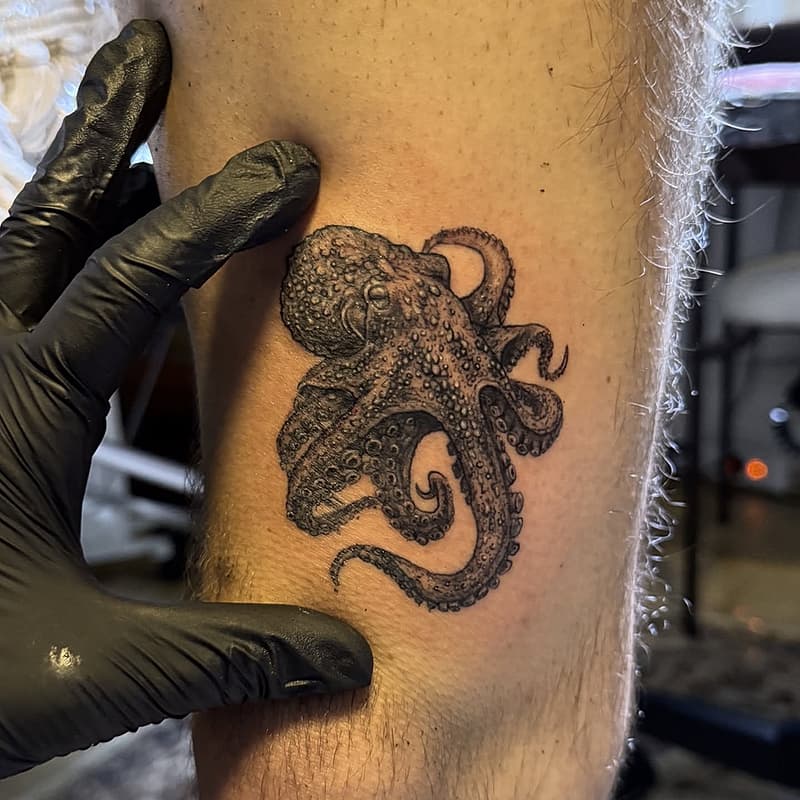

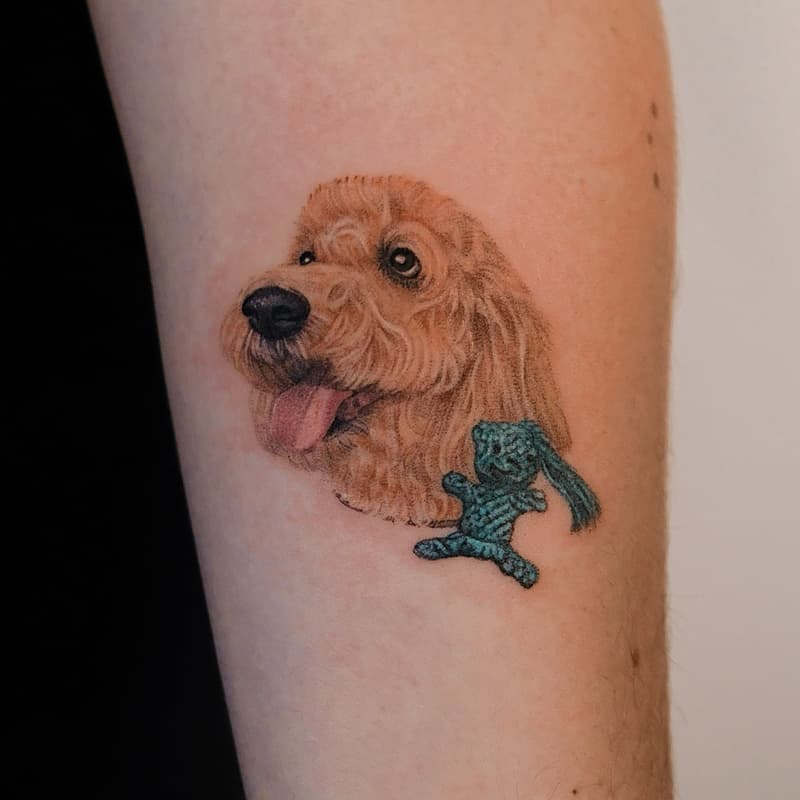
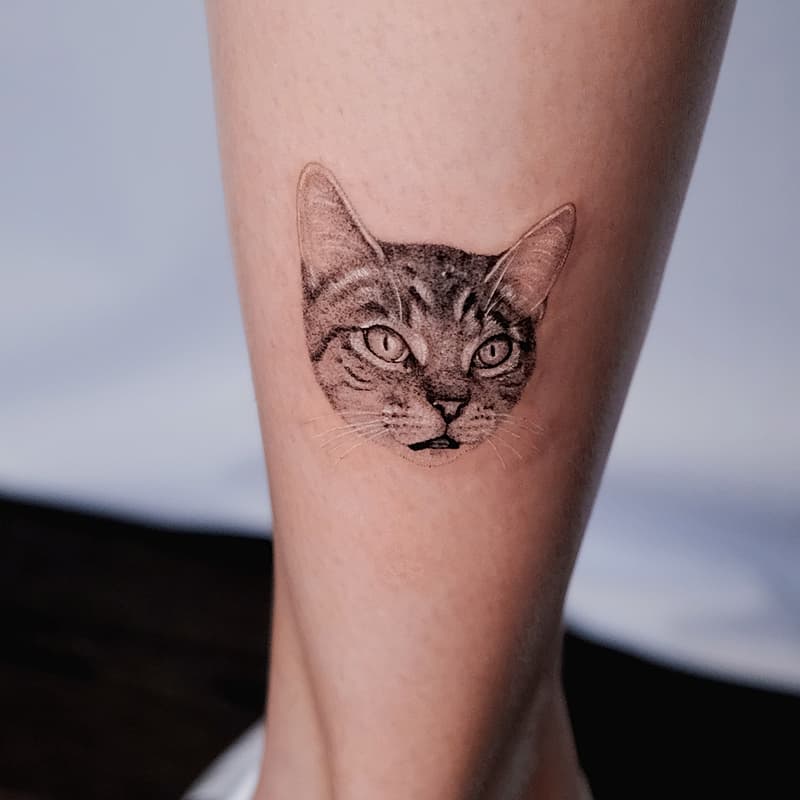
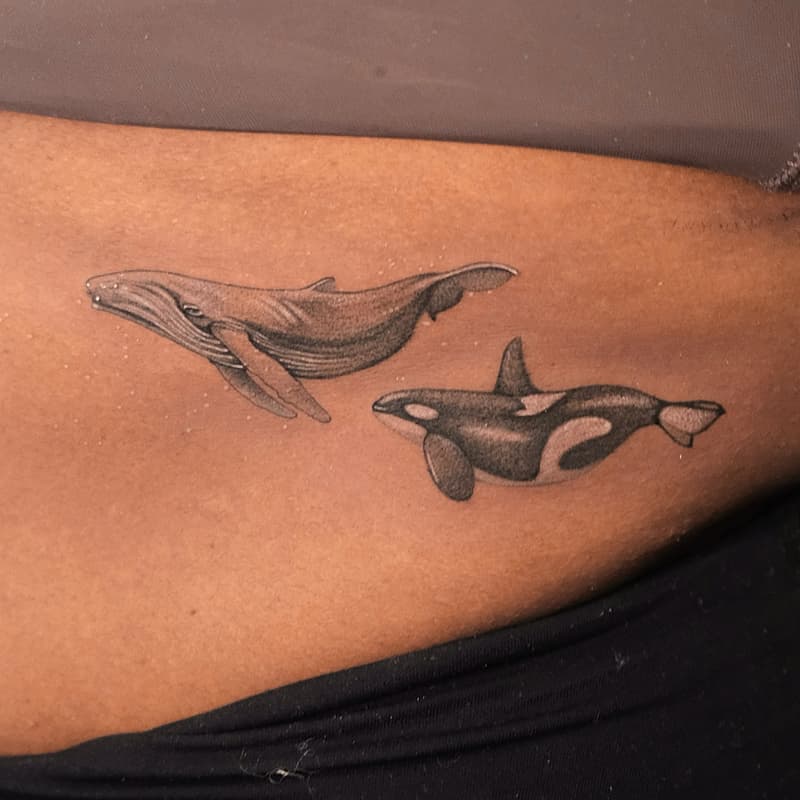

Micro realism compresses the detail and depth of realistic tattooing into small scale pieces, often under ten centimetres. Portraits, animal studies, film stills, and everyday objects are rendered with photographic accuracy at sizes that fit on a wrist or behind an ear. The style has exploded in popularity over the past decade, driven by artists working with single needles and fine needle groupings to achieve remarkable detail in tiny footprints. Technically, micro realism is among the most demanding styles in tattooing. There's no room for error at this scale, and the artist must understand exactly how much detail skin can actually hold. The best micro realists design with deliberate contrast and simplified value structures, so the piece reads clearly now and stays readable as ink settles. It's a style with a genuine trade off to understand before committing: the finer the detail, the more the piece will soften over the years. Honest artists are upfront about this and design accordingly, prioritising strong composition over cramming in detail that skin can't hold long term.
What to look for: Healed photos are everything with micro realism. Fresh work always looks sharp, so look for pieces in the portfolio labelled as healed at six months or more. Strong micro realists show clean contrast and clear focal points, not just density of detail. Check that skin tones and gradients are smooth rather than patchy. An artist who talks openly about size limits and ageing is showing professionalism, not lack of confidence.