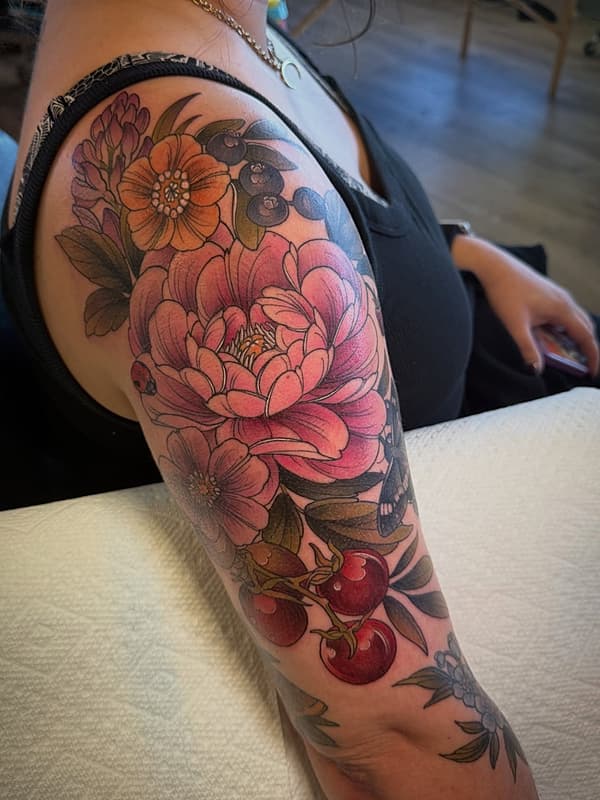
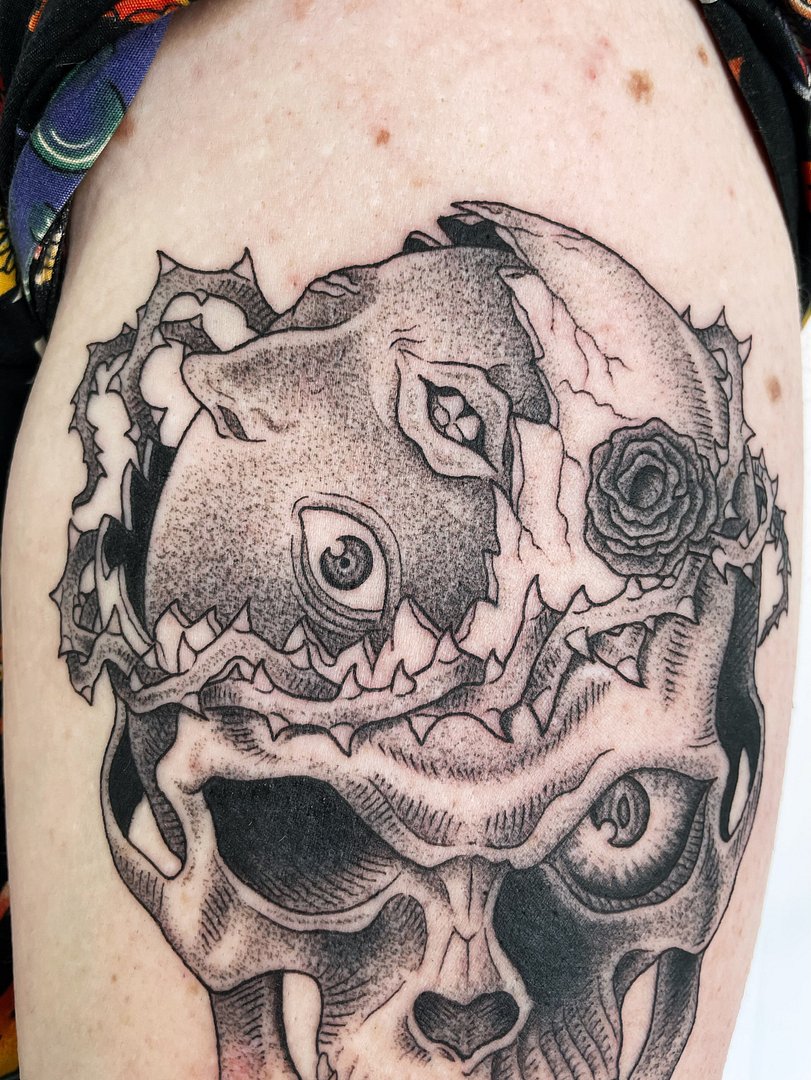
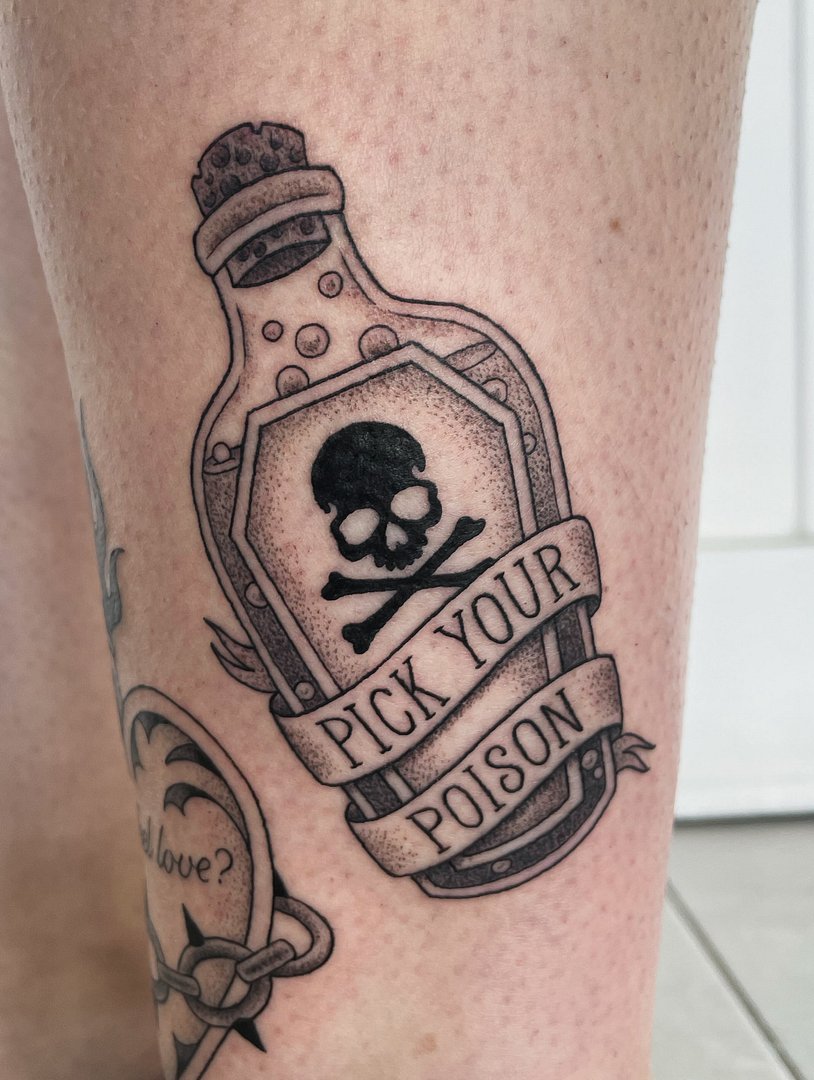
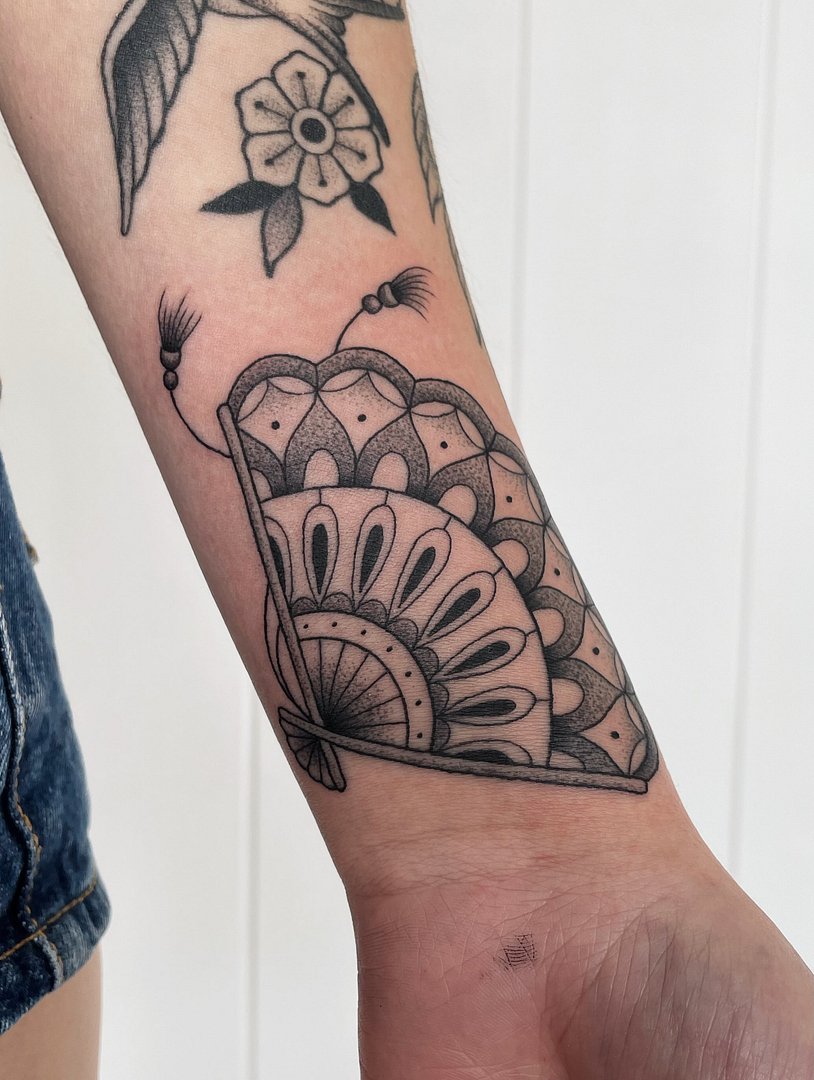

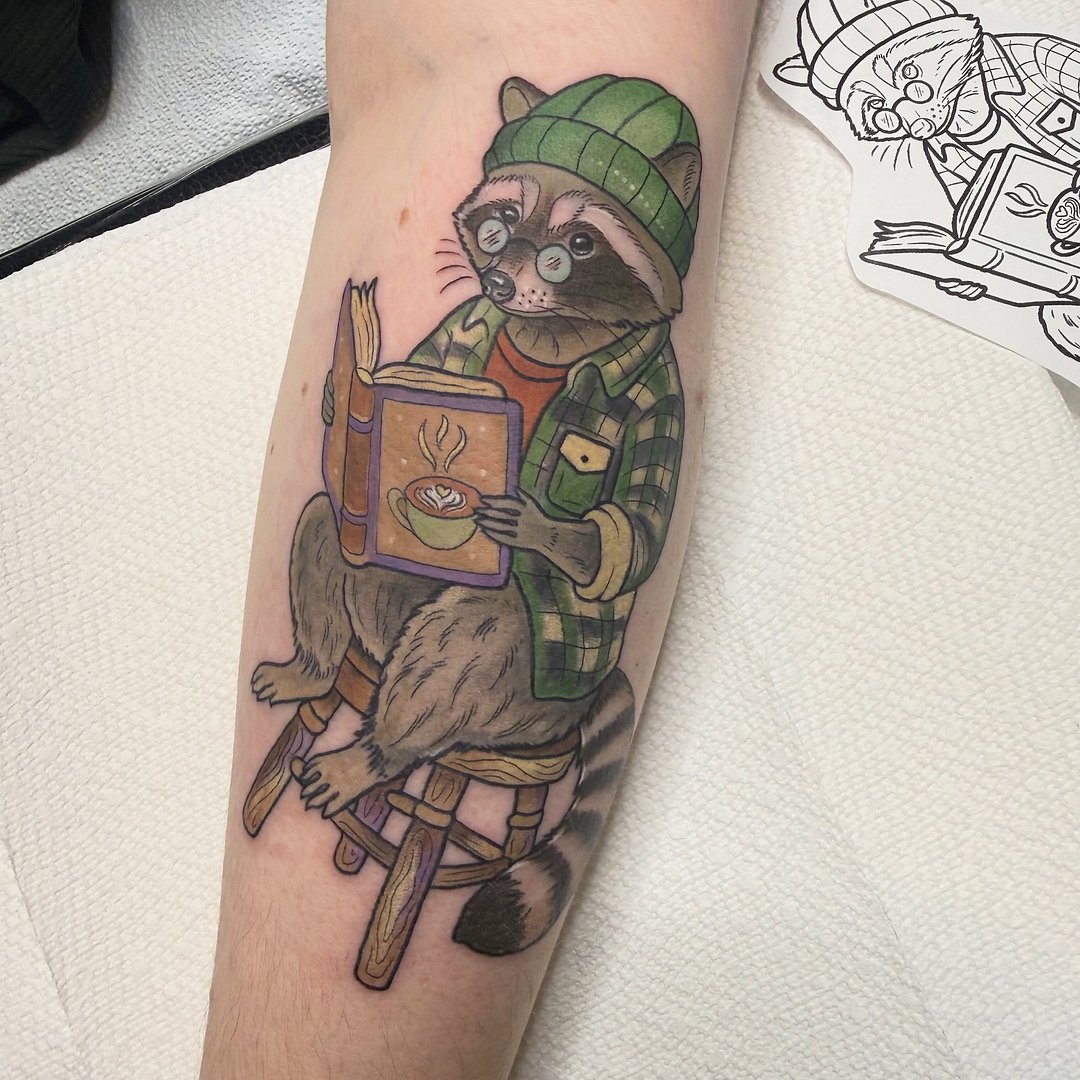
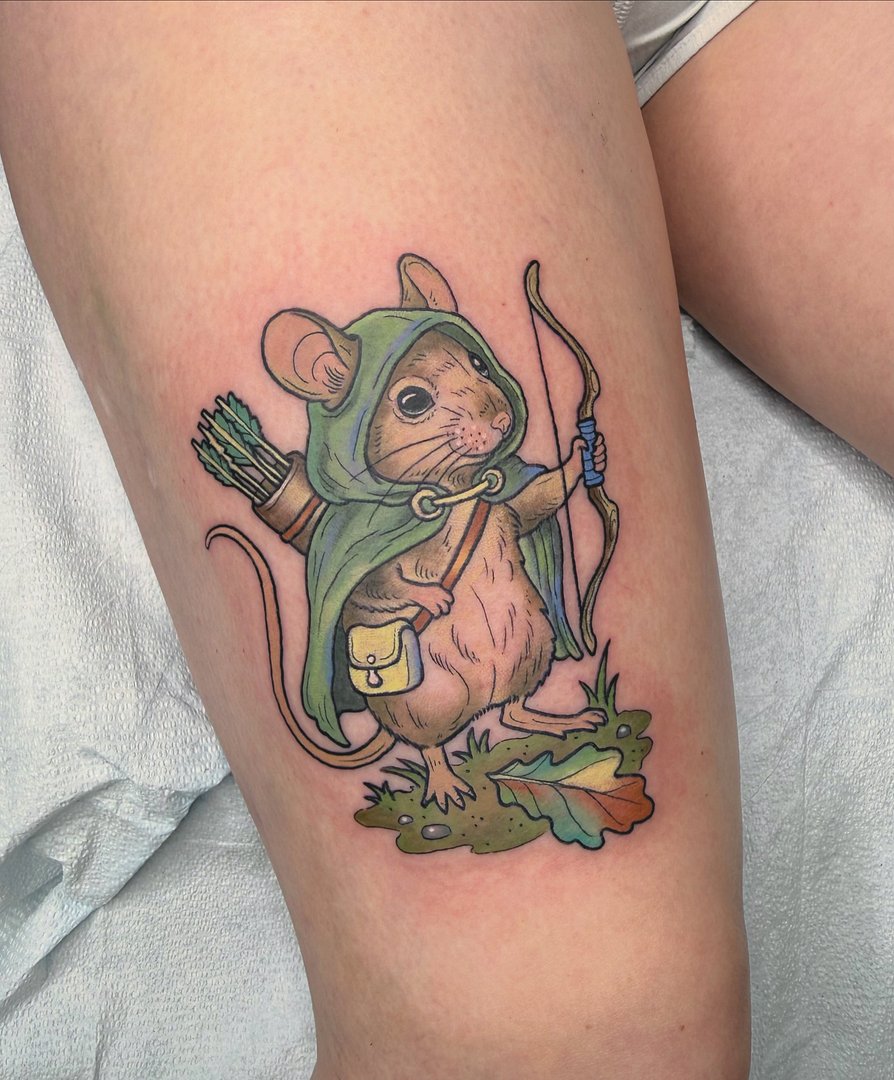
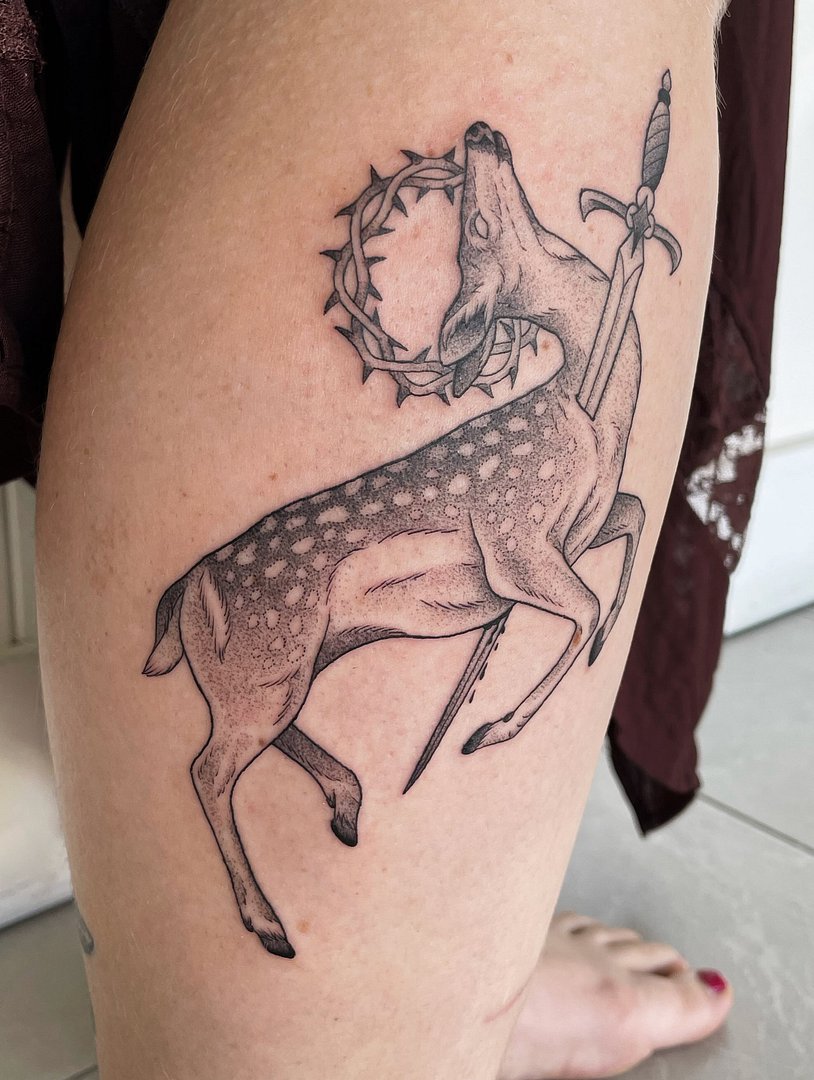
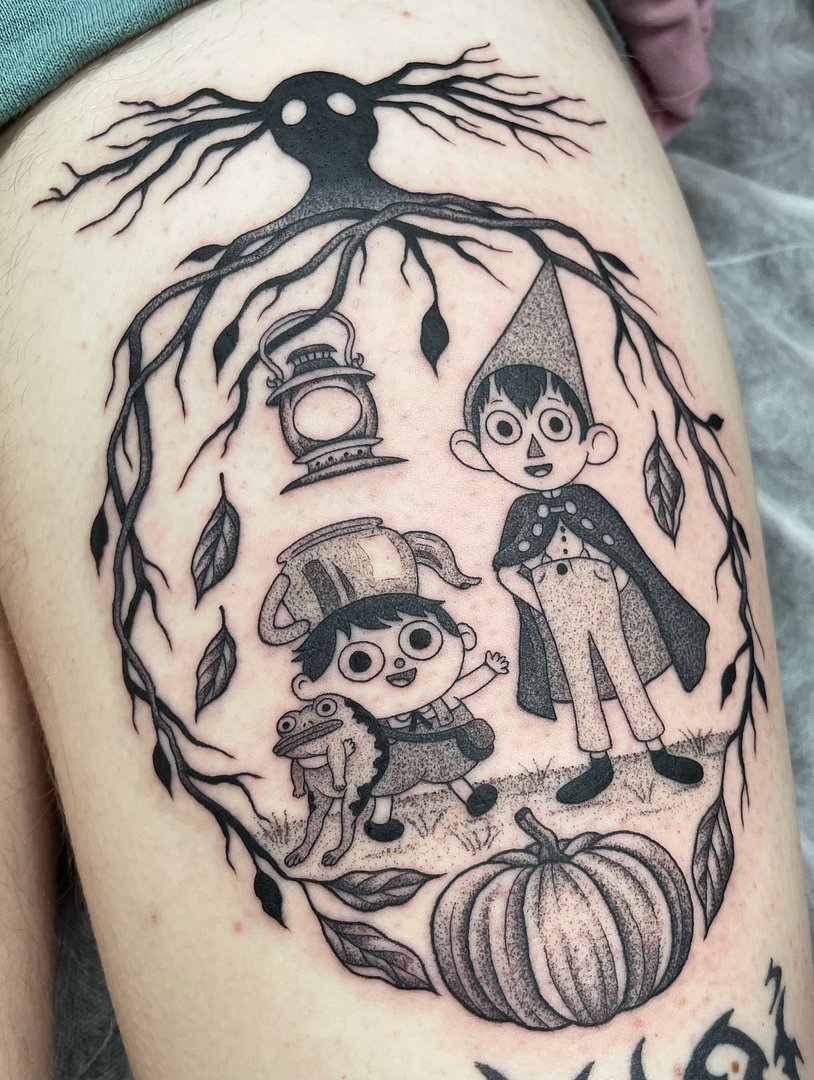
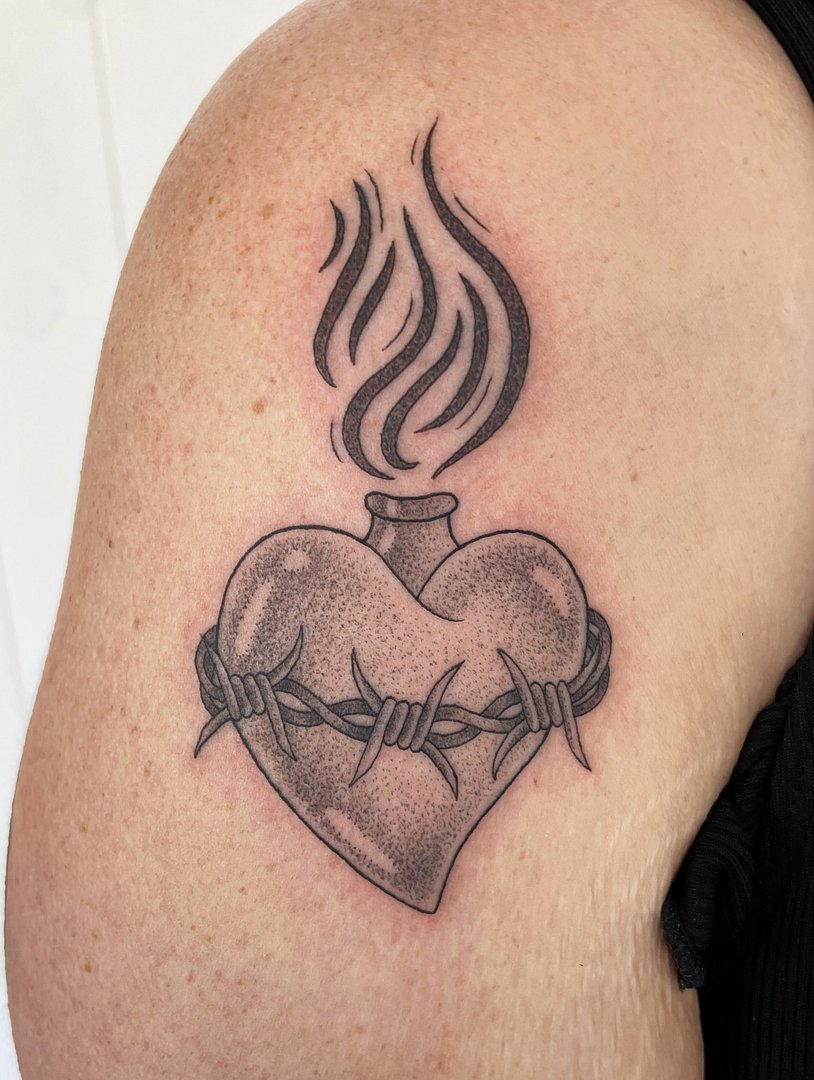
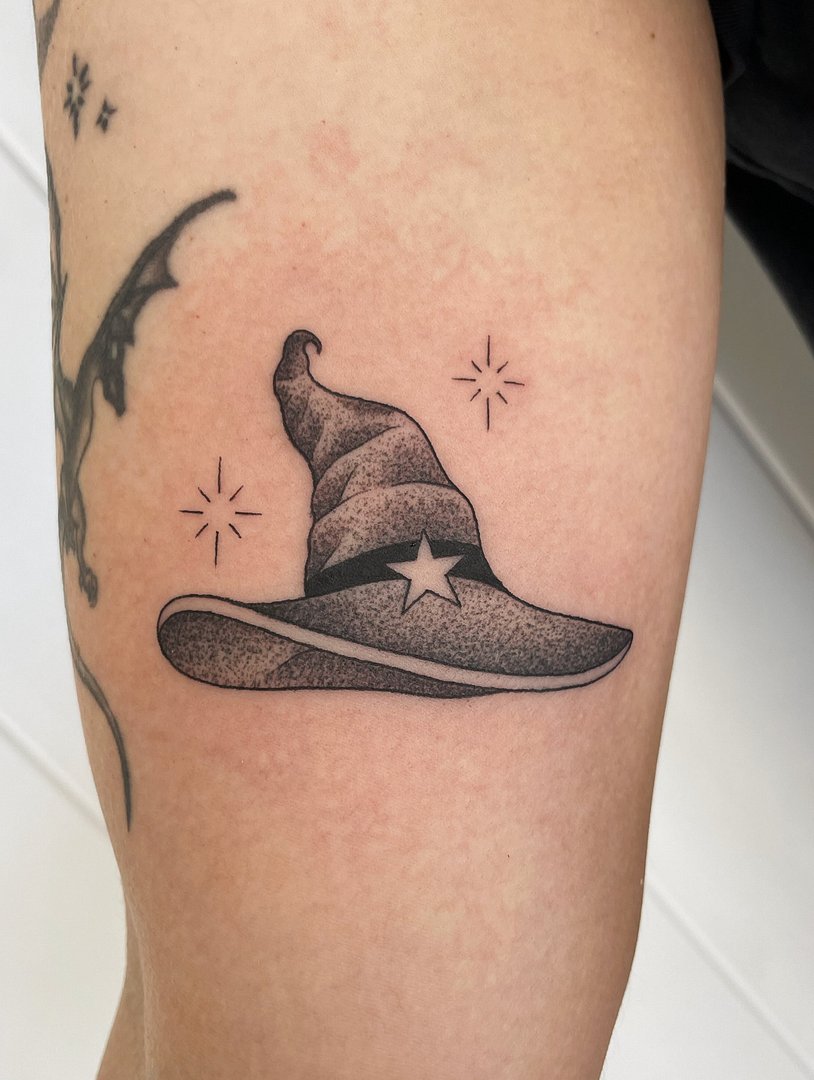
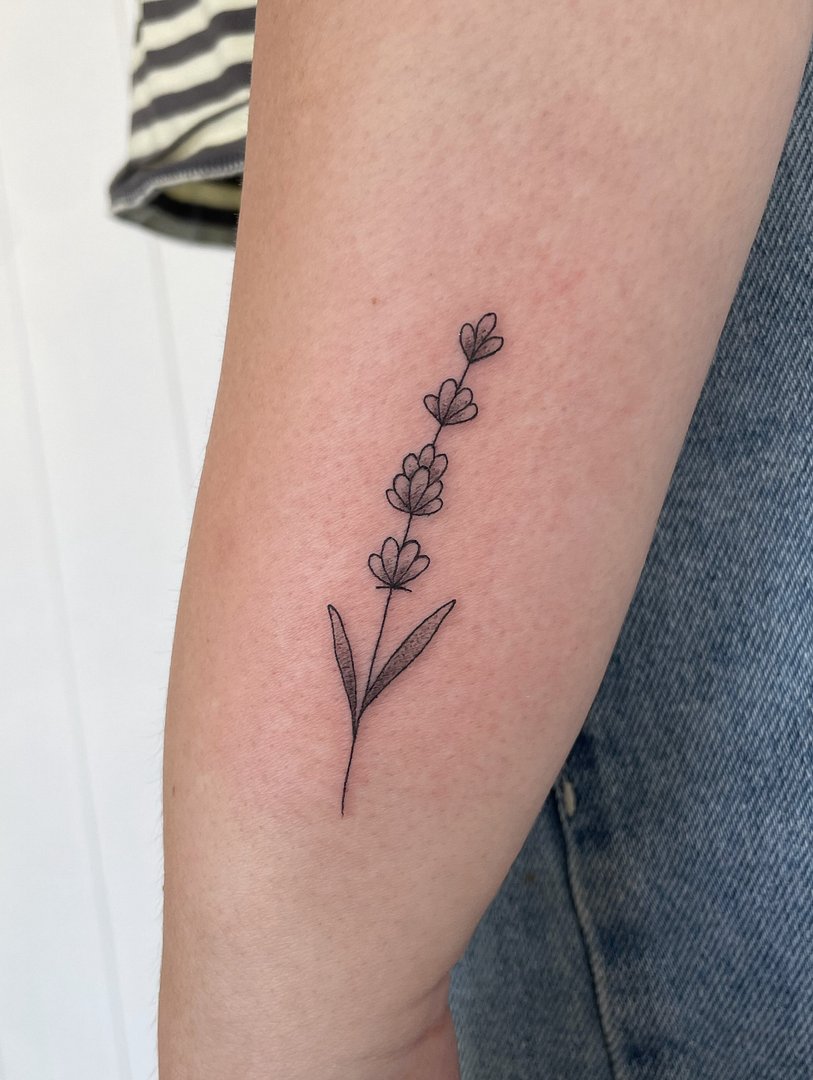
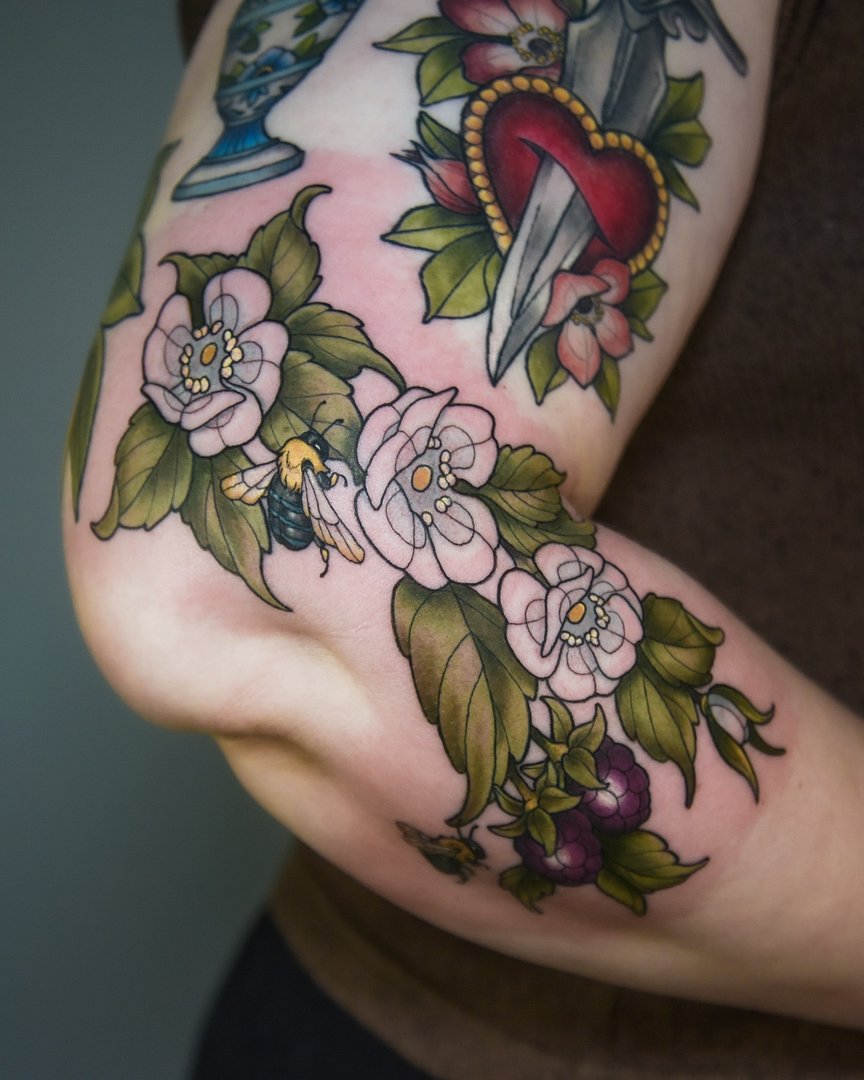
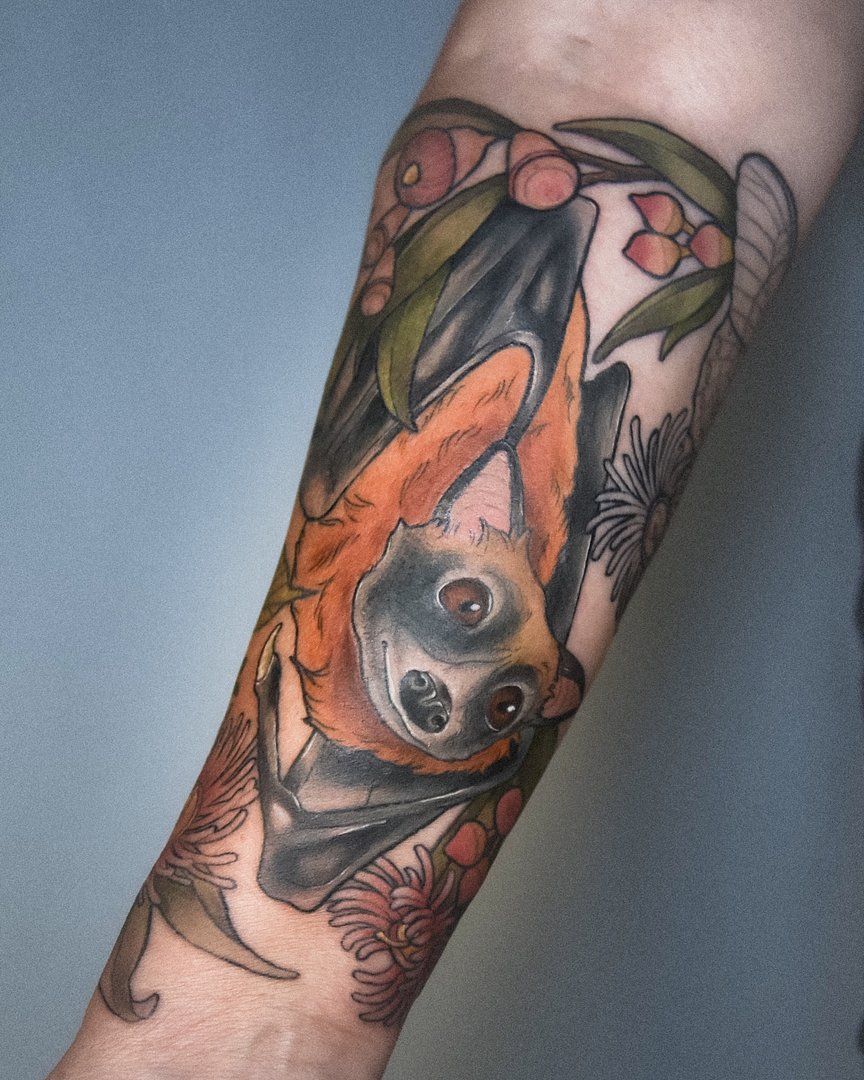
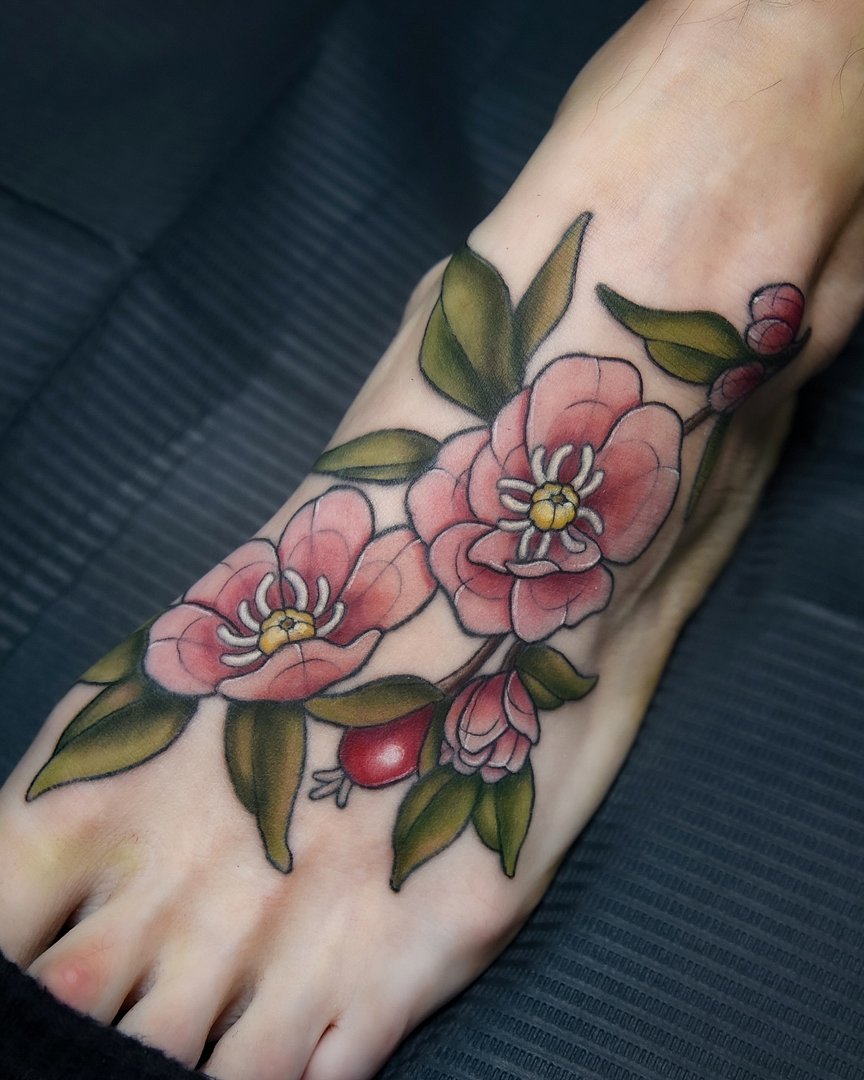
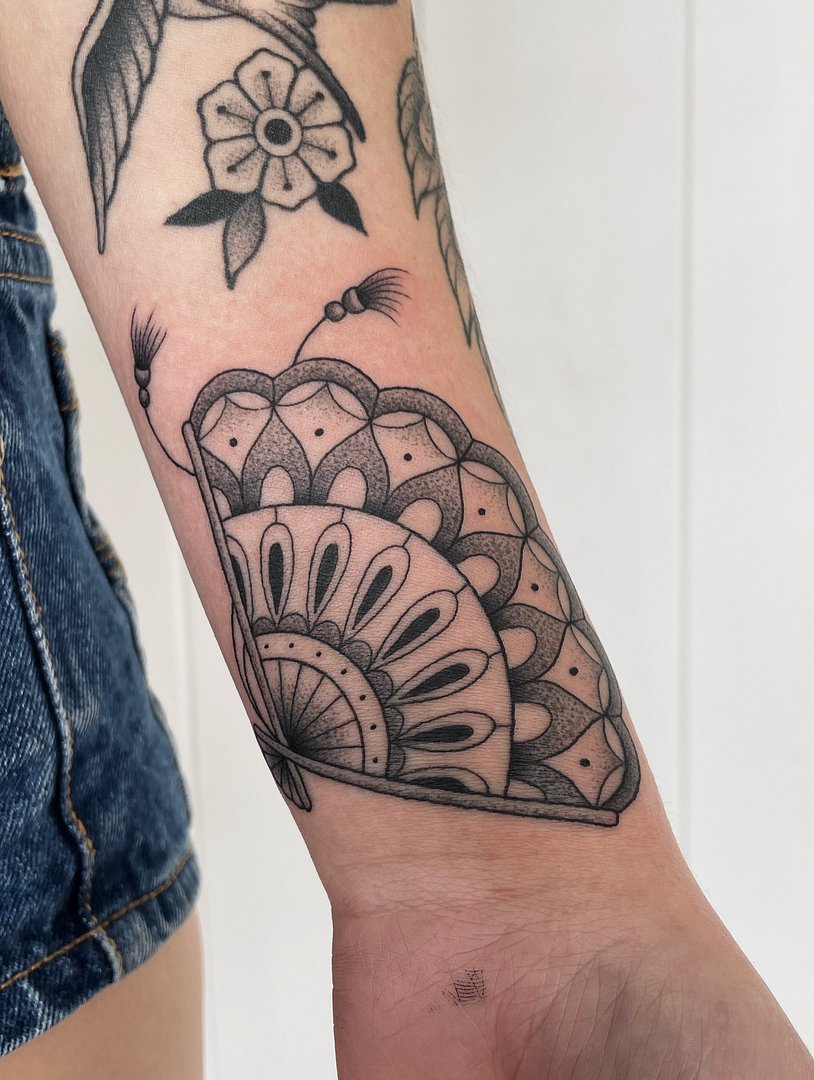
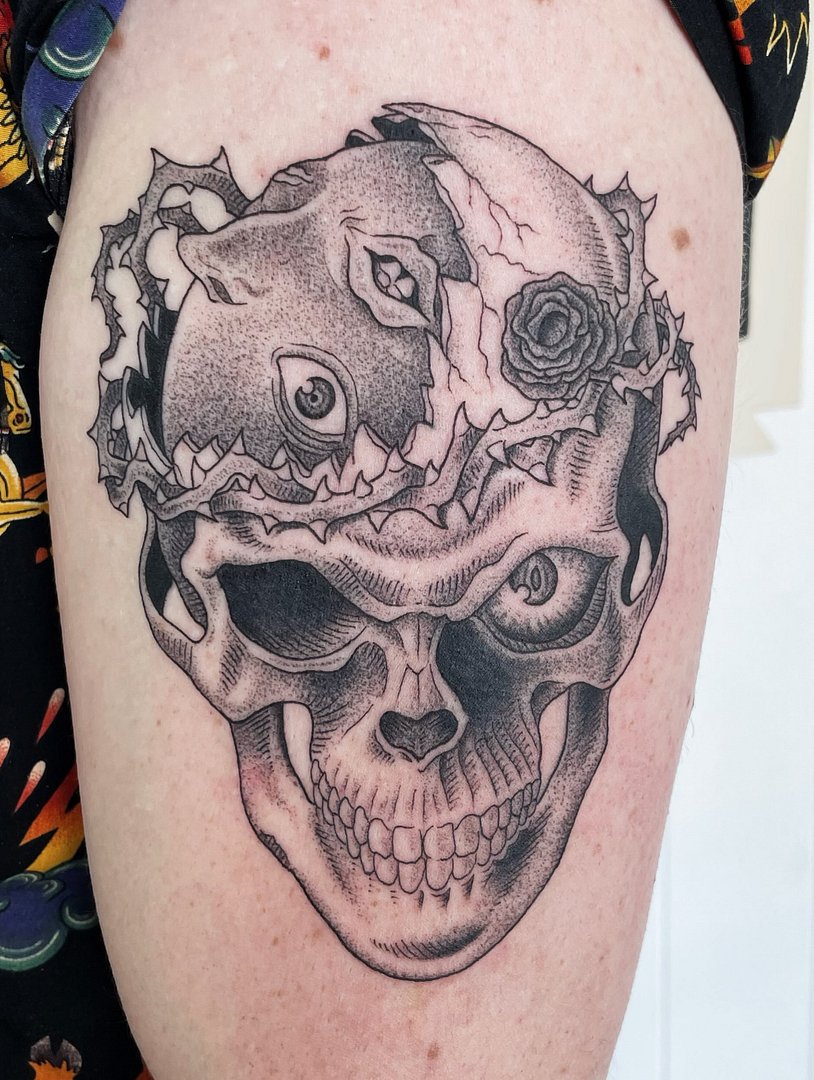
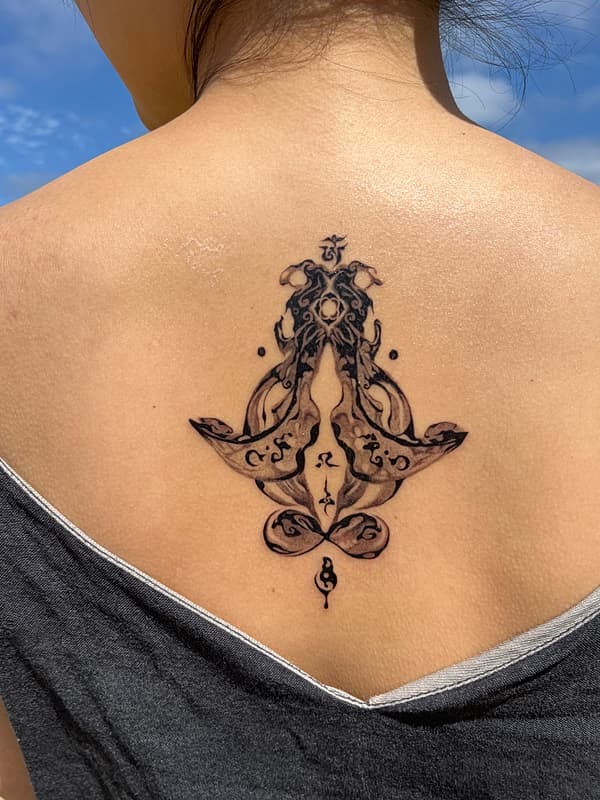
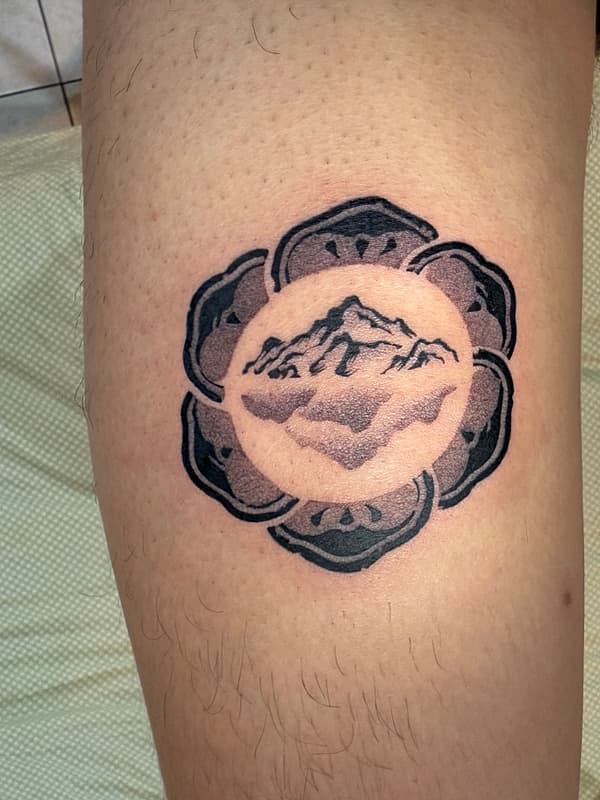
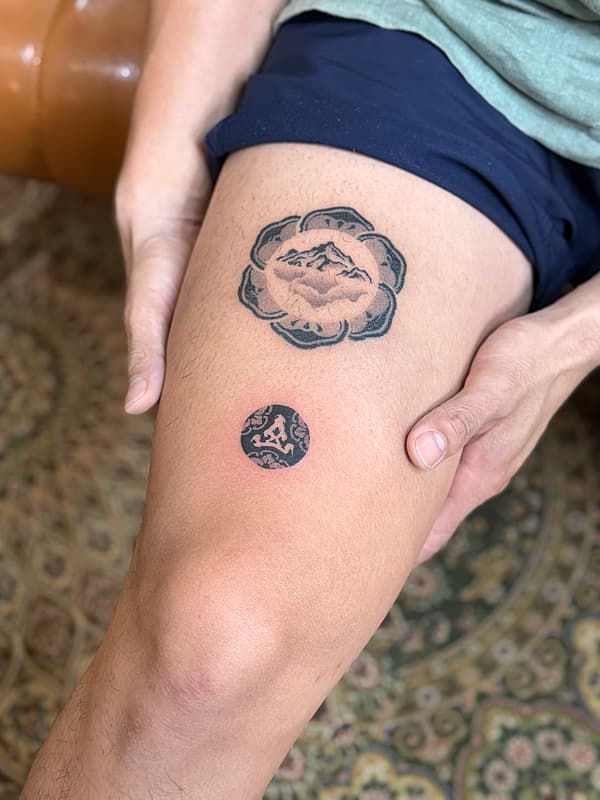

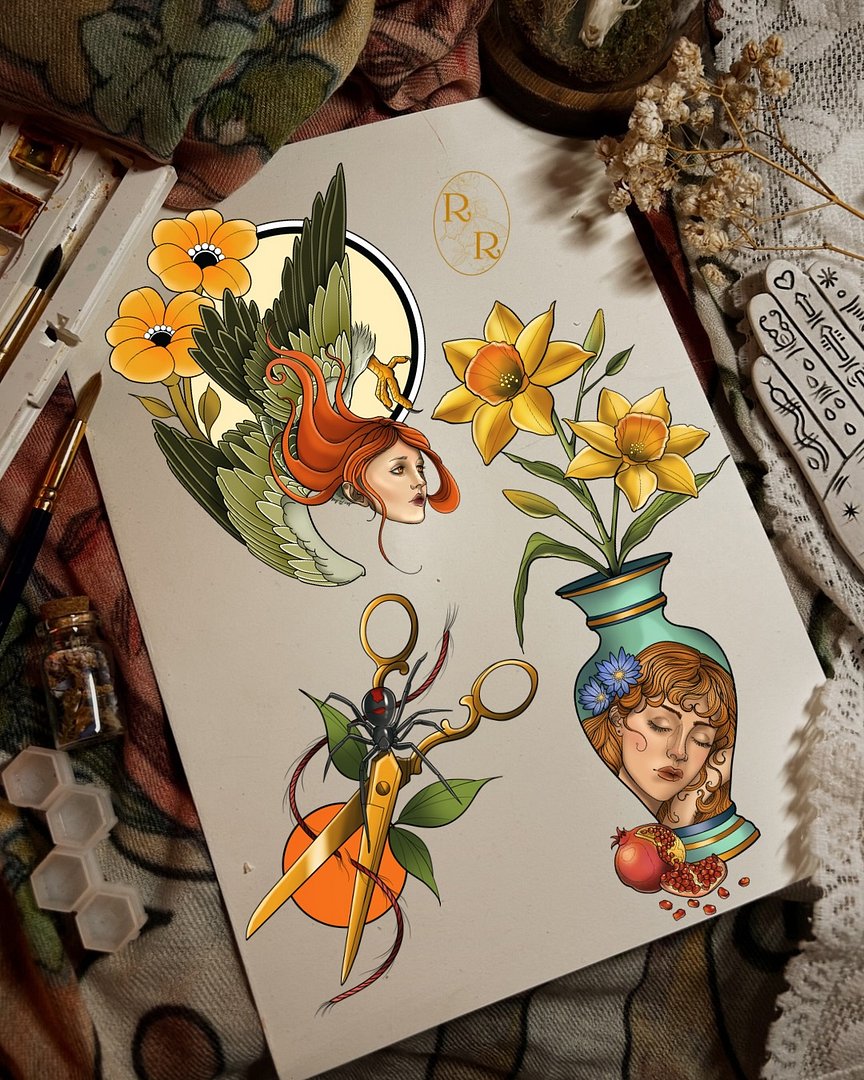
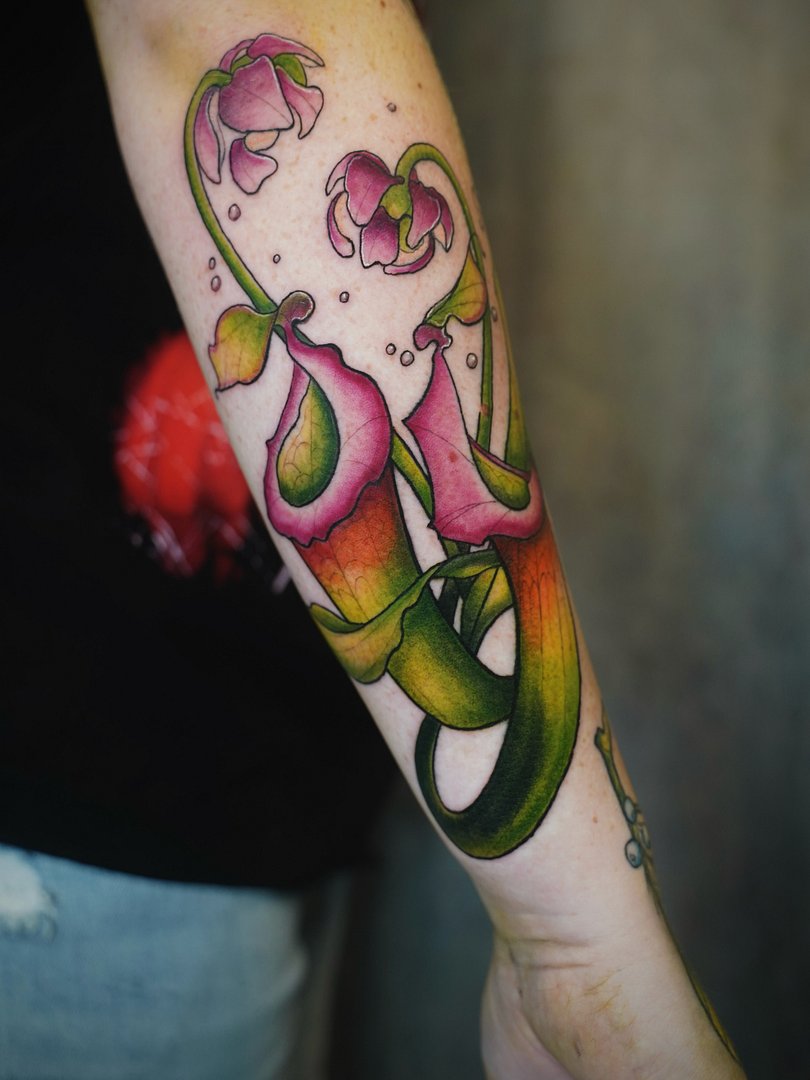
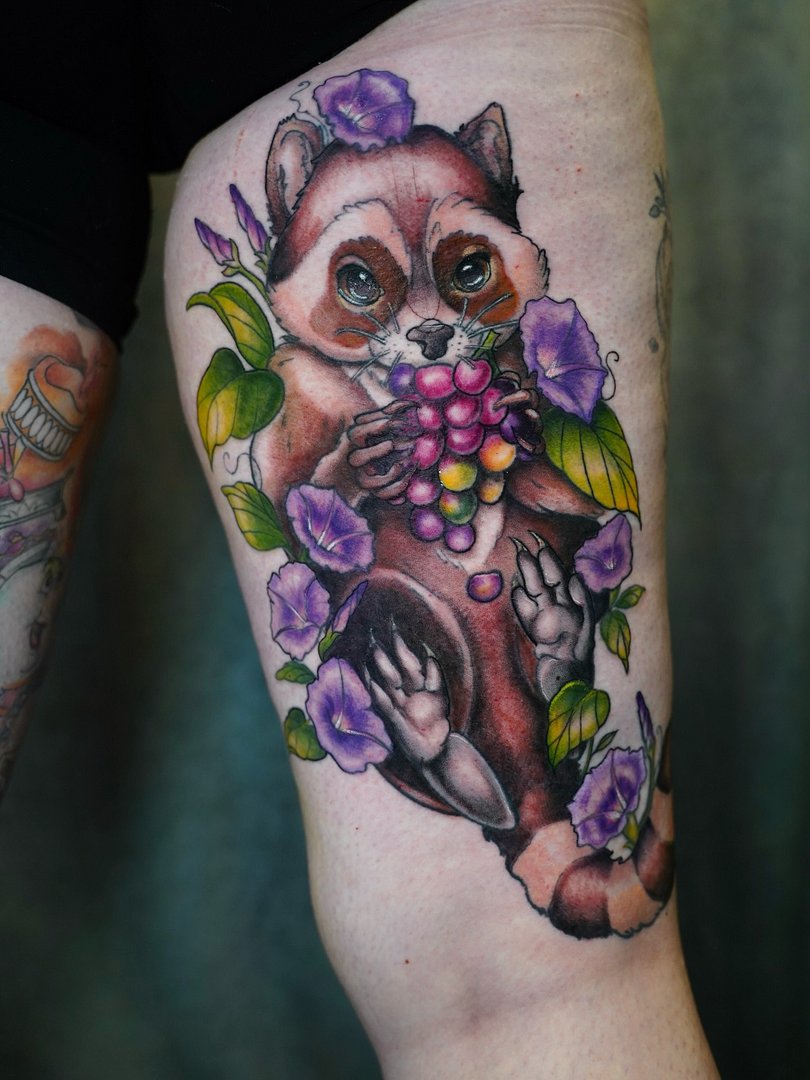

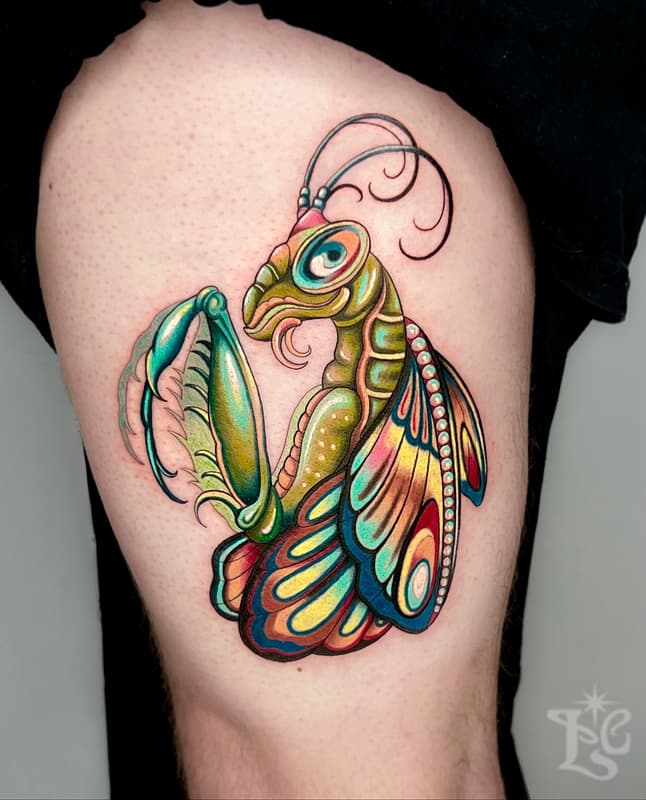
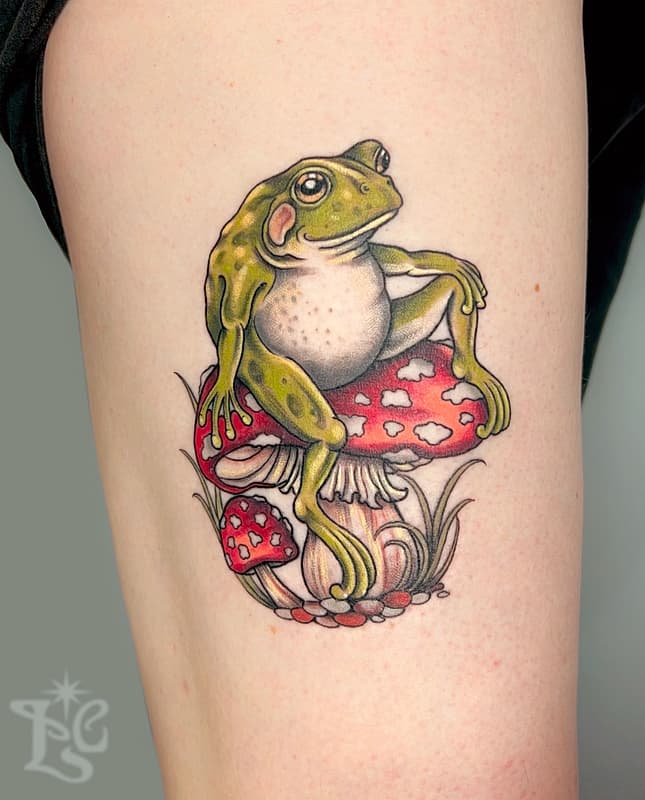
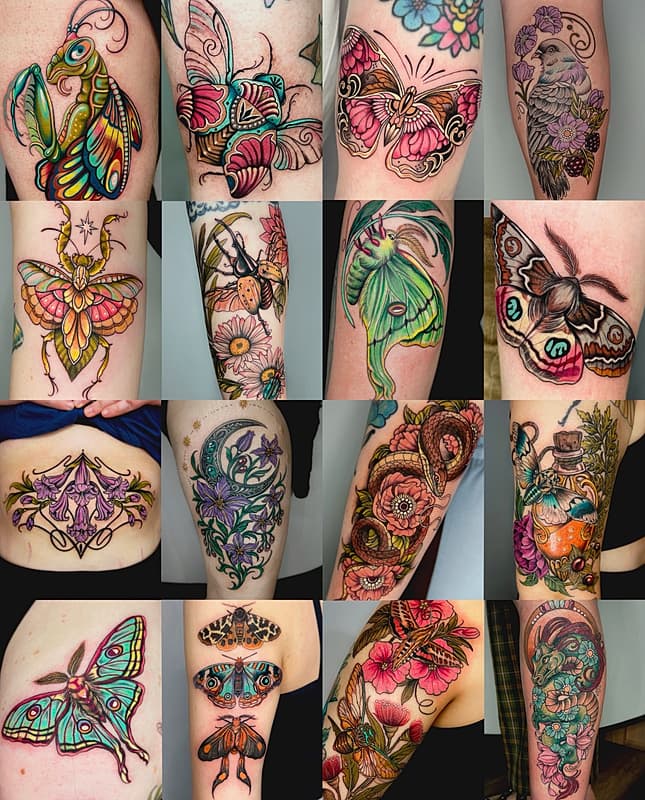
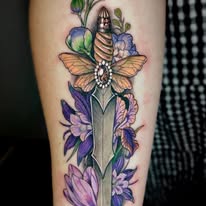
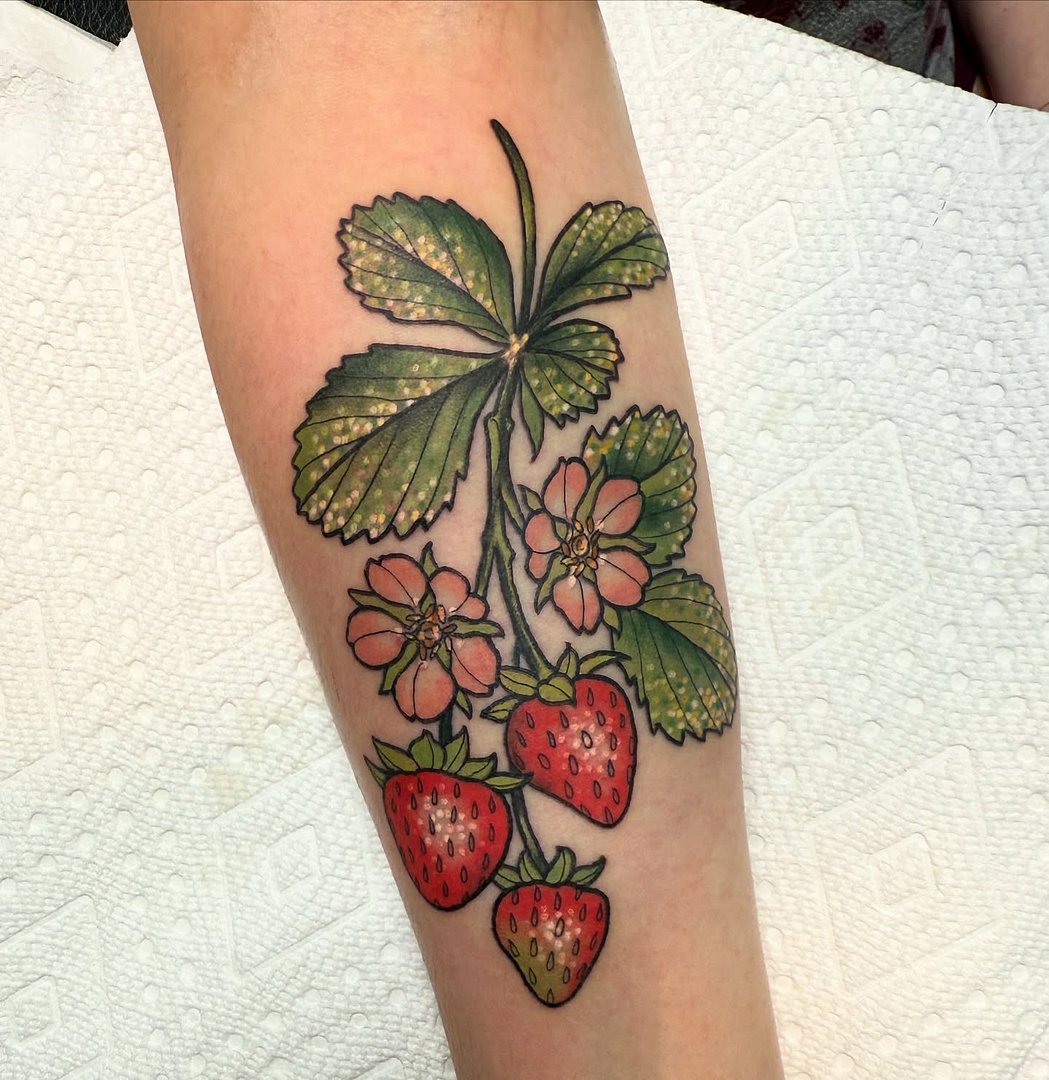

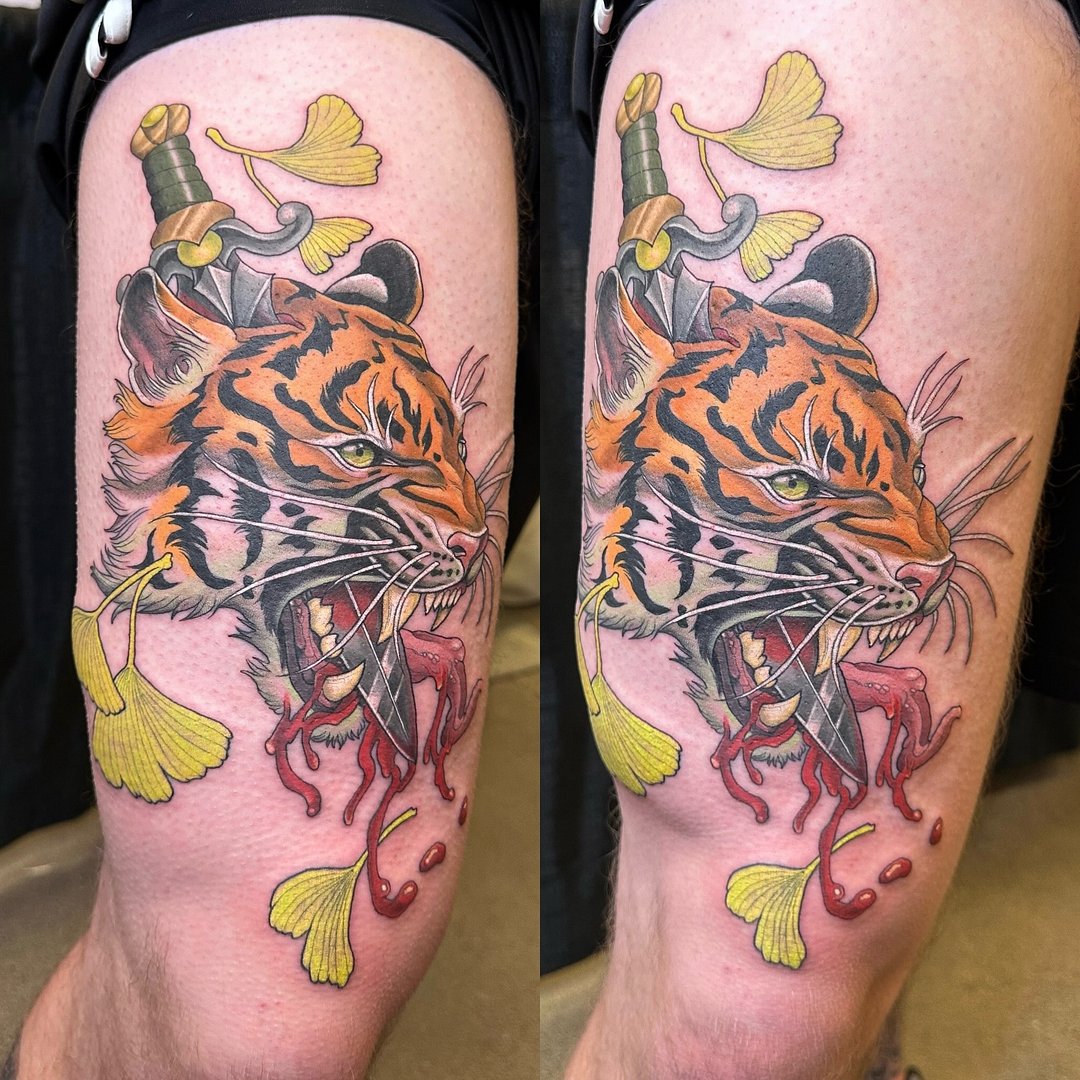
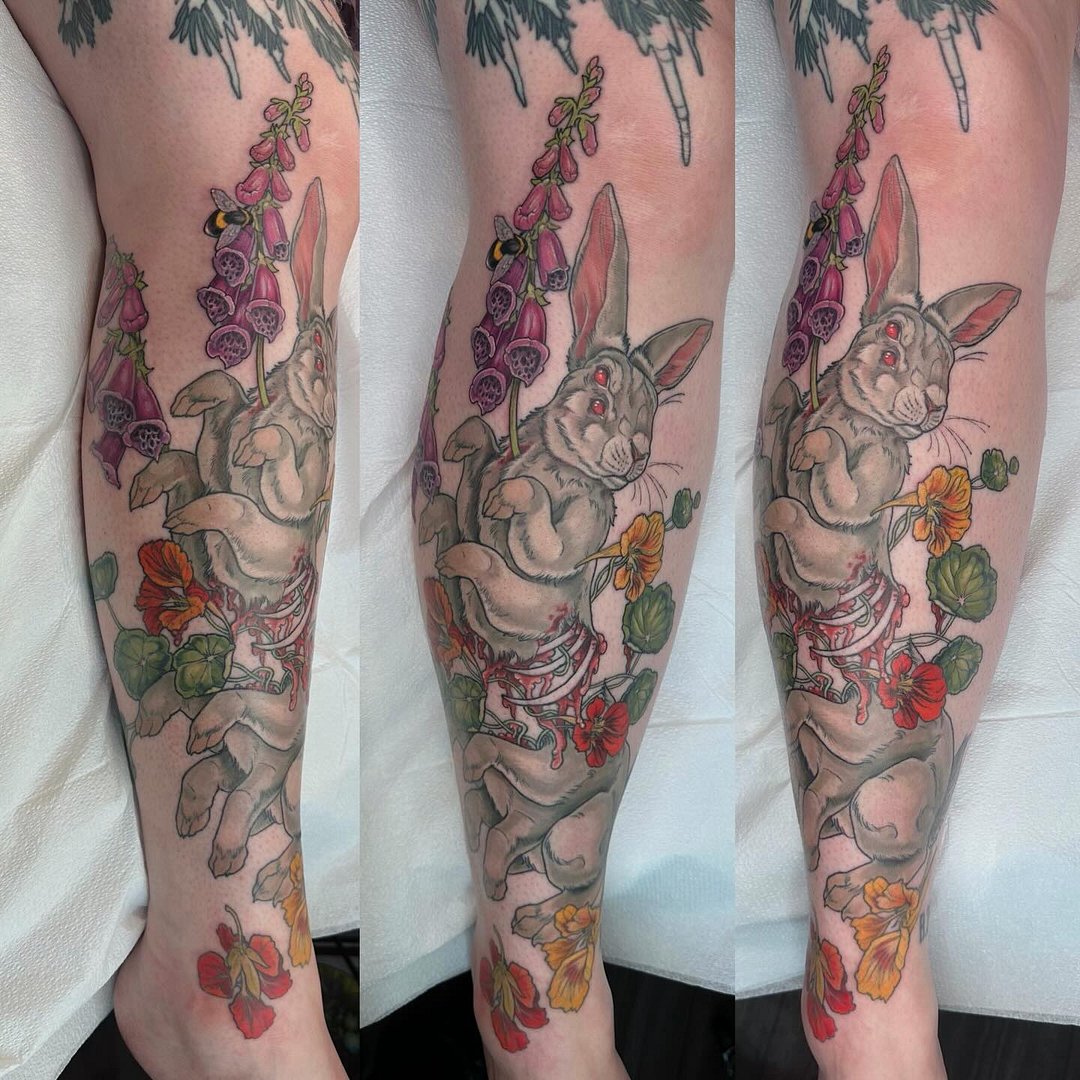
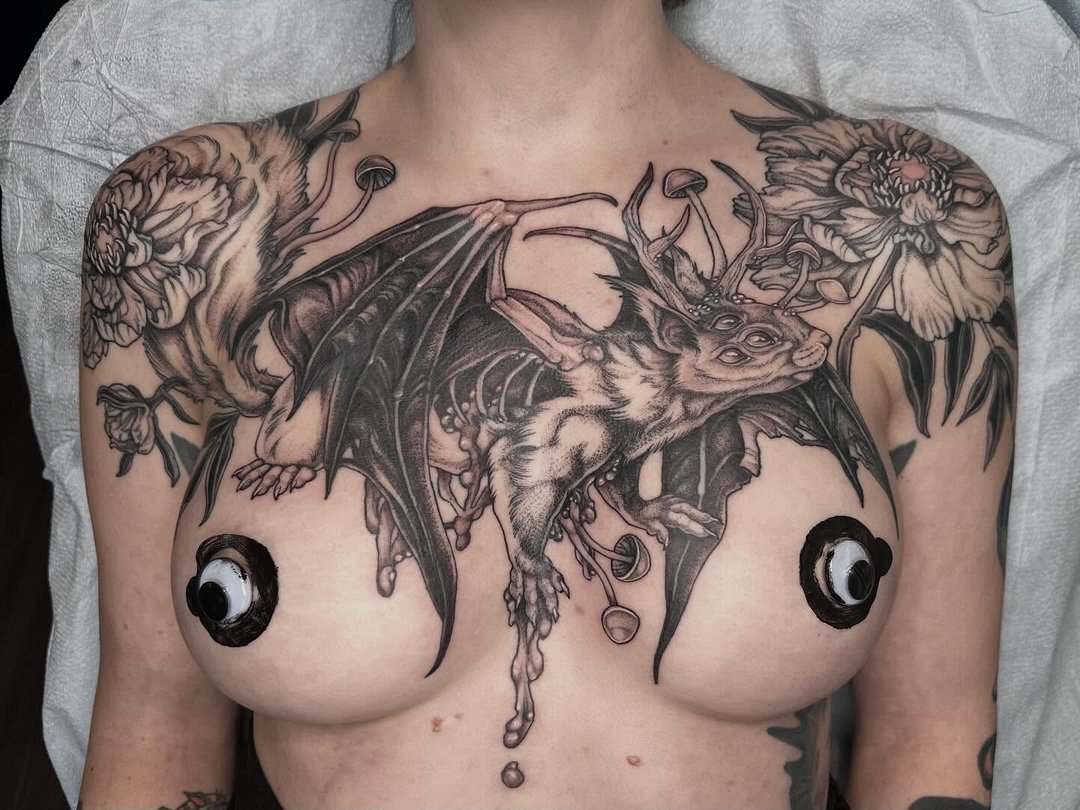
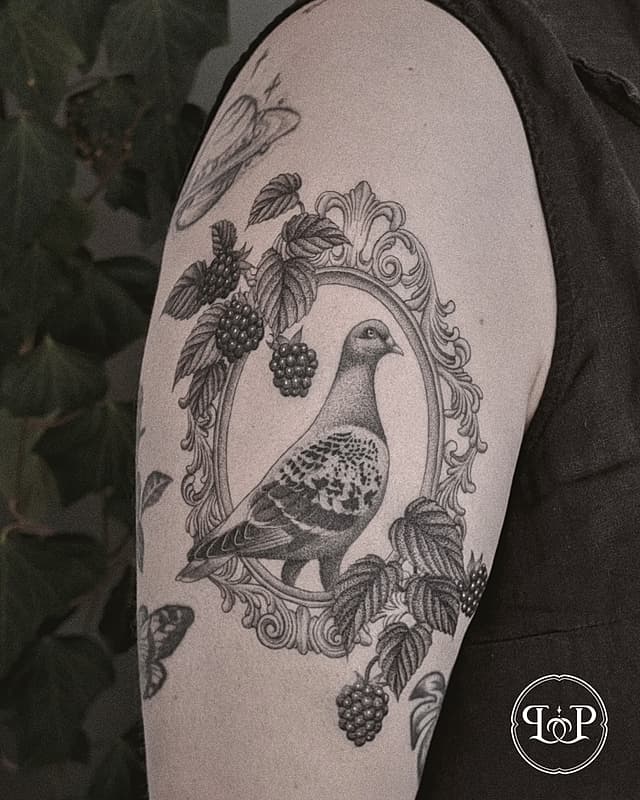
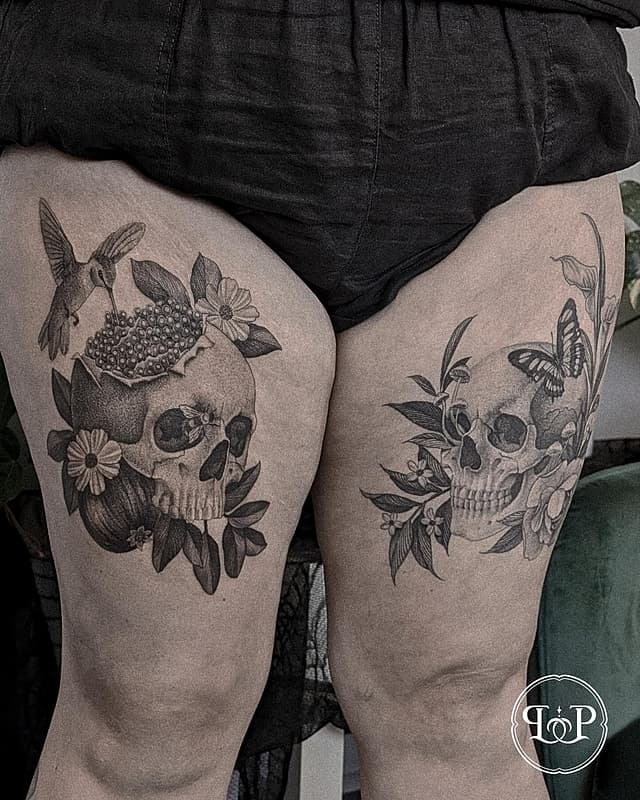
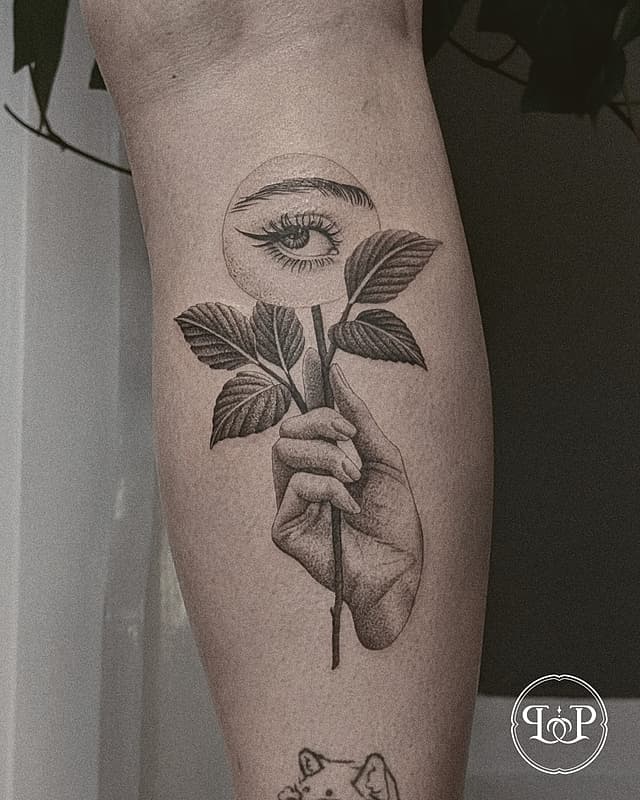

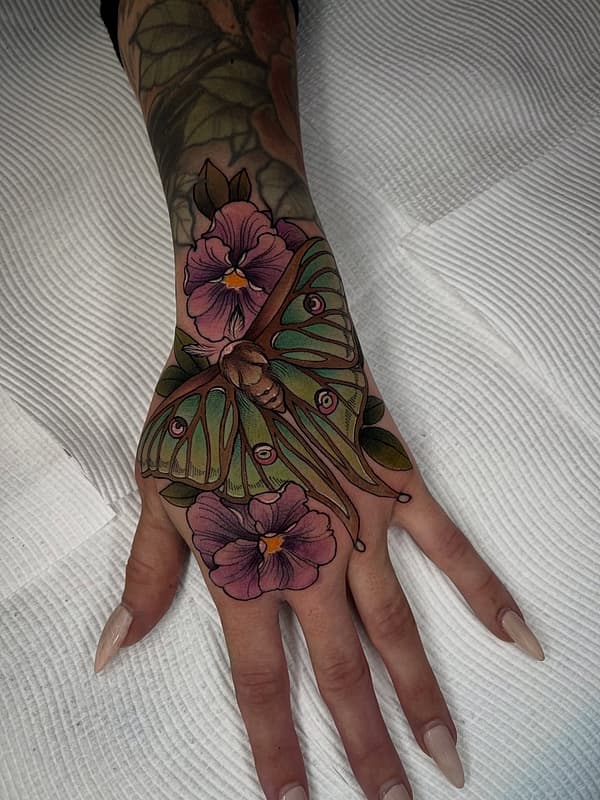
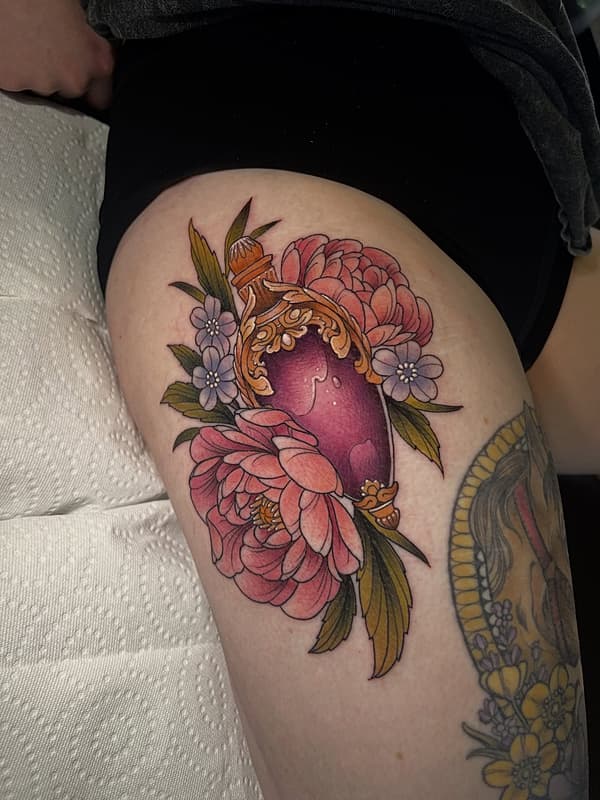

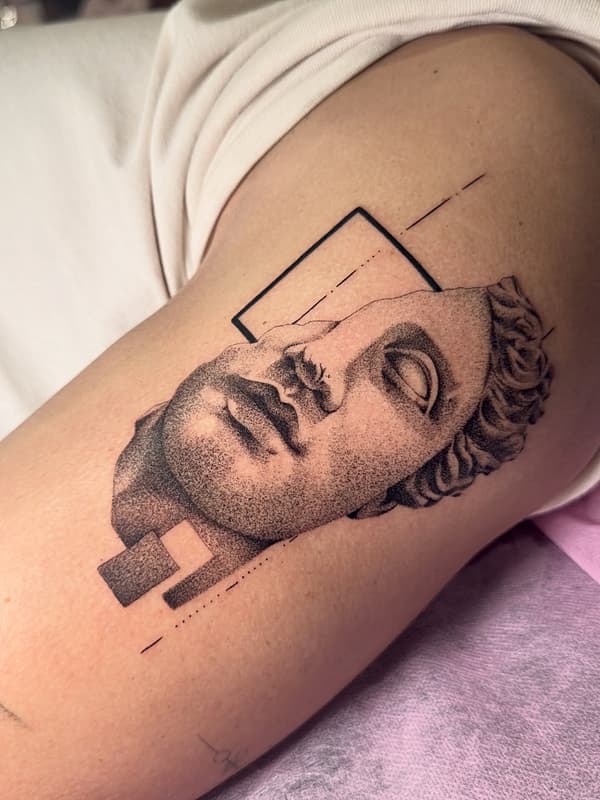
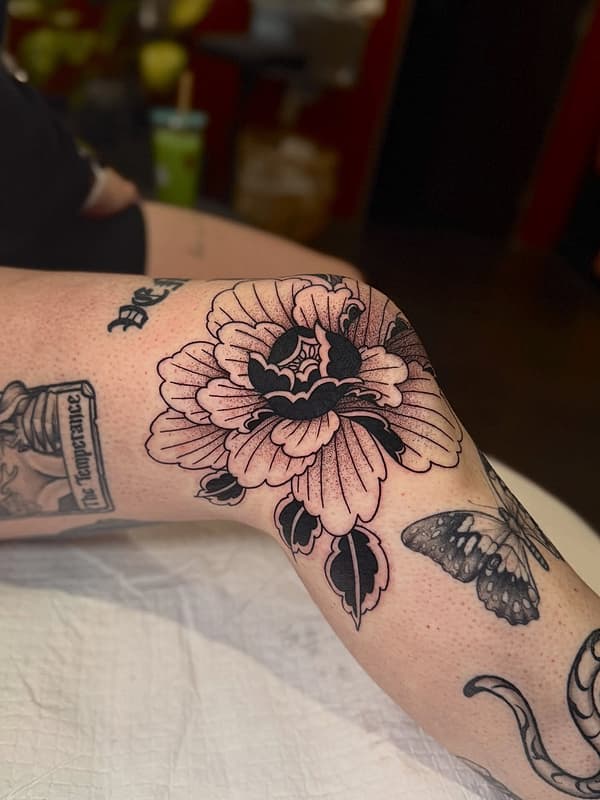
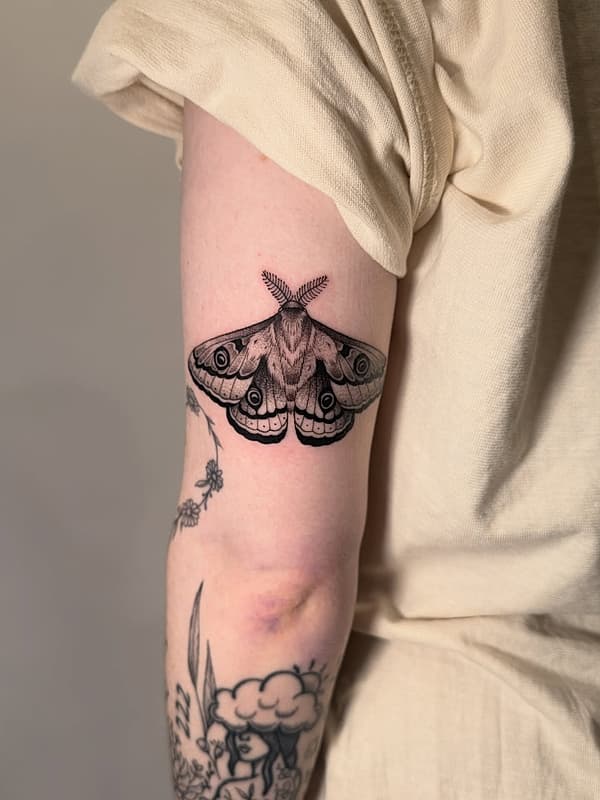



Botanical tattooing takes plants seriously as subject matter, rendering flowers, leaves, herbs, fungi, and native flora with the observational care of scientific illustration. The style spans a wide technical range: delicate fine line pieces that look drawn in pen, detailed black and grey studies with stippled shading reminiscent of antique botany plates, and painterly colour work that captures petals in translucent layers. What unites botanical work is respect for how plants are actually built. Accurate leaf structures, believable stems, and true to life blooms distinguish the style from the stylised florals found in traditional or neo traditional work. In Australia, native botanicals are a genre of their own, with banksias, waratahs, eucalyptus, wattle, and kangaroo paw appearing constantly in local portfolios and carrying personal meaning for many collectors. Botanical pieces flow beautifully with the body, wrapping stems along limbs, spreading across shoulders and spines, and working at every scale from a single sprig behind the ear to full sleeves. It's an enduringly popular style that suits first tattoos and seasoned collections equally well.
What to look for: Look for botanical accuracy alongside technical skill. Leaves should attach to stems believably, flowers should have the right petal counts and structures, and compositions should flow naturally with the body part they occupy. In fine line botanical work, check that lines are smooth and confident, and view healed photos to confirm delicate work is holding. For native flora, an artist who regularly tattoos Australian plants will capture their distinctive structures far better than someone working from a quick reference search.